
This Wisconsin Berry Farm Grows 14 Varieties Of Blueberries And Lets You Pick Every Single One
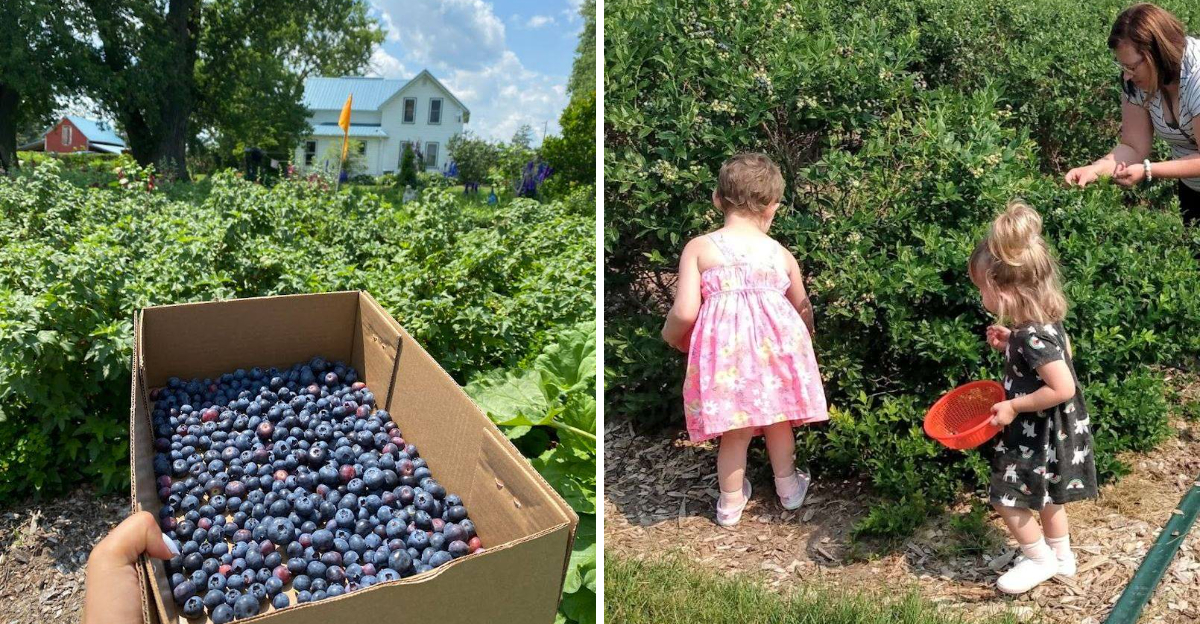
A blueberry bucket sounds simple until you realize how quickly it turns into a full Wisconsin summer ritual. Rows of fruit-heavy bushes invite slow wandering, taste-testing, and that tiny thrill of finding the plumpest berry before anyone else does.
Sweet, tart, early, late, tiny, bold, they do not all taste the same, which makes picking feel more like a treasure hunt than a chore. Families make a morning of it, friends compare their boxes, and solo pickers get the peaceful joy of moving at their own pace.
Countryside views add an extra reason to linger. By the time the berries reach home, muffins, pies, jam, and freezer bags already feel like part of the plan.
14 Blueberry Varieties Extend The Picking Season
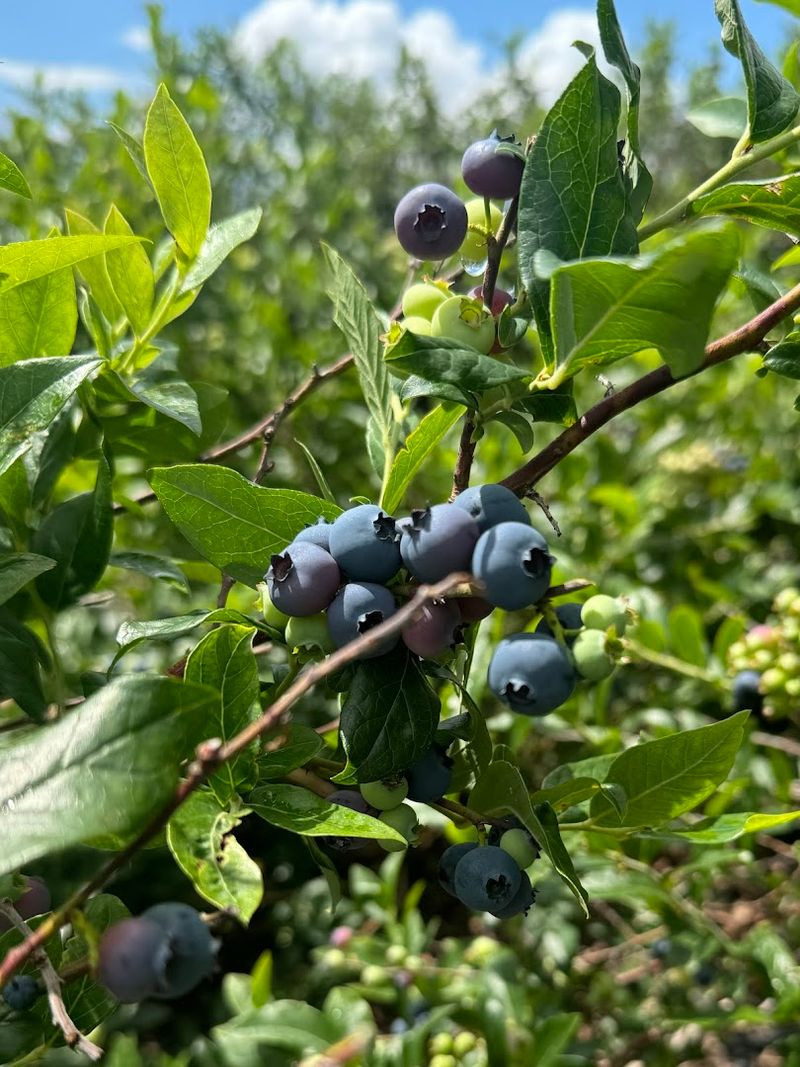
Blueberry enthusiasts often face a short window for picking their favorite fruit, but Rush River Produce solved that problem by planting fourteen different cultivars that ripen on staggered schedules throughout summer. Early varieties start producing fruit in mid-July, while later types continue offering fresh berries well into August.
This deliberate selection means visitors can return multiple times during the season and encounter entirely different flavors and textures with each visit.
The farm sits at W4098 200th Ave in Maiden Rock, where careful planning went into choosing varieties that thrive in Wisconsin’s climate while providing continuous harvest opportunities. Some bushes produce small, intensely flavored berries perfect for baking, while others yield larger fruit ideal for eating fresh.
Pickers often discover new favorite varieties they never knew existed beyond grocery store offerings.
This extended season also helps spread out visitor traffic, making the experience more relaxed for everyone who comes to fill their containers with fresh fruit.
Blueberries Are Usually Available In July And August
Planning a visit requires understanding the farm’s seasonal rhythm, which follows the natural ripening cycle of blueberries in Wisconsin’s climate. The earliest varieties typically become ready for picking around mid-July, kicking off a harvest period that continues through August as later cultivars reach maturity.
Weather conditions each year can shift these dates slightly forward or backward, which explains why the farm asks visitors to call ahead before making the drive.
July picking tends to focus on earlier-ripening varieties that often have a slightly tart edge balanced by natural sweetness, making them exceptional for cooking and baking applications. August berries from later varieties usually develop fuller sweetness and work beautifully for fresh eating, freezing whole, or turning into preserves.
The progression through different types means that someone visiting in early July will encounter a completely different selection than someone arriving in late August.
This two-month window gives people flexibility in planning their picking trips while ensuring that multiple opportunities exist for harvesting throughout summer.
Pick-Your-Own Berries Are The Main Attraction
Rush River Produce centers its entire operation around the simple pleasure of harvesting your own fruit directly from the bush. Visitors arrive with empty containers and leave with pounds of berries they selected themselves, having tasted and tested along the way to ensure they pick only the ripest ones.
This hands-on approach connects people to their food in ways that grocery shopping never can, and children especially benefit from learning where their fruit actually comes from.
The farm actively encourages tasting while picking, understanding that part of the experience involves discovering which berries have reached peak sweetness and which need another day or two on the bush. This generous policy turns picking into both harvest and education, as people learn to recognize truly ripe fruit by color, firmness, and flavor.
Many visitors find themselves eating nearly as many berries as they collect, which the farm considers part of the fun rather than something to discourage.
Reasonable pricing makes filling boxes affordable, and the quality of fresh-picked berries far exceeds anything available in stores.
Nine Acres Of Blueberry Bushes Fill The Farm
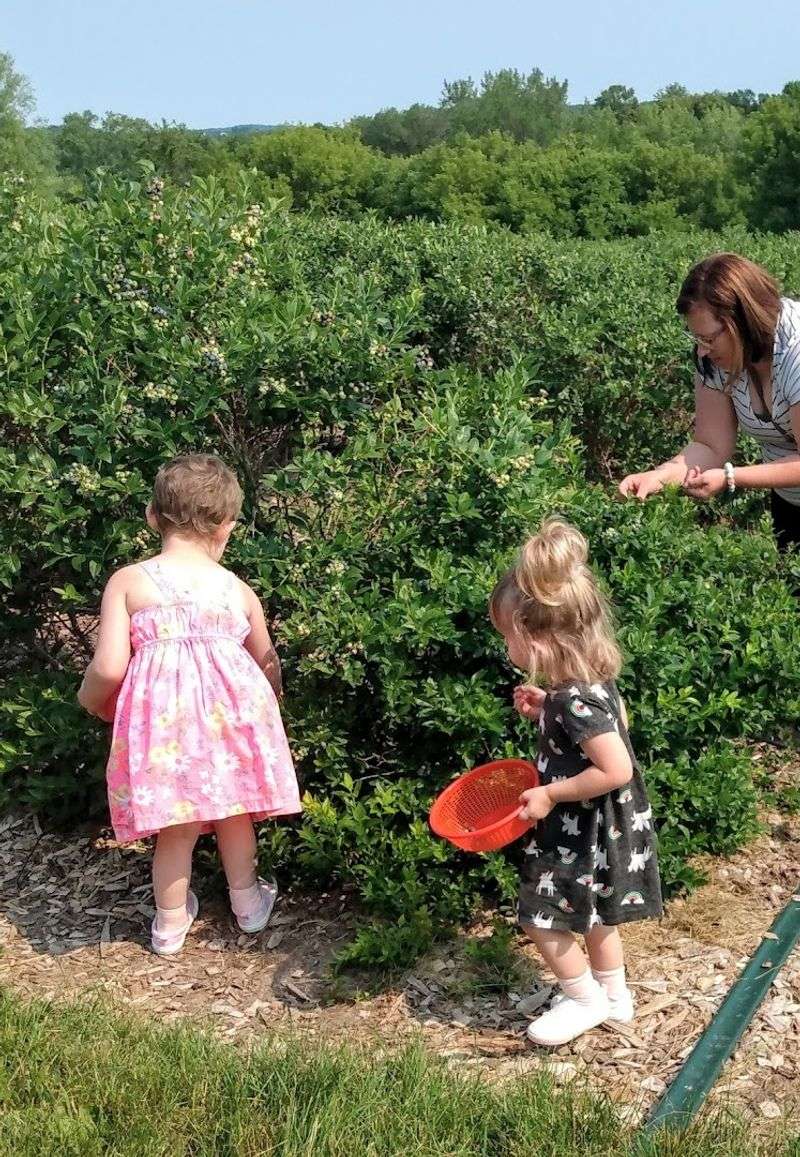
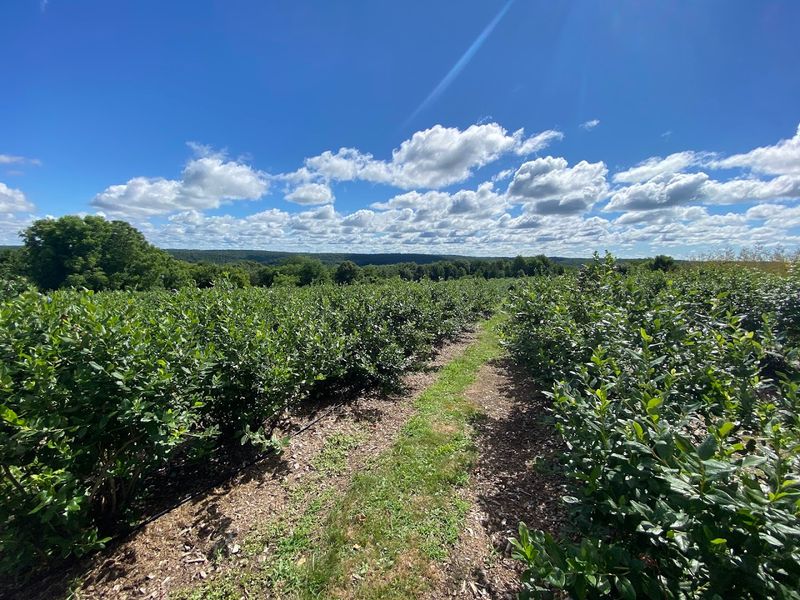
Walking onto the property reveals an impressive sight: nine full acres dedicated entirely to blueberry cultivation, with rows stretching far enough that pickers rarely feel crowded even on busy summer weekends. The bushes stand at varying heights depending on their age and variety, creating a landscape that feels both orderly and organic.
Pathways between rows allow easy navigation, and the sheer volume of plants means there are always plenty of ripe berries to discover.
John and Terry, who run the farm, have spent years establishing and maintaining these bushes to ensure healthy plants that produce abundant fruit. The careful attention shows in the vigorous growth and heavy berry loads that greet visitors each season.
Even when fifteen cars fill the parking area near the barn, the acreage provides enough space that pickers often go long stretches without encountering others.
This expansive growing area transforms a simple berry-picking trip into an experience where families can spread out, children can explore safely, and everyone finds their own perfect picking spot.
The Farm Also Grows Currants And Gooseberries
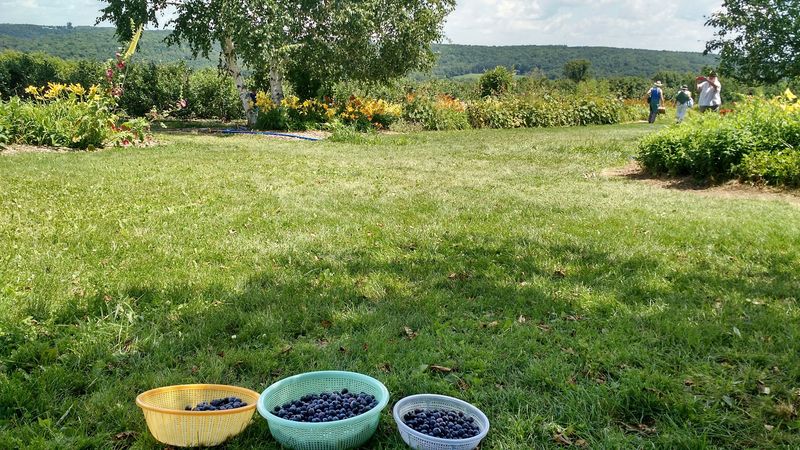
Beyond its impressive blueberry collection, Rush River Produce cultivates less common berries that many people have never tasted or even seen growing. Red currants, black currants, and gooseberries all thrive on the property, offering adventurous pickers a chance to harvest fruits that rarely appear in American supermarkets despite their popularity in European cuisine.
These berries typically ripen earlier in the season than most blueberries, giving visitors reasons to visit multiple times as different crops become available.
Currants grow in tight clusters of jewel-like berries, with red varieties offering bright tartness perfect for jellies and black currants providing intense flavor ideal for syrups and sauces. Gooseberries, which can range from green to pink depending on variety and ripeness, have a unique sweet-tart profile that works wonderfully in pies and preserves.
Many visitors discover these fruits for the first time at the farm and become instant converts.
Growing these specialty berries demonstrates the farm’s commitment to offering diversity beyond standard commercial crops and introducing people to forgotten or overlooked fruits.
Visitors Are Asked To Call Ahead Before Driving Out
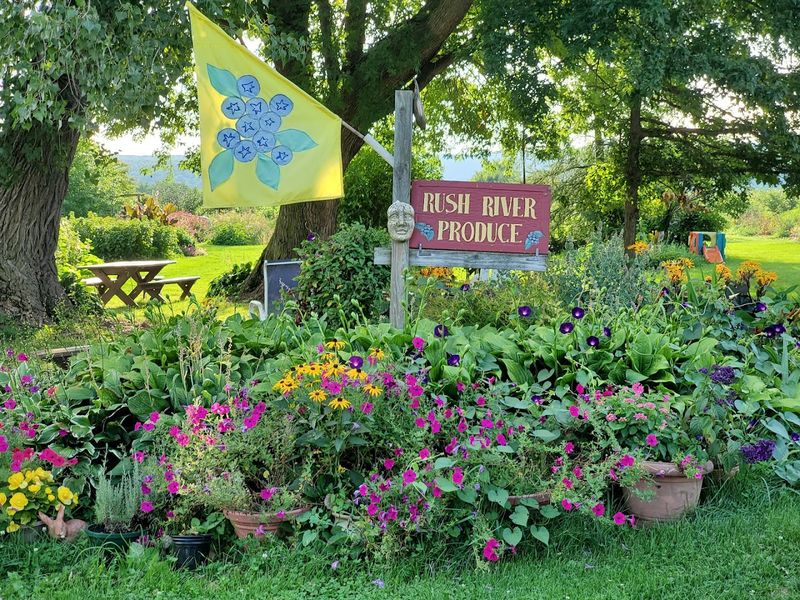
Rush River Produce operates on a schedule that depends entirely on what nature provides, which means berry availability can change quickly based on weather, ripening rates, and how many pickers have already visited. Calling ahead before making the trip prevents disappointment and wasted travel time, especially for people driving from the Twin Cities or other distant locations.
The phone number, 715-594-3648, connects visitors directly with John and Terry, who can report current conditions, which varieties are ready, and what the picking looks like for that particular day.
This personal communication also allows the farm to manage visitor flow, ensuring that everyone who arrives finds adequate ripe berries worth harvesting. Some days produce such abundant fruit that the farm can accommodate many pickers, while other times a brief pause allows berries to ripen further before welcoming the next wave of visitors.
The practice reflects a thoughtful approach to farming that prioritizes quality experiences over simply maximizing traffic.
Taking a moment to call transforms uncertainty into confidence and helps everyone plan successful, rewarding visits to the farm.
Rush River Produce Supplies The Picking Boxes
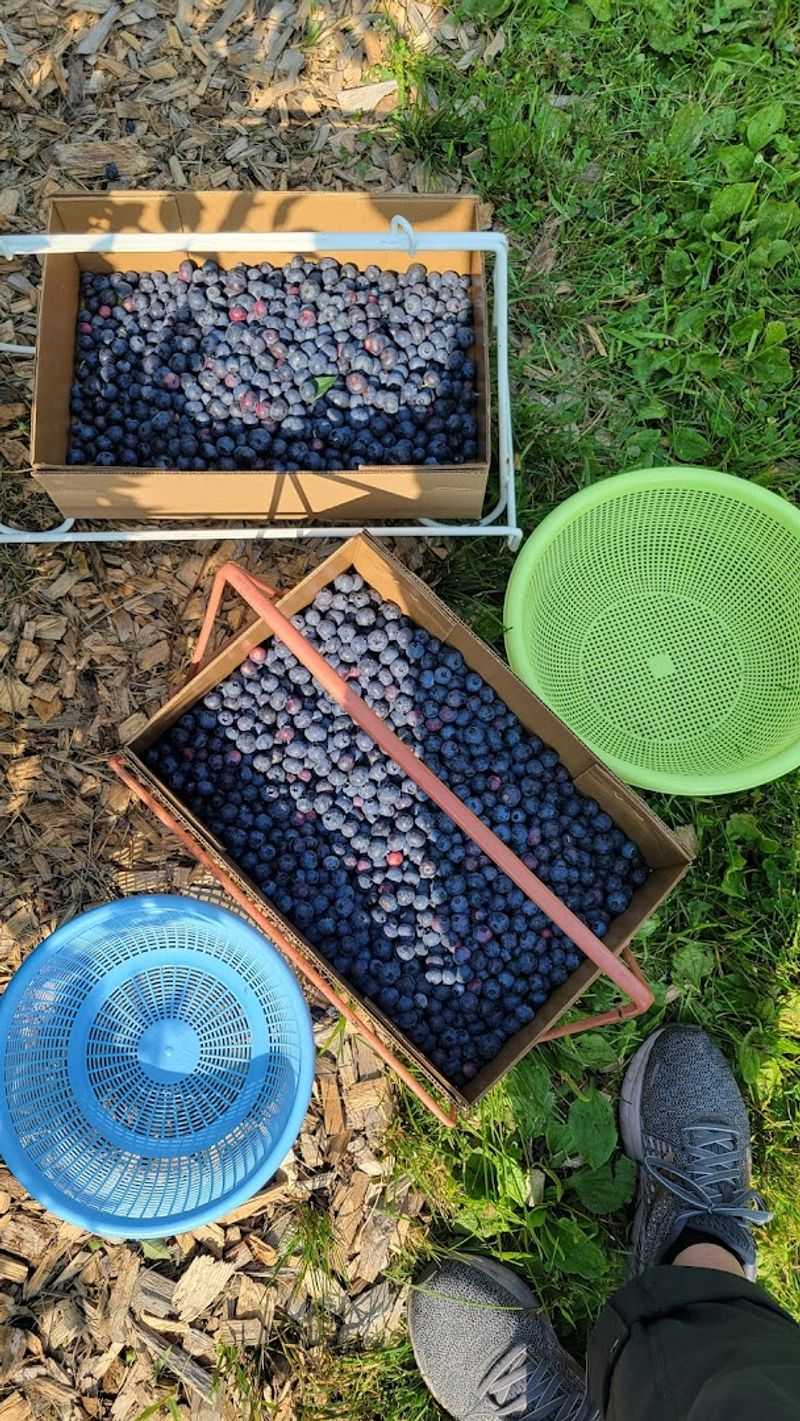
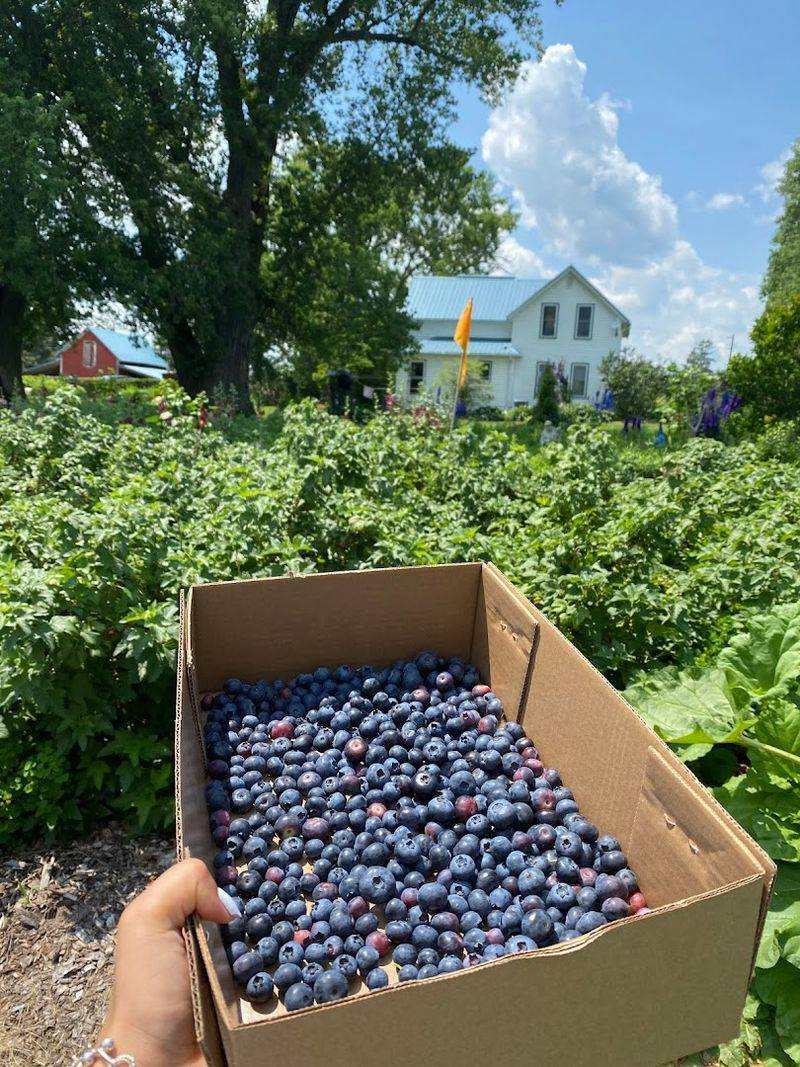
Arriving at the farm requires nothing more than comfortable clothes and a willingness to spend time outdoors, because Rush River Produce provides all the containers needed for collecting berries. Visitors receive boxes or buckets appropriate for the amount of fruit they plan to pick, eliminating the need to bring containers from home or worry about having suitable vessels for transporting delicate berries.
This convenience makes spontaneous visits possible and removes one more barrier between people and the experience of harvesting their own food.
The supplied containers are sized to hold manageable amounts of fruit while allowing proper airflow that prevents crushing berries at the bottom under the weight of those piled on top. After filling their boxes, pickers bring them to the barn area for weighing and payment, with pricing that reflects the reasonable rates the farm has maintained over years of operation.
The system works smoothly and efficiently, keeping focus on the picking rather than logistics.
This simple service demonstrates attention to visitor experience and understanding of what makes pick-your-own operations welcoming and accessible to everyone.
The Farm Sits Near Wisconsin’s Great River Road
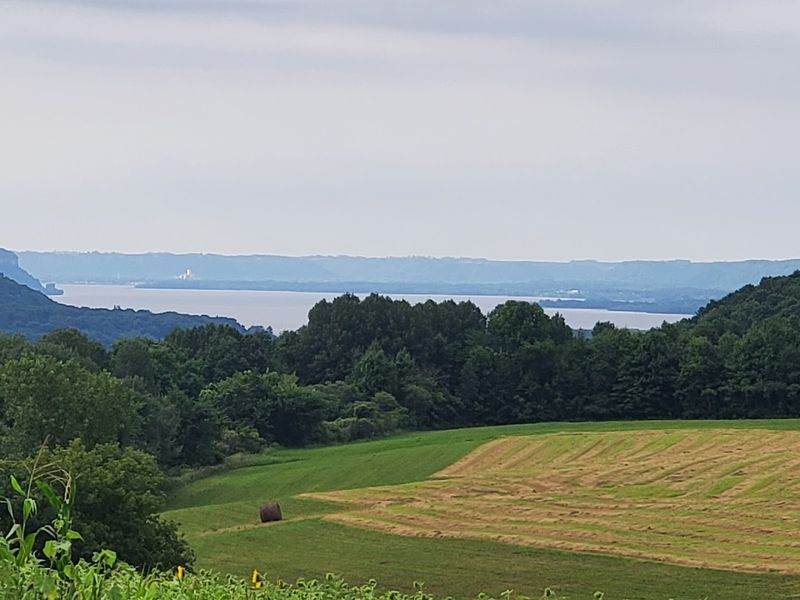
Geography plays a significant role in what makes Rush River Produce special, as the farm occupies land near one of America’s most scenic driving routes. The Great River Road follows the Mississippi River through Wisconsin, offering stunning views of river valleys, dramatic bluffs, and the kind of landscape that makes people pull over repeatedly to take photographs.
Rush River Produce sits just off this route, making it an ideal stop for people already exploring the area or planning day trips that combine natural beauty with agricultural experiences.
Lake Pepin, a naturally occurring widening of the Mississippi River, lies visible from certain vantage points on the property, adding another layer of visual interest to the farm visit. The location in Maiden Rock places the farm within the heart of this river valley region, where hills rise sharply and create microclimates that prove excellent for fruit cultivation.
Many visitors combine their berry-picking trip with exploration of nearby river towns, antique shops, and waterfront parks.
This positioning transforms a simple farm visit into part of a larger adventure through one of Wisconsin’s most beautiful regions.
Picnic Tables Make It Easy To Linger After Picking

Rush River Produce understands that the best farm visits involve more than just efficient harvesting and quick departures. Picnic tables situated in peaceful spots around the property invite visitors to slow down, rest after filling their boxes, and simply enjoy being outdoors in a beautiful setting.
These tables transform the farm from a transactional pick-and-go operation into a destination where families can spend entire mornings or afternoons, making the experience feel less like an errand and more like an outing.
Many visitors pack lunches or snacks to enjoy at these tables, turning berry picking into a full picnic experience that children especially remember long after summer ends. The tables offer spots to sort through freshly picked berries, rest tired feet, watch hummingbirds visit nearby flowers, and take in views that stretch across the farm and beyond.
This invitation to linger reflects the farm’s welcoming philosophy and recognition that memorable experiences require time and space to unfold naturally.
Having places to sit and relax adds immeasurable value to visits and encourages people to fully inhabit the farm rather than rushing through it.
Flower Gardens Add Color Beyond The Berry Rows
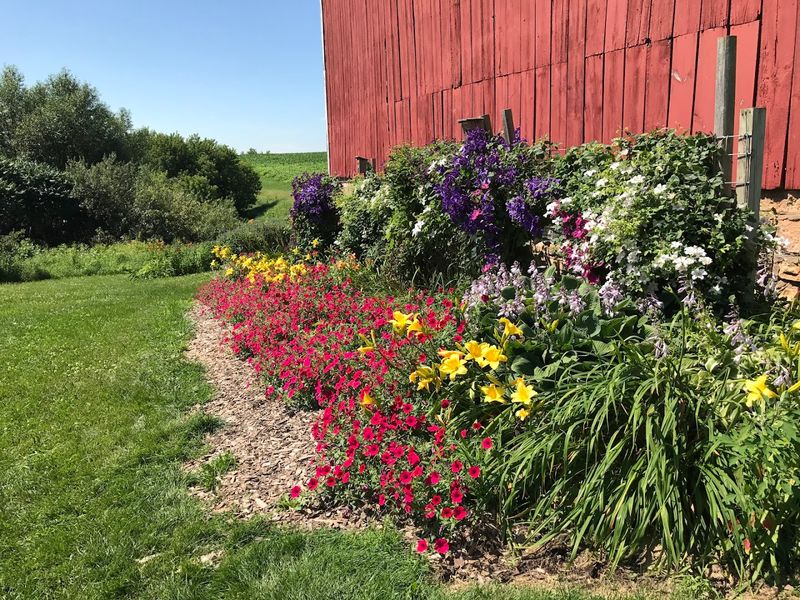
Walking around Rush River Produce reveals that John and Terry have created something beyond a functional agricultural operation. Flower gardens bloom throughout the property, adding splashes of color that complement the green foliage and blue fruit of the berry bushes.
These gardens serve multiple purposes: they attract pollinators essential for fruit production, provide visual beauty that enhances the overall experience, and demonstrate the care and attention the family puts into every aspect of their land.
Hummingbirds frequent these flower plantings, and visitors often pause picking to watch these tiny birds hover and dart between blooms. Butterflies also visit regularly, creating moments of natural wonder that particularly captivate children.
The gardens transform the farm into a place of genuine beauty rather than simply a production facility, showing that agriculture and aesthetics can coexist harmoniously when farmers care about both.
These thoughtful plantings reveal the personality behind the operation and contribute significantly to why people describe the farm as beautiful, gorgeous, and even heaven on earth in their memories of visiting.