
This Wisconsin Thrift Store Can Refresh Your Entire Wardrobe For Just $16
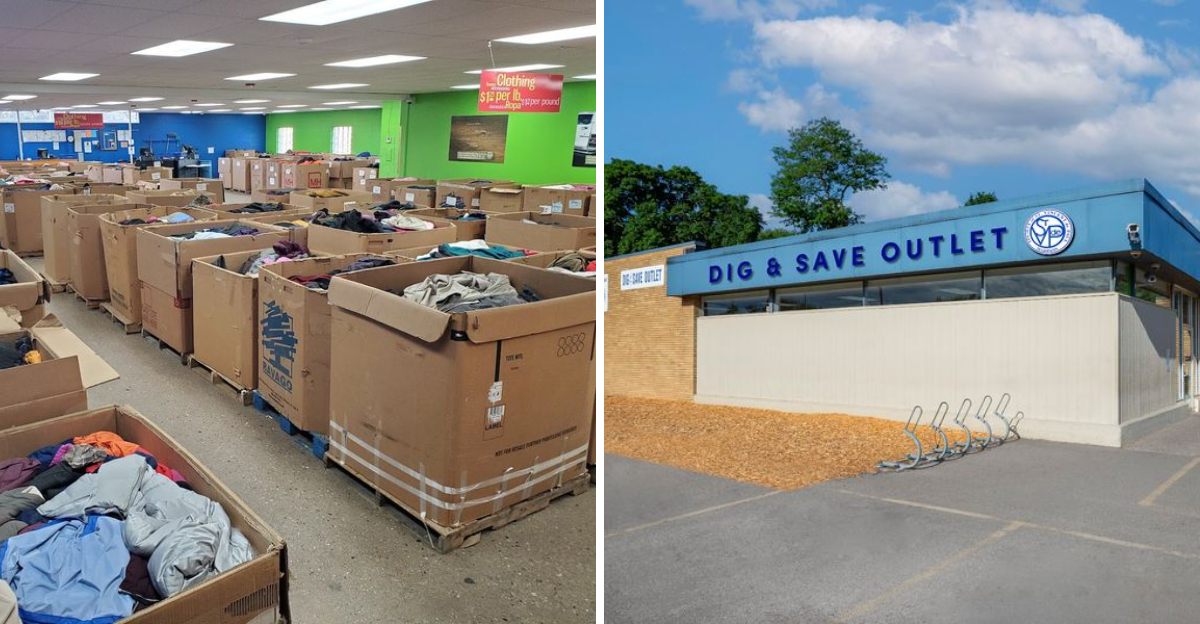
A full wardrobe refresh does not have to involve mall prices or a painful checkout total. At this Wisconsin thrift outlet, the best finds are measured by weight, not by how fancy the tag looks.
Shoppers dig through bins, compare textures, hold up coats, laugh over strange accessories, and somehow leave with bags that feel heavier than the receipt suggests.
Three sweaters, a winter jacket, a blanket, and a few extras can cost less than a casual dinner. That is the thrill. Every visit feels different because the inventory keeps moving, and patience usually pays off.
Bring a sharp eye, comfortable shoes, and enough time to sort through the chaos. Bargain hunters leave feeling like they beat the system.
Shoppers Dig Through Bins Instead Of Browsing Racks
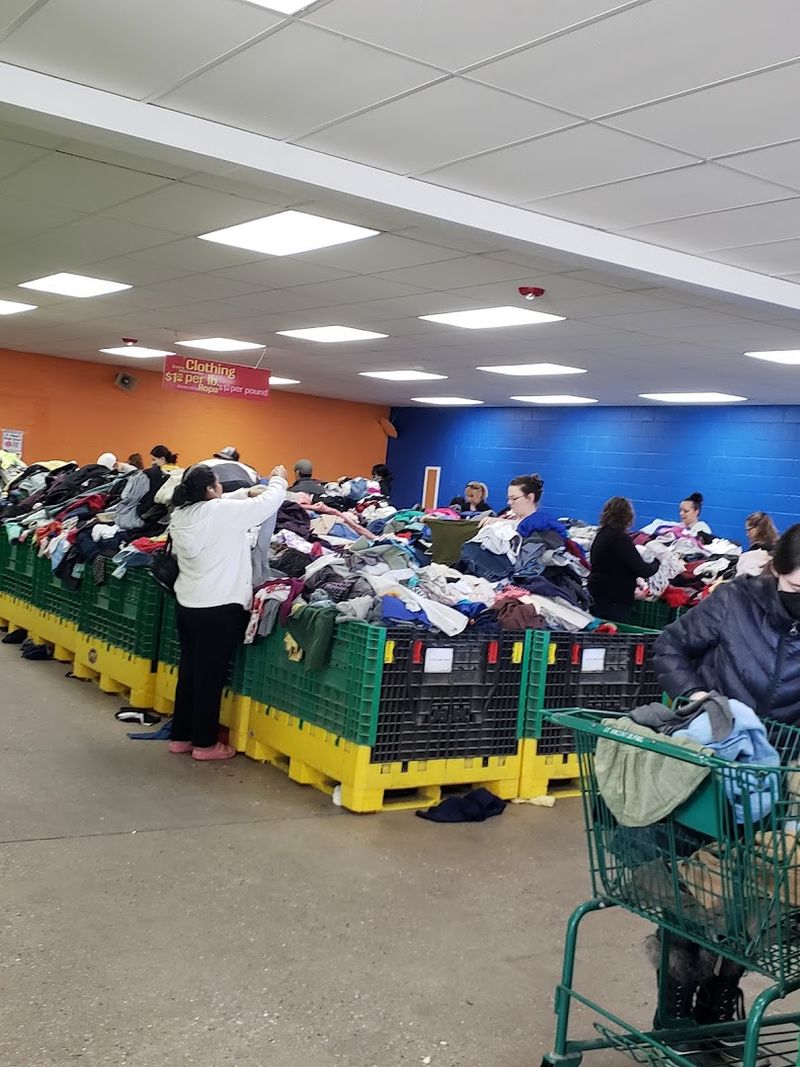
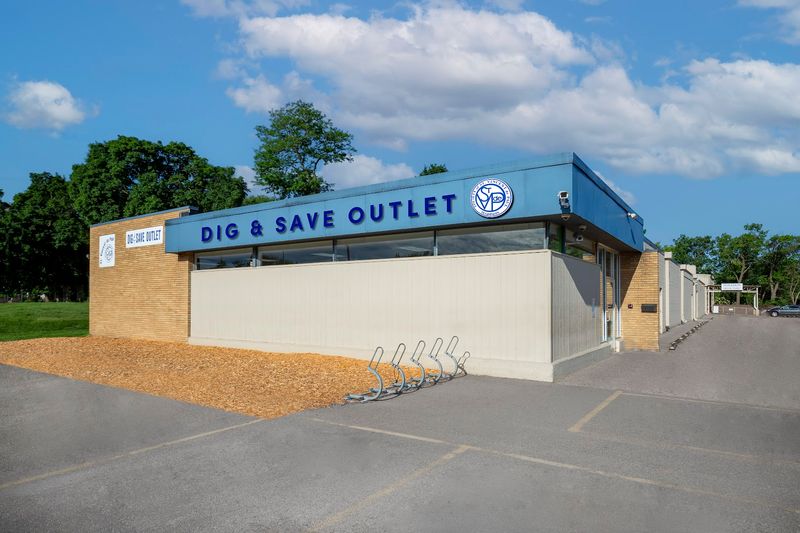
Forget the organized racks and color-coded sections found at typical retail environments. The outlet at 1900 South Park Street, Madison presents merchandise in large communal bins that require hands-on exploration.
This bin system allows the store to move tremendous volumes of donated goods while keeping operational costs minimal, savings that translate directly to customer pricing.
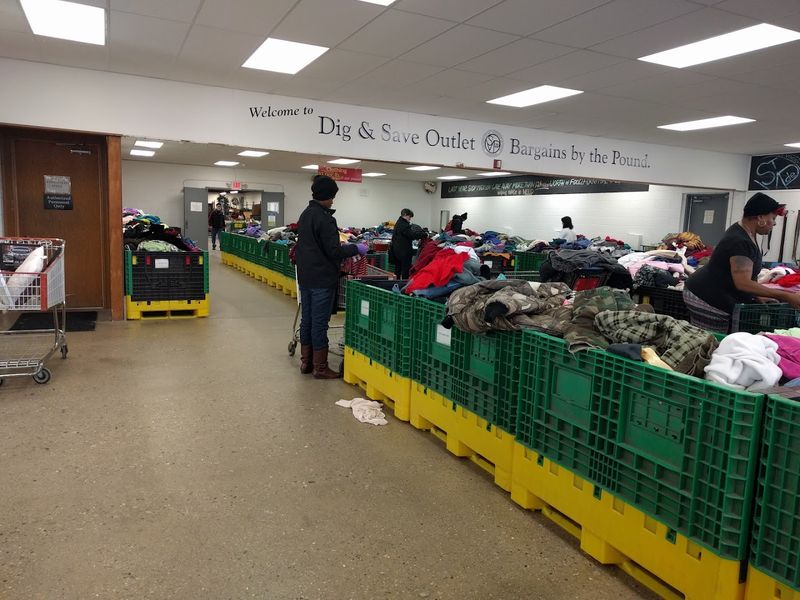
The front section houses clothing and linens in accessible containers where fabric items mix freely. Shirts nestle against curtains, jeans share space with tablecloths, and winter scarves tangle with summer dresses.
The experience demands a different shopping mentality, one focused on discovery rather than targeted purchasing.
Bringing gloves proves wise, as the digging process involves contact with dust and varied textures. The physical nature of bin shopping creates a participatory experience that some find exhilarating and others find exhausting, but the potential rewards keep regulars returning week after week.
The Big Draw Is By The Pound Pricing
At $1.50 per pound for clothing and linens, the pricing structure at this Wisconsin location transforms thrift shopping into a mathematical game. A single coat might weigh a pound, meaning you could walk out with several garments for less than the cost of a coffee shop latte.
The system rewards volume shoppers and those willing to invest time sorting through options.
Household items follow an even more generous formula at just 60 cents per pound. Kitchen gadgets, decorative pieces, and storage containers become almost impossibly affordable when measured this way.
The weight-based approach means bulkier items do not automatically carry higher price tags.
Shoppers quickly learn to estimate weights and calculate potential savings before heading to checkout. The predictability of pricing removes the uncertainty that comes with individual item tags at conventional thrift stores, allowing budget planning with remarkable precision.
Sixteen Dollars Can Stretch Surprisingly Far Here
Real shopping trips documented by customers demonstrate the remarkable purchasing power available here. One visitor reported leaving with three coats, five sweaters, a blanket, a curtain, and a glass pot lid for just twelve dollars.
Another shopper assembled a complete outfit for under two dollars, proving that strategic selection yields extraordinary value.
The sixteen-dollar threshold mentioned in countless shopping stories represents a sweet spot where quantity meets quality. That amount typically covers ten to twelve pounds of clothing, enough to address seasonal wardrobe needs or refresh an entire closet section.
Families shopping for growing children find particular advantage in this pricing structure.
Budget-conscious students, artists seeking costume materials, and anyone facing financial constraints discover that careful shopping here accomplishes what might cost hundreds elsewhere. The math works beautifully for those willing to invest time in the search process, turning modest spending into substantial wardrobe transformation.
Every Visit Feels Like A New Treasure Hunt
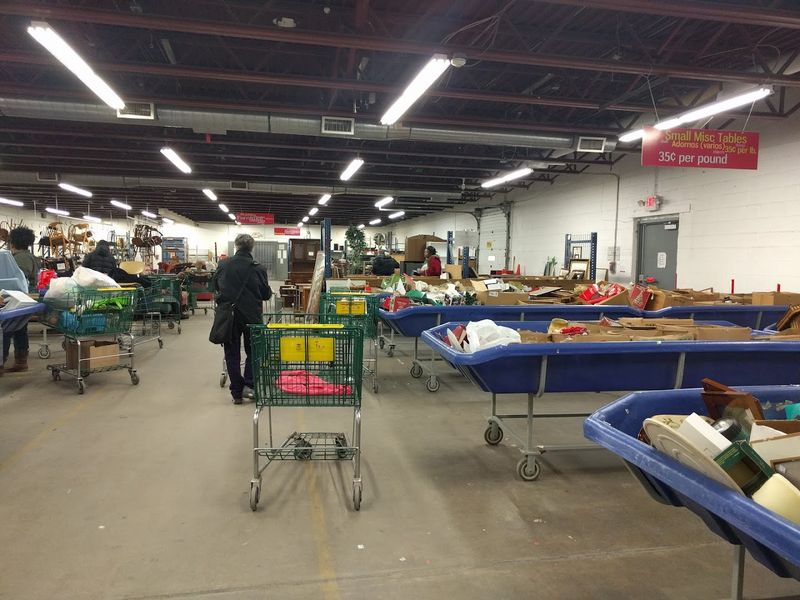
The constant rotation of inventory means no two visits produce identical experiences. Donations arrive continuously, and staff members refresh bins throughout operating hours, creating perpetual opportunities for discovery.
What appeared picked over in the morning might yield unexpected gems by afternoon as new stock enters circulation.
This unpredictability generates a hunting mentality among devoted shoppers. Some arrive when doors open at 10 AM, ready to explore freshly stocked bins before crowds gather.
The element of chance adds genuine excitement to the shopping process, transforming a routine errand into an adventure with uncertain outcomes.
The treasure hunt atmosphere attracts collectors seeking vintage pieces, crafters hunting for fabric and materials, and bargain enthusiasts who thrive on the challenge. Unlike predictable retail environments, this outlet rewards persistence, timing, and a willingness to sift through ordinary items to uncover extraordinary finds hidden within the bins.
Clothing, Shoes, And Accessories All Mix Together
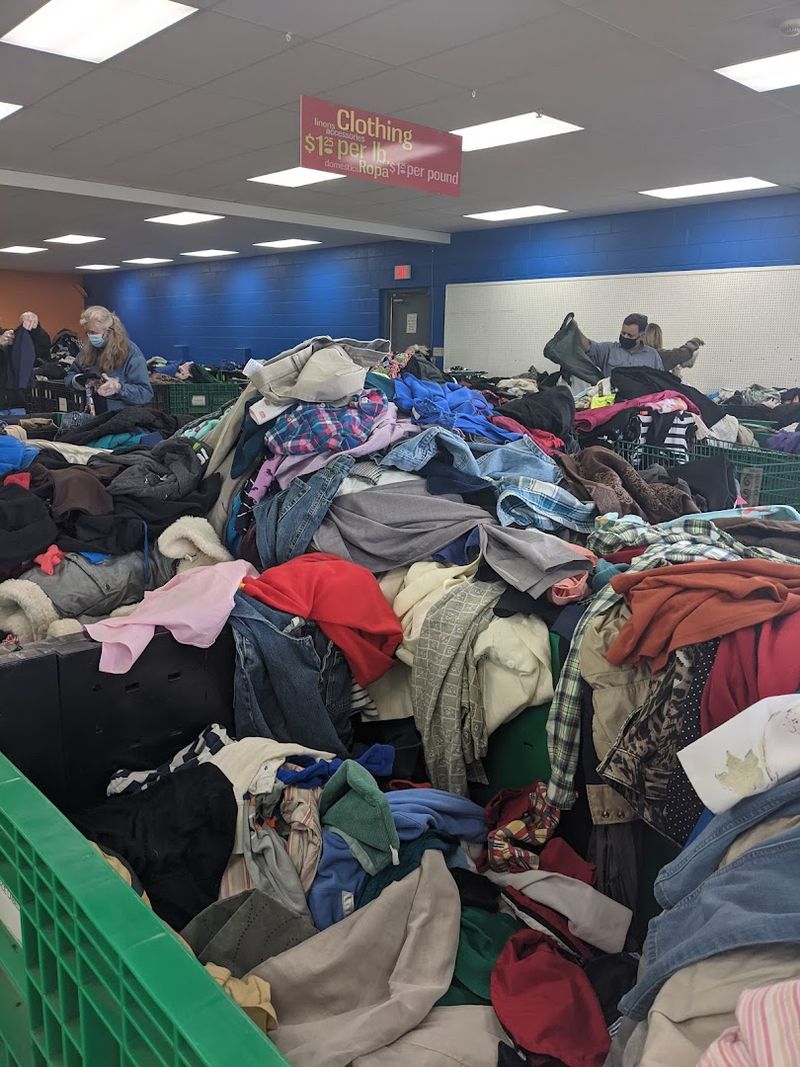
Organization takes a backseat to volume at this outlet, where categorization happens only at the broadest level. The front area contains fabric goods in general, but within those bins, winter boots might rest beside silk scarves, leather belts wind through cotton t-shirts, and handbags nestle among bath towels.
The mixing creates both challenge and opportunity.
Shoppers develop personal strategies for navigating the chaos. Some focus on specific item types, methodically working through bins to locate all available shoes or jackets.
Others adopt a more opportunistic approach, grabbing anything interesting regardless of category. The lack of sorting means valuable items do not automatically rise to the top.
This jumbled presentation levels the playing field among shoppers. Designer pieces carry no special prominence, vintage treasures hide among contemporary basics, and brand names disappear into the general textile mass.
Success depends entirely on individual effort and recognition skills rather than store curation or display strategies.
Patience Matters More Than A Big Budget
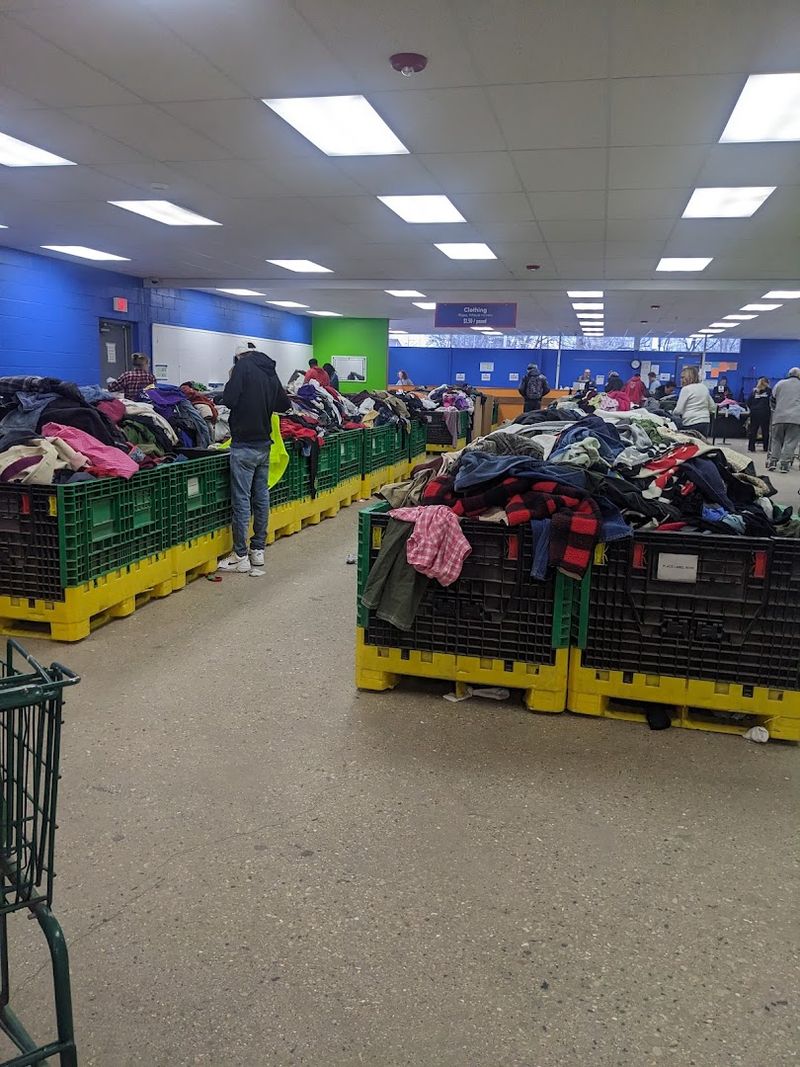
Rushing through this shopping environment guarantees disappointment and missed opportunities. The bin format rewards methodical searchers who touch every item, check every pocket, and examine every label.
Speed shoppers overlook hidden quality pieces that patient hunters uncover through systematic exploration. Time investment often proves more valuable than financial resources here.
Experienced visitors allocate substantial blocks of time for their shopping trips. An hour barely scratches the surface when bins stretch across multiple rooms and contain thousands of individual pieces.
Serious shoppers plan two or three-hour excursions, treating the experience as a focused activity rather than a quick stop.
The patience requirement filters the customer base naturally. Those seeking instant gratification or convenient shopping typically visit once and move on.
Regular patrons understand that exceptional finds emerge through dedicated searching, and they embrace the slower pace as part of the outlet’s unique character and appeal.
The Best Finds Reward Careful Searching
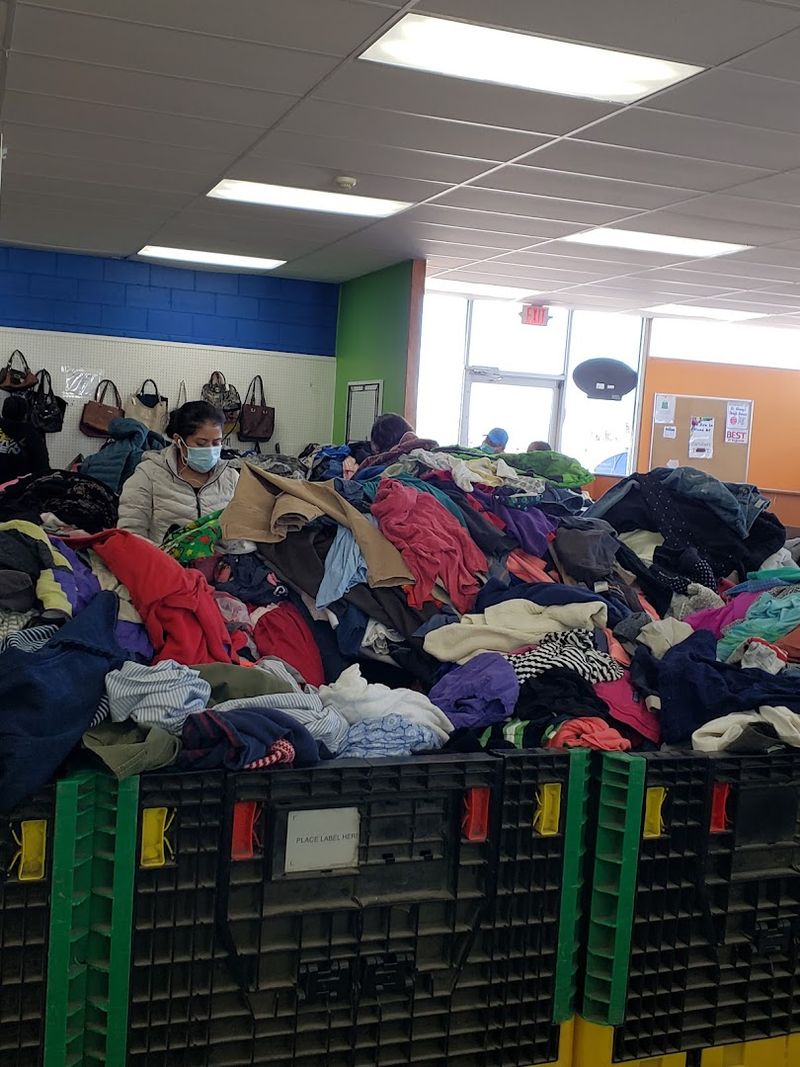
Stories of remarkable discoveries circulate among the regular Wisconsin shopping community. Designer labels emerge from generic piles, unworn items with original tags surface among well-used garments, and specialty pieces appear when least expected.
These finds validate the time spent searching and fuel continued enthusiasm for the hunt.
Quality assessment becomes crucial when everything carries identical per-pound pricing. A cashmere sweater costs the same as an acrylic blend, leather jackets match the price of vinyl imitations, and silk scarves ring up alongside polyester versions.
Knowledge of fabrics, construction quality, and brand value translates directly into shopping success.
The democratic pricing structure means educated shoppers gain tremendous advantage. Recognizing quality materials, identifying repairable versus damaged items, and spotting valuable pieces requires skills that develop through experience.
The learning curve rewards dedicated participants who invest time understanding textiles, brands, and garment construction methods.
Small Flaws Are Worth Checking Before You Buy
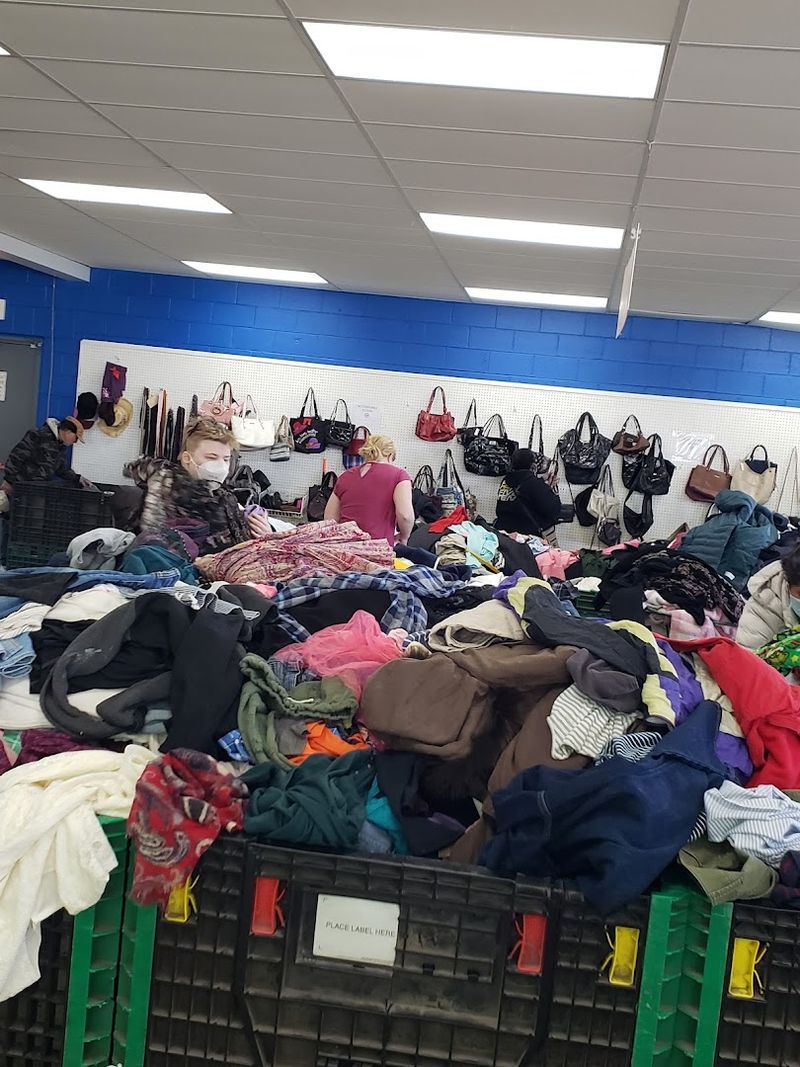
The outlet receives items that standard St. Vincent de Paul retail stores decline for their regular inventory. This secondary status means merchandise often carries imperfections like small stains, minor tears, missing buttons, or signs of wear.
The organization openly acknowledges this reality, positioning the outlet as a recycling store rather than a curated retail space.
Smart shoppers conduct thorough inspections before adding items to their carts. Checking seams for separation, examining fabric for holes or pulls, testing zippers, and searching for stains under good lighting prevents disappointment at home.
Many flaws prove easily repairable for those with basic sewing skills or access to alterations services.
The condition variability actually creates opportunity for crafty individuals. Fabric pieces with isolated stains become raw material for sewing projects.
Garments with broken zippers yield quality fabric for repurposing. Items with small tears often repair easily, transforming damaged discards into functional wardrobe additions at minimal cost.
Regulars Know The Inventory Changes Constantly
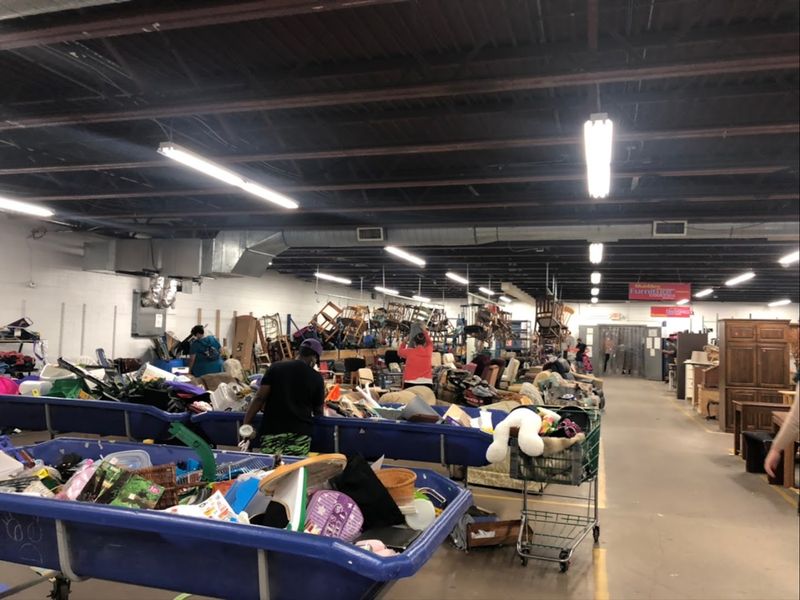
Devoted shoppers develop routines around the outlet’s inventory patterns. Some visit multiple times weekly, understanding that fresh donations arrive constantly and bins receive regular refreshing.
The high turnover rate means today’s picked-over selection becomes tomorrow’s treasure trove as staff rotates new stock into circulation throughout operating hours.
Lines forming before the 10 AM opening time signal the competitive nature among serious hunters. Early arrivals gain first access to overnight restocking, though the outlet maintains consistent hours seven days weekly, providing ample opportunity for visitors with varying schedules.
Weekend crowds tend toward larger sizes, while weekday visits sometimes offer calmer browsing conditions.
Seasonal patterns influence both donation flow and shopping intensity. Spring cleaning periods bring household good surges, back-to-school timing increases clothing donations, and post-holiday weeks see elevated traffic as people purge and refresh.
Understanding these rhythms helps regular customers time their visits for maximum success and efficiency.
Every Purchase Supports Local St. Vincent De Paul Programs
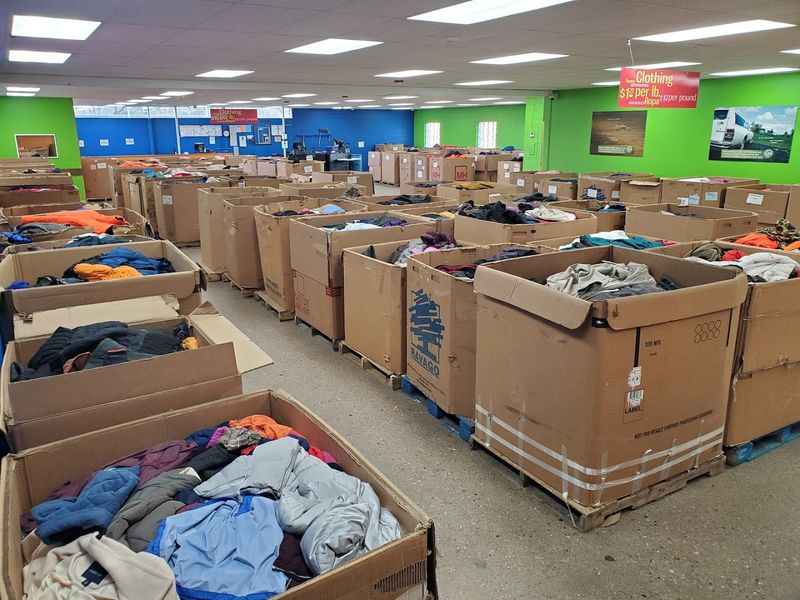
Sales revenue from the outlet directly funds St. Vincent de Paul’s charitable initiatives throughout Dane County. The organization operates food pantries, a charitable pharmacy, and micro-lending programs that serve community members facing financial hardship.
Shopping here transforms personal bargain hunting into charitable contribution, creating a cycle where thrift benefits both individual shoppers and struggling neighbors.
The organization also provides free clothing, furniture, and household items to people in need through its assistance programs. Items that prove difficult to sell even at outlet prices still serve community purposes rather than entering landfills.
This comprehensive approach to donated goods maximizes both environmental and social impact.
Understanding the mission behind the bins adds meaning to the shopping experience for many customers. The slightly chaotic environment and imperfect merchandise take on different character when viewed as components of a larger charitable operation.
Every pound purchased contributes to programs serving vulnerable populations throughout the Madison area.