
6 Wisconsin Lakes With Depths That May Surprise Even Experienced Divers
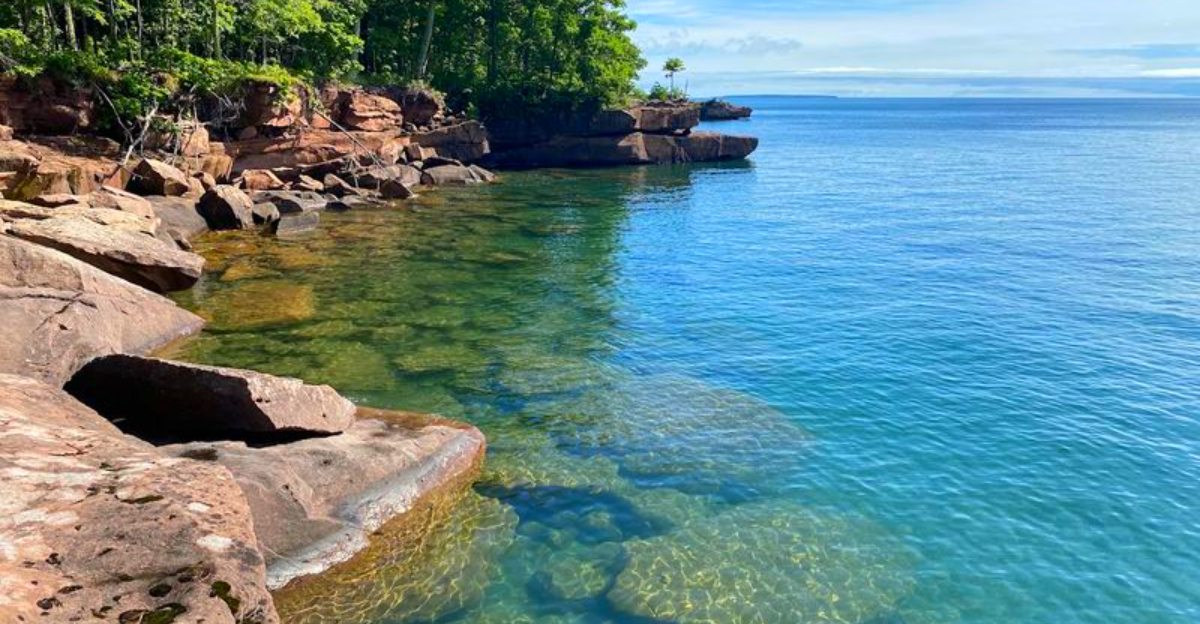
A lake can look calm, friendly, and completely harmless until the bottom suddenly disappears beneath you. Wisconsin hides deep waters with sharp drop-offs, icy pockets, and underwater terrain far more dramatic than the peaceful shoreline suggests.
How deep can familiar-looking water go before even experienced divers start paying closer attention? Glacial basins, flooded quarries, steep ledges, and shadowy depths turn an ordinary day on the water into something much more intriguing.
The real thrill is not just the number on a depth chart. It is knowing that beneath the sparkling surface lies another world, shaped by ancient ice, shifting rock, and powerful natural forces.
Bring your curiosity and prepare to see lake country differently. The biggest surprises are not always visible from shore, and some of the most fascinating scenery is hiding far below the surface.
1. Wazee Lake Recreation Area
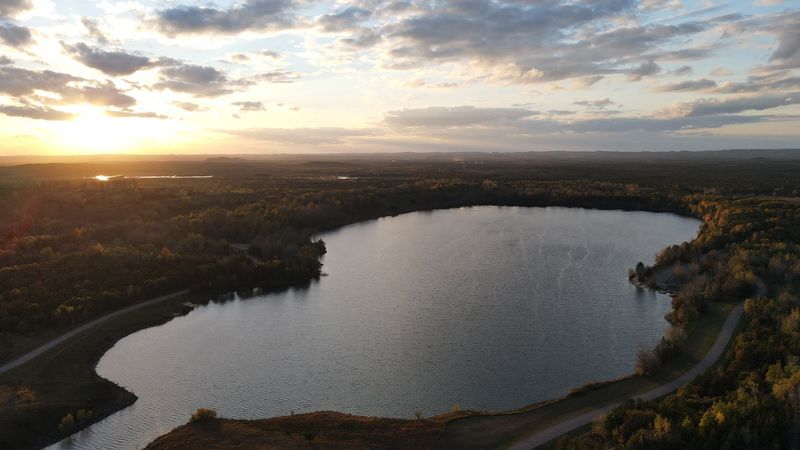
Most people show up at Wazee Lake expecting a typical Wisconsin swimming hole. What they find instead is one of the deepest inland lakes in the entire United States.
At roughly 355 feet deep, this former iron ore quarry turned recreation area is a place that genuinely humbles even the most experienced divers.
Wazee Lake was created when an open-pit iron mine was flooded after operations shut down. The water is remarkably clear, with visibility sometimes reaching 40 feet or more.
That clarity, combined with the sheer depth, makes it one of the most sought-after scuba diving destinations in the Midwest.
You can swim, snorkel, and fish here as well. The lake is stocked with trout, walleye, and bass, which gives anglers a solid reason to visit even if they are not divers.
There are designated swim areas that are safe and well-maintained, so families can enjoy the water without venturing near the deeper zones.
The park has a boat launch, picnic areas, and restroom facilities that make a full-day trip very manageable. Trails wind around the lake and through the surrounding woodland, giving you a peaceful way to explore the landscape on land before or after your time in the water.
The forest setting makes the whole area feel calm and natural despite its industrial origins.
Divers specifically come here to see the underwater rock walls and ledges that drop dramatically as you swim out from shore. The water temperature changes noticeably as you go deeper, which is something to plan for if you are going below the thermocline.
Proper dive gear is strongly recommended, and it is always smart to go with a buddy.
Located at N6302 Brockway Road, Black River Falls, WI 54615, Wazee Lake Recreation Area is managed by Jackson County. There is a daily fee to enter the park, which helps fund upkeep of the facilities.
Arriving early on summer weekends is a good idea since the parking areas fill up quickly. Wisconsin does not have many places quite like this one, and once you see the water for yourself, it is easy to understand why people return year after year.
2. Green Lake
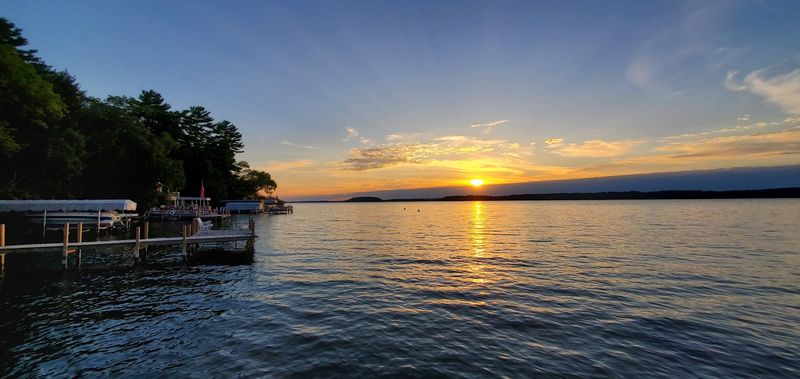
Green Lake holds a title that surprises a lot of people when they first hear it. At about 237 feet deep, it is the deepest natural inland lake in Wisconsin.
That depth is not just a fun fact either. It shapes the entire character of the lake, from its color to its temperature to the kinds of fish that live in it.
The lake sits in a glacially carved basin, which is why it goes so deep. During the last ice age, glaciers pushed through this region and left behind a depression that eventually filled with water. The result is a lake that looks almost Caribbean blue on a clear summer day.
That distinctive color comes directly from the depth and water clarity.
Hattie Sherwood Park is one of the best public access points to enjoy Green Lake. The park has a sandy beach, picnic tables, and a boat launch that make it easy to spend a full day here.
Swimmers appreciate the gradual entry into the water, and the views across the lake are genuinely stunning from the shoreline.
Fishing is a major draw at Green Lake. The depth supports populations of lake trout, which thrive in the cold, oxygen-rich water far below the surface. Walleye, bass, and panfish are also common catches.
If you are an angler, bringing a boat out on this lake gives you access to some of the best freshwater fishing in the state.
Kayaking and paddleboarding are popular ways to explore the lake without a motorized boat. The open water gives paddlers a real sense of the lake’s size, and on calm mornings the surface can be glassy and almost mirror-like.
It is a peaceful way to see the lake from a completely different angle.
The park is located at 451 South Lawson Drive, Green Lake, WI 54941, right in the heart of Green Lake County. The surrounding town is charming and offers a few local shops and eateries worth checking out after your visit.
Wisconsin’s deepest natural lake deserves more recognition than it often gets, and Hattie Sherwood Park gives you one of the best ways to experience it up close.
3. Big Foot Beach State Park On Lake Geneva
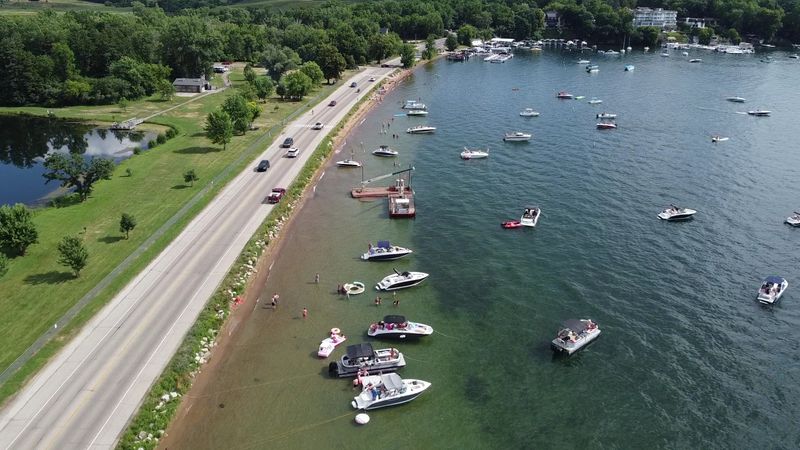
Lake Geneva has long been a popular destination for people from Illinois and Wisconsin alike. The resorts and waterfront restaurants get most of the attention, but the lake itself has a depth that many visitors never think to ask about.
Lake Geneva reaches down to around 135 feet at its deepest point, which puts it well above average for lakes in this part of the country.
Big Foot Beach State Park gives you a public and affordable way to access the lake without needing to book a resort. The park has a wide sandy beach, a designated swim area, and a boat launch that makes it easy to get out on the water.
Picnic shelters and wooded campsites round out the amenities, making it a solid choice for an overnight trip.
The lake was carved by glaciers just like Green Lake, which explains both its depth and its elongated shape. The water stays cool enough in the deeper sections to support healthy fish populations year-round.
Walleye, northern pike, largemouth bass, and panfish all live here, and fishing from a boat gives you access to the deeper water where bigger fish tend to hang out.
Swimming at Big Foot Beach is a genuinely enjoyable experience. The sandy bottom transitions smoothly as you wade in, and the water is typically clear enough to see your feet well past waist depth.
On hot summer days the beach fills up, so arriving in the morning gives you more space and easier parking. The shaded picnic areas nearby make it easy to take a break from the sun without leaving the park.
Kayaking and canoeing are great ways to explore the shoreline and get a feel for just how large the lake really is. The lake stretches over 5,000 acres, so paddlers can cover a lot of ground without retracing their route.
Early mornings are especially peaceful out on the water before the motorboats arrive. Big Foot Beach State Park is located at 1550 South Lake Shore Drive, Lake Geneva, WI 53147. A state park sticker is required for entry, which you can purchase at the gate or online in advance.
Wisconsin’s lake country shines brightest at places like this, where natural beauty and easy access come together in one spot.
4. Fireman’s Park Elkhart Lake
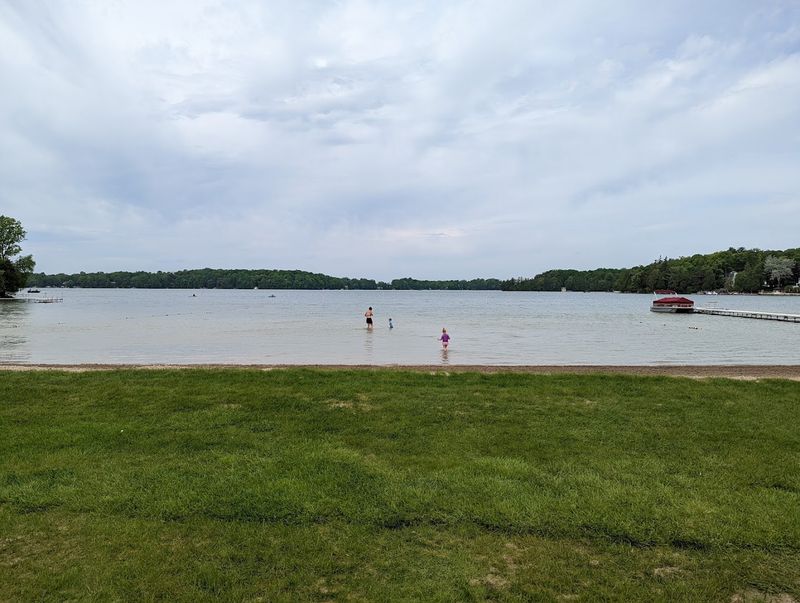
Elkhart Lake is one of those places that looks peaceful and unhurried from the surface, but the water below tells a different story. The lake reaches a depth of about 120 feet, which makes it one of the deeper kettle lakes in Wisconsin.
Kettle lakes form when large chunks of ice left behind by retreating glaciers melt and leave depressions in the earth, and Elkhart Lake is a textbook example of that process.
Fireman’s Park and Beach is the main public access point for swimmers and day visitors. The beach is clean and well-maintained, with a gradual sandy entry that works well for families with younger kids.
The water gets noticeably cooler as you swim deeper, which is actually refreshing on a hot summer afternoon.Lifeguards are typically on duty during peak season, adding an extra layer of safety for families.
The clarity of the water at Elkhart Lake is one of its most talked-about features. On calm days you can see surprisingly far down from the surface, and that visibility makes snorkeling an interesting option even without reaching the lake’s deepest sections.
The bottom near the shoreline is sandy and gradually slopes down, giving swimmers a clear sense of the depth as they move out from the beach.
Fishing on Elkhart Lake is rewarding for those who know where to look. The deeper water supports populations of lake trout and walleye, while the shallower edges hold bass and panfish.
Bringing a boat or canoe allows you to fish the whole lake rather than just the shore, and the scenic surroundings make even a slow fishing day feel worthwhile.
The park itself has picnic areas, playground equipment, and open green space that make it comfortable for a full day out. The town of Elkhart Lake is small but has a friendly, laid-back feel that adds to the overall experience.
Local shops and casual eateries are within easy walking distance from the park, so you can refuel without a long drive.
Fireman’s Park and Beach is located at 411 South Lake Street, Elkhart Lake, WI 53020. Parking is available nearby, and the beach is free to access for most of the season.
Wisconsin has plenty of beautiful lakes, but Elkhart Lake’s combination of depth, clarity, and small-town charm puts it in a category of its own.
5. Cave Point County Park On Lake Michigan
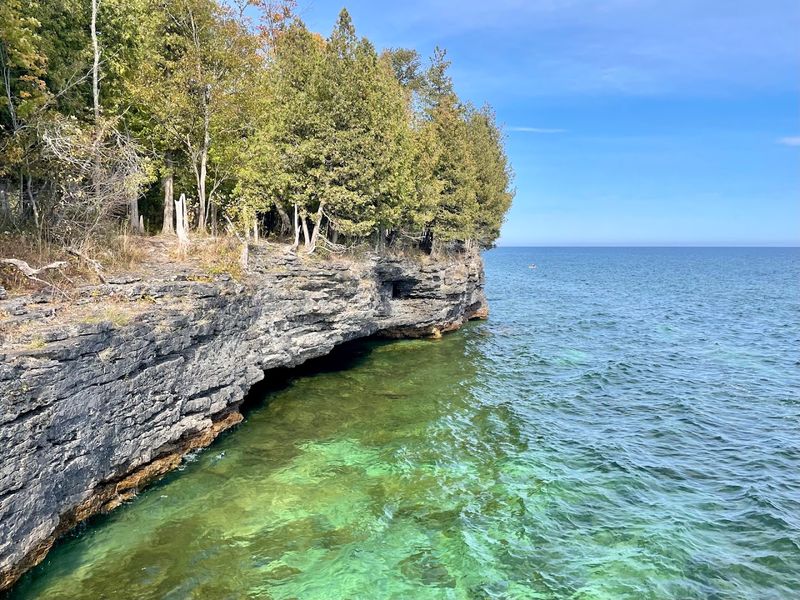
Cave Point County Park borders Lake Michigan, where the water reaches depths most shoreline visitors never consider. Lake Michigan drops to over 900 feet at its deepest point, and the waters near Cave Point reflect that power in every wave that crashes against the limestone cliffs.
This is a place where the scale of the Great Lakes becomes very real, very fast.
The park is famous for its dramatic rock formations and sea caves carved out by centuries of wave action. The limestone ledges jut out over the water, and on rough days the waves surge into the caves with a thunderous sound that you feel as much as hear.
On calm days the water turns a stunning shade of clear blue-green, and you can see deep into the lake from the rocky edge.
Snorkeling and scuba diving are popular here for those with the right experience and equipment. The underwater rock formations mirror what you see above the surface, with ledges, crevices, and drop-offs that extend well below the waterline.
Cold water temperatures are a constant factor, so a wetsuit is essential even in summer. The visibility can be exceptional on calm days, making this one of the more visually impressive dive sites in Wisconsin.
Kayaking along the cave-lined shore is one of the most memorable ways to experience Cave Point. Paddlers can explore the openings of the caves from water level, getting an angle on the formations that you simply cannot get from land.
Calm weather is important for safe paddling here since the exposed shoreline can produce choppy conditions quickly when the wind picks up.
Hiking trails run along the bluff and through the surrounding forest, giving you elevated views of the lake and the coastline. The combination of forested trails and dramatic water views makes Cave Point a genuinely unique outdoor destination in the state.
Bring a camera because the light on the water in the late afternoon is especially striking.
Cave Point County Park, 5360 Schauer Road, Sturgeon Bay, WI 54235, offers free entry and exceptional value. Visitors come from across the Midwest to stand on the cliffs and gaze into the deep, clear water below.
6. Big Bay State Park On Lake Superior
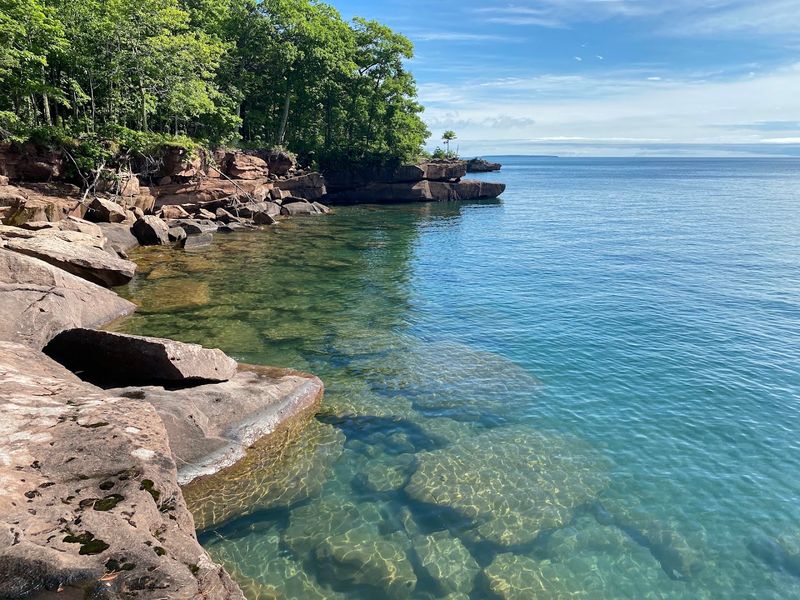
Lake Superior is the world’s largest freshwater lake by surface area, reaching a maximum depth of 1,332 feet. Big Bay State Park is on Madeline Island, the largest Apostle Island and the only one accessible by ferry.
Getting here takes a bit of effort, but the reward is a stretch of Lake Superior shoreline that feels genuinely remote and untouched.
The park’s long sandy beach becomes surprisingly warm and swimmable during peak summer despite Lake Superior’s cold reputation. The shallow nearshore zone heats up enough to make wading and swimming comfortable on sunny July and August days.
Just a short distance from shore, though, the temperature drops sharply as the lake’s enormous depth takes over.
Big Bay Lagoon, a sheltered body of water just behind the main beach, offers a calmer alternative for paddlers and swimmers who want quieter conditions. The lagoon connects to Lake Superior, letting kayakers experience both sheltered and open water.
Birdwatching around the lagoon is also excellent, with herons, eagles, and shorebirds regularly spotted along the edges.
Scuba divers who make the trip to Big Bay are rewarded with some of the clearest freshwater visibility in North America. Lake Superior’s cold temperatures inhibit algae growth, which keeps the water remarkably transparent.
Shipwrecks and rock formations dot the lake bottom, while the Apostle Islands’ maritime history adds depth to every dive.
Hiking trails in the park wind through boreal forest and along the bluffs above the lake, offering elevated views that stretch for miles on clear days.
Camping is available for those who want to spend the night and experience the lake at sunrise, when the light across the water is unlike anything you will find further south.
Big Bay State Park is located at 2402 Hagen Road, La Pointe, WI 54850, on Madeline Island. A state park sticker is required for entry.
Wisconsin’s connection to Lake Superior is a point of pride, and Big Bay is one of the finest places in the state to feel the full presence of this extraordinary lake.
Every visit leaves you with a deeper appreciation for just how vast and powerful this water truly is. Wisconsin proves that some of its most remarkable scenery lies far below the surface.