
Autism Awareness on your family’s travels
By Eileen Ogintz
Tribune Content Agency
Taking the Kids
Go ahead and admit it. When you see a child having a tantrum at an airport or a restaurant, you blame the parents. You think, “Why can’t they control their kid?” Unless you know someone who has a child on the autism spectrum, you just might not realize that these beleaguered parents likely struggle every day to manage their child’s behavior.
And no matter how hard they try, they don’t always succeed.
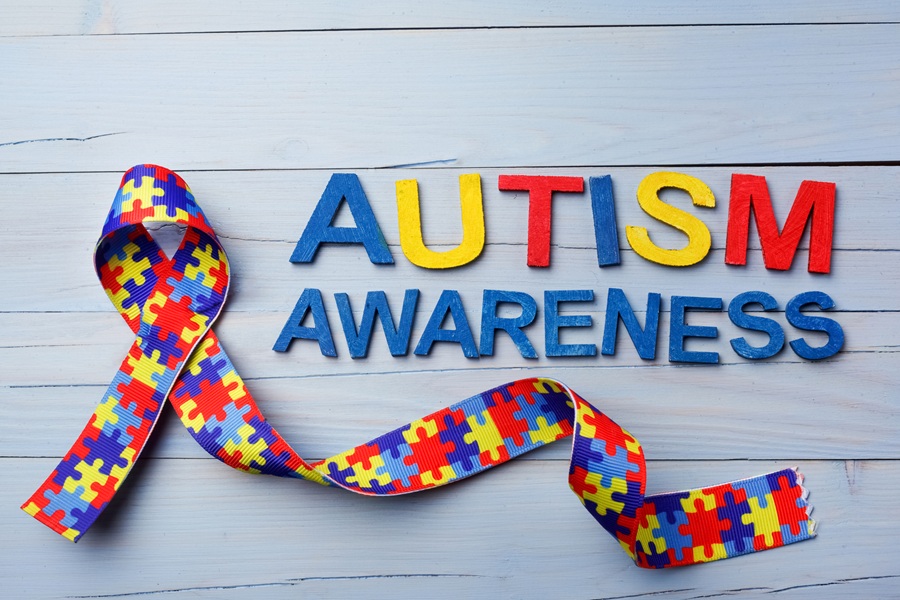
April is Autism Acceptance Month, which aims to foster inclusion, understanding and support for those on the autism spectrum and their families.
Autism Spectrum Disorder is a complex developmental condition that typically appears in early childhood and impacts on a person’s social skills, communication, relationships and self-control. There is no single cause (not vaccines, medical research has determined) nor is the impact the same for everyone. One in six, experts say, have a sensory need or sensitivity. Millions of adults are on the autism spectrum but have not been diagnosed.
Because this can be a “hidden disability,” autism families are constantly facing the stares and judgment of other people when episodes occur. People are quick to judge, assuming the child is naughty and the parents are awful, when this is a family in crisis. “As if the situation isn’t hard enough, layer on the judgment of other people who know nothing about what we’re dealing with,” said Becky Large, a parent of a child on the spectrum and a longtime advocate and pioneer for inclusive travel as the founder of the Champion Autism Network (CAN) and the Autism Travel Club.
That’s why many families have been reluctant to travel, she said. That and “that the planning required can be likened to planning a wedding.”
“The elements to travel that can impact an autistic individual are still there … sensory overloads from lights, sounds and crowded locations. Long lines and flights, changes in routines, and unpredictable shifts in schedules. Concerns related to food aversions or sensory issues that impact an individual remain part of the concerns families face,” said Candice Hopkins, director of the Autism Society.
The good news is travel is becoming easier thanks to a plethora of awareness programs around the country in which staff at museums, water parks, zoos, hotels, theme parks and more have been trained and certified in autism and sensory sensitivities by Autism Travel (IBCCES. Download their accessibility APP that is location based and enables travelers to find accessible businesses and public locations for those with special needs.
However, “being aware of what is available remains a problem raised by those reaching out to the Autism Society National Helpline,” Hopkins noted.
Certified Autism Travel Professionals (CATPs), create stress-free, sensory-friendly and safe travel experiences, including TravelAble that specializes in customized accessible travel, including autism-friendly vacations and Autism on the Seas which collaborates with Royal Caribbean, Carnival, Disney Cruise Line and others in developing cruise vacations with special staff for families whose children have special needs, including autism.
TSA Cares is a helpline that provides travelers with disabilities additional assistance, as long as you call (855-787-2227) 72 hours before your flight. Download a TSA notification card, which should help you get whisked through screening without waiting in long lines.
The ARC’s Wings for Autism/Wings for All program offers rehearsals for the experience in the airport and on the plane. They travel all around the country so check out if they are coming to an airport near you.
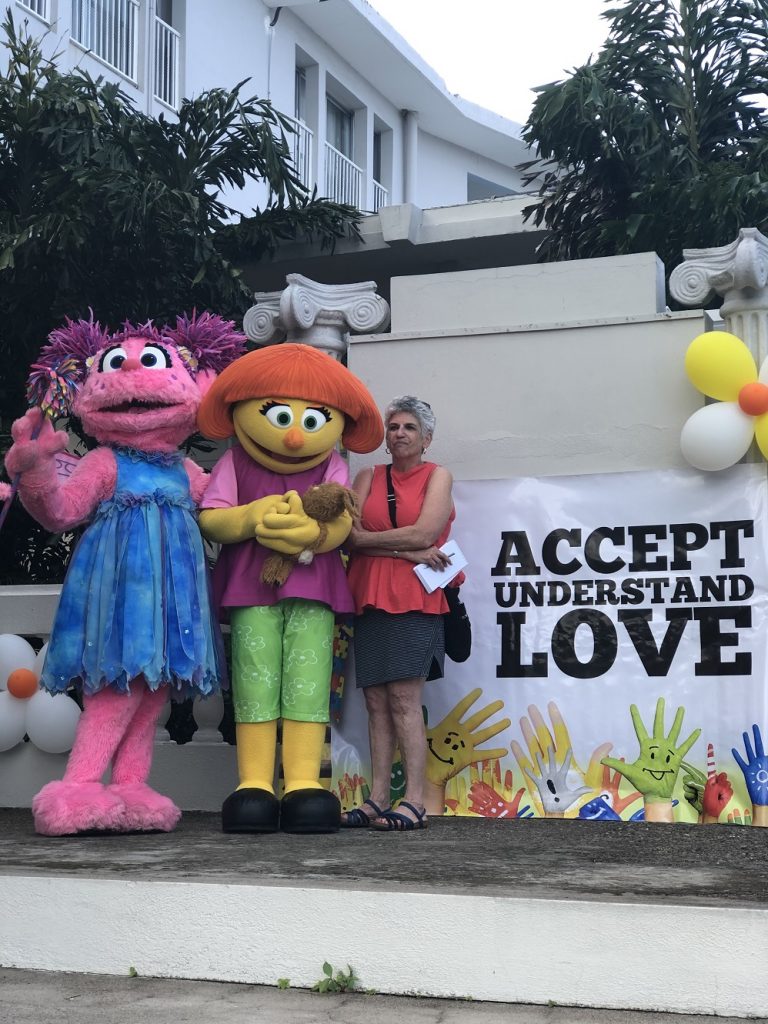
Resorts, including Beaches, a Sandals family brand in Jamaica and Turks and Caicos, have an array of assistance for these families, including sensory toys, a culinary concierge to support dietary restrictions, advanced training for staff and an optional service of “One-on-One Beaches Buddy. The “buddy” is a staff member who is autism certified. Also present is Julia, “Sesame Street’s” first character on the autism spectrum. Beaches Resorts was the first Caribbean all-inclusive resort company to attain the Advanced Certified Autism Center (ACAC) designation from IBCCES.
Entire towns and cities are becoming autism-friendly. Visit Visalia, located near Kings Canyon and Sequoia National Parks, was California’s first destination marketing organization to become a Certified Autism Center by the International Board of Credentialing and Continuing Education Standards (IBCCES), complete with a Hidden Disabilities Sunflower Program. Those with autism can wear a free sunflower lanyard, bracelet or lapel pin to indicate that they have a hidden disability and might need some support.
Tip: Visit https://thespectrum.org for additional resources and information. This educational hub provides parents with guidance for navigating the autism spectrum following a diagnosis, including planning for any and all types of family activities, including vacations.
Just recently, San Diego has become a Certified Autism Destination which means visitors have multiple options to choose from, including entertainment, recreation and lodging. Certified and sensory-inclusive San Diego partners include LEGOLAND, Sesame Place and the San Diego Zoo.
Adaptive centers at snow resorts run winter and summer programs for those on the autism spectrum. The National Ability Center in Park City, Utah, for example, has Personal care camps designed to support individuals with developmental disabilities. Most snow resorts have adaptive sports centers with summer, as well as winter adventures, including the Adaptive Sports Center of Crested Butte, Colorado, and Vermont Adaptive Ski & Sports, often with scholarships available
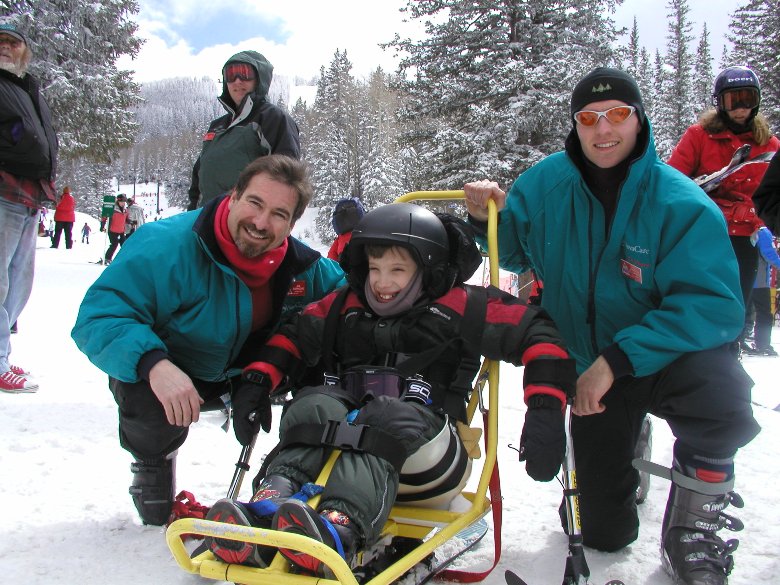
“In 2025, almost 18% of the people who participated with us identified as having autism,” said Kim Jackson, the spokesman for Vermont Adaptive Ski and Sports. “Because everyone is different and has different needs for their abilities, we are very individualized with each lesson we offer for people with autism,” she continued, at seven winter locations at snow resorts and then across the state in the mountains, lakes, rivers, bike paths and trails in the summer.
What can the rest of us do if we encounter a family struggling?
“Give families space,” suggested longtime advocate Becky Large. “Avoid offering advice … offer to carry a bag, hold a spot in line.”
Even a supportive smile can help, she said. That’s certainly not too much to ask.
(For more Taking the Kids, visit www.takingthekids.com and also follow TakingTheKids on Twitter, Facebook and Instagram where Eileen Ogintz welcomes your questions and comments. The fourth edition of The Kid’s Guide to New York City and the third edition of The Kid’s Guide to Washington D.C. are the latest in a series of 14 books for kid travelers published by Eileen.)
©2026 Eileen Ogintz. Distributed by Tribune Content Agency, LLC.