
7 Mississippi Sites And Museums That Tell The Story Of The Native American Past
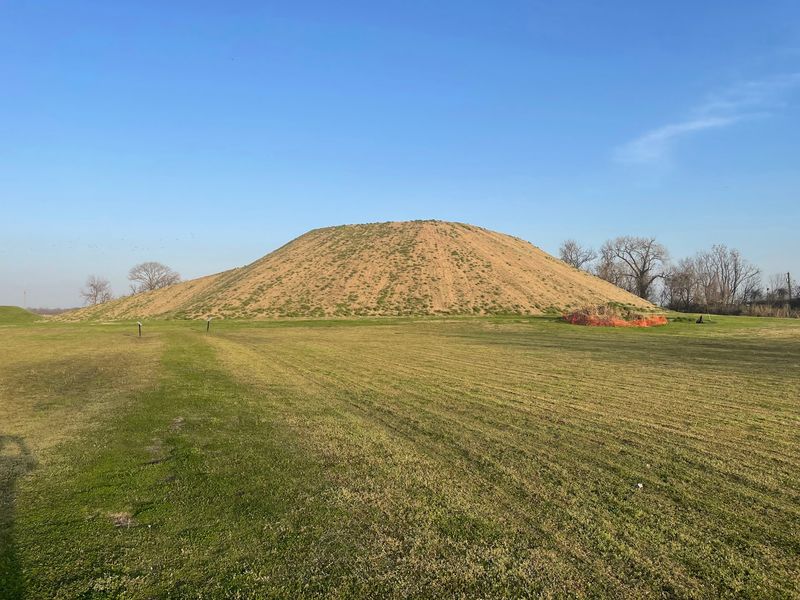
Pull off a quiet road in Mississippi, and you might find a grassy hill that turns out to be older than most castles in Europe. Long before cotton fields and river towns, Native peoples built huge earthen mounds, busy villages, and trade routes across this land.
Their stories still live in parks, trails, and museums around the state. Here are seven places where you can stand right where that history happened and learn what it means today.
1. Chickasaw Village Site
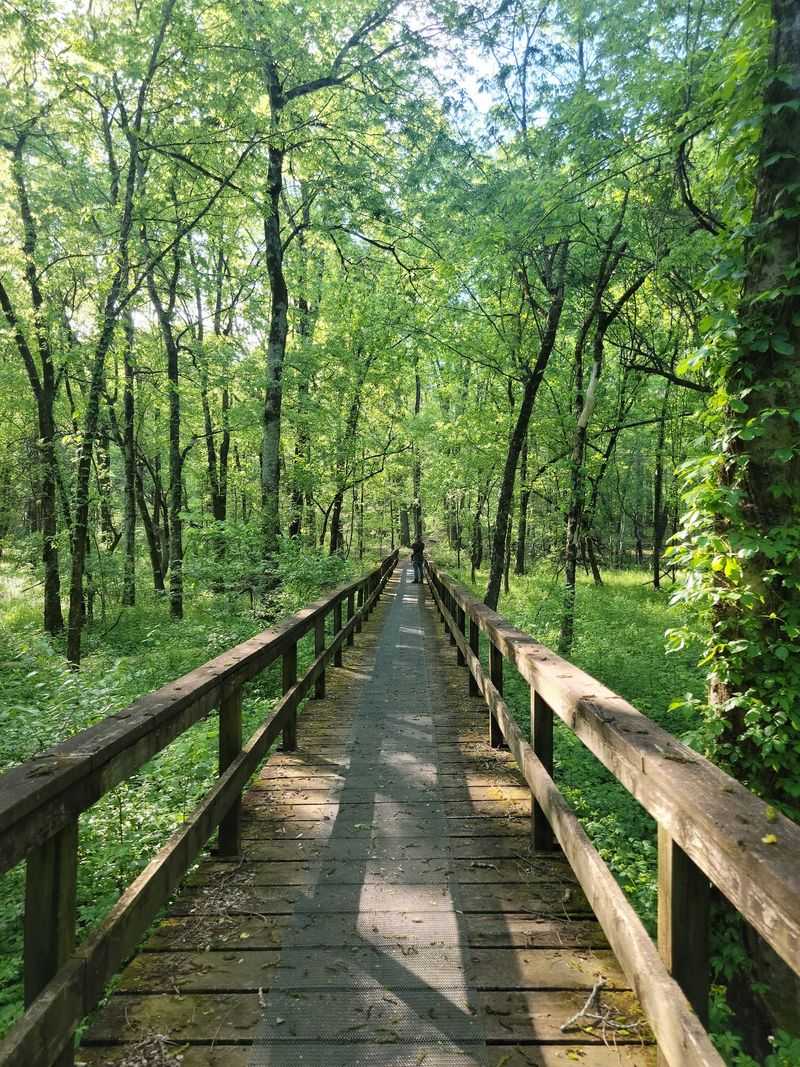
Wildflowers sway beside the path, and somewhere nearby a swamp hums with frogs and birds. Peaceful scenery like that makes it easy to slow down and picture the Chickasaw families who once made this corner of northeast Mississippi their home.
The site sits right along the Natchez Trace Parkway near Tupelo.
Signs placed around the grounds share plenty of facts about Chickasaw life, from how villages were organized to the many contributions these people made to their land and families. Reading them while standing on the same soil gives the history a weight that a textbook simply cannot match.
Kids tend to enjoy it too, since the stops are short and the walking is easy.
Trails lead away from the main area into woods and wetlands known for their natural beauty. Taking one of them is a calm way to think about how closely the Chickasaw lived with the seasons, the plants, and the water around them.
Quiet moments are part of the experience here.
Practical stuff matters on a road trip, and the clean restroom is a welcome bonus. Pair a visit with a drive along the Parkway, and the stop becomes a relaxed, thoughtful break in the journey.
2. Chahta Immi Cultural Center
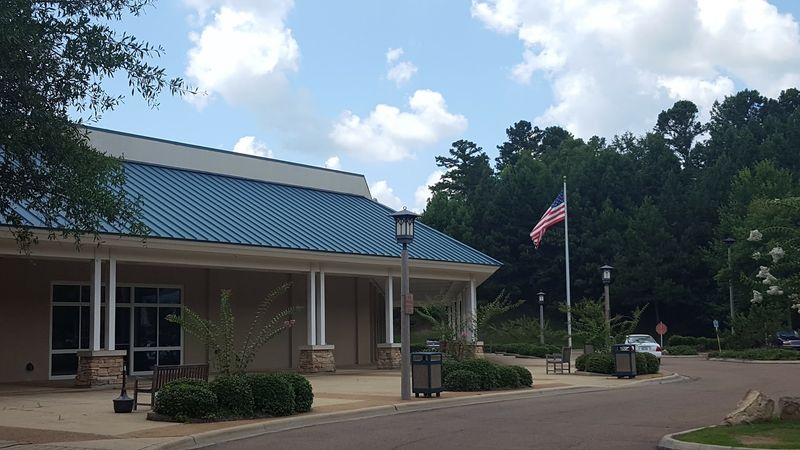
Ever wondered what keeps a culture strong across hundreds of years? At this small museum in Choctaw, Mississippi, the answer feels clear: people who teach, create, and remember together.
The center is run by the Mississippi Band of Choctaw Indians to preserve and celebrate their own heritage.
Exhibits walk visitors through a historical timeline, and tribal archives add depth to the Choctaw story. Multimedia displays help bring older chapters to life.
Traditional art forms take center stage, including basket weaving, beading, dancing, and pottery.
What sets this stop apart is that the story is told from the inside. Instead of only looking back, the center supports programs where elders pass skills and the Choctaw language to young people.
That focus on the next generation gives the whole place a hopeful, living energy.
The staff are friendly and happy to answer questions, and tours are available. A gift shop sits on site, along with restrooms and parking.
Hours run Tuesday through Friday from 10 AM to 5 PM, so plan a weekday trip. Calling ahead at 601-650-1685 is a smart move if you want a guided look around.
3. Grand Village Of The Natchez Indians
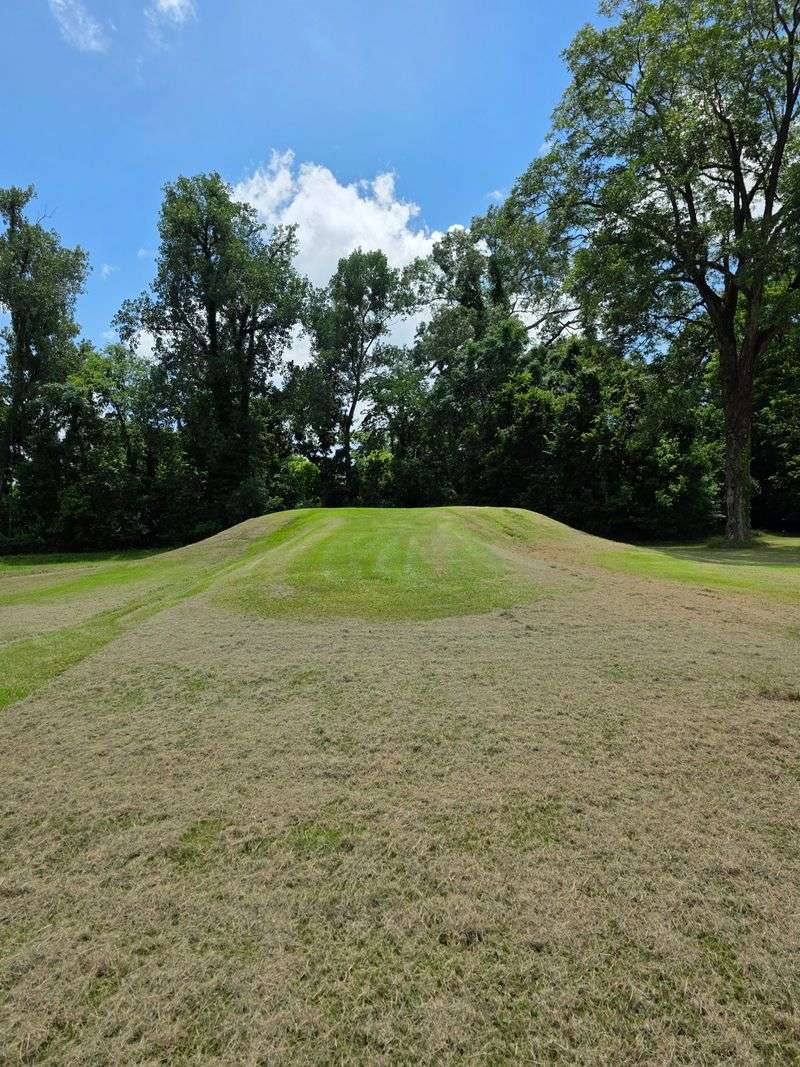
From 1682 to 1730, this ground served as the capital of the Natchez people. Their leader, called the Great Sun, lived atop one mound, while a temple holding a sacred fire that never went out stood on another.
Today the 128-acre park in Natchez lets you walk right up to both.
The Great Sun’s Mound and the Temple Mound have been carefully excavated and rebuilt to their original size. Standing between them, you start to understand how the Natchez social system worked.
A reconstructed Natchez house nearby shows how families actually lived day to day.
Inside the museum, a short film and clear exhibits cover the history of the Natchez and their meetings with European settlers. Artifacts and baskets made by area tribes fill the displays.
Younger visitors usually head straight for the hands-on touch table.
Nature trails loop through the grounds for anyone wanting more time outdoors. The site is open Monday through Saturday from 9 AM to 5 PM and Sunday from 1:30 to 5 PM.
Wednesdays tend to be quiet, while Sunday afternoons draw bigger crowds. Tours, a gift shop, and restrooms make it an easy family outing.
4. Winterville Mounds Museum
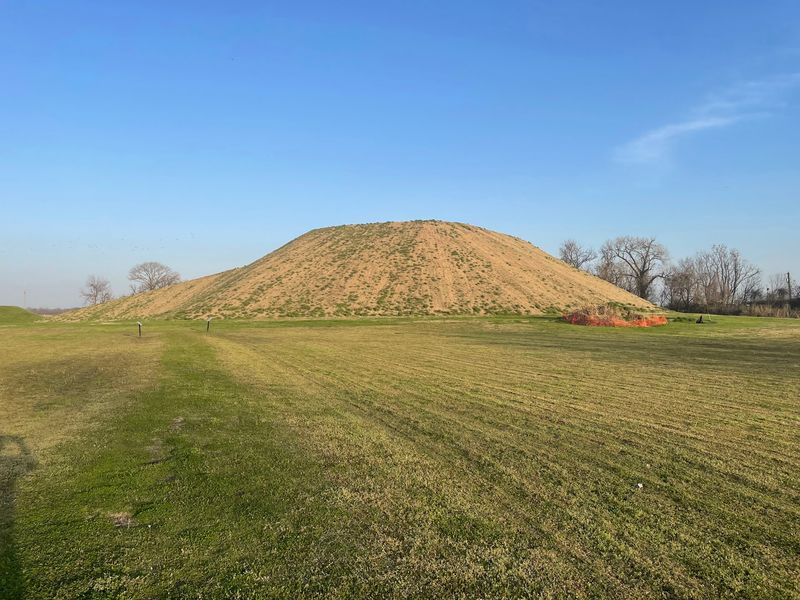
Flat. That is the first word most people use for the Mississippi Delta, which makes the sight of Mound A so startling.
Rising 55 feet, it ranks among the ten tallest mounds in the United States and towers over the fields around Greenville.
Between about 1000 and 1450 CE, the Plaquemine culture built this ceremonial center. Twenty-three mounds once circled two grand plazas, and twelve mounds plus both plazas survive today.
People gathered here for trade, celebrations, and religious events, and the layout itself reflects how their society was organized.
Historians believe the builders may have been ancestors of the Natchez, or possibly early Choctaw and Chickasaw. Informative boards placed across the park explain the history and meaning behind each earthwork.
Reading them while gazing up at the mounds helps the scale really sink in.
Scenic walking paths connect the site, and the grounds are kept neat and tidy. A picnic area makes it simple to turn a visit into a relaxed afternoon.
The park opens daily from 7 AM to 5 PM, with on-site parking and restrooms available. Check ahead about museum building access before you go.
5. Emerald Mound
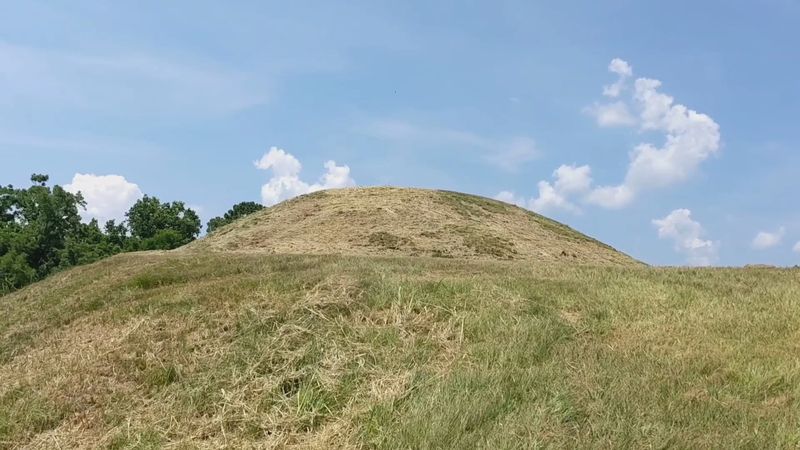
Eight acres. That is how much ground the base of Emerald Mound covers, making it the second-largest Mississippian Period ceremonial mound in the country.
Climb the path to the top, and you are standing on something people shaped basket by basket from the earth.
Builders worked around a natural hill, piling soil until the main platform reached 35 feet. Two smaller mounds sit on top, bringing the total height to roughly 60 feet.
Most of the activity happened between 1300 and 1600 CE.
Later, the Natchez people used the site as their main town before moving their capital to the Grand Village. Archaeologists believe processions, dances, and religious ceremonies once filled the open space on top.
Picturing those gatherings from the summit is half the fun.
Getting there is simple, thanks to a short country road off the Natchez Trace. The free parking lot has thorough signs explaining the history of the mound and how its residents lived.
Tall grass frames the view, and the walking space up top feels safe for families. Hours run daily from 8 AM to 5 PM, and weekday mornings outside Wednesday are usually calm.
6. Bynum Mounds
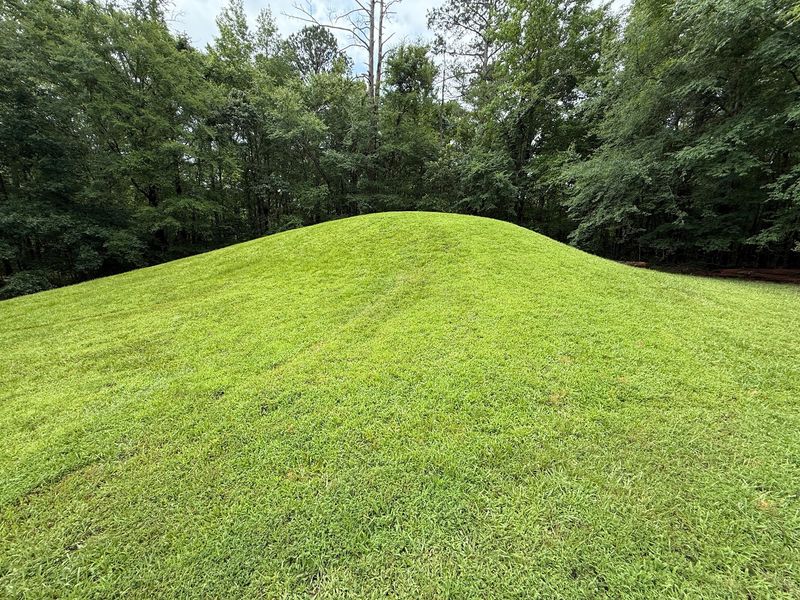
Some stops whisper instead of shout, and Bynum Mounds is one of them. Two neat, rounded hills rest beside the Natchez Trace Parkway near Houston, surrounded by trees and birdsong.
They happen to be the oldest mound site along the entire Trace.
Built between 100 BCE and 100 CE during the Middle Woodland Period, these earthworks are roughly 2,000 years old. The original group held six burial mounds ranging from five to 14 feet tall.
In the 1940s, National Park Service archaeologists studied five of them and rebuilt the two largest.
Those digs turned up exotic trade goods, proof of a network that stretched across the Southeast. Imagine items traveling hundreds of miles on foot to reach this spot!
The mounds were also central to ceremonies and religious life for the people who raised them.
Descendants, including the Chickasaw, still return here to honor the place. An audio kiosk shares the story, so pausing to listen is well worth the few minutes.
Stretch your legs, enjoy the sounds of nature, and let the quiet setting do its work. Children can explore the open grounds comfortably during a family drive.
7. Museum Of Mississippi History
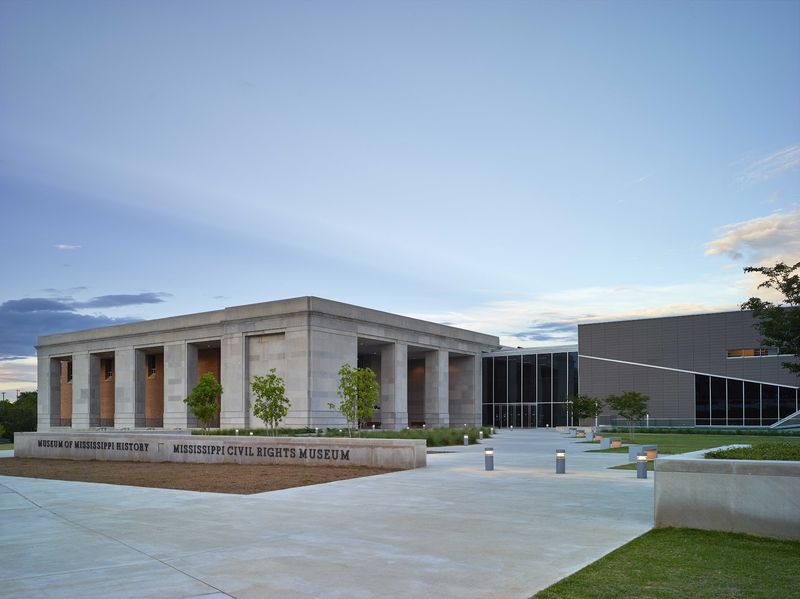
Think of this downtown Jackson museum as the big picture that ties every mound and village together. While the other stops focus on one people or one era, the galleries here trace Mississippi history from the arrival of Native Americans all the way to the present.
Early sections cover prehistoric life with dioramas, artifacts, and research findings. A large canoe is one of the showstoppers, offering a real sense of how people traveled the rivers.
Films and sound effects add atmosphere, making the past feel close and lively.
Interactive displays keep curious kids busy, and the museum does not shy away from the harder chapters of state history either. Moving from ancient times into later eras helps visitors see how the land’s first peoples shaped everything that came after.
It is a great place to start or finish a trip through the sites on this list.
Hours are Tuesday through Saturday from 9 AM to 5 PM and Sunday from 11 AM to 5 PM, closed Mondays. Free parking, a theater, a cafe, and a gift shop round out the visit.
Call 601-576-6800 with any questions before heading over.