
9 Places In Arkansas Where You Are Most Likely To Encounter Cottonmouths This Summer
Cottonmouths don’t show up randomly, they stick to parts of nature they know best. These Arkansas locations have had frequent sightings recorded over recent summers.
Wetlands, riverbanks, and slow moving water tend to attract them most during warmer months. Hikers and fishermen report the highest number of encounters along these specific areas.
Wildlife officials recommend staying alert near water sources, especially during early morning and evening hours. Nothing about the snakes makes them naturally aggressive, though they will defend themselves if provoked or cornered.
Basic precautions like watching where you step go a long way toward avoiding unwanted encounters. These locations remain worth visiting, provided guests stay aware of exactly what shares the water with them.
1. Lake Fayetteville
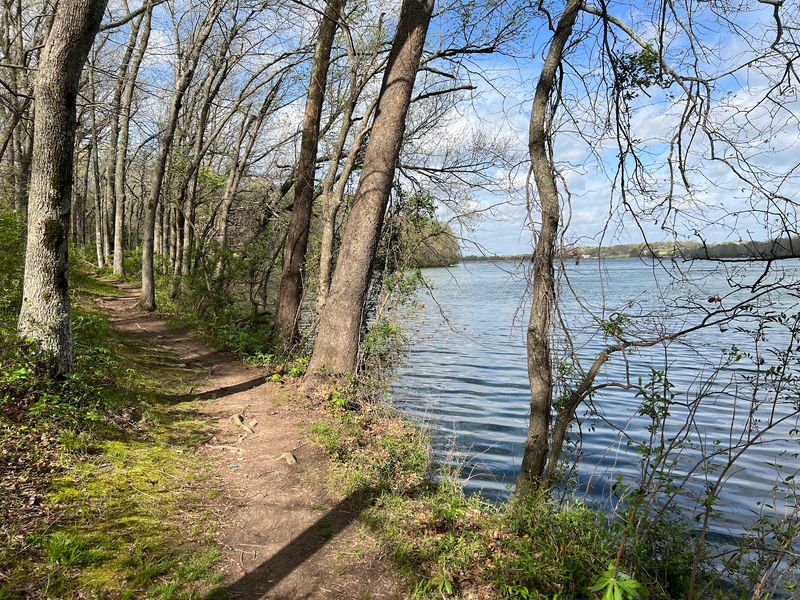
College town energy meets a fishing lake, and somewhere in the middle sits a snake nobody planned on meeting. Lake Fayetteville draws anglers year-round because of its bass and carp populations.
Where fish gather, predators follow. Cottonmouths have been reported in this area, especially near the river below the dam, right along the walking path people use every single morning.
Daytime is when things get sneaky. Snakes often rest on low tree branches or wedge themselves under rocks near the water’s edge, which means a casual glance at the shoreline may miss them completely.
Walkers should keep eyes on the ground near the dam spillway. Sandals and flip-flops are a bad match for rocky, damp banks where a coiled snake blends into shadow.
Anglers face a slightly different risk. Reaching into brush to free a snagged line is exactly how surprise meetings happen, so a quick look before grabbing anything makes sense.
Most cottonmouths would rather leave than fight. They tend to hold still, open that pale mouth, and hope the intruder gets the hint before anything escalates.
Dogs deserve extra attention here. Leashes keep curious noses out of rock piles and brushy edges where a snake might be cooling off.
The trail loop stays popular for good reason, with shaded stretches and steady lake views. Awareness simply makes the walk better, not scarier.
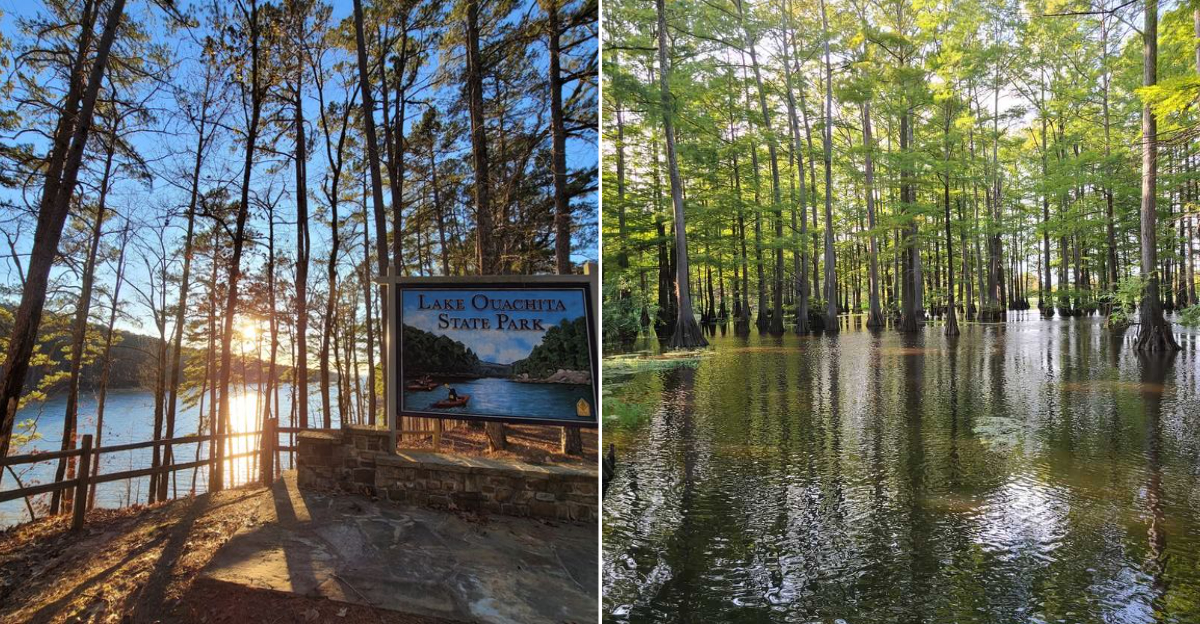
2. Lake Ouachita State Park
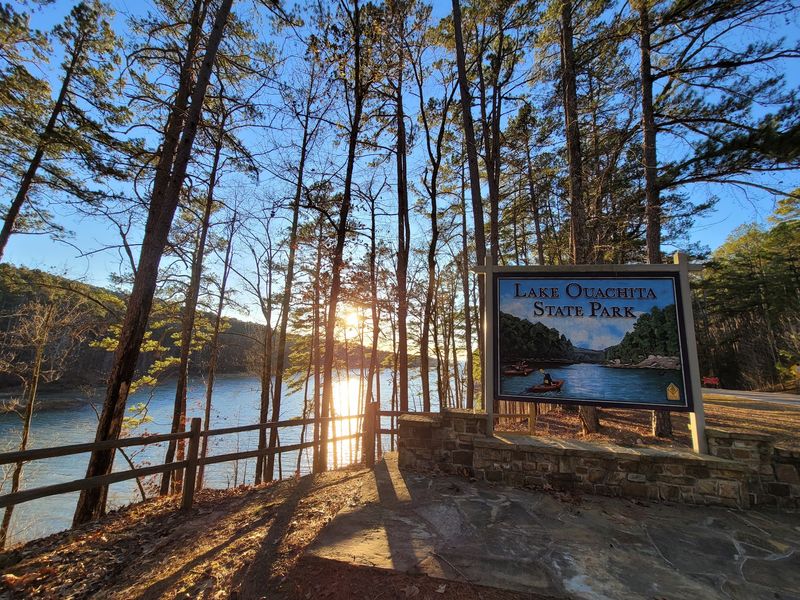
Arkansas has no bigger lake than this one. Over 40,000 acres of water, depths reaching around 200 feet, and mountains standing guard on nearly every side.
Formed by damming the Ouachita River, the lake sits inside the Ouachita National Forest. Much of the shoreline was never developed, which is great for scenery and even better for snakes.
Northern cottonmouths turn up along the damp, leafy shores here. Visitors have also spotted them swimming, head held above the surface in that unmistakable way.
Clear water is part of the appeal for swimmers and kayakers. Clear water also makes a floating snake easier to see from a distance, which is a small mercy.
Rocky coves and leaf-covered banks are the areas worth scanning first. Snakes use that cover for shade during hot afternoons and warmth during cooler mornings.
Campers should shake out shoes and check under camp chairs left overnight. Nothing ruins breakfast quite like a surprise under the cooler.
Boaters tying up along undeveloped shoreline should watch overhanging limbs. A snake dropping into a boat is rare, but it does happen when branches get bumped.
Giving any snake ten feet of space usually ends the encounter instantly. They are not hunting people, just defending a good spot.
Find the park at 5451 Mountain Pine Rd, Mountain Pine, AR 71956.
3. Millwood State Park
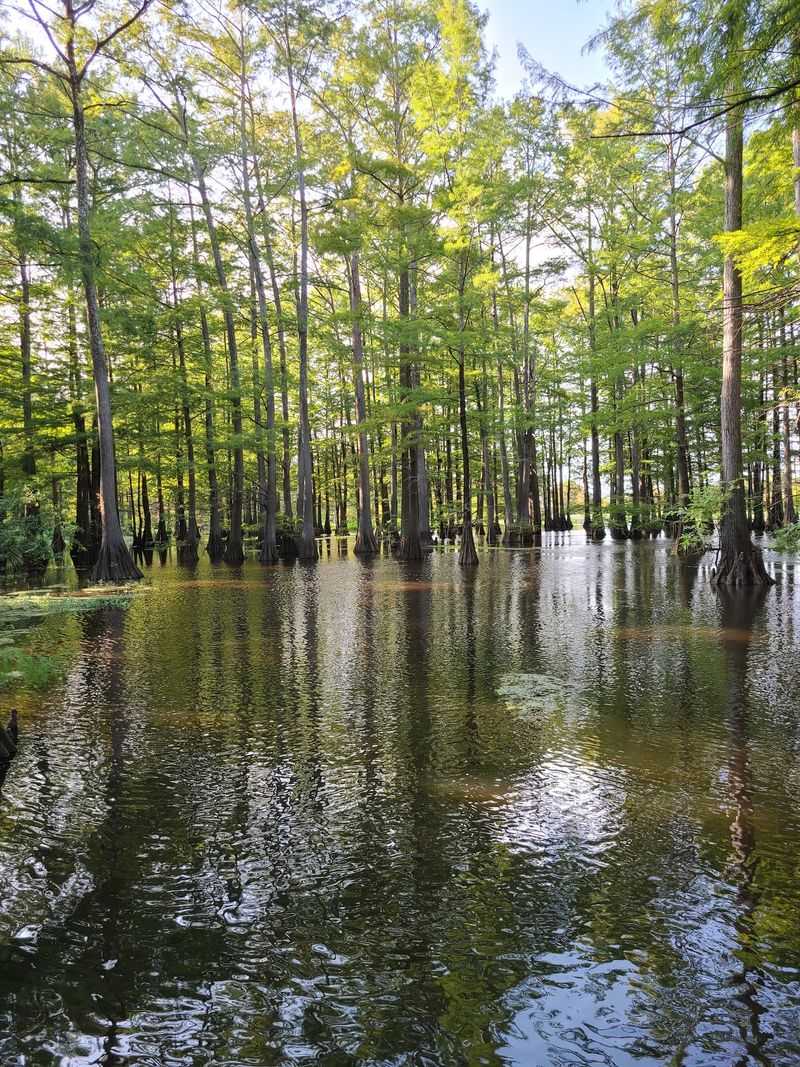
Standing timber, shallow water, and thousands of fish. That combination built Millwood Lake’s reputation among anglers and gave cottonmouths a nearly perfect address.
The reservoir covers about 29,500 acres and was created in 1966 by a 3.3-mile earthen dam on the Little River. A state park followed roughly a decade later.
Fishermen love the timber strands along the shore because they pull fish into shallower water. Semi-aquatic snakes appreciate the same structure for entirely different reasons.
Submerged logs and stumps double as basking platforms. A dark shape on a log deserves a second look before anyone reaches for a rope or paddle.
Bank fishing here means walking through thick vegetation in places. Tall boots beat shorts and sneakers when the grass gets knee-high near the water.
Nighttime activity increases during hot stretches. Cottonmouths often move after dark in summer, so a flashlight is genuinely useful around camp and boat ramps.
Wildlife viewing is a big draw beyond the fishing. Herons, alligator snapping turtles, and countless songbirds share the same flooded woods.
Kayakers threading through timber should watch branches at eye level. Snakes stretched along limbs blend in shockingly well with wet bark.
Respect goes a long way. Photographs from a distance are fine, but poking a snake with a paddle is asking for a very bad afternoon.
The park sits at 1564 AR-32, Ashdown, AR 71822.
4. Cache River National Wildlife Refuge
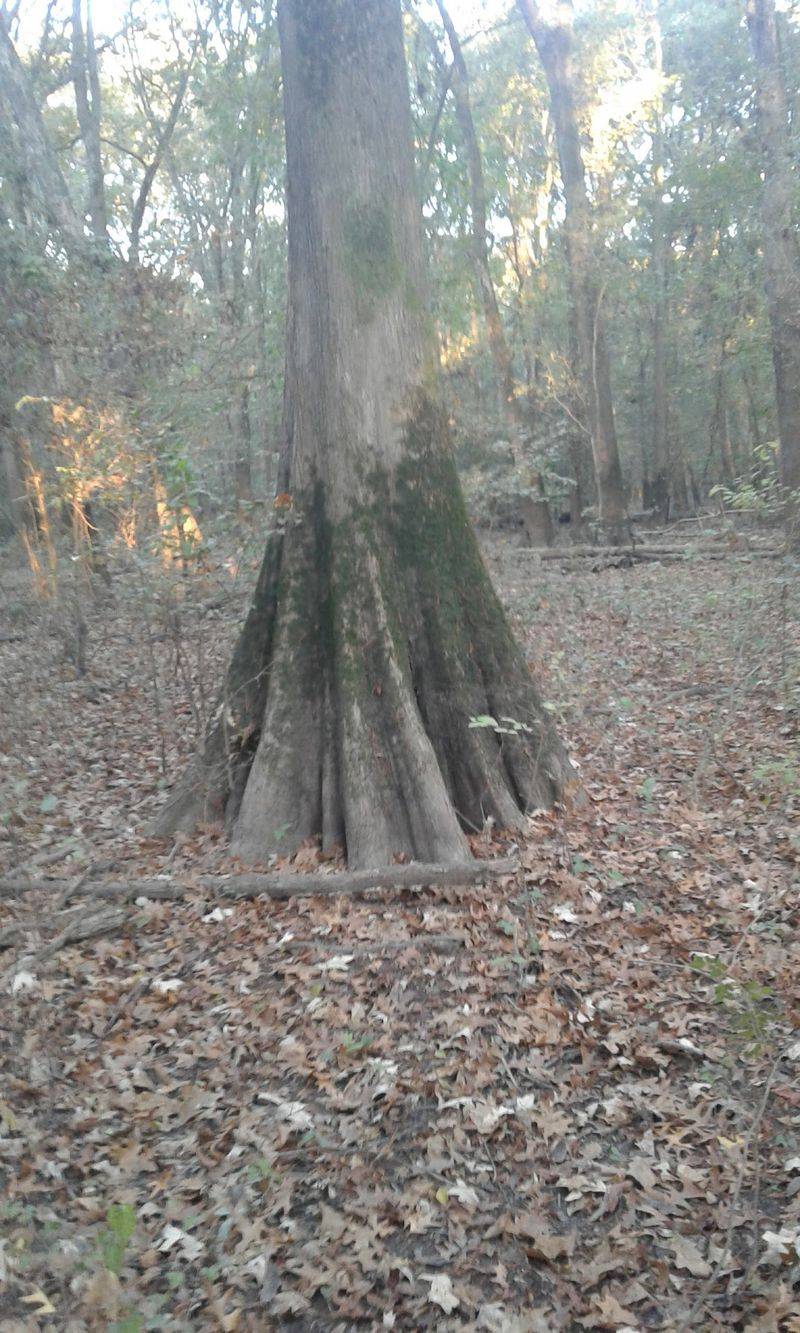
Protected in 1986 to save disappearing wetlands, this refuge holds some of the least disturbed bottomland hardwood forest left in the Mississippi Valley. It feels ancient because, in a way, it is.
Sloughs, swamps, and thick brushy cover fill the basin. Cottonmouths thrive in exactly those conditions, which makes the refuge one of the state’s strongest habitats for them.
One documented cottonmouth in the Cache River region traveled to upland slopes to hibernate inside limestone crevices. Snakes here move between wet lowlands and drier ridges depending on the season.
Summer visitors should expect standing water almost everywhere. Duckweed hides the surface, so poking around blindly with hands is a poor plan.
Birders come for warblers and woodpeckers, and they often stop paying attention to their feet. A slow, deliberate walking pace solves most of that problem.
Canoe routes wind through flooded timber and offer the best views. Snakes sunning on logs will usually slip into the water long before a boat arrives.
Mosquitoes are relentless, so long sleeves and long pants serve double duty as snake protection. Comfort and safety happen to overlap here.
Cell service can be spotty in the interior. Telling someone your route before heading in is smart regardless of wildlife.
5. Dale Bumpers White River National Wildlife Refuge
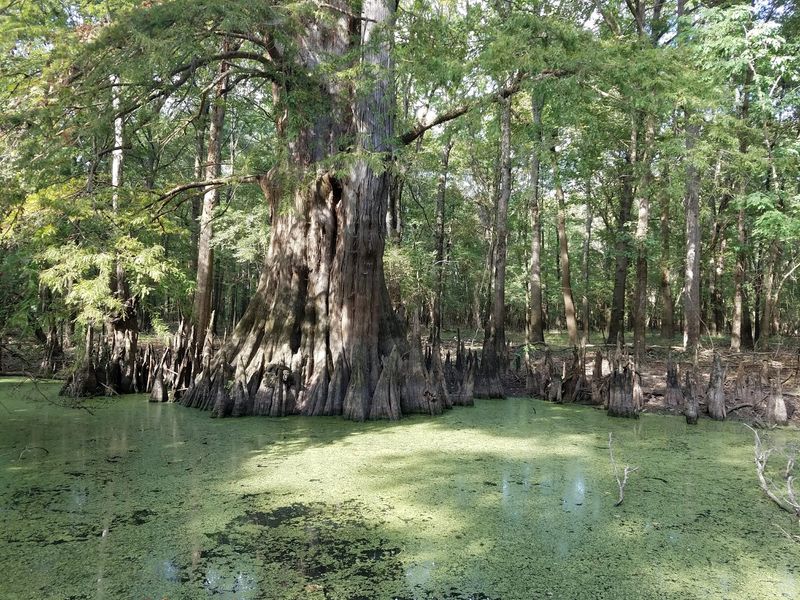
The refuge brochure literally warns people about cottonmouths. When a federal wildlife agency puts a snake warning in print, that is a detail worth respecting.
Established in 1935, the refuge sits in the White River floodplain near where it meets the Mississippi. It stretches roughly sixty miles.
Around three hundred lakes, streams, sloughs, and bayous weave through the property. Frequent flooding created a swamp forest unlike almost anywhere else in the region.
Overcup oaks, cypress, and sycamore dominate because they tolerate standing water. Those water-loving trees also create endless shaded hiding places at ground level.
Northern cottonmouths are encountered regularly here, not occasionally. Hunters, anglers, and hikers all share the same soggy ground with them.
Boat access is often the smartest way to explore. Water travel keeps feet away from brush piles and log jams where snakes rest.
Flood levels change dramatically through the year. High water pushes snakes onto whatever dry ground exists, which sometimes means levees, roads, and trails.
Anyone walking should carry a sturdy stick. Tapping ahead through thick vegetation gives snakes a heads-up and gives people a warning too.
Bites are uncommon and almost always follow an attempt to grab the snake. Walking away remains the most effective safety strategy ever invented.
Refuge headquarters sits at 57 C C Camp Rd, St Charles, AR 72140.
6. Big Lake National Wildlife Refuge
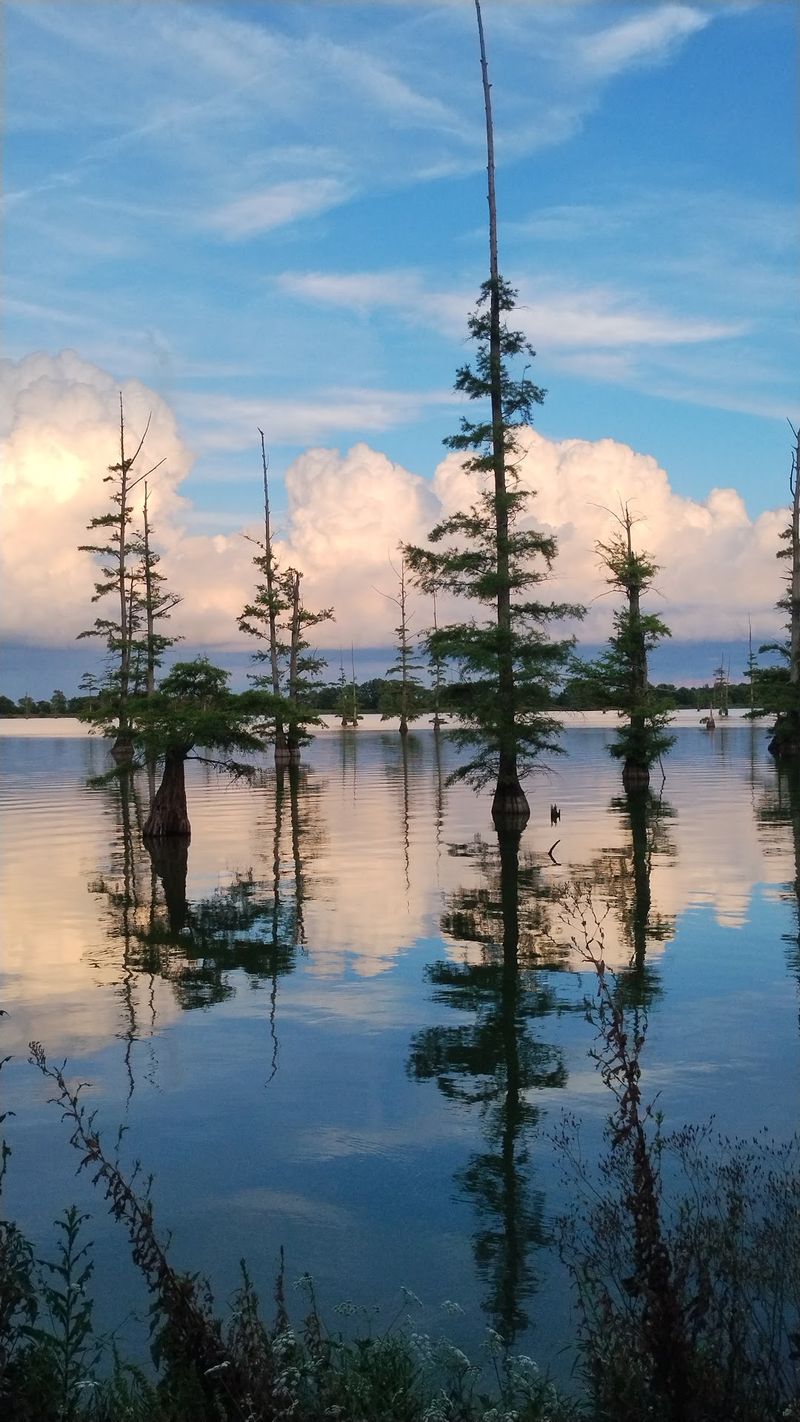
Earthquakes made this place. The New Madrid quakes of 1811 and 1812 shook the land so hard that a swamp formed, and the refuge established in 1915 protects what remained.
Water here averages only about three feet deep. Shallow, warm, and full of frogs, which is basically a buffet sign for cottonmouths.
Wooded swamp makes up most of the acreage, filled with black willow, buttonbush, and bald cypress that tower over everything. Higher ground supports oaks, green ash, river birch, and sycamore.
Shallow water means snakes can move nearly anywhere across the refuge. There is no deep channel keeping them confined to one area.
Buttonbush thickets are especially worth avoiding on foot. Dense stems create shade and cover that snakes use constantly during hot afternoons.
Photographers chasing cypress reflections should watch where tripods go down. Setting a leg into a hidden hollow is a bad gamble.
Waterfowl and wading birds keep this refuge busy through much of the year. Summer visitors get the swamp mostly to themselves, minus the mosquitoes.
Boots that rise above the ankle are the minimum here. Snake gaiters make even more sense for anyone leaving the marked areas.
A calm reaction beats a panicked one every time. Back up slowly and the snake will almost always disappear into the water.
Look for it at 2274 AR-18, Manila, AR 72442.
7. Felsenthal National Wildlife Refuge
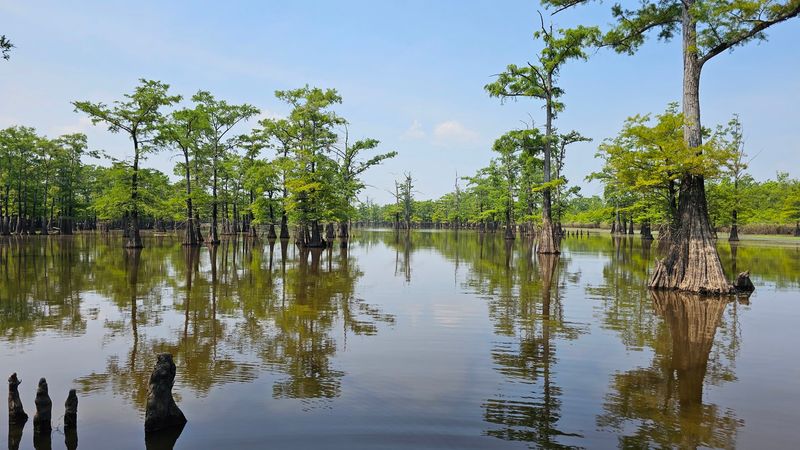
Slow water and wet woods define south Arkansas here. Felsenthal’s bottomland hardwood forest stays soaked much of the year, creating conditions amphibians and snakes both love.
Western cottonmouths are commonly seen throughout the refuge. Slow-moving water areas are where encounters happen most, particularly during boating and fishing trips.
They also show up in upland areas bordering the typical aquatic habitat. So dry ground offers no guarantee of a snake-free walk.
Frogs are the connection point. Massive amphibian populations mean steady food, and steady food means healthy snake numbers.
Anglers working the backwaters should keep gear organized inside the boat. Reaching blindly into a pile of rope or netting is how bad moments start.
Launching and loading at ramps deserves attention too. Snakes often rest in the rocks and grass right where trailers back in.
Hunters using the refuge in warmer months face the highest odds. Early morning walks through flooded timber put boots directly into prime habitat.
Cottonmouths do not chase people, despite the stories passed around campfires. What looks like a charge is usually a snake heading toward water that happens to be behind you.
Standing still for a second and moving sideways solves that misunderstanding. Panic running through an unfamiliar swamp is riskier than the snake itself.
8. DeGray Lake
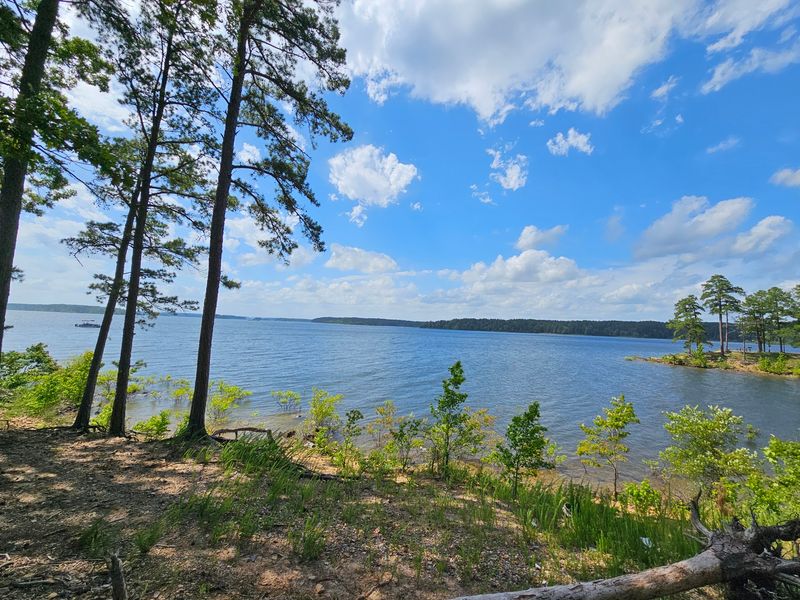
Before 1972, this was rugged foothill country with the Caddo River cutting through it. Then the water came in, and 13,420 surface acres of reservoir replaced the valley.
DeGray Lake sits about eight miles from Arkadelphia and carries 207 miles of shoreline. That is a lot of edge habitat.
Fisheries managers have worked to re-establish aquatic vegetation like water willow, alligator weed, coontail pondweed, and hydrilla. Better fish habitat also means better snake habitat.
Vegetated shallows are the areas to watch closely. Weedy edges hide frogs and small fish, and cottonmouths follow that food supply.
Low water levels reveal a distinct pond near the Highway 7 dike. Isolated pools like that concentrate wildlife into tight spaces.
Swimmers should stick to designated beaches with clear water and open sightlines. Weedy backwater coves are a different situation entirely.
Anyone paddling into brushy shoreline should look up as well as down. Overhanging limbs occasionally hold a resting snake.
Kids exploring rocky banks need supervision, mostly because rocks and warm sun are the two things snakes appreciate most.
Identification helps calm nerves too. Many harmless water snakes live here and get blamed for things they never did.
Either way, the rule stays the same. Watch, appreciate, and keep walking.
9. Bayou Bartholomew
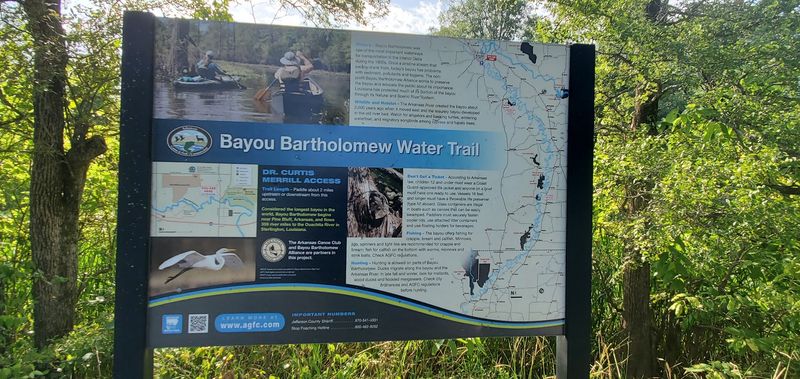
Here is a title nobody expects Arkansas to hold. Bayou Bartholomew is recognized as the longest bayou in the world, running more than 350 miles from near Pine Bluff to the Ouachita River in Louisiana.
It also ranks among the most diverse streams in North America. Hundreds of aquatic species live in its slow brown water.
Bottomland hardwoods once formed a thick wilderness along its entire length. The forest lining the banks held the soil in place and sheltered wildlife.
Cottonmouths favor swamplands and the borders of ponds, lakes, and streams. Dense canopy and log jams are their preferred setup, and this bayou has plenty of both.
Log jams deserve serious respect from paddlers. Climbing over one puts hands and knees directly into snake territory.
Restoration crews are stabilizing banks and replanting forest along the corridor. Healthier banks benefit fish, birds, and yes, the snakes too.
Access points are scattered across several southeast Arkansas counties. Some spots are muddy and steep, so footing matters as much as snake awareness.
Warm evenings bring more movement. Snakes hunt frogs along the edges once temperatures drop after sunset.
Anyone fishing from the bank should clear a small area first and stay out of tall grass. Simple habits prevent almost every problem.