
Reaching This Hidden Rhode Island Island Takes A Ferry And Every Minute Is Worth It
A ferry is the only way in, and that alone makes this piece of Rhode Island feel like an event. Salt air replaces highway noise the moment the boat pulls away, and the whole mood shifts.
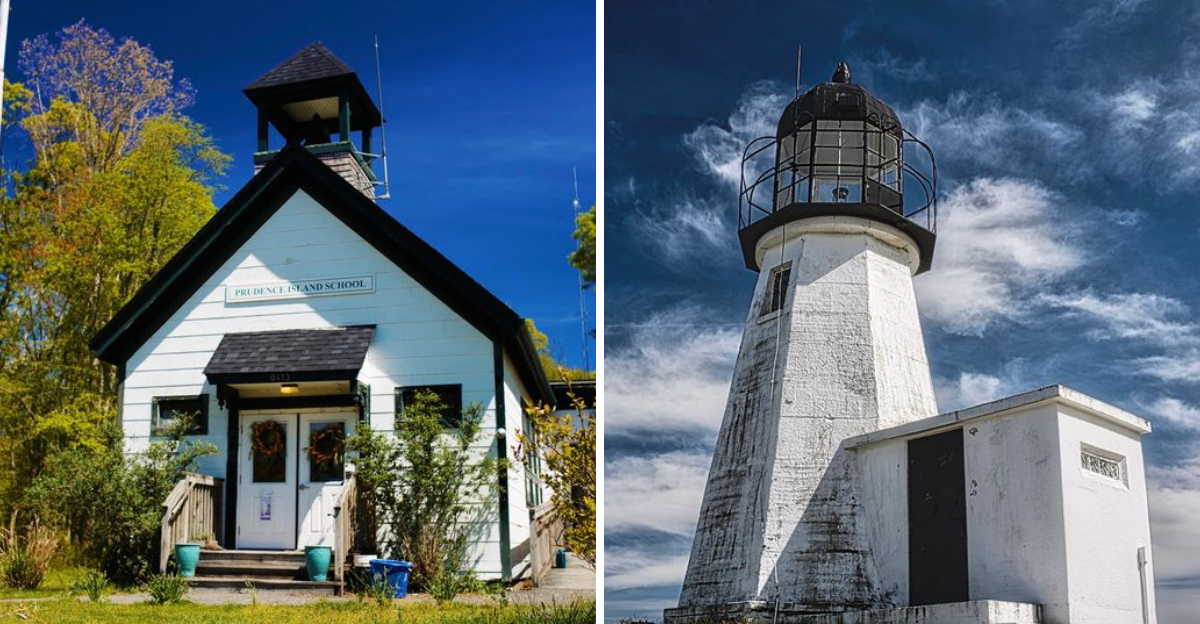
Forests, marshes, and dirt roads cover the land, protected from the development that swallowed nearby islands. One trail leads past the last one-room schoolhouse still open in Rhode Island, doing exactly what it always did.
An old lighthouse here has a stranger past too, taken apart block by block and rebuilt right on this shore. Deer wander freely, and trails wind for miles, so the real decision is where to point the bike first.
A day trip out here starts to feel less like sightseeing and more like slipping into slower, saltier days.
The Ferry Ride That Sets The Tone
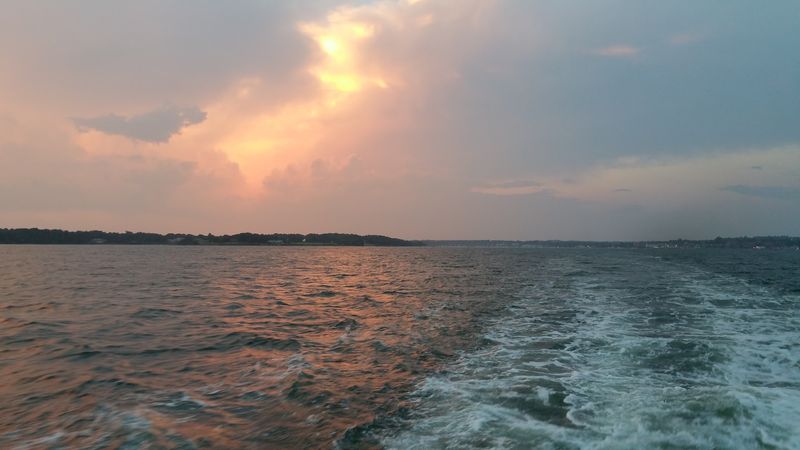
Before the island even comes into view, the journey itself starts working its magic. The Prudence Island Ferry departs from Bristol, a charming coastal town in Rhode Island, and the crossing takes roughly 25 to 30 minutes across Narragansett Bay.
From the deck, passengers get sweeping views of open water, distant shorelines, and the occasional sailboat cutting through the chop. The air changes out there.
It gets saltier, quieter, and somehow more honest.
The ferry terminal sits at 147 Thames Street in Bristol, Rhode Island, and serves as the official gateway to the island. Vehicles and bicycles can board alongside passengers, though reservations for cars during busy seasons are a smart move.
Arriving about 15 minutes before departure keeps things stress-free. The ride itself is short, but it does something important.
It creates a clear mental break between the mainland world and whatever peaceful version of life waits on the other side of the bay.
A Name With A Story Behind It
Long before it had a name most people recognize, the island was called “Chibachuweset” by the Narragansett tribe. That word roughly translates to “a place apart,” which, honestly, still fits perfectly today.
Roger Williams and John Winthrop acquired the island from the Narragansett people in 1637. Williams, the founder of Rhode Island, gave it the name Prudence.
He also named two nearby smaller islands Patience and Hope, creating a trio of thoughtfully chosen titles that still stand centuries later.
That naming choice says something about how early settlers saw this place. It was not just land.
It carried meaning, intention, and a kind of quiet dignity.
Early colonial communities used the island as a farming hub, supplying nearby cities like Newport and Providence with agricultural goods. Residents called it a “market basket” for the region.
That agricultural identity shaped the island for generations, and traces of that heritage are still visible across the landscape today.
Over 80 Percent Protected And Proud Of It
Most islands in the Northeast have been developed right up to their shorelines. Prudence Island went a completely different direction.
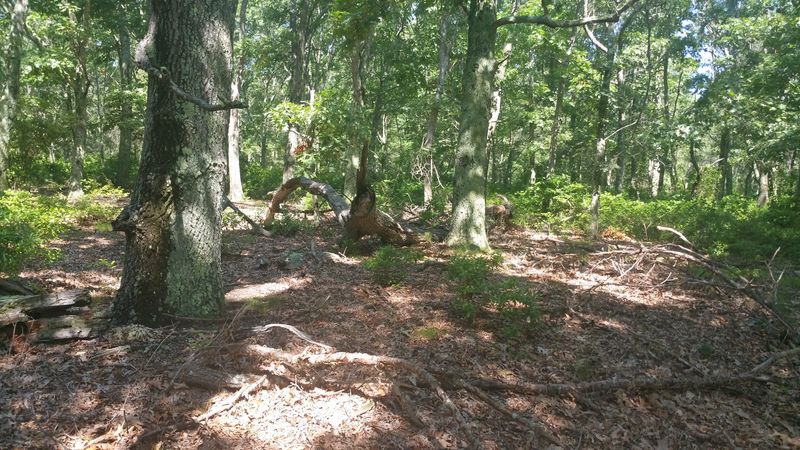
More than 80 percent of the island is protected land, and that number is not just a statistic. You feel it the moment you step off the ferry.
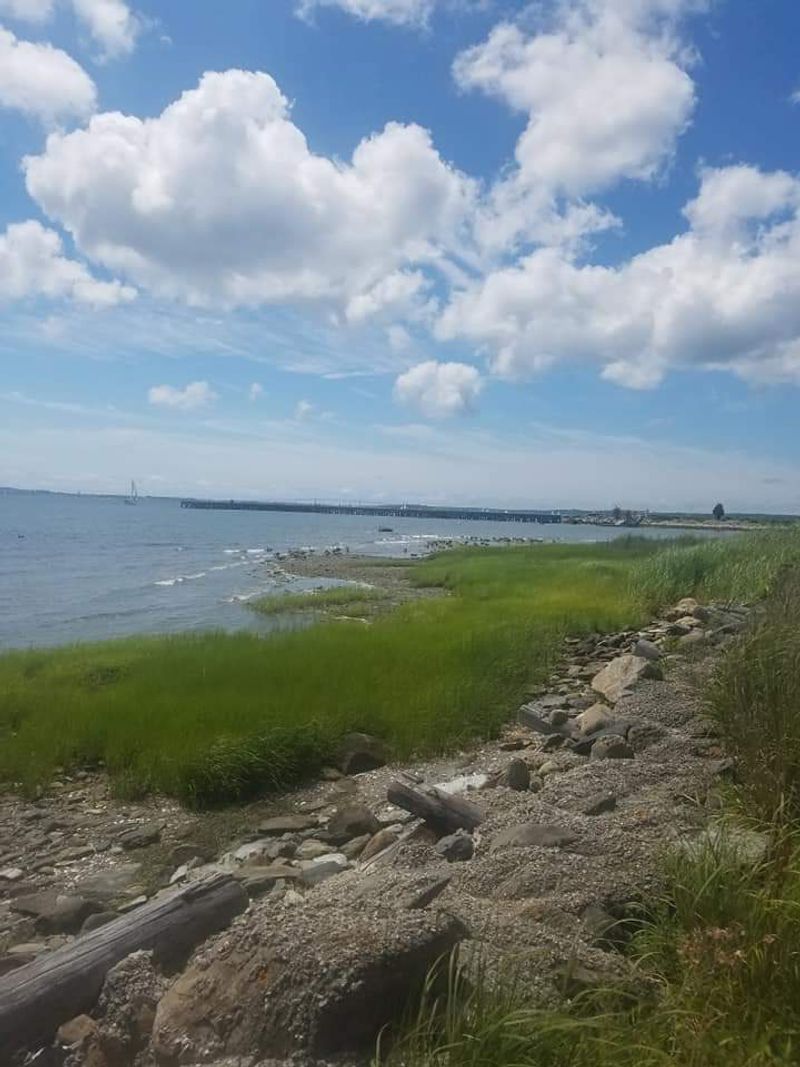
Salt marshes shimmer at low tide. Dense forests offer cool shade even on warm summer afternoons.
Miles of hiking trails cut through ecosystems that feel genuinely undisturbed.
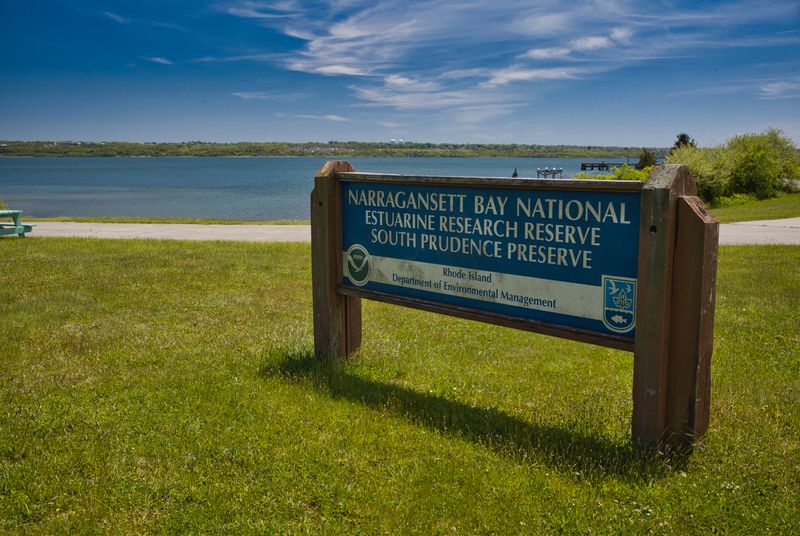
The island is part of the Narragansett Bay National Estuarine Research Reserve, a designation that underscores its ecological significance. This reserve protects critical habitats and supports ongoing environmental research throughout Rhode Island.
White-tailed deer roam freely across meadows and through tree lines. Birding enthusiasts find the island particularly rewarding, with diverse species using the protected habitat year-round.
A butterfly garden adds an unexpected and delightful detail to the natural landscape. The sheer scale of preserved wilderness here makes every trail walk feel like a proper adventure.
The Last One-Room Schoolhouse Still Standing
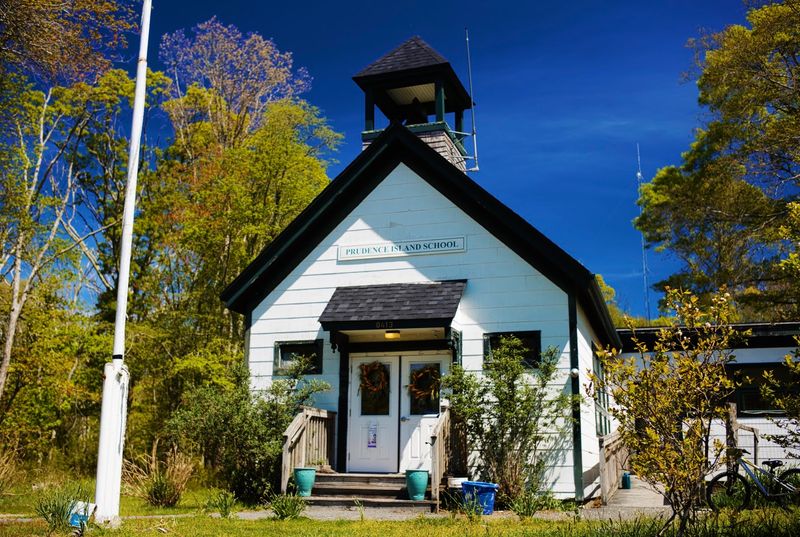
Rhode Island has exactly one functioning one-room schoolhouse left, and it sits right here on Prudence Island. Built in 1896, the Prudence Island Schoolhouse has been educating island children for well over a century.
That is not a restoration project or a museum exhibit. It is an active school.
The building itself is modest and straightforward, the kind of structure that looks like it belongs in a history textbook. But its continued operation makes it something far more interesting than a preserved relic.
It represents how the island community has chosen to maintain its own identity rather than conform to mainland norms. Education here happens at a scale that most children will never experience anywhere else in the state.
For visitors, simply spotting the schoolhouse along the road is a quiet revelation. It puts the whole island into perspective.
This is a place that values continuity, simplicity, and a way of life that the rest of Rhode Island largely left behind decades ago.
Sandy Point Lighthouse And Its Remarkable Origin
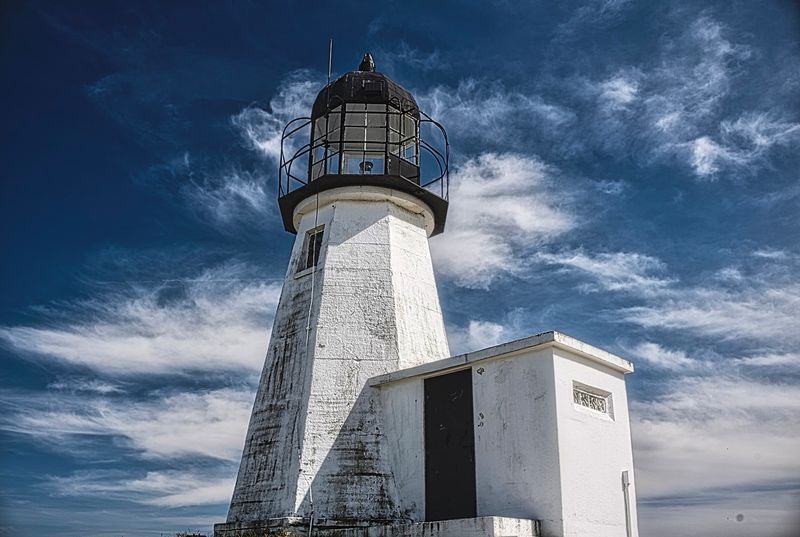
Most lighthouses stay where they are built. This one took a road trip.
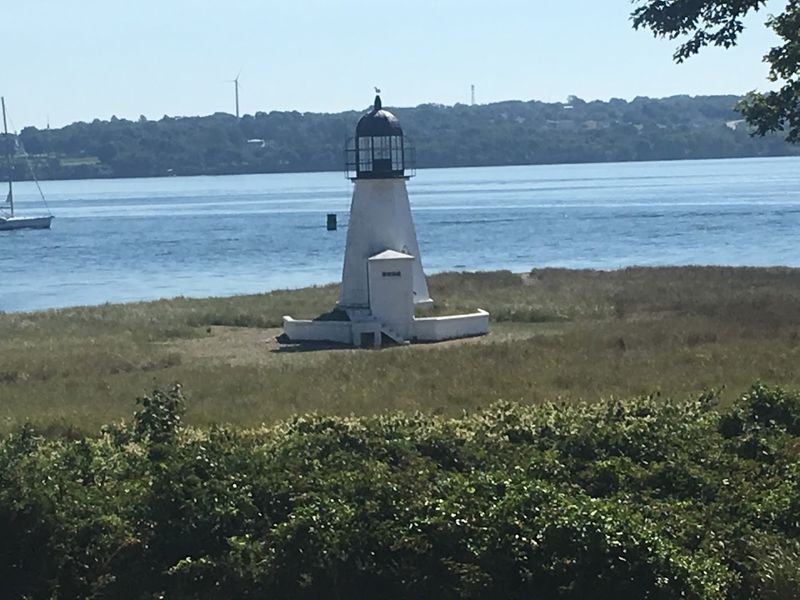
The Prudence Island Lighthouse, known locally as Sandy Point Lighthouse, was originally constructed on Goat Island in 1823. Decades later, it was dismantled brick by brick, with each granite block carefully numbered for reassembly.
Workers transported the entire structure across the water and rebuilt it on Prudence Island in 1852. The precision required for that kind of relocation is remarkable by any era’s standards.
Today, the lighthouse grounds are open to visitors from sunrise to sunset. Interior tours are not available, but the exterior and surrounding shoreline offer stunning photography opportunities.
The structure sits roughly a mile from the ferry landing, making it an accessible destination for most visitors.
Standing near the lighthouse with Narragansett Bay stretching out in every direction puts the island’s geography into sharp relief. It is a beautiful spot, and knowing the unusual backstory of the building itself makes the visit feel even more worthwhile.
Farnham Farm And The Fields Of Living History
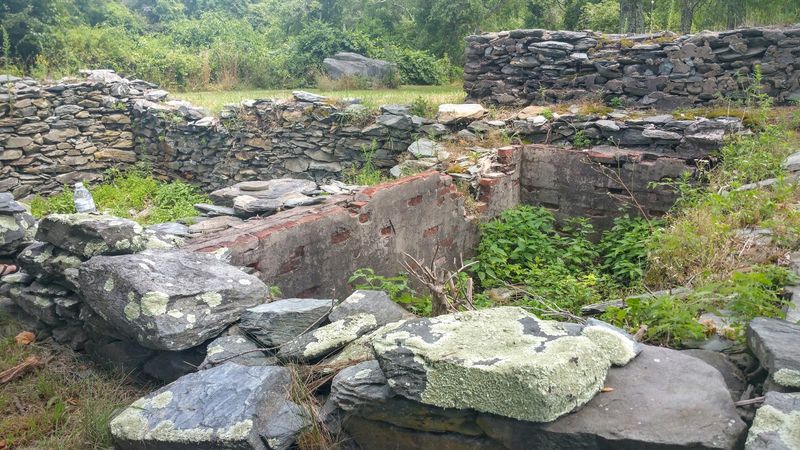
Farnham Farm is the kind of place that makes history feel tangible rather than textbook-dry. The site operated as the island’s last working farm until the 1950s, with agricultural roots stretching back to the mid-1600s.
In 2006, it earned a spot on the National Register of Historic Places.
Walking across those fields means crossing ground that colonial-era farmers worked more than three centuries ago. That kind of continuity is rare, and the farm’s quiet, weathered presence communicates it without needing a single interpretive sign.
The site also doubles as a disc golf course today, available for a fee. It is a quirky but fitting second life for land that once fed nearby Rhode Island communities.
The combination of recreational activity and genuine historic weight gives Farnham Farm a personality all its own.
Ruins scattered across the property add texture to the experience. They are not dramatic or cinematic, just honest remnants of a working past.
That understated quality is exactly what makes the farm worth seeking out during any visit to the island.
Bikes, Trails, And Disc Golf On Dirt Roads
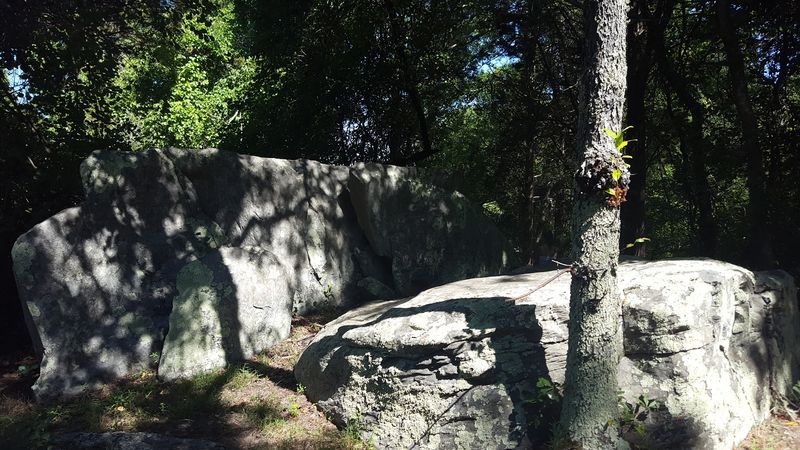
Outdoor activity on Prudence Island does not come with fancy facilities or manicured paths. It comes with dirt roads, open trails, and the kind of freedom that only exists when crowds are absent.
Bringing a bicycle on the ferry is one of the best decisions any visitor can make.
The island’s road network is rugged in places, but that roughness is part of the appeal. Pedaling through forested stretches with deer occasionally crossing the path is a completely different experience from any mainland bike trail.
Disc golf enthusiasts get two options. Baker Farm offers a free course with interesting ruins scattered throughout the layout.
Farnham Farm provides a separate paid course on historically significant land. Both courses reward players who appreciate atmosphere as much as sport.
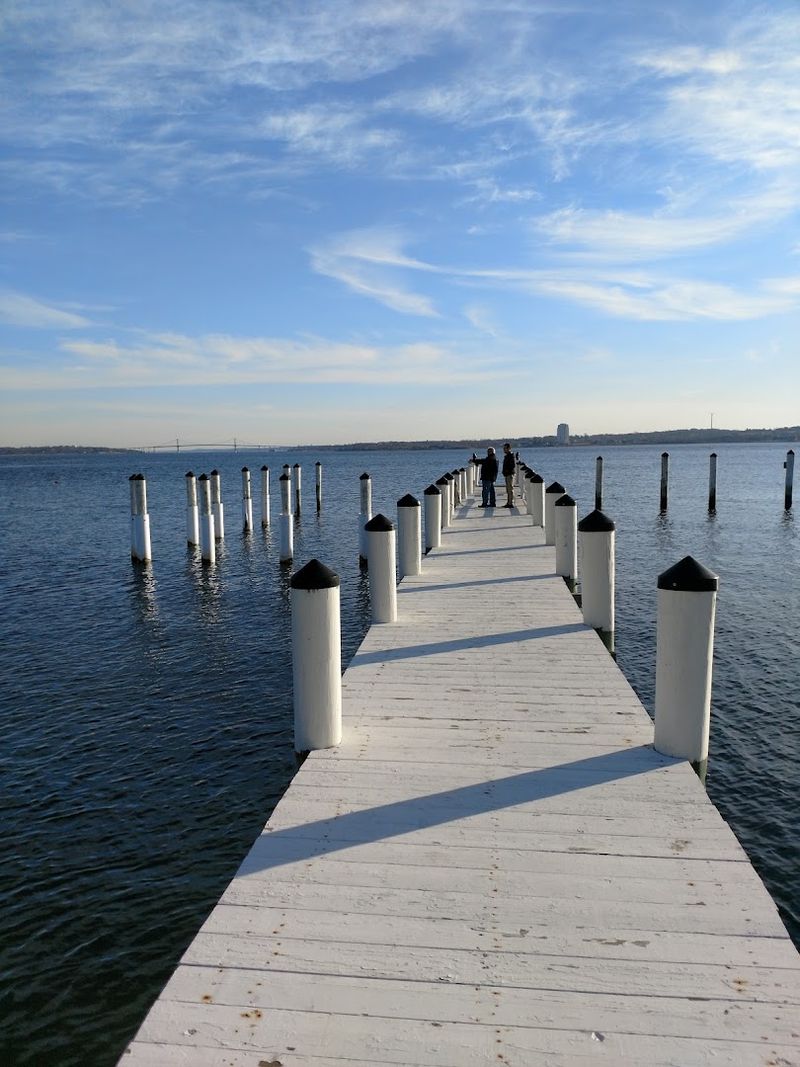
Kayaking and canoeing along the island’s coastal edges offer a quieter way to explore the shoreline. Fishing from public docks is another low-key option that fits the island’s overall pace.
Whatever the activity, the surrounding natural beauty of Rhode Island’s Narragansett Bay makes it all feel elevated.
Wildlife That Refuses To Stay Hidden
The white-tailed deer population on Prudence Island is not shy. Visitors encounter them regularly along roadsides, in meadows, and at the edges of forested trails.
The density of deer here is notably higher than on the mainland, and spotting them requires almost no effort at all.
Birding is equally rewarding. The island’s protected habitat and diverse ecosystems attract a wide variety of species throughout the year.
Bringing binoculars is a strong recommendation, not just a suggestion.
The butterfly garden adds a softer, more intimate layer to the wildlife experience. It is a small but carefully maintained space that draws attention to the island’s smaller, often overlooked inhabitants.
As part of the Narragansett Bay National Estuarine Research Reserve, the island supports ongoing ecological study. Marine biologists and environmental researchers are sometimes present, and their work reflects just how significant this habitat is for Rhode Island’s broader coastal ecosystem.
For anyone who finds wildlife more exciting than a restaurant menu, this island delivers on a level that is genuinely hard to match elsewhere in the region.
The General Store That Does It All
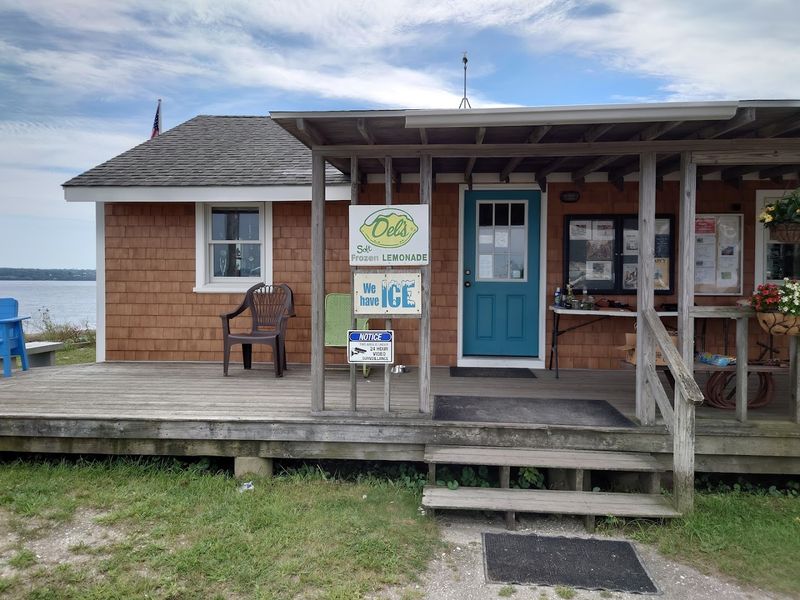
There is exactly one store on Prudence Island, and it works harder than most. Prudence Variety serves as both the island’s general store and its post office, handling the daily needs of a small permanent community and a rotating cast of day-trippers and seasonal visitors.
The store sits near the ferry landing, making it the first and last stop for most visitors. It stocks essentials, but the selection is limited by design and by logistics.
Expecting a full grocery run here would set the wrong expectations entirely.
Visitors are strongly encouraged to bring their own food, water, and supplies from the mainland. The island has no restaurants, no cafes, and no food trucks waiting at the dock.
That simplicity is not an oversight. It is a defining characteristic.
Prudence Variety functions as a social hub as much as a retail space. Locals gather, information gets exchanged, and the rhythms of island life play out in plain view.
For many visitors, stopping in briefly feels like the most authentic moment of the entire trip.
Community Life On An Island With No Sidewalks
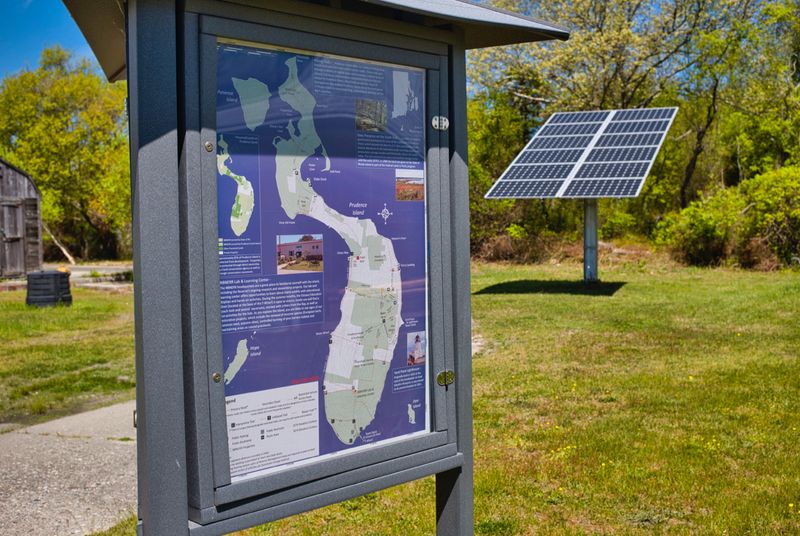
Permanent residents of Prudence Island number only in the dozens, but the community they have built is remarkably self-sufficient. No sidewalks exist anywhere on the island.
Dirt roads connect cottages, farms, and shoreline access points in a layout that feels organic rather than planned.
The Little PI Library operates as a communal book swap, offering free reading material in an honor-system format. Roadside produce stands work the same way.
Leave what you have, take what you need. That kind of trust-based exchange is increasingly rare anywhere in Rhode Island or beyond.
Neighbors share resources, maintain traditions, and collectively steward a landscape that most communities would have sold off piece by piece long ago. The island’s permanent population takes that responsibility seriously.
Seasonal cottages bring a rotating group of returning visitors each summer, many of whom have been coming back for decades. The result is a layered community where long-term relationships between residents and repeat guests shape the island’s quiet, unhurried culture in ways that no amount of tourism planning could manufacture.
The Prudence Island Historical Museum
History on Prudence Island does not just exist in the landscape. It has a dedicated home.
The Prudence Island Historical Museum, located at 370 Narragansett Avenue, Portsmouth, RI 02872, preserves the island’s layered past in a format visitors can actually explore.
The museum documents the island’s agricultural heritage, its colonial origins, and the daily life of communities that farmed and fished these shores for centuries. Artifacts, photographs, and records bring the timeline to life in a way that walking the trails alone cannot.
For anyone who wants context before exploring the rest of the island, the museum provides an excellent starting point. Understanding how the land was used across different eras makes every subsequent stop feel more meaningful.
The collection reflects how seriously the island community takes its own story. Preservation here is not passive.
It is an active commitment to keeping the past legible for future generations. That dedication to local history gives Prudence Island a depth that many far more visited destinations in Rhode Island simply cannot match.
What To Know Before You Board The Ferry
Preparation makes or breaks a day on Prudence Island. The lack of food service means packing a full picnic is not optional, it is essential.
Water, snacks, and a proper meal should all come from the mainland before boarding the ferry in Bristol.
Insect repellent deserves a prominent spot in any bag. Deer ticks are present across the island, particularly in wooded and grassy areas.
Checking carefully after any trail walk is a habit worth forming before the visit, not after.
Vehicle reservations are recommended during peak summer months, especially for weekend crossings. The ferry accommodates cars and bicycles, but space fills quickly when the weather cooperates.
Arriving early and planning ahead removes most of the logistical friction.
Public restrooms are scarce across the island, so planning accordingly matters. Cell service can be inconsistent in certain areas, which many visitors consider a feature rather than a flaw.
Embracing the disconnection is really the whole point. The island rewards those who arrive with realistic expectations and leave behind the impulse to stay constantly connected.