
The Historic New Jersey Farm Stand Known For Incredible Sweet Corn Since 1961
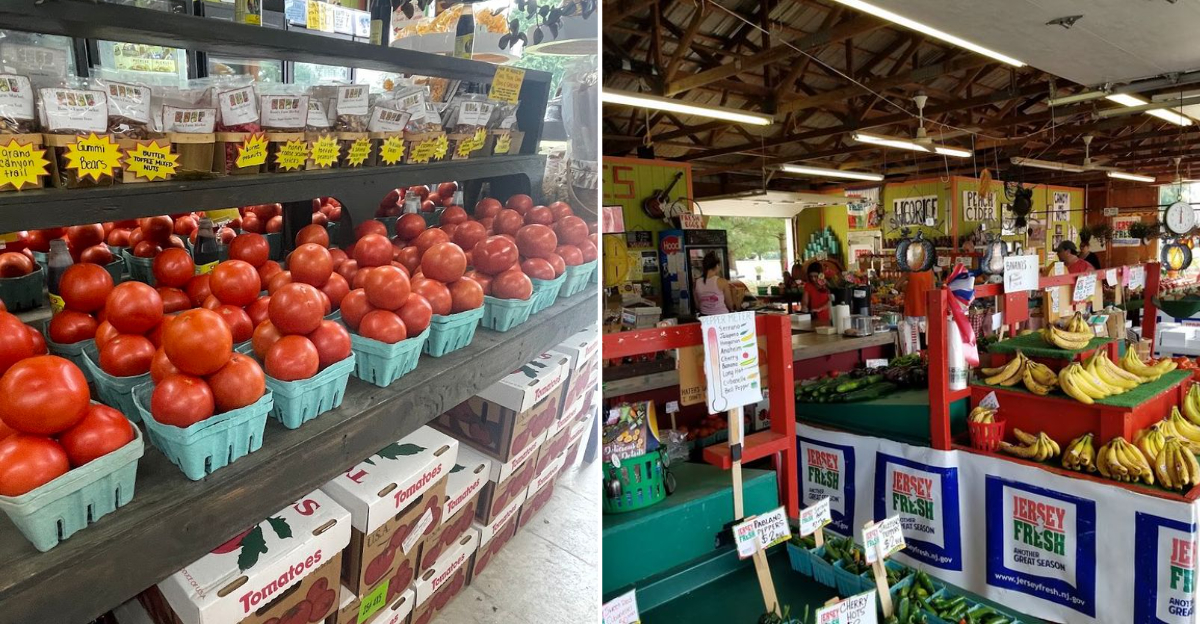
Green husks pile high in the open air within hours of leaving the damp fields. A faint smell of sweet, damp earth still hangs over the worn wooden counters.
Dust dances in the sunbeams hitting the weathered rafters of this roadside landmark. Customers line up along the gravel driveway with empty burlap sacks in their hands.
They do not come for fancy packaging or organic labels. They want the pale yellow kernels that burst with sugary milk at the slightest touch.
New Jersey corn has a reputation built on decades of hot summers and deep roots. The family has used the same fields and traditional methods since the very first harvest.
Nobody questions the quality because the flavor speaks clearly across multiple generations. Supper tables across the county look incomplete without a steaming platter from this specific dirt lot.
Origins And History Of The Sweet Corn Stand
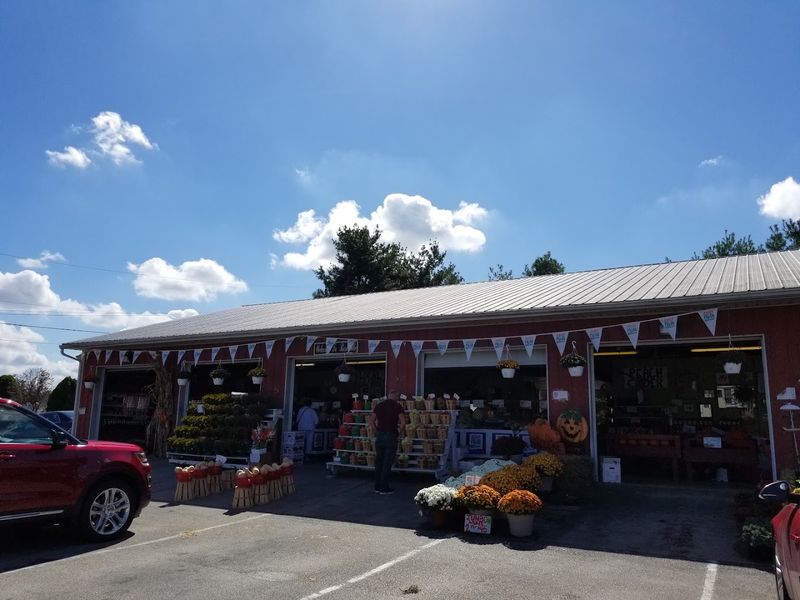
Back in 1961, a determined Italian immigrant named Palma Sorbello, known lovingly as Rosie, started selling extra produce from her yard. She had married farmer Michael Sorbello and simply had more crops than she knew what to do with.
So she set up shop under a cherry tree with a few umbrellas and got to work.
That humble beginning turned into something much bigger. The current market building went up in 1988, giving the operation a real permanent home.
What started under a tree became a full-fledged farm stand that South Jersey residents count on every single season.
Today, Rosie’s daughter Lisa Westermann runs the market, keeping the family tradition alive and well. Five generations of the Sorbello family have worked at this stand.
That kind of continuity is rare, and it shows in how the place operates. You can find Rosie’s Farm Market at 317 Swedesboro Rd, Mullica Hill, NJ 08062.
The history here is not just a backstory. It is baked into every ear of corn on the shelf.
Seasonal Varieties And Harvest Times
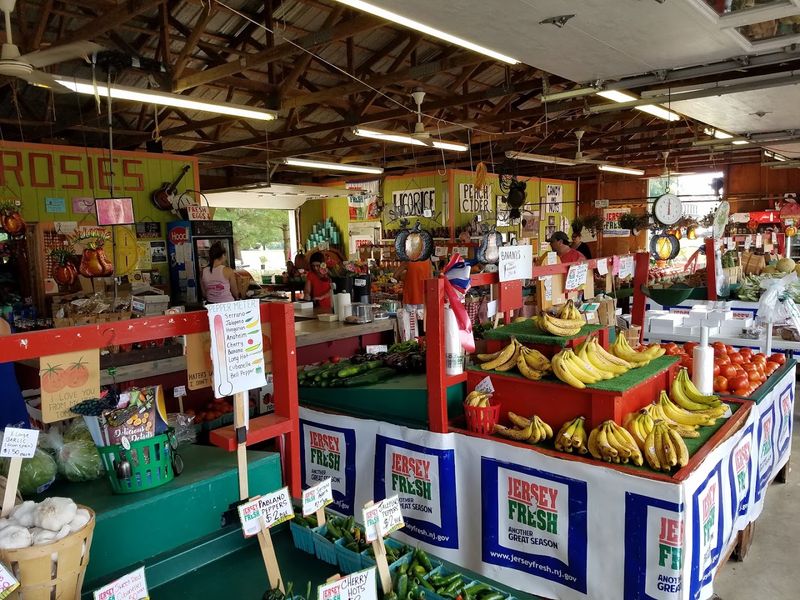
New Jersey sweet corn season is one of those things locals genuinely get excited about. It typically runs from mid-July through October, with some varieties showing up as early as late June.
Farmers plant corn in staggered batches throughout the summer to keep a steady supply going. That means you rarely show up to Rosie’s and find empty bins.
Popular varieties at New Jersey farm stands include Silver Queen, Obsession, and a fan favorite simply called Incredible. Each one has its own personality.
Silver Queen is known for its classic white kernels and crisp sweetness. Obsession delivers a rich, full flavor.
Incredible lives up to its name with exceptional tenderness.
Corn is generally ready for harvest about eight weeks after planting. The best time to pick it is early in the morning, when the sugars are at their peak and the ears are still cool.
At Rosie’s, the corn moves fast because people know freshness matters. Picking up a dozen ears on a Saturday morning is basically a South Jersey summer ritual at this point.
The variety selection and consistent restocking make every visit feel worth the trip out to Mullica Hill.
Methods For Selecting The Sweetest Corn Ears
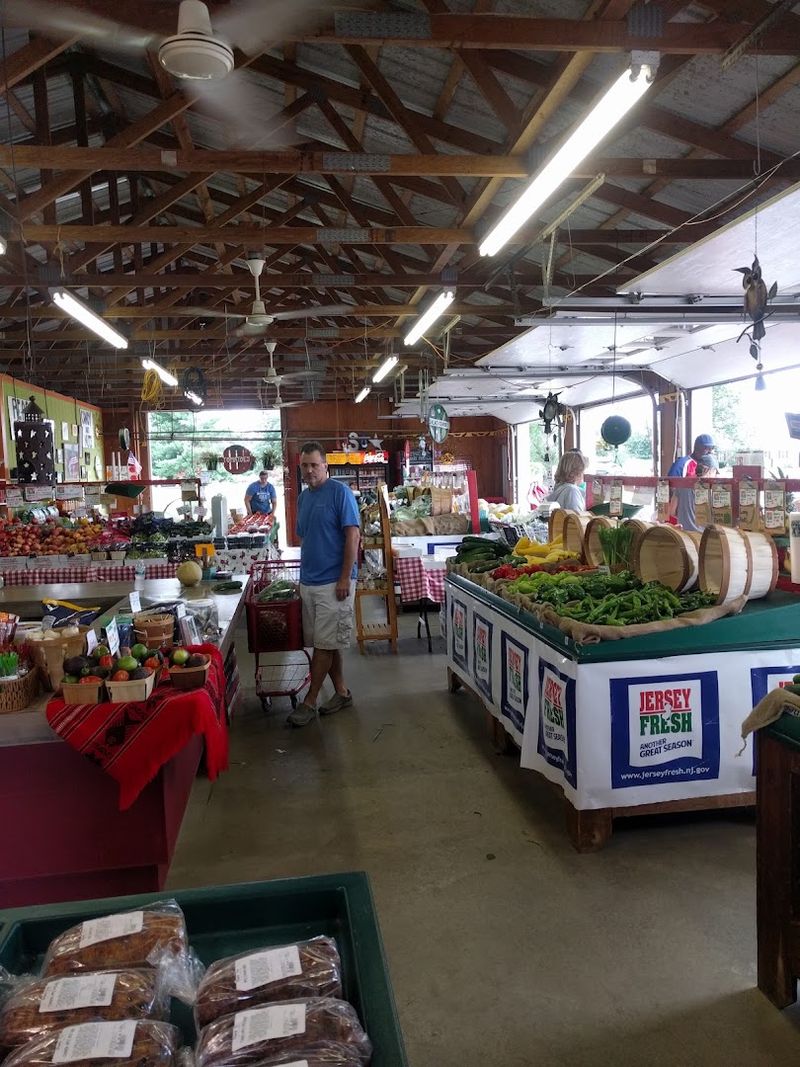
Picking the right ear of corn is a skill, and once you learn it, you will never grab a bad one again. Start by looking at the husks.
Bright green and tightly wrapped means the corn is fresh. Silks should look slightly brownish and feel a little moist, not dry, black, or slimy.
Next, feel through the husk without peeling it back. Kernels should feel plump and firm all the way to the top.
If there are noticeable gaps or the tip feels hollow, pass on that one. A good ear often has what farmers call shoulders, which is a fullness right at the very top of the ear.
Check the stem end where the ear was snapped off the stalk. A white, moist cut means it was picked recently.
A dry or yellowed stem suggests it has been sitting around too long. At a market like Rosie’s, the turnover is fast, so you are already starting with an advantage.
Still, knowing how to hand-pick the best ear in the bin makes a real difference. Fresh corn, selected well, barely needs anything added to it.
A little butter and salt, and honestly, you are done. That is the whole meal right there.
Traditional Recipes Featuring Fresh Sweet Corn
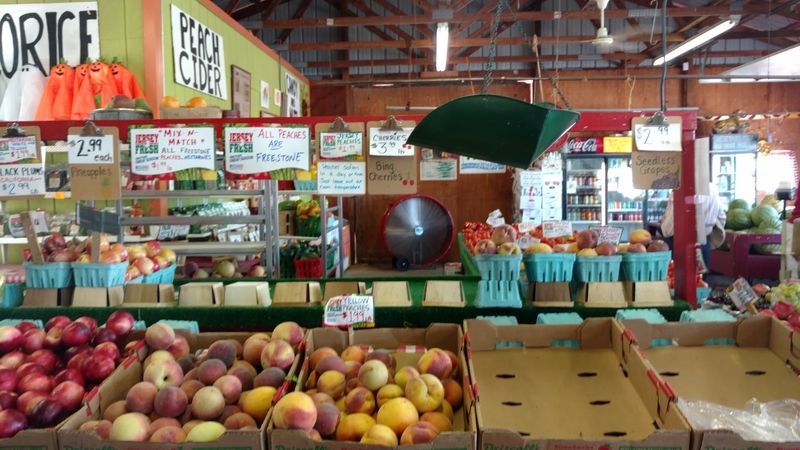
Fresh sweet corn from a place like Rosie’s does not need much help. Boiled right off the cob with butter is still the gold standard for a reason.
But if you want to branch out, the options are genuinely exciting. Grilled corn with a light char on the outside is a summer staple at backyard cookouts all across South Jersey.
Corn chowder is one of those recipes that feels like a warm hug. It uses simple ingredients and lets the natural sweetness of the corn carry the dish.
Fried corn is another classic preparation, cooked in a skillet with butter until the kernels get a little caramelized. Creamy corn pudding is a crowd-pleaser at potlucks and family dinners.
For something lighter, roasted corn salsa pairs beautifully with grilled chicken or fish tacos. Corn fritters are crispy on the outside and soft in the middle, and they come together fast.
Fresh corn also works well folded into salads with tomatoes and herbs. The point is that great corn is not a one-trick ingredient.
When the base product is this good, every recipe built around it gets an automatic upgrade. Start with quality corn from the farm, and the cooking practically takes care of itself.
Sustainable Farming Practices And Soil Care
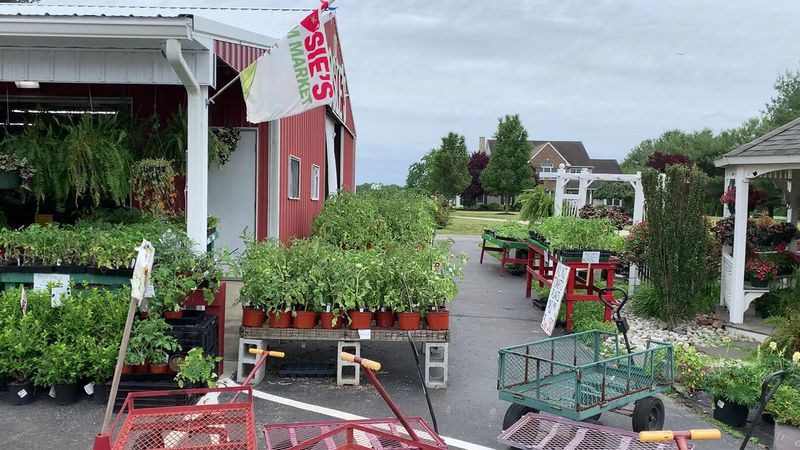
Rosie’s Farm Market is committed to operating as a sustainable and green business. That is not just a marketing phrase.
It reflects real decisions made about how the land is managed season after season. Crop rotation is one of the core practices used to keep the soil healthy and productive over time.
Rotating crops prevents the buildup of pests and diseases that come from planting the same thing in the same spot repeatedly. It also naturally replenishes nutrients in the soil without relying heavily on synthetic fertilizers.
New Jersey farmers have long embraced these methods, and the results show up in the quality of what gets harvested.
Water conservation is another priority. Drip irrigation delivers water directly to plant roots, reducing waste significantly compared to overhead sprinkler systems.
Plastic mulch is used to retain soil moisture and control weeds without chemicals. Regular soil testing helps determine exactly what nutrients are needed, so nothing gets over-applied.
These are not flashy practices, but they matter enormously. Healthy soil grows better crops.
Better crops mean sweeter corn. It is a straightforward chain of cause and effect.
At Rosie’s, the commitment to sustainable farming is part of why the produce has maintained its reputation in Mullica Hill for over six decades running.
Health Benefits Of Consuming Sweet Corn
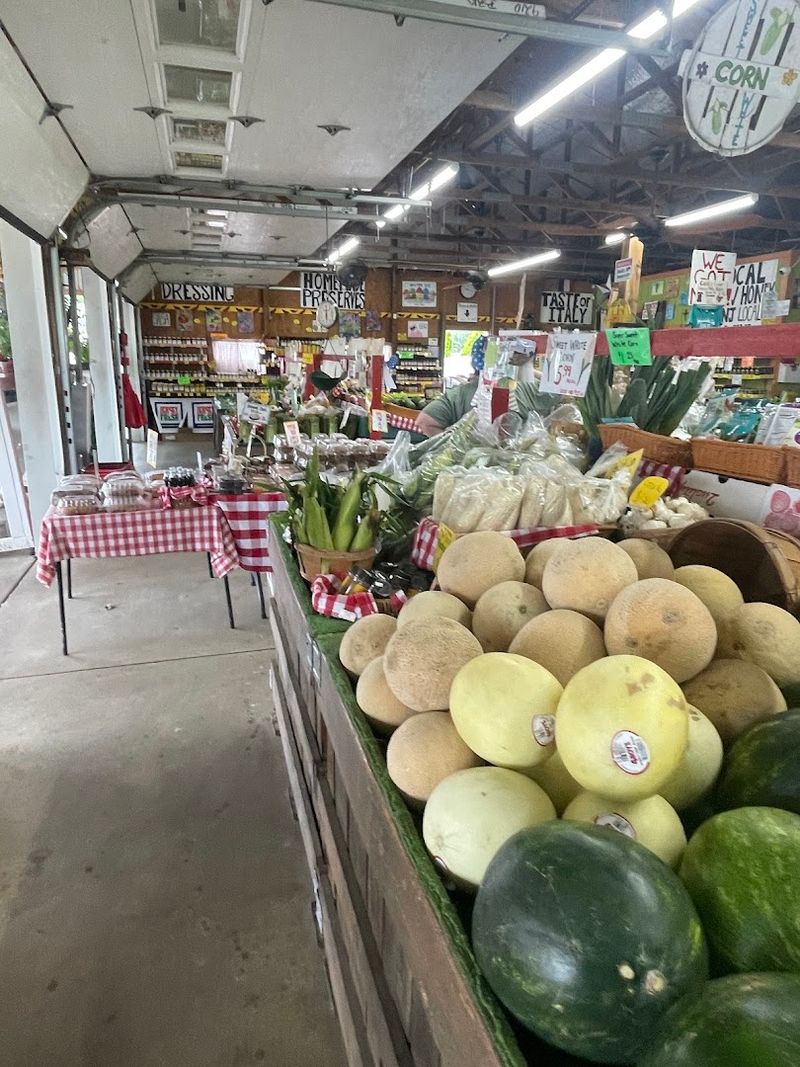
Sweet corn gets a bad reputation sometimes, but the nutrition profile is genuinely solid. A single ear provides a meaningful amount of dietary fiber, which supports healthy digestion and helps maintain good heart health over time.
Fiber also helps you feel full longer, which is a bonus nobody complains about.
The vitamin lineup in sweet corn is impressive. B-complex vitamins like thiamine, niacin, and folate are all present in useful amounts.
Vitamin C adds antioxidant support that helps the immune system stay sharp. These are not trace amounts either.
A couple of ears of fresh corn contribute real nutritional value to your day.
Minerals like magnesium and potassium round out the picture. Potassium supports healthy blood pressure.
Magnesium plays a role in muscle function and energy production. Sweet corn also contains antioxidants including lutein, zeaxanthin, and ferulic acid.
Lutein and zeaxanthin are especially known for supporting long-term eye health. Ferulic acid has been studied for its role in reducing inflammation.
So the next time someone tries to tell you corn is just empty carbs, you have a whole list of facts to politely correct them with. Fresh corn from a farm stand, eaten in season, is genuinely good food in every sense of the word.
Tips For Storing And Preserving Sweet Corn
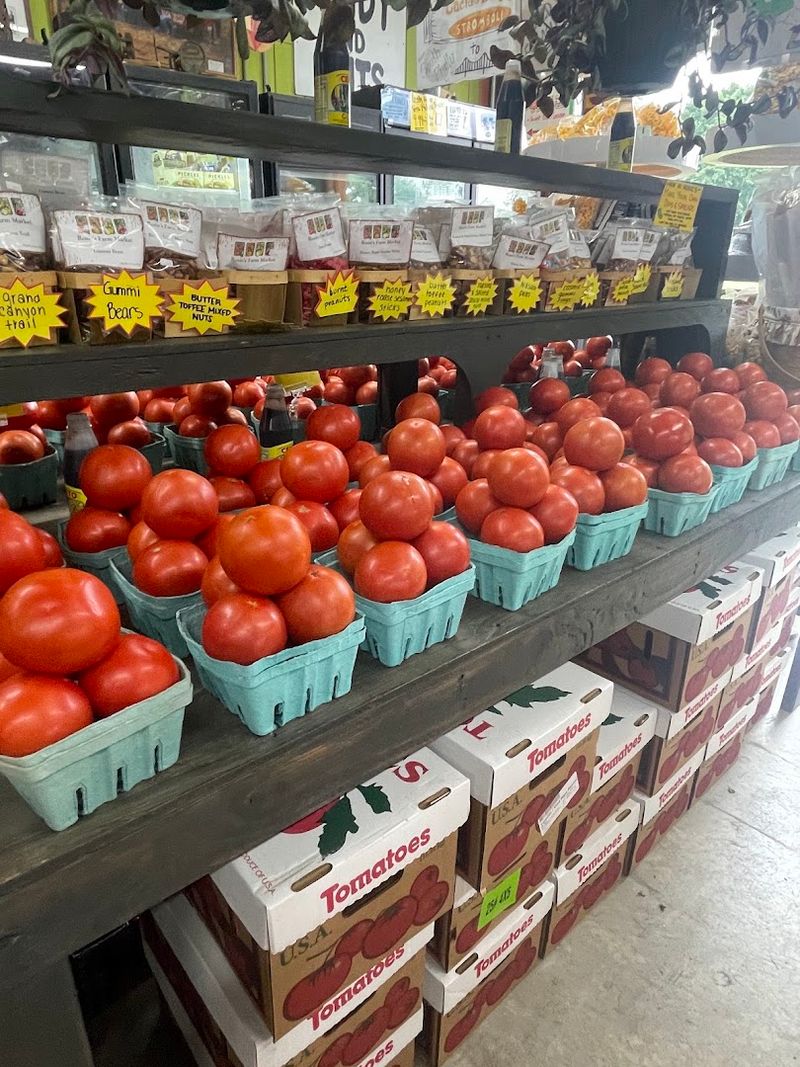
Fresh sweet corn starts losing its sugar the moment it leaves the stalk. That is not an exaggeration.
The sugars begin converting to starch almost immediately after harvest. For the best flavor, you want to use or preserve corn within two to six hours of picking.
That is why buying from a farm stand with fast turnover, like Rosie’s, gives you a real head start.
If you cannot use it right away, keep it unhusked and store it in the refrigerator. Wrap the ears tightly in a plastic bag to slow moisture loss.
Stored this way, fresh corn will stay good for about three to four days. Beyond that, quality starts to drop noticeably.
Freezing is the best option for longer storage. Blanch the ears first by dropping them into boiling water for about four minutes, then transfer them immediately to an ice bath.
Blanching locks in color, texture, and flavor before freezing. You can freeze the corn on the cob or cut the kernels off the cob first for easier use later.
Either way, properly frozen sweet corn keeps its quality for up to twelve months. Pull it out in January, and it will still taste like summer.
That is a pretty great deal for a little bit of prep work upfront.
Community Impact And Local Support Over The Years
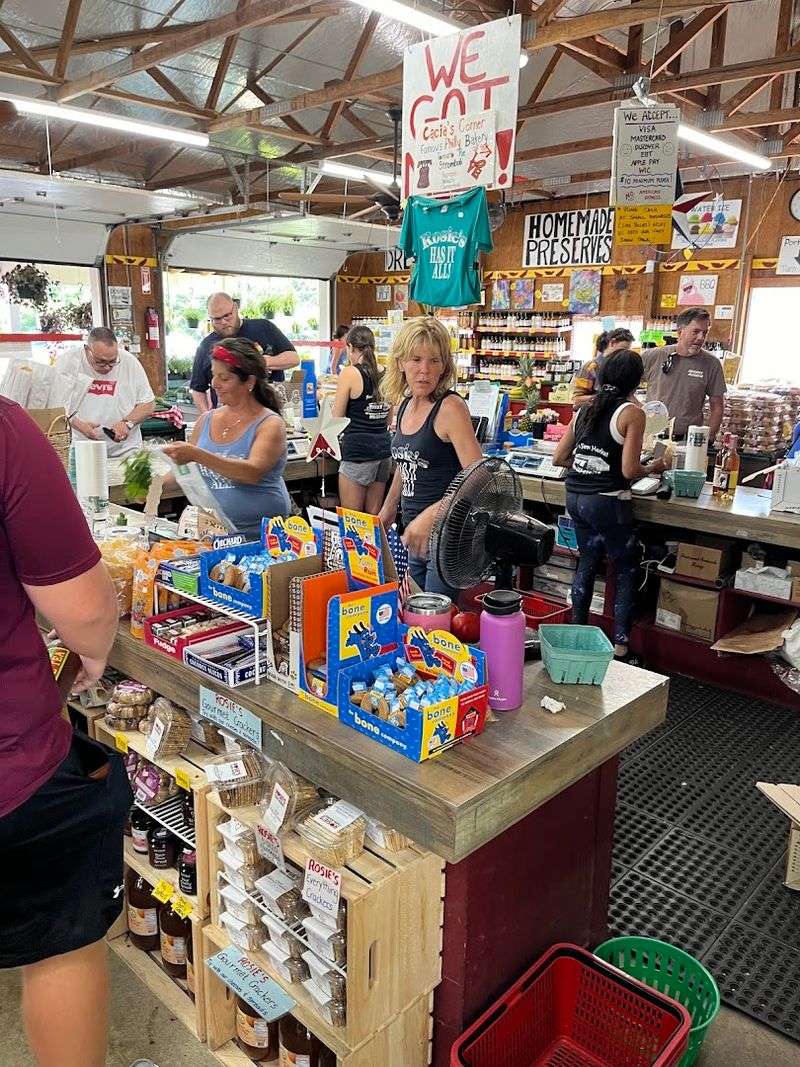
Since 1961, Rosie’s Farm Market has been more than a place to buy produce. It has become a gathering point for the Mullica Hill community.
Families have been making the trip out to the stand for generations. Grandparents who bought corn there in the 1970s now bring their grandchildren.
That kind of loyalty is not built through advertising. It is earned over decades of showing up consistently.
The market draws crowds every summer without fail. People come from surrounding towns, from across South Jersey, and even from neighboring states.
Rosie’s accepts SNAP, WIC, and EBT benefits, which means fresh, high-quality produce is accessible to more families in the area. That is a meaningful commitment to the broader community, not just to customers who can afford premium prices.
Rosie’s also supports local charities and organizations throughout the year. There is even a collection can near the register for Farmers Against Hunger, a real organization doing important work to reduce food insecurity.
The market has woven itself into the fabric of the local area in a way that goes well beyond commerce. Supporting a place like this means supporting the people behind it, the land it sits on, and the community it feeds.
Six decades in, Rosie’s is still growing, still giving back, and still selling incredible sweet corn.