
This Massachusetts City Has More Than 60 Parks And Nearly 1,300 Acres Of Green Space
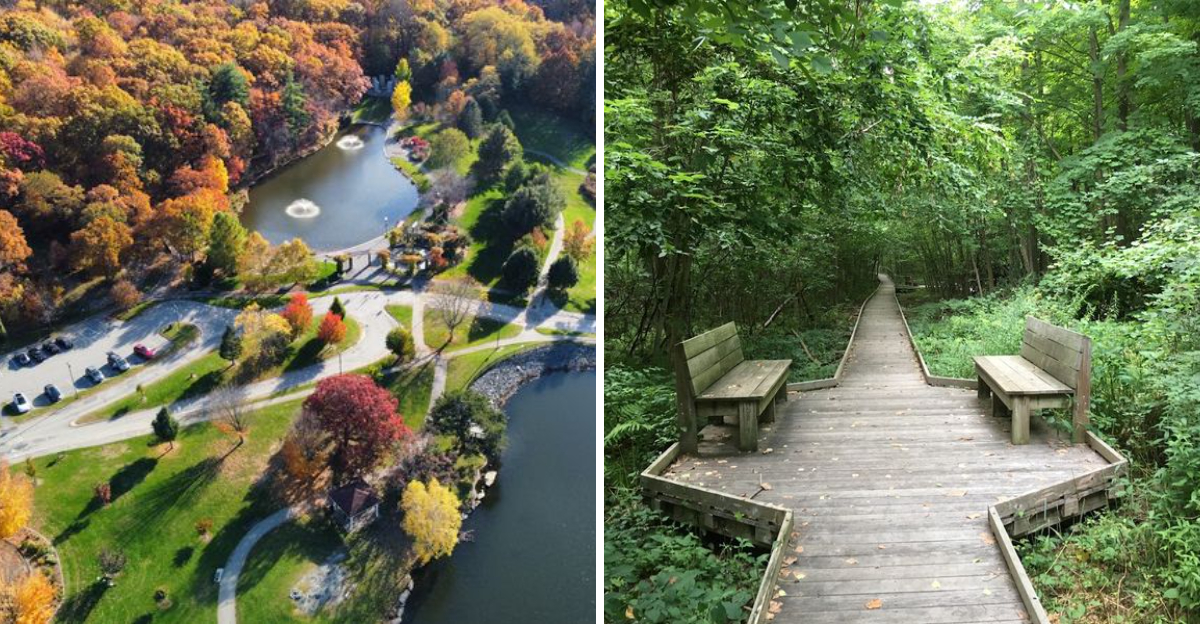
City life does not usually come with this much room to breathe. Yet one Massachusetts destination has more than 60 parks and nearly 1,300 acres of green space waiting beyond its busy streets.
There are leafy paths for quiet walks, playgrounds for energetic afternoons, and wide open lawns made for picnics. Several parks also bring ponds, sports fields, gardens, and scenic overlooks into the mix.
You can spend the morning near downtown, then reach a peaceful trail before lunch.
That variety makes the city especially fun to explore. Each park has its own personality, so no two outings feel quite the same.
Families can plan an easy day outside, while hikers and photographers have countless corners to enjoy.
This urban park system proves you do not need to leave the city behind to find fresh air, calm scenery, and a surprising amount of outdoor adventure.
A City Shaped By Green Vistas
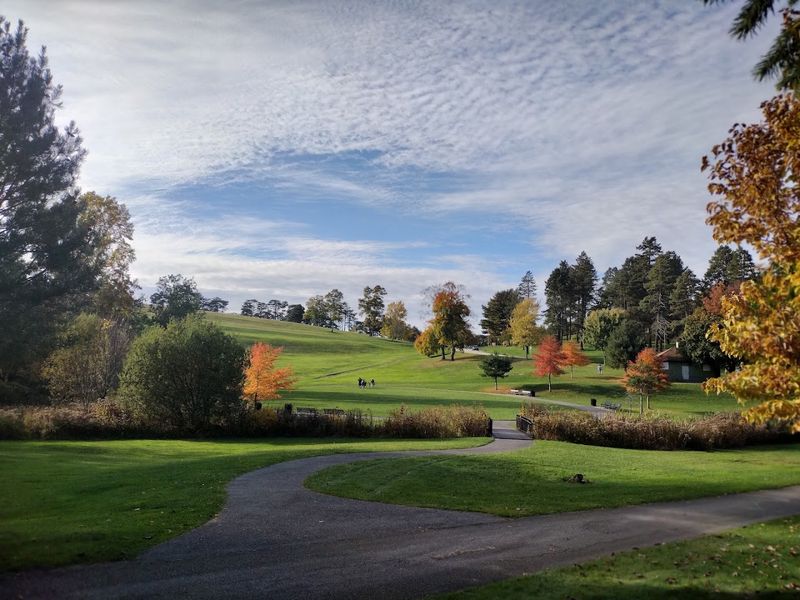
Worcester sits at the heart of Massachusetts, and its relationship with open land has shaped both its character and its daily rhythm.
The city covers about 38 square miles, and a significant portion of that space is dedicated to parks, reservoirs, and protected green areas.
Green space here is not an afterthought. It was built into the city’s identity over generations, with city planners and community advocates consistently pushing for more land to remain open and accessible.
The result is a mosaic of landscapes that range from manicured lawns to wooded hillsides.
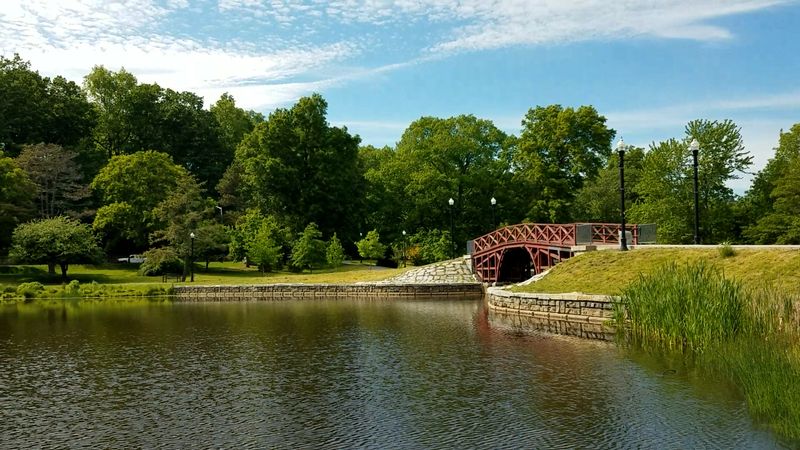
Elm Park, one of the oldest public parks in the United States, anchors the city’s green legacy. Designed in the 1850s by Frederick Law Olmsted’s firm, it remains a beloved gathering spot today.
Broad trees arch over pathways, and the small ponds reflect the seasons with quiet faithfulness. Worcester’s green vistas are not grand in a theatrical way.
They are steady, familiar, and deeply woven into the city’s sense of self, offering residents a consistent connection to the natural world without ever leaving their neighborhoods.
Historic Landscapes, Modern Repose
History and landscape intersect in Worcester with a particular kind of grace. The city’s parks carry stories that stretch back to the 19th century, when civic leaders recognized that green space was not a luxury but a necessity for a growing industrial city.
That foresight still pays dividends today.
Elm Park is a prime example. Established in 1854, it holds the distinction of being one of the earliest public parks in the entire country.
Its design reflects the naturalistic style popular in that era, favoring organic curves, reflective water features, and generous tree canopies over rigid geometry.
Salisbury Park, adjacent to the Worcester Art Museum, carries a similarly layered history. The land was originally part of the Salisbury family estate, and its transition into public use marked an important moment in the city’s civic development.
Walking through these spaces today, one can sense the long arc of intention behind them. They were built to endure, and they have.
Modern benches and updated pathways coexist comfortably with century-old oaks, creating environments where the past and present share ground without competing for attention.
From Grand Estates To Public Havens
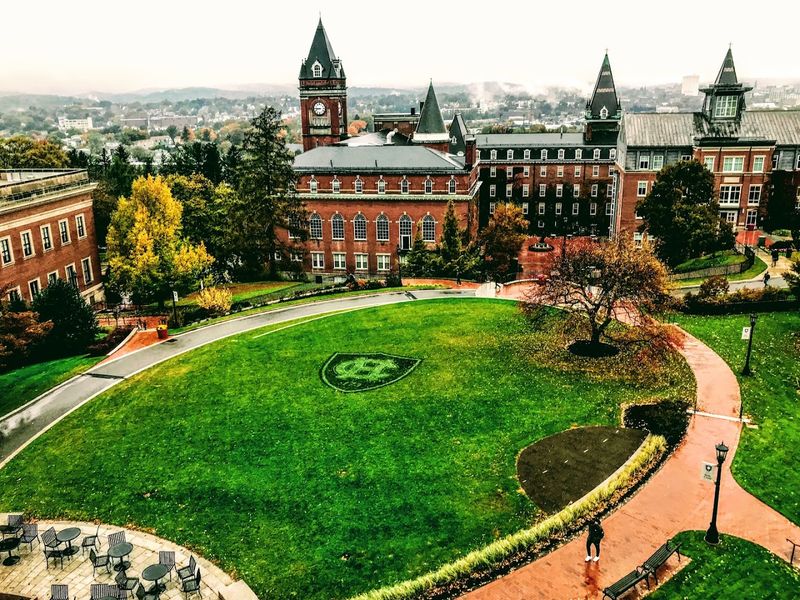
Several of Worcester’s finest green spaces trace their origins to private estates that were eventually opened to the public.
This transformation from exclusive property to shared landscape is one of the more compelling chapters in the city’s history, and its effects are still visible across the urban terrain.
The Salisbury estate is perhaps the most well-known example. Stephen Salisbury III donated significant portions of his family’s land to the city in the late 19th and early 20th centuries.
That generosity helped establish not only park land but also the Worcester Art Museum, which stands at 55 Salisbury Street and remains one of the finest art institutions in New England.
Other estates followed a similar path, their grounds gradually absorbed into the city’s expanding park system.
What were once private gardens and carriage paths became public walkways and picnic areas, accessible to everyone regardless of background or income.
This democratization of landscape is something Worcester wears quietly but proudly.
The city did not just inherit these spaces. It maintained them, expanded them, and integrated them into a broader vision of what public life could look like when green space is treated as common wealth.
The Enduring Embrace Of Nature’s Bounty
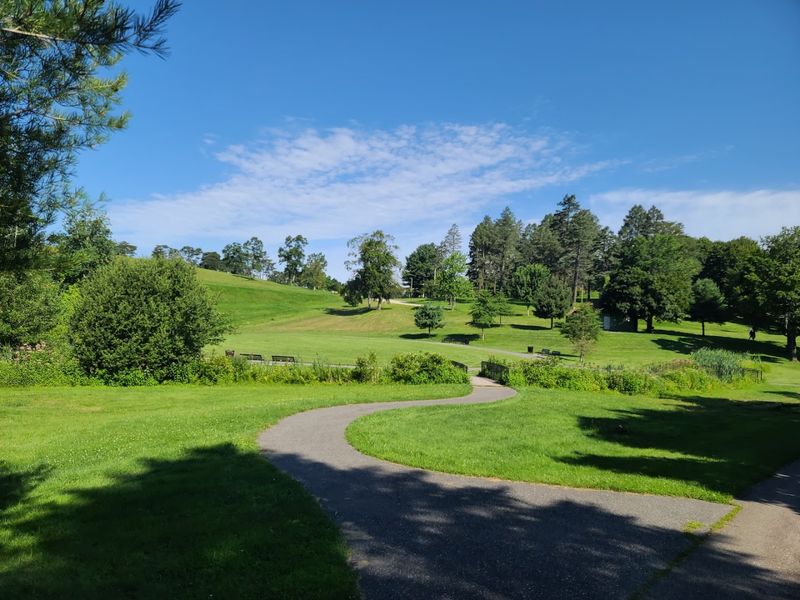
Green Hill Park is the largest park in Worcester’s system, covering roughly 500 acres on the eastern side of the city. Its scale alone sets it apart, but what makes it genuinely compelling is the variety it offers within that expanse.
Open meadows give way to wooded trails, and the hilltop views stretch across a wide sweep of the surrounding landscape.
The park hosts the Green Hill Park Golf Course, athletic fields, a community farm, and the Forestry Division headquarters. It also contains one of the city’s smaller animal exhibits, giving families a reason to spend an entire afternoon without running out of things to do.
The park’s infrastructure has been updated over the years, but its natural character remains largely intact.
What stands out most about Green Hill is its generosity of scale. There is room to spread out here, to wander without a specific destination in mind, to find a quiet corner under a canopy of trees and simply remain there for a while.
In a city environment, that kind of space is genuinely rare. Worcester has protected it carefully, understanding that land of this size, once lost to development, cannot be easily recovered or replaced.
Pathways Through Unexpected Wilds
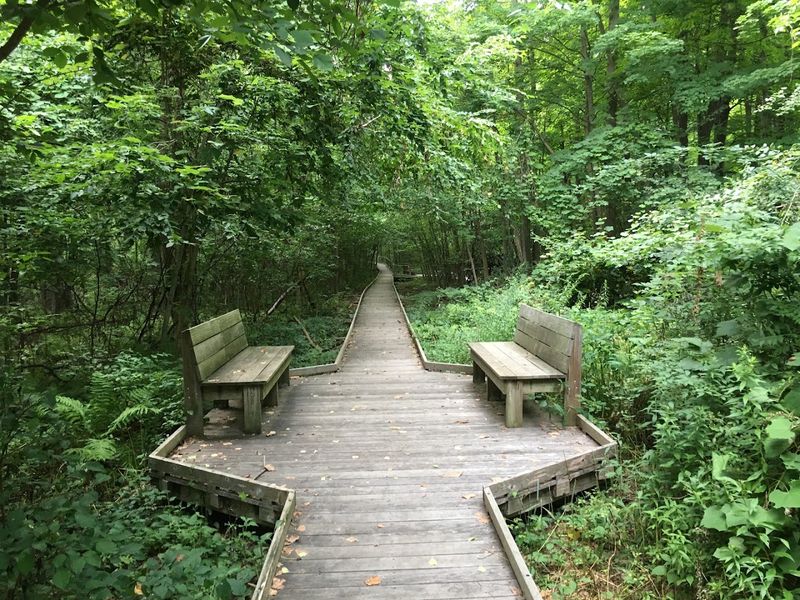
Not every green space in Worcester announces itself with manicured lawns and park benches. Some of the city’s most rewarding natural areas are quieter, less polished, and considerably more wild in character.
Broad Meadow Brook Conservation Center and Wildlife Sanctuary is one such place, and it represents a different kind of urban nature experience.
This sanctuary is managed by Mass Audubon and covers more than 400 acres of wetlands, meadows, and forest.
It is the largest urban wildlife sanctuary in New England, a fact that says something meaningful about Worcester’s commitment to preserving genuinely functional habitat within city limits.
The trails here are not manicured. They wind through areas that feel authentically wild, where red-tailed hawks circle overhead and wood ducks navigate the brook with unhurried confidence.
The sanctuary operates an environmental education center that serves thousands of schoolchildren each year, connecting young people to ecological systems.
For those willing to trade a paved path for a muddier one, Broad Meadow Brook offers a rewarding alternative to the more formal park experience.
Cultivating Community In Open Air
Parks in Worcester do more than preserve open land. They function as active social infrastructure, hosting events, supporting community gardens, and providing gathering spaces for neighborhoods that might otherwise lack them.
The city’s Department of Parks, Recreation and Cemetery manages the system with a focus on equity and accessibility.
Community gardens operate across multiple parks, giving residents the opportunity to grow their own food in shared plots. This is particularly meaningful in neighborhoods where access to fresh produce is limited.
The gardens also function as informal meeting points, places where neighbors learn each other’s names and share advice about soil conditions and seasonal planting schedules.
Seasonal programming adds another layer of activity to the park system.
Summer concerts, outdoor fitness classes, youth sports leagues, and cultural festivals cycle through the parks from spring through fall.
Worcester is a city with significant demographic diversity, and its parks reflect that. Signage appears in multiple languages, programming targets different age groups, and the overall design philosophy prioritizes inclusion over exclusivity.
The parks work because they belong to everyone, and that sense of shared ownership keeps them thriving across generations.
Worcester’s Commitment To Verdant Legacy
Maintaining more than 60 parks across a mid-sized city requires sustained institutional commitment.
Worcester has demonstrated that commitment through policy, funding, and long-term planning.
The city’s green space does not exist by accident. It exists because successive generations of civic leaders chose to protect and expand it, even when development pressures pushed in the opposite direction.
The Worcester Regional Planning Commission has consistently incorporated green infrastructure into its long-range plans.
Studies consistently link access to green space with lower rates of stress-related illness, improved mental health outcomes, and stronger community cohesion.
Worcester’s park system quietly delivers on all of those fronts.
Tree planting initiatives have expanded the urban forest in recent years, with thousands of new trees added to streets and park areas as part of broader sustainability goals.
The EcoTarium supports environmental education alongside its science and nature exhibits, reinforcing the city’s broader commitment to ecological awareness.
Worcester’s verdant legacy is not a relic of a more idealistic era. It is an active, ongoing project, shaped by current residents who understand that a city’s relationship with its natural environment is never finished.
Where Urban Life Meets Expansive Green
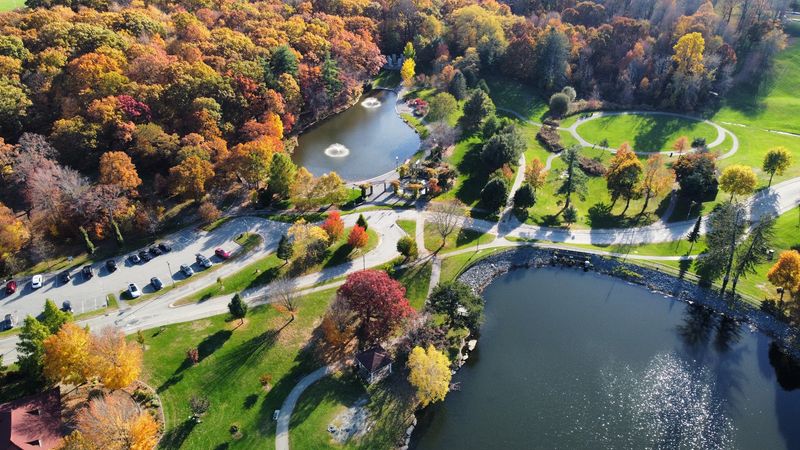
Standing at the top of Green Hill on a clear afternoon, the skyline of Worcester rises to the west while the park’s open meadows roll out in every other direction.
It is one of those rare urban moments where the city and the landscape acknowledge each other without either one dominating the view.
Worcester does this well, threading green space through its urban fabric in ways that feel natural rather than engineered.
The city’s location in central Massachusetts, about 45 miles west of Boston, has always given it a different relationship with the surrounding landscape.
Wooded hills and river corridors extend outward from the city in multiple directions, and the park system connects to those broader natural systems in meaningful ways.
The Blackstone River Bikeway, for example, links Worcester to the regional trail network that extends into Rhode Island.
For anyone who has underestimated Worcester, the green space is often the first surprise. It is not a city that shouts about its parks or markets them aggressively.
The trees simply grow, the trails simply exist, and the parks simply open their gates each morning to whoever shows up.
That quiet reliability, sustained across decades and neighborhoods, is what makes Worcester’s commitment to open land genuinely impressive and worth paying attention to.