
The Most Charming Small Towns Hiding Near Knoxville, Tennessee
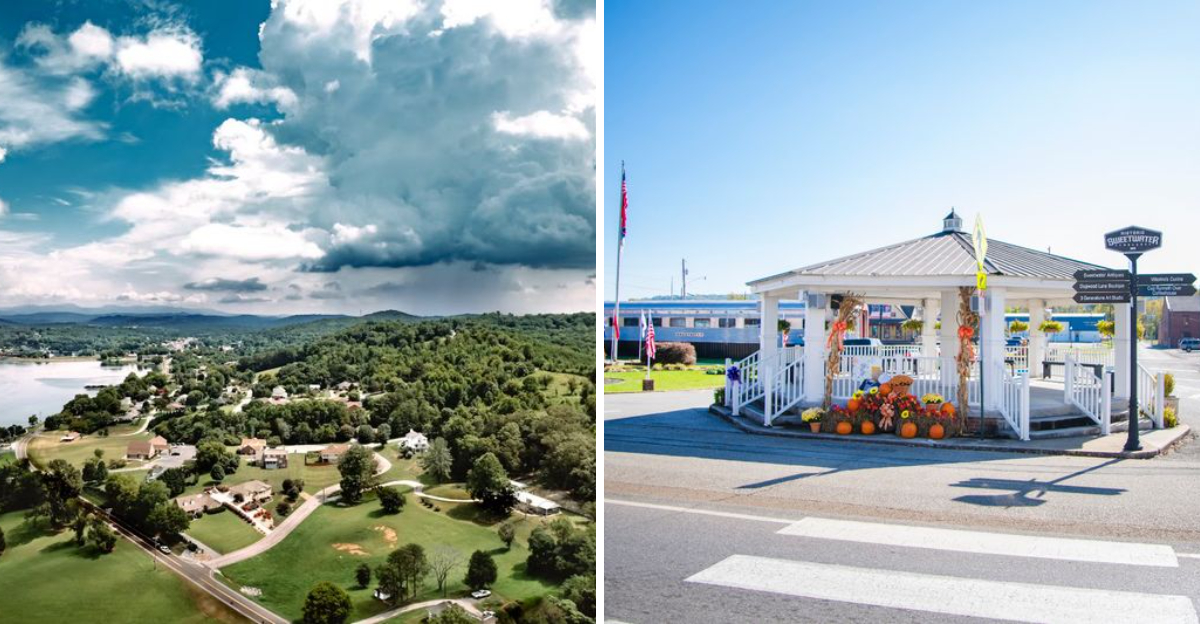
Knoxville may get plenty of attention, but the roads just beyond the city lead to places that feel made for slow afternoons and spontaneous day trips.
Small downtowns, mountain views, peaceful lakes, and historic streets are all waiting within an easy drive.
These Tennessee towns each bring something different to the table. One may be filled with antique shops and old brick storefronts, while another sits beside the water with Smoky Mountain scenery in the distance.
A few are so quiet that even a simple walk through town feels like a welcome break. The best part? You do not need an elaborate plan.
Pick a direction, grab your camera, and let the day unfold. Each stop offers local character, beautiful scenery, and enough charm to make you wonder why you had not visited sooner.
These small towns near Knoxville deserve a spot on your next free weekend.
1. Dandridge
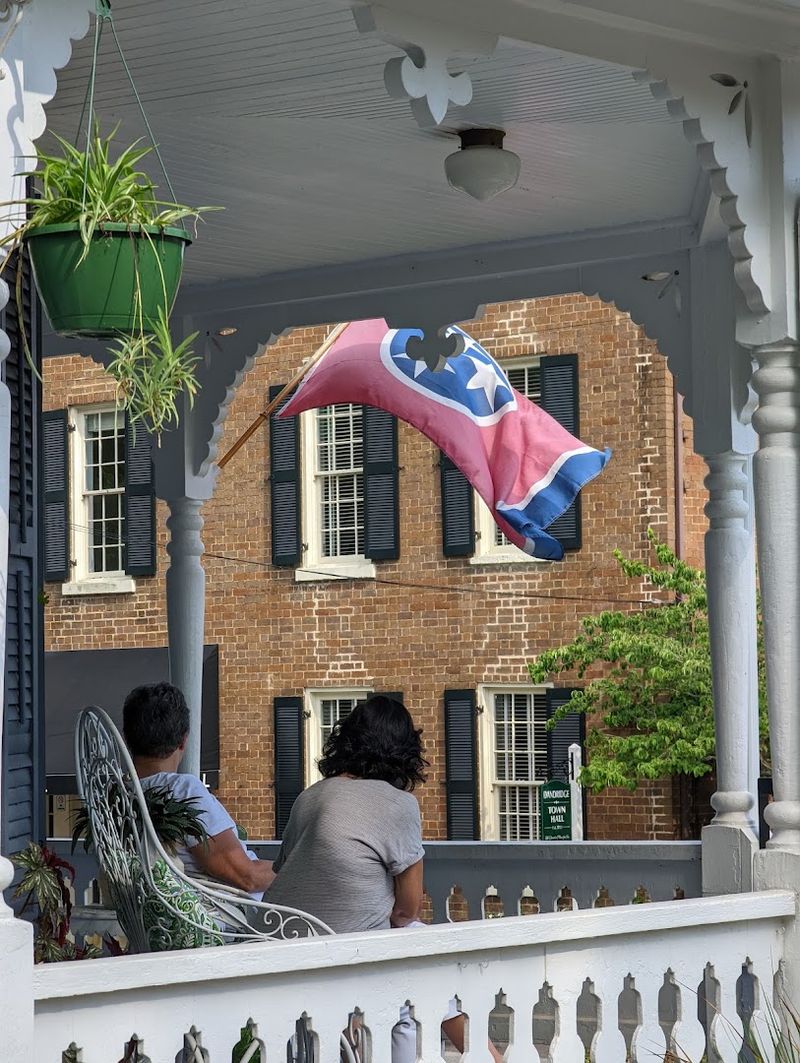
The second-oldest town in Tennessee carries its age gracefully.
Dandridge, about 32 miles or 35 to 40 minutes east of Knoxville, was established in 1783 and named after Martha Dandridge Washington, making it the only town in America named after the first First Lady.
Walking through its historic district feels like flipping through a living history book. Buildings from the 18th and 19th centuries line the streets, many of them listed on the National Register of Historic Places.
The Jefferson County Courthouse, a striking example of Greek Revival architecture from 1845, still commands attention from the town square.
History enthusiasts will appreciate four early taverns that still stand, some of which hosted President Andrew Jackson during his frontier travels.
Dandridge also sits near Douglas Lake, so outdoor adventures are never far away. The Scots-Irish Festival and the Music on the Town concert series keep the cultural calendar lively year-round.
For a nostalgic treat, the Tennessee Bible Drugstore serves up classic soda fountain drinks that feel like a sweet step back in time.
2. Townsend

Some towns earn a nickname so perfectly that it sticks forever. Townsend proudly calls itself the quiet side of the Smokies, and after spending even a few hours there, you will understand exactly why that reputation holds.
Located about 31 miles or 45 minutes from Knoxville, Townsend sits in a valley the Cherokee once called Tuckaleechee Cove, with a human history stretching back to 2000 B.C.
The Little River Lumber Company shaped the town’s early 20th-century identity, leaving behind a character that feels rooted and genuine.
Today, Townsend serves as one of the primary gateways into Great Smoky Mountains National Park, putting iconic spots like Cades Cove and the Little River corridor within easy reach.
The town’s laid-back energy stands in refreshing contrast to busier Smokies destinations. Local museums dedicated to the Great Smokies tell stories of both the land and the people who shaped it.
If the goal is peaceful mountain scenery without the crowds, Townsend delivers that experience in full measure every single season.
3. Clinton
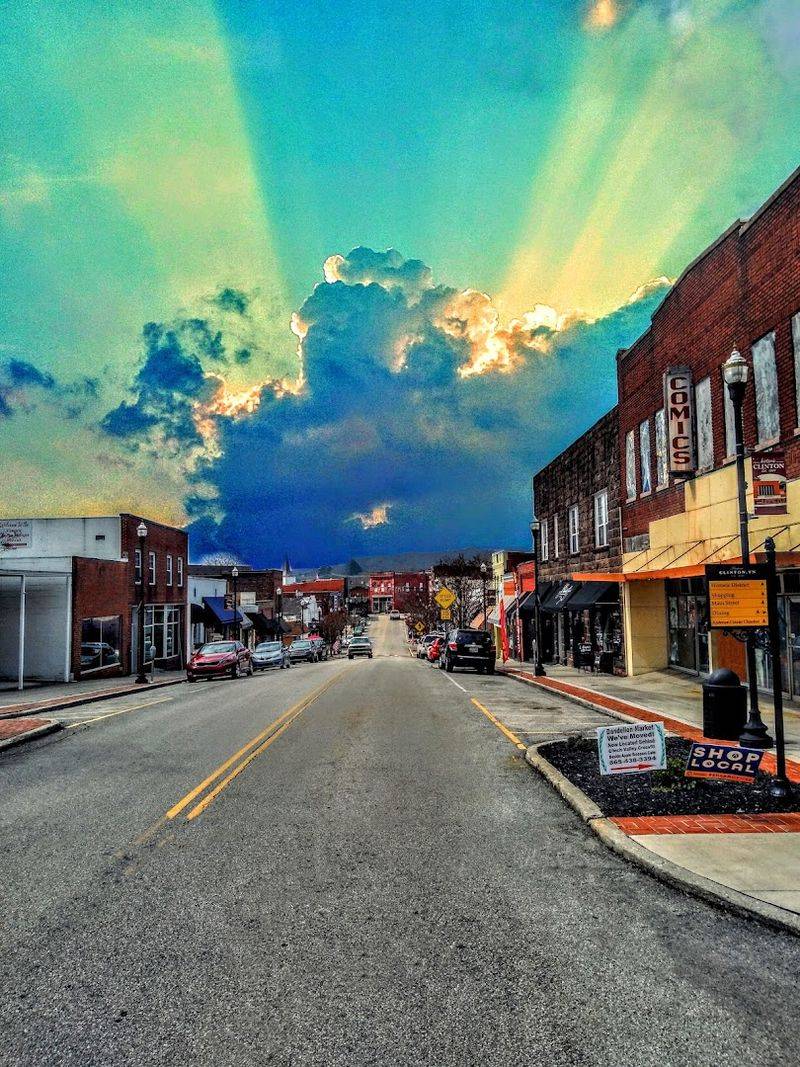
Just 20 miles or 25 to 30 minutes north of Knoxville, Clinton punches well above its weight in both history and charm.
The county seat of Anderson County straddles the Clinch River, and its downtown district has earned a reputation as one of the top ten antiquing destinations in the entire country.
Biannual Clinch River Antiques Festivals draw enthusiasts from across the region, turning the streets into a treasure hunter’s paradise.
Beyond the shops, Clinton holds a surprisingly fascinating industrial past: from 1895 to 1936, freshwater mussels harvested from the Clinch River fueled a thriving pearling industry right here in East Tennessee.
The town’s most significant chapter, however, belongs to the Civil Rights era.
The Green McAdoo Cultural Center honors the Clinton 12, a group of African-American students who integrated Clinton High School in 1956, making history in a moment that resonated far beyond these streets.
A 1940s drug store with a working soda fountain anchors the downtown experience alongside cozy coffee spots and boutique shops. Clinton rewards curious travelers with layers of story that most small towns simply cannot match.
4. Cumberland Gap
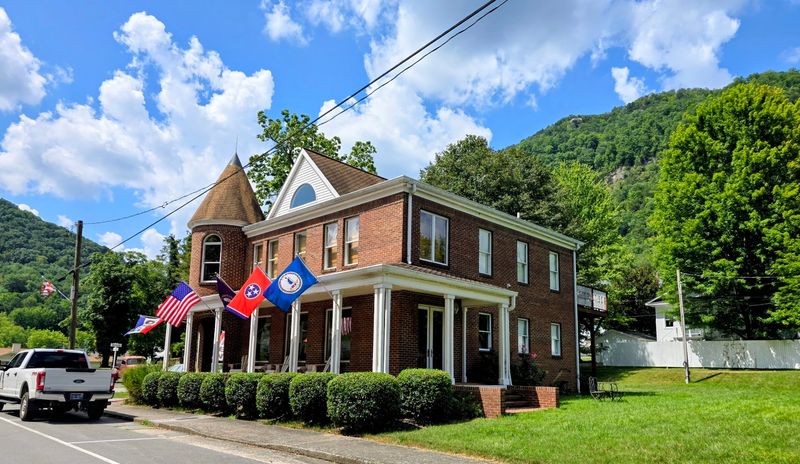
Few places in America carry the weight of history quite like Cumberland Gap.
About 59 miles or 1 hour and 25 minutes from Knoxville, this small town sits at a natural break in the Appalachian Mountains where Tennessee, Kentucky, and Virginia all share a border.
Bison discovered this passage first. Then came Native Americans, followed by Daniel Boone, and eventually an estimated 200,000 to 300,000 pioneers who streamed westward along the Wilderness Road between 1775 and 1810.
Standing here, you can almost feel the momentum of a young nation pushing forward.
The Cumberland Gap National Historical Park encompasses 24,000 acres with over 85 miles of trails winding through hemlock groves, wildflower fields, and rhododendron meadows.
Civil War history, cave systems, and the preserved Hensley Settlement mountain community add remarkable depth to any visit.
The park’s visitor center offers museum exhibits, films, and a craft shop featuring Appalachian-made goods. Cumberland Gap is the rare kind of place where the scenery and the stories compete for your attention equally, and somehow both manage to win.
5. Sweetwater
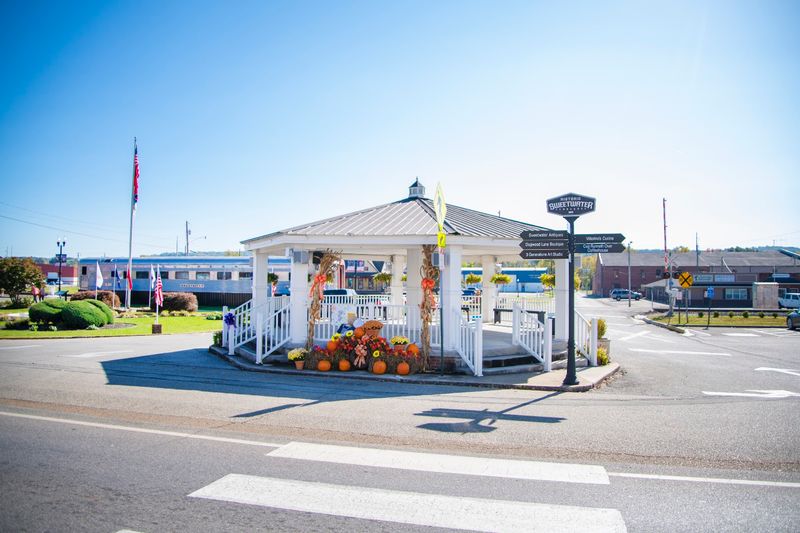
Underneath the rolling farmland of Sweetwater lies something extraordinary. America’s largest underground lake sits inside Craighead Caverns, and guided tours through these chambers are unlike anything else in the state.
Glass-bottom boats glide across crystal-blue water while mineral formations glow overhead in quiet, cathedral-like silence.
Sweetwater is about 46 miles or 45 to 50 minutes from Knoxville, and the Lost Sea alone makes the drive worthwhile. Above ground, Sweetwater Valley Farm offers a chance to watch artisanal cheese being made and to sample the results firsthand.
The downtown area carries a National Main Street designation, meaning its historic core is actively preserved and celebrated.
A self-guided walking tour reveals eye-catching murals, locally owned shops like Noble Curiosities and Sweetwater Antiques, and the Sweetwater Heritage Museum.
Duck Park and Sweetwater City Recreation Park provide easy spots to breathe in some fresh air between stops.
The town also sits conveniently close to the scenic Cherohala Skyway, placing it at the crossroads of underground wonder and mountain beauty.
Sweetwater is proof that the most surprising destinations often come in small packages.
6. Loudon
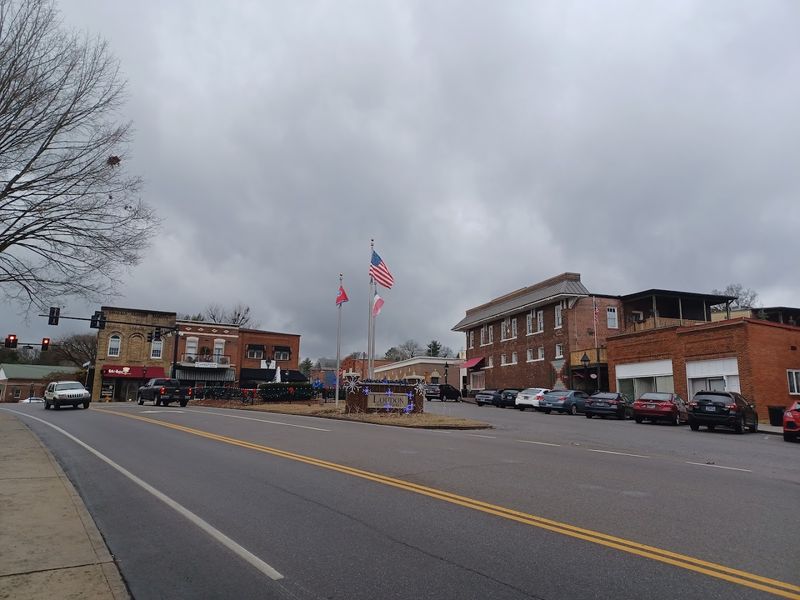
Southern hospitality has a home address, and it might just be Loudon, Tennessee.
About 34 miles or 35 to 40 minutes southwest of Knoxville, this riverfront town blends colonial-era history with a genuinely welcoming small-town atmosphere that is hard to manufacture and impossible to fake.
Fort Loudoun State Historic Park anchors the area’s historical identity.
Originally constructed in 1756, it stands as one of the earliest British fortifications on the western frontier, and its reconstructed walls tell stories of diplomacy, conflict, and survival on the colonial edge of the known world.
Tellico Lake stretches out nearby, offering fishing, boating, and long, unhurried afternoons by the water. The Loudon County Museum brings the town’s broader history into focus through well-curated artifacts and exhibits.
For those drawn to the arts, the Loudon Arts and Cultural Center showcases local talent, while the Historic Loudon Theatre hosts live performances that give the town a surprisingly vibrant cultural pulse.
Municipal parks, walking trails, and dog-friendly green spaces round out the experience.
Loudon is the kind of town that rewards slow travel and a willingness to simply wander without a rigid plan.
7. Kingston
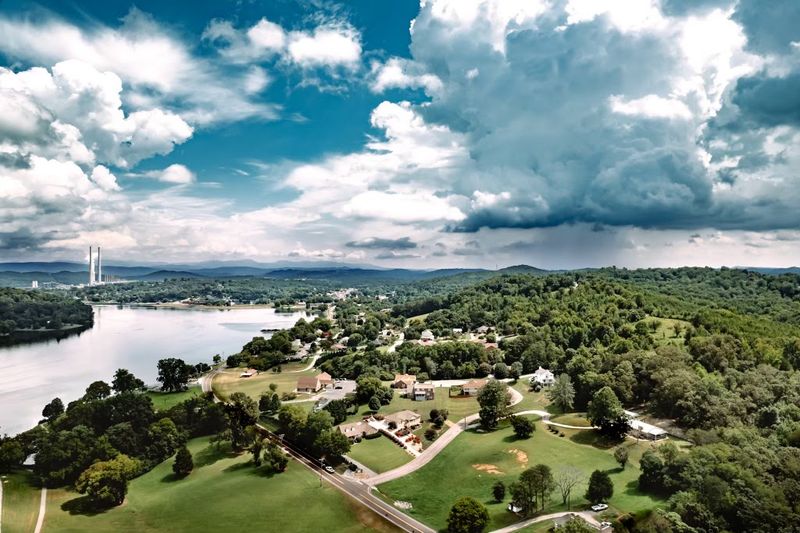
For exactly one day in American history, Kingston, Tennessee, was the capital of the entire state.
On September 21, 1807, a quirky agreement with the Cherokee Nation elevated this riverside town to the seat of state government, a distinction that lasted precisely 24 hours before the legislature packed up and moved on.
That single remarkable day captures the spirit of Kingston perfectly: a small town with an outsized story. Located about 36 miles or 35 to 40 minutes west of Knoxville, Kingston is also Tennessee’s second-oldest city, founded in 1799.
The Old Roane County Courthouse, an antebellum structure from 1854, still stands as a proud centerpiece of the county seat.
Fort Southwest Point State Historic Park reconstructs a federal-era fort on its original foundation, overlooking the confluence of the Clinch and Tennessee Rivers.
This outpost once served as a recruitment site for the Lewis and Clark expedition, adding another layer of national significance to this modest town.
Kingston City Park on Watts Bar Lake offers playgrounds, pickleball courts, picnic areas, and walking trails for a more relaxed afternoon. The town’s annual July 4th Smokin’ the Water festival brings the community together in style every summer.
8. Norris
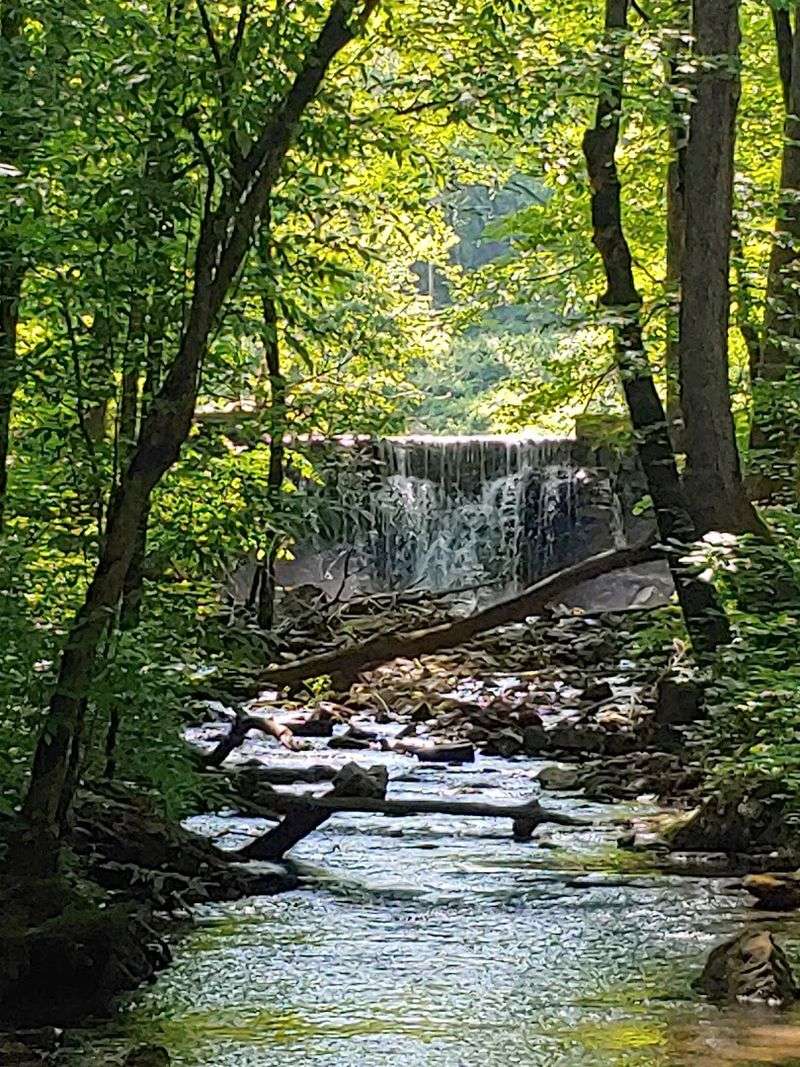
Norris, Tennessee, was not discovered so much as deliberately designed.
In 1933, the Tennessee Valley Authority built this town from scratch to house workers constructing the monumental Norris Dam, and the result was something genuinely ahead of its time.
Named after Nebraska Senator George W. Norris, a key champion of the TVA, the town was conceived around greenbelt design principles, making it the first self-contained community in the United States to use this planning approach.
Roads curve gently with the terrain, and homes are positioned to blend into the surrounding forest rather than line up in rigid rows.
Norris was also a pioneer in modern infrastructure. It featured some of the country’s first all-electric homes and became the first town in Tennessee with a complete dial telephone system.
The Norris Creamery holds the remarkable distinction of being the world’s first all-electric milk-producing plant.
Today, the entire town is recognized as a historic district on the National Register of Historic Places.
Norris Lake, the Clinch River, and Norris Dam State Park surround the community with natural beauty that makes a 21-mile, 25-minute drive from Knoxville feel like arriving somewhere entirely apart from the ordinary world.
9. Tellico Plains
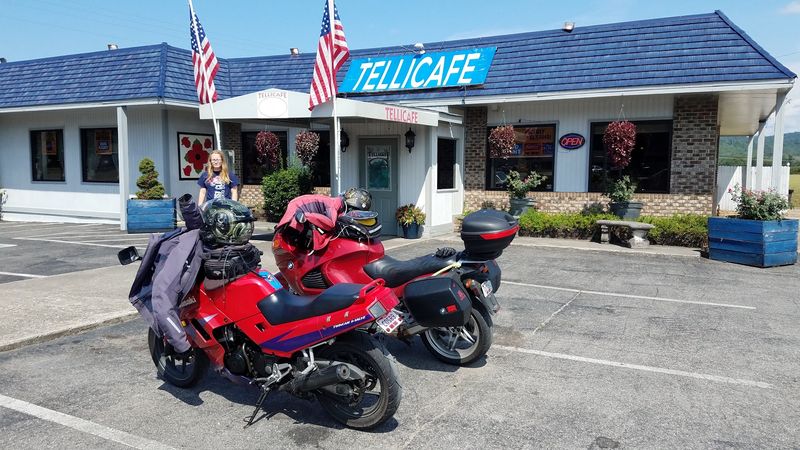
Long before any town was officially incorporated here, this land was already storied.
Tellico Plains, about 57 miles or 1 hour and 15 minutes south of Knoxville, was once home to Great Tellico, a significant Overhill Cherokee settlement, and before that, the Muscogee people left their mark where two major Native American trails converged.
The town became the eastern starting point of the Cherohala Skyway, a National Scenic Byway that winds through stunning mountain terrain with panoramic views that stop conversations mid-sentence.
Cherokee National Forest spreads out in every direction, offering camping, hiking, biking, trout fishing in the Tellico River, gold panning in Coker Creek, and stargazing far from city lights.
Natural landmarks add to the appeal. The 90-foot Bald River Falls and the serene Indian Boundary Lake are both within reach, and a drive up to Buck Bald rewards the effort with a full 360-degree panoramic view of surrounding mountain ranges.
The Charles Hall Museum explores local Appalachian and Native American history, while the Tellico Community Farmers Market, run by the local Mennonite community, offers a warm taste of regional culture.
Every May, the Tellico Trout Festival celebrates the river that has shaped this community for centuries.
10. Harriman
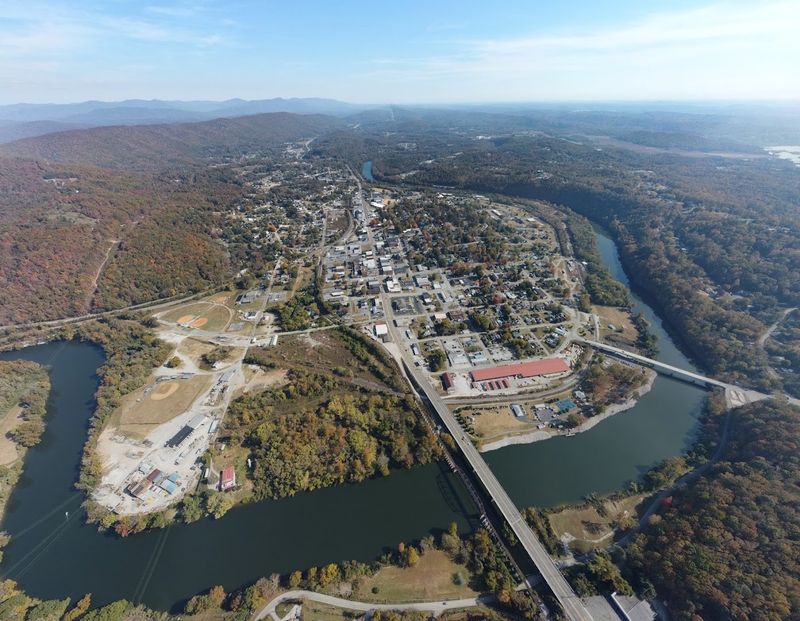
Christmas Day 1890 was the birthday of an entire town.
Harriman was founded on December 25 of that year as a planned community built around the vision of industrial progress and clean living, earning it the enduring nickname the Town that Temperance Built.
About 41 miles or 45 to 50 minutes west of Knoxville, Harriman wears its Victorian heritage proudly.
The Cornstalk Heights Historic District alone features over 100 properties recognized on the National Register of Historic Places, and a slow walk through its streets feels like turning the pages of an architectural catalog from another era.
The Harriman Historic Museum, housed inside the architecturally significant Temperance Building, traces the town’s unusual origin story with genuine care.
The Princess Theatre, an Art Moderne gem originally from 1926 and rebuilt in 1939, now operates as a performing arts and education center with a full calendar of shows.
Lakeshore Park along the Emory River provides walking and biking trails, kayak launches, and birdwatching in the Gupton Wetlands.
Harriman’s Carnegie Library, built in 1909, and its lively vintage car shows and Tennessee Medieval Faire round out a town that turns an unexpected founding story into a full weekend of discovery.