
This Small Maryland Town Brings Its 18th-Century Grist Mill To Life Each Weekend
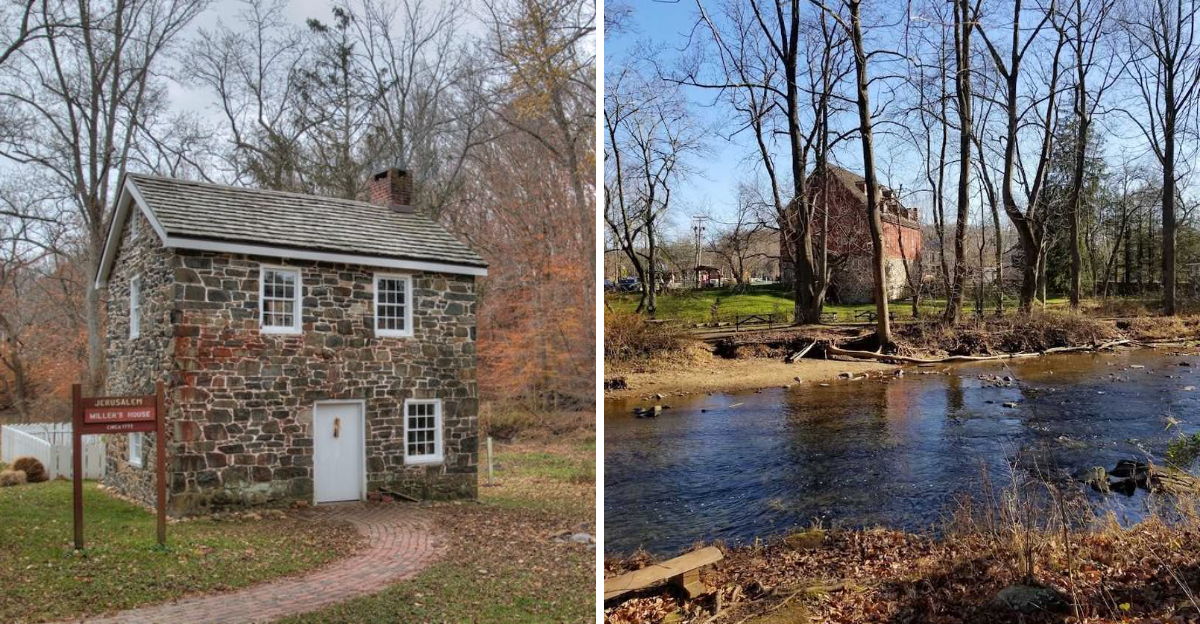
Have you ever heard a centuries-old grist mill thunder back to life? Each weekend, its historic machinery fills this small Maryland town with a deep rumble that makes the past feel anything but quiet.
The gears turn, the structure trembles, and the old building begins to show how power once moved through every floor. No flour comes out at the end, but the demonstration still reveals the skill and engineering behind a process that once fed entire communities.
This state has preserved many historic buildings, yet few can still create such a powerful connection to their original purpose. You are not simply reading about the mill’s past.
You can hear its heavy machinery and feel the vibrations beneath your feet. Maryland history rarely announces itself this loudly. In a state filled with quiet landmarks, this working piece of machinery proves the past can still command everyone’s attention.
Hear What A Maryland Mill Sounded Like In 1772
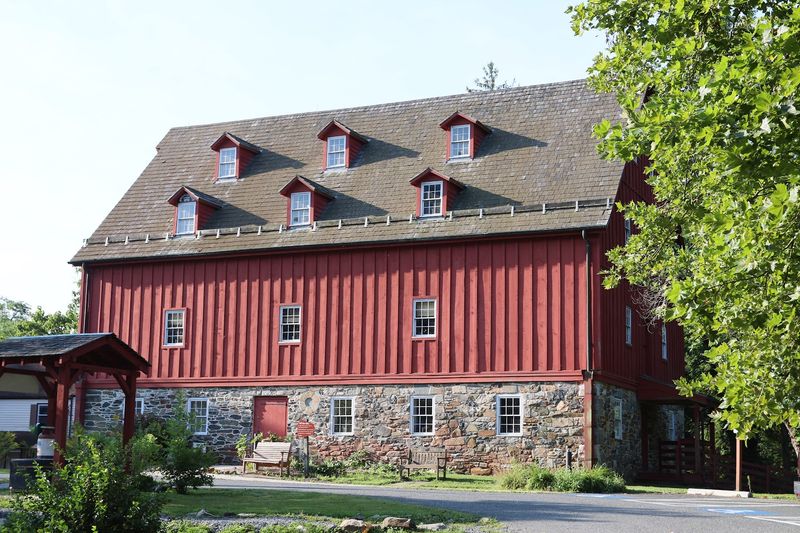
The moment you cross the threshold of the Jerusalem Mill, modern life falls away like autumn leaves. Built in 1772 by Quaker settlers, this working grist mill ground grain for the surrounding community for over a century.
The wooden gears still mesh together with precision that would make any engineer jealous.
Inside, the air smells of old wood and stone dust. Massive millstones sit ready to crush grain just as they did when George Washington was still a general.
The building’s thick stone walls keep the interior cool even on sweltering Maryland summer days.
Volunteers demonstrate the milling process on weekends, explaining how water power from the Little Gunpowder Falls turned these heavy stones. It’s hands-on history that makes textbooks seem pretty dull by comparison, wouldn’t you say?
Watch The Blacksmith Forge Fire Up Every Weekend
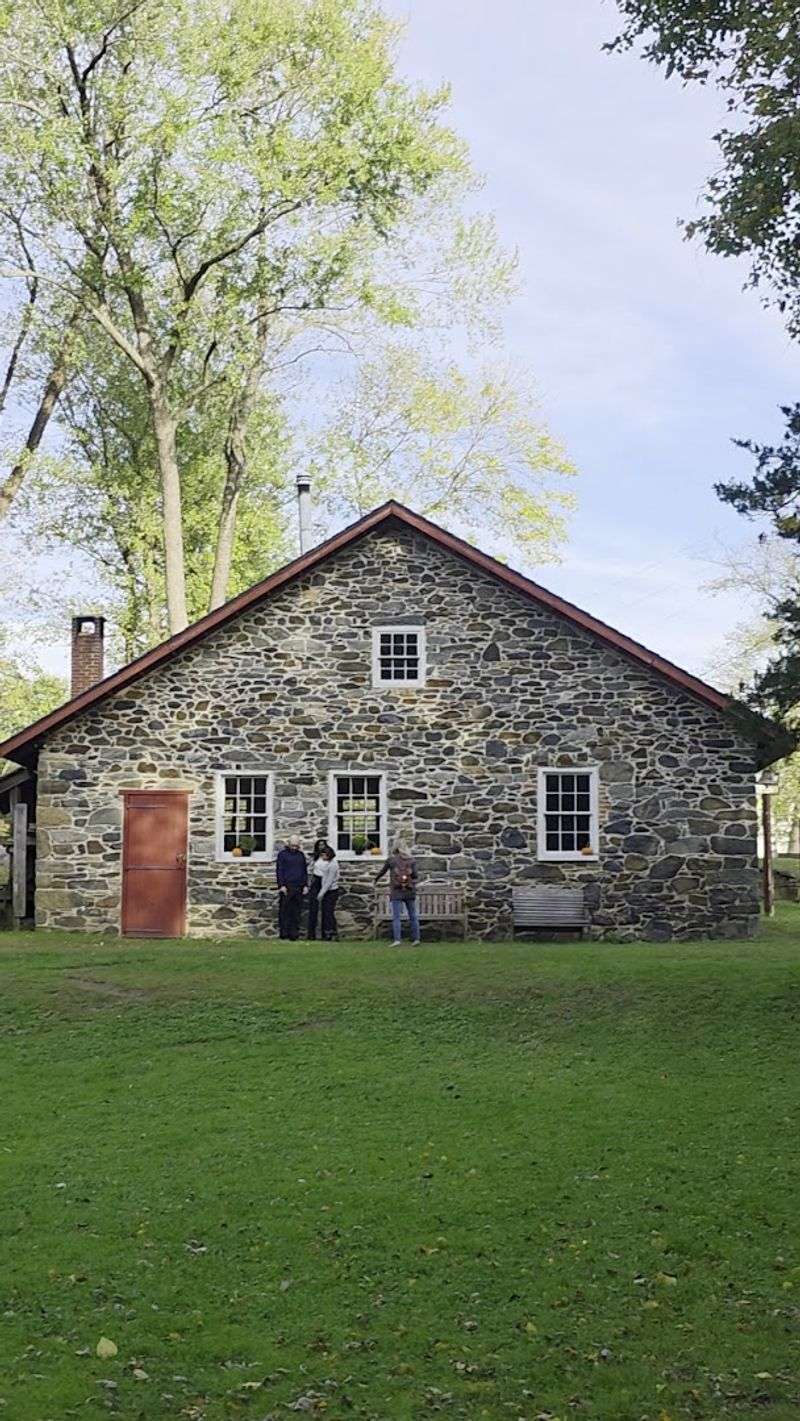
Every Saturday and Sunday, the blacksmith shop at Jerusalem Mill roars to life with crackling flames and ringing metal. The forge glows orange-red as skilled craftspeople heat iron rods until they’re malleable enough to shape.
One visitor mentioned watching a blacksmith create a tiny sword from nothing but a nail.
The demonstrations aren’t just for show. These artisans practice genuine colonial-era techniques passed down through generations.
You’ll see horseshoes formed, hooks bent, and decorative pieces hammered into existence right before your eyes.
Kids especially love this part of the village, mesmerized by the shower of sparks that fly with each hammer strike. The blacksmith usually explains each step of the process, turning a simple craft demonstration into an engaging lesson about how Maryland communities once depended on these essential tradespeople.
The heat from the forge is intense even from several feet away.
A General Store Frozen In The 1930s
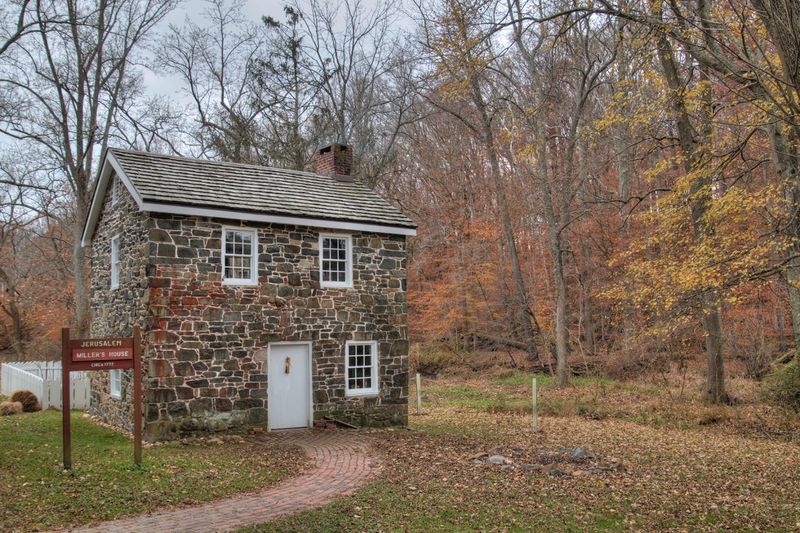
While most of Jerusalem Mill dates to the 1700s, the general store captures a different slice of American history. Step inside and you’ve landed squarely in the Great Depression era, surrounded by products and advertisements from the 1930s.
Glass jars line wooden shelves alongside period packaging that looks nothing like today’s glossy designs.
The store operated for decades, serving as the community’s hub for everything from penny candy to farm supplies. Original fixtures remain in place, including the wooden counter where generations of Maryland families placed their orders.
You can almost hear the bell above the door jingling as customers entered.
Volunteers staff the building on weekends, sharing stories about how rural stores like this one functioned as social centers. They’ll point out details you might miss, like the old tobacco advertisements or the hand-cranked cash register that still works perfectly.
The Little Gunpowder Falls Still Rushes Past The Mill
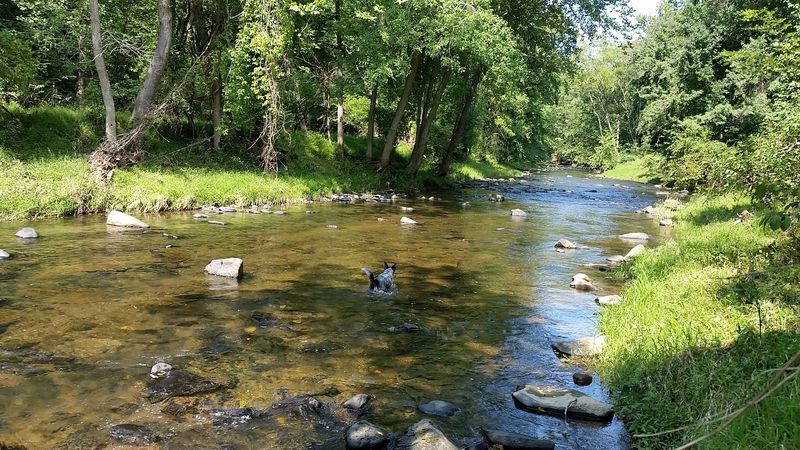
The Little Gunpowder Falls provided the muscle behind Jerusalem Mill’s operation for generations. This tributary cuts through Baltimore County with enough force to turn mill wheels and power the machinery.
The river still flows with the same energy today, tumbling over rocks and creating peaceful background music for your visit.
Walking trails follow the riverbank, offering gorgeous views of the water as it rushes past the historic buildings. The rocky beach area near the parking lot gets popular on warm weekends.
Fishing enthusiasts cast lines into deeper pools hoping to catch bass or trout. The combination of flowing water, stone buildings, and surrounding forest creates scenery that photographers can’t resist.
I’ve found that early morning visits offer the best light for capturing the mist rising off the falls.
An Original Quaker Village Turned State Park Headquarters
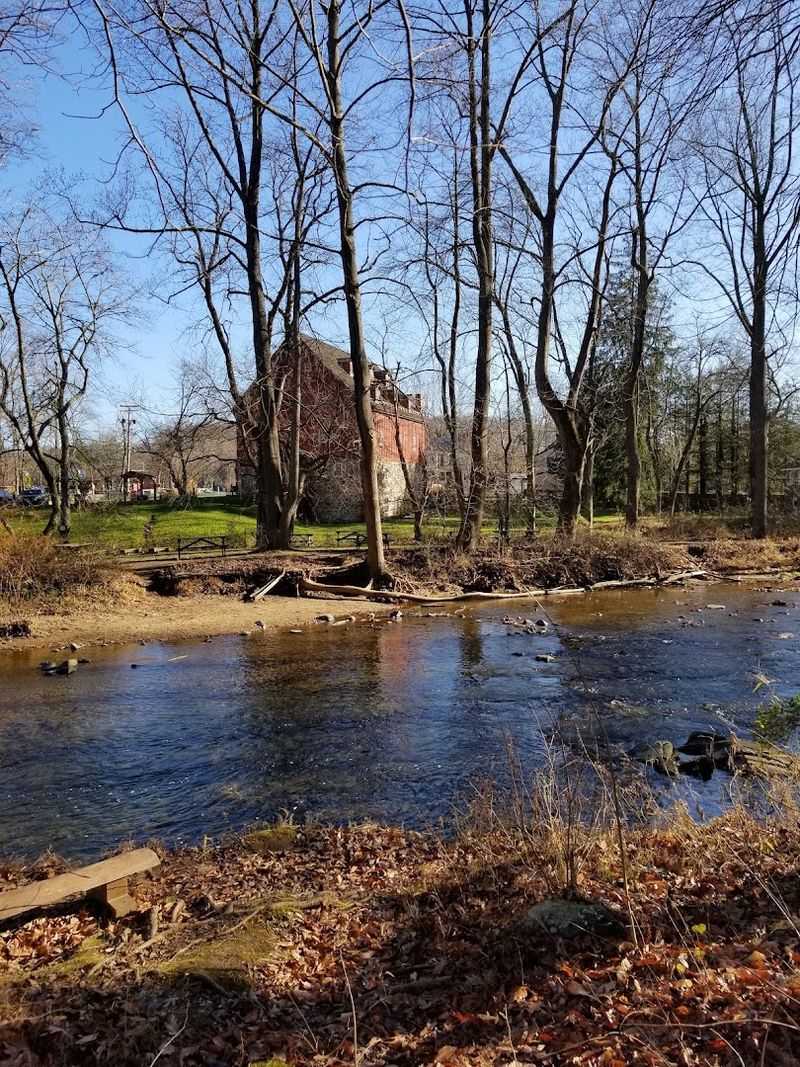
Jerusalem Mill began as a Quaker settlement in the late 1700s, when families recognized that Little Gunpowder Falls could power a thriving community. Their original stone buildings still stand today, not as replicas, but as structures shaped by hand more than two centuries ago.
The mill, stone house, blacksmith shop, and surrounding outbuildings preserve details such as hand-hewn beams, aged hardware, and walls that have survived generations of Maryland weather. Preservation work has focused on protecting that character rather than hiding it beneath modern updates.
The village now serves as the headquarters of Gunpowder Falls State Park, which helps safeguard the buildings while keeping them open to the public. Trails connect the historic site with the surrounding forest, giving you the chance to experience the area as both a preserved community and part of one of Maryland’s largest state parks.
Rangers and volunteers add valuable context about the Quakers, the mill, and the natural landscape without making the visit feel like a classroom lesson. The result is a place where history feels authentic because nearly everything around you has actually witnessed it.
Cross The Jericho Covered Bridge Next Door
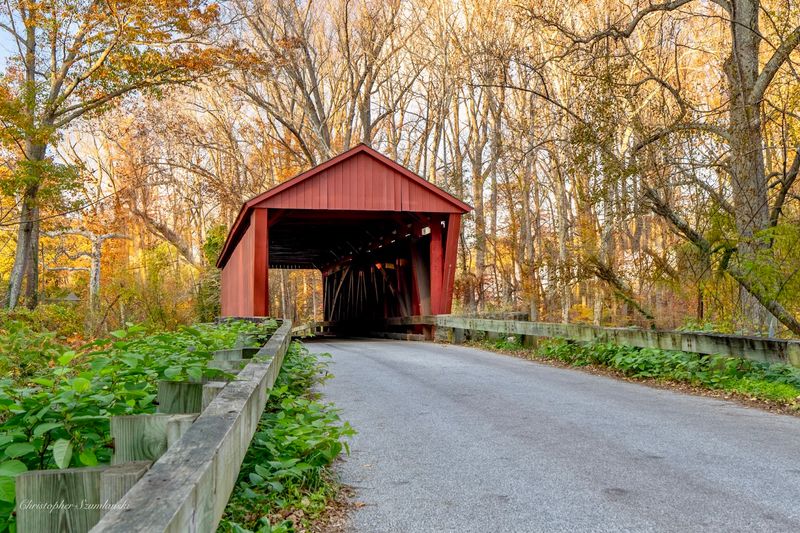
Just half a mile from Jerusalem Mill stands the Jericho Covered Bridge, one of Maryland’s few remaining covered bridges from the 1800s. The walk there takes you through shaded forest trails that follow the Little Gunpowder Falls, offering peaceful scenery and occasional wildlife sightings.
Many visitors make the loop trail that connects both landmarks into a single outing.
The bridge’s weathered wooden sides and roof have protected travelers from the elements since it was constructed. Inside, you can see the engineering that allowed these structures to span waterways without modern materials.
The dim interior stays cool even on hot days, and footsteps echo on the wooden planks.
Photographers love this spot, especially during autumn when surrounding trees burst into color. The combination of rushing water below and historic architecture above creates postcard-worthy scenes.
Where Colonial Crafts Come Out Of The Archives
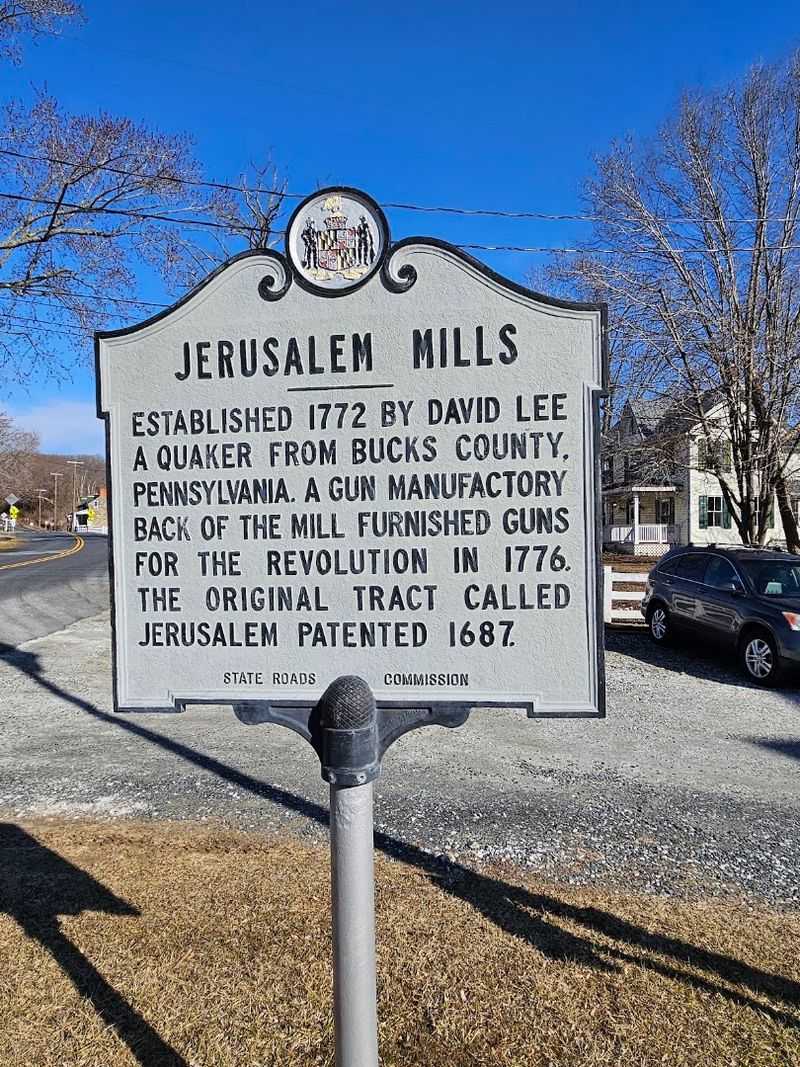
Jerusalem Mill isn’t content to be just a static display of old buildings. The living history demonstrations that happen every weekend breathe life into colonial-era skills that might otherwise be forgotten.
Beyond the blacksmith, you might encounter volunteers demonstrating spinning, weaving, or other crafts that sustained 18th-century communities.
These aren’t actors in costumes reciting scripts. They’re skilled craftspeople who’ve studied historical techniques and can actually produce functional items using period-appropriate methods.
Watching them work provides insights into just how labor-intensive daily life was before industrialization changed everything.
The hands-on approach means visitors, especially children, can sometimes try basic tasks under supervision. During special events, the village hosts larger craft demonstrations and seasonal celebrations that draw crowds from across Maryland.
Two Centuries Of History Under One Roof
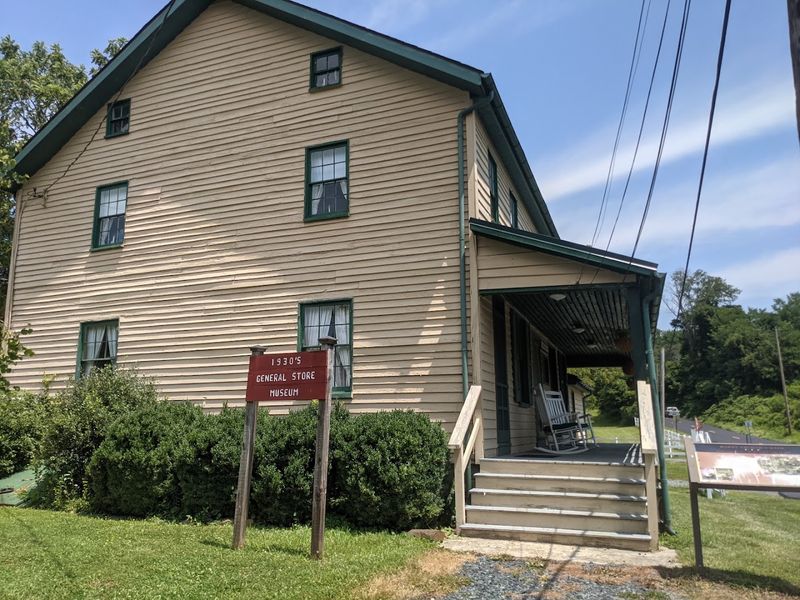
The main house at Jerusalem Mill functions as a museum showcasing artifacts and information spanning the village’s entire history. Room by room, you’ll discover how Quaker families lived, worked, and built their community along the Little Gunpowder Falls.
Original furnishings mix with interpretive displays that explain daily life in different eras.
Knowledgeable volunteers staff the museum on weekends, ready to answer questions and share stories that bring the exhibits to life. These personal interactions transform a simple museum visit into something more memorable.
The museum focuses heavily on the Quaker roots of the settlement, explaining how their beliefs influenced everything from architecture to business practices. You’ll also learn about the transition from working mill to preserved historic site, and how Maryland has worked to protect this piece of its past for future generations.
Sunday Afternoon Brings The Whole Village To Life
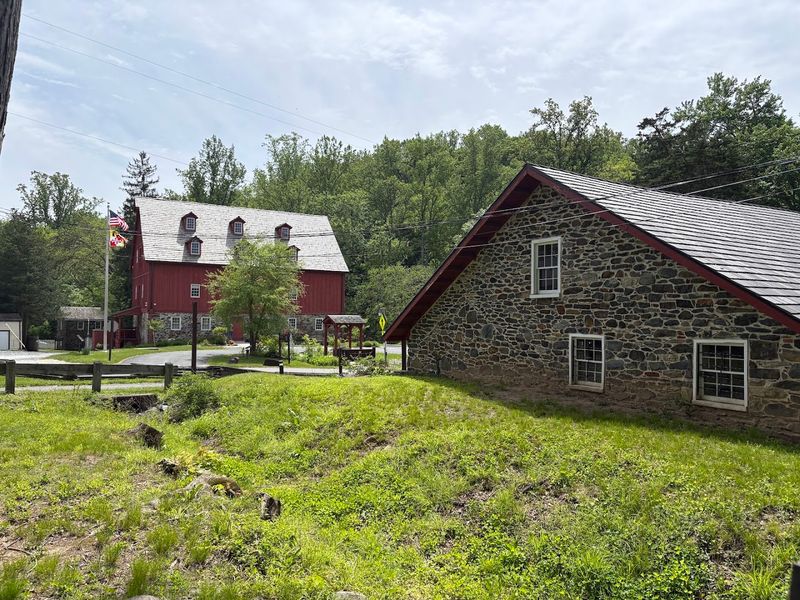
Plan your visit for a weekend if you want to see more than the historic buildings and grounds. The visitor center and museum offer docent-led tours on Saturdays between 10 AM and 1 PM, then reopen on Sundays between 1 PM and 4 PM.
Sunday afternoon provides the fullest experience because the blacksmith shop, Miller’s House, and McCourtney’s General Store are also active during those hours. You may catch traditional ironwork, hearth cooking, gardening, or another demonstration of village life.
Summer adds another reason to choose Sunday, with outdoor concerts held on the first and third Sundays between June and August. December brings Christmas in the Village, while spring and fall are comfortable for combining the historic area with nearby park trails.
Several main buildings are accessible, including the mill visitor center, blacksmith shop, and general store. Check the event calendar before driving out, since special demonstrations may change and the park headquarters office accepts visitors by appointment only.