
The Best North Dakota Restaurant For Fresh Bison Pheasant Walleye And Local Ingredients
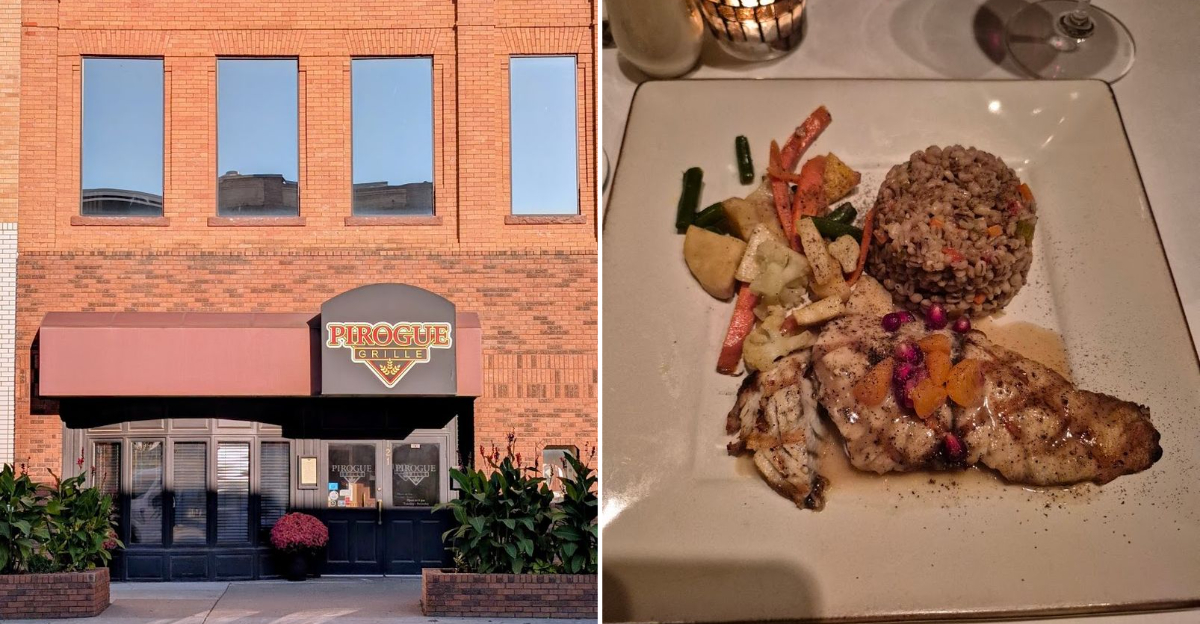
A true regional menu tells a story about the land long before the first plate arrives at your table. Most modern dining establishments rely on imported ingredients and standardized wholesale trucks.
This particular kitchen takes a completely different path by sourcing directly from the surrounding prairies and lakes. The menu reads like a guide to local wildlife with its focus on fresh bison, pheasant, and walleye.
Diners immediately notice the difference in texture and depth of flavor. North Dakota provides the rugged backdrop for this culinary celebration of local heritage.
The kitchen treats these traditional proteins with simple respect rather than covering them in heavy sauces. Each dish highlights the natural bounty of the northern plains.
You get a genuine taste of the region that chain restaurants simply cannot copy.
Exploring The Unique Flavors Of Bison
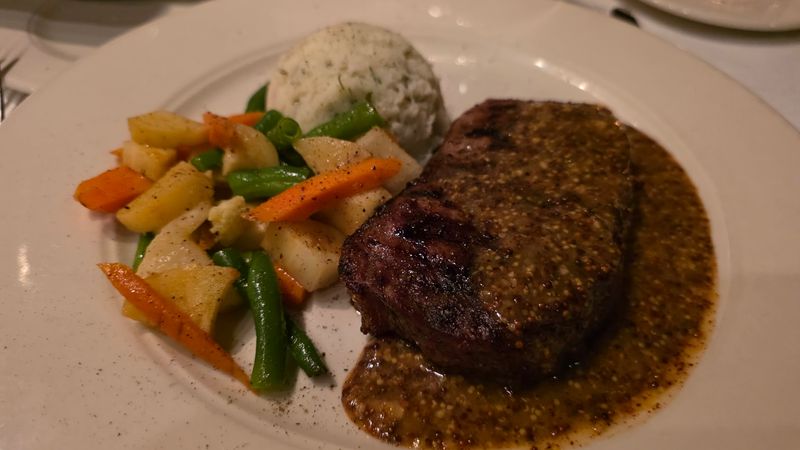
Bison is not beef, and the moment you taste it at Pirogue Grille, you understand exactly why that distinction matters. The flavor is richer and slightly sweeter.
It carries a cleaner finish that beef simply cannot match.
What surprises most people is that bison does not taste gamey at all. It is lean, yet it stays incredibly tender.
That combination is rare and genuinely exciting for anyone who loves a great protein.
Pirogue Grille features bison regularly on their rotating menu. A bison ribeye has appeared as a special, cooked with clear attention to technique.
They also serve a roasted corn and bison soup that has become a crowd favorite.
The meat comes from North Dakota sources, which means it is fresh and traceable. You are not eating something that traveled thousands of miles.
That local connection adds a layer of meaning to every single bite.
Bison on this menu is not a gimmick or a novelty. It is a celebration of what this region does best.
Pirogue Grille is located at 121 N 4th St, Bismarck, ND 58501, and it is worth every mile of the drive to get there.
The Art Of Preparing Wild Pheasant Dishes
Pheasant is one of those proteins that rewards patience and punishes carelessness. Cook it too fast, and it dries out completely.
Pirogue Grille clearly understands this, because their pheasant dishes land perfectly every time.
The secret starts before cooking even begins. Brining the bird keeps moisture locked in during the heat.
Low and slow roasting for the breast, combined with braising for the legs and thighs, is the approach that delivers real results.
Flavor-wise, pheasant sits somewhere between chicken and something more interesting. There is a subtle wildness to it, a pleasant depth that farm-raised poultry just cannot replicate.
It is familiar enough to feel comfortable but exciting enough to feel special.
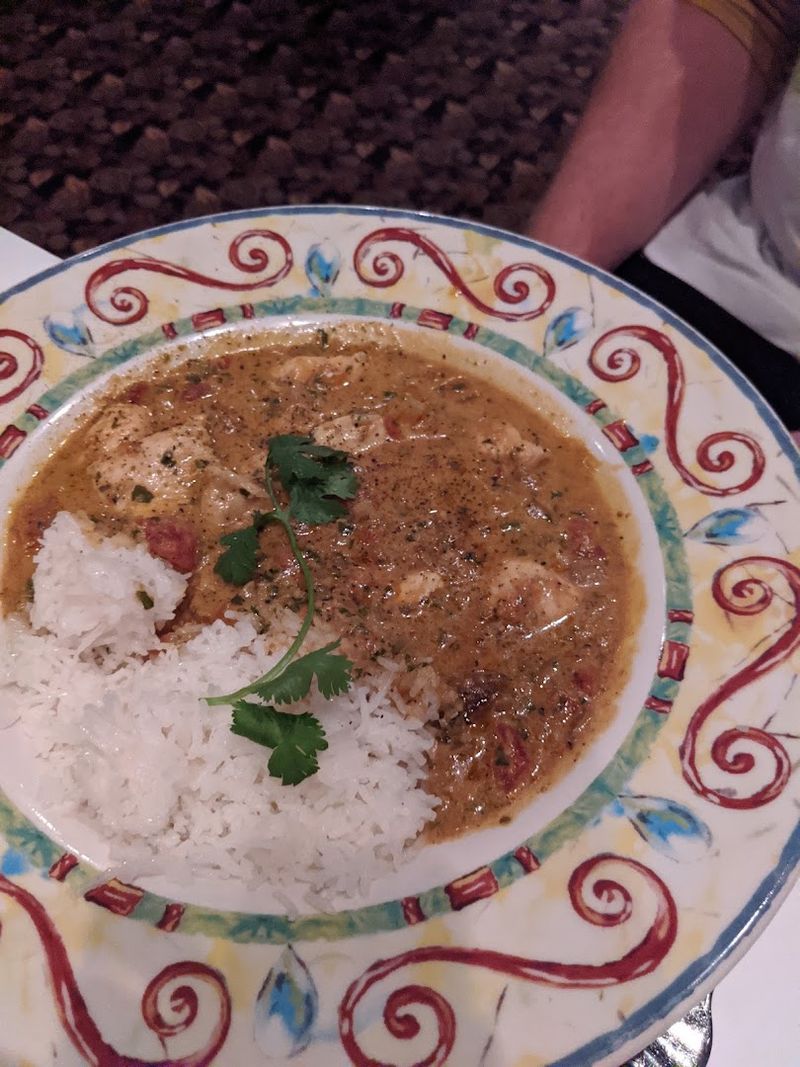
Pirogue Grille has featured pheasant pasta as a seasonal special. Pairing that bird with house-made pasta takes the whole experience to another level.
It is the kind of dish that makes you stop mid-bite and just appreciate what is on your fork.
Wild pheasant is genuinely part of North Dakota culture. Hunting season brings families and friends together across the state every fall.
Seeing it honored on a restaurant menu feels right and long overdue.
Chef Stuart Tracy brings serious culinary training to these preparations. His background from the Culinary Institute of America shows in every carefully considered detail of how pheasant is handled and presented.
Secrets To Perfectly Cooking Fresh Walleye
Walleye is North Dakota’s fish. It is mild, flaky, and delicate in a way that makes it incredibly versatile in the kitchen.
When it is fresh and handled correctly, it is outstanding.
The biggest mistake people make with walleye is overcooking it. This fish needs just enough heat to flake cleanly with a fork.
Go too far, and that beautiful texture disappears into something dry and forgettable.
Pan-frying creates a crispy exterior that contrasts perfectly with the tender interior. Baking with herbs keeps it clean and light.
Grilling adds a smoky character that works surprisingly well with the mild flesh.
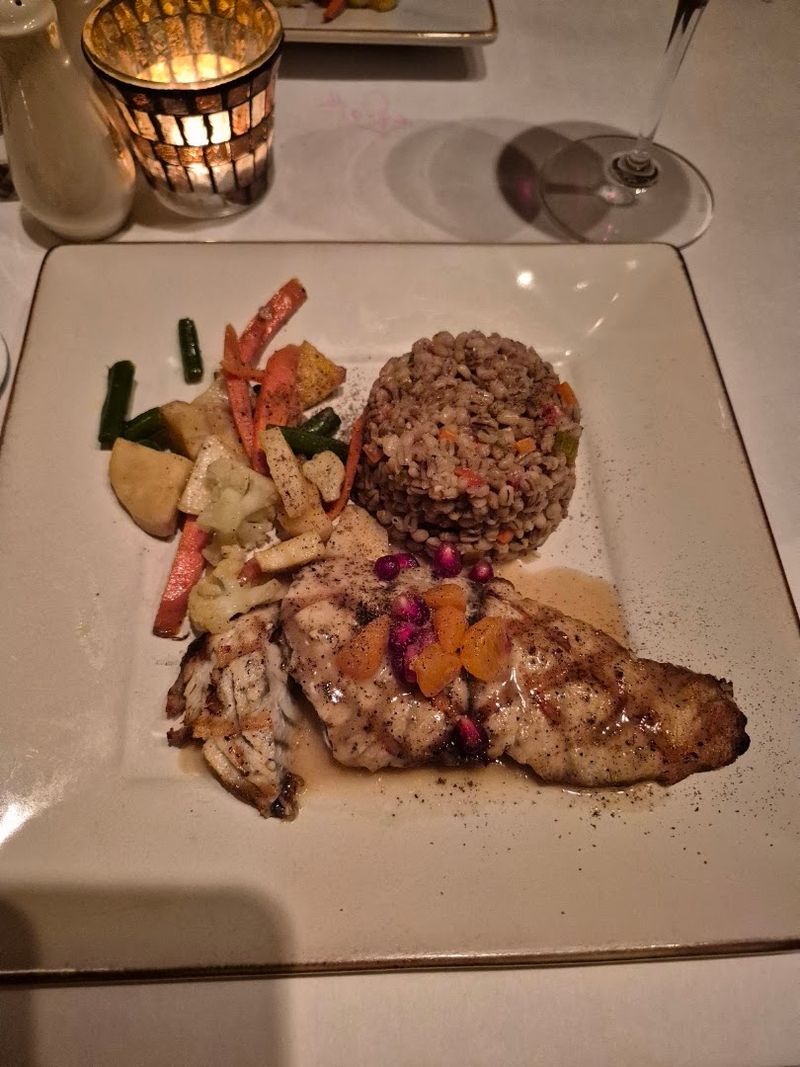
Pirogue Grille takes it further with a Parmigiano-Reggiano-crusted walleye that has become a signature dish. That crust adds richness and texture without overpowering the fish itself.
It is restrained and clever at the same time.
Walleye cakes have also appeared on the menu as an appetizer option. Think of them as a refined take on a fish cake, made with local fish and real culinary intention.
They disappear from tables fast.
Pairing the walleye with caramelized onion mashed potatoes and a seasonal vegetable medley rounds out the plate beautifully. Every component earns its place.
Nothing on that plate is filler, and that level of care is exactly what sets this kitchen apart.
Sourcing Local Ingredients In North Dakota

Sourcing locally is a phrase restaurants throw around a lot. At Pirogue Grille, it actually means something specific and verifiable.
Their commitment to regional ingredients shapes the entire menu from top to bottom.
Flour comes from the North Dakota Mill, one of the only state-owned flour mills in the country. Potatoes arrive from the Red River Valley, one of the most productive agricultural regions in America.
These are real, named sources, not vague claims.
Local lentils are sourced through a BisMan food co-op, keeping money circulating within the community. Seasonal herbs, onions, zucchini, rhubarb, and asparagus appear on the menu when they are actually in season.
That timing matters for flavor and for the farmers growing them.
North Dakota bison features regularly because the state has a long and genuine history with the animal. Using it on the menu is not a marketing move.
It is a natural extension of where the restaurant exists and what the land produces.
Organic options are prioritized whenever they are available. The kitchen does not cut corners on ingredient quality just because something cheaper exists.
That standard keeps the food honest and the flavors clean.
Eating at Pirogue Grille means eating what North Dakota actually grows and raises. That connection between plate and place is something you can genuinely taste in every dish they put in front of you.
The Nutritional Value Of Game Meats
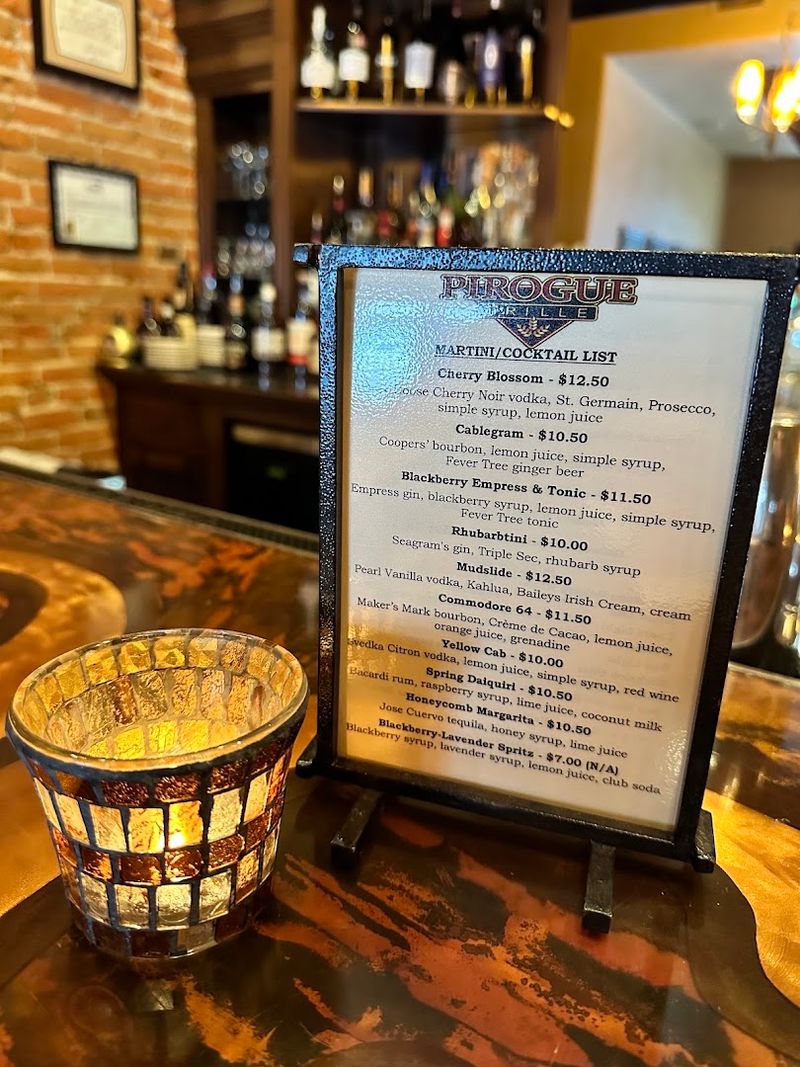
Game meats have a reputation for being tough or overly strong in flavor. That reputation is mostly bad, especially when the meat is prepared well.
More importantly, the nutritional profile of game meats is genuinely impressive.
Bison is leaner than beef across the board. It has less total fat and lower cholesterol levels.
For people watching their intake without wanting to give up red meat entirely, bison is a practical and delicious solution.
Beyond the fat content, bison delivers a complete protein with meaningful amounts of iron, zinc, and B vitamins. It also contains omega-3 fatty acids and conjugated linoleic acid, known for anti-inflammatory properties.
That combination is hard to find in conventional proteins.
Pheasant brings similar advantages from the poultry side. It is high in protein, low in fat, and rich in essential minerals.
The omega-3 content in wild pheasant surpasses what you find in most farm-raised chicken by a notable margin.
Eating game meats also means consuming animals that lived active, natural lives. That lifestyle affects the muscle composition and nutrient density of the meat itself.
Wild and pasture-raised animals simply produce more nutritious food.
At Pirogue Grille, these health benefits come wrapped in genuinely good cooking. You are not eating game meat because you have to.
You are eating it because it tastes incredible and happens to be good for you too.
Pairing Seasonal Vegetables With Rich Proteins
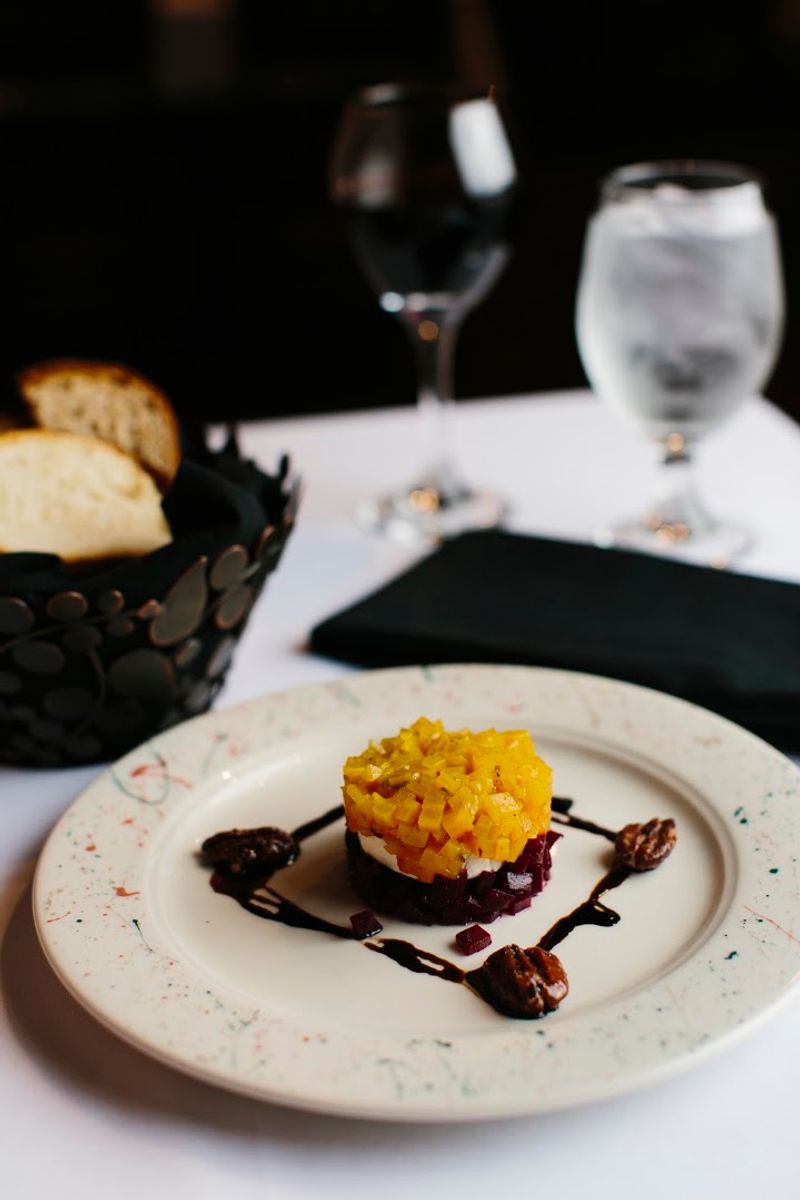
A great protein deserves a great partner on the plate. At Pirogue Grille, the vegetable pairings are not an afterthought.
They are considered, intentional, and often the element that ties the whole dish together.
The menu shifts with the seasons, which means the vegetables change constantly. Spring brings asparagus.
Summer introduces zucchini and fresh herbs. Fall offers root vegetables and earthy options that match beautifully with richer proteins like bison.
Rhubarb compote alongside a savory protein sounds unusual until you try it. The tartness cuts through the richness in a way that feels surprisingly balanced.
That kind of unexpected pairing is what keeps regular diners coming back to see what is new.
Caramelized onion mashed potatoes have appeared alongside walleye and bison dishes. The sweetness of the onion complements both proteins without competing for attention.
It is a supporting role done exceptionally well.
A vegetable medley of green beans, carrots, and zucchini has been a consistent side that earns its own praise. Simple vegetables prepared with care can absolutely steal the spotlight.
At Pirogue Grille, they often do exactly that.
Seasonal cooking forces creativity and keeps the menu from going stale. Diners who visit in March and return in August will encounter an almost entirely different experience.
That variety is a genuine strength of how this kitchen operates throughout the year.
Sustainable Practices In Local Food Sourcing
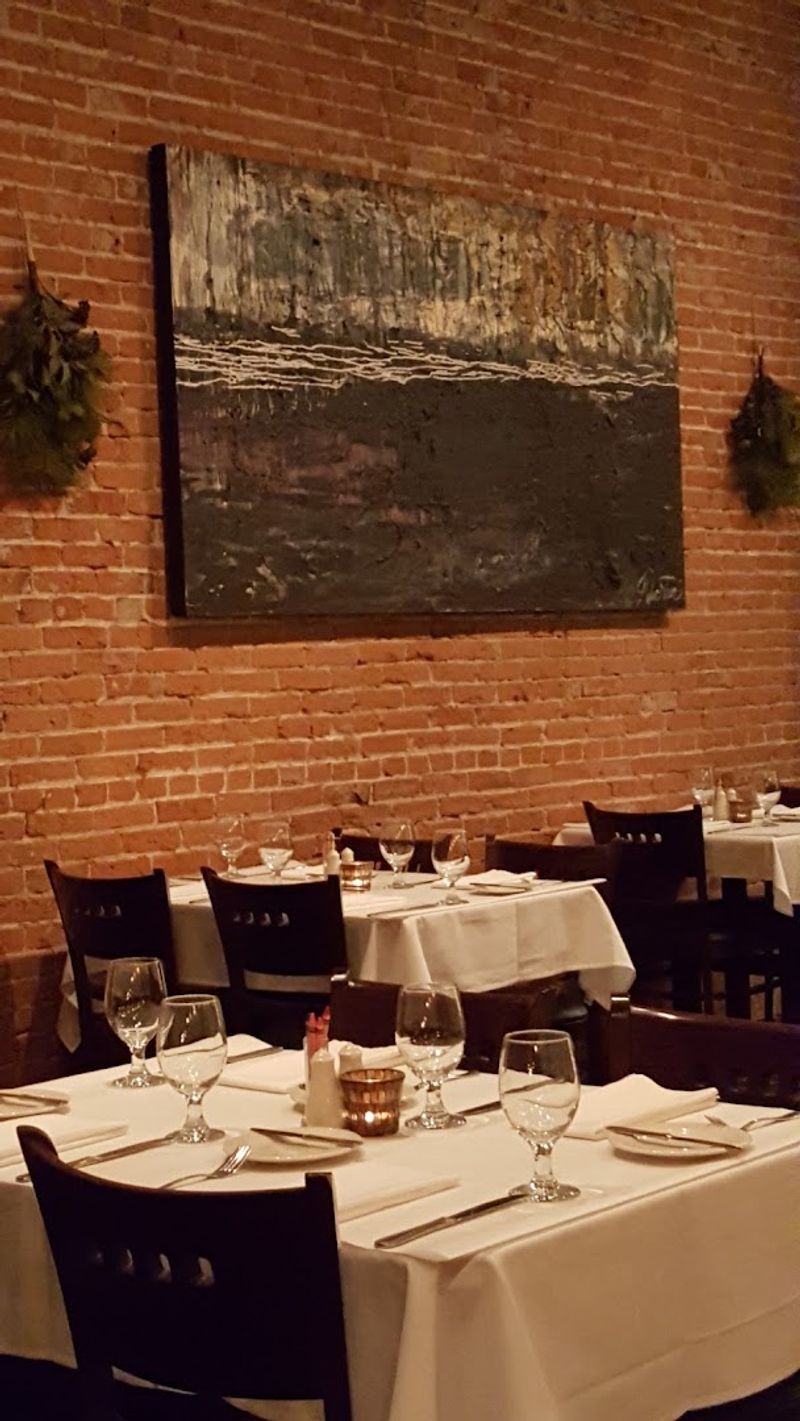
Sustainability in restaurants can mean a lot of different things. At Pirogue Grille, it means making deliberate choices about where food comes from and why those choices matter beyond the plate itself.
Buying from local farms keeps transportation distances short. Shorter supply chains mean fresher ingredients and a smaller carbon footprint.
That math is simple, and Pirogue Grille follows it consistently with their sourcing decisions.
Supporting regional agriculture also means supporting the people who grow the food. When a restaurant buys from a North Dakota farmer or co-op, that money stays in the local economy.
It strengthens the community that surrounds the restaurant itself.
The North Dakota Mill partnership is a perfect example of this philosophy in action. Using state-milled flour supports a public institution that has served the region for over a century.
That is a genuinely meaningful choice, not just a talking point.
Organic sourcing is prioritized when available, reducing chemical inputs on local farmland. Healthier soil produces better crops over time.
Restaurants that care about ingredient quality naturally have a stake in the long-term health of regional agriculture.
Seasonal menus also play a role in sustainability. Cooking what is available locally and in season reduces dependence on out-of-region imports.
Pirogue Grille’s rotating menu is not just about creativity. It is also a practical expression of responsible sourcing that benefits the entire Northern Plains food system.
Innovative Techniques In Traditional Recipes
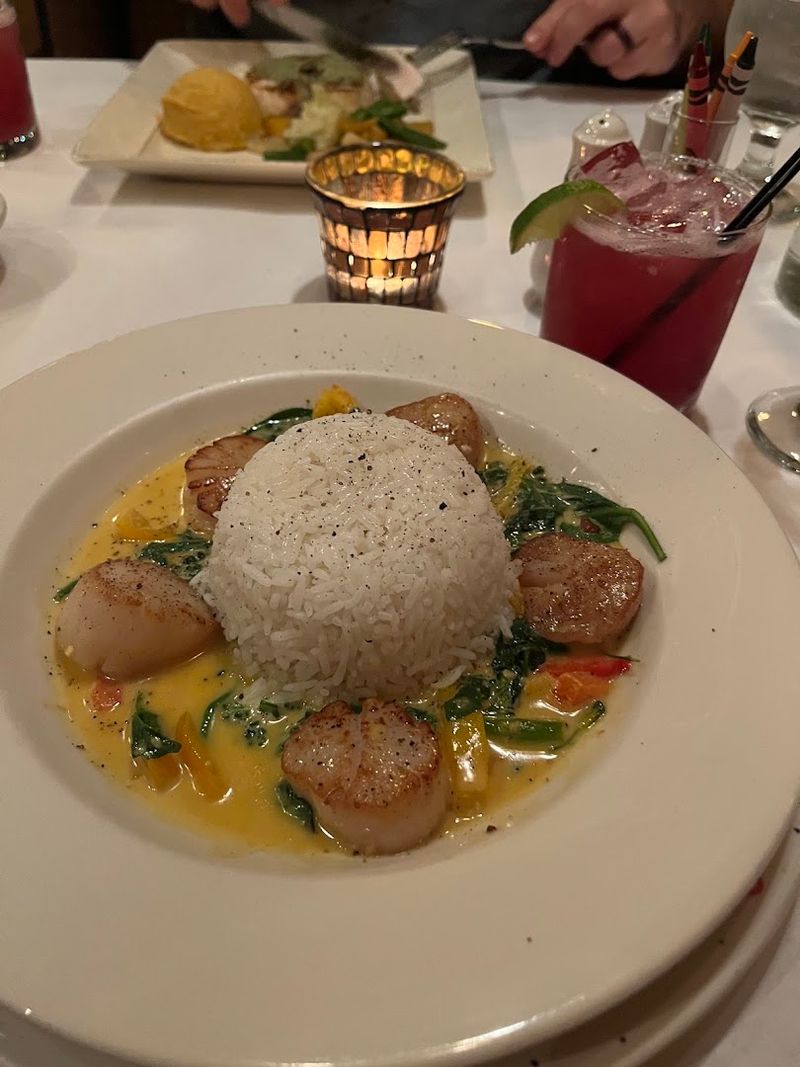
Chef Stuart Tracy graduated from the Culinary Institute of America, and that training shows in how Pirogue Grille approaches every dish on its menu. This is not a kitchen that relies on shortcuts or pre-made components.
Sauces are made from scratch. Charcuterie is prepared in-house.
Even bread gets real attention before it hits the table. That level of production requires time, skill, and a genuine belief that the effort is worth it.
The menu changes seasonally, which forces the kitchen to stay creative and technically sharp all year long. A team that cannot adapt quickly simply cannot keep up with that kind of rotating format.
Pirogue Grille’s kitchen clearly can.
Traditional North Dakota ingredients get reinterpreted through modern culinary techniques. A bison medallion becomes something more refined than a simple steak.
Walleye gets a Parmigiano-Reggiano crust that elevates it well beyond a standard fish preparation.
Pheasant pasta, roasted corn soup, and house-made charcuterie boards all reflect a kitchen that respects regional tradition while pushing its boundaries thoughtfully. The goal is not to be weird or trendy.
The goal is to be genuinely better.
Desserts follow the same philosophy. Creme brulee, pavlova, and chocolate-espresso tart all appear with the same attention to detail as the savory courses.
From the first bite to the last, the cooking at Pirogue Grille reflects a kitchen that takes its craft seriously every single night.