
Life Moves Slower In This Kentucky Mountain Town Frozen In An Earlier Decade
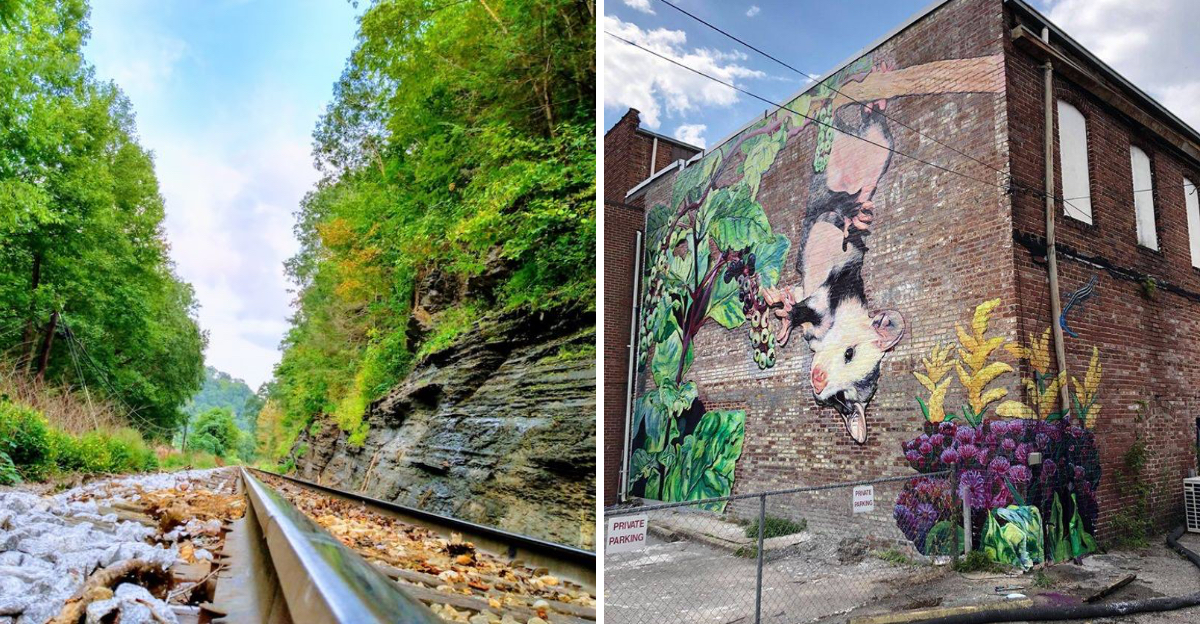
Brick storefronts, hand-painted murals, and a courthouse older than most family recipes sit within a few blocks of each other. That combination alone makes this place worth a second look.
Kentucky towns rarely wear their history this openly, but here it spills onto sidewalks and building walls without asking permission. Coffee shops double as bookstores, and diners double as living rooms most afternoons.
Nothing here moves particularly fast, and nobody apologizes for it. Kentucky mountain towns like this one built their identity long before anyone showed up with a camera in hand.
Wonder what’s painted on the next wall you turn to, or which storefront hides the best conversation? Keep this small mountain corner in your back pocket for whenever slow starts sound appealing again.
Where Mountains And History First Collide
The first thing that hits you about Harlan is not one landmark or one street. It is the scale of everything around it.
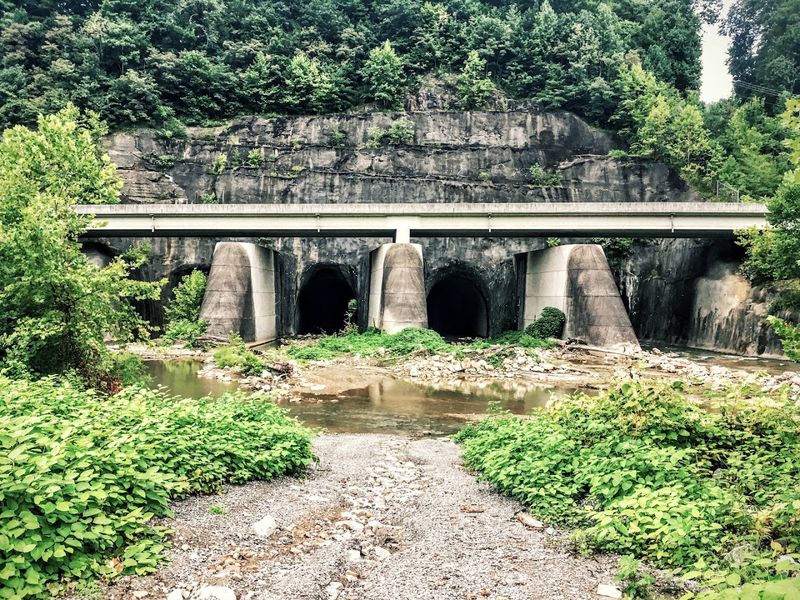
The Appalachian Mountains press in from every direction, making the town feel both protected and purposeful. This is southeastern Kentucky at its most dramatic.
Harlan sits at the forks of the Cumberland River, a geographic detail that shaped the entire settlement pattern of the region. Water and mountain defined where people built, where industry grew, and where community formed.
The town was originally called Mount Pleasant when it was first recognized around 1796. It officially became the county seat in 1819, carved out of parts of Knox and Floyd counties.
The name changed to Harlan in 1865, honoring Major Silas Harlan, a pioneer who arrived in Kentucky in 1774. That name stuck, and so did the identity it carried.
Standing at the center of town with ridgelines towering overhead, it becomes clear why people stayed. The land itself holds you here.
The Coal Boom That Changed Everything
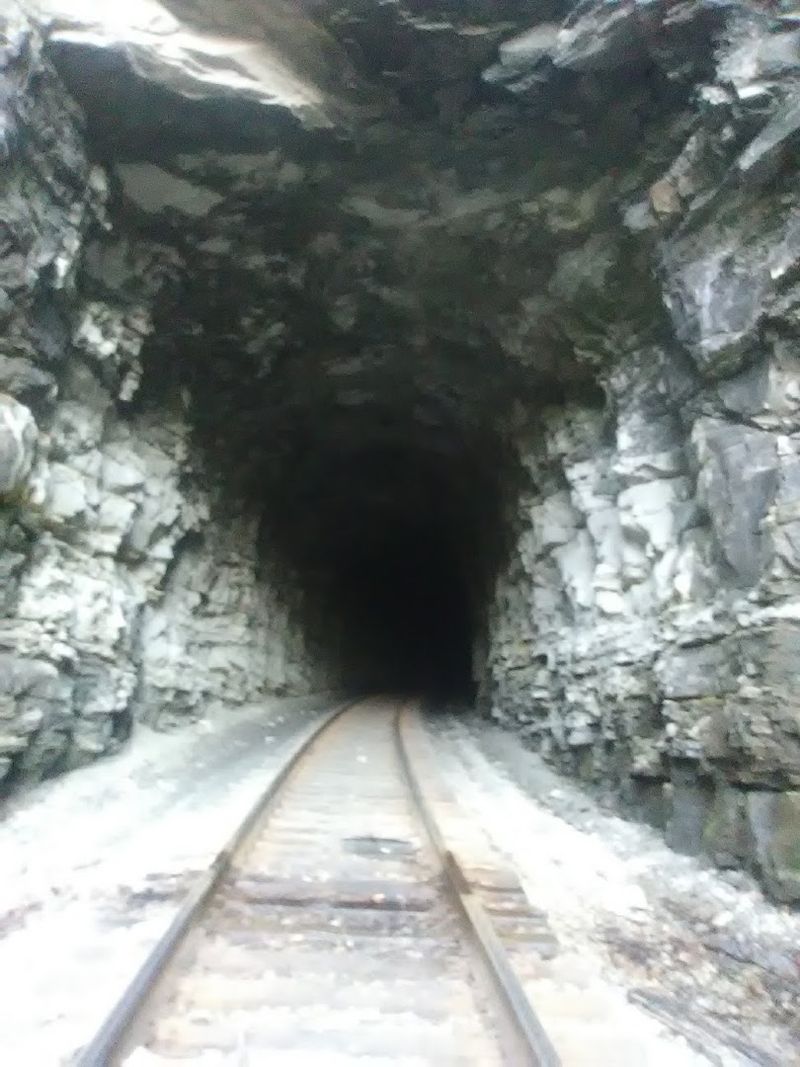
Before the railroad arrived in 1911, Harlan was a quiet mountain settlement. After it arrived, everything changed almost overnight.
Coal transformed this Kentucky town into a regional powerhouse. Thousands of workers flooded in, communities expanded rapidly, and production numbers climbed to staggering heights.
By the mid-20th century, Harlan County had over 13,000 miners working its seams. That figure made it one of the most productive coal regions in the entire country.
The “Coal Capital of Kentucky” label was not marketing. It was earned through decades of relentless extraction and industrial growth that fueled national demand.
Miners were often paid in scrip, a company-issued currency usable only at company-owned stores. That system created economic dependency that would later fuel fierce labor resistance.
The coal economy eventually declined, but its imprint never left. You can read it in the architecture, the infrastructure, and the quiet pride that still runs through conversations with long-time residents of this mountain community.
The Fight For Fair Work
The 1930s turned this mountain county into a national symbol of labor conflict.
Mine owners and union workers clashed over wages, working conditions, and basic rights. The disputes were raw, dangerous, and deeply personal for every family involved.
Workers faced a system stacked against them. Company towns, scrip payments, and armed guards made organizing feel nearly impossible, but miners pushed back anyway.
The struggle did not end with the Great Depression. Labor unrest continued for decades, and the story found a wider audience through the landmark 1976 documentary “Harlan County, USA,” which brought national attention to ongoing disputes.
That film gave the outside world a window into what Kentucky mountain workers endured. It also cemented Harlan’s reputation as a place of fierce, unyielding spirit.
That spirit is not ancient history here. Ask anyone who grew up in Harlan County, and the memory of those struggles is still very much part of the family story.
The Old Courthouse Still Runs The Show
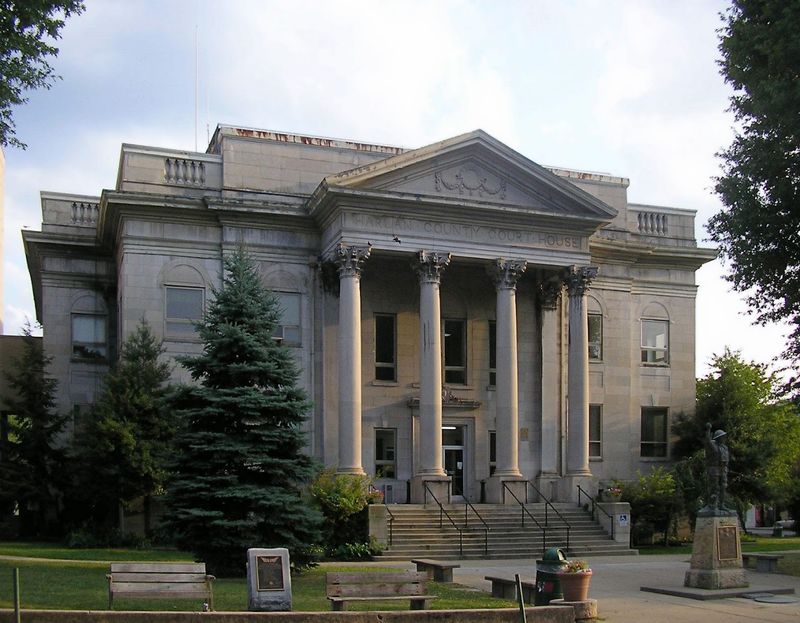
Downtown Harlan has had five courthouses over its history, and the one standing today has held its ground since the early 1920s.
Built between 1918 and 1922 from Indiana limestone, the current courthouse carries a Beaux-Arts influence that still stands out against the surrounding commercial storefronts. It anchors the historic district the way a courthouse is supposed to, visually and civically.
Its third floor has taken on a new life as an artists’ gallery and history center, a partnership between local government and an area arts organization. What was once purely administrative space now doubles as a place to see local work and learn local history under the same roof.
On the courthouse lawn sits a memorial to miners who lost their lives underground, a quiet marker among the daily comings and goings of the square. It is easy to miss and worth slowing down for.
The building rarely makes anyone’s must-see list before they arrive, and almost always ends up on it after.
Main Street Feeds Every Kind Of Appetite
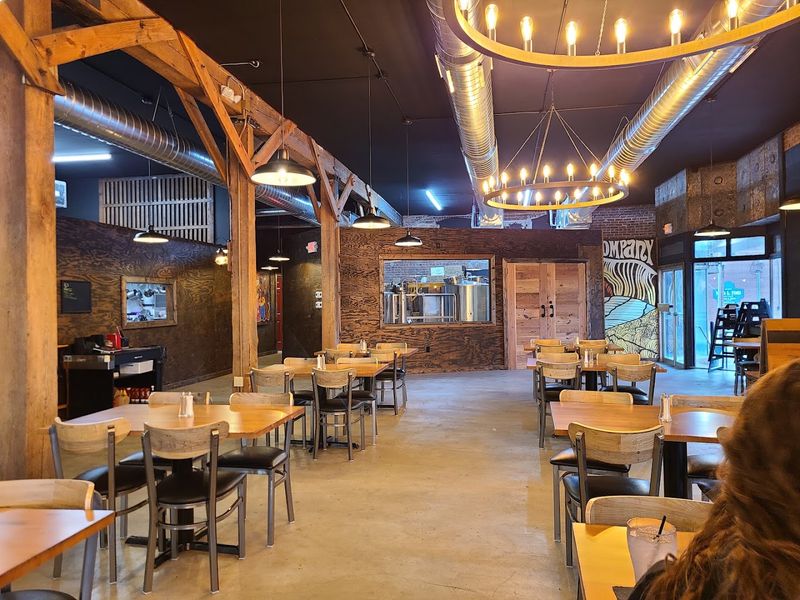
Harlan’s downtown blocks pack in more variety on the plate than a town this size usually manages.
The Portal Pizzeria on North Main Street leans into local history with its menu naming, and its wood-fired pies draw a steady crowd of regulars and first-timers alike. A few minutes away, Sazon Steakhouse mixes Mexican, Italian, and classic steakhouse menus under one roof, an unexpected combination that somehow works.
Panda Garden keeps things simple with generous portions of Chinese American comfort food, while The Hungry Goats serves up homestyle plates like pot roast and mac and cheese that taste like they came from someone’s kitchen table rather than a restaurant line.
For something sweeter, The Frosty Flamingo rounds out an afternoon with ice cream and frappe-style drinks in a spot locals already consider a hidden gem.
None of it is flashy. All of it is the kind of food that makes a town feel lived-in rather than just visited.
Downtown Harlan Holds Its Ground
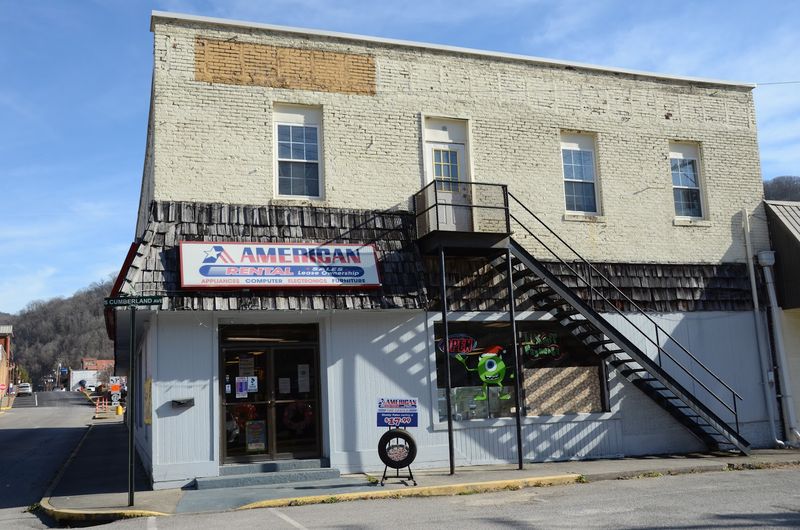
Downtown Harlan is listed on the National Register of Historic Places, and that designation feels earned the moment you walk its streets. Buildings from the 1910s through the 1930s line the blocks in remarkably solid condition.
The Harlan Center at 201 S. Main Street serves as a community and visitor hub.
It houses local art, provides visitor information, and acts as a gathering point for the broader downtown revitalization effort.
Boutiques like Sassy Trash and Sonwood’s bring a current energy to historic storefronts. They prove that a town with deep roots can still grow new branches without losing its character.
Lamp House Coffee offers a cozy stop mid-walk, the kind of place where conversations start easily and linger longer than planned. A good coffee shop says a lot about a town’s self-confidence.
The grid street layout makes navigation intuitive. You can cover the historic core on foot without a map and still feel like you are discovering things at your own pace.
Revitalization here is not cosmetic. It is a community choosing to invest in what it already has, which is always the most honest kind of renewal.
Appalachian Culture Runs Deep Here
Culture in Harlan is not performed for tourists. It is lived daily and celebrated loudly every June during the annual Poke Sallet Festival.
The festival draws thousands to enjoy carnival rides, live music, car shows, and food centered around the wild Appalachian green that mountain families have cooked for generations. Poke sallet is a plant, a tradition, and a point of pride all at once.
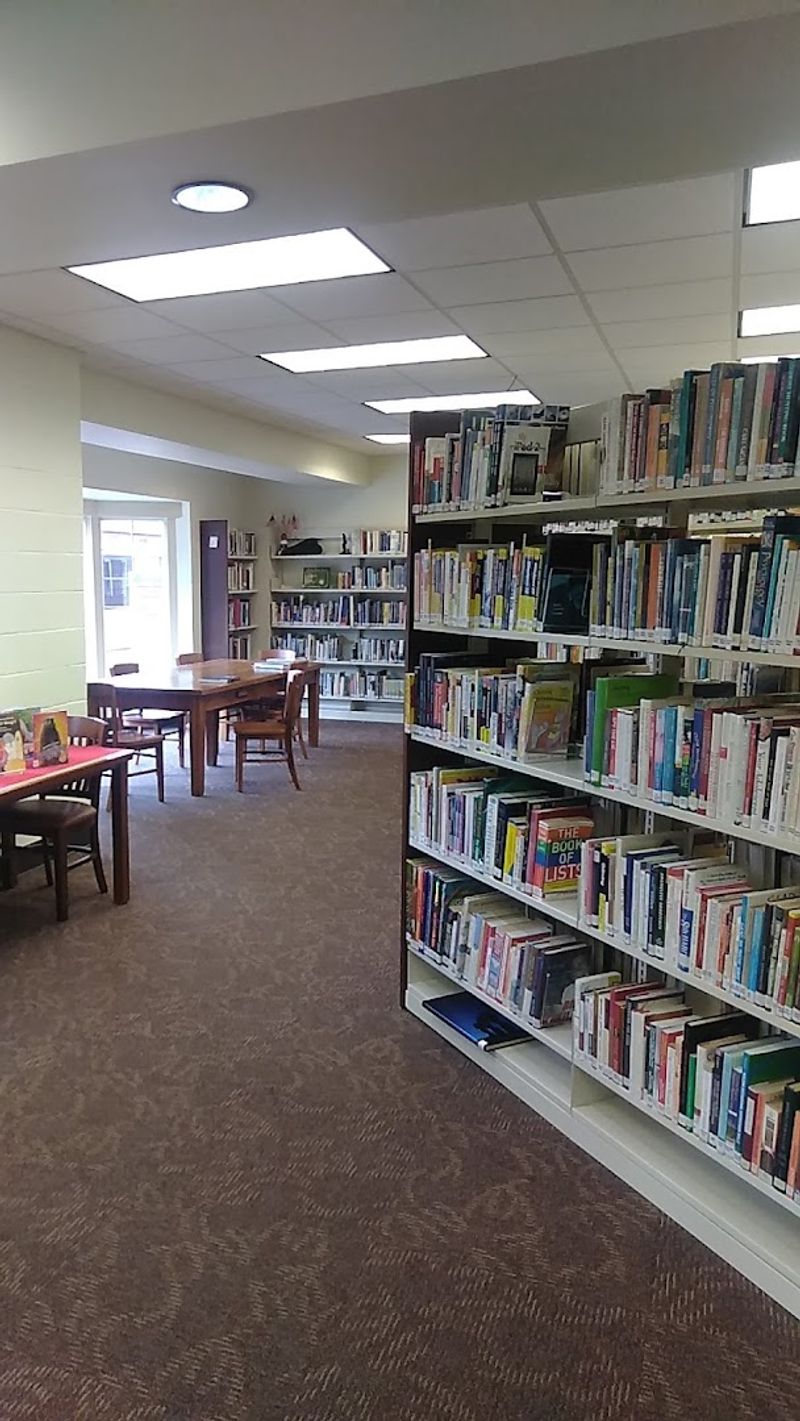
The Harlan Public Library keeps its own piece of that culture on file, with issues of the local paper stretching back to the 1920s. It is a research trip disguised as a quiet afternoon, and a reminder that this town has been writing its own story down for a hundred years.
Music runs through Harlan County like a second river. Traditional mountain sounds, bluegrass, and locally rooted styles all find audiences here without needing a stage or a ticket price.
Storytelling is equally valued. Oral tradition in Appalachian communities carries knowledge and identity in ways that written records alone cannot fully capture.
Visitors who take time to listen, not just look, leave Harlan with something more than photographs. They carry a genuine sense of what it means to belong to a place this deeply.
What Waits For Those Who Stay A Little Longer
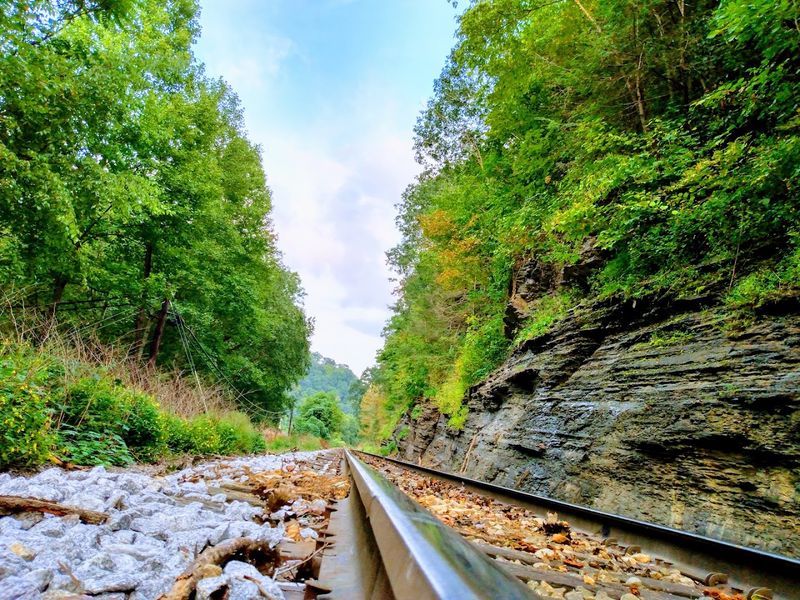
The Little Shepherd Trail Scenic Drive rewards anyone willing to spend a few extra hours behind the wheel. This winding ridge road offers fall foliage views that rank among the finest in all of Kentucky.
Martins Fork Lake provides a calmer option for those who want water without whitewater. Fishing, shoreline walks, and quiet mornings on the water all fit naturally into a Harlan itinerary.
The Black Mountain Thunder Zipline claims the title of Kentucky’s highest, fastest, and longest zipline. For those who want an adrenaline moment framed by mountain scenery, that combination is hard to top.
The Historic Harlan Museum, which opened in late 2025, continues the community’s commitment to telling its own story. New exhibits add fresh context to a history that was never simple or one-dimensional.
Blanton Forest State Preserve protects one of the largest old-growth forest tracts remaining in the eastern United States. Ancient trees soaring over 100 feet create a cathedral atmosphere that feels genuinely removed from modern time.
Harlan, Kentucky does not ask you to rush. It simply makes the case, quietly and convincingly, that slowing down was the right idea all along.
Petunia The Possum Watches Over Main Street
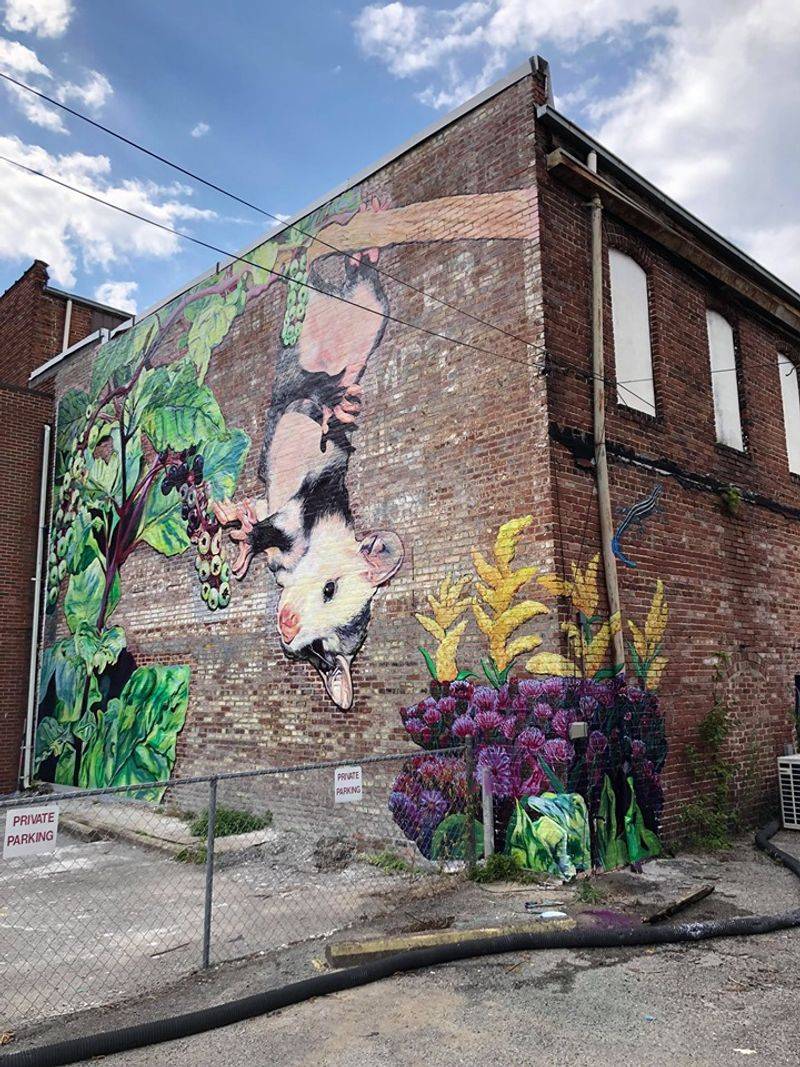
Not every landmark in Harlan is old. Some of the town’s most photographed spots went up in 2019, three stories tall and painted straight onto brick.
Petunia the Possum is the star of it, a mural stretching across a downtown building as part of the Great Mountain Mural and Community Design Mega Fest. Local artist Lacy Hale designed it, then worked with Harlan County High School students to help bring it to life.
The theme leans into local flora and fauna, and Petunia herself reaches for poke sallet berries, a nod to the plant the whole town celebrates every June. A fish and salamander mural covers a second wall nearby on Central Street, part of the same festival weekend.
The murals were never meant to just decorate. They were a workforce project too, teaching working artists how to negotiate contracts and install large-scale public art, with the hope that a few of them would stick around and keep creating here.
Stand in front of Petunia long enough and someone will likely stop to tell you her backstory unprompted. That is downtown Harlan in a nutshell.