
The Iowa Surplus Store Where Thousands Of Unexpected Finds Keep Shoppers Digging
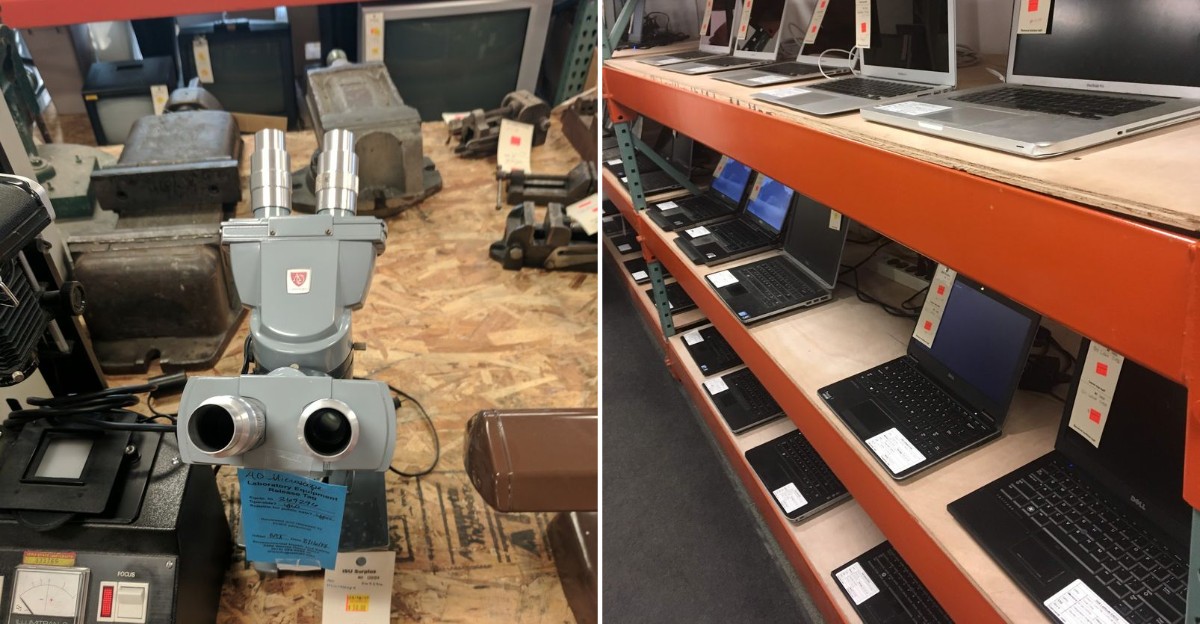
Some places work incredibly hard to quickly capture a community’s attention, and this Iowa surplus store pulled that off through sheer selection. Merchandise arrives from returns and overstock, meaning nobody quite knows what they’ll find until they’re already digging.
Regulars show up early, treating the hunt almost like a competitive sport at this point. Clothing, electronics, and household goods all end up mixed together without much organization.
That kind of chaos is part of the appeal for anyone who enjoys the search itself. Nothing here gets marked up just because of a recognizable brand name.
This store turned bargain hunting into something close to an actual hobby.
A Warehouse Built On Rescuing Campus Castoffs
Most universities toss what they no longer want. Iowa State built an entire operation around refusing to do that.
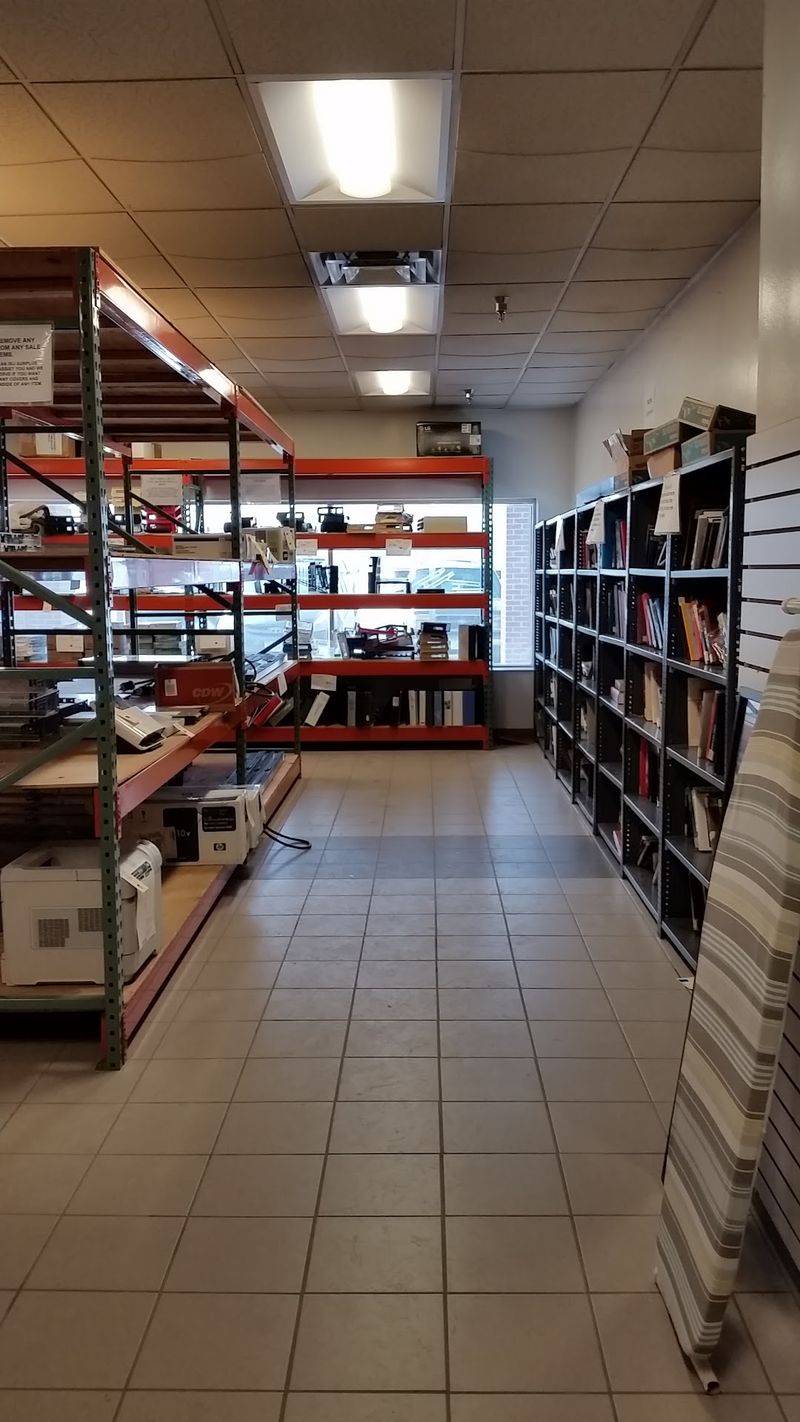
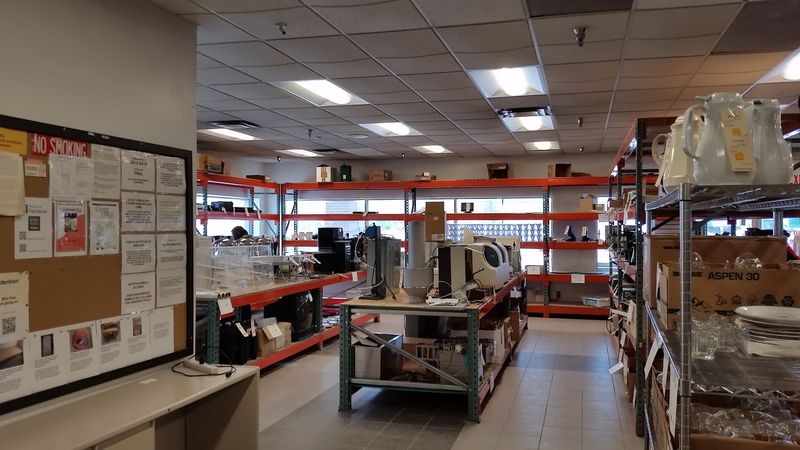
ISU Surplus exists to move unneeded property out of campus buildings and into new hands instead of into a landfill. Desks, computers, lab gear, sports equipment all of it flows through one warehouse on the south side of Ames.
The operation is self-funded, meaning sales pay for the whole thing. That detail matters, because it explains why staff works so hard to find a second life for items that other places would scrap without blinking.
Departments across campus drop off whatever they have replaced. Shipping and receiving crews sort it, stage it, and eventually push it out to the sales floor.
There is a real environmental mission underneath the treasure hunt. Every filing cabinet that leaves with a shopper is one less piece of metal sitting in a dump somewhere.
The building itself is clean, organized, and easy to navigate, which surprises people expecting a chaotic junk pile. Aisles are marked, heavy items sit near the doors, and the layout makes sense.
You can find it at 925 Airport Rd, Ames, IA 50010.
Office Furniture That Outlasts Everything You Own
University furniture was built during an era when nobody expected a desk to fall apart in three years. That is exactly why the furniture section moves so fast here.
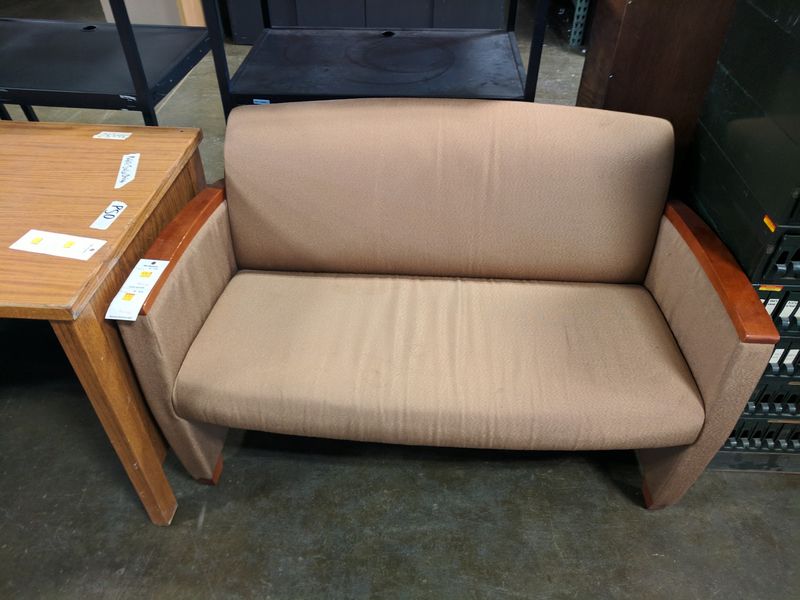
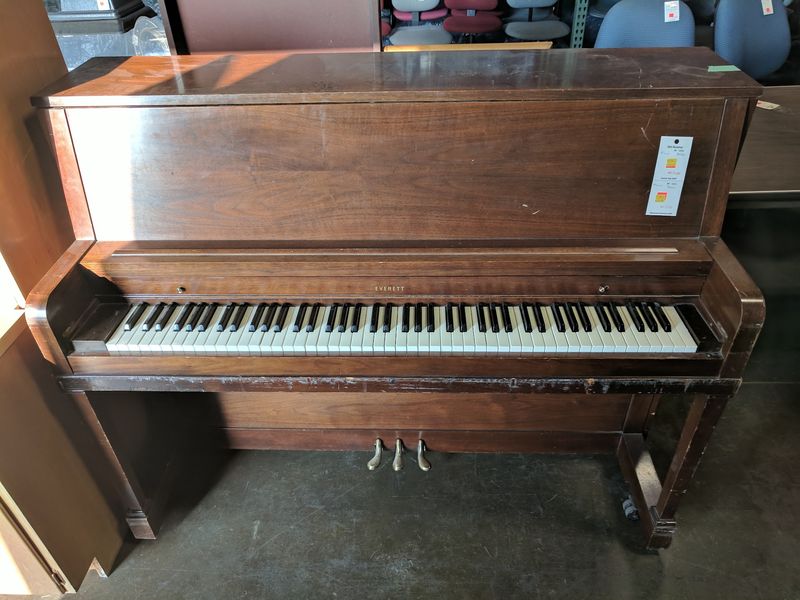
Filing cabinets, wooden desks, conference tables, bookshelves, and rolling chairs fill a large chunk of the floor. Much of it came out of academic buildings where it sat quietly for decades doing its job.
Chairs alone cover a wide range. Task chairs, stacking chairs, lounge seating, and oddball pieces that clearly belonged to one very specific room somewhere on campus.
Old dormitory appliances land here too, sent over when residence halls refresh their setups. Students furnishing first apartments tend to circle those.
Occasionally something unusual shows up, like mission-style pieces with real joinery, or dressers that have been taken apart so the solid wood can be reused by woodworkers.
Staff helps load heavy items, which is a genuine relief when you have just committed to a four-drawer steel cabinet and a sedan.
Bring a tape measure and a vehicle bigger than you think you need. Regret usually arrives in the parking lot, not in the aisle.
For anyone setting up a home office, workshop, or classroom on a tight budget, the furniture aisles are the strongest reason to make the trip.
Electronics That Draw A Crowd At Nine Sharp
Ask around Ames about this place, and the conversation turns to computers within about four seconds. Electronics are the headline act.
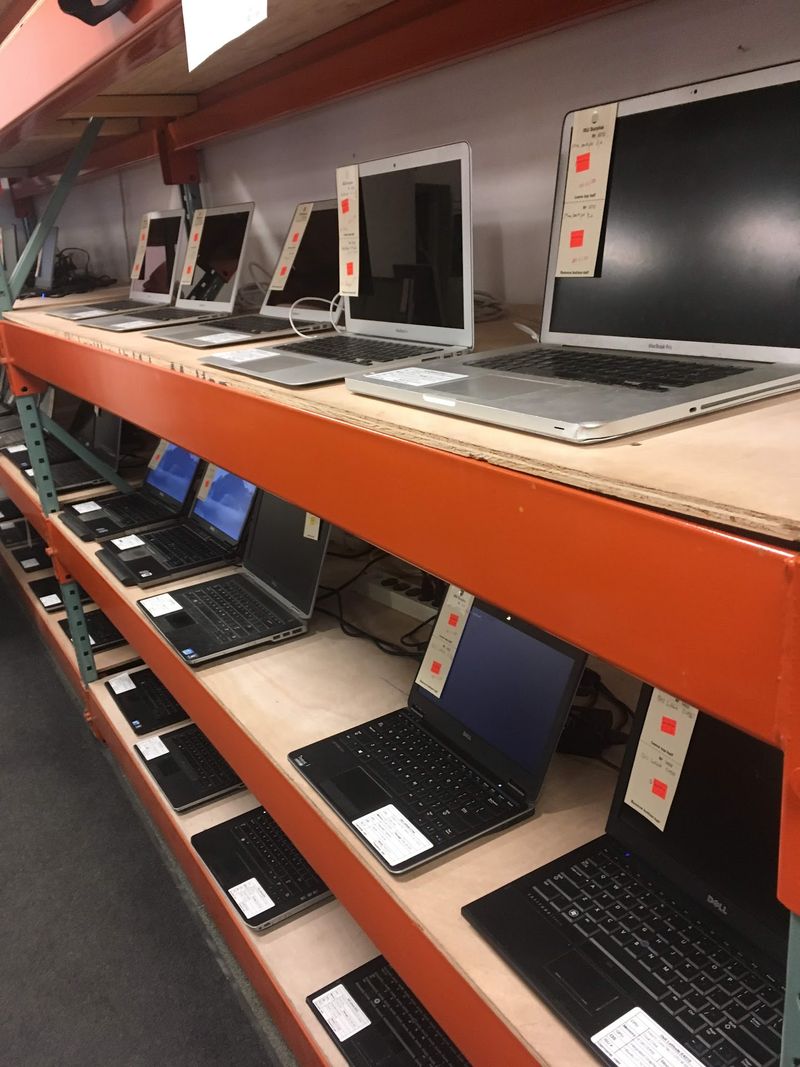
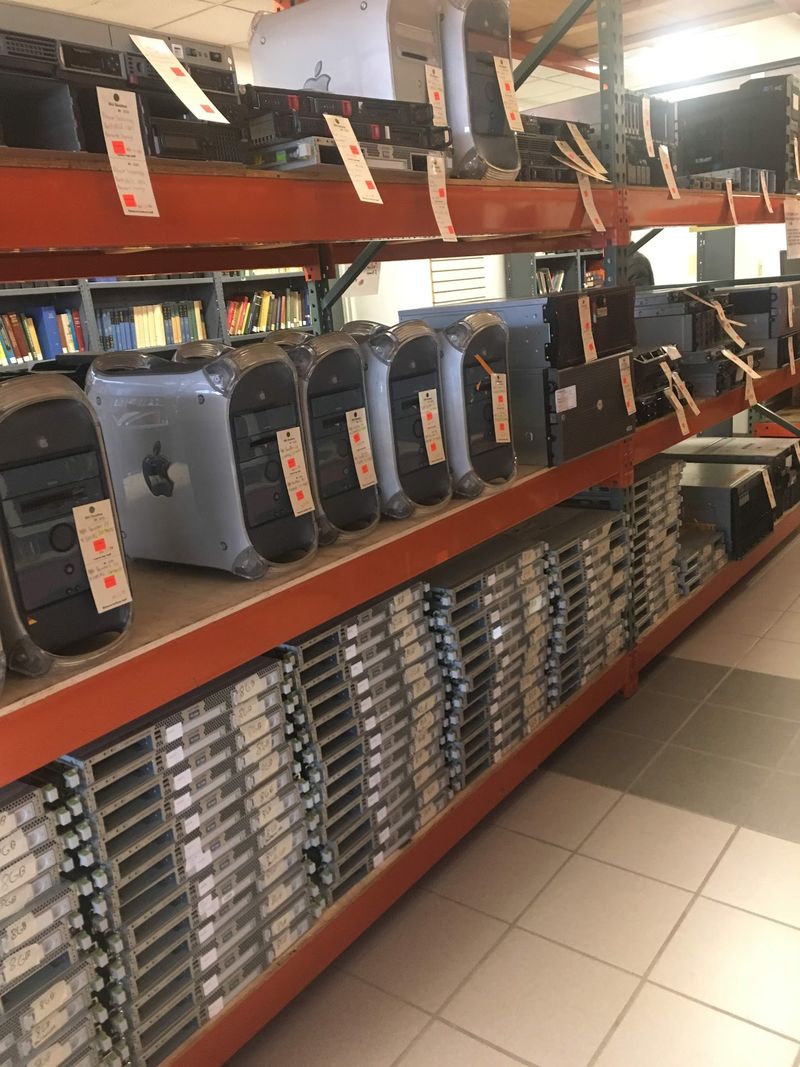
Desktop towers, monitors, laptops, keyboards, and tablets rotate through constantly. Apple gear appears regularly, including iPads, iPhones, and older Mac machines that tinkerers snap up for projects.
Older PCs often arrive wiped and running Linux, which sounds intimidating until you realize they can usually be set up however you like. Home lab builders and gaming server hobbyists love that.
Beyond computers, the shelves hold projectors, photography equipment, and specialty gear that only makes sense if you know what a research department actually buys.
Cables, cords, adapters, and power bricks fill bins in quantities that border on comedic. If you have ever needed one obscure connector, this is a reasonable first stop.
Some electronics are clearly labeled as-is or for parts only, so read tags carefully before committing. That honesty is part of the deal.
Timing matters more here than anywhere else in the building. Arriving right at opening means a crowd of people who already know the layout and move quickly.
Come later and things are picked over, though unsold items often get marked down as weeks pass. Patience is a legitimate strategy.
Pieces Of Hilton Coliseum And Other Campus Legends
Here is where the story gets genuinely fun. Chunks of the old Hilton Coliseum basketball court have been sold through this warehouse.
Painted hardwood sections, complete with lines and logos, went home with fans who now have a literal piece of Cyclone history on a wall. Hard to beat that as a conversation starter.
Weight racks from State Gym have made the same journey. Somebody out there is doing squats on equipment that generations of athletes used first.
Sports-related items show up in waves, usually when a facility gets renovated or upgraded. Nobody can predict the timing, which is half the appeal.
Iowa State athletics apparel and team uniforms are stocked with some consistency, including gear that never made it into a campus bookstore.
The emotional pull is real for alumni. Owning something that lived inside a building you remember beats buying a brand new replica.
Items like these rarely sit long. Word travels, and the Wednesday crowd includes people specifically hoping for exactly this type of listing.
Checking the store website before a visit helps, since larger or unusual pieces sometimes get handled differently than standard floor stock.
Memorabilia hunters treat the whole warehouse like a lottery ticket, and occasionally the ticket pays off spectacularly.
Lab Gear And Pure Weirdness
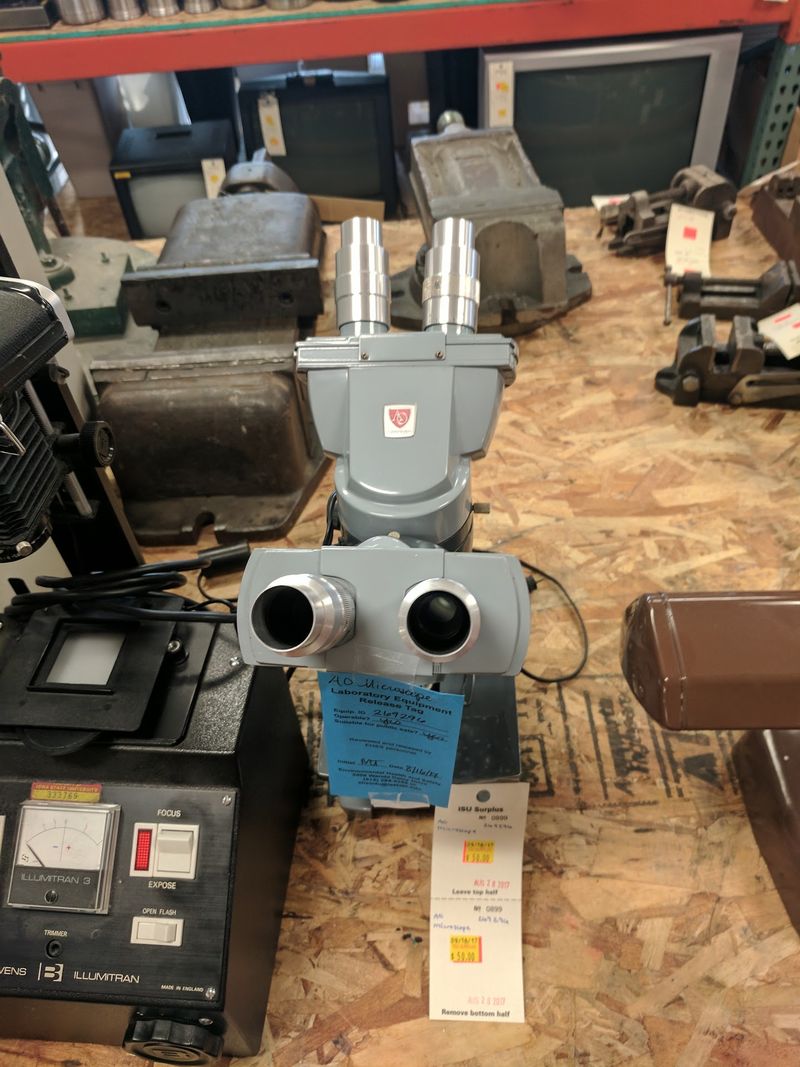
Centrifuges, aircraft seats, engine blades and airline galley carts. Read that list again and try to guess what kind of store sells all four.
A research university generates equipment that has no obvious retail home, and it all funnels into this building. Aviation programs, science labs, and engineering departments contribute steadily.
Laboratory glassware, scales, incubators, and measuring instruments appear with enough regularity that small labs and startups check in often.
Galley carts have become a cult item among home renovators who turn them into kitchen islands and bar carts. They are sturdy, rolling, and completely unlike anything at a furniture chain.
Aircraft seats end up in home theaters, garages, and man caves across the state. Comfort is debatable, but the story value is undeniable.
Not everything works, and the tags say so plainly. Buying an as-is centrifuge is a gamble you make with open eyes.
Artists and makers love this category most, because odd industrial parts become sculpture, furniture, or props with a little imagination.
Larger specialized equipment, along with vehicles, frequently goes to GovDeals.com instead of the sales floor. Anyone hunting big-ticket oddities should watch that site alongside the Wednesday visits.
Unpredictability is the entire point, and this section delivers it every single week.
Century-Old Yearbooks And Framed Campus Art
Buried among the practical stuff sits the sentimental stuff, and it hits harder than expected. Iowa State yearbooks dating back more than a hundred years have turned up here.
Flipping through one means looking at students who walked the same campus in completely different clothes, worrying about completely different things.
Framed art prints rotate through too. Beardshear Hall and the Campanile show up often, usually pulled from offices that were being redecorated.
Campus landmark prints make excellent gifts for alumni, especially the older ones that show buildings before modern additions changed the view.
Some frames are worth as much as the art inside, which crafters figured out a long time ago.
Paper goods, binders, plates, bowls, and everyday office supplies fill nearby shelves. Teachers and student organizations stock up on those without much fuss.
The mix of priceless-feeling history next to a bin of three-ring binders captures what makes this warehouse tick.
Nothing is curated for nostalgia. It simply arrives because someone cleaned out a closet, which is exactly why the finds feel so unplanned.
Browse the smaller shelves slowly. The best items in this category hide behind boxes rather than sitting out front.
Wednesday Only So Plan Accordingly
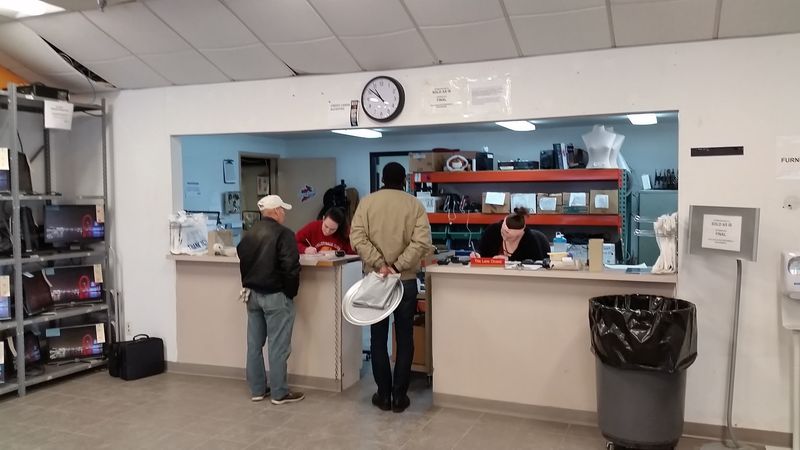
One day a week. That is the whole public schedule, and it shapes everything about how this place feels.
Doors open at 9 AM on Wednesdays and close at 3 PM. Six hours, then the building goes quiet again until the following week.
Early arrivals face a crowd of experienced shoppers who head straight for specific aisles. They know where the computers land and where the good chairs get staged.
Midday visits are calmer, though the strongest items are usually gone by then. Trade-offs exist either way.
Prices on unsold merchandise tend to drop as weeks pass, which rewards repeat trips. Something ignored in April might be irresistible in May.
A substantial portion of inventory turns over weekly, so returning is not a waste of time. Last week’s floor rarely looks like this week’s floor.
Parking is straightforward, and the loading area handles bigger purchases without drama. Staff is used to helping people wrestle awkward items into vehicles.
Treat it like a routine rather than a one-time errand. The people who score the best finds are simply the ones who keep showing up.
How Departments Get First Pick Before You Do
A small piece of behind-the-scenes knowledge explains a lot about what reaches the sales floor. Campus departments get first crack at everything.
When an item arrives, other university offices can claim it for their own use before the public ever sees it. That internal transfer saves budgets and cuts waste.
Only after departments pass does merchandise get priced and rolled out for Wednesday shoppers. The system is deliberate, not random.
That structure explains why certain categories feel picked over. If a dozen offices need monitors, monitors do not make it out front.
It also means the public sees genuinely surplus goods, the stuff nobody on campus could use anymore. Second life, third life, sometimes fourth.
Bigger lots and specialized equipment head to online government auction platforms instead, reaching buyers far beyond central Iowa.
Vehicles fall into that category too, listed publicly rather than parked out back waiting for a walk-in shopper.
Understanding the pipeline makes visits smarter. If you want unusual industrial items, watch the auction listings.
If you want furniture and everyday goods, show up in person.
The end result is a lot of property staying out of landfills, which is the entire reason the operation exists in the first place.