
This 300-Acre Tennessee Nature Center Has Red Wolves, Ten Miles Of Trails And Wild Landscapes
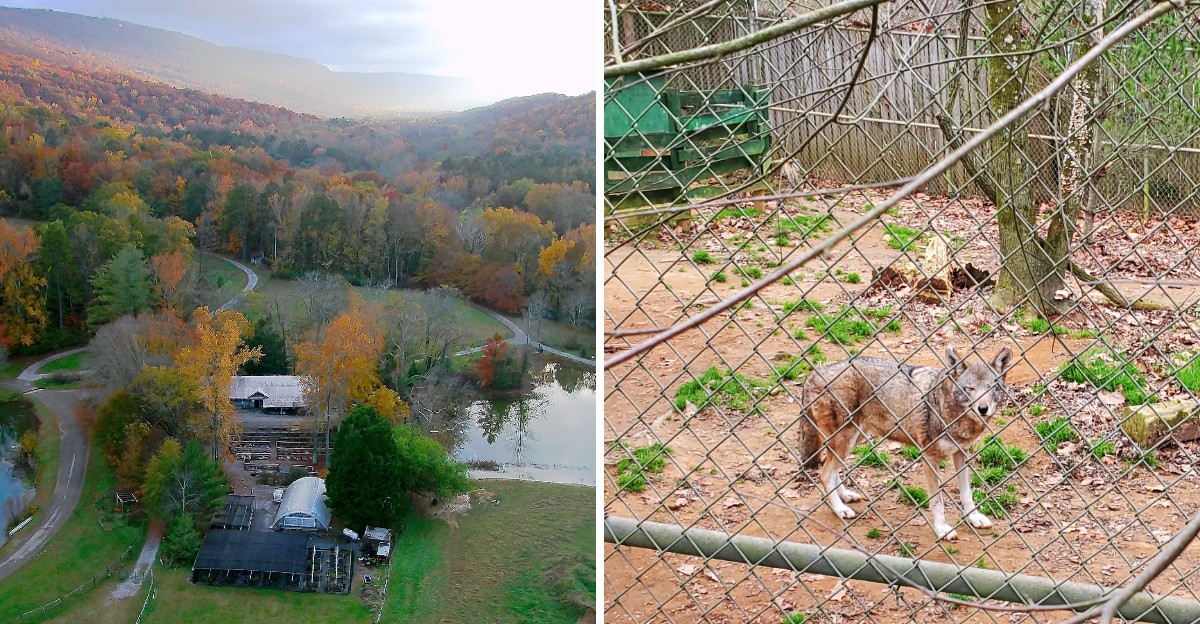
Red wolves are not something you expect to see during an ordinary afternoon walk.
That is exactly what makes this Tennessee nature center so memorable. Spread across 300 acres, the property blends wildlife encounters with forests, meadows, wetlands, and miles of trails that make it easy to spend far longer here than planned.
The red wolves draw plenty of attention, but they are only part of the experience. Native animals, quiet paths, creekside scenery, and changing landscapes give every section a different feel.
Ten miles of trails add even more room to wander, with routes that pass through shaded woods and open stretches beneath the mountains.
Tennessee is full of outdoor escapes, but this one combines wildlife and hiking in a way that feels especially rewarding.
Come for the wolves, stay for the trails, and expect the scenery to steal some of the attention too.
Ten Miles Of Trails That Fan Out Across The Valley
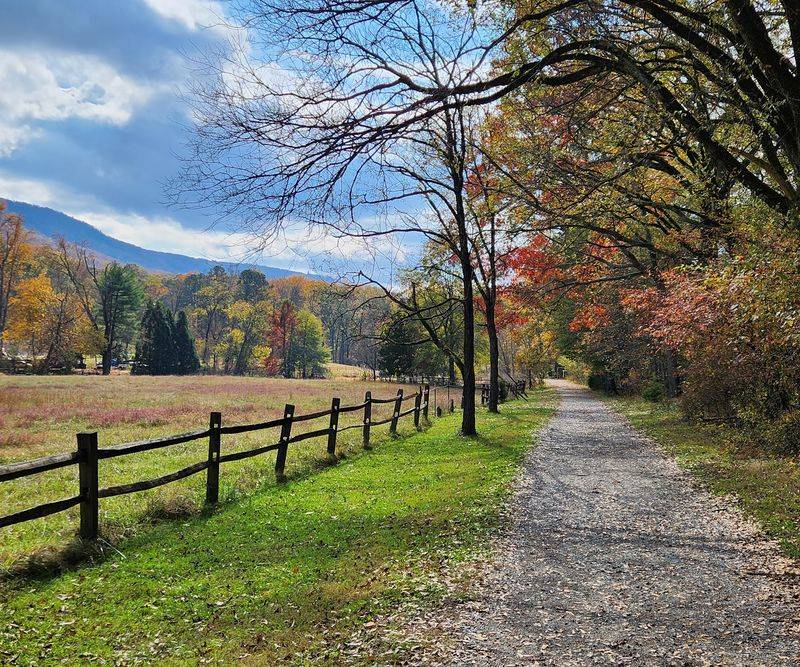
Ten to fifteen miles of trail sounds ambitious for 300 acres. The layout makes it work, folding paths through wetland, meadow and forest without ever feeling crowded.
The centerpiece is a wide gravel loop of about three miles, gentle enough for a stroller and smooth enough for a bike. Runners use it, families amble it, and the scenery shifts every few hundred yards.
For something longer, the 2.7-mile Profile Trail delivers a fuller tour of the property’s varied terrain. It threads past forest and open ground, giving a real sense of how many habitats fit into one valley.
Here is the part that surprises people. The trail network connects directly to National Park land, opening access to paths that climb toward the summit of Lookout Mountain.
That link plugs you into more than 40 miles of trails across the wider Lookout Mountain system. Skyuka Springs and the Lower Truck Trail branch off from there, and Sunset Rock sits within reach for strong hikers.
Trails are clearly marked, which makes route planning straightforward even on a first outing. Dogs are welcome, and bikes are allowed on the main loop.
Pack water and check the closing time. Gates follow posted hours, so build your mileage around them.
Red Wolves Howling At The Base Of Lookout Mountain
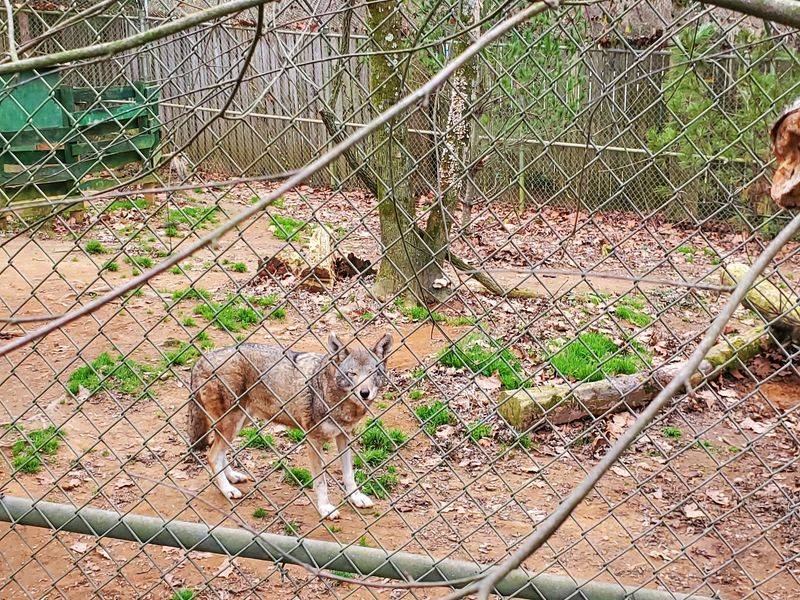
Fewer than 250 American red wolves exist anywhere on Earth. That statistic lands differently when one is standing twenty feet away, watching you back.
Six of these rare animals live at Reflection Riding Arboretum & Nature Center, part of the national American Red Wolf Species Survival Plan. More than 40 zoos and sanctuaries take part in that program, sharing the work of long-term care, planned breeding and public education.
The center has genuine success to show for it. Litters of pups arrived in 2007, 2011, 2016, 2020 and 2021, each one a small victory for a species with roughly 220 individuals in managed care nationwide.
Timing helps if you want the full experience. The wolves sometimes howl together, and the sound travels across the valley in a way no recording can match.
Guided talks at the native animal enclosures run on a set schedule, and staff share detailed history about reintroduction efforts in the wild. Questions are welcome, and the answers tend to be specific rather than rehearsed.
These wolves cannot be released, so they serve as ambassadors instead. Their job, in a sense, is to make people care about an animal most will never see otherwise.
Bring binoculars. The enclosures are spacious and wooded, which is good for the wolves and occasionally a challenge for photographers.
Five Biomes Packed Into One Remarkable Property
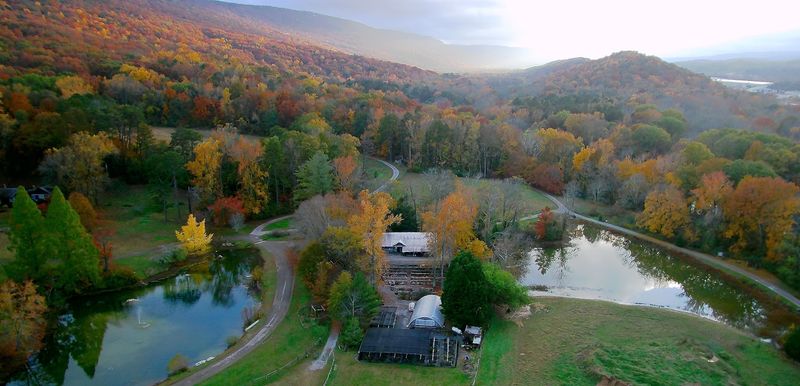
Biologists describe this corner of Tennessee as one of the most biodiverse regions in all of North America. The land here proves the point without needing a lecture.
Five distinct biomes sit within the boundaries, from seasonal wetland to grassland to mature hardwood forest. Hundreds of animal species move between them, some year-round and some passing through on migration.
Plant life is the real headline. More than 1,000 species of flora grow across the acreage, including over 150 identified tree species.
That collection earned a formal designation. Reflection Riding holds Level IV arboretum status, the highest tier awarded in Tennessee, which means an extensive catalog of labeled, documented trees.
Walking the property, the transitions are easy to notice. Shaded forest gives way to sunlit glade, then to a wildflower meadow humming with pollinators in spring and early summer.
Sensory gardens invite touching and smelling rather than just looking. An apple orchard and several historic structures add layers of human history to the natural ones.
Spring brings the showiest blooms, and guided wildflower walks make identification far easier. Early fall offers cooler air and a different palette.
Come with a field guide or a plant identification app. The labeled trees turn a casual walk into an education you did not plan on.
Paddling A Mile Of Lookout Creek
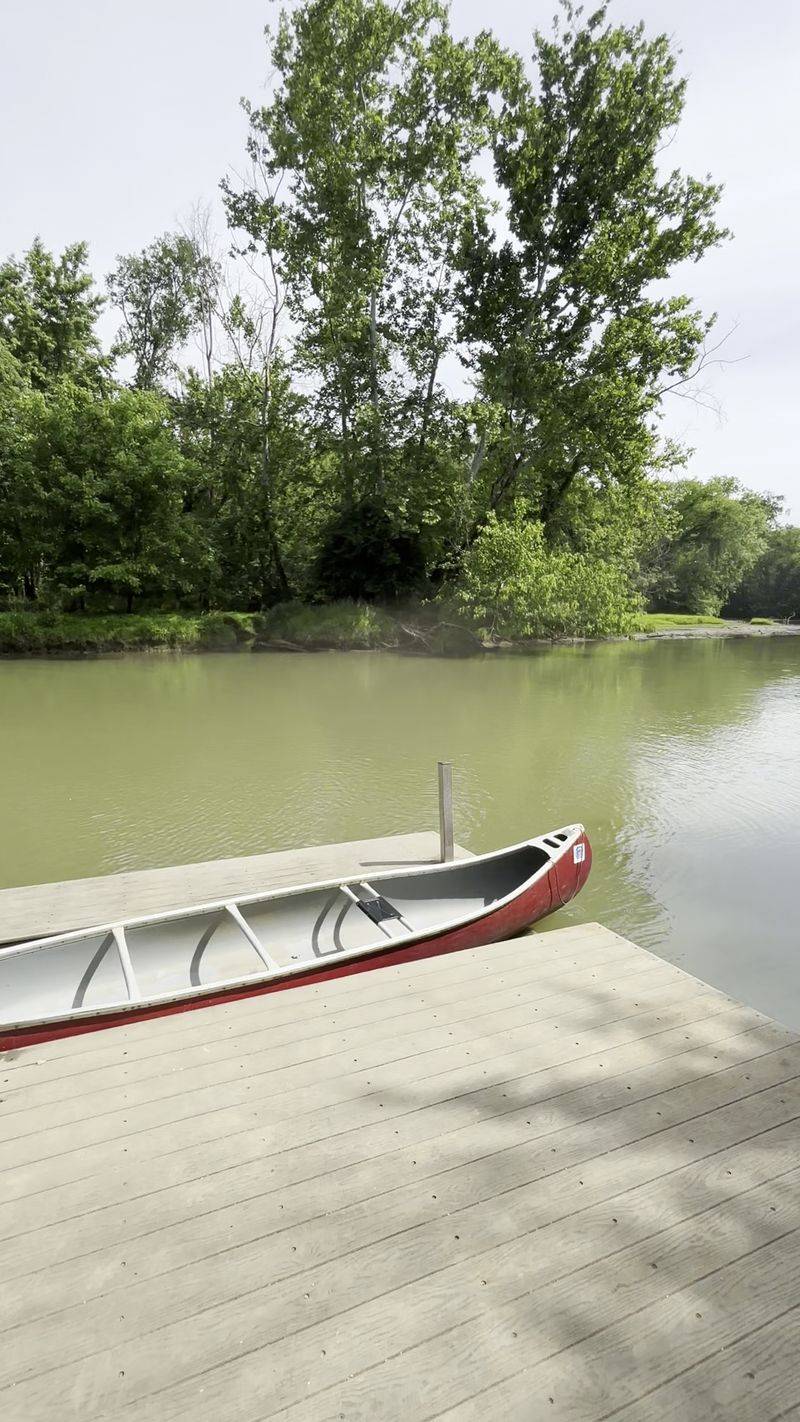
Water changes everything. Drop a canoe into Lookout Creek and the same landscape you just hiked looks like a different place entirely.
The property stretches along a full mile of this creek, giving paddlers a quiet stretch with overhanging branches and mirror-smooth surfaces on calm mornings. Herons, turtles and songbirds tend to appear once you stop paddling and drift.
Bring your own canoe or kayak if you have one. The center also rents canoes, which removes the logistics headache for anyone traveling light.
Access is a short walk from the main area, and the launch is straightforward. This is flat water, not whitewater, so beginners handle it comfortably with basic instruction.
Paddling also opens sightlines you cannot get from shore. Wetland edges, root systems and nesting spots sit at eye level from a boat.
Families with children often pair a short paddle with time on the trails. An hour on the water is plenty for younger kids before attention drifts.
Members find the canoe access especially worthwhile, since repeat outings add up quickly. For anyone living nearby, that math tilts fast toward joining.
A Discovery Treehouse That Steals The Show
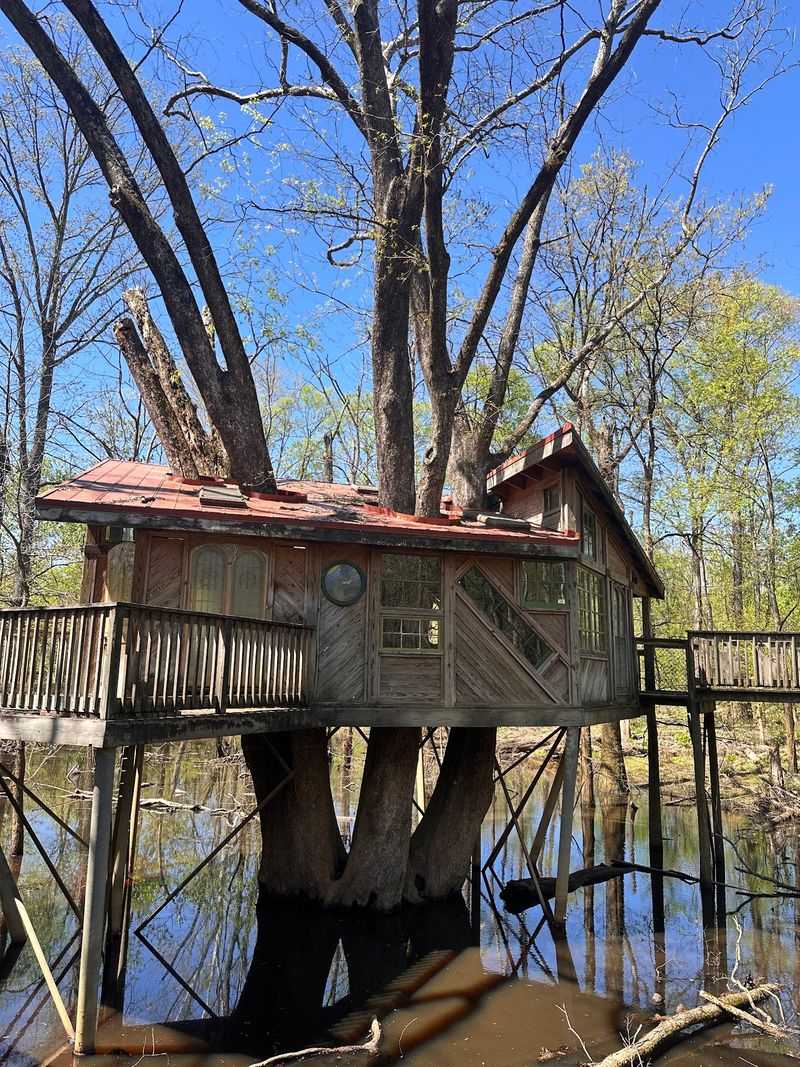
Ask a kid what they remember most and the answer is rarely the trail map. It is the treehouse.
The Discovery Treehouse sits among the hardwoods and functions as a climbing, exploring, imagination-stretching destination in its own right. Adults climb it too, usually while pretending they are just supervising.
Getting there involves a short, easy walk from the parking area. That makes it an excellent first stop for families with small children who need a reward before a longer hike.
Nature play areas scatter across the grounds as well, encouraging the kind of unstructured outdoor time that has become surprisingly rare. Nobody hands out instructions, which is rather the point.
Picnic spots sit nearby with outdoor seating, so a packed lunch turns the outing into a half-day easily. Bring a blanket if you prefer the grass.
Views from the treehouse deck take in the surrounding canopy and the mountain rising beyond. Autumn color makes the climb especially worthwhile.
Horses graze in nearby fields, and small children reliably lose interest in everything else the moment they spot them. Consider it part of the itinerary.
Address for the GPS is 400 Garden Road, Chattanooga, just past the Ruby Falls turnoff. Parking is ample and rarely a problem.
Native Animal Encounters Beyond The Wolves
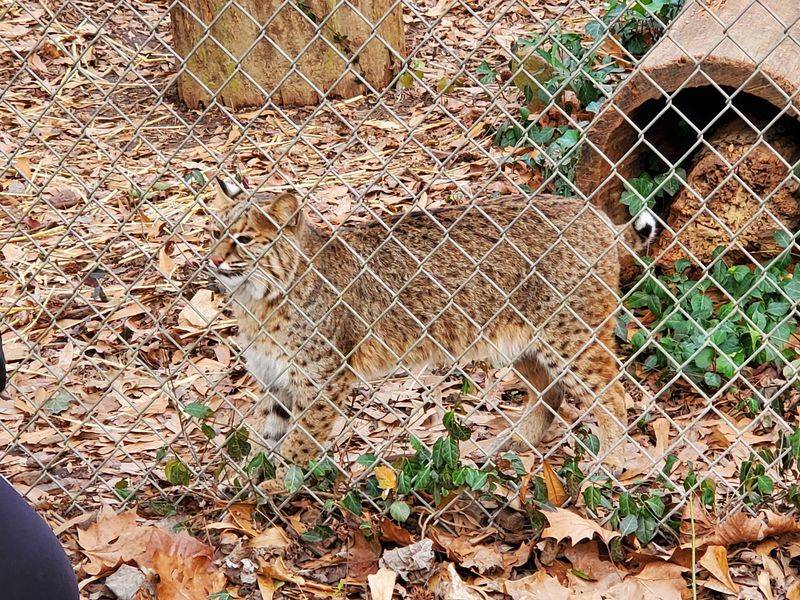
Red wolves get the headlines, but they share the enclosures with some serious company. An American bald eagle, a bobcat and sandhill cranes all call this place home.
Every animal in the native wildlife area is non-releasable, meaning they cannot survive on their own in the wild. Instead of vanishing, they became teachers.
Guided talks run through the enclosures with staff who know each animal individually. Behavior, diet, conservation status and rehabilitation history all come up, and the detail goes well beyond a placard.
Inside the Nature Center building, exhibits cover nesting birds, red wolves and other regional wildlife. A small display of local reptiles and amphibians usually draws a crowd of fascinated children.
Unusual programs appear on the calendar too. A vulture walk lets you stroll alongside a black vulture and its handler, which is far more charming than it sounds.
Bird enthusiasts should arrive early. Songbird activity along the main loop peaks in the morning, and the variety catches many people off guard.
Programs at Reflection Riding Arboretum & Nature Center run on weekends and select weekdays, with schedules posted online. Checking before you drive out is the smart move.
Talks typically last an hour or more. Wear comfortable shoes, since you will be standing and walking between enclosures.
The Blue Heron Boardwalk And Accessible Exploring
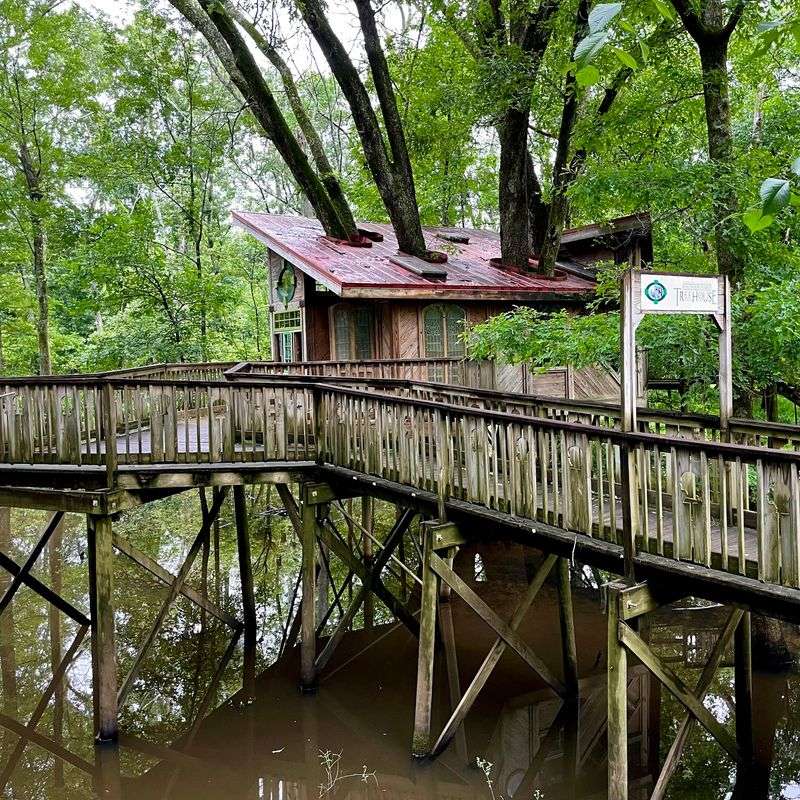
Wetlands are notoriously hard to experience up close. Wet shoes, soft ground, and no clear path make most people admire them from a distance.
The Blue Heron Boardwalk solves that problem elegantly. Built to ADA-accessible standards, it carries you straight through the middle of seasonal wetlands on firm, level footing.
What you see from up there changes with the calendar. Spring brings amphibian activity and fresh growth, while late summer thickens the vegetation into a green wall.
Wading birds work the shallows, and patient watchers spot far more than casual strollers. Standing still for five minutes usually rewards you.
Accessibility extends beyond the boardwalk. Many areas of the property are ADA accessible, and the wide gravel loop handles wheelchairs and strollers well.
Driving portions of the grounds is also possible, which opens the landscape to those who cannot manage long distances on foot. The gravel roads are well maintained.
Leashed dogs are welcome throughout, making this an easy outing when the whole household wants to come along. Waste bags are your responsibility.
Hours run Tuesday through Saturday, 9 AM to 4 PM, with Sunday and Monday closed. A suggested donation supports the nonprofit work, and every dollar goes toward animal care and land restoration.
Restoration Work, Native Plants And A Name With A Story

Start with the name, because it puzzles nearly everyone. Riding comes from an old English term for a landscape designed so that views unfold gradually as you travel through it.
John and Margaret Chambliss incorporated the organization in 1956 with a plan to study and conserve native plant life. In 2011, the arboretum merged with the Chattanooga Nature Center to form what exists today.
Conservation is not decorative here. Staff and volunteers pull invasive species, plant natives and rebuild degraded habitat across the property.
Several projects are worth knowing about. A Mother Garden supplies native seed for collection, Gum Spring Creek is undergoing streambank restoration, and Monarch Waystations support pollinators along migration routes.
American chestnuts get special attention through a national backcross breeding program, aimed at restoring the tree with disease-resistant hybrids. Watching that work in progress is genuinely moving.
The native plant nursery is open to the public, and you can take the mission home with you. Smaller plants start around ten dollars, with larger stock running higher.
Lifelong Learning classes cover gardening, photography and more, while forest kindergarten and homeschool programs use the land as a classroom. Volunteer days welcome extra hands.
Future plans include canopy walks over restored wetlands. Tennessee gains something every year this place grows.