
New Mexico’s Quiet Town With Fresh Air, Few Crowds, And A Slower Pace Of Life
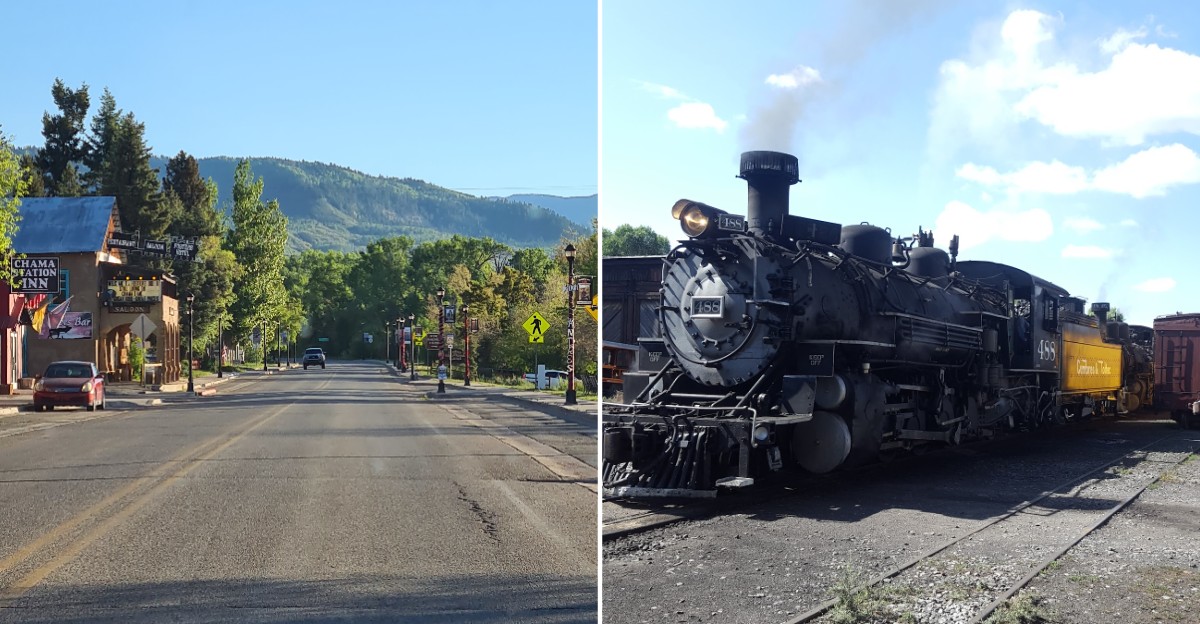
Sometimes fresh air, fewer people, and a slower pace of life are exactly what we’ve been searching for all along. So little, yet somehow so much.
This New Mexico town offers all of that without much effort required to find it. Streets stay quiet, without the traffic or congestion bigger cities tend to bring.
Nature surrounds most of the town, offering easy access to hiking, fishing, and open space. Communities here feel close-knit, the kind where neighbors actually know each other by name.
Housing costs stay reasonable compared to busier states nearby, making the slower pace even more appealing. Local businesses reflect that same unhurried rhythm, without the rush bigger cities tend to demand.
This town proved that peace and simplicity can still define everyday life.
A Mountain Village That Sits High Above The Desert
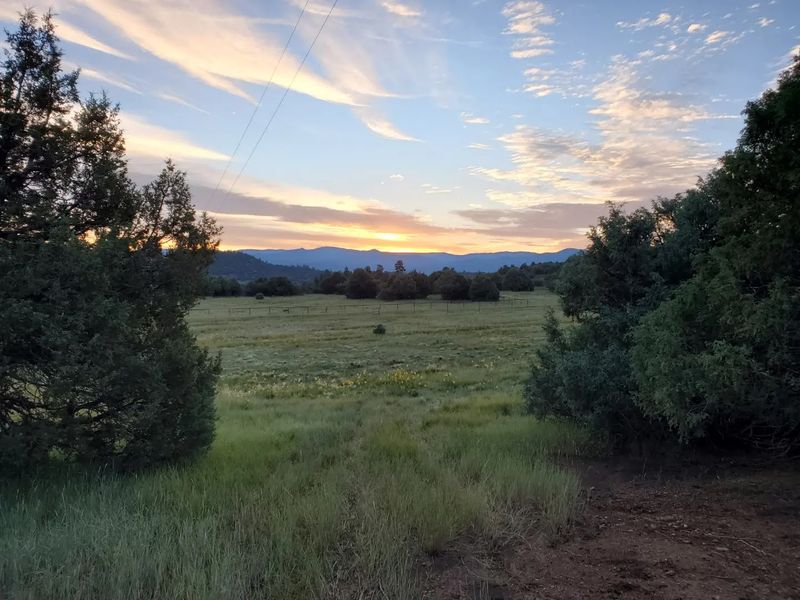
Most people picture New Mexico as red rock and sand. Chama flips that idea completely.
Sitting between roughly 7,800 and 7,860 feet up in the Southern Rockies, the village is ringed by a national forest packed with aspen, spruce, and ponderosa pine. The temperature difference alone is startling compared to the southern part of the state.
Air quality here stays in the acceptable range most of the year, which makes hiking, biking, and just sitting outside genuinely pleasant. Lungs notice the change fast.
So does anyone used to city smog.
The population sat at 917 people in the 2020 census, and that number tells you almost everything about the atmosphere. There is no rush hour.
There is no line for anything.
Elk, deer, bear, fox, and bald eagles all move through the surrounding landscape, sometimes closer to town than you would expect. Wildlife sightings are not a special event here; they are a Tuesday.
Views open up in every direction, with mountain ridges stacking behind each other toward Colorado. Fall turns the aspens into a wall of gold that photographs never quite capture.
Winter buries the whole valley in snow and quiets things even further. Summer brings cool nights that make sleeping easy without air conditioning.
You will find the village in New Mexico 87520, USA, roughly seven miles south of the Colorado state line.
The Steam Train That Still Runs Through Town
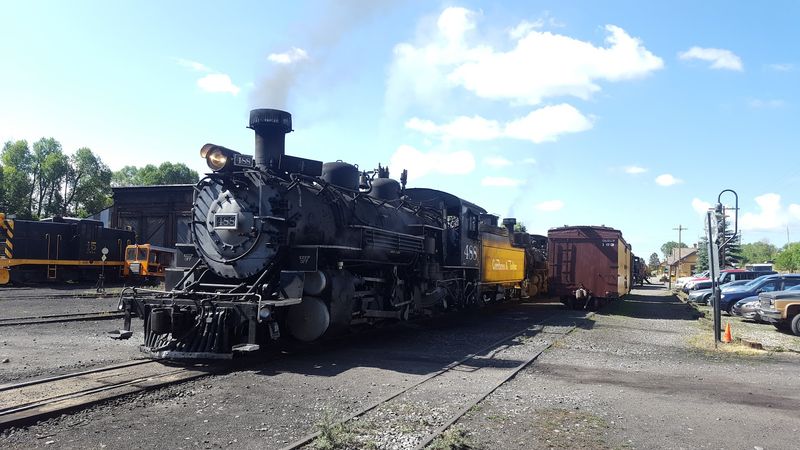
Coal smoke, a whistle blast, and a cloud of steam rolling over the rooftops. That is a normal morning during the operating season.
The Cumbres & Toltec Scenic Railroad is the longest and highest narrow-gauge railroad in the United States, and its Chama depot is where much of the action starts. Crews still work the yard the old-fashioned way.
Calling it a tourist ride undersells it. The route carries designations as a National and State Registered Historic Site, plus recognition as a National Civil Engineering Landmark.
Trains climb through rugged canyon country, cross high trestles, and wind past terrain no highway reaches. Passengers get scenery that feels borrowed from a movie set.
The season runs from Memorial Day weekend through mid-October, which means autumn riders catch the aspens at their loudest yellow. Those October trips are the ones photographers plan their whole year around.
Around the depot, you can watch the locomotives being serviced and loaded, and the machinery is enormous up close. Kids tend to lose their minds a little.
Even people who have zero interest in trains walk away impressed by the engineering. Keeping century-old steam equipment running takes great skill.
Find the depot at 500 South Terrace Avenue, Chama, New Mexico 87520.
Heron Lake State Park And Its No Wake Rule
Here is a rule that changes everything about a lake. Boats at Heron Lake State Park must stay at no-wake speeds.
That single regulation earned it the nickname of a quiet lake, and the result is water that stays glassy instead of churned up by engines. Sailboats glide.
Kayaks and paddleboards actually stand a chance.
Fishing is a big draw, and so is camping along the shoreline under the pines. The soundtrack leans heavily toward wind and birds.
Wildlife watching adds another layer, with mountain lions, black bears, deer, and bald eagles all documented in the area. Bring binoculars and some patience.
El Vado Lake State Park sits nearby and offers its own set of outdoor options. A 5.5-mile trail connects the two parks, and it works for both casual walkers and people who hike seriously.
Cold months bring a different crowd entirely. El Vado becomes a spot for snowshoeing, sledding, cross-country skiing, and ice fishing once the temperatures drop.
Both parks sit a short drive south of the village, close enough for a day trip but far enough to feel remote. Cell service gets spotty, which honestly helps.
Anyone tired of crowded reservoirs will appreciate how much space there is to spread out.
Elk Herds And The Edward Sargent Wildlife Area
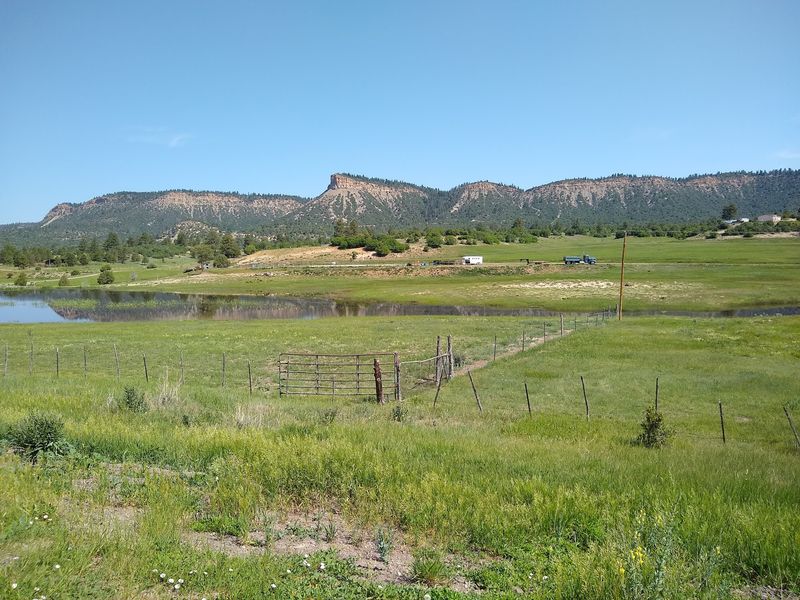
Elk outnumber people around here during certain seasons, and nobody seems bothered by it. The Edward Sargent Wildlife Management Area is where that becomes obvious.
Located just north of the village and stretching up into Colorado, the area covers a large expanse of public land. Meadows, creeks, and timbered ridges make up most of it.
Elk and deer are the headline residents, and dawn or dusk gives the best odds of seeing them in real numbers. Bulls bugling in fall is a sound worth driving for.
Access allows fishing, hiking, biking, camping, and horseback riding, so the land gets used in plenty of ways. Riders especially love the open meadow stretches.
Patience pays off more than fancy gear. A folding chair, binoculars, and a willingness to sit still will show you more than any amount of walking around.
Photographers should keep a long lens handy and keep a respectful distance. Wild animals are unpredictable, and elk are much bigger than they look in photos.
Mornings run cold up here even in summer, so layers matter. Afternoon storms roll in fast during monsoon season.
What makes the place special is how little infrastructure there is. No gift shops, no parking battles, just open country and whatever wanders across it.
Trails That Wander Through Towering Pines
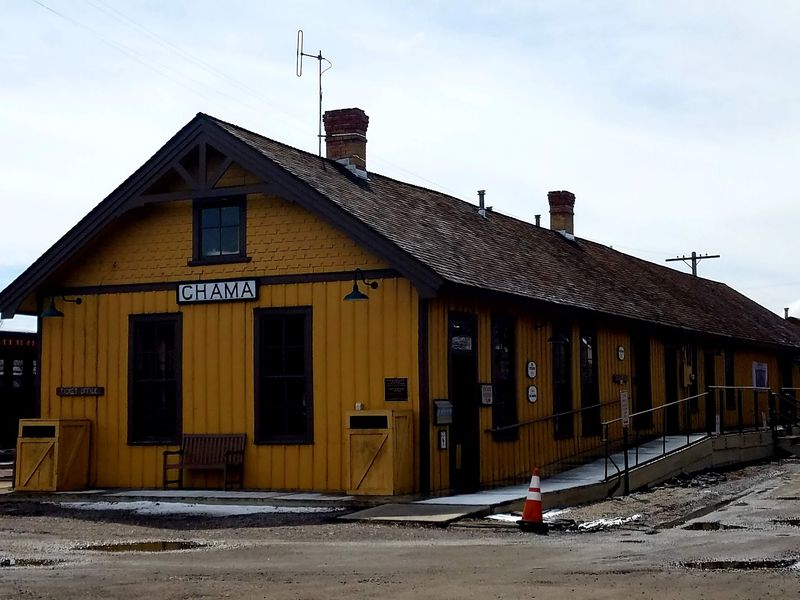
Some towns have one famous trail and a parking lot to match. Chama has a whole network and hardly anyone on it.
Sections of the Continental Divide Trail pass through the region, pulling in long-distance hikers and mountain bikers who want real elevation. Thru-hikers resupply here and then vanish back into the mountains.
The Duck Lake Trail stretches roughly 6.8 miles and rates as moderately challenging for hiking, walking, or running. It stays notably uncrowded, which is half the appeal.
For something gentler, the Elk Interpretive Trail runs under a mile and suits families or anyone easing into the altitude. Shade is limited, so a hat and water are non-negotiable.
Over by Heron Lake, the East Meadow Trail and Salmon Run Trail add more options without requiring a big commitment. Both work well for shorter outings.
Altitude deserves respect on every one of these routes. Sitting near 7,800 feet means even easy trails feel harder than the map suggests.
Wildflowers peak in summer, and aspen leaves take over the show in late September and early October. Trail conditions change fast after rain.
Leave early, tell someone your plan, and enjoy the strange luxury of a mountain trail all to yourself. That kind of solitude is getting rare.
How The Railroad Built The Whole Town
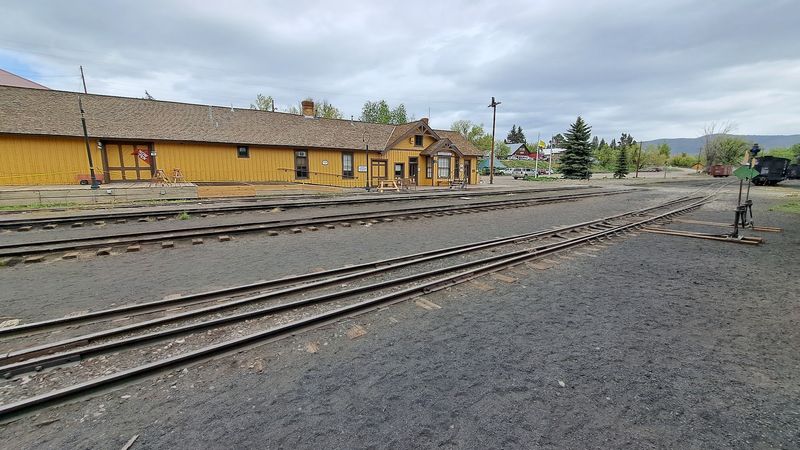
Around 1880 and 1881, the Denver and Rio Grande Railroad pushed its San Juan extension through this valley. Everything about the village traces back to that decision.
Almost overnight, Chama turned into a boomtown. Tracks meant freight, freight meant jobs, and jobs meant people arriving from all directions.
Logging crews, miners, and ranchers filled the place up. The mix was lively and occasionally rowdy, with gambling houses and a reputation that matched.
Timber moved out by rail, supplies moved in, and the village became a working hub rather than a quiet retreat. That industrial energy lasted for decades.
Boomtown days eventually faded, as they always do. What stayed behind was the layout, the old buildings, and a stubborn connection to the rails.
Tourism now carries a big share of the local economy, much of it thanks to the surviving railroad. History here is not preserved behind glass; it still runs on coal.
Walking around the older parts of the village, the railroad influence is easy to read in the street patterns and building placement. Everything points toward the tracks.
That backstory explains why a village of fewer than a thousand people has a landmark-grade railroad. Chama was built for work, and the work left a monument behind.
Festivals That Bring The Valley Together
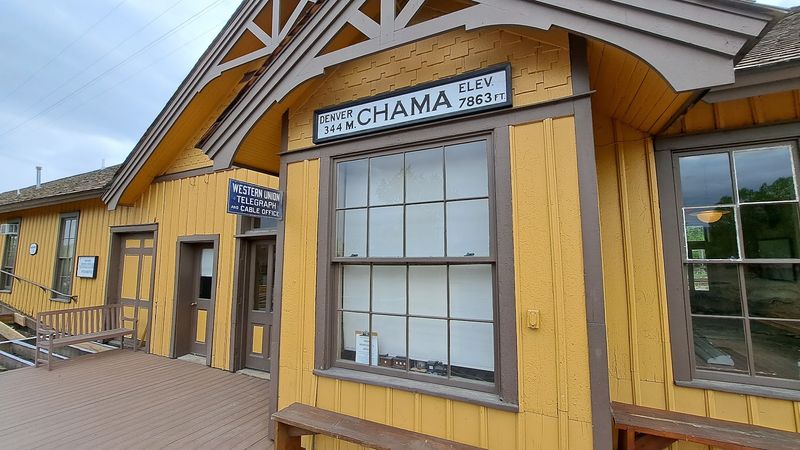
A village this small throws better parties than you would guess. The calendar fills up fast once summer arrives.
Fourth of July means fireworks over the mountains, and the Cumbres & Toltec Scenic Railroad sometimes runs a special evening train so passengers can watch from the tracks. Hard to beat that seating arrangement.
Chama Days lands on the second weekend of August and functions as the big annual blowout. A softball tournament, family rodeo, dances, and a parade fill the schedule.
Labor Day weekend belongs to the Chama Valley Studio Tour, also called the Chama Valley Art Festival. Artists from New Mexico and Colorado show their work, and some open their studios to visitors.
Seeing where a painting or a piece of pottery actually gets made changes how you look at it. Conversations with the makers are part of the draw.
Winter brings Christmas in the Mountains, complete with horse carriage rides, a festive market, and a tree lighting. Snow on the ground makes the whole thing feel storybook-ish.
Lodging fills up during these weekends, so planning helps. The rest of the year, finding a room is rarely a problem.
Events here run on community effort rather than corporate sponsorship, and the difference shows in the friendliness.
The Culture And Character Of The Chama Valley
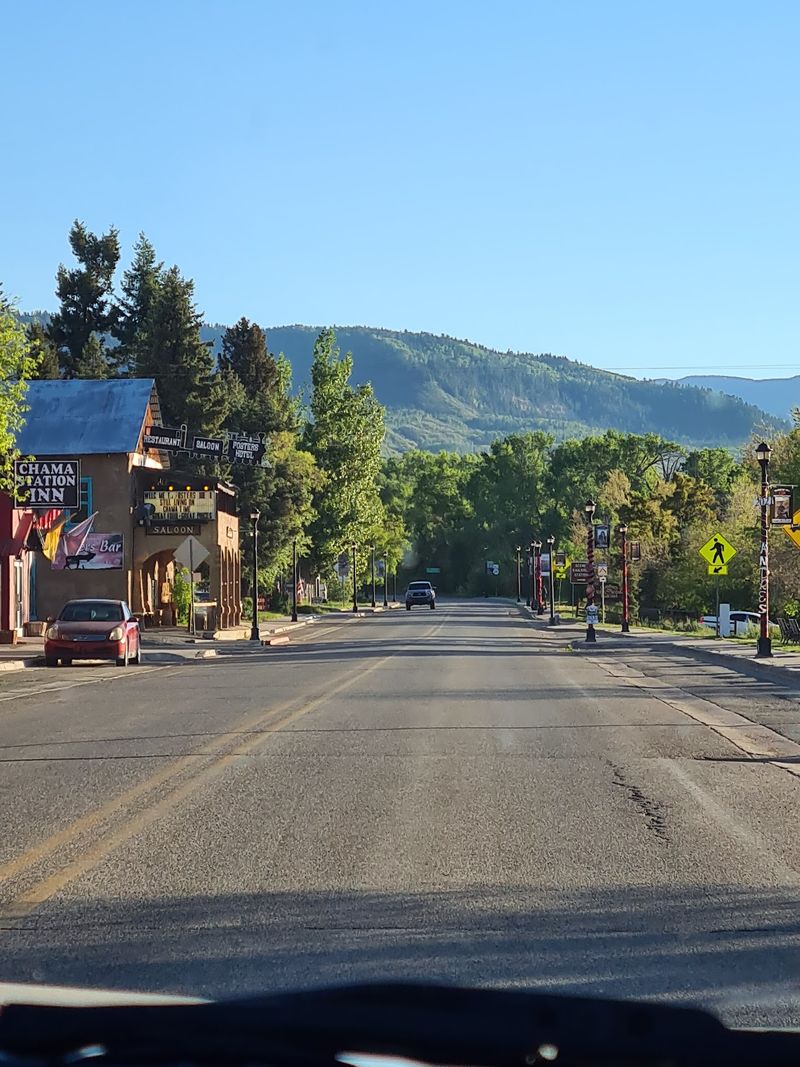
Listen around a shop or cafe here, and you might catch English, Spanish, and Native languages in the same room. The valley has always been a blend.
With fewer than 1,000 residents, everyone tends to know everyone, and that changes the way the village operates. Familiarity replaces formality.
Pride in the land runs deep, passed down through ranching families and long-standing traditions. People talk about the mountains like relatives.
Conversations often turn toward the environment and local politics, which makes sense when your livelihood depends on water, weather, and open country. Opinions are plentiful and freely shared.
The pace stays deliberately slow. Nobody is honking, nobody is rushing, and schedules bend around the weather more than the clock.
Visitors who arrive expecting resort-town polish may be surprised. What the village offers instead is authenticity, which is much harder to manufacture.
Small cafes and local shops carry the day-to-day rhythm, and stopping in for a meal or a chat is how you actually get a feel for the place. Rushing through defeats the purpose.
Seven miles from Colorado, surrounded by national forest and wildlife, this is a community that chose quiet on purpose. That choice is exactly why people keep coming back, and why some of them never leave.