
10 Massachusetts Towns Where Black Bears Have Been Spotted In 2026
Seeing a black bear near your neighborhood is the kind of moment that makes everyone stop talking for a second. In 2026, Massachusetts residents have reported bears in towns where sightings still feel unusual enough to get plenty of attention.
The animals have been turning up near roads, backyards, wooded edges, and even busy residential areas.
Several reports came well beyond the parts of Massachusetts long associated with regular bear activity, which makes the recent sightings especially interesting.
Black bears are adaptable, and younger animals can travel surprising distances while searching for food and new territory. That means a quick sighting in one town may be part of a much bigger movement across the region.
These Massachusetts communities all had documented bear activity during 2026. A few sightings lasted only minutes, while others led to police warnings, wildlife responses, or plenty of startled neighbors watching carefully through their windows.
1. Worcester
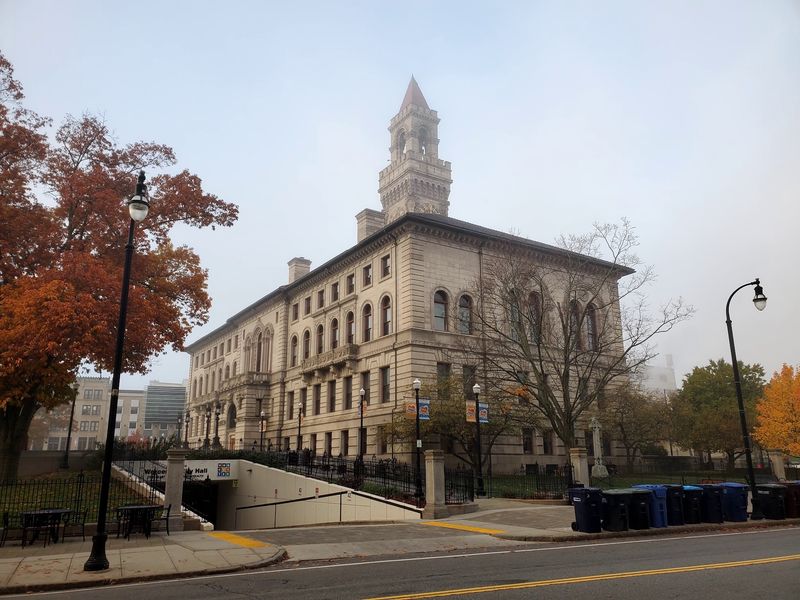
Few cities expect a bear to show up between a high school and a hilltop park. Worcester got exactly that on May 28, 2026.
The animal was first seen near Newton Hill before drifting toward the Abbott Street area. As word spread, more reports rolled in from nearby streets.
Video caught the young bear crossing a road and scaling a retaining wall close to Doherty High School. Watching a bear climb a wall like a furry gymnast is not a normal school-day sight.
Another resident spotted the visitor lounging in a backyard on Clement Street. That single sighting turned an ordinary Thursday into neighborhood news.
Massachusetts Environmental Police followed the situation closely. They confirmed the animal was a juvenile, and it eventually made its own way back into wooded cover.
The takeaway for city dwellers is simple. Bears follow food and green space, and Worcester has plenty of both thanks to its parks and tree-lined hills.
If a bear ever wanders through your street, give it room and go indoors. Bring bird feeders inside, secure trash barrels, and never try to snap a close-up selfie.
Worcester handled the excitement well, with officials letting the bear leave naturally instead of forcing a chase. Sometimes the best wildlife plan is patience.
It was a reminder that even the second-largest city in the state shares space with wild neighbors.
2. Shrewsbury
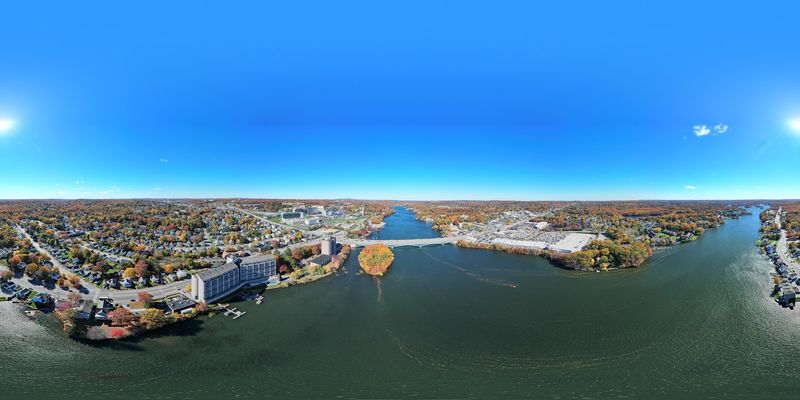
Sunday errands took an unusual turn in Shrewsbury on May 10, 2026. A young black bear decided to tour some of the busiest stretches of town.
The first report came from a passerby near Fire Station No. 3 on Centech Boulevard. Not a bad choice, since firefighters are used to handling surprises.
Later that same day, the bear turned up near the 1000 Boston Turnpike Plaza. Shopping centers rarely feature wildlife in their parking lots.
Shrewsbury fire and police teamed up with Massachusetts Environmental Police to keep everyone safe. The bear was tranquilized on Walnut Street, between Route 9 and Route 20.
From there it was relocated to a rural area with far fewer traffic lights. Officials believed the animal was a young bear naturally separating from its mother.
That detail matters. Spring is when yearling bears strike out on their own, and they often stumble into towns while searching for territory.
For residents, the lesson is to stay alert during late spring and early summer. Keep pets leashed and avoid leaving food scraps outside.
The coordinated response here showed how well local departments and state wildlife staff can work together. Nobody panicked, and the bear got a second chance in better habitat.
Shrewsbury now has a story that beats any ordinary weekend errand run.
3. Bourne
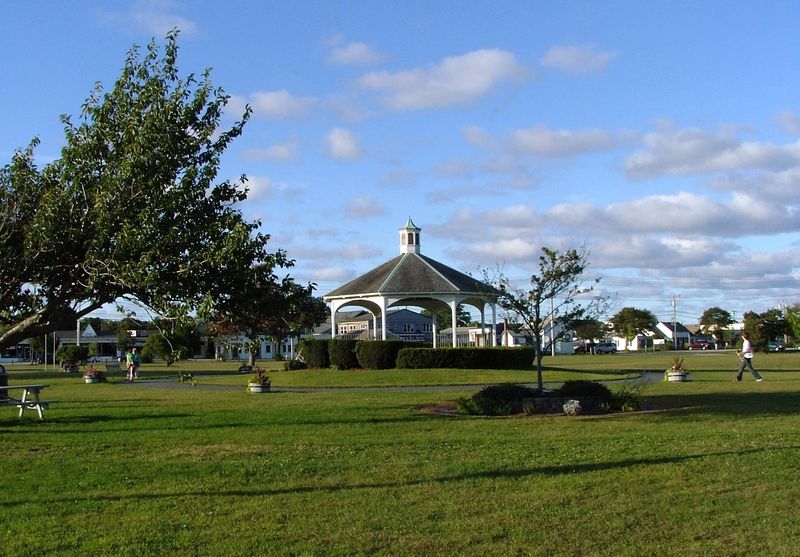
Cape Cod gets plenty of summer visitors, but very few arrive on four paws. In July 2026, Bourne became the center of a bear watch.
Police and the Department of Natural Resources tracked reports of a black bear roaming the Buzzards Bay area. Updates came quickly as people called in what they saw.
On the morning of July 12, around 7:30, the bear wandered into Bourne Scenic Park. Campers there expected seagulls, not a bear strolling by the tents.
Because the animal was so close to a populated spot, Massachusetts Environmental Police chose to sedate it. The bear was then relocated somewhere safer for both people and wildlife.
Officials described it as a young bear, and it was caught on the mainland side of Bourne. That geography detail sparked plenty of local conversation about bears and bridges.
Bears are strong swimmers and long-distance travelers, which is how they end up in surprising places. A young one covering dozens of miles is not unusual at all.
Campers and beachgoers can help by storing coolers properly and cleaning grills after use. Food smells travel farther than most people realize.
Bourne handled the morning smoothly, with calm updates instead of alarm. The bear got a quieter address, and the park returned to normal routines.
4. Brockton
Parks usually close for storms or repairs, not for bears. Brockton broke that pattern in the summer of 2026.
Around late June and early July, a bear sighting led officials to temporarily shut down DW Field Park. The Brockton side of the park was coned off while crews monitored the situation.
Runners and cyclists who use those loops daily had to find another route. It is a strange feeling to reroute your workout because of a bear.
Reports continued in the following days, with a black bear traveling through the city before July 10 and again around July 13. The animal seemed to be passing through rather than settling in.
DW Field Park offers ponds, woods, and plenty of cover, which makes it appealing to a traveling bear. Green corridors like that act as natural highways through built-up areas.
City residents were asked to stay aware and avoid approaching the animal. Keeping distance is the single most helpful thing anyone can do.
Massachusetts has seen bear range expand eastward over recent decades, so southeastern towns are now part of the map. Brockton fits squarely into that shift.
The park reopened once the bear moved along, and the story became a favorite local topic. Not every summer brings a bear detour through the neighborhood.
5. Stoughton
Quiet towns sometimes get the loudest surprises. Stoughton joined the 2026 bear conversation in early July.
A black bear was reported there in the days just before July 7. The news spread fast in a community where wildlife usually means turkeys and deer.
What made the report interesting was the uncertainty. Officials could not say for sure if it was the same bear seen in nearby Norton around the same time.
Bears can cover long distances in a single night, so overlapping sightings often involve one traveling animal. Tracking a single bear across multiple towns is tricky without tags or collars.
Stoughton sits in a stretch of southeastern Massachusetts with woodlands, wetlands, and connected open space. Those features make quiet travel routes for wandering wildlife.
Residents were encouraged to secure trash and take down bird feeders during the warm months. Easy food sources are what turn a passing bear into a repeat visitor.
It also helps to keep grills clean and compost contained. Small habits make a big difference.
No dramatic encounters were reported, which is exactly the outcome everyone wants. A bear passing through without incident is a success story.
Stoughton neighbors got a memorable talking point and a practical reminder that wild animals share the landscape.
6. Norton
Police departments post about traffic and lost pets. In July 2026, Norton posted about a bear.
The department announced a black bear sighting on Plain Street near Burt Street on a Monday. That kind of update tends to get shared very quickly.
The report was part of a noticeable rise in bear activity across southeastern Massachusetts. Authorities pointed to a significant increase during the week before July 7.
Several towns in the region were reporting sightings at nearly the same time. It is likely that one or two young bears were covering serious ground.
Norton offers a mix of neighborhoods, farmland, and forest, which gives a traveling bear both cover and food options. Bears prefer edges where woods meet open land.
Officials asked residents to report sightings rather than follow the animal. Giving a bear a clear escape path keeps the situation calm.
Simple prevention works well here. Store garbage in closed containers, feed pets indoors, and clear fallen fruit from yards.
Curiosity is natural, but crowds make bears nervous and unpredictable. Watching from a window beats standing in the street with a camera.
Norton handled its moment in the spotlight with straightforward communication. Clear information helped people stay safe and still enjoy the excitement of a rare visitor.
7. Middleborough
Cranberry country had an unexpected guest in July 2026. Middleborough reported a black bear moving through town.
Sightings came in before July 10 and again around July 13. The timing lined up neatly with reports in neighboring communities.
Officials suspected it could be the same bear later seen in Wareham. Connecting the dots between towns became a bit of a regional puzzle.
Middleborough has wide stretches of woods, bogs, and open land, which suit a bear on the move. Those quiet corridors let animals travel with little attention.
The town is also one of the larger communities by land area in Massachusetts, giving a bear plenty of room to roam. Room to roam is exactly what a young bear wants.
Residents were reminded to keep food sources locked away. Trash barrels, pet bowls, and bird feeders top the list of bear magnets.
Farmers and property owners were also advised to check for damage and report any repeat visits. Early reporting helps wildlife officials respond appropriately.
No confrontations were reported, and the animal continued along its route. Bears traveling through rarely want anything to do with people.
For a town known for bogs and history, adding a bear sighting to the summer calendar made for a memorable season. Plenty of phones were kept charged that week.
8. Wareham
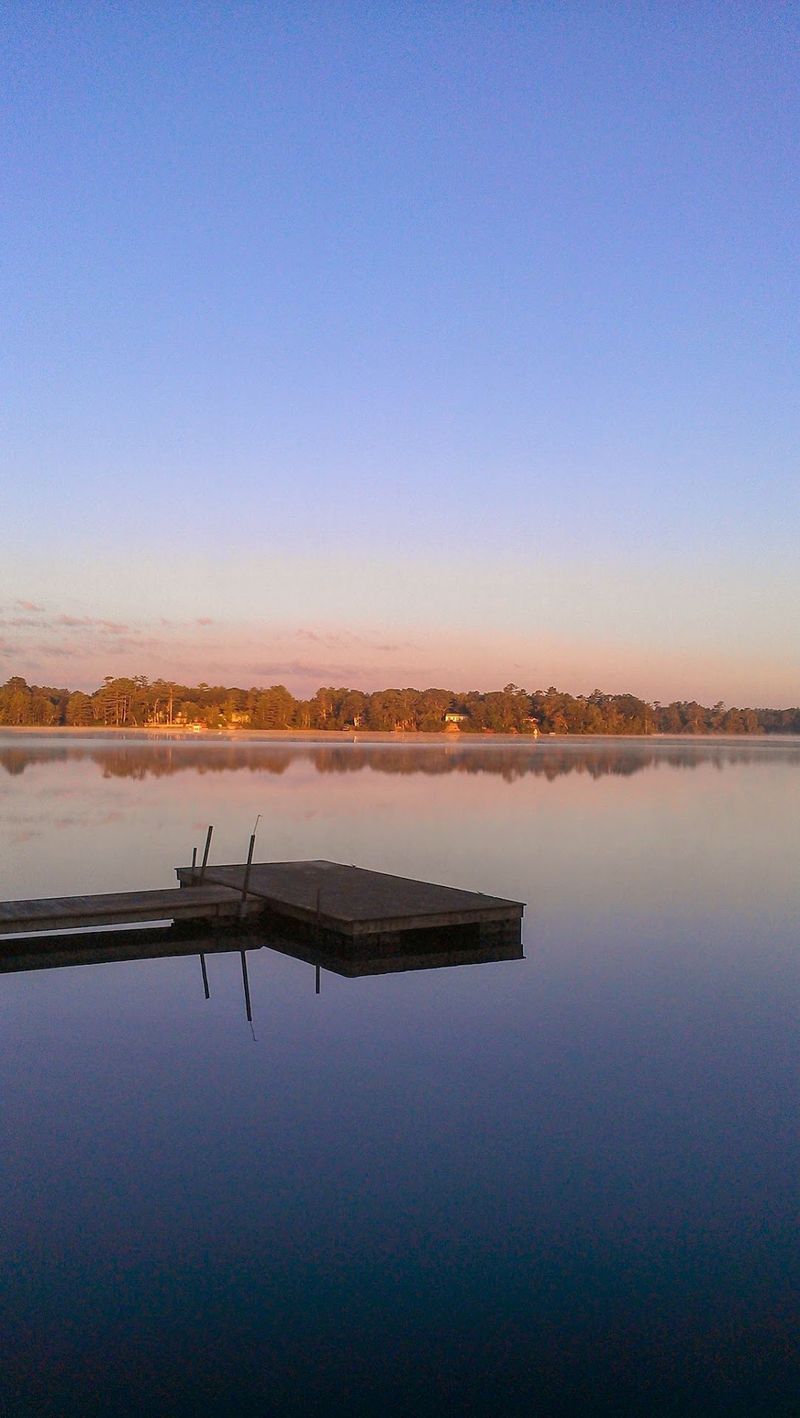
A photo posted online can turn a quiet Friday into a town-wide buzz. That is what happened in Wareham on July 10, 2026.
A black bear was spotted that morning in the Tihonet Road area. The Department of Natural Resources shared a picture on its Facebook page.
The Director of Natural Resources suggested it might be the same bear that had recently passed through Brockton and Middleborough. One determined traveler, three towns, and a lot of shared posts.
The department also caught a bear on camera in Wareham on a Friday morning before July 13. Photo evidence helped confirm what people were reporting.
Tihonet Road runs through woods and bog land, which offers ideal cover for a bear. Quiet, shaded routes are what these animals seek out.
Local officials used social media well, giving accurate updates instead of rumors. Good communication kept residents informed and calm.
People were urged to keep distance, avoid feeding wildlife, and secure anything that smells like a meal. Even a forgotten bag of birdseed in a shed can attract attention.
Bear range in Massachusetts has been expanding eastward for years, so coastal towns are increasingly part of the story. Wareham is proof of that trend. The bear moved on, and the town gained a great summer headline.
9. Amherst
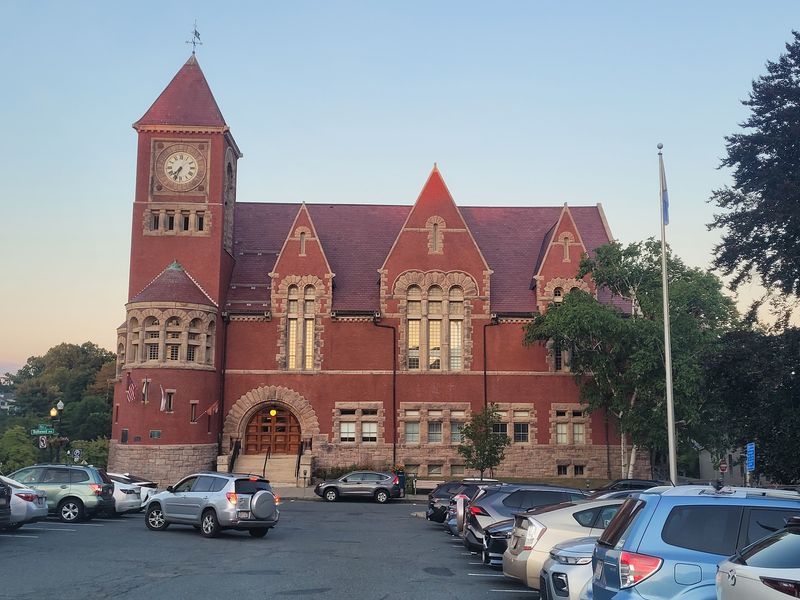
College towns in the Connecticut River Valley know bears well. Amherst sits in a part of the state where black bear populations have been established for decades.
No specific 2026 sighting reports surfaced in available records for the town. Still, Amherst remains a place where residents stay bear-aware year-round.
The surrounding landscape helps explain why. Forested hills, orchards, and conservation land wrap around the community on several sides.
Bears in western Massachusetts have long been comfortable near people, and feeders are a frequent draw. State wildlife officials consistently recommend removing them from spring through late fall.
Residents here often trade practical tips rather than panic. Locking dumpsters and using bear-resistant containers are common suggestions.
Compost piles deserve attention too. Fruit scraps and sweet leftovers can carry scent surprisingly far on a warm evening.
Anyone hiking nearby trails should make noise and travel in groups. A bear that hears you coming will almost always choose to leave.
Dogs should stay leashed on wooded paths, since a loose dog can startle wildlife. Startled animals behave unpredictably.
Amherst serves as a useful example for towns newer to bear activity. Communities that plan ahead tend to have fewer problems.
Preparation beats reaction, and this valley town has had plenty of practice with both.
10. Petersham
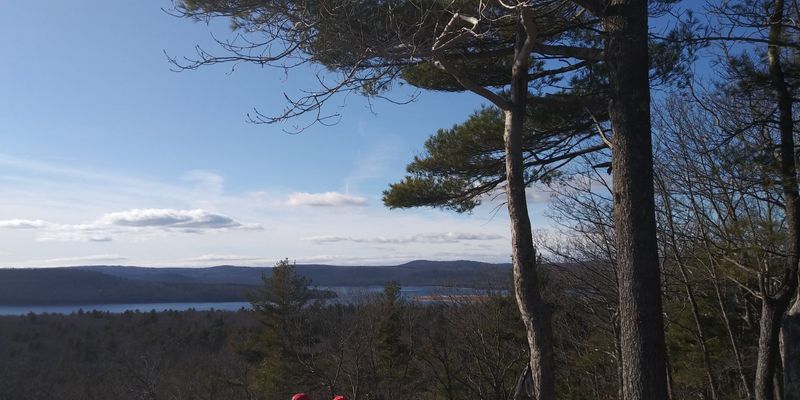
Deep woods, stone walls, and very few streetlights. Petersham is the kind of rural community where bears blend right in.
No specific 2026 sighting reports appeared in available records for the town. That is not the same as saying bears are absent.
Surrounded by extensive forest and conservation land near the Quabbin region, Petersham sits in prime black bear habitat. Central Massachusetts holds a healthy bear population.
In places like this, sightings often go unreported simply because they are not unusual. A bear crossing a dirt road barely raises an eyebrow.
Residents in heavily wooded towns tend to build good habits early. Feeders come down in spring, and trash stays inside until pickup morning.
Chicken coops and beehives are common in rural areas and need sturdy protection. Electric fencing is a frequently recommended solution.
Hikers exploring nearby trails should carry awareness rather than fear. Making noise and keeping food sealed handles most concerns.
If a bear is encountered, backing away slowly while facing it is the advised approach. Running is never the right move.
Petersham rounds out this list as a reminder that bears are a normal part of the Massachusetts landscape. Quiet coexistence is the everyday reality here. Sometimes the towns with the most bears make the least news.