
9 Best Things To See In The Tennessee Smokies Without Leaving Your Car
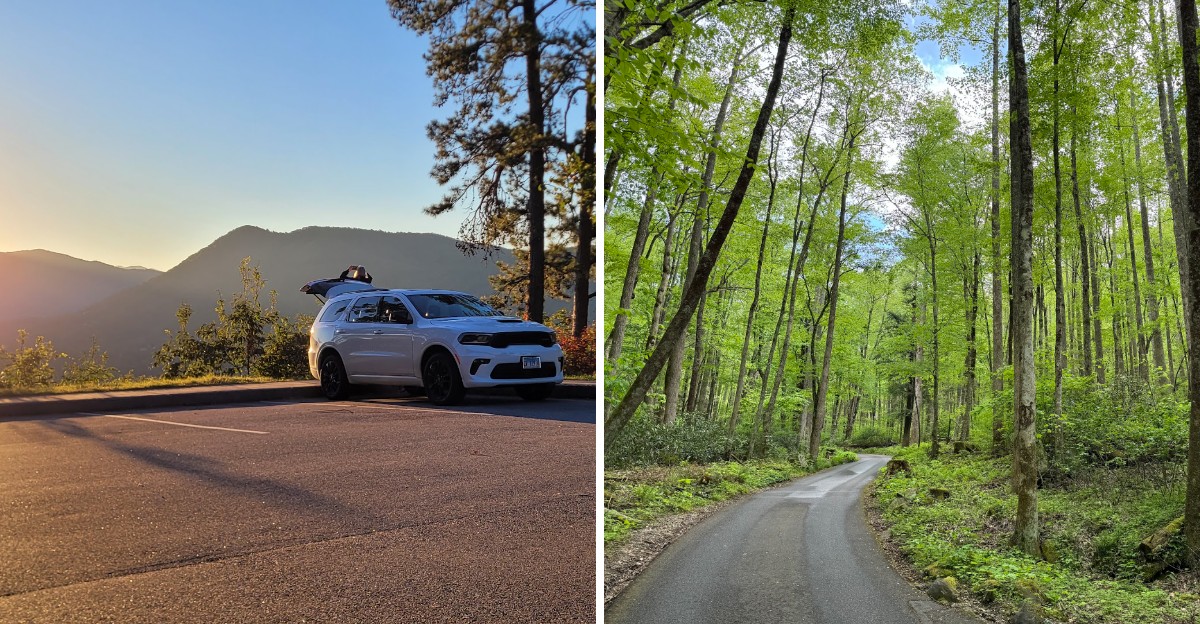
Not every great Smokies view requires hiking boots. Sometimes, the best seat is right behind the steering wheel.
Tennessee gives drivers plenty of chances to see mountain scenery without committing to a long trail. Scenic roads curve past waterfalls, overlooks, forests, historic valleys, and wildlife viewing areas that can turn an ordinary drive into the main event.
A few stops barely require more than pulling over and looking out the window.
That makes this route especially good for families, older travelers, rainy days, or anyone who simply wants the scenery without the workout.
You can watch the mountains change with the light, spot a roadside cascade, or catch wildlife moving through an open valley while staying close to the car.
The Tennessee Smokies are made for slow drives, open windows, and plenty of reasons to pull over. These stops prove you can see a lot without lacing up your hiking shoes.
1. Cades Cove Loop Road, Townsend
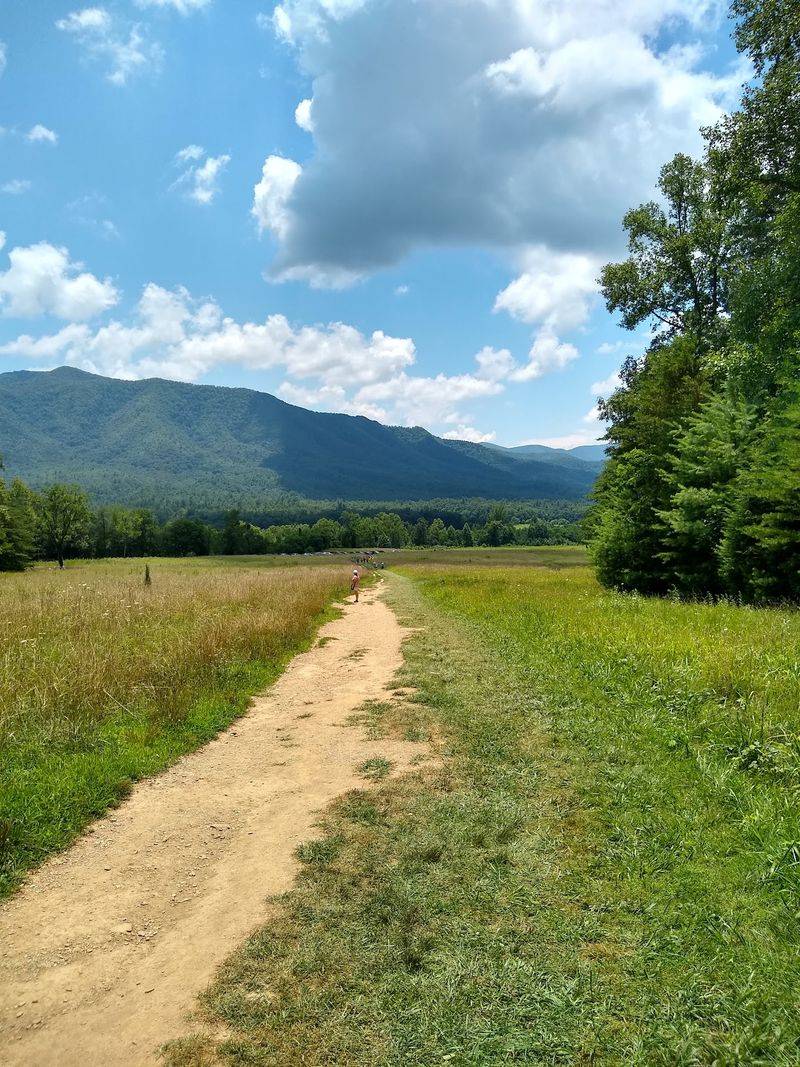
Eleven miles have rarely felt so rewarding. The one-way loop south of Townsend curls through a broad valley that mountains surround on every side.
Most drivers finish in two to four hours, depending on how thick the traffic gets.
Slow speeds are the whole point here. Pull-offs appear regularly, and each one frames something worth a long look.
Wildflower meadows spread out toward the ridges, and the light shifts by the hour.
History sits right beside the road. Three churches, log homes, and cantilevered barns still stand where families once lived and farmed.
Near the visitor center, a working gristmill grinds away as a reminder of how daily life ran in this valley.
Wildlife steals the show for many visitors. White-tailed deer graze in the open fields, turkeys strut through the grass, and coyotes occasionally trot past.
Black bears show up often in late summer and fall, usually feeding in the tree lines.
Getting there is simple enough. From Townsend, follow Laurel Creek Road to the loop entrance and stay patient behind the line of cars.
Bring water, snacks, and a camera with room on the memory card.
Few drives in Tennessee mix scenery, history, and animals this generously. Cades Cove earns its reputation honestly, and your car handles all the work.
2. Place Of A Thousand Drips, Roaring Fork Motor Nature Trail, Gatlinburg
Most waterfalls announce themselves with one thundering curtain. Not this one.
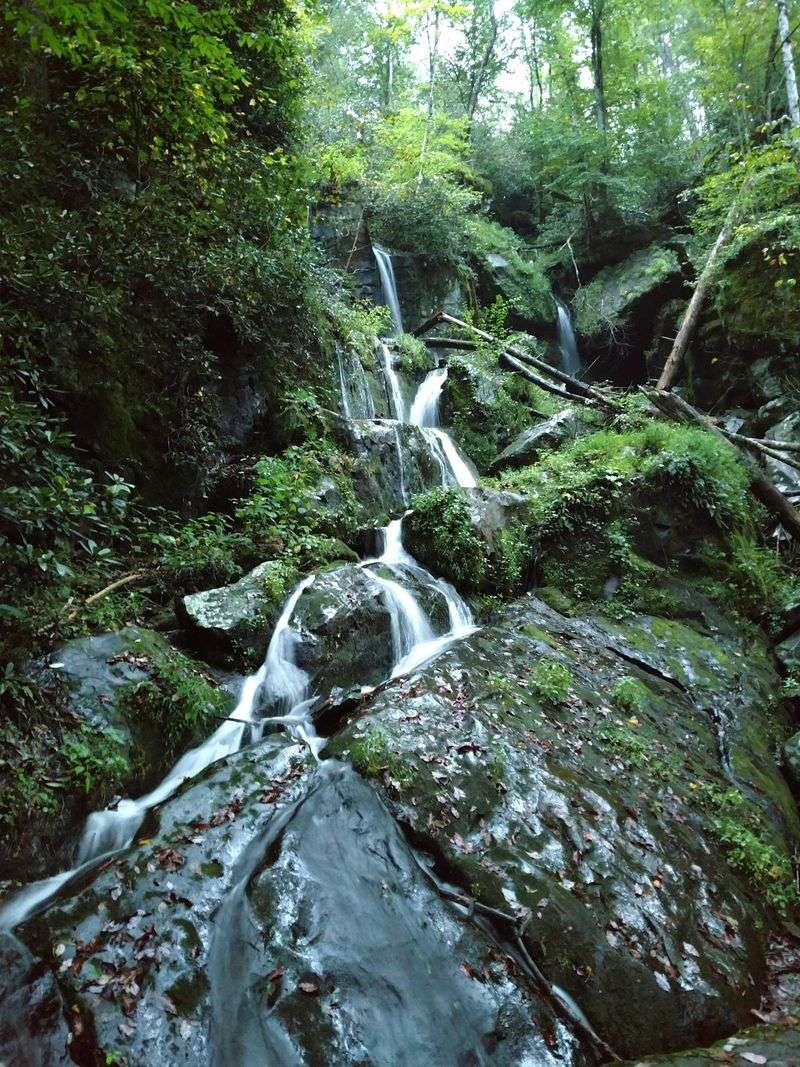
Near the end of the Roaring Fork loop in Gatlinburg, water splits into dozens of thin threads that weave across a tall rock face.
The effect looks like lacework carved in slow motion. Over long stretches of time, the water has traced delicate channels into the stone.
Moss covers much of the surface, and the wet green shimmers when light catches it.
Flow changes constantly. Dry spells reduce it to a gentle trickle, while rainy stretches turn it into a busy, glittering spread of streams.
Visit after a storm and the name suddenly makes perfect sense.
Convenience is part of the appeal. A pull-off sits just past the falls, so viewing takes only a short stop and a turn of your head.
No scrambling, no muddy boots, no long approach.
Here is a fact worth filing away. Only two waterfalls in Great Smoky Mountains National Park can be seen directly from a vehicle, and this is one of them.
Photographers tend to linger, since the soft, even light under the tree canopy flatters the scene. Bring a cloth for your lens, because mist drifts. Small in scale, oddly unforgettable in person.
3. Roaring Fork Motor Nature Trail, Gatlinburg
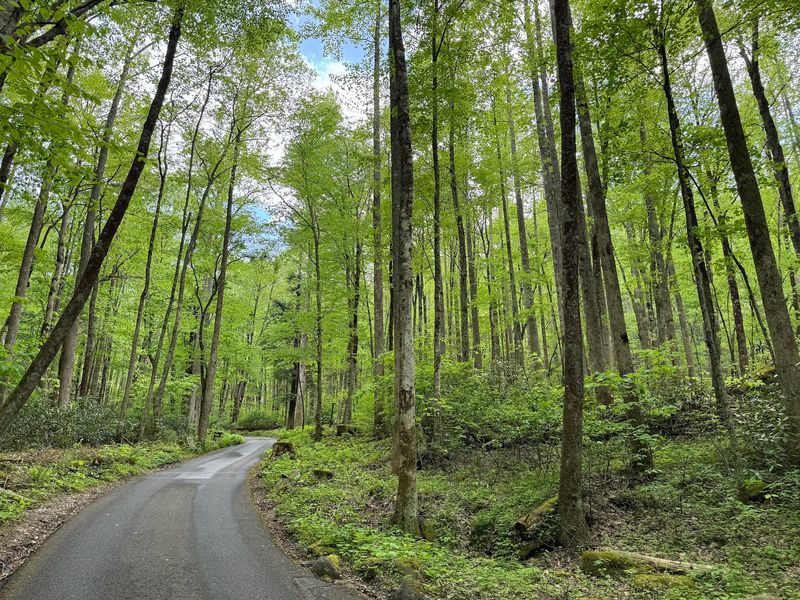
Narrow roads sometimes make the best teachers. This 5.5-mile one-way loop just outside Gatlinburg forces a crawling pace, and the forest repays every slow minute.
Rushing mountain streams run beside the pavement and give the area its name.
Old-growth trees arch overhead in places, creating a green tunnel that feels far older than the road itself. After a good rain, everything looks scrubbed clean and impossibly vivid.
Moss glows, stones darken, and the water turns loud.
Preserved buildings appear along the way. The Noah Bud Ogle farmstead and the Ephraim Bales Cabin both sit close enough to admire from your seat.
Gristmills and other structures fill in the story of mountain families who once worked this land.
Pull-offs are scattered throughout, each offering a slightly different angle on the creek and woods. Keep your speed low and your eyes open for movement in the underbrush.
One planning note matters. The trail closes seasonally through the winter months, so check park updates before making the trip.
Finding the entrance takes almost no effort. Turn off the main Parkway at Traffic Light Number 8 onto Historic Nature Trail Road and follow the signs.
For pure Appalachian atmosphere without a single step on a trail, this loop delivers in abundance.
4. Meigs Falls, Little River Road, Great Smoky Mountains National Park
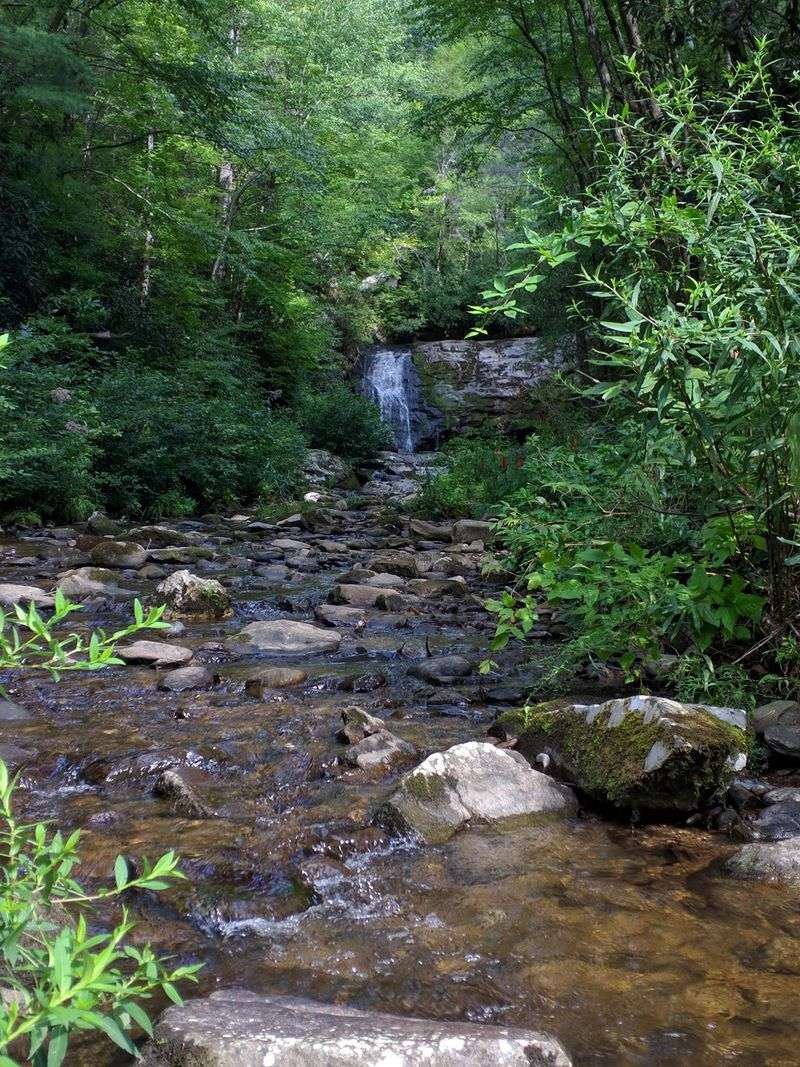
Sometimes the best waterfall stop is the one you almost drive past. Set back across the river along Little River Road, this modest cascade slips down into the Little River with quiet confidence.
A roomy pull-out makes stopping easy and stress-free.
Timing changes everything. Summer foliage grows thick and screens much of the view, leaving only glimpses of white water through green leaves.
Late fall and winter strip the branches bare and reveal the falls in full.
Forest crowds in on both sides, which is exactly what gives this stretch of road its character. The river runs clear and cold below, tumbling over pale stones.
Distance markers help with planning. The pull-out sits roughly seven miles east of the Townsend Wye, or about thirteen miles west of Sugarlands Visitor Center.
Worth remembering: only two waterfalls in the entire park can be admired straight from the roadside, and this is the second member of that short list.
Bring binoculars if you have them. The extra reach turns a distant white ribbon into something far more detailed and satisfying.
Traffic on this road moves steadily, so signal early before pulling in. Then cut the engine and listen.
The sound of water carries surprisingly well across the river.
5. The Sinks, Little River Road, Great Smoky Mountains National Park
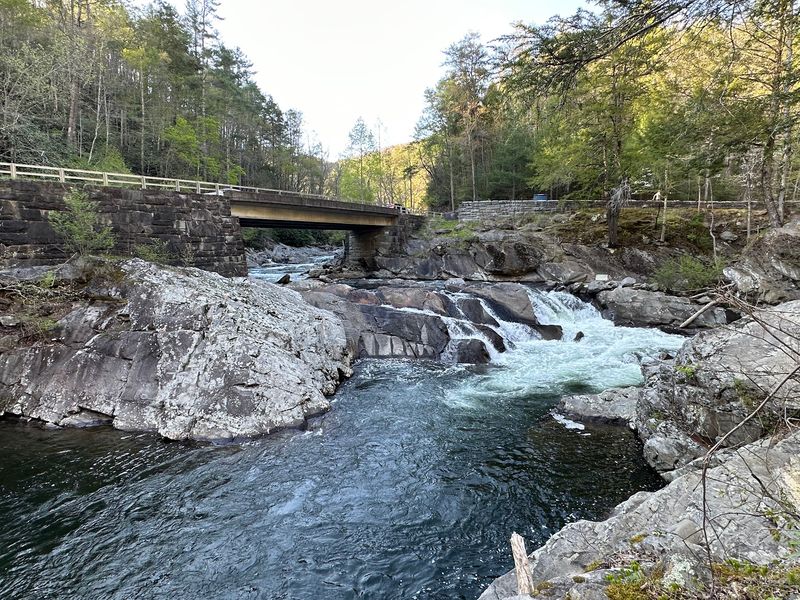
Raw power in a compact package. Along Little River Road, the Little River makes a sharp S-turn, squeezes past enormous boulders, and drops into a churning basin.
The water seems to vanish down a drain, which explains the blunt name.
Geology got a strange assist here. Loggers once dynamited a log jam in the river, and the blast helped shape the formation visitors photograph today.
History and force of nature, layered together.
Clarity is what strikes most people first. The pools below run remarkably clear, framed by rugged gray rock and dense forest.
Spring runoff turns the whole scene loud and foamy.
Safety deserves real attention. Strong currents and a serious undertow make this a look-only stop, so admire it from the overlook and keep well back from the edge.
Access could hardly be simpler. A dedicated parking area sits right beside the road, and the overlook waits just a few feet away.
Many visitors never leave the pavement at all.
Mileage helps with timing. The parking area sits roughly twelve miles west of Sugarlands Visitor Center, which makes it an easy pairing with other stops on this route.
Loud, dramatic, and genuinely impressive, this spot rewards even a five-minute pause in Tennessee’s most famous park.
6. Foothills Parkway West, Wears Valley To Chilhowee
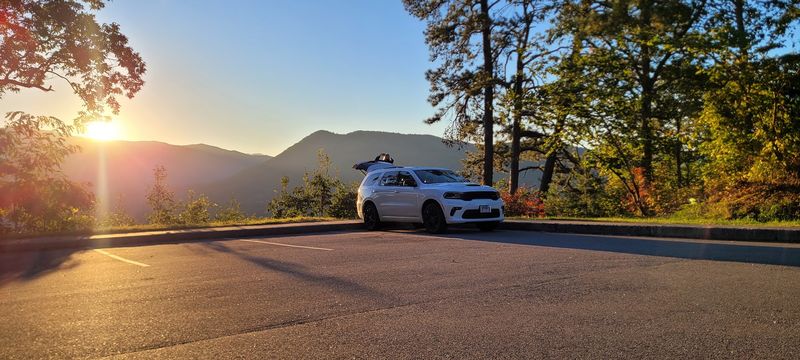
Smooth pavement, sweeping curves, and almost constant views. Running along the crest of Chilhowee Mountain, this stretch of parkway links Walland to Chilhowee Lake with an ease that feels almost unfair.
Elevation does the heavy work. Wide views open toward the Tennessee Valley on one side and the tall peaks of the national park on the other.
Chilhowee Lake glints far below on clear days.
Overlooks are the main attraction. Sixteen parking areas line the route, and fourteen of those serve as dedicated scenic overlooks.
Some face east toward the Smokies, others west over Maryville and Alcoa.
Look Rock deserves a stop. As the highest point on Chilhowee Mountain, it serves up expansive views that include Mount Le Conte standing tall in the distance.
Traffic tends to be lighter here than on park roads closer to town. That makes the drive relaxing rather than rushed, with room to pull off whenever something catches your eye.
Directions from Wears Valley are straightforward. Drive to Townsend, turn right onto Lamar Alexander Parkway, then continue 10.2 miles to the parkway entrance.
Roll the windows down at the higher overlooks. Cool mountain air, layered blue ridges, and almost no effort required.
Few drives in Tennessee pack this much payoff per mile.
7. Foothills Parkway East, Cosby
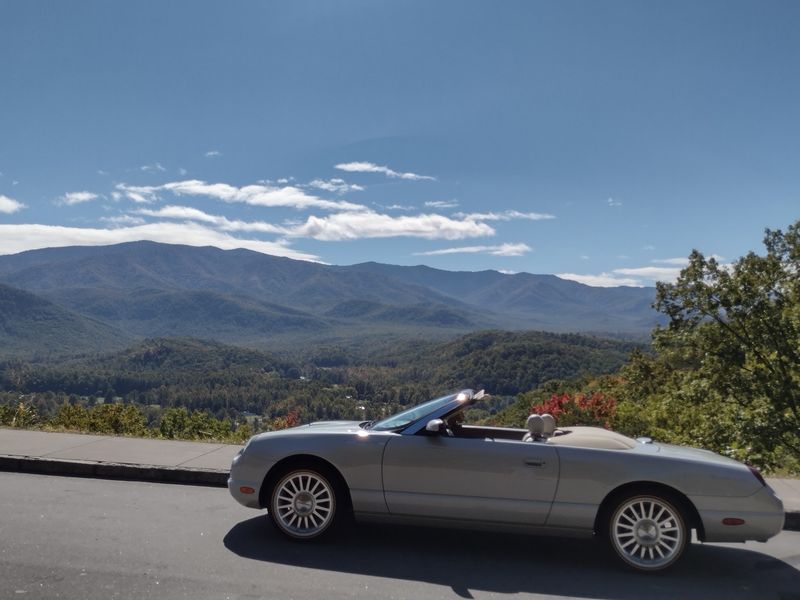
Quiet roads have their own kind of luxury. Climbing about 1,000 feet along Green Mountain, this 5.6-mile stretch near Cosby stays refreshingly uncrowded.
Big views arrive without the usual line of brake lights.
Panoramas open in several directions. Cherokee National Forest spreads out below, along with Cosby Valley and the rise of Raines Knob.
Rolling ridges stack toward the horizon like waves.
Four overlooks break up the drive: Cosby, Green Mountain, Allen Grove, and Greasy Cove. Each has parking, so stopping never feels complicated.
Early risers should aim for Green Mountain Overlook. Its southeast-facing position makes it a favorite for sunrise, when mist pools in the valleys below.
Every season rewrites the scenery. Wildflowers appear in spring, summer turns everything deep green, and autumn floods the slopes with gold, crimson, and orange.
Winter brings clean air and snow-dusted peaks.
Bring a jacket even in warmer months. Wind moves freely across these open overlooks, and the temperature drops noticeably with elevation.
The parkway connects Cosby to Interstate 40, which makes it a smart detour for anyone traveling through. Short drive, minimal traffic, and enormous views.
For travelers who prefer calm over crowds, this eastern section is hard to beat.
8. Gatlinburg Bypass Scenic Overlooks, Gatlinburg
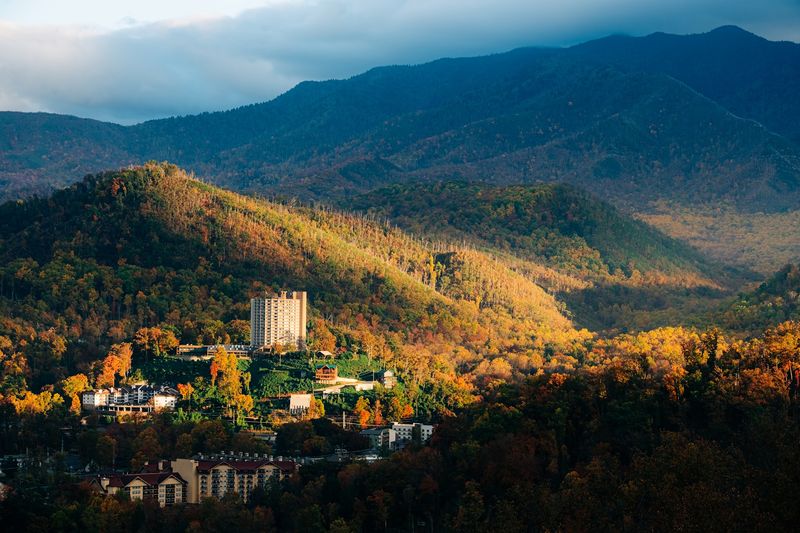
Short on time but still want a mountain view worth photographing? The overlooks along the Gatlinburg Bypass solve that problem in about ten minutes.
No long drive into the park required.
Views here have a split personality. Downtown Gatlinburg spreads out below, rooftops and all, while the massive shoulders of Mount LeConte rise behind it.
Town and wilderness in a single frame.
Clear days reveal the layered ridges that gave the Smokies their name. Blue-gray waves of mountains fade into the distance, each row a little paler than the last.
Four paved pull-outs line the route, so finding a spot rarely takes much effort. Each offers a slightly different angle on the valley.
Light matters enormously at these stops. Sunrise and sunset both work beautifully here, turning the town into a scatter of warm dots beneath dark peaks.
Practicality is the real selling point. Visitors arriving in Gatlinburg can catch a proper Smoky Mountain view before even checking into a cabin.
The overlooks sit along the bypass between the Gatlinburg Spur and the national park entrance. Signs make them easy to spot.
Quick, free, and genuinely scenic, these pull-outs prove a great view does not always require a long journey.
9. Newfound Gap Road And Newfound Gap Overlook, Gatlinburg
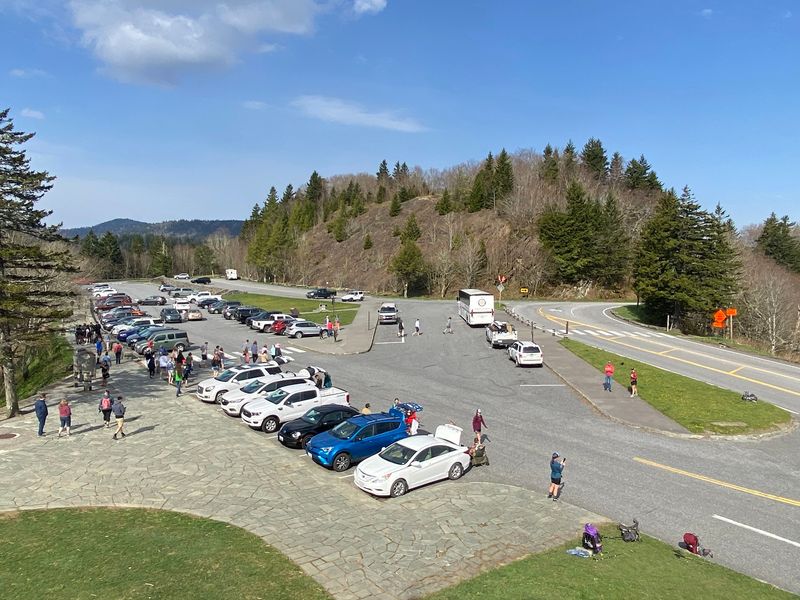
If only one drive fits into your trip, make it this one. Newfound Gap Road crosses the center of Great Smoky Mountains National Park, linking Gatlinburg with Cherokee, North Carolina.
It stretches roughly 31 to 33 miles.
No other paved road cuts straight through the middle of the Smokies. The climb starts near 1,462 feet and rises past 5,000 feet, passing from pine-oak woods into spruce-fir forest along the way.
Pack a layer. Higher elevations stay noticeably cooler, even during summer, and the shift can surprise first-time visitors.
Overlooks arrive steadily. Campbell Overlook frames Mount LeConte impressively, while Morton Overlook draws crowds at sunset for good reason.
The main event sits at 5,046 feet. Newfound Gap Overlook has a large parking area and lets you stand directly on the Tennessee and North Carolina state line.
The historic Rockefeller Memorial marks the spot.
An optional add-on waits nearby. Kuwohi Road branches off and leads toward the highest point in Tennessee, gaining even more elevation and even bigger views.
Fog rolls through often, so a cloudy arrival does not mean the day is wasted. Mist between the ridges can look spectacular.
Green mountains, cool air, and easy parking. Hard to argue with that combination.