
This Old North Carolina Mine Lets You Hunt For Treasures And Keep Everything You Find
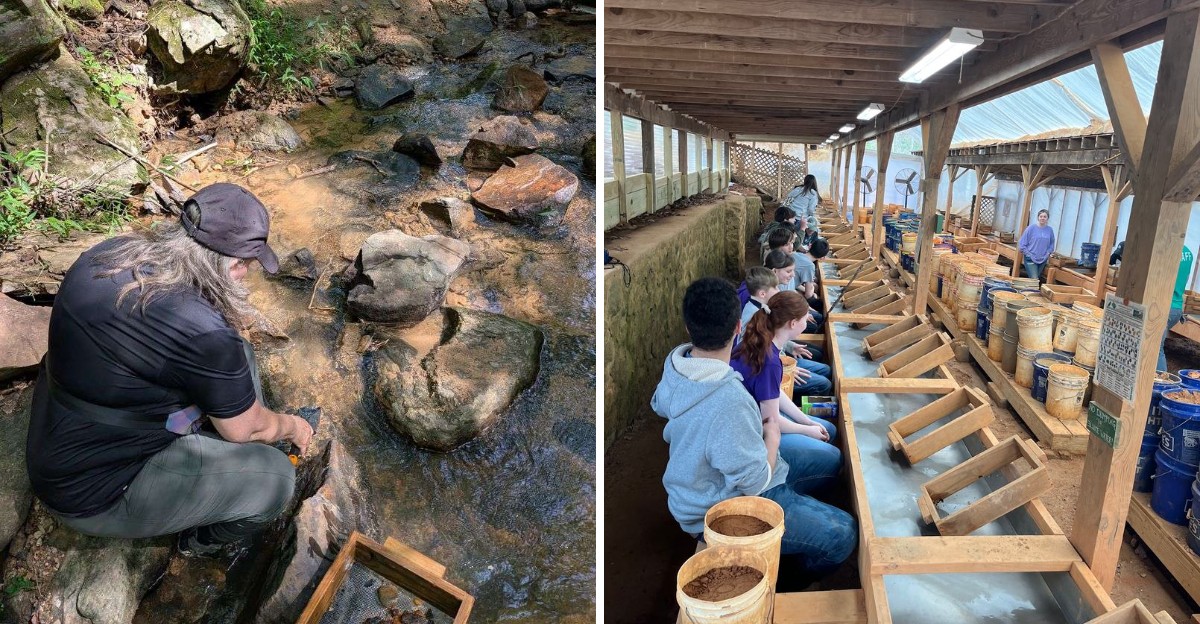
Finding a real treasure with your own hands hits differently, especially when you get to take it home. Deep in North Carolina, there is a place where that childhood thrill is still very real.
Instead of staring at colorful stones behind glass, visitors can dig, sift, and search through material that may be hiding something worth keeping.
Every scoop brings a little suspense. A quick flash of color can turn a pile of dirt into the most exciting part of the day, and suddenly everyone is checking their bucket twice before moving on.
Mining has shaped parts of North Carolina for generations, but this experience makes that history feel much more personal. Here, you do the searching and make the finds yourself.
Anything you uncover is yours to keep, which gives the whole outing the feel of a real treasure hunt rather than another roadside stop.
The Only Emerald Mine In America Open To The Public
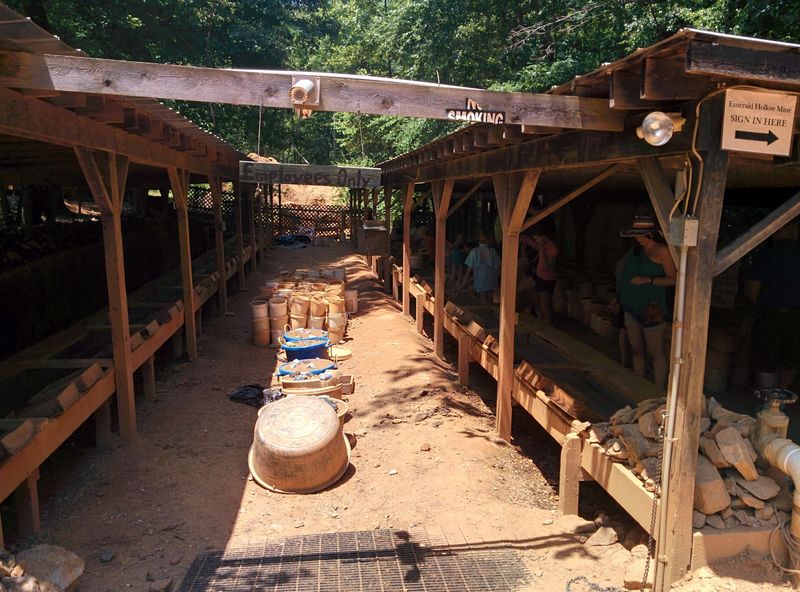
Plenty of places sell you a bucket of dirt and call it mining. This spot earns the title honestly, because it sits on a genuine emerald deposit in the Brushy Mountains.
The property is known as Emerald Hollow Mine, and it holds a claim no other American attraction can make. It is the only emerald mine in the country open to public prospecting.
That distinction is not marketing language. The surrounding region has produced museum-quality emeralds for well over a century, including record-setting stones.
What makes the place unusual is the rule about ownership. Anything you unearth on the property goes home with you, regardless of size or value.
No percentage gets skimmed off the top. No staff member appraises your find and asks for a cut.
The mine occupies roughly seventy acres of hillside and creek bottom. Three separate methods of hunting are available, which we will walk through shortly.
Anyone can participate, from toddlers to grandparents. The entry fees remain modest, and equipment rentals cost little.
Finding Your Way To Hiddenite
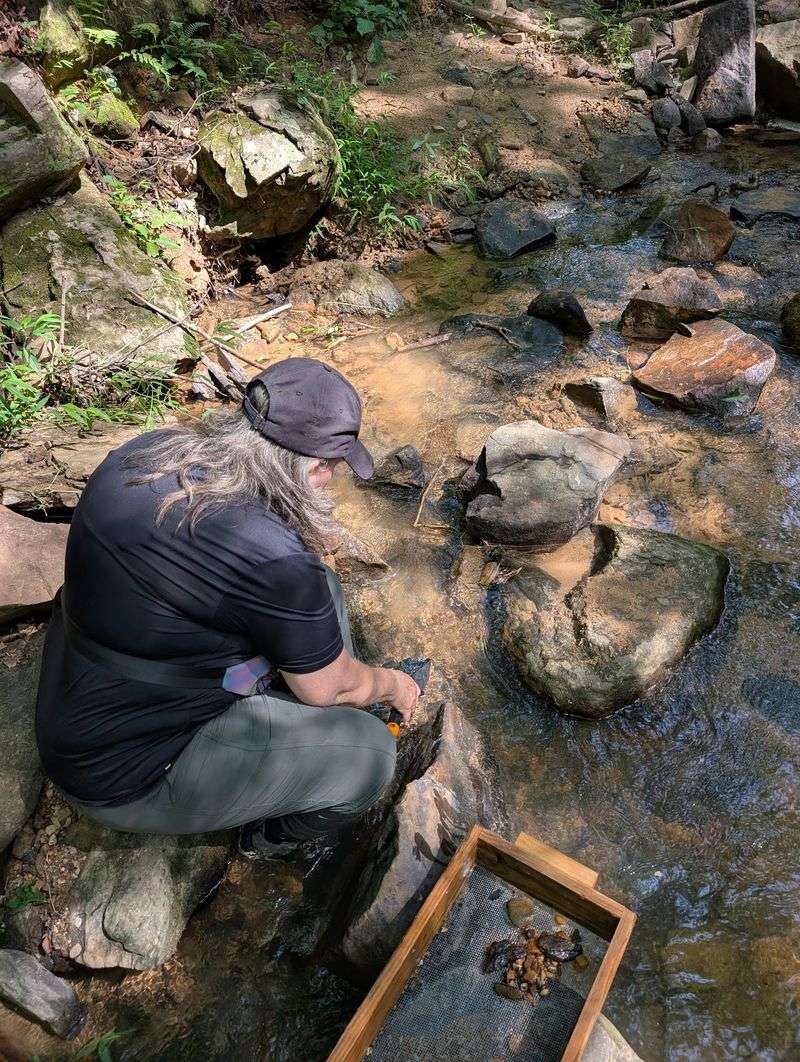
Alexander County does not announce itself loudly, and that suits the mine just fine. The drive in passes orchards, barns, and long stretches of hardwood forest.
The address is 484 Emerald Hollow Mine Dr, Hiddenite, North Carolina. Plug it into your phone before leaving, since cell service thins out on the back roads.
Statesville sits about twenty minutes south, making it a reasonable lunch stop. Hickory and Lenoir are each within a short drive as well.
Charlotte travelers can reach the site in roughly an hour and fifteen minutes. From Winston-Salem, expect a bit over an hour.
The town itself takes its name from hiddenite, a rare green gemstone discovered here in the 1800s. It was named for the mineralogist who first identified it.
Parking is on-site and free, with gravel lots near the main building. Weekends fill up faster, so early arrivals get the better creek spots.
Restrooms and a small shop sit near the entrance. Plan to stay several hours once you settle in.
Sluicing For Beginners Who Want Guaranteed Results
Nervous about coming home empty-handed? Sluicing exists precisely for that worry.
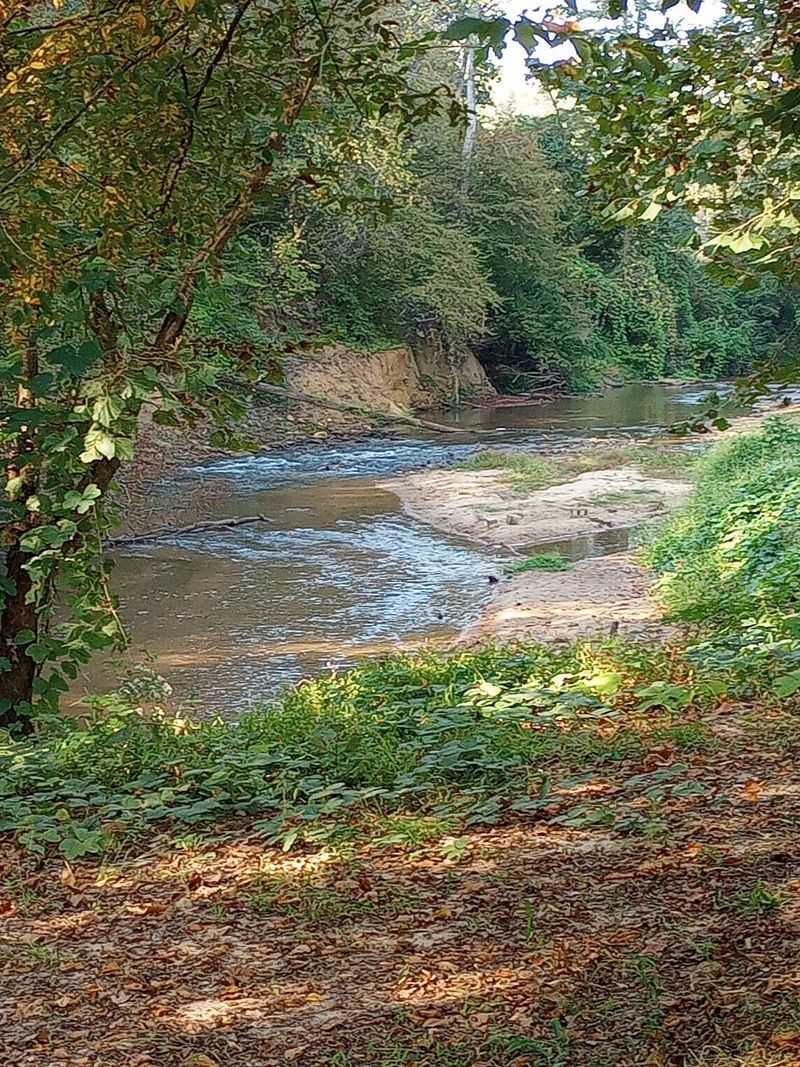
You buy a bucket of enriched gravel, carry it to a long wooden trough, and let running water do the sorting. Heavier stones settle into your screen while dirt washes away.
Buckets come in several sizes and price points. Larger ones contain more material and generally yield more colorful stones.
The technique takes about thirty seconds to learn. Shake the screen side to side, dunk it, then tilt and look.
Children take to sluicing immediately, since every shake reveals something shiny. Amethyst, garnet, quartz, topaz, and sapphire commonly turn up.
Staff members walk the line and help identify what you pull out. They will explain the difference between a rough ruby and ordinary red rock.
Covered pavilions shade the sluice area, which matters in July. Bring a hat anyway for the walk between stations.
Sluicing works best as a warm-up before creeking. It teaches your eye what a real gem looks like when wet.
Creeking Along Hiddenite Creek
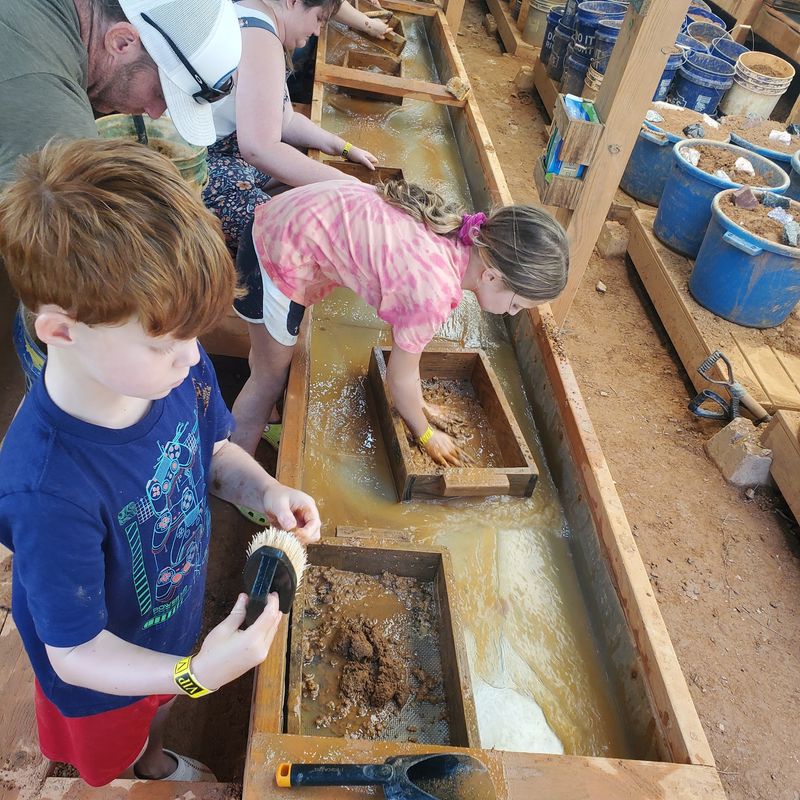
The creek is where the real prospectors go. Hiddenite Creek runs right through the property, cold and shallow and full of promise.
Creeking means you work the natural streambed instead of a prepared bucket. Nothing is salted, seeded, or arranged for you.
Bring shoes you do not mind soaking. Water sandals or old sneakers beat flip-flops, since the rocks shift underfoot.
A screen box and small shovel are the standard tools. Both can be rented at the office for a few dollars.
Technique matters more here than luck. Dig near bends, behind boulders, and in gravel bars where heavy material collects.
Patience pays off in this part of the state. Some people work the water for hours before spotting something worthwhile.
The reward is authenticity. A garnet you pried from the actual creek carries a different weight than one from a bucket.
Summer creeking doubles as a cooling-off strategy. The water stays refreshing even in the hottest stretch of August.
Digging The Open Sluiceway Hillside
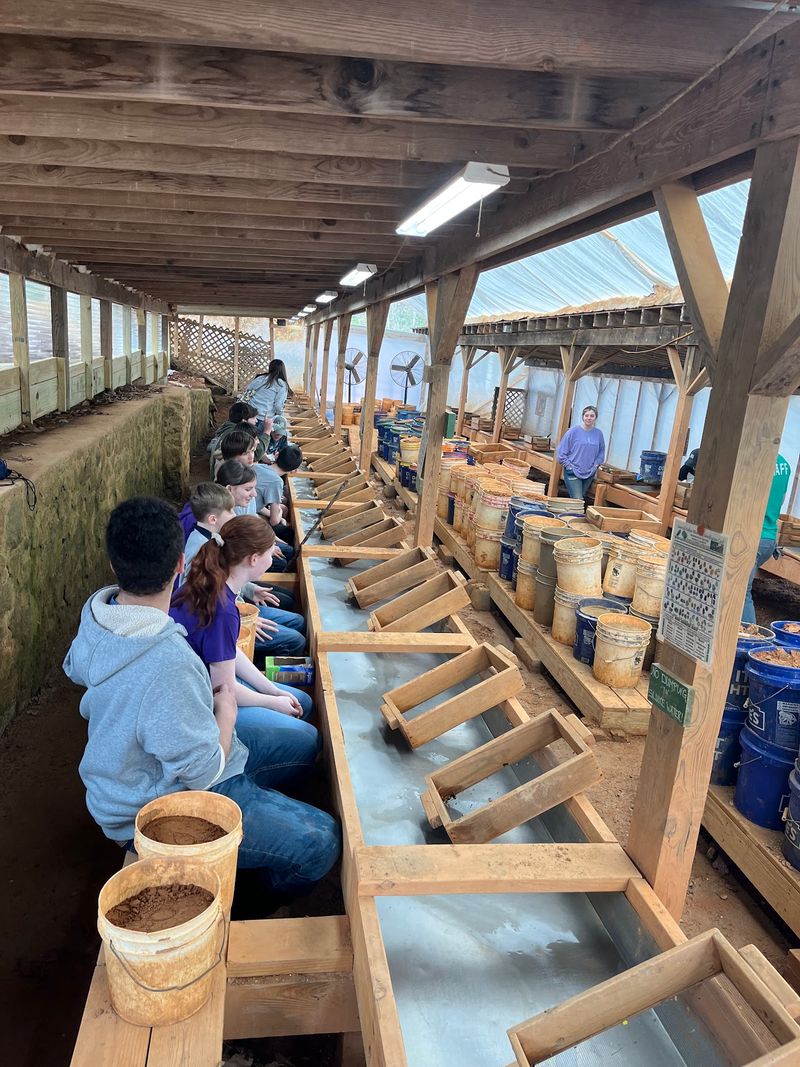
For those who like dirt under their fingernails, the digging area delivers. Guests are turned loose on designated hillside sections with shovel in hand.
This option appeals to serious rockhounds. You choose your own spot, break ground, and haul your material to water.
The soil here is heavy red clay mixed with quartz veins. Emeralds in the area tend to hide inside those white quartz pockets.
Expect physical work. Digging takes stamina, and a full bucket of wet clay grows heavy quickly.
Gloves are strongly recommended. Long pants save your knees from the gravel.
Hydration matters more than most people expect. Pack water bottles, since the pits sit away from shade.
Results swing wildly from person to person. Some fill a bag with tumbler-grade quartz, others hit a pocket worth setting in jewelry.
Emerald Hollow Mine rotates and refreshes dig zones over time. That keeps the ground from being picked completely clean.
Finish the day tired, muddy, and probably grinning.
Sixty-Plus Minerals Hiding In The Ground
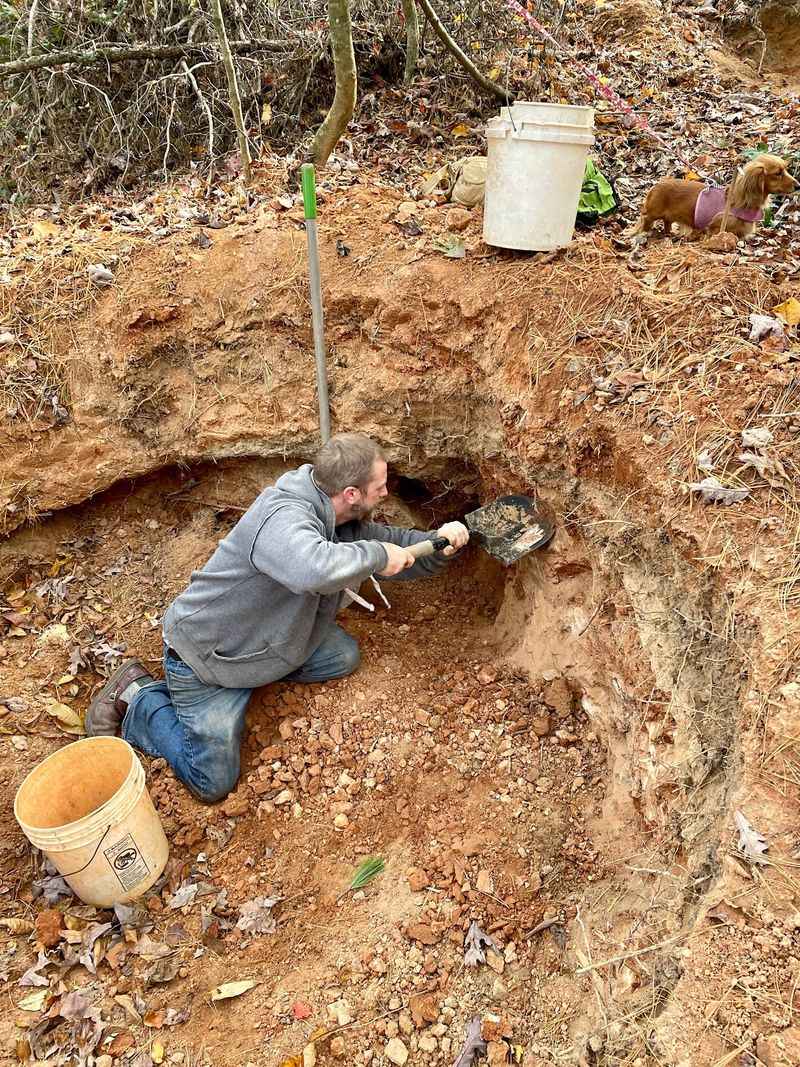
Geologists consider this pocket of the foothills unusually generous. More than sixty types of minerals and gemstones have been documented on the property.
Emerald headlines the list, naturally. Beryl, aquamarine, and the rare green hiddenite also appear.
Amethyst shows up often, ranging from pale lavender to deep purple. Smoky quartz and clear quartz crystals are common too.
Garnet fragments turn up in nearly every screen. Their deep red color makes them easy for beginners to spot.
Sapphire, rutile, tourmaline, and topaz round out the frequent finds. Pyrite and mica add sparkle without much value.
Sodalite, moonstone, and citrine occasionally surface as well. The variety keeps repeat guests returning with new goals.
Hiddenite itself is the star attraction for collectors. The stone occurs naturally in very few places worldwide, and this area is the primary source.
Do not expect a fortune in your bucket. Do expect a genuinely interesting handful of earth science.
Every stone tells you something about how these ancient hills formed.
The Lapidary Shop That Turns Rocks Into Jewelry
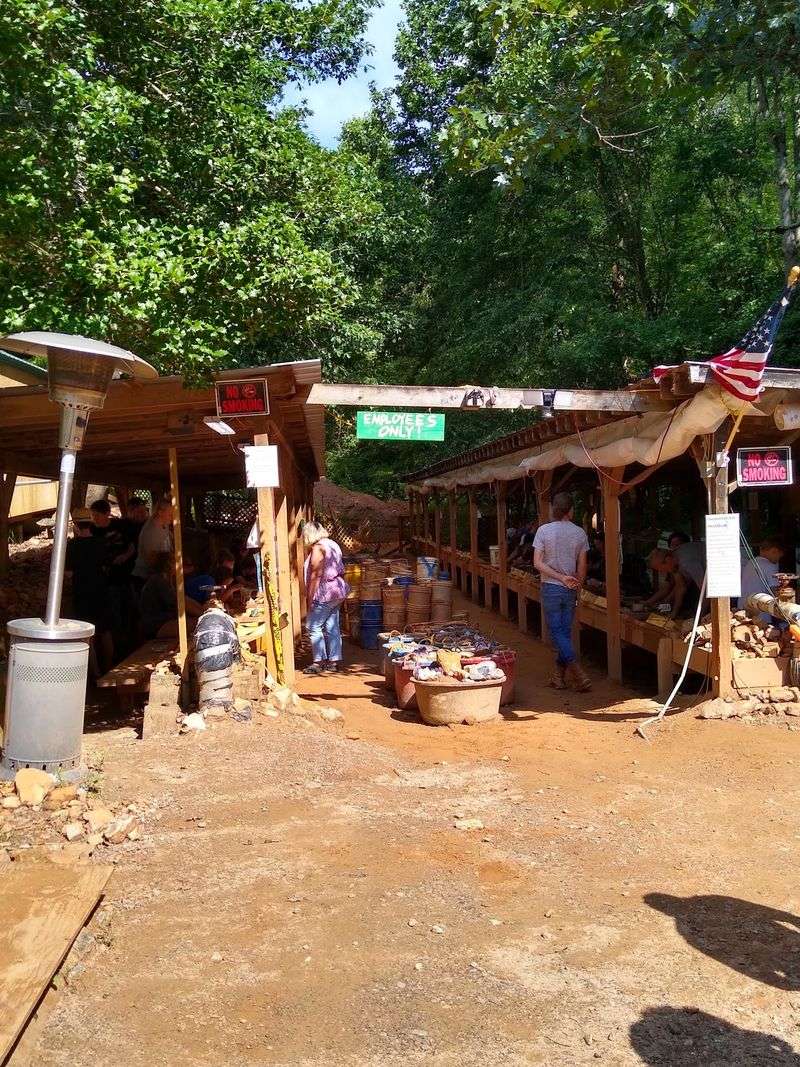
Raw stones look like gravel to most eyes. The on-site lapidary changes that in a hurry.
Skilled cutters can faceting or cabbing your finds for a fee. A dull green lump becomes something you would actually wear.
Setting services are available too. Rings, pendants, and earrings can be built around your own stone.
Pricing depends on the cut and the metal chosen. Ask before committing, since custom work varies widely.
Turnaround time is not always same-day. Some pieces get shipped to you after completion.
The shop also sells finished jewelry and specimens. That helps anyone whose bucket underperformed.
Watching the cutting process is half the appeal. Seeing a wheel reveal color inside a rough crystal is genuinely satisfying.
Bring your best three or four stones for evaluation. Cutting every pebble you found would get expensive fast.
A finished pendant makes a far better souvenir than a keychain. It also comes with a story nobody else can tell.
Bringing Kids Without Losing Your Patience
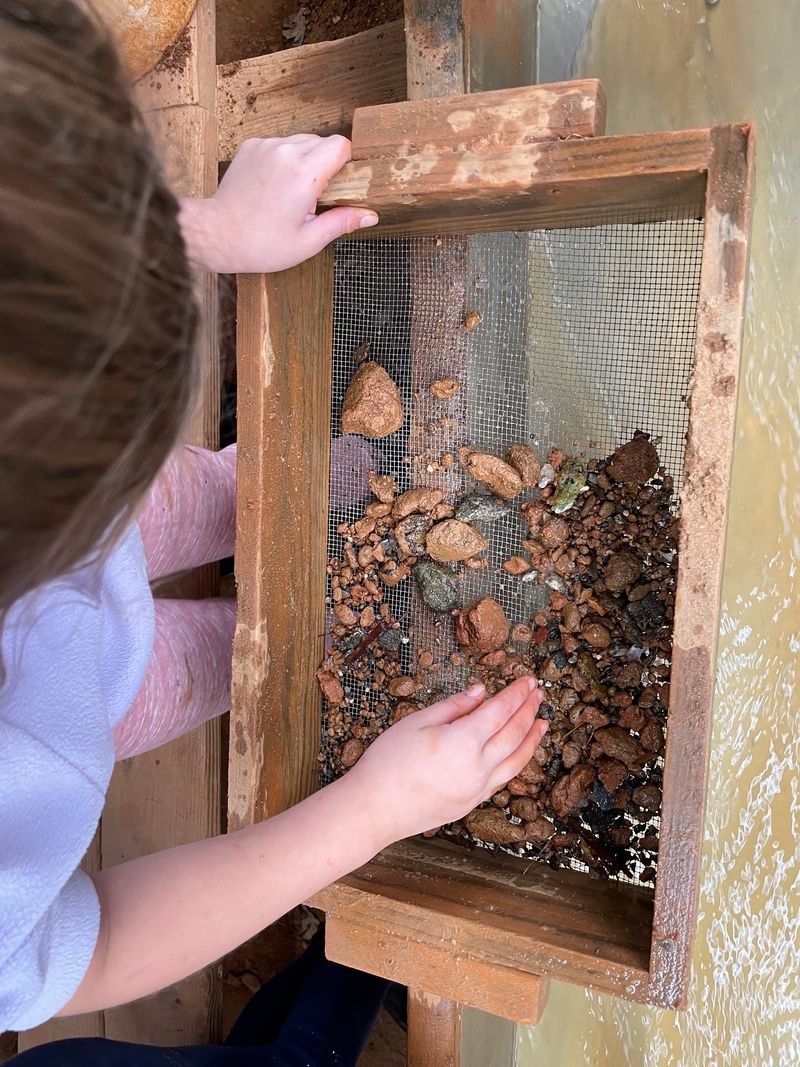
Few outings hold a child’s attention like treasure hunting. The payoff arrives every few minutes, which suits short attention spans perfectly.
Younger children do best at the sluice. Buckets are pre-filled, so results come fast and frustration stays low.
Older kids often prefer the creek. Independence and a shovel go a long way at that age.
Staff are used to teaching newcomers. They will show your child how to shake a screen properly.
Plan for two to three hours with small children. Longer stretches usually end in meltdowns and wet socks.
Homeschool groups and scout troops frequent the property. The geology lesson writes itself.
Set expectations early about what counts as treasure. A pretty quartz point thrills most seven-year-olds.
The mine sells small display boxes for organizing finds. Sorting stones at the kitchen table extends the fun for days.
Rainy forecasts rarely cancel plans entirely. Sluicing continues under cover when the weather turns drizzly.
What To Pack Before You Go
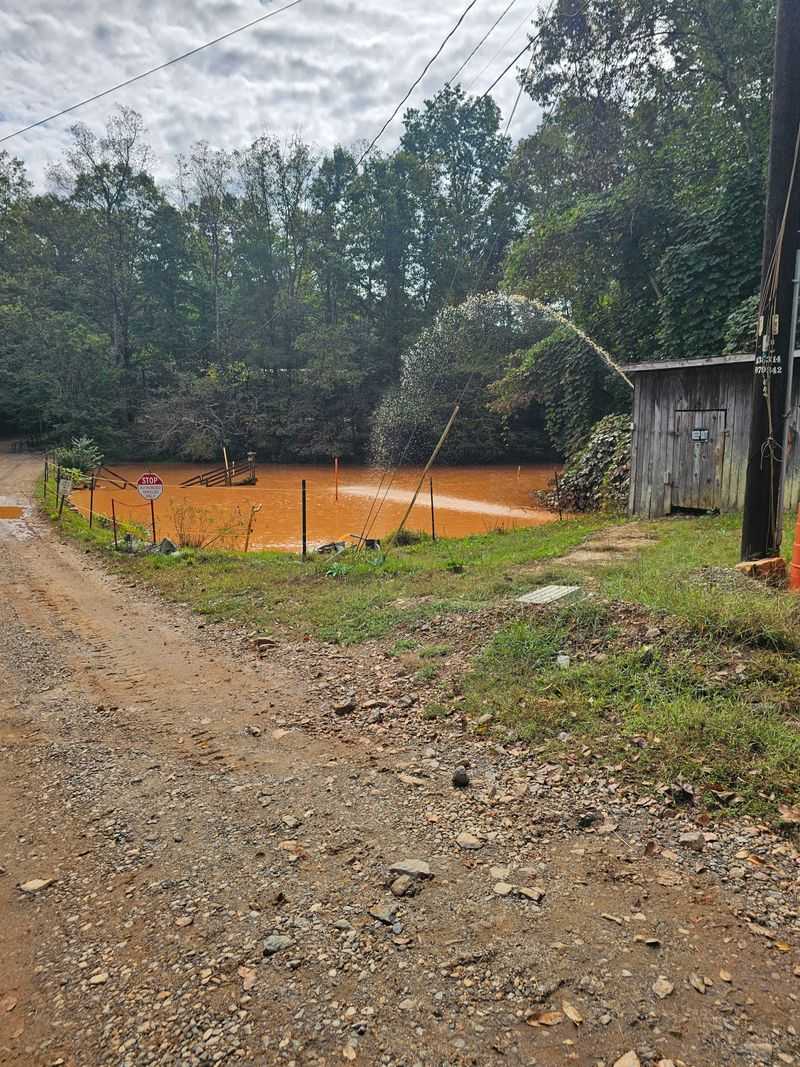
Preparation separates a great day from a soggy, sunburned one. The essentials are simple and cheap.
Closed-toe shoes that can get wet top the list. Creek rocks are slick and occasionally sharp.
A change of clothes waits in the car for the ride home. Red clay stains cotton with impressive commitment.
Sunscreen is non-negotiable during warm months. Much of the sluice and dig area sits in open sun.
Pack towels, snacks, and more water than seems necessary. Digging burns energy quickly.
Small containers or zip bags protect your finds. Loose stones vanish into car seats otherwise.
Cash is handy, though cards are accepted for most services. Some smaller purchases move faster with bills.
Gloves protect hands during extended digging sessions. Garden gloves work perfectly well.
Leave valuables and nice jewelry at home. Mud does not discriminate.
A camera or phone in a waterproof pouch captures the moment safely. You will want proof of that first sparkle.