
This New York Animal Sanctuary Lets You Cuddle Rescued Cows And Pigs For A Gentle Fall Escape
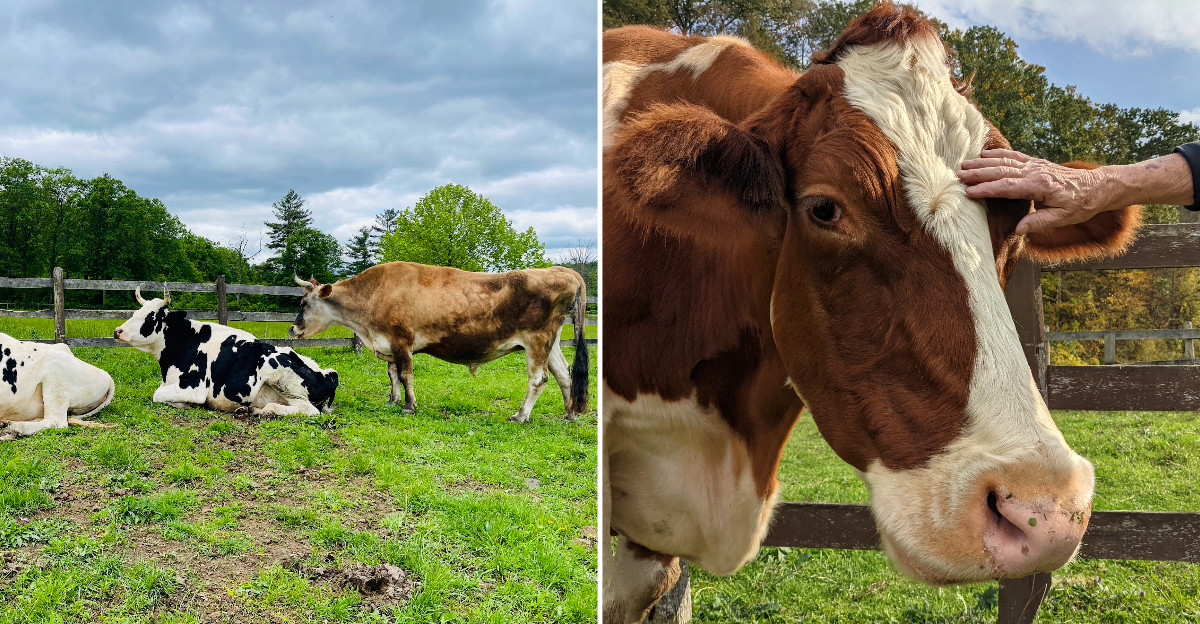
A cow leaning in for a scratch can reset your whole afternoon. Out in Ulster County, rescued farm animals spend their days on open land where visits feel calm, personal, and refreshingly slow.
New York has gentler fall plans too. Pigs stretch out for belly rubs, cows wander over with curious faces, and the usual weekend rush starts to feel very far away.
The charm comes from how simple the experience is. You meet animals with names, habits, and personalities, then spend time with them at their pace.
Hundreds live here, and the setting gives them room to roam without turning the visit into a spectacle. Cool air, quiet fields, and a curious cow nudging your hand can make a fall day feel unexpectedly restorative.
A Hillside Where Farm Animals Call The Shots
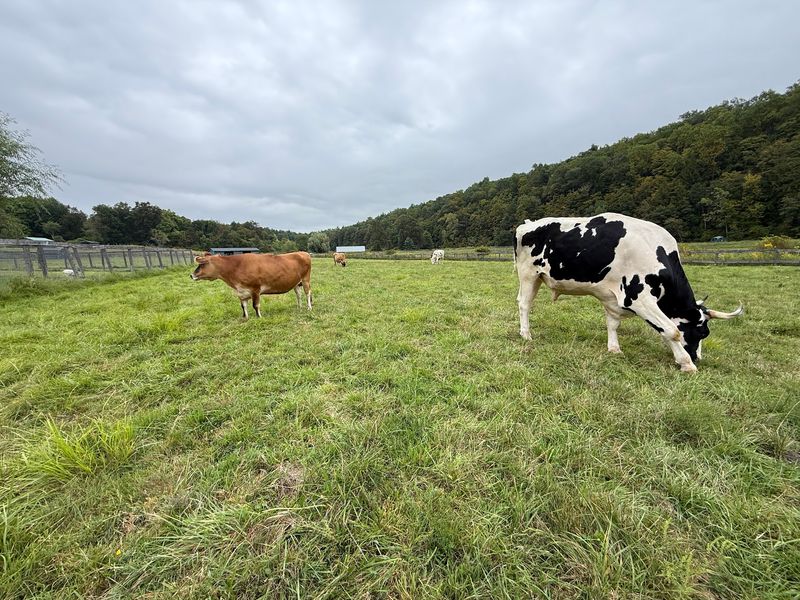
Most farms run on schedules. Here, the residents set the pace, and visitors adjust accordingly.
Goats wander freely across the grounds, sheep trail behind guides like curious shadows, and a pig may decide your shoelaces deserve a thorough inspection. Nothing is staged.
Every animal chooses when to greet you and when to nap in the sun instead.
Spread across 150 acres of pasture, pond, and open field, the property holds more than 300 rescued animals at any given time. Cows, pigs, chickens, goats, horses, turkeys, and sheep all share the space.
Many arrived from difficult situations and now live without any job to perform.
Guides share each animal’s background during tours, which gives the visit real weight. You learn names, friendships, and quirks.
One horse may be in his thirties. One goat may only tolerate three humans on earth.
Autumn makes the whole thing better. Wildflowers fade, hills turn amber, and the air carries that clean chill that makes fleece feel like a reward.
Bring boots you do not mind ruining. Mud is part of the package, and so is the strange calm that settles over you about twenty minutes in.
Meet Catskill Animal Sanctuary On Old Stage Road
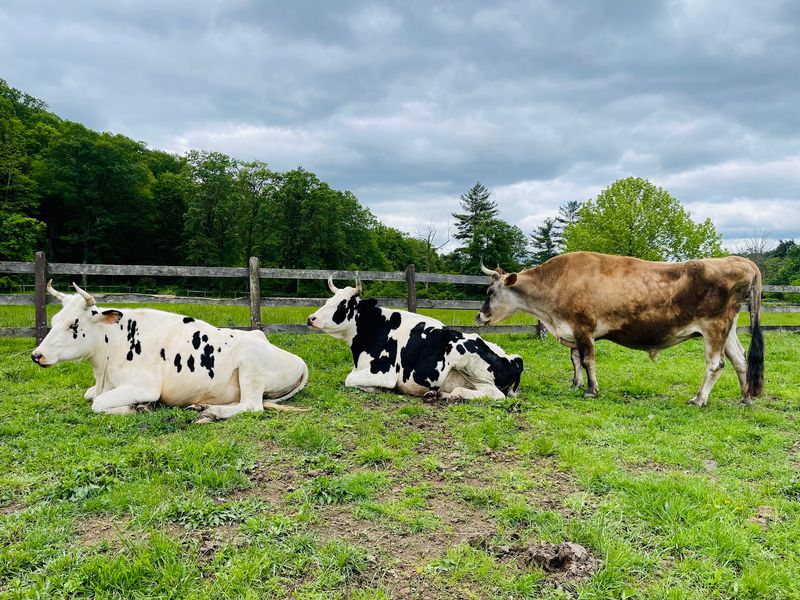
Saugerties keeps a few secrets, and the best one sits at 316 Old Stage Road in Ulster County, New York. Catskill Animal Sanctuary opened in 2001 and has welcomed visitors ever since.
The drive alone earns points. Country roads wind past stone walls and orchards before the sanctuary’s fields open up on either side.
Parking is simple, and the visitor center greets you before the animals do.
What began as one property with a handful of rescues grew into a refuge that has helped thousands of animals over two decades. Staff describe the mission plainly: give farm animals a permanent home and let people meet them as individuals.
Google reviewers have handed the place a 4.7 star, which is no small feat for any destination. The grounds stay clean, the barns stay tidy, and the care shows.
Saugerties itself makes a solid base for a weekend. The village sits close to Woodstock, Kingston, and the Hudson River, so your day has plenty of room to expand.
Plan the sanctuary for morning. Afternoons free up nicely for the rest of the Catskills.
Cow Hugs That Live Up To The Hype
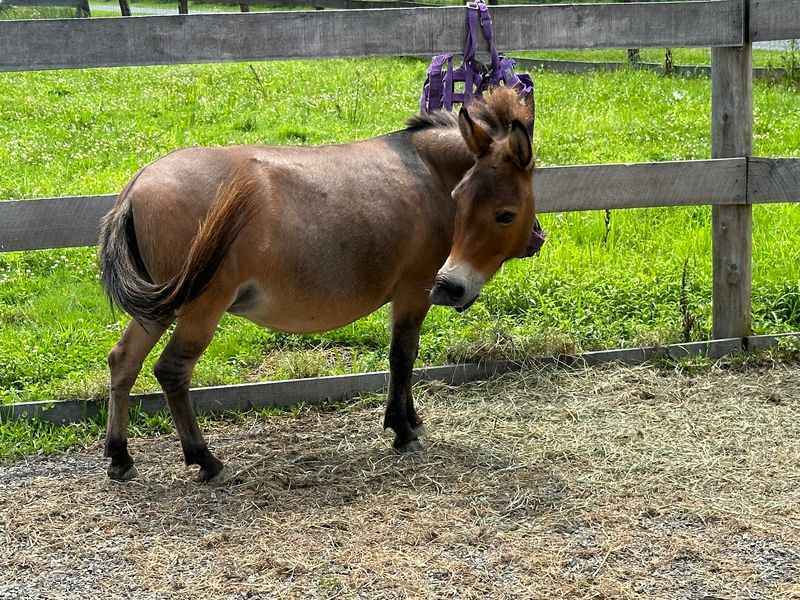
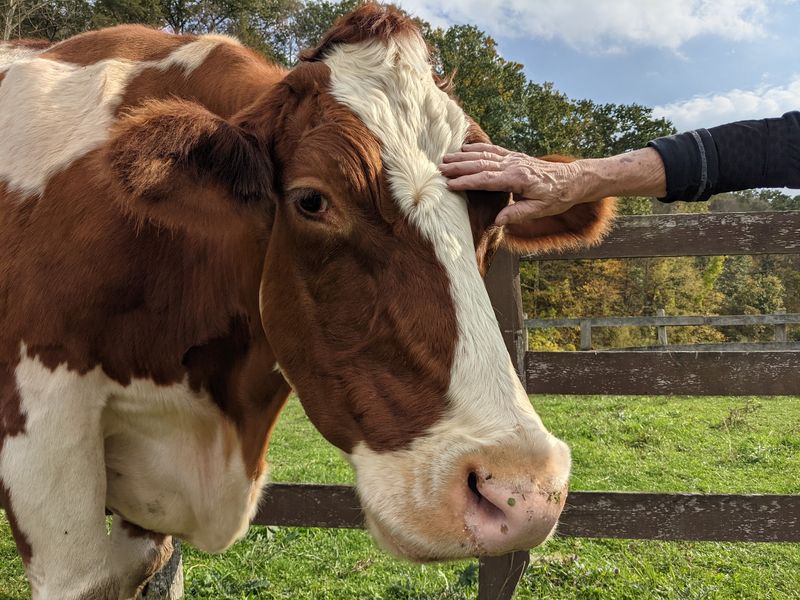
Cows weigh well over a thousand pounds and still act like they were built for affection. Lean against one and you will feel warmth radiating through your jacket like a furnace with a heartbeat.
The cattle here have learned that human hands mean chin scratches rather than trouble. Many stretch their necks out, half close their eyes, and go completely still.
Guides call it the cow lean, and it converts skeptics fast.
Each resident arrived through a rescue of some kind, and tours share those histories without drama. You hear where they came from and how long they have lived in the pasture since.
Do not expect to grab any animal you please. Comfort comes first, and the herd decides who gets attention.
That rule makes the moments when a cow chooses you feel earned.
Fall mornings are prime time. Cattle tend to be alert and social before the day warms, and the light across the fields photographs beautifully.
Go easy with your hands. Slow, steady scratches behind the ears and along the neck work best.
Sudden movements simply send a two thousand pound friend strolling elsewhere.
Pigs Who Flop For Belly Rubs
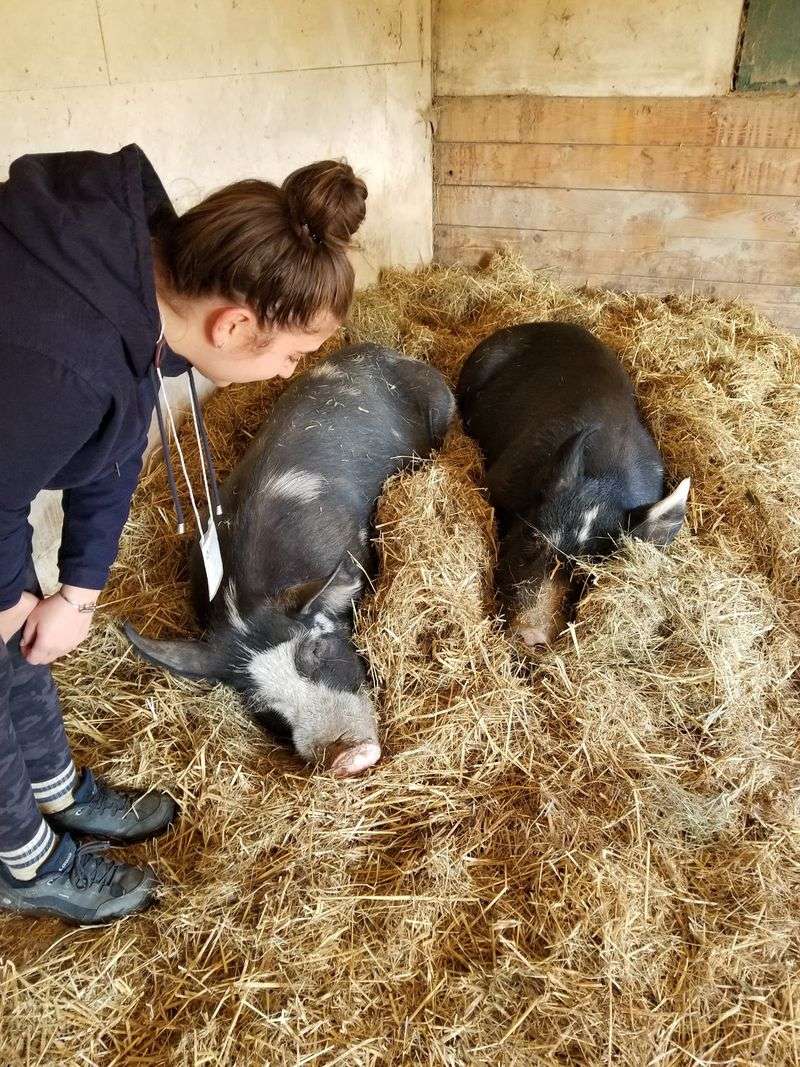
Ask anyone who has rubbed a pig’s belly and watch their face change. The animal collapses sideways, grunts once, and surrenders to the moment completely.
Pigs rank among the smartest animals on the property, and they use that intelligence mostly for comfort. They dig nests in straw, arrange blankets, and hold grudges against anyone who wakes them early.
Residents here range from massive farm breeds to smaller potbellies, and the size difference surprises first timers. A full grown pig can outweigh a refrigerator and still act like a housecat about naps.
Fun fact worth carrying home: pigs cannot sweat, so they roll in mud to stay cool and protect their skin. Autumn temperatures let them skip the spa treatment and just laze in the sunshine.
Approach slowly and let the pig sniff your hand first. Once trust registers, scratch along the shoulder or behind the ear and wait for the flop.
Bring a camera with a decent lens. Pig faces carry more expression than you would ever guess, and those photos tend to become the ones you actually show people later.
Straw sticks to everything, so dress accordingly.
Sleep Over At The Homestead
Waking up to roosters instead of alarms changes your whole outlook. The Homestead makes that possible.
The farmhouse dates to 1813 and has been restored into an on site vegan bed and breakfast with three guest rooms plus a master suite. Wood floors, quiet mornings, and windows facing the fields set the tone.
Overnight guests get something day visitors miss entirely. Early light across the pasture, animals waking up, and a property that belongs almost entirely to you before tours begin.
Meals are plant based, which lines up with the sanctuary’s mission. Even committed omnivores tend to leave impressed by breakfast.
Lodging runs year round, so a January stay with snow on the hills is just as possible as a golden October weekend. Winter visits have their own hushed appeal.
Booking ahead is essential given how few rooms exist. Fall weekends go quickly once foliage season hits full stride.
Staying here also supports the animals directly, since revenue feeds back into their care. A weekend away that doubles as a contribution feels like a fair trade.
Pack layers. Farmhouse mornings in the Hudson Valley carry a serious chill.
Autumn Turns The Pastures Golden
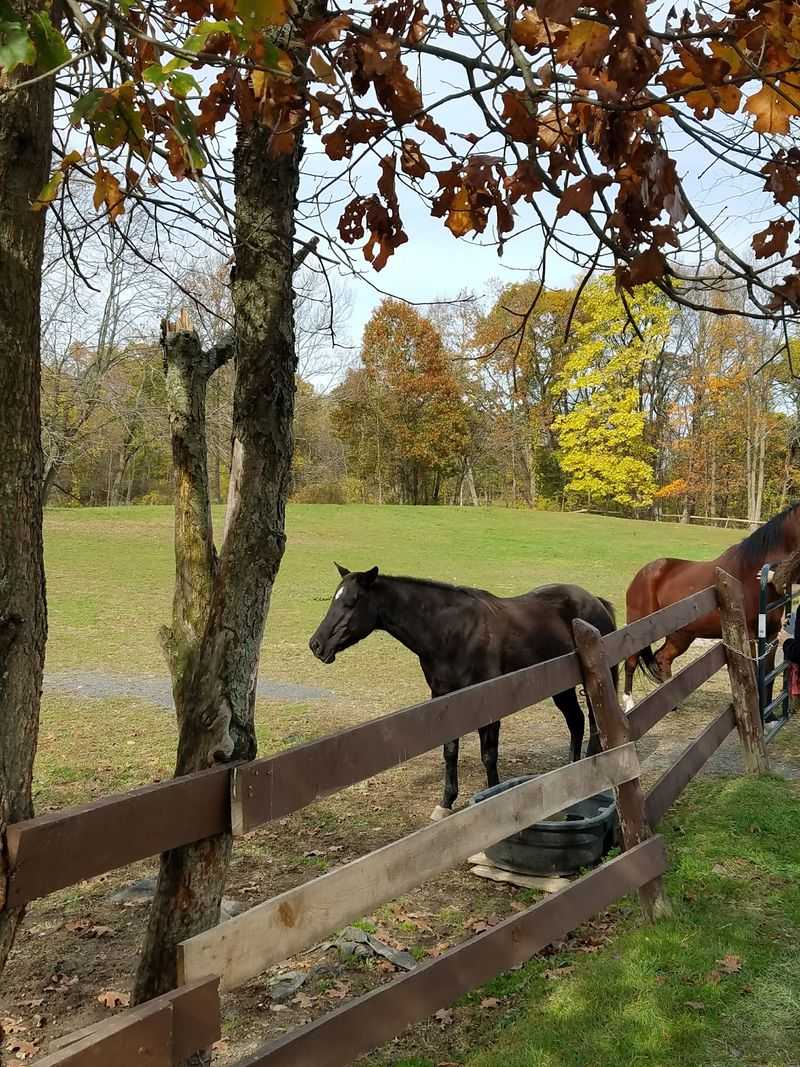
October in the Hudson Valley does not need promotion, but the sanctuary earns extra credit anyway.
Maples along the property line shift to orange and crimson while the pastures stay green well into November. Add a pond reflecting all of it and you have scenery that rivals anything on a postcard rack in Woodstock.
Cooler weather also changes animal behavior. Pigs stay active longer instead of hiding from heat, cattle graze more openly, and goats get downright frisky in the crisp air.
Bugs disappear, which honestly deserves its own paragraph. Summer visits mean flies.
Autumn visits mean none.
Foliage peaks in the Catskills roughly mid to late October, though timing shifts each year. Booking a tour during that stretch gives you animals and leaf peeping in one stop.
Dress in layers and expect wind across open fields. Sunshine feels warm, shade does not, and barns hold a chill.
Photographers should aim for late morning. Light angles beautifully across the hills and the animals have already finished breakfast.
Muddy patches multiply after rain, so waterproof footwear moves from suggestion to requirement once autumn showers arrive.
Stories Behind Every Name Tag
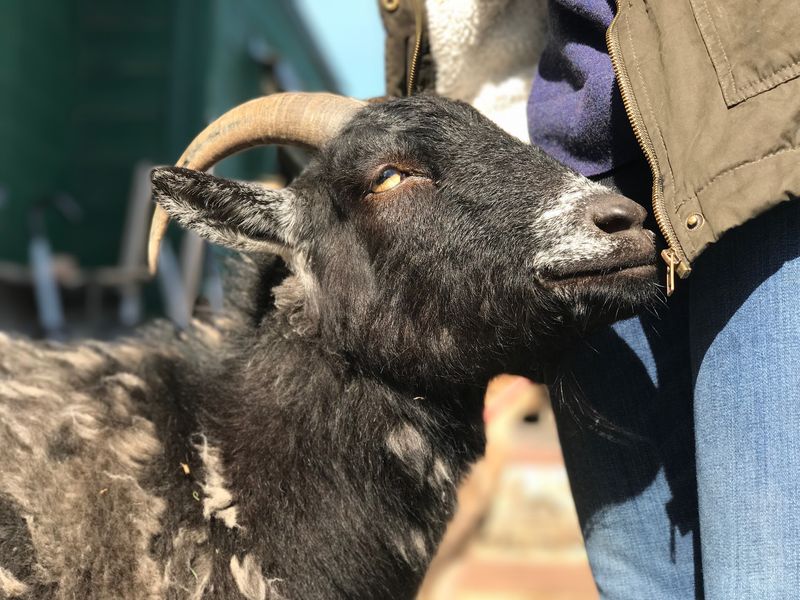
Every animal on the property has a name, and staff know all of them. That detail alone reshapes how you see the place.
Guides share where residents came from, how they arrived, and who they became afterward. A shy goat who now greets strangers.
A horse in his mid thirties still enjoying his pasture. A pig with a fan club of repeat visitors.
Learning histories turns a pleasant farm walk into something that sticks with you. You stop seeing species and start seeing individuals with preferences and friendships.
The sanctuary leans into education without lecturing. Information about farming practices comes up honestly, and visitors decide what to do with it.
Plenty leave with a lot to think about.
Repeat visitors often come back specifically for one animal. Kids especially latch onto a favorite and ask about them for years.
Medical care happens on site, and staff respond fast when a resident needs help. That attentiveness shows in how relaxed the animals appear around people.
Ask questions freely. Guides genuinely enjoy the curiosity, and the answers are usually better than anything a brochure could offer.
The Gift Shop Where Every Dollar Circles Back
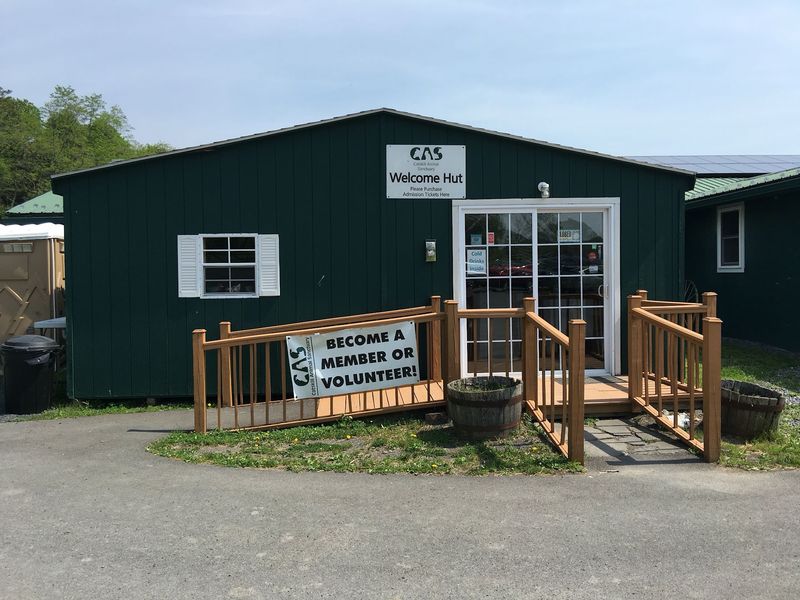
Souvenir shops usually inspire a polite walk through and nothing more. This one actually delivers.
Shelves hold shirts, mugs, tote bags, books, and small items featuring the sanctuary’s residents. The designs lean charming rather than cheesy, which is rarer than it should be.
Proceeds go straight into animal care, so buying a hoodie means funding hay, veterinary visits, and barn repairs. Shopping with that knowledge feels considerably better than a standard checkout.
The visitor center itself is compact and welcoming. Staff answer questions, help with tour logistics, and point you toward whichever animal you cannot stop talking about.
Sponsorship programs offer another route. Supporting a specific resident connects you to one animal and their ongoing care, which makes a thoughtful gift for the animal lover in your life.
Membership brings perks too, including tour access outside the standard public season. Frequent visitors find that worthwhile.
Even if you buy nothing, stop in. Restrooms, warmth, and a chance to regroup after ninety minutes in the fields all live here.
Cash is not necessary. Cards work fine, and donations get accepted with obvious gratitude.
Smart Planning For A Smooth Visit
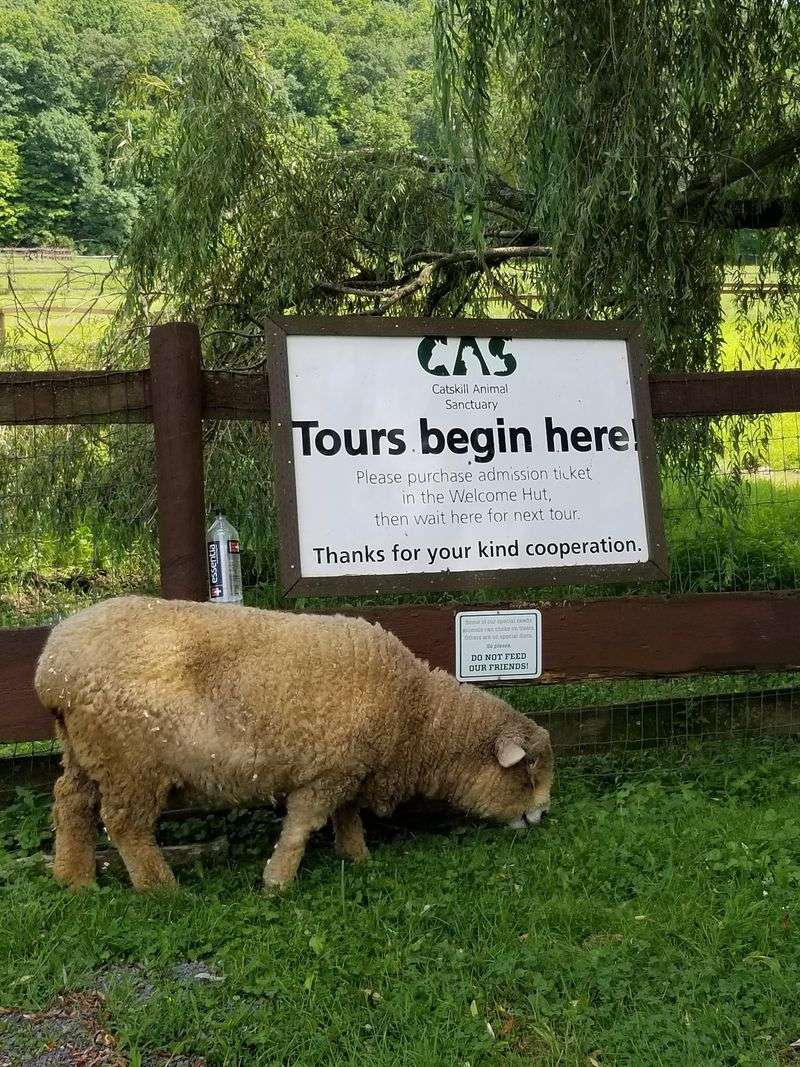
Preparation separates a good visit from a great one, and the list is short.
Footwear tops it. Pastures stay soft, especially after autumn rain, so waterproof boots or shoes you can hose off are the move.
Sneakers you love will not survive.
Reserve your tour online before driving out. Public tours run weekends spring through fall, and spots disappear during foliage season.
Day passes offer flexibility if guided times do not fit.
Arrive a bit early. Checking in without rushing lets you browse the visitor center and get oriented before your group heads out.
Layers beat heavy coats. Open fields catch wind while barns trap warmth, and you will want the ability to adjust.
Leave your own pets at home. The resident animals come first, and outside dogs complicate that.
Bring water and a snack for yourself. Feeding animals is not permitted without staff guidance, so keep treats in your bag.
Pair the visit with nearby Saugerties, Kingston, or Woodstock for a full day. The lighthouse trail in Saugerties makes an easy afternoon follow up.
Give yourself more time than you think. Nobody leaves early.