
A Half-Mile Forest Walk Leads To Wolves At This Unusual New York Preserve
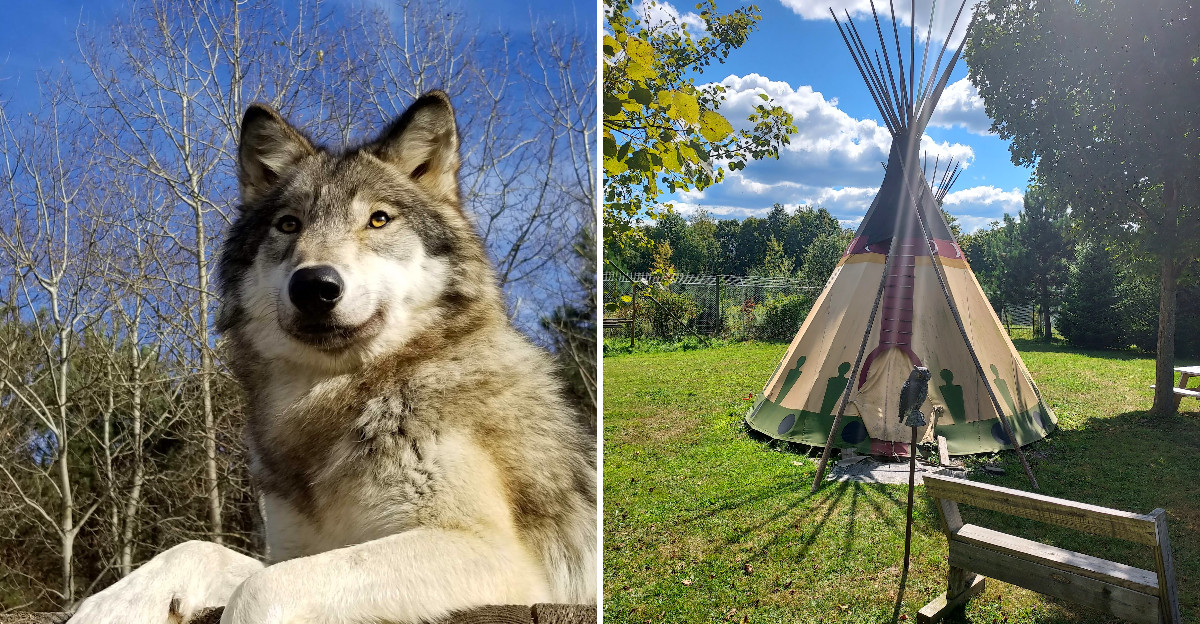
The first howl changes the whole walk. One second you are moving through quiet woods, and the next a full pack is calling somewhere beyond the trees.
New York gets wonderfully wild here. A short loop trail winds through 70 acres of forest, meadow, and pond, passing roomy enclosures where wolves, coyotes, and arctic foxes live under careful watch.
What makes the visit stick is how close everything feels without turning the animals into a show. Volunteers run the preserve, and admission money goes back into their care.
You may hear paws moving through leaves or catch a wolf watching from only a short distance away. Half a mile is not far, but this walk can feel much bigger once the forest starts answering back.
A Hillside Where Howls Replace Traffic Noise
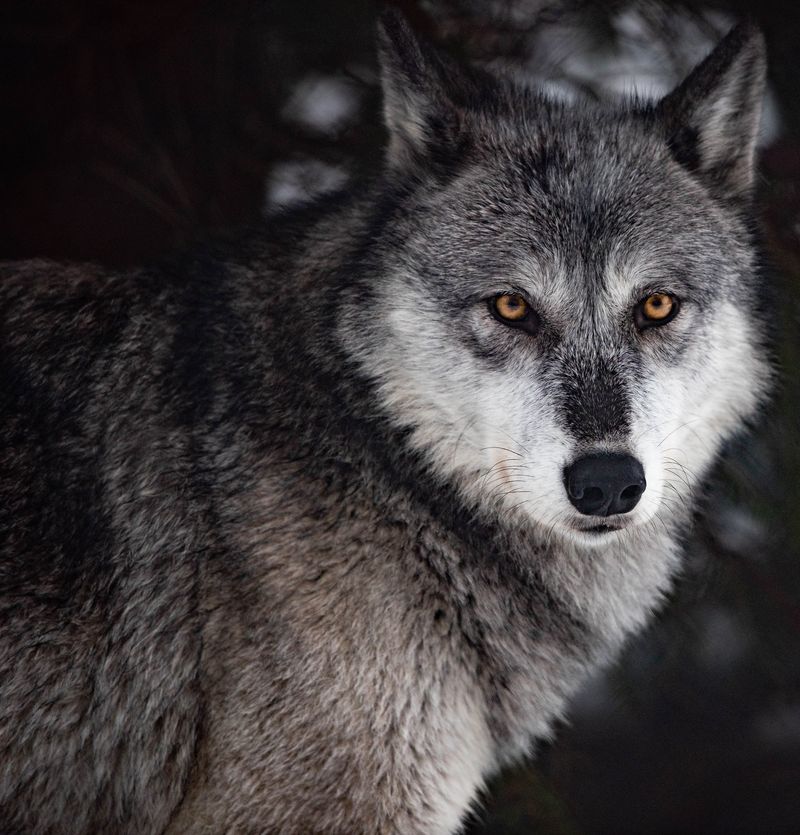
Sound arrives before sight here. You park, shut the car door, and the first thing you notice is how quiet the hills are.
Then a single voice climbs, and within seconds a dozen others answer.
The property spreads across 70 acres of woods, meadows, and small ponds. Twenty six animals live in thirteen enclosures, and a few of those habitats stretch as large as 9.2 acres.
That kind of room means the residents behave like actual wild canids instead of pacing exhibits.
A loop trail of roughly three quarters of a mile threads past every habitat. The surface is grass and gravel, with benches set along the way so you can sit and simply watch.
Patience pays off more than speed does.
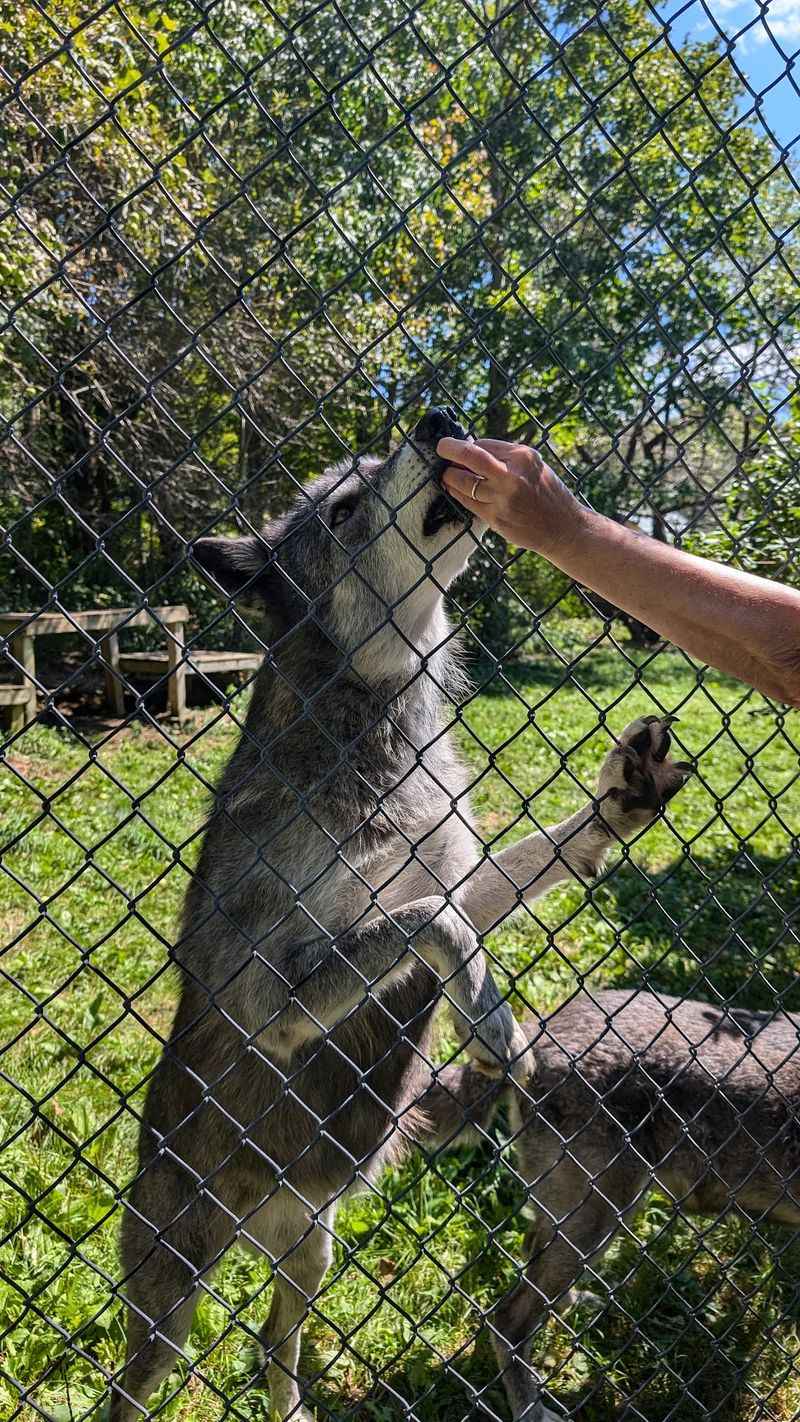
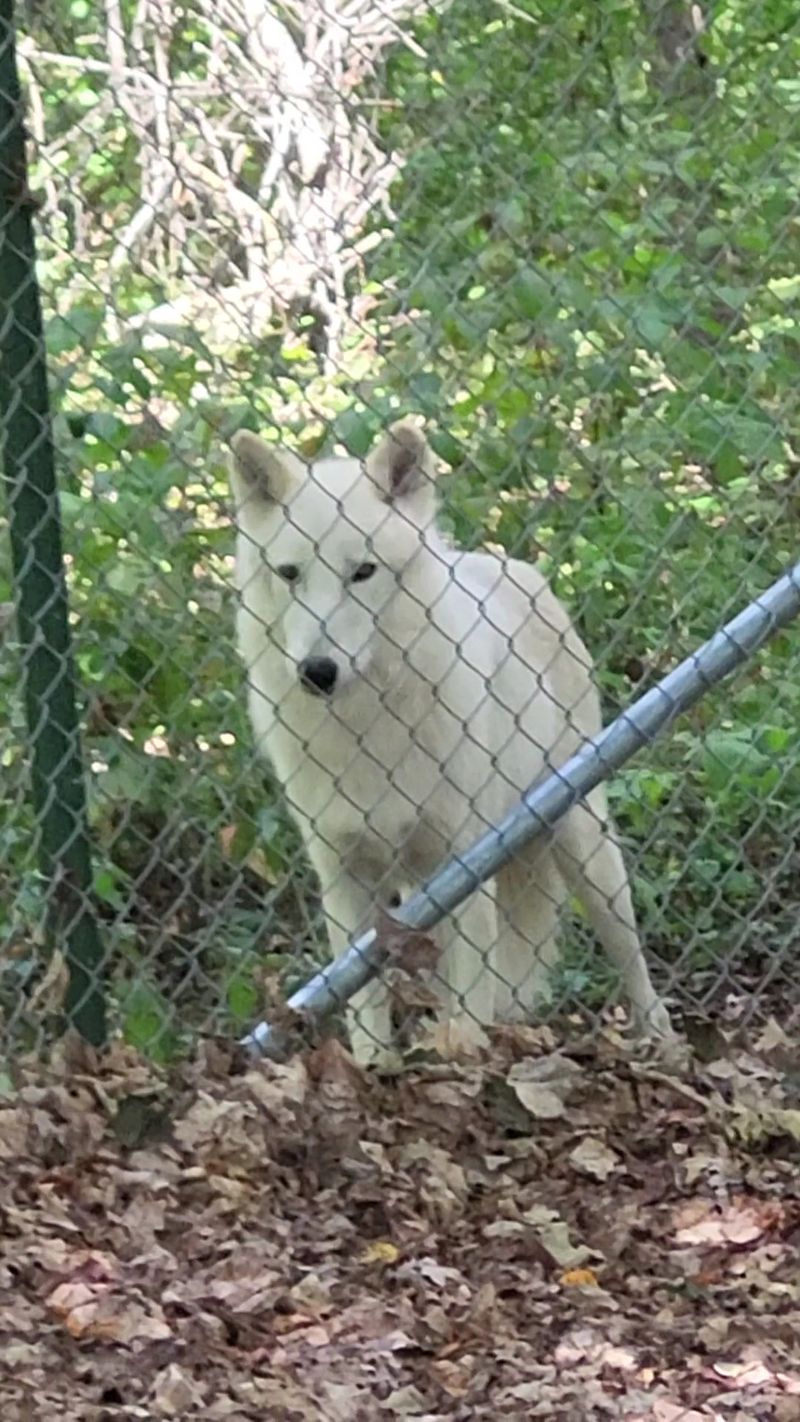
What surprises most first timers is the closeness. Viewing distances can shrink to about four feet, with sturdy fencing between you and a 100 pound predator.
The animals grew up around people, so they rarely bolt.
A wooden observation tower gives a second vantage point over one of the biggest enclosures. Climb it for a view of trees, vines, and wolves moving through cover.
Meet Wolf Mountain Nature Center In Smyrna
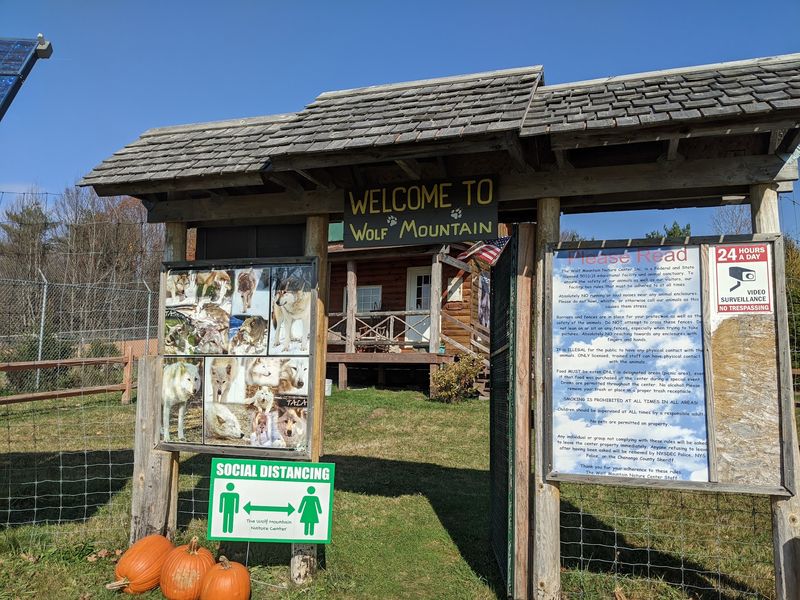
The name on the sign is Wolf Mountain Nature Center, and the address is 562 Hopkins Crandall Road, Smyrna, NY 13464. That puts it in Chenango County, deep in the rolling farm country of central New York.
Gates opened to the public in the spring of 2006. A lifelong wolf enthusiast started it, and the sanctuary now runs as a 501(c)(3) nonprofit staffed entirely by volunteers.
Admission fees and donations go toward food and animal care, nothing flashier.
Getting there involves country roads and then a packed gravel driveway that climbs at a noticeable grade. Take it slow.
Motorcyclists should be extra careful, since loose gravel gathers in spots.
Parking is free and roomy enough for large vehicles, which matters when families arrive in vans or RVs. There is no giant visitor complex waiting, just a Welcome Cabin area and trails heading into the trees.
Plan for weather, because nearly everything happens outdoors. Sturdy shoes beat sandals every single time on these grassy, uneven paths.
Sunday Tours Led By People Who Know Their Packs
Docents make this visit. Guided tours leave from the Welcome Cabin area at 12:30 PM on Sundays, and the volunteers leading them can tell you which wolf outranks which, and why.
You will hear about subspecies differences, since the residents include Alaskan Tundra wolves and Timber wolves. Details like paw size, coat thickness, and winter shedding suddenly make sense when the animal is standing right there.
Prefer to roam on your own schedule? Maps and informational kiosks let you go self guided at whatever pace suits you.
Both options cover the same loop.
Volunteers also help spot the shy ones. Foxes and coyotes love shade, and a trained eye will find a curled up arctic fox you would have walked past twice.
Questions are genuinely welcome. Ask about diet, about how packs sort out squabbles, about why wolves get such a rough reputation in folklore.
Education sits at the center of the mission, and the answers come without a script.
Bring curiosity and maybe a notebook. You will leave knowing more about wild canids than most nature documentaries deliver.
Foxes, Coyotes, And Other Residents Worth Your Time
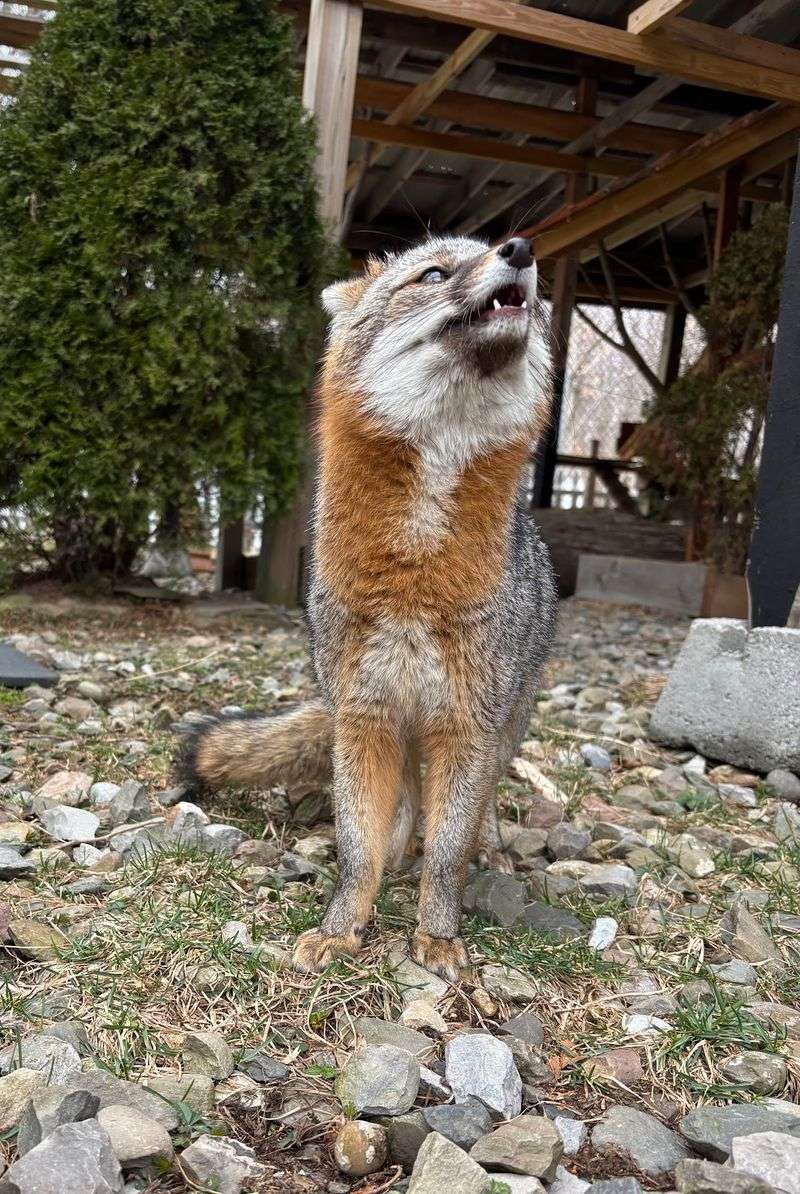
Wolves get the headlines. The supporting cast, though, might steal your afternoon.
Arctic foxes live here, and their coats shift with the seasons from brownish gray to a white so bright it looks unreal. Gray foxes and red foxes round out the smaller canids, each with a different way of moving and resting.
Eastern coyotes also have habitat space, and seeing them up close corrects a lot of assumptions. They are bigger than most people expect, with long legs built for covering ground.
Watching several species in one visit turns into a lesson in comparison. Ear shape, tail carriage, body size, and vocal range all differ, and the contrasts stick in your memory better than any chart.
Photographers, take note. Distances can close to about four feet, and the animals show little concern about cameras.
Morning light filtering through the trees does lovely things to a silver coat.
Special photography sessions run at certain times of year and require advance booking, so check the schedule online before counting on one.
Trail Conditions And What To Wear
Footwear decides how much fun you have. The loop runs on grass and gravel with uneven patches, and nothing is paved.
Hiking shoes or broken in sneakers handle it well. In winter, insulated boots become necessary, and traction spikes help on frozen stretches.
Snow and ice reshape the whole route.
Summer brings the opposite set of needs. Water, a hat, and bug spray earn their place in your bag, especially near the ponds where mosquitoes hold their meetings.
Benches appear at intervals, which makes the walk manageable for a wide range of fitness levels. Sitting still also improves your odds of seeing animals relax and move naturally.
Mobility matters here. Wheelchairs and strollers struggle on this terrain, so call the plan realistic rather than easy if someone in your group needs smooth surfaces.
Forested hiking trails extend beyond the main animal loop for anyone wanting extra woodland time. They reward a slower stroll and a bit of looking around.
Layers work best year round. Weather in these hills changes faster than the forecast admits.
Howl Nights And Other Standout Programs
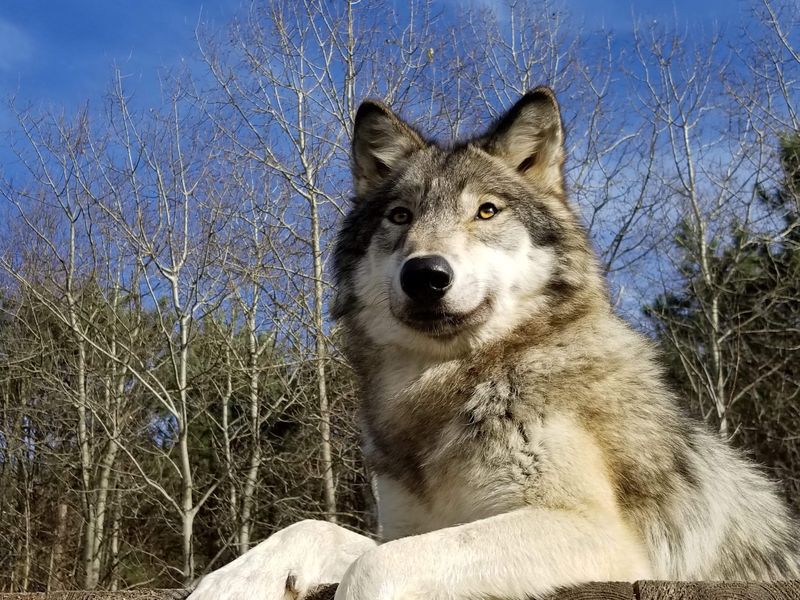
Certain evenings, the schedule shifts toward something unforgettable. Howl Nights teach visitors how wolves communicate, and then everyone joins in a pack howl.
Hearing your own voice answered by wolves rearranges something in your chest. The sound carries across the hills and comes back layered, rising and falling in ways no recording captures.
Programs like these fill up, so booking ahead is the smart move. The center posts events on its website throughout the year.
An overnight event called Sleep with the Wolves also appears on the calendar. Guests spend the night on the grounds, away from screens, with the pack for neighbors.
Photography sessions run separately and come with clear ground rules. Visitors do not enter wolf habitats, though certain fox sessions have allowed closer access in past years.
On select Sundays, food vouchers go on sale so visitors can help feed the animals during their visit. Watching a wolf work through a meal reveals speed and strength you never notice at rest.
Check availability early. These extras are the difference between a nice afternoon and a story you retell for years.
The Off Grid Gift Shop With A Woodstove
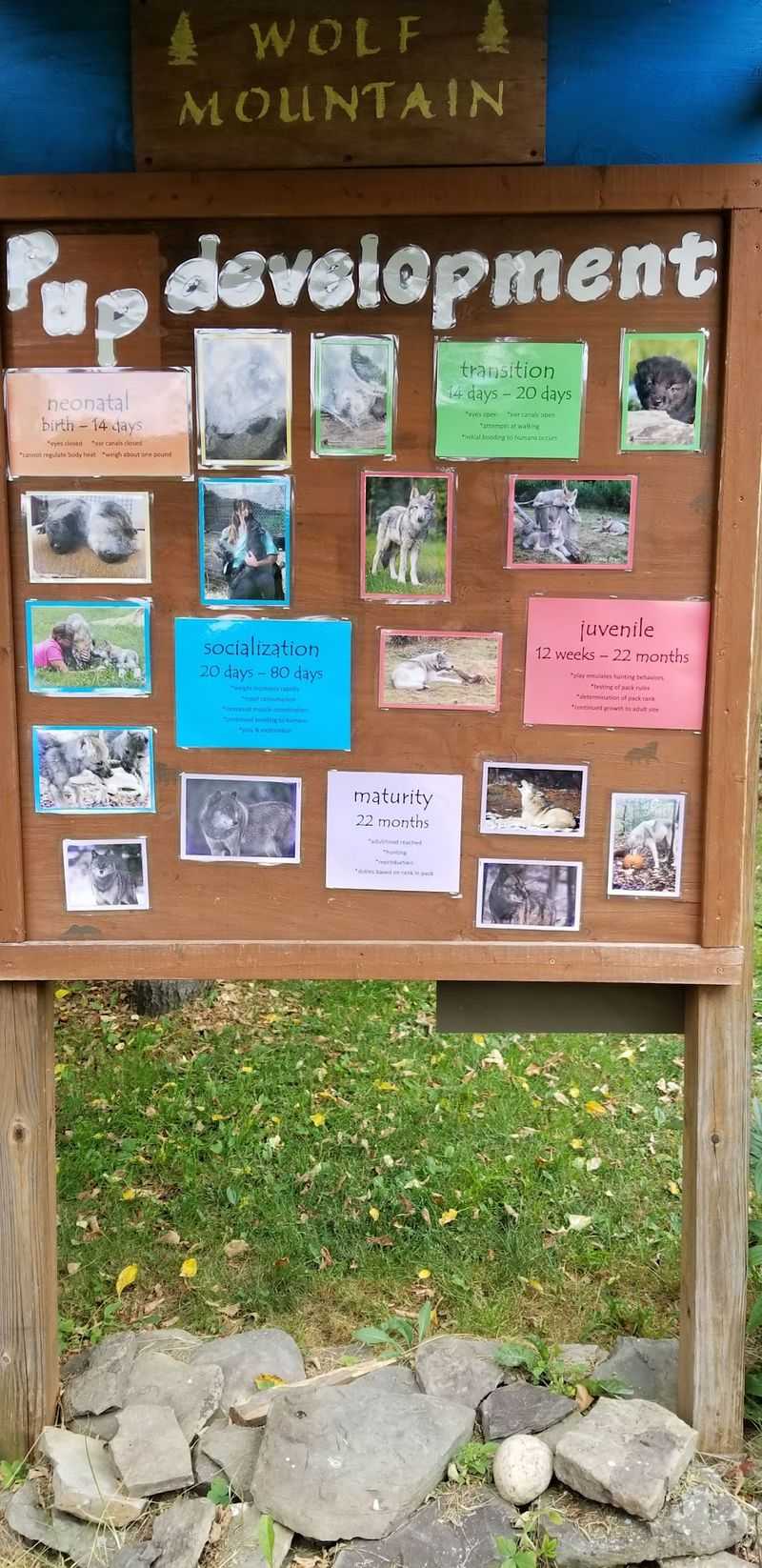
Warmth greets you inside the gift shop when the temperature drops, courtesy of a woodstove doing honest work. It is the one heated indoor space on a largely outdoor property.
Solar and wind power run the shop and classroom, which keeps the center mostly off grid. Learning that while browsing shelves adds a nice layer to the purchase.
Merchandise leans toward wolf themed apparel, prints, books, and small keepsakes. Prices stay reasonable, a detail visitors mention often.
Every sale supports animal care, so buying a shirt genuinely feeds somebody with four legs and impressive teeth. That makes the souvenir feel less like clutter.
Budget a few extra minutes and a few extra dollars. People routinely walk in planning to look and walk out with a bag.
The classroom space hosts educational sessions and slide presentations tied to special programs. Seeing photos of individual animals before meeting them helps you tell the packs apart.
Warming up here mid visit is also just practical. A New York winter afternoon outdoors makes a woodstove feel like a small miracle.
Rules That Keep The Animals Calm
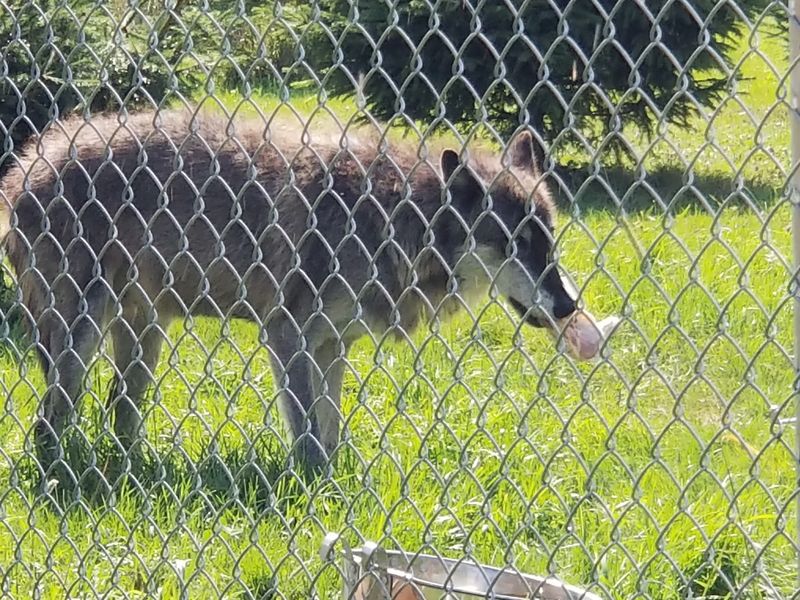
Guidelines here exist for the residents, not for bureaucracy. Understanding them ahead of time saves disappointment at the gate.
Pets stay home. That policy includes service animals, because the scent and presence of a dog stresses captive canids in ways that are hard to undo.
The grounds are smoke free and alcohol free throughout. Simple to follow, and it keeps the atmosphere clean for everyone.
Volunteers may ask visitors to step back from fencing at certain moments, particularly around feeding or when an animal seems unsettled. Following those requests promptly is part of the deal.
Quiet voices work better than loud ones. Sudden noise and quick movement cause animals to retreat, which means less viewing for the whole group.
Children do visit, though the experience suits kids who can stay calm and listen. Older children and teens generally get the most out of the tour.
Respecting the fencing keeps everyone safe, animals included. These are wild species raised by people, not pets, and the boundaries reflect that reality honestly.
Picnic Spots, A Tipi, And Woodland Extras
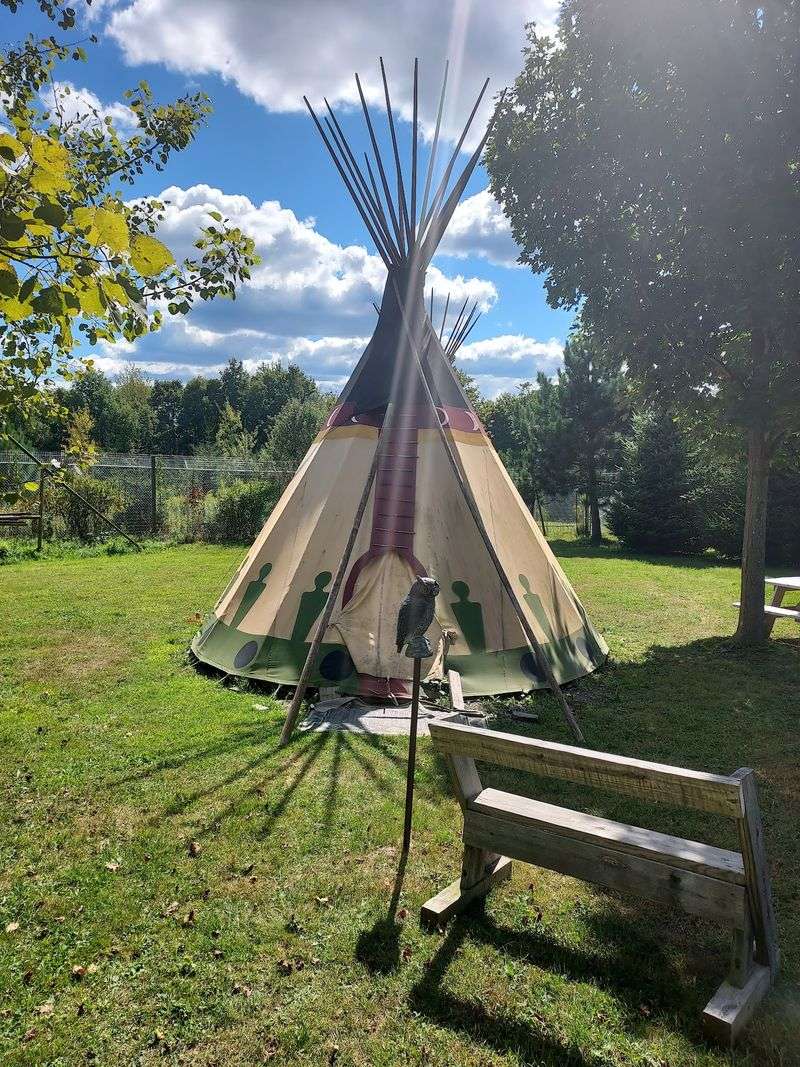
Lunch outdoors turns a visit into a half day outing. A picnic area sits on the grounds, so packing sandwiches makes sense given the rural setting and limited nearby options.
A Native American Indian tipi also stands on the property, an unexpected feature that gets plenty of attention from curious visitors. It fits the landscape better than you might guess.
Forested trails stretch beyond the main animal loop, and past visitors have found small surprises along the way. The center has expanded and improved these paths over the years.
Ponds and meadows attract birds, insects, and plenty of wildflowers in warm months. Bring binoculars and the day doubles as general nature watching.
Benches scattered around the property invite you to slow down instead of marching through. The best moments usually arrive during the pauses.
Shade is plentiful in the woods, which helps on hot afternoons. Cool spots make the walk comfortable even in midsummer.
Give yourself permission to wander. Rushing this place misses the point entirely.
Building A Day Trip Around Chenango County
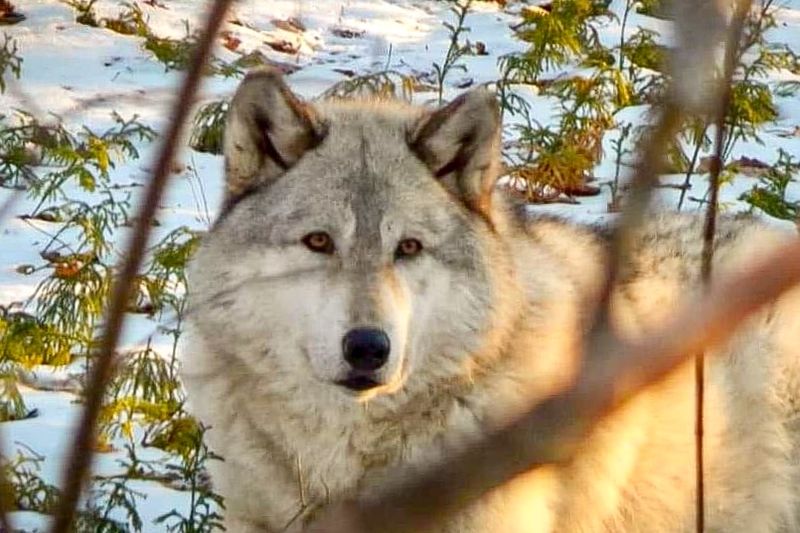
Geography favors a longer loop. Smyrna sits in Chenango County, within reasonable driving distance of Utica, Binghamton, and Syracuse.
Country roads leading in pass through farmland and hardwood hills that look painted in October. The drive itself counts as scenery, not just transit.
Fuel up and grab supplies before the final stretch, since services thin out near the sanctuary. A cooler in the trunk solves most problems.
Morning departures work best. Arriving by noon means the full afternoon window, the guided tour, and unhurried time on the trail.
Autumn draws crowds for good reason, with foliage and comfortable hiking temperatures arriving together. Winter visits bring quieter grounds and animals in glorious full coat.
Photographers should pack a zoom lens plus something wider for the landscape. Both get used.
The sanctuary closed the gap between reading about wolves and standing near them, and that shift changes how people think about these animals. Few attractions in New York deliver that so directly.
Leave a donation if the visit moves you. Volunteers and animals both benefit, and the mission runs on exactly that kind of support.