
The Fall Tick Map Of Massachusetts Shows Where Risk Is Highest This Season
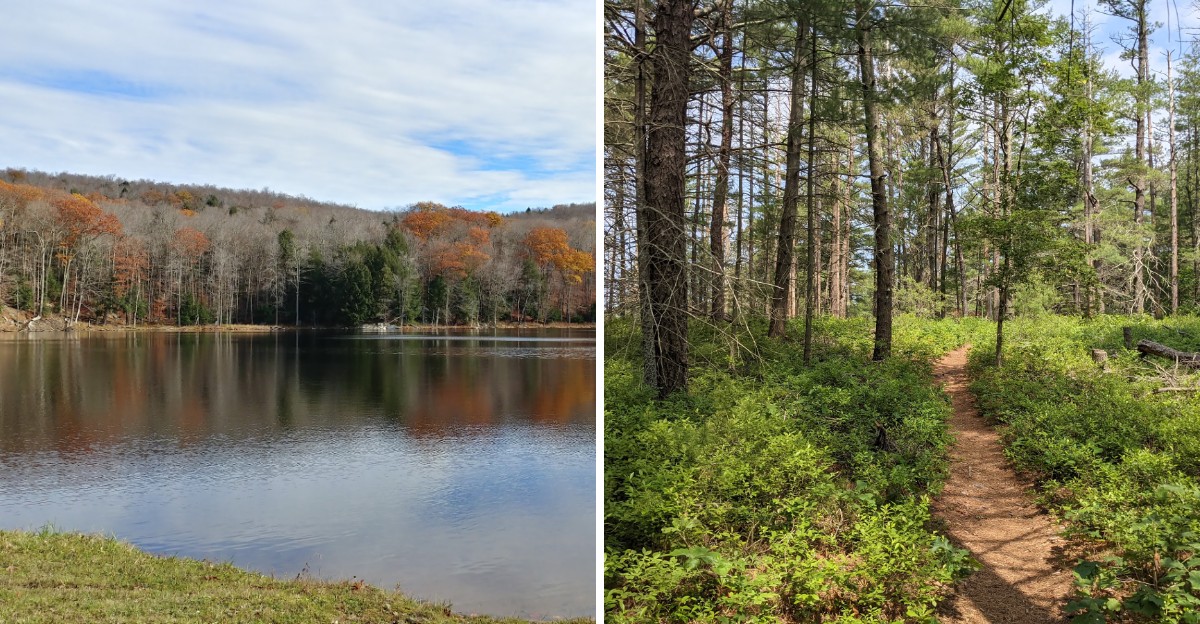
Cooler weather may feel like a break from summer bugs, but ticks do not disappear when fall arrives. In Massachusetts, autumn can still bring plenty of tick activity, especially in wooded areas, tall grass, and places where deer and other wildlife move through.
So where should you be extra careful this season?
A look at the latest tick risk patterns across Massachusetts shows that certain areas deserve more attention than others. Coastal regions, islands, forests, and popular trail systems can all create the right conditions for tick exposure during fall.
That does not mean you need to stay indoors. It simply means a little preparation can make a big difference.
Long pants, regular tick checks, and staying near the center of trails can help lower your chances of bringing an unwanted hitchhiker home.
Before your next fall outing, it is worth knowing which Massachusetts areas call for extra caution.
1. Cape Cod National Seashore
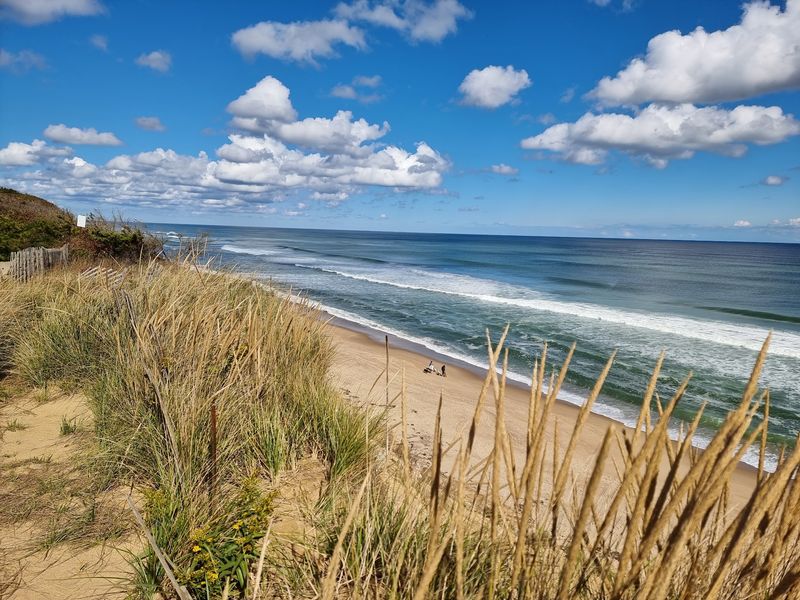
Salt air, shifting dunes, and forty miles of protected shoreline make this stretch of the outer Cape unforgettable in October. The seashore, reachable from the Marconi Site Road area in Wellfleet, mixes beach with dense scrub.
That mix matters. Pitch pine and scrub oak woodlands hold moisture and leaf litter, which is exactly the habitat ticks prefer.
Deer move freely through these thickets, carrying passengers with them.
Beach walking on open sand is generally low risk. The risk climbs when you leave the shoreline and follow interior trails toward the kettle ponds, where grasses brush your ankles.
Try to stay centered on the marked paths. Sandy trails here are wide and firm, so there is rarely a reason to cut through brush.
Light colored pants help you spot a crawling tick before it settles in. Tucking pant legs into socks looks goofy, but it works remarkably well.
Fall birdwatching along the marsh edges is fantastic, though marsh grass is prime tick territory. Bring repellent and reapply after a long afternoon outdoors.
Back at the car, do a quick scan of your legs, waistband, and hairline. Tossing clothes in a hot dryer for ten minutes at home handles any stowaways.
The Cape rewards slow exploration, so give yourself time. A few simple habits let you enjoy every dune, overlook, and lighthouse view without worry.
2. Manuel F. Correllus State Forest
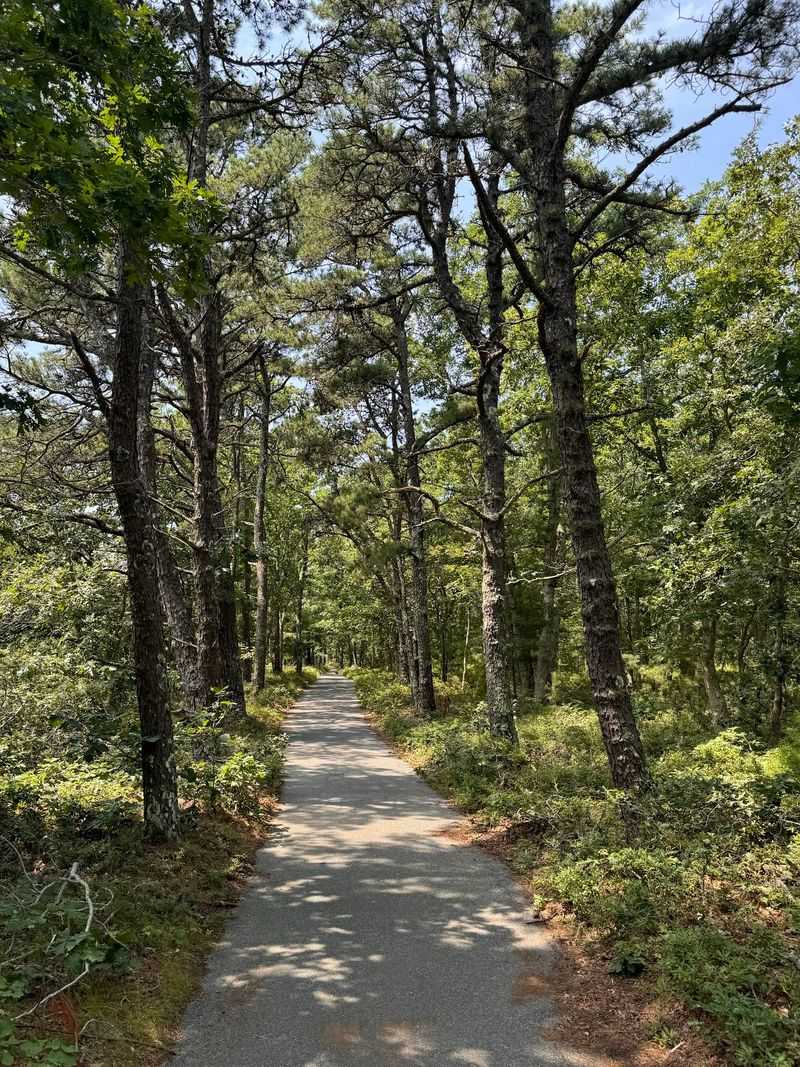
Martha’s Vineyard has beaches everyone knows and an interior almost nobody talks about. Sitting along Barnes Road in Edgartown, this forest covers a wide green heart in the middle of the island.
Flat trails wind through pine and oak, perfect for easy walking or a relaxed bike ride. The terrain is gentle, which makes it popular with families and horseback riders.
Island deer populations are famously dense, and dense deer usually means dense tick activity. Grassy firebreaks and trail shoulders are the spots to treat with respect.
Bikes on paved paths keep you well clear of vegetation. If you switch to a footpath, stick to the middle and avoid brushing the edges.
Permethrin treated clothing is a smart option for repeat visitors. It stays effective through several washes and works on shoes and socks.
Autumn here is quiet in the best way, with songbirds calling and very little traffic noise. The stillness makes it easy to forget a post walk check, so set a phone reminder.
Pay extra attention behind the knees, around the belt line, and along the scalp. Kids and dogs need the same once over.
The forest offers a peaceful contrast to the island’s busy shore towns. With a little preparation, the only thing you carry home is a good mood.
3. Nantucket Island

Thirty miles out to sea, Nantucket keeps its own weather, its own rhythm, and its own reputation for tick activity. Windswept moors and cranberry bogs define the island’s open interior.
Fall colors here are subtle and gorgeous, with heathland turning rust and gold. Sandy footpaths cross wide stretches of low grass and shrub.
Low vegetation is exactly where ticks wait for a passing host. The island’s deer herd keeps the cycle going year round.
Cycling the paved bike paths is a lower risk way to see a lot of ground. Walking the moors calls for closed shoes, long pants, and repellent on shoes and cuffs.
Conservation land covers a large share of the island, so trails are plentiful and often unshaded. Wind can be strong, which tempts people to duck into brushy cover for a break.
Choose a bench or open dune instead. It is a small choice that lowers your exposure considerably.
After exploring, change clothes and shower within a couple of hours if you can. Prompt checks catch ticks before they attach.
Historic streets, lighthouses, and the whaling museum round out a visit nicely. Nantucket proves that some of the most beautiful corners of Massachusetts simply ask for a bit of extra care.
4. Myles Standish State Forest
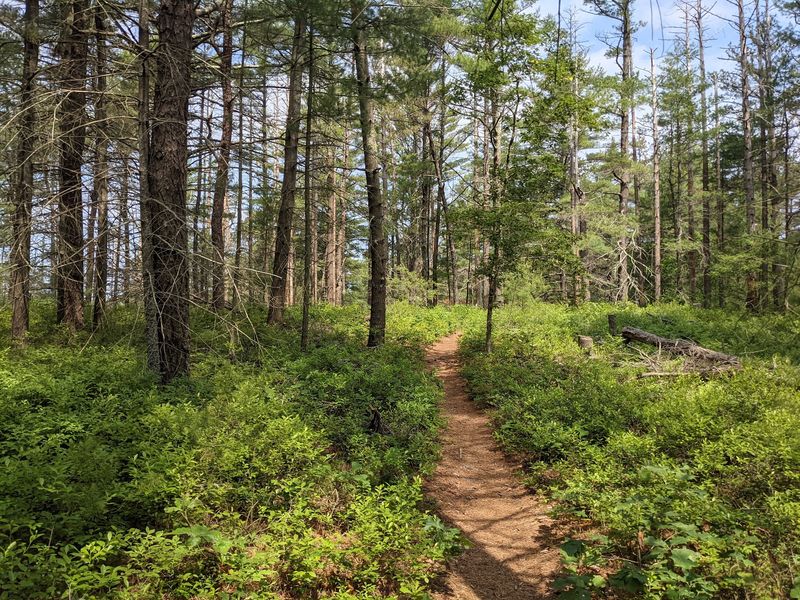
Pine barrens have a wild, slightly otherworldly feel, and southeastern Massachusetts holds one of the biggest. Off Cranberry Road in Carver, this forest spreads across thousands of acres of pitch pine and scrub oak.
Kettle ponds sparkle between the trees, left behind by ancient glaciers. Trails run in every direction for hikers, cyclists, and equestrians.
Scrub oak grows low and thick, brushing right at leg height. That structure makes it one of the better tick habitats in the region.
Wide fire roads give you room to walk without contact. Narrow singletrack is where sleeves, long pants, and repellent earn their keep.
Campers should keep tents on cleared ground rather than grassy patches. Shaking out gear before packing is a good habit.
Fall camping here is peaceful, with cool nights and very few crowds. Warm afternoons can still wake ticks up, so do not assume cold weather means safety.
Check dogs thoroughly, especially around ears, collars, and toes. Pets often collect more than their humans do.
Bring a small mirror or a friend for the tricky spots. Fine tipped tweezers belong in every daypack.
The mix of ponds, pines, and open sky makes for a memorable outing. Prepare properly and the forest gives back far more than it takes.
5. Horseneck Beach State Reservation
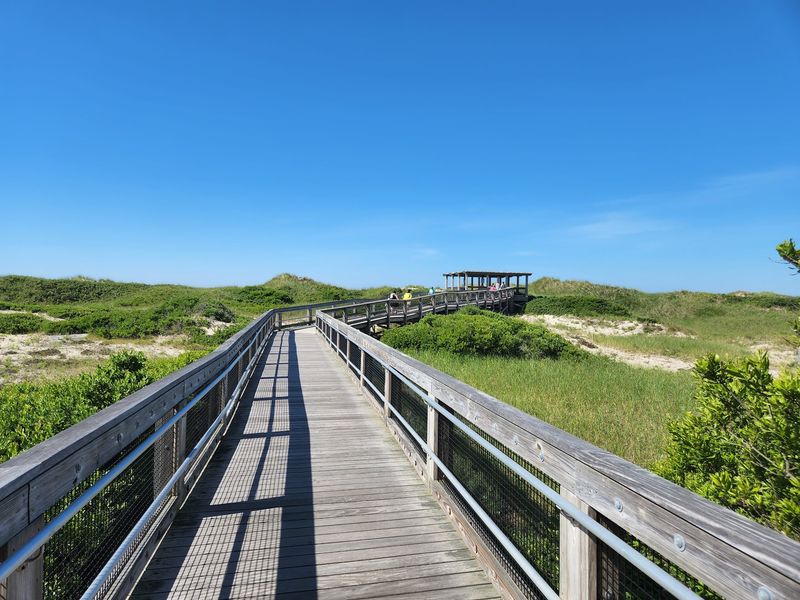
Where the Westport River spills into the Atlantic, the coastline opens into a long sweep of sand and marsh. John Reed Road in Westport leads you straight to it.
Wind is the headline act at Horseneck Beach State Reservation. Kiteboarders love it, and beach walkers get a bracing dose of sea air in October.
Open beach carries little tick risk, which makes shoreline strolls a safe bet. The dune grass and marsh edges behind the beach are a different story.
Birdwatchers drawn to the salt marsh should plan ahead. Tall grasses and shrubby borders are classic waiting spots for ticks seeking a ride.
Wear boots rather than sandals if you are heading inland from the sand. Treat footwear and socks with repellent before you leave home.
Fishing and shellfishing draw people to muddy, vegetated edges too. Long pants tucked into boots solve most of the problem.
Autumn light on the marsh is spectacular around sunset. Give yourself a few extra minutes afterward for a careful body check.
Vehicles collect ticks as well, so brush off bags and towels before loading up. A lint roller in the glovebox is an underrated trick.
Horseneck delivers big coastal views with easy access. A little planning keeps the day firmly in the pleasant column.
6. October Mountain State Forest
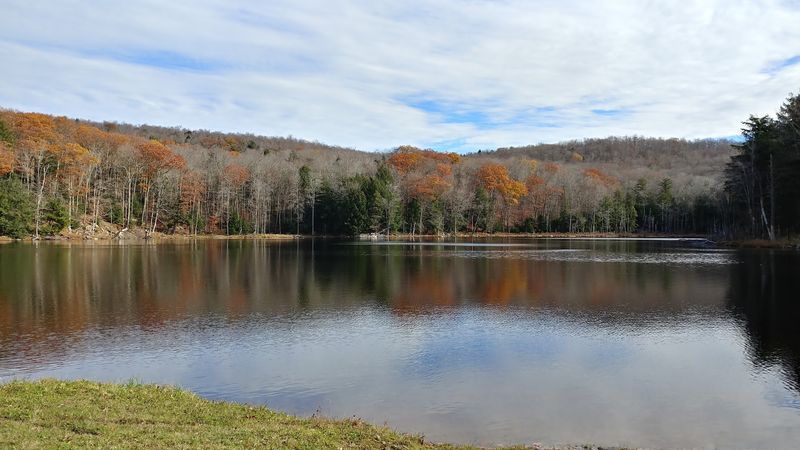
Fitting name, gorgeous season. Reached by Woodland Road in Lee, this Berkshire woodland is the largest state forest in Massachusetts at more than sixteen thousand acres.
Hillsides blaze with maple and birch color through October. Streams cut quietly through the valleys below.
Deep leaf litter is the key detail for tick awareness. Fallen leaves hold humidity, and ticks shelter there long after the first chilly nights.
Trail shoulders collect the thickest leaf piles. Walking down the center keeps your ankles out of the danger zone.
Mountain bikers and horseback riders share these routes, and all of them face the same risk. Repellent on lower legs is the simplest defense.
Resist the urge to sit directly on logs or leafy ground during a snack break. A packed sit pad or a rock works better.
Wildlife here includes deer and bear, so give animals distance for several reasons. Keeping to open trail serves double duty.
Once home, hot drying your clothes kills ticks more reliably than washing alone. Showering soon after a hike helps too.
The Berkshires in fall are worth every mile of the drive west. Pack repellent alongside your camera and the day stays entirely about the scenery.
7. Quabbin Reservoir
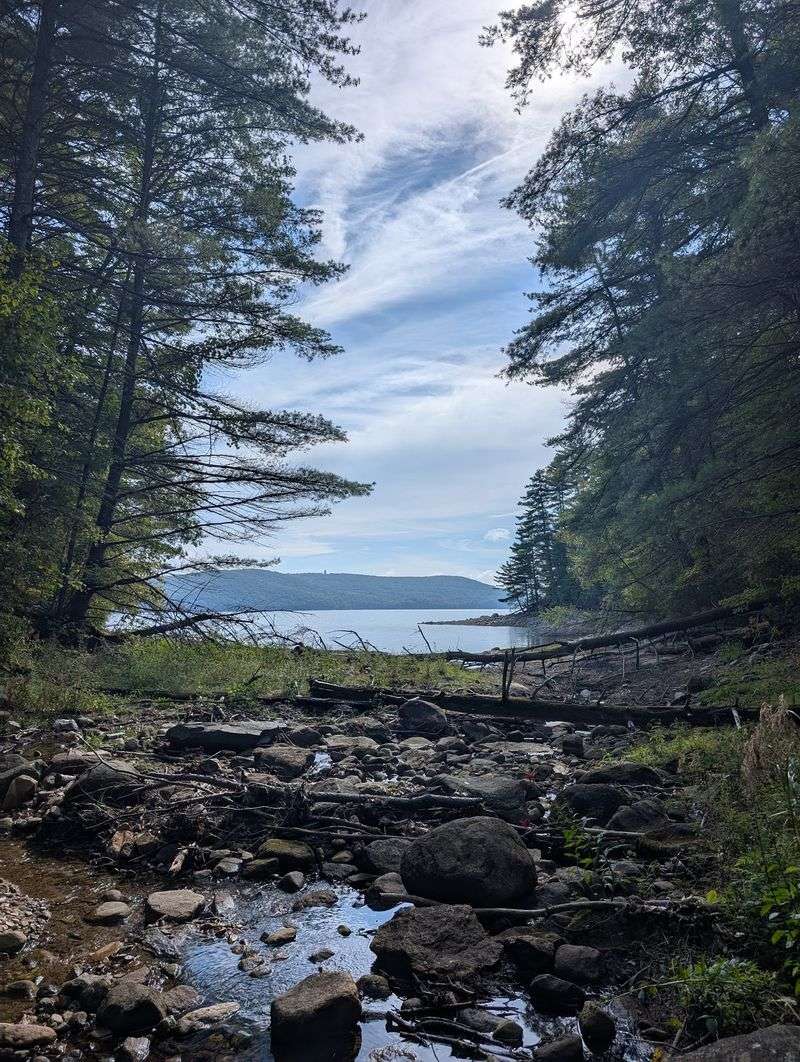
Few places in central Massachusetts feel this enormous and this quiet at the same time. Winsor Dam Road in Belchertown opens into thousands of protected acres surrounding shimmering water.
Islands scattered across the reservoir are the tops of former hills. The whole area is managed carefully to protect drinking water for the Boston region.
Miles of gravel roads and grassy woods roads invite walkers and cyclists. Those grassy margins are where tick awareness matters most.
Deer are abundant throughout the watershed. Where deer travel, ticks follow, and fall is an active season for adult ticks.
Gravel surfaces are your friend. Grass growing along the shoulders can reach shin height by autumn.
Anglers heading toward shoreline access points often push through brush. Long pants and treated boots make that trip far safer.
Bald eagles nest around the reservoir, which makes binoculars essential gear. Stay on designated routes while scanning the sky.
Do a full check before getting in the car, then a more thorough one at home. Focus on warm, tucked away areas where ticks like to attach.
Quabbin combines conservation history with genuine wilderness feel. Respect the habitat, prepare for it, and the visit stays purely memorable.
8. Wachusett Mountain State Reservation
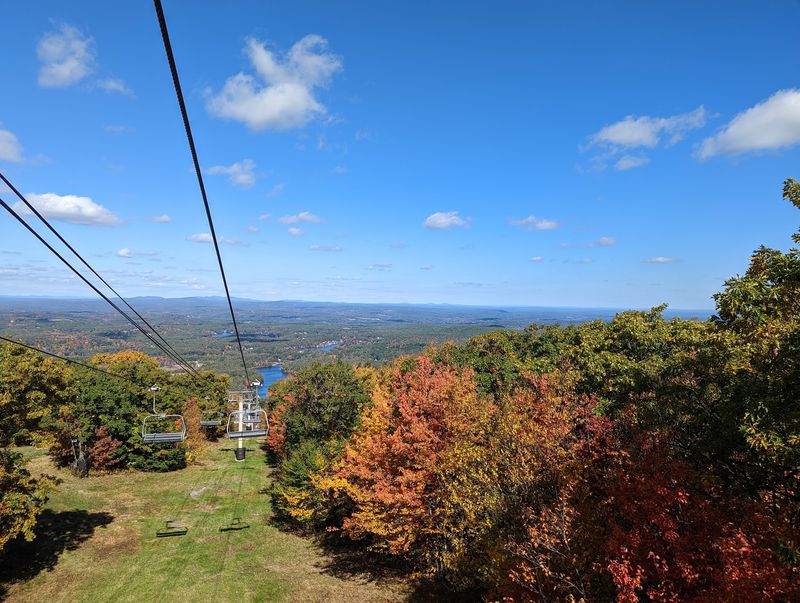
A single peak rising above central Massachusetts farmland draws leaf peepers by the thousand every October. Mountain Road in Princeton delivers you to the trailheads.
Views from the summit reach across forests, small towns, and on clear days a distant skyline. Old growth pockets survive on the slopes below.
Popular trails at Wachusett Mountain State Reservation mean packed dirt and rock, which lowers contact with vegetation. Quieter side paths run narrower and brushier.
Elevation changes create different microclimates on the mountain. Lower, damper slopes hold the conditions ticks prefer.
Dress in long layers for the cooler summit anyway. That same clothing doubles as tick protection lower down.
Families often stop for photos in grassy clearings near the base. A quick leg check before piling into the car takes thirty seconds.
Leashed dogs should be inspected carefully after any trail time. Tick preventives from a veterinarian add another layer of protection.
Fine tipped tweezers and steady hands are the recommended removal method. Pull straight out, clean the area, and watch it over the following weeks.
Wachusett rewards effort with one of the best autumn panoramas in the state. Smart habits let you focus on the view instead of the crawlies.
9. Blue Hills Reservation
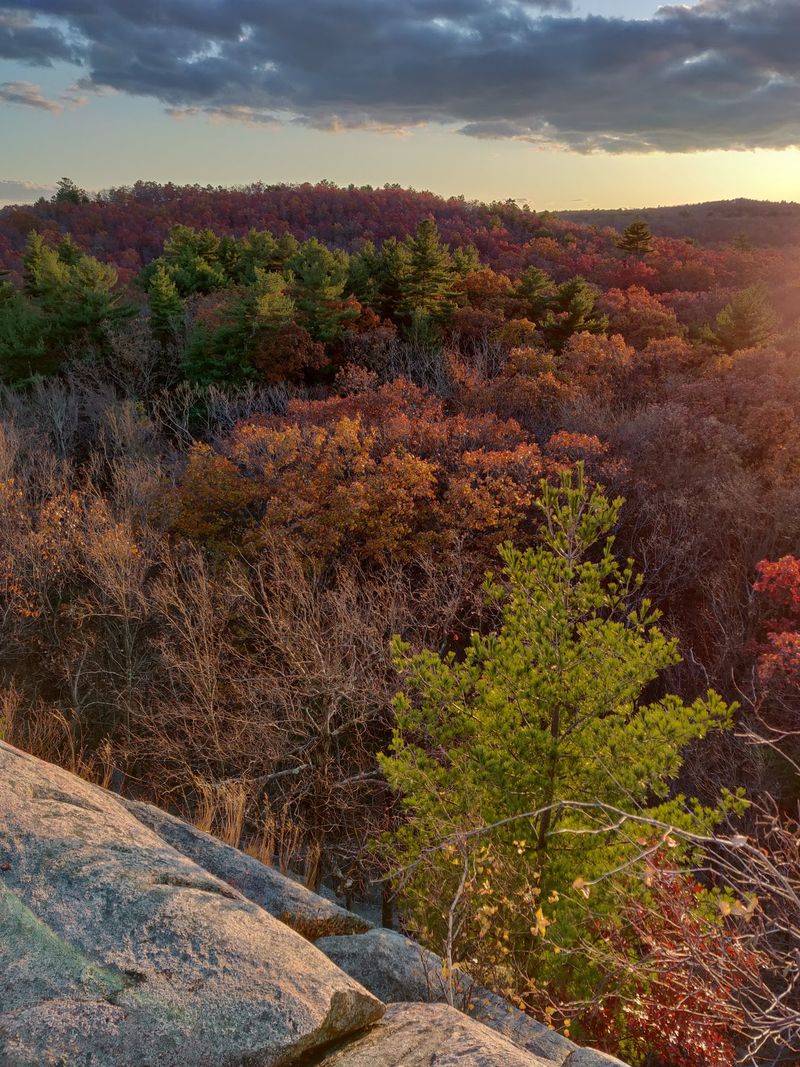
Boston sits right there on the horizon, yet the woods feel genuinely wild. Hillside Street in Milton serves as the main gateway to this sprawling green space.
More than one hundred twenty five miles of trails cross rolling hills, ponds, and rocky ledges. Great Blue Hill offers the headline view of the city skyline.
Heavy foot traffic does not keep ticks away. Deer thrive in this urban edge habitat, and so do the ticks riding along.
Rocky summit routes tend to be more exposed and less brushy. Lower forest loops pass through leaf litter and shrubs where caution pays off.
Repellent containing DEET or picaridin on skin works well. Permethrin on clothing handles the rest.
Mountain bikers covering many miles should check gear and legs at the trailhead. Sweat and dust can hide a small tick easily.
The nature center runs programs that explain local ecology, ticks included. Learning the habitat makes avoiding it much simpler.
Shower within two hours of finishing and run clothes through a hot dryer. Those two steps remove most unattached ticks.
Blue Hills proves great hiking exists minutes from a major city in Massachusetts. Come prepared and autumn here is nothing short of excellent.