
This Quiet Mississippi Sanctuary Gives Rescued Lions, Tigers, And House Cats A Safe Forever Home
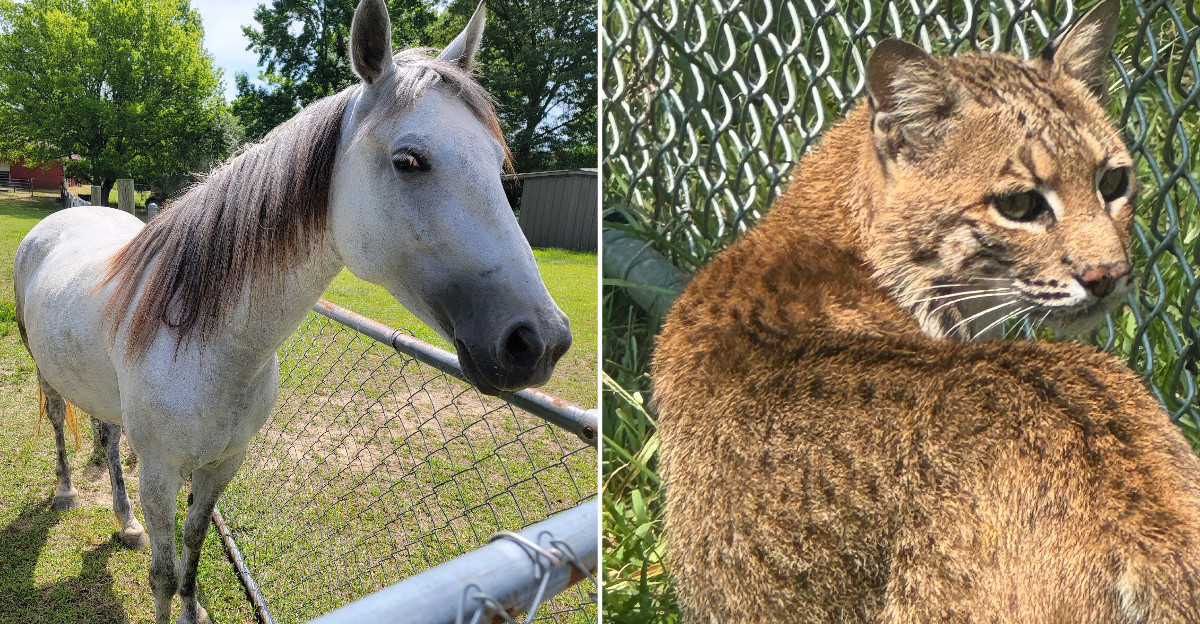
Out there, down a quiet country road in northeast Mississippi, behind pine trees and fence lines that most drivers never notice, lions nap in the grass and old house cats doze in sunny rooms. It started with one woman and one rescued cougar cub back in the 1980s, and it grew into a place caring for hundreds of animals that had nowhere else to go.
The catch is that you cannot walk up and tour it, and that rule exists for a reason worth understanding. Learning how this place works, and how Mississippi families can be part of it from home, turns out to be more moving than any ticket line.
A Country Road in Lowndes County
Caledonia sits in Lowndes County in northeast Mississippi, a small community about fifteen to twenty minutes north of Columbus and roughly two and a half hours from Jackson. The address reads 144 Sanctuary Loop, which tells you most of what you need to know about the setting: rural, wooded, and far from any traffic light.
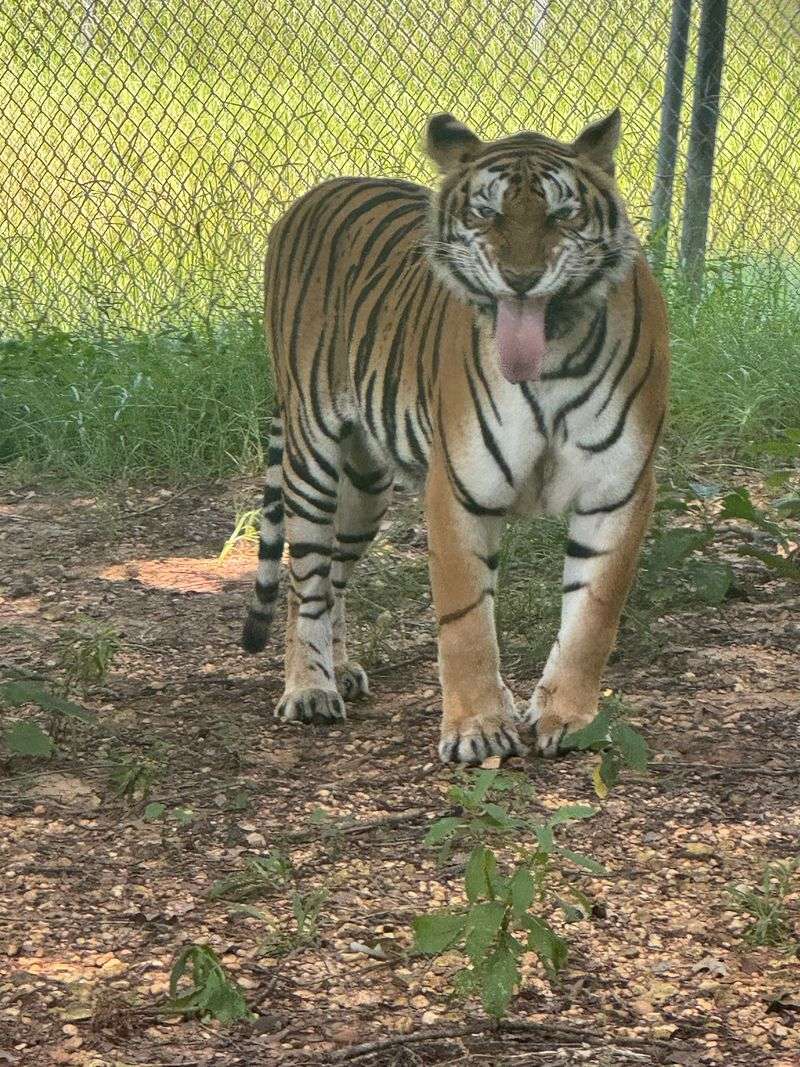
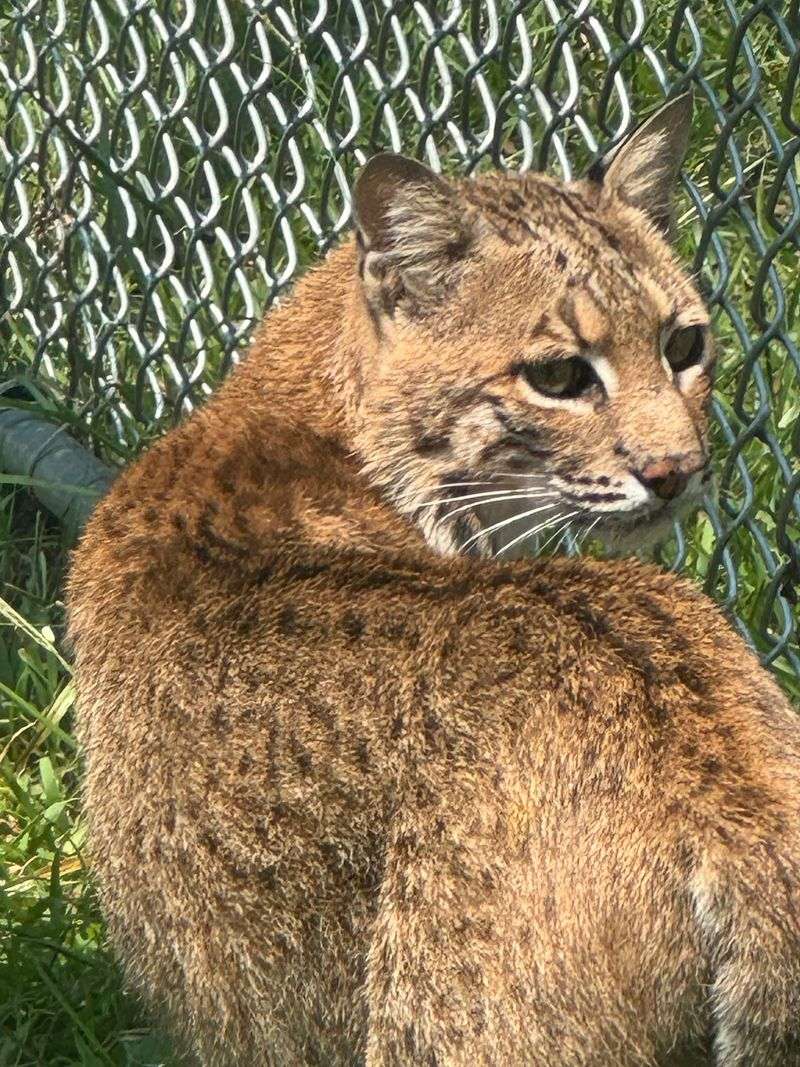
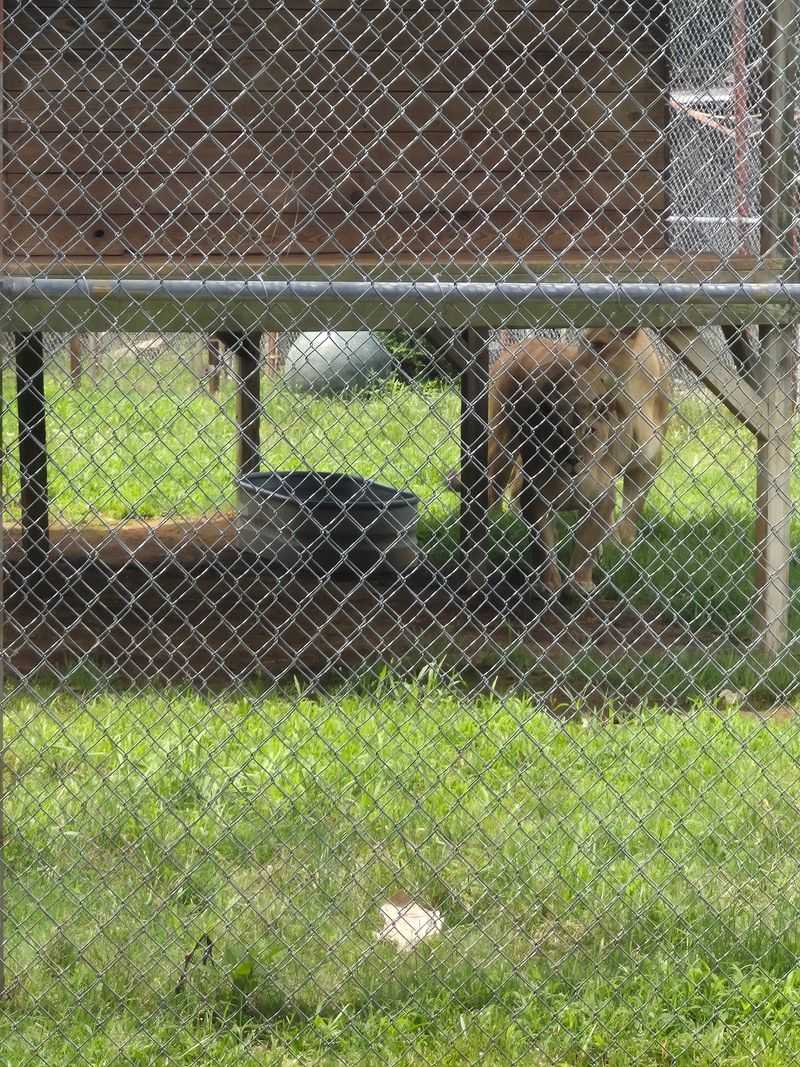
Cedar Hill Animal Sanctuary, often written as Cedarhill, is registered as an animal shelter, though that label undersells what happens on the property. Lions, tigers, cougars, leopards, bobcats, and servals live here alongside horses, dogs, pigs, and a large population of ordinary house cats.
Over 250 animals have called the grounds home, all of them arriving after abandonment, neglect, or mistreatment. The land gives them space, shade, and quiet, three things that matter enormously to a big cat that spent years in a cage.
Before anyone loads up the car, understand the most important fact: the property is permanently closed to public tours. That policy shapes everything else in this article, and it exists entirely for the animals’ benefit.
One Cougar Cub and the Woman Who Said Yes
Back in 1987, Kay McElroy took in a cougar cub that needed help. That single decision turned into a lifetime of work and eventually into one of the largest exotic animal sanctuaries in the South.
Word spreads fast when someone proves they will take the animals nobody else can handle. Calls came in about big cats kept in backyards, roadside attractions shutting down, and pets that grew far beyond what their owners expected.
McElroy kept saying yes, and the sanctuary kept growing.
People who knew her over the years describe someone who worked constantly, knew the animals by name, and did not draw a salary from the organization. Longtime supporters say she poured everything she had into the place, and that her passing left a real ache in the community that had grown around her work.
The organization continued after her, carried by staff and volunteers who learned the routines directly from her. Supporters who have followed Cedarhill for decades mention that the standard of care never slipped, which may be the highest compliment a founder can receive.
Why the Gates Stay Closed to Visitors
Here is the part that surprises most people: you cannot buy a ticket, book a tour, or peek through a fence. Cedarhill is permanently closed to the public, and that is a promise rather than an oversight.
Consider what many of these animals went through before arriving. A tiger that spent years being stared at, poked, or worse does not relax around crowds.
Removing the public from the equation lets residents settle into something closer to normal animal behavior, which is exactly the point of a sanctuary.
Longtime supporters explain it plainly: when an animal is accepted here, it is promised a forever home without public access ever again. That promise does not expire when a curious family shows up on a Saturday.
For Mississippi parents, this can be a genuinely useful conversation to have with kids. Not every animal place exists to entertain people, and some of the best ones deliberately choose the opposite.
Explaining that distinction to a six-year-old teaches something that a petting zoo never could, and it costs nothing at all.
Lions, Tigers, and the Big Cat Residents
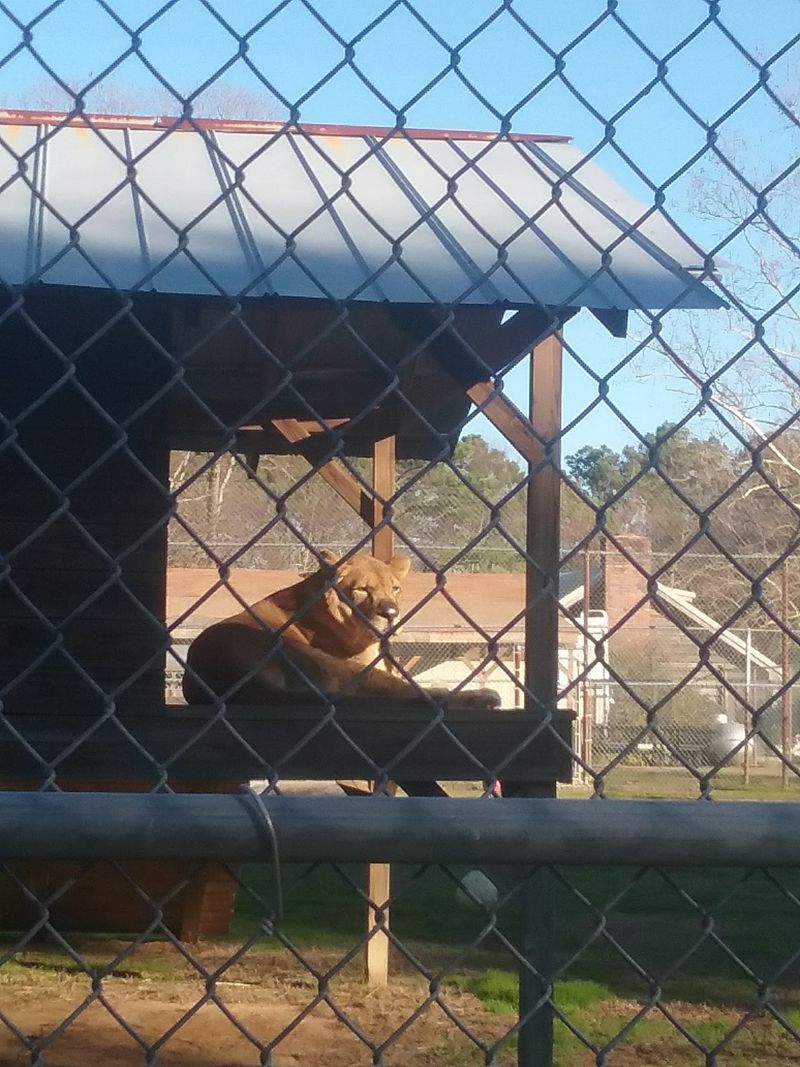
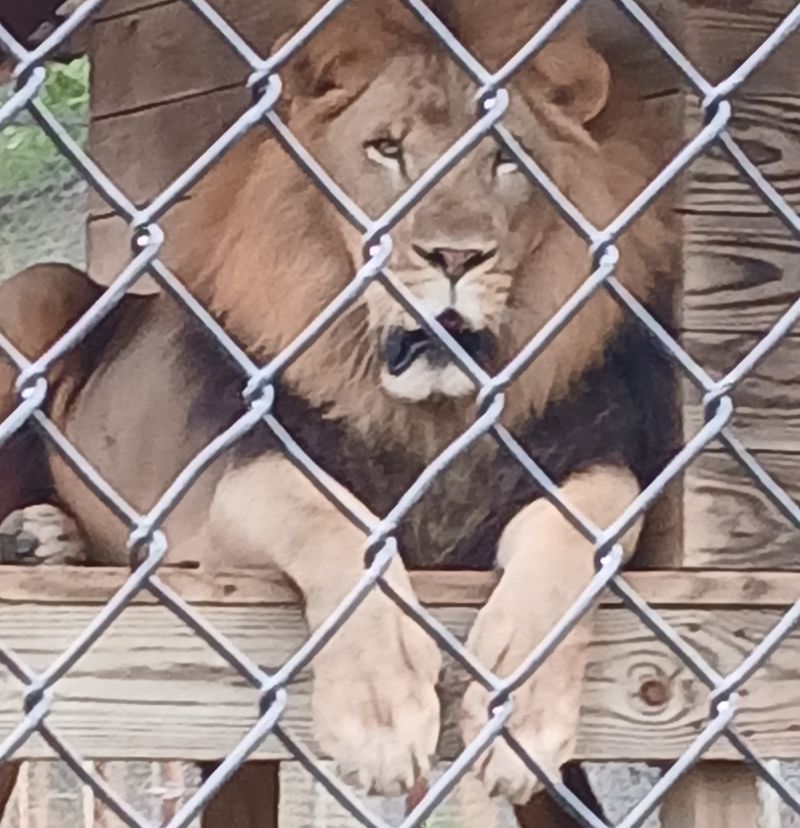
Tigers come up more than almost any other topic when people talk about Cedarhill. Lions too, plus cougars, leopards, bobcats, and servals, all living in enclosures sized for pacing, climbing, and long afternoon naps in the shade.
Nobody handles the exotics. There are no photo sessions, no cub petting, no leash walks.
Keepers feed, clean, monitor health, and otherwise let the cats be cats, which is a harder discipline than it sounds when the animals are this beautiful.
Feeding a population like this is not cheap. Food for the exotic animals alone can run around $2,500 a month, before veterinary bills, medication, fencing repairs, or the fuel it takes to haul supplies down a country road.
Some residents arrived with permanent injuries or vision loss from their earlier lives, and they still get decades of quiet care. A sanctuary supporter once sponsored a blind tiger named Phoebe, one of the earliest big cats taken in, which gives you a sense of the kind of animals that end up here and the kind of commitment they receive.
Nearly Two Hundred House Cats Under One Roof
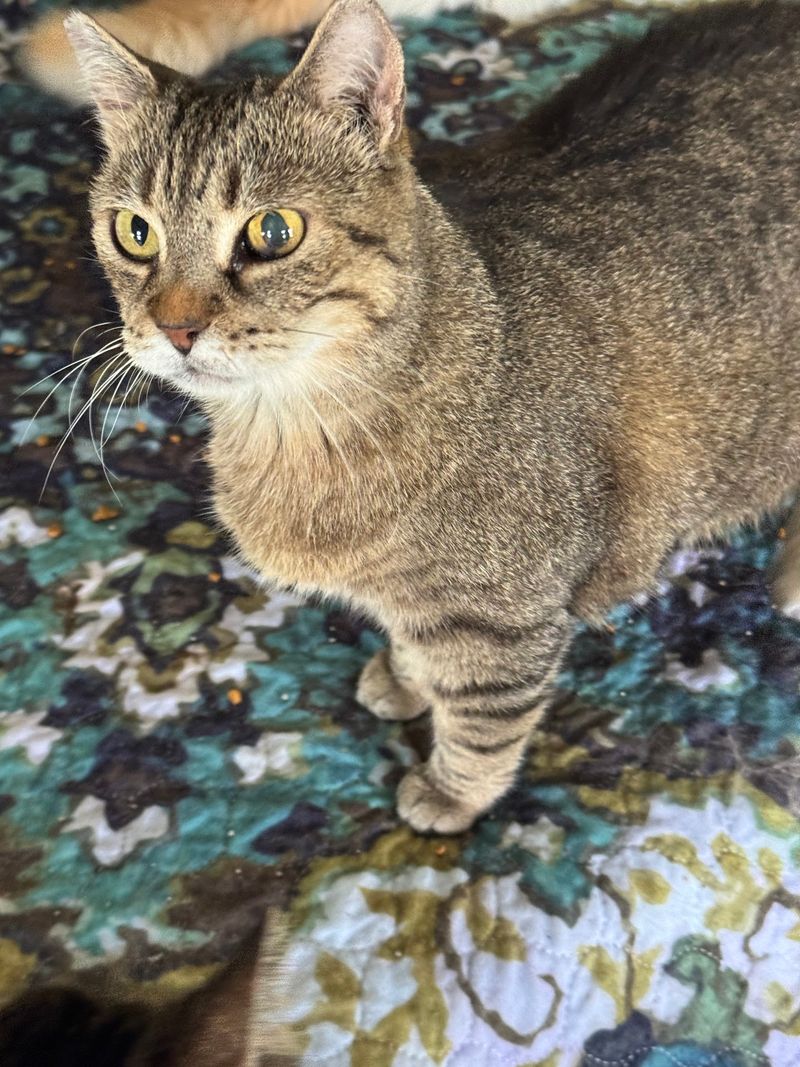
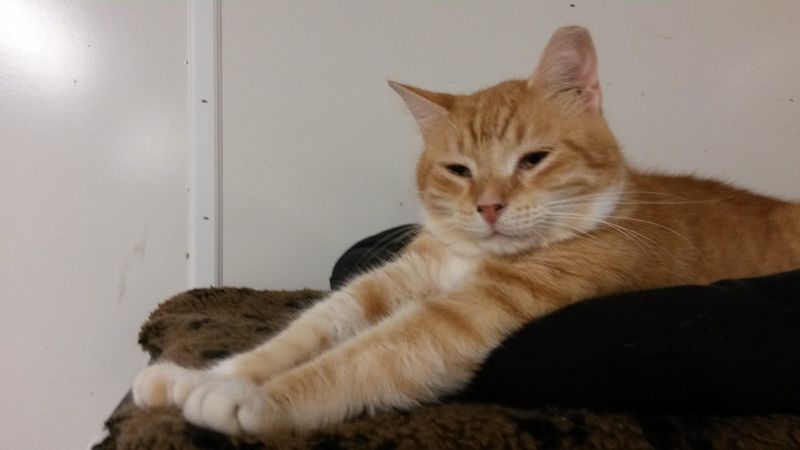
Lions get the headlines, but the largest group at Cedarhill is the most familiar animal in America. Somewhere between 175 and 200 domestic cats live here, the kind of tabbies and calicos you might see on any Mississippi porch.
They are not lumped together in one chaotic room either. Visitors who have seen the operation describe the cats divided into groups based on temperament and needs: feral cats who prefer distance, sociable cats who want company, and a separate area for elderly or disabled residents who need gentler surroundings.
That kind of sorting takes labor and space, and it makes a real difference for a cat who never learned to trust hands. Every animal on the property is spayed or neutered, which keeps the population stable and prevents the cycle from repeating.
There is something quietly touching about a place that will take a lion and a shy barn cat with equal seriousness. Grandparents who have rescued a stray or two over the years tend to understand this instinctively, no explanation required.
Horses, Dogs, Pigs, and the Rest of the Roll Call
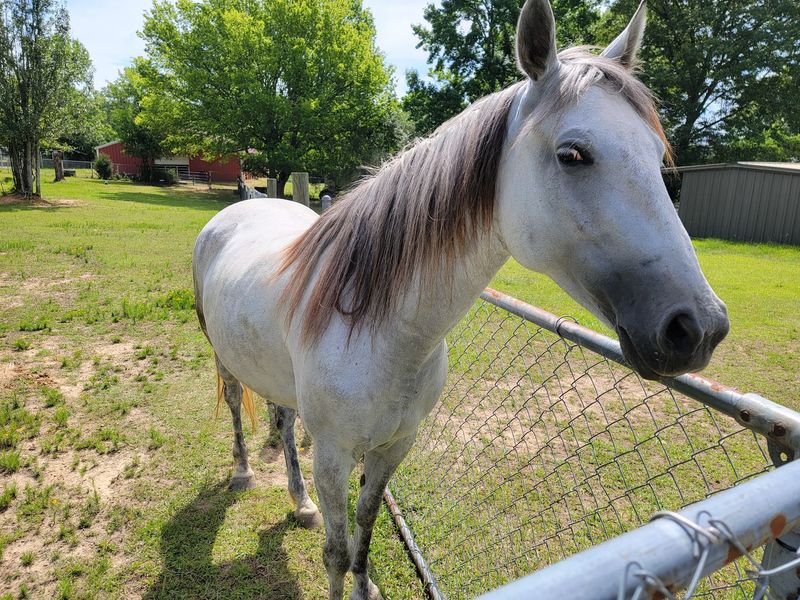
Picture a meadow with horses grazing behind good fencing, and a few fields over, pigs with clean bedding and a proper mud wallow to flop into on a hot afternoon. That is a normal day at Cedarhill.
The resident list runs well past big cats and house cats. Horses, dogs, livestock, wolves, deer, rabbits, and parrots have all found places on the property over the years, each group with its own housing and routine.
Dogs are typically kept in pairs with generous yards, and they still get taken out for walks, which is no small feat when you are also feeding lions. People who have toured the grounds in the past noted that the staff knew every single animal by name, across hundreds of residents.
Names matter more than people realize. A parrot with a name is somebody’s responsibility, not an inventory number, and that attitude seems to run through the whole operation from the largest cat to the smallest rabbit.
The Mississippi Law That Came Out of This Place
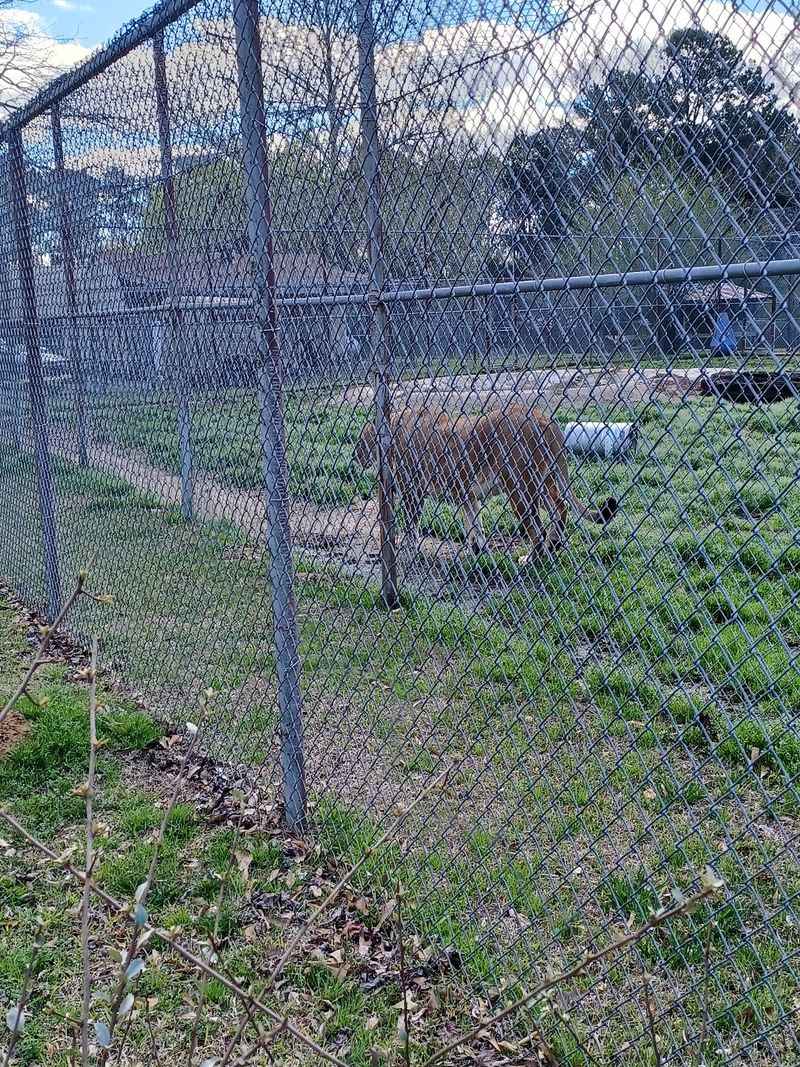
Rescue work usually stops at the fence line. Kay McElroy pushed further, taking what she learned caring for discarded exotic animals straight into the state legislature.
She was instrumental in drafting Mississippi’s Exotic Animal Act of 1997, which set standards for who may possess exotic animals and under what conditions. The law also prohibited canned hunts, a practice the sanctuary community had long opposed.
Think about the logic behind that effort. Every tiger that arrives at a sanctuary represents a situation that should never have happened in the first place, and rescuing animals one at a time never catches up with the source of the problem.
Supporters who followed her work describe someone who petitioned courts and pursued legislation while still doing the daily feeding and cleaning. That combination of hands-on care and policy work is rare anywhere, let alone in a small Mississippi community.
The law remains part of the sanctuary’s legacy, quietly affecting animals that will never set foot on the property. For families reading about this, it is a decent reminder that one determined person in a rural county can change how an entire state operates.
Sponsoring an Animal From Your Own Living Room
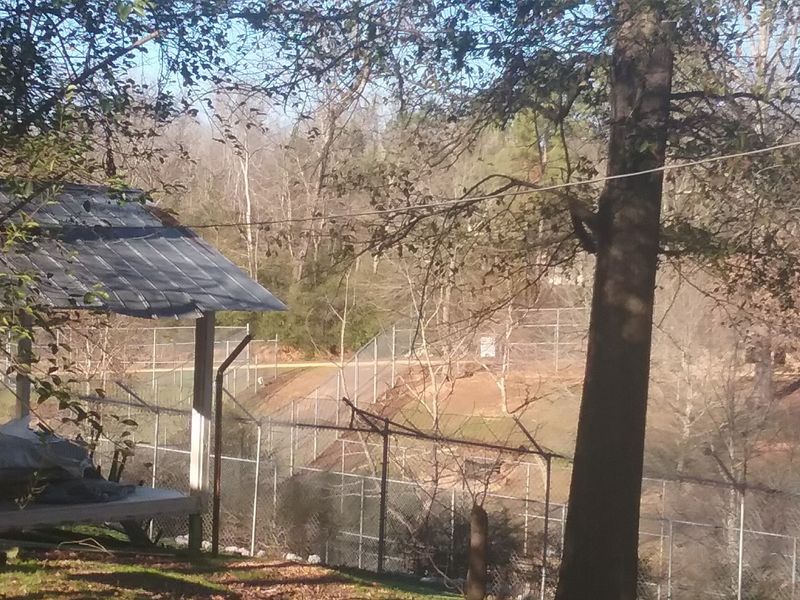
Kids want to attach to a specific animal, not an abstract cause. The sponsorship program handles that beautifully.
Sponsors choose a resident and receive updates and photographs, building a remote relationship with a particular lion, tiger, horse, or cat. The animal never gets disturbed, and the family gets a real connection to follow over months and years.
Think of it as a long-distance pen pal arrangement where one party has whiskers. Long-time supporters have sponsored the same animal across many years, watching a formerly mistreated cat grow calm and comfortable in a way that no single visit could ever show.
For a Mississippi grandmother looking for a gift that is not another plastic toy, this may be one of the better options available. A sponsorship certificate and a photo of a real tiger tends to land harder with a seven-year-old than most things you can buy.
Details on sponsorship levels and how updates are delivered are available directly through the sanctuary’s website, and staff can be reached by phone during weekday office hours for questions.
Summer Internships for the Hands-On Crowd
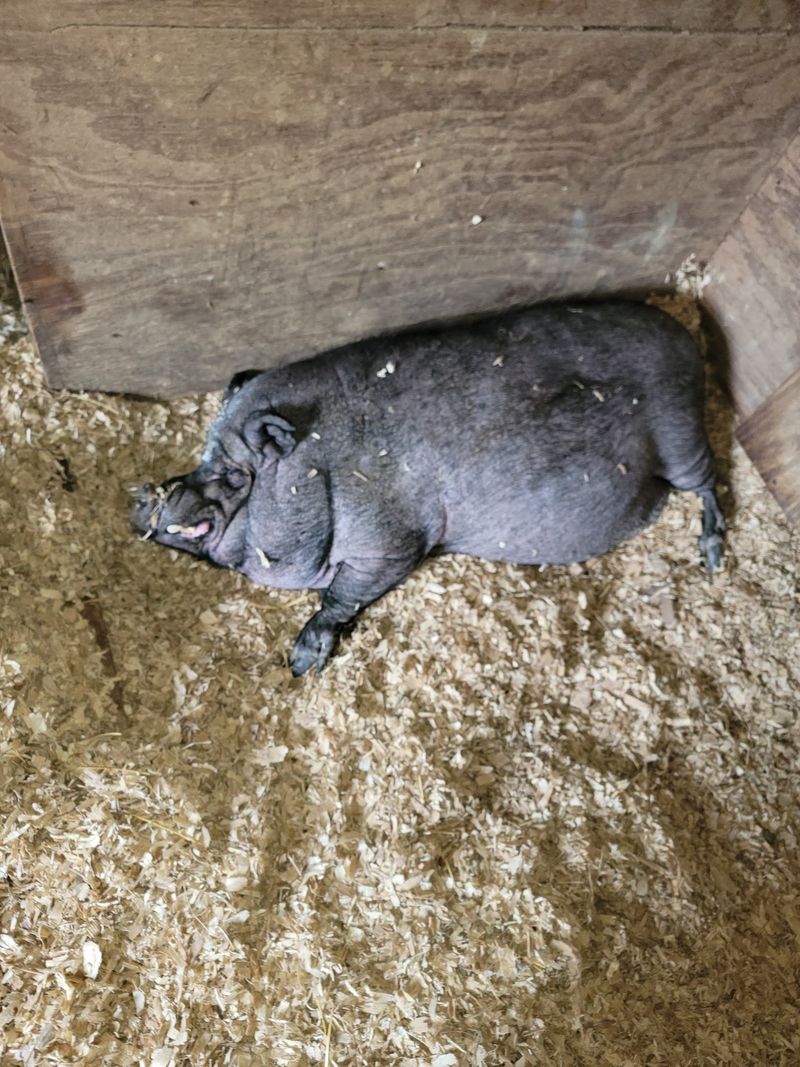
Teenagers and college students who talk constantly about working with animals eventually need a reality check, and a sanctuary internship provides one in the kindest possible way.
Cedarhill runs a summer internship program for people seeking a more hands-on role in caring for the rescued residents. The work is real: cleaning, feeding, preparation, observation, and plenty of physical labor in Mississippi heat.
What interns learn tends to stick. Animal care at this scale is mostly routine, repetition, and attention to small changes in behavior, not dramatic rescue moments.
That understanding shapes future veterinarians, shelter workers, and wildlife biologists.
Families in Columbus, Starkville, and surrounding towns may find this especially relevant, since the drive is short enough to make a summer position practical without relocating. Program details, requirements, and application timing are handled directly by the sanctuary, so reaching out early in the year makes sense.
Not everyone is suited to it, and that is part of the value. Spending a summer among animals that ask for nothing but consistent care has a way of clarifying what someone actually wants to do with their life.
Online Auctions and Other Ways Mississippi Families Pitch In
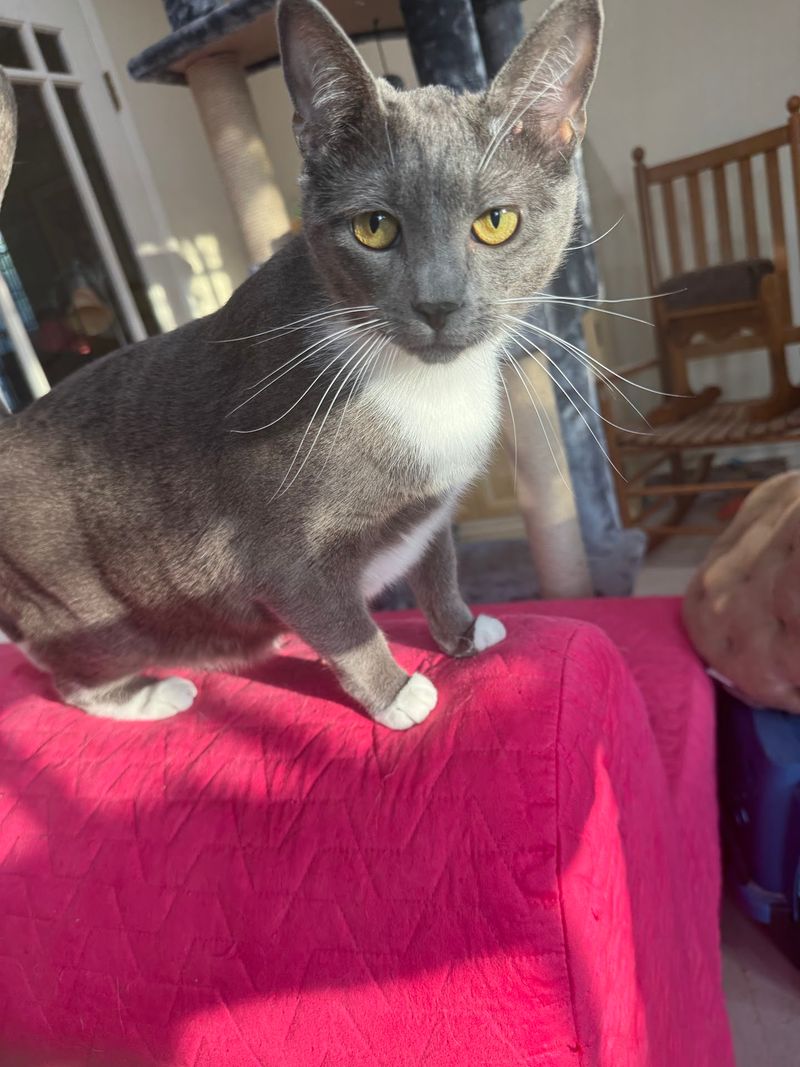
Money is not the only currency here. Cedarhill has run online auctions where supporters bid on items and then arrange pickup, which turns fundraising into something closer to a community swap.
One supporter mentioned driving out simply to collect items won through an online auction, a brief and practical errand rather than a tour. Those events give people a tangible reason to participate and often bring in donors who might never have written a check outright.
Volunteers have long been part of the picture as well, and supporters frequently credit the volunteer crew for keeping such a large operation functioning. Specific volunteer needs change over time, so the sanctuary itself is the right source for current opportunities.
Wish-list donations, shared social posts, and word of mouth all count too. Telling a neighbor in Tupelo about a place they had never heard of costs nothing and occasionally produces a new monthly donor.
Families who want to feel useful without spending much often find that showing up for an auction or spreading the word is the easiest entry point into supporting animal rescue close to home.
Hours, Phone Numbers, and What Contact Actually Looks Like
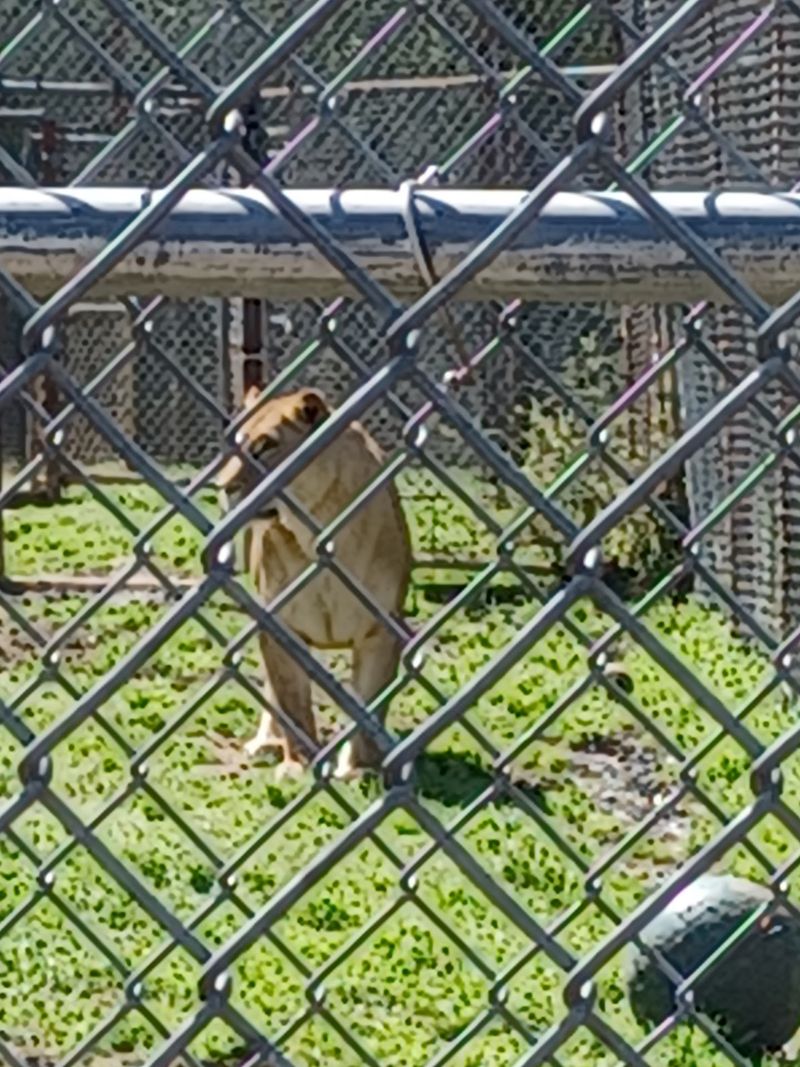
Operating hours here refer to staff availability, not admission. The sanctuary lists hours of 7 am to 4 pm Monday through Friday, with Saturday and Sunday closed, which reflects the office and care schedule rather than any public opening.
Reaching the organization by phone at 662-574-2714 during those weekday hours is the appropriate route for questions about donations, sponsorships, or internships. The website, cedarhillanimalsanctuary.org, handles most giving and information needs without anyone needing to make the drive.
Do not plan a trip hoping someone will bend the rule. The no-public-access policy is consistent, and turning up unannounced puts staff in the uncomfortable position of sending a hopeful family back down the road.
Anyone who does have legitimate business on the property, such as an auction pickup, should coordinate in advance. Sanctuary Loop is a rural address, so allowing extra time and confirming directions beforehand saves frustration.
Approaching contact with the animals’ routine in mind, rather than your own curiosity, is the whole spirit of the arrangement and the reason it works.
Making a Day of It Around Caledonia and Columbus
Since the sanctuary itself is not a destination, families drawn to this story often build a day around the surrounding area instead. Columbus, roughly fifteen minutes south of Caledonia, offers historic streets, antique shopping, and old-fashioned lunch counters that fit a modest budget.
Lowndes County sits within easy reach of Starkville, West Point, and the broader northeast Mississippi countryside, so a Saturday drive can string together a few small towns without much mileage. Summer heat makes early starts and air-conditioned stops the smarter play.
A practical approach many parents like: talk about Cedarhill on the drive, let the kids pick an animal to sponsor later that evening, and spend the actual day somewhere they can run around. The lesson lands without the disappointment of a locked gate.
Thrift stores, county parks, and small antique districts around this part of the state tend to cost little and fill an afternoon comfortably. Pairing an inexpensive outing with a small donation may be the most satisfying version of this trip for a multi-generational carload.
A Quiet Verdict on a Place You Will Never Tour
Strange as it sounds, the best thing about Cedarhill is that you cannot go. That restraint is the proof of its purpose, and it separates this place from operations built around selling access to animals.
What exists at the end of Sanctuary Loop is a promise kept several hundred times over: lions and tigers with room to roam, horses with safe pasture, dogs with big yards, and old house cats with soft places to sleep. None of them owe anyone a photograph.
People who have supported the sanctuary for decades speak about it with real affection, and they consistently point to the same things, the care standards and the refusal to compromise for attention or income.
For Mississippi families, the takeaway is simple enough. You can support something genuinely good in your own state for the price of a fast-food meal, explain to a child why kindness sometimes means staying away, and know that a lion you will never meet is having a peaceful afternoon because of it.