
This Old-School Nevada Shop Keeps Vintage Lionel Engines Running And Swallows A Whole Saturday
Nevada has a way of hiding its best stuff in plain concrete boxes on side streets you’d never turn down on purpose. Behind one unassuming door sits room after room of model trains stacked floor to ceiling, plus a workbench where engines older than most of us get coaxed back into motion.
It costs nothing to walk in and look, which is exactly the kind of math that makes a Saturday stretch. Bring patience, because nobody has ever walked out of this place in fifteen minutes.
A Chandler Avenue Address With Three Rooms Behind The Door
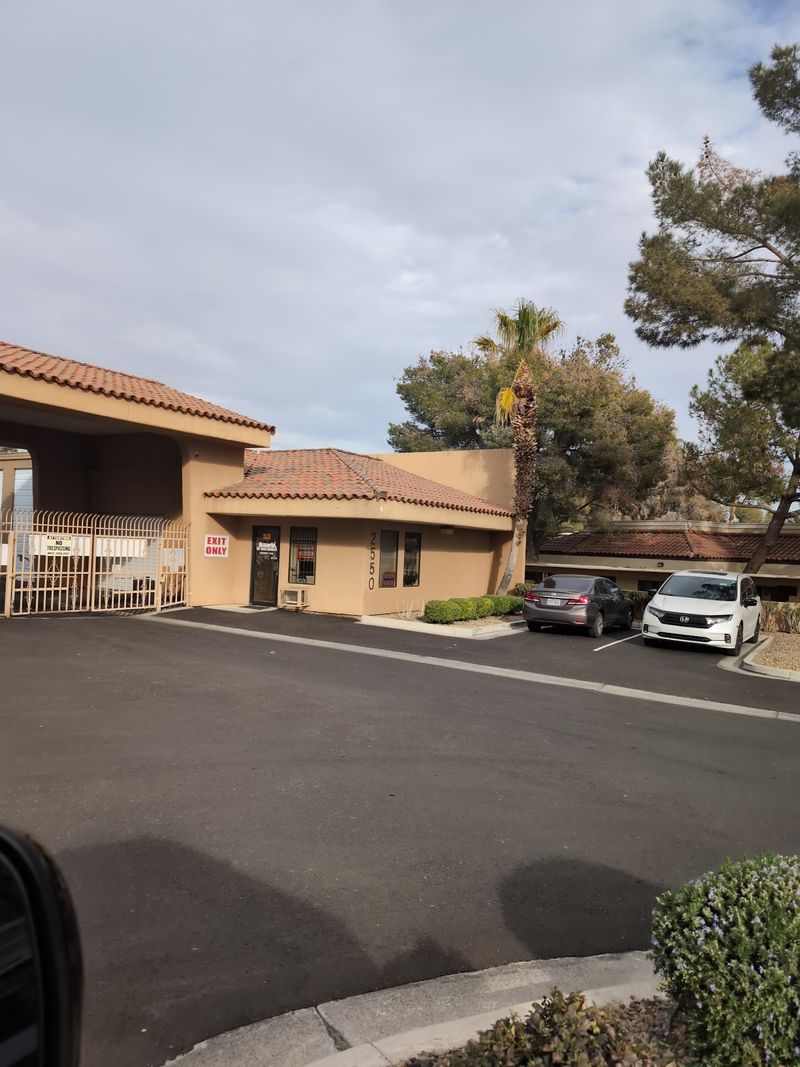
Tucked at 2550 Chandler Ave in Las Vegas, The Train Engineer sits in the kind of low-slung commercial pocket southeast of the Strip that most tourists never see. Google lists it simply as a toy store, which undersells things considerably.
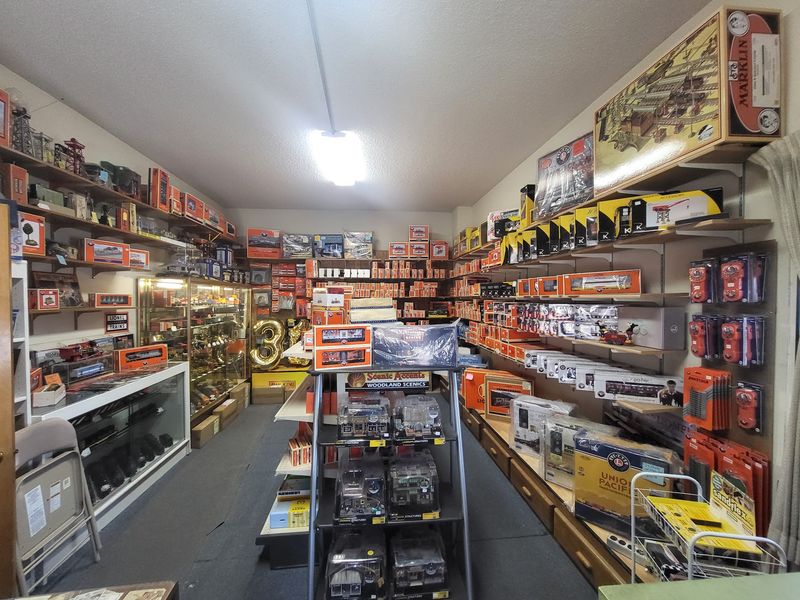
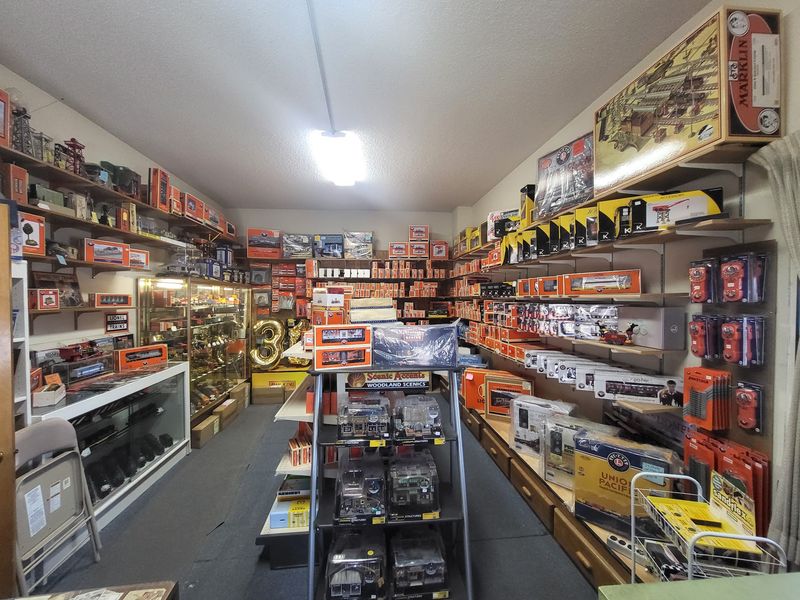
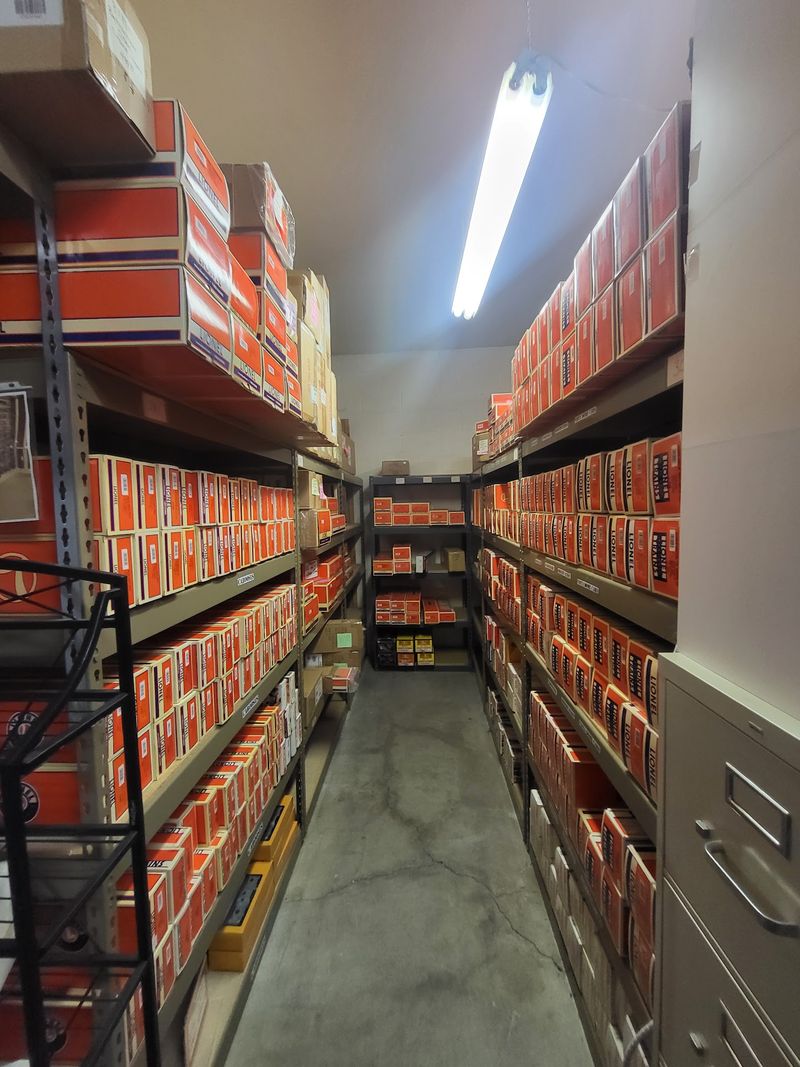
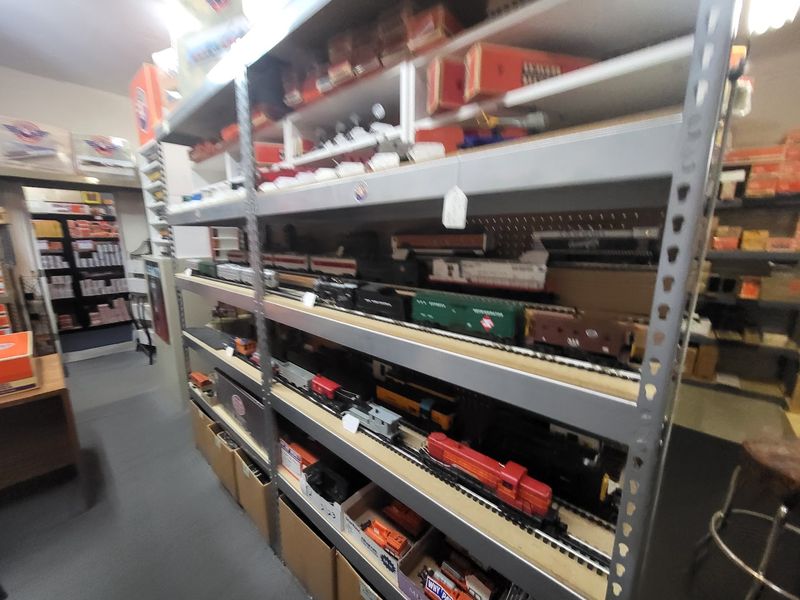
What waits inside is three connected rooms devoted to scale model trains: engines, boxcars, cabooses, track, buildings, and the small parts that keep a layout humming. Shoppers describe shelves packed floor to ceiling, with stock filling every corner and spilling into spaces that photos never quite capture.
The shop holds a 4.6-star average across 45 reviews, which for a specialty hobby store in Nevada says a lot about staying power. Longtime customers have called it the largest Lionel source in the Las Vegas area, and one reviewer noted it operates as a Lionel authorized service center.
Getting there from the Strip takes roughly fifteen minutes by car, depending on how Tropicana behaves. Parking is the surface-lot kind, free and uncomplicated.
There is no admission, no ticket booth, and nothing stopping a curious family from browsing for an hour and buying a single boxcar on the way out.
Decades Of Mom-And-Pop Survival In A Big-Box Town
Hobby shops have quietly vanished from most American cities, replaced by shipping boxes and product listings. That makes a place like this one, described by customers as a mom-and-pop sort of store where staff actually take an interest in what you’re hunting for, something of a holdout.
Reviews going back a full decade mention the same first names again and again: Janet, Dave, Bill. People who returned after five or six years found the same welcome waiting.
The shop weathered the loss of a longtime owner years back, and regulars openly hoped the doors would stay open. They did.
One visitor from California wrote that they still think about the place years later and want to come back specifically to support brick-and-mortar shops like it. Another put it plainly: there aren’t enough places like this anymore.
For Nevada readers who remember when hobby stores anchored every strip mall, that continuity is a big part of the draw. The inventory is the headline, but the reason people linger is that somebody behind the counter remembers what a postwar engine sounded like.
Postwar Lionel, Marx, American Flyer, And Everything Between
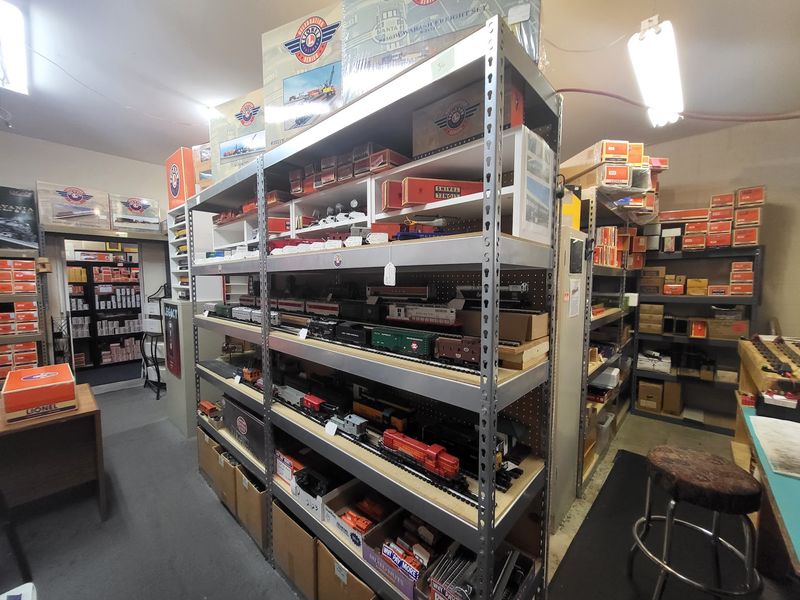
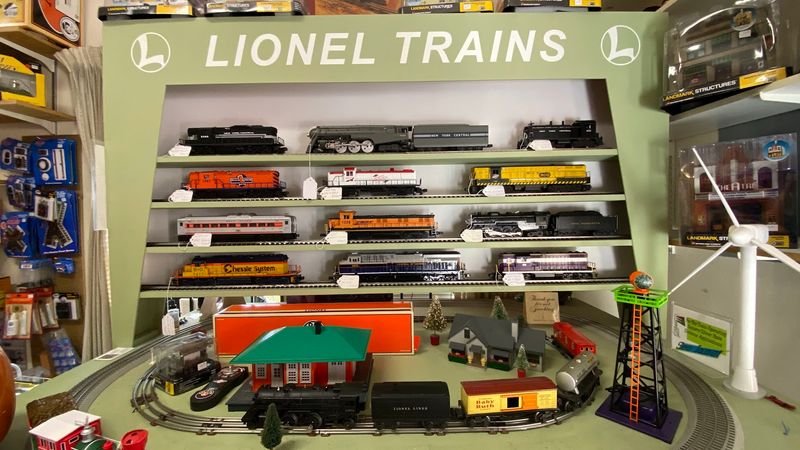
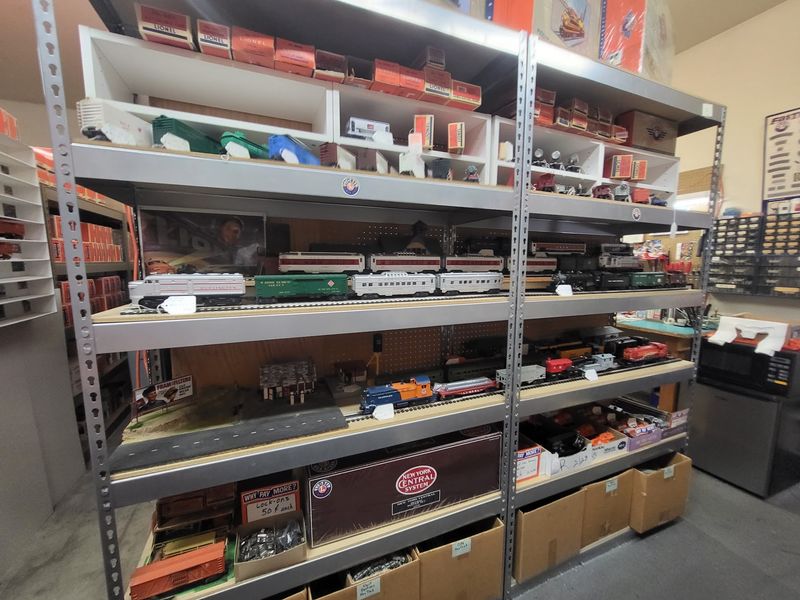
Lionel is the name that brings most people through the door, and the range here runs from brand-new starter sets straight back to postwar production. Collector sets, used sets, track in both old and new styles, buildings, accessories, and rolling stock of every description all share the floor.
Steam engines and diesels sit near passenger cars and freight stock. Shoppers have also turned up Marx and American Flyer pieces in strong condition, which widens the net for anyone chasing a specific era rather than a specific brand.
Beyond the big three, MTH products show up too. One visitor drove in from California and left with an MTH trolley, then spent years thinking about the trip.
The practical upshot is that you can arrive with a shopping list or arrive with nothing. Somebody restoring a grandparent’s O gauge set will find replacement couplers and original-style parts.
A parent buying a first train set for a seven-year-old will find something under the tree budget. Reviews consistently describe prices as fair and competitive with what you’d pay online, which is not a given in specialty retail.
The Repair Bench Where Old Engines Get A Second Life
A 1948 Berkshire came in tired and went home running smoothly. The customer reported that Dave put roughly seven hours into the engine, kept every part original, and charged what the owner considered a genuinely reasonable rate.
That story captures what separates this shop from a shelf of merchandise. Repair and cleaning come up repeatedly in customer feedback, and the store has been described as a Lionel authorized service center, a designation that is genuinely scarce in the western states.
Vintage engines are mechanical animals. Motors gum up, wheels lose contact, smoke units quit, and e-units stick between forward and reverse.
Somebody who understands postwar construction can often revive a locomotive that a general repair counter would decline outright.
The emotional payoff tends to outrun the mechanical one. One customer said watching a restored engine run made him think of his grandfather, then brought his own kids in to make new memories with the same trains.
Turnaround times and pricing depend entirely on what’s wrong, so ask before leaving anything. Rates may vary by the complexity of the job, but the pattern in customer accounts leans strongly toward affordable.
Staff Who Teach Instead Of Upsell
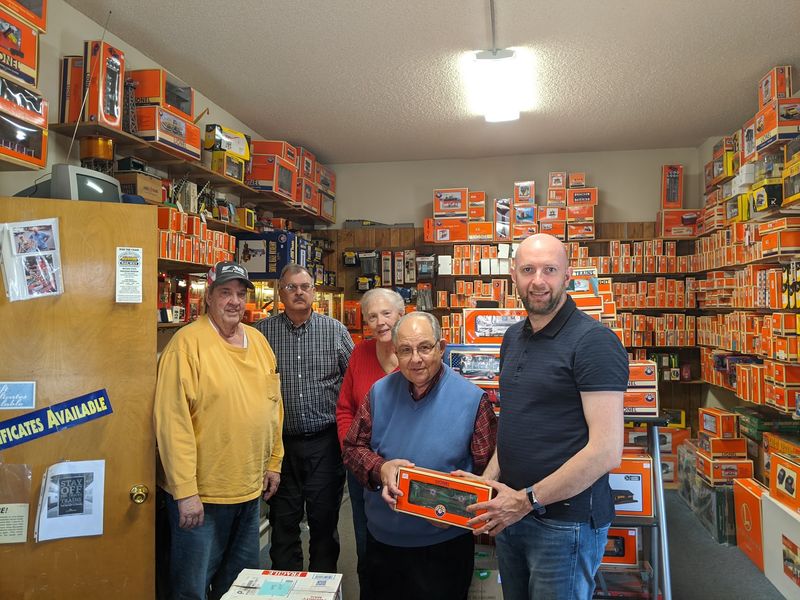
Seven separate reviews single out helpful staff, which is a striking concentration for a store with 45 total reviews. That number tells you where the value actually lives.
Newcomers get the most benefit. A first-time grandparent buying a train set for a grandson described the experience as smooth and genuinely welcoming from start to finish.
Another customer brought in a train that had passed from grandfather to father to him, and staff not only helped assemble it but walked him through how the whole system works.
Knowledge like that is hard to replace with a search engine. Gauge differences, transformer compatibility, track curve radius, and whether an old accessory will play nicely with modern electronics are exactly the questions that stump beginners.
If something isn’t in stock, customers report the team will track it down rather than shrug. And when a visitor simply wants to look, nobody hovers.
The store also keeps an operating layout with an electronic power box that produces accurate train sounds, which functions as both a demo and a magnet for anyone under ten years old.
Why A Quick Stop Turns Into Four Hours
Plan for longer than you think. One reviewer flat-out warned future visitors to bring plenty of time simply because of how much is available to look at, adding that posted photos don’t come close to showing everything.
The layout works against speed in the best way. Three rooms, narrow aisles, stock stacked vertically, and boxes tucked into corners mean your eye keeps catching something you missed on the first pass.
Collectors call this the good kind of problem.
Families with kids get a different version of the same experience. The running layout with its sound effects can hold a child’s attention while an adult digs through a bin of rolling stock.
Compared with almost anything else in Las Vegas, the cost structure is refreshing. Walking in is free.
Looking is free. A family of four can spend an entire afternoon here and leave having spent nothing, or pick up a starter set and call it a holiday gift handled.
Pair it with an inexpensive lunch nearby and the day is built without touching a resort price list.
Hours, Parking, And The Phone Call Worth Making First
Here’s the honest caution: limited hours have tripped people up. One visitor showed up to find a schedule of roughly 2pm to 6pm, Wednesday through Friday, that hadn’t been reflected online.
Another reviewer’s main complaint was arriving to a closed door.
Small specialty shops in Nevada often run on reduced schedules, and posted times can drift. Confirming before you drive is the single best thing you can do to protect your Saturday, especially if you’re coming from Henderson, Pahrump, or farther out.
Directions are simple enough. Chandler Avenue sits southeast of the Strip near the Tropicana and Eastern corridor, an easy drive from most valley neighborhoods and about fifteen to twenty minutes from the resort district without traffic.
Parking is free surface parking, no garage fees, no validation nonsense.
Budget-wise, browsing costs nothing. Starter sets, individual cars, and accessories cover a wide price range, and repair work is quoted per job.
If you’re bringing an heirloom engine in for evaluation, call ahead so somebody with the right expertise is on hand that day rather than out.
The Verdict For Anyone With A Box In The Garage
Somewhere in a Nevada garage, on a high shelf, there’s a cardboard box with an orange-and-blue Lionel logo on the side. If that describes your house, this shop is the reason to finally pull it down.
The appeal splits neatly. Serious collectors come for depth of inventory and a service bench that understands postwar mechanics.
Everybody else comes because watching a 70-year-old engine circle a track still does something no screen manages.
It isn’t a museum and it isn’t polished. Aisles are tight, stock is dense, and you may have to ask where something lives.
Customers seem to consider that part of the charm rather than a flaw.
For retirees on a fixed income, the appeal is straightforward: hours of browsing at zero cost, a repair option that customers describe as reasonably priced, and conversation with people who speak the language.
Check the hours, bring the grandkids, and don’t schedule anything tight afterward. Places built on this much accumulated knowledge tend to reward whoever stays the longest, and the trains aren’t going anywhere in a hurry.