
Bristlecone Pines Older Than The Pyramids Grow In This Free Nevada National Park
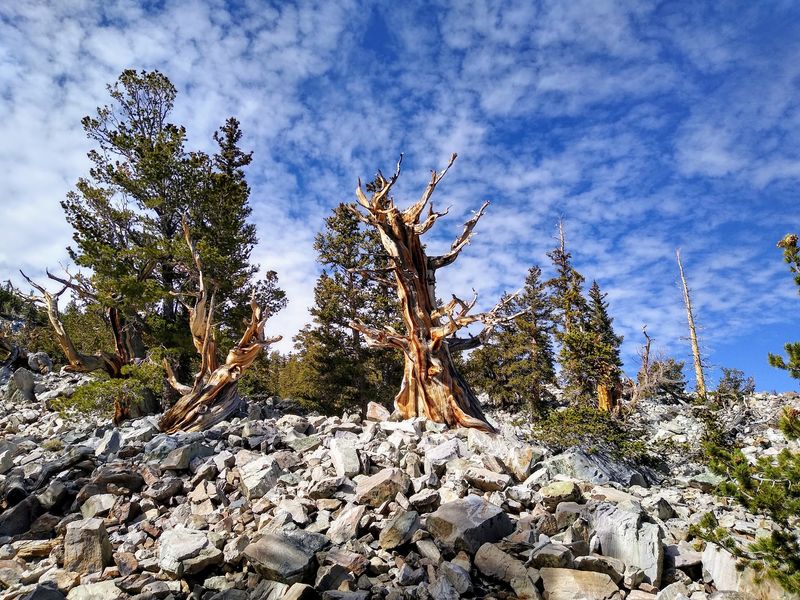
Drive long enough across eastern Nevada and the horizon starts playing tricks on you, all sagebrush and heat shimmer and not much else. Then a mountain range climbs out of nowhere, and at the top of it stand trees that were already ancient when workers were stacking stones at Giza.
Getting in costs nothing, which feels almost unfair given what is up there. Here is what a full day in that 77,000-acre stretch of high country actually looks like, and what it takes to get yourself there.
A Mountain Island Rising Out Of Eastern Nevada
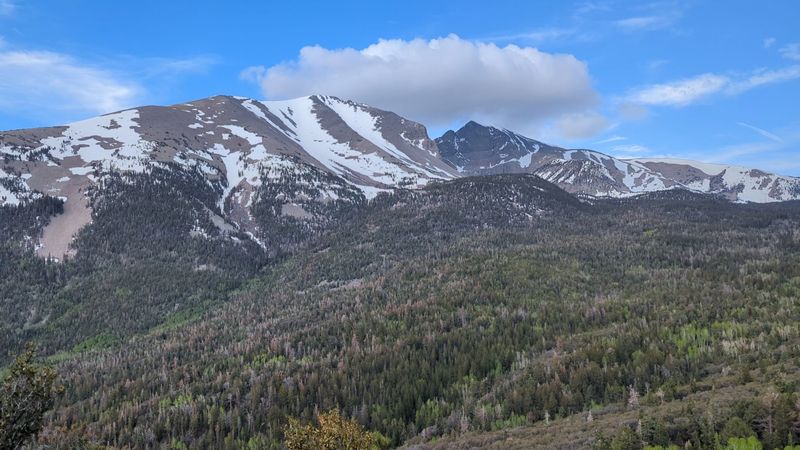
Eastern Nevada does not hand over its scenery easily. The park sits near the tiny community of Baker, roughly four and a half hours north of Las Vegas, and the approach is long stretches of open desert road with almost nothing in between.
Then the South Snake Range appears, and the whole equation changes. Covering about 77,000 acres, the park protects a slice of the wider Great Basin region, climbing from dry valley floor to alpine summit in a span most drivers cover in half an hour.
Wheeler Peak anchors the skyline as Nevada’s second-highest summit, and below it sit Lehman Caves, glacier-carved basins, and groves of bristlecone pine. Visitors regularly describe the contrast as jarring in the best way, desert one minute, pine forest the next.
One traveler compared the drive in to passing through different planets, which sounds dramatic until you make it yourself. Rated 4.7 stars across more than 2,700 reviews, it remains one of the quieter national parks in the system.
Gates stay open 24 hours a day, every day of the week, though mountain roads close seasonally.
Trees That Were Already Old When The Pyramids Were New
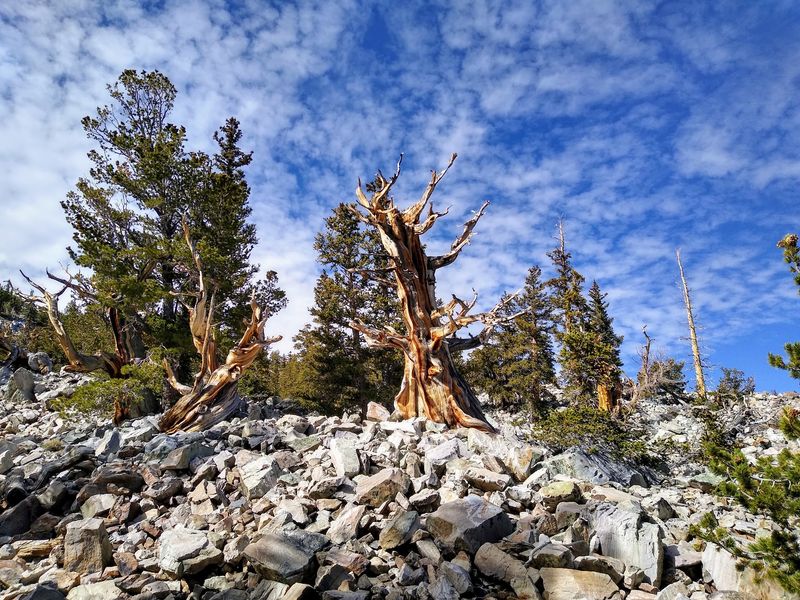
Picture a tree that sprouted before anyone had written anything down. Great Basin bristlecone pines commonly range from 3,000 to 5,000 years old, growing slowly in thin soil at brutal elevations where almost nothing else bothers to try.
The math is worth sitting with. The Great Pyramid of Giza went up around 2600 BC, putting it near 4,600 years old, which means several of these pines were already established trees when that construction began.
A specimen once found within the park, known as Prometheus, was estimated at roughly 4,900 years. Another famous tree, Methuselah, is documented at 4,858 years, and researchers have identified individuals exceeding 5,060 years.
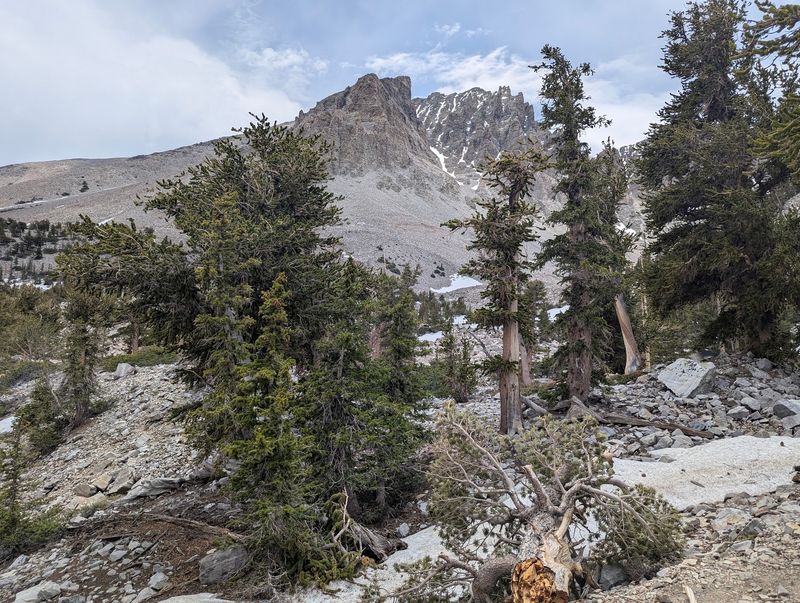
Up close they look sandblasted, trunks twisted into ribbons of pale wood, bark stripped back to bare grain by centuries of wind. Survival here depends on growing almost imperceptibly slowly, which makes the wood dense enough to resist rot and insects.
Hikers who reach the Wheeler Peak grove often mention the smell of pine as much as the sight of the trees themselves. Nothing about them photographs quite the way they feel standing there.
Walking The Bristlecone Pine Trail
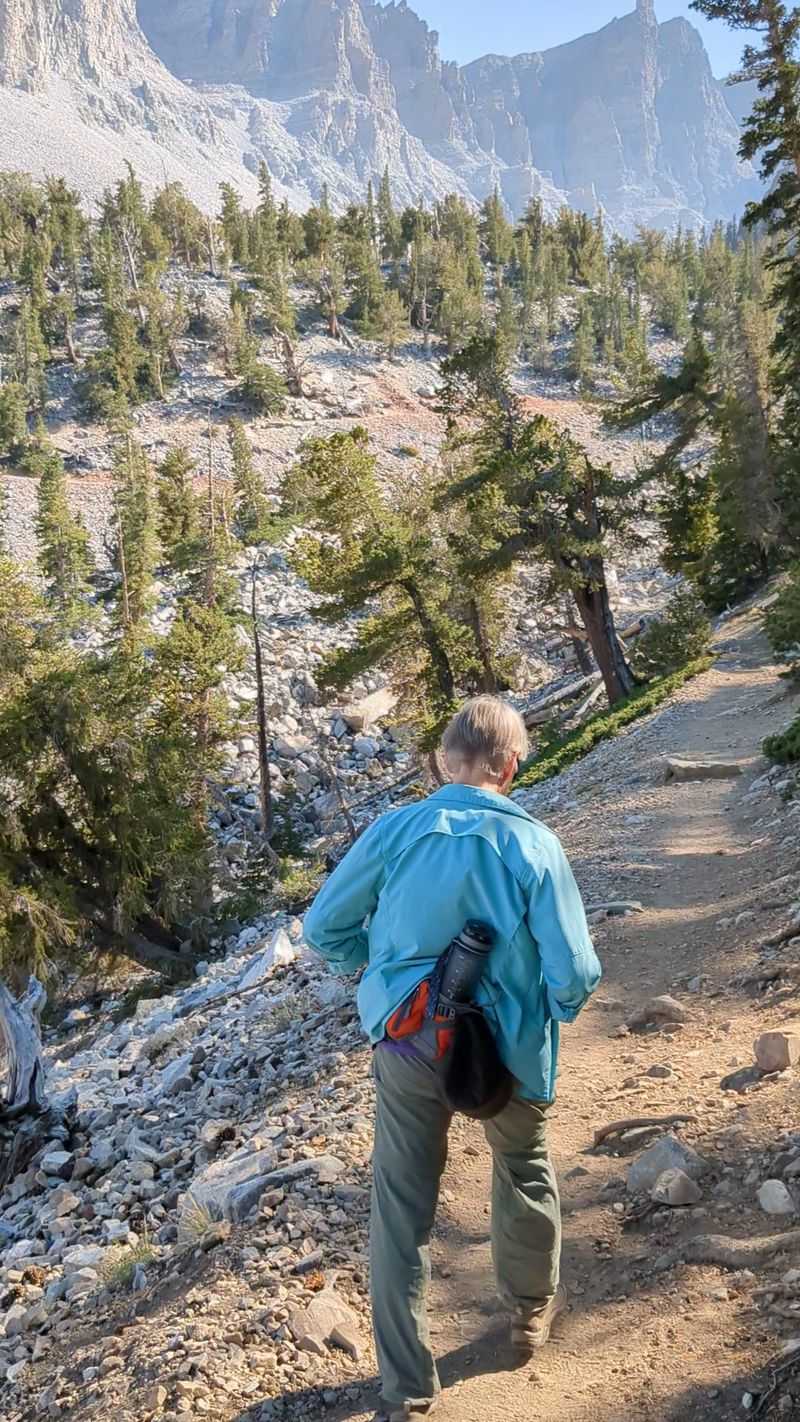
About 2.8 miles round trip gets you to the grove itself. The Bristlecone Pine Trail starts near Wheeler Peak Campground and climbs steadily to roughly 10,000 feet, with a self-guided nature walk explaining what you are looking at along the way.
Hikers report the path is well maintained, though loose rock and dirt near the upper stretches make sturdy footwear a genuinely good idea rather than a suggestion. Boots with some ankle support have been mentioned more than once.
Continue past the grove and the trail pushes on toward the rock glacier tucked beneath Wheeler Peak’s cirque, ending around 10,913 feet. A short spur of about 0.15 miles leads to a small lake that regular visitors say repays the extra few minutes.
Parking is the real constraint. One hiker found the trailhead lot nearly full by 10 a.m. and overflowing by early afternoon, with cars tucked into any available space.
Pit toilets sit at the trailhead. Altitude affects people unpredictably, so drinking water steadily and pacing slowly matters more than fitness level here.
Wheeler Peak Scenic Drive And Its 4,000-Foot Climb
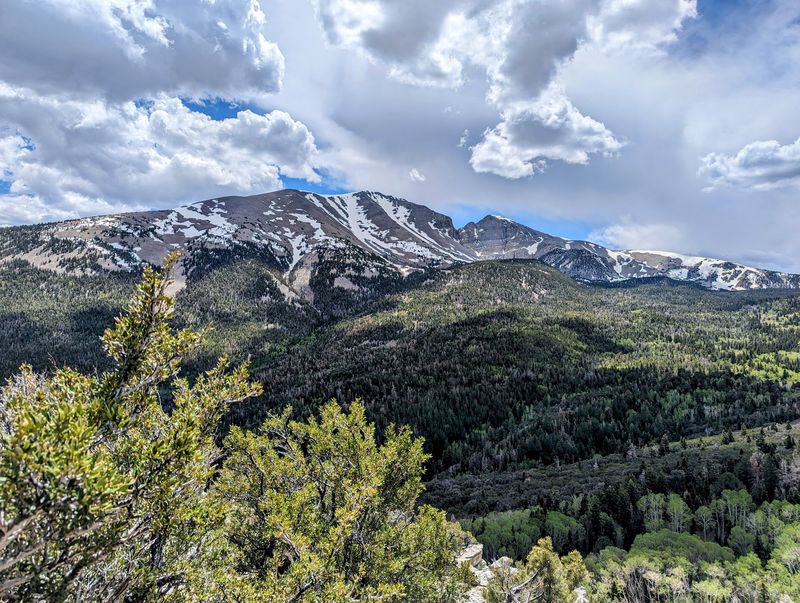
Not everyone wants to hike, and honestly, the drive alone justifies the trip. Wheeler Peak Scenic Drive runs about 13 miles of winding pavement and gains over 4,000 feet, topping out near 10,500 feet in roughly 30 minutes of driving.
What makes it interesting is the layering. You start among desert shrubs and sagebrush, pass through pinyon and juniper, then aspen stands, and finally arrive in windswept alpine terrain where wildflowers cling to rock above the tree line.
Temperature swings are dramatic. One visitor logged 77°F at the base and 60°F at the 10,000-foot overlook on the same August afternoon, so a jacket belongs in the car even in summer.
Pullouts and observation points appear along the way, along with picnic areas that make packing lunch from home an easy money-saver. Aspens draw their own following in autumn.
The road closes seasonally, and rangers sometimes shut it on short notice for incoming storms, including an early-October snow event that cleared the mountain by 6 p.m. Confirm conditions before committing to the drive.
Lehman Caves And The Tickets That Vanish Fast
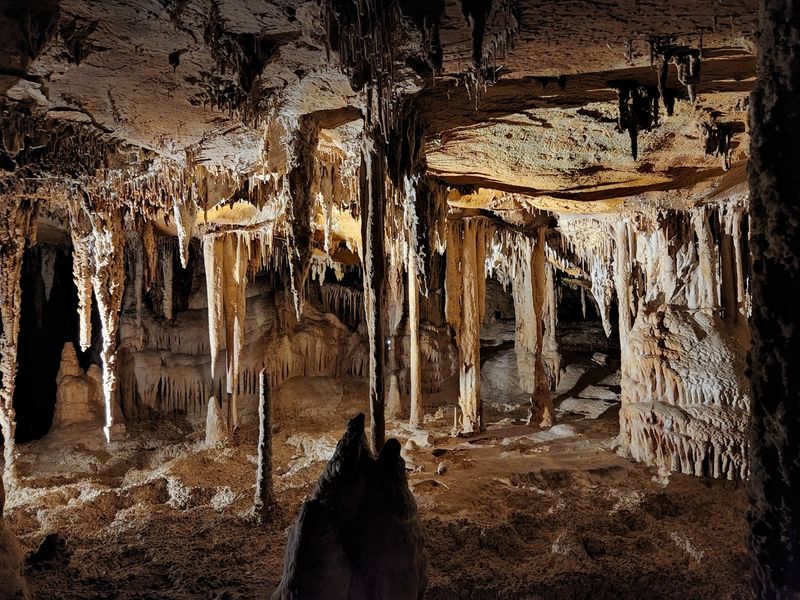
Underneath all that mountain sits a marbled limestone cave system decorated with formations that took their own slow eternity to build. Lehman Caves tours are ranger-led, and a 60-minute option has been running, with a longer 90-minute tour offered as well.
Getting on one is the hard part. Tickets can typically be reserved up to 30 days ahead and sell out quickly, and during busy stretches some visitors have lined up before the park opens hoping for walk-up spots.
Closures happen too. The caves have been shut for lighting-system construction and during a government shutdown, so checking status before you build a day around it saves disappointment.
The Lehman Caves Visitor Center sits at the base of the mountains, essentially at the edge of Baker. Inside you will find exhibits, a film, and an adjoining cafe that serves actual meals rather than just packaged snacks.
It is also where the red LED flashlights live, the ones you want for walking around after dark without ruining anyone’s night vision. Cave tours carry a fee even though park entry does not.
Alpine Lakes, Aspens, And Trails For Every Pace
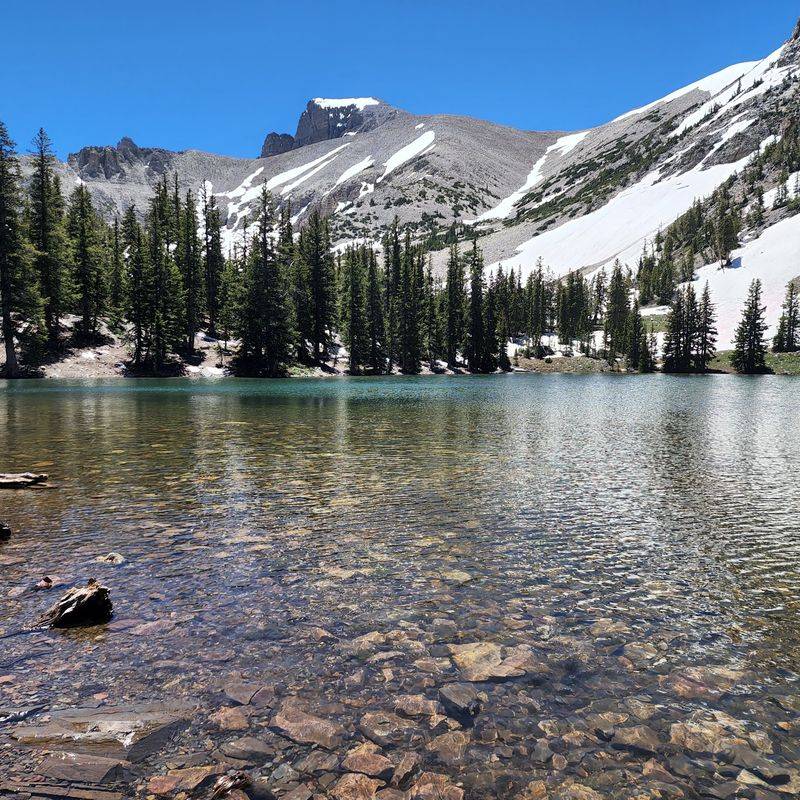
Short walks and serious climbs share the same mountain here. The Alpine Lakes Loop runs about 2.7 miles past Stella and Teresa Lakes, and easier options like the Mountain View Nature Trail and Sky Island Forest Trail suit knees that would rather not negotiate switchbacks.
Ambitious hikers sometimes string the Alpine Lakes, Bristlecone, and Glacier trails into a single loop near 5.9 miles. One visitor finished it in about three and a half hours with plenty of photo stops, calling it genuinely challenging.
Elevation is the wild card. Several people mention the thin air catching them off guard even when the gain looked modest on paper, and rangers at the visitor center are widely credited with matching visitors to trails that fit their day.
Water levels shift through the season. In mid-May one group was told Teresa Lake had shrunk to a puddle and the approach was rough going.
Wild turkeys turn up, trout swim in the small streams, and aspen groves put on color in fall. A hiker could fill two to four days; non-hikers see plenty in one.
Some Of The Darkest Skies In The Country
Stargazing comes up in visitor conversation more than any other subject at this park, mentioned well over a hundred times. Distance from any significant city means the night sky here stays genuinely black, and the Milky Way shows up as a structured band rather than a faint smudge.
Rangers run astronomy programs with telescopes, and attendees describe picking out Venus, watching the International Space Station track overhead, and in one case catching a fireball meteor while scientists narrated the sky above them.
Through the telescopes, the moon reportedly looks close enough to make out individual mountains and valleys along its edge. Ranger chats have covered exoplanets and the strange forms of life found inside Lehman Caves.
Weather can undo the whole plan. More than a few people have arrived with clear afternoon skies only to watch clouds or summer thunderstorms roll in before dark.
Grab a red LED flashlight at the visitor center before sunset. Since the park stays open 24 hours, there is no gate closing time forcing you off the mountain early, just your own willingness to stay up.
What A Visit Actually Costs And How To Plan It
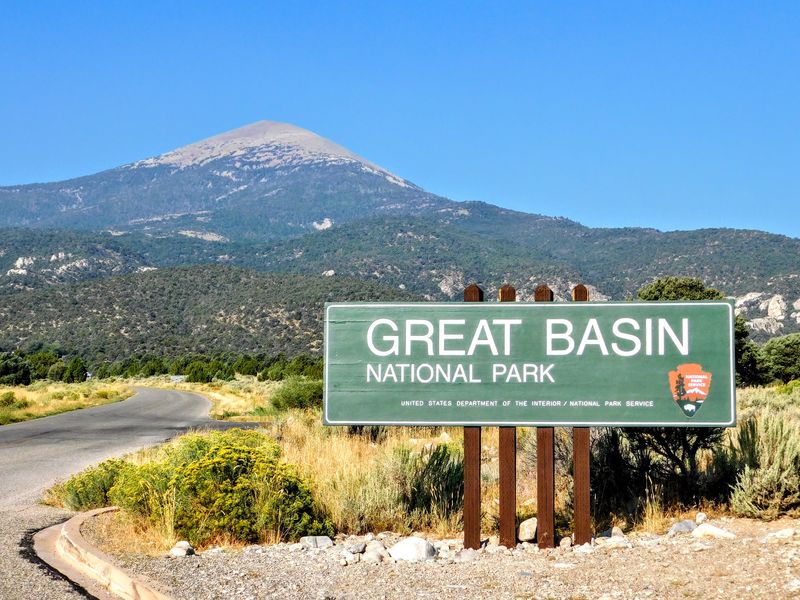
Zero dollars at the entrance. Great Basin is one of the few national parks with no entrance fee, which means a family of four can spend an entire day here paying only for fuel and whatever they packed in the cooler.
Cave tours cost extra and require reservations, generally available up to 30 days out. Campgrounds inside the park fill through summer, though some sites can be booked days, weeks, or months in advance, and campers mention water access and updated restroom facilities.
Kids can work through the Junior Ranger program and earn a badge, which turns a picnic-and-hike day into something they actually remember. Picnic areas along the scenic drive keep lunch costs at grocery-store prices.
Plan supplies before you go. Services are extremely limited out here, and the drive in crosses long empty stretches, including Highway 50, nicknamed the Loneliest Road in America, where drivers report passing almost no traffic for 100 miles.
Roads and cave tours shift with season, weather, and maintenance, so confirming current conditions with the park before leaving Las Vegas or Ely is simply practical.
Why The Long Drive Keeps Paying Off
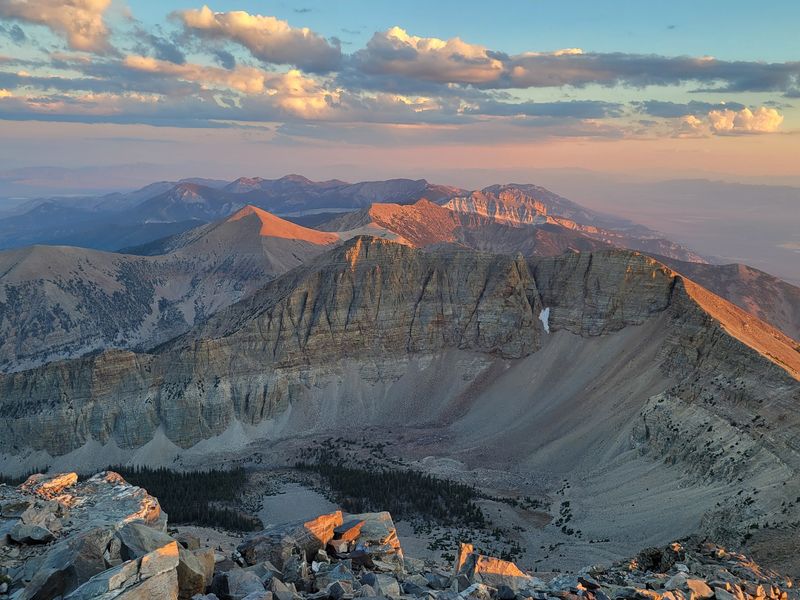
Remoteness works in this park’s favor. Travelers who have logged dozens of national parks consistently place it among their favorites precisely because the crowds never materialize the way they do at Yosemite or Zion.
One couple chasing all 63 national parks added it as an unplanned detour and ended up calling it one of the most memorable stops of a six-week road trip. Another described it as a combination of Lassen, Yosemite, and Crater Lake compressed into one small range.
For Nevada residents, that is a compelling proposition: a full day of alpine scenery, cave formations, ancient trees, and world-class night skies without an admission line or an entrance fee.
Bring layers, water, food, and a full tank. The park asks a little planning in exchange for a lot, and the isolation that makes it inconvenient is exactly what keeps the stars bright and the trails quiet.
Trees that predate written history stand at the top of a mountain in your own state, waiting, and the only real cost is the drive out to meet them.