
This Hudson Valley City Was New York’s First Capital Before Albany Took Over In 1797
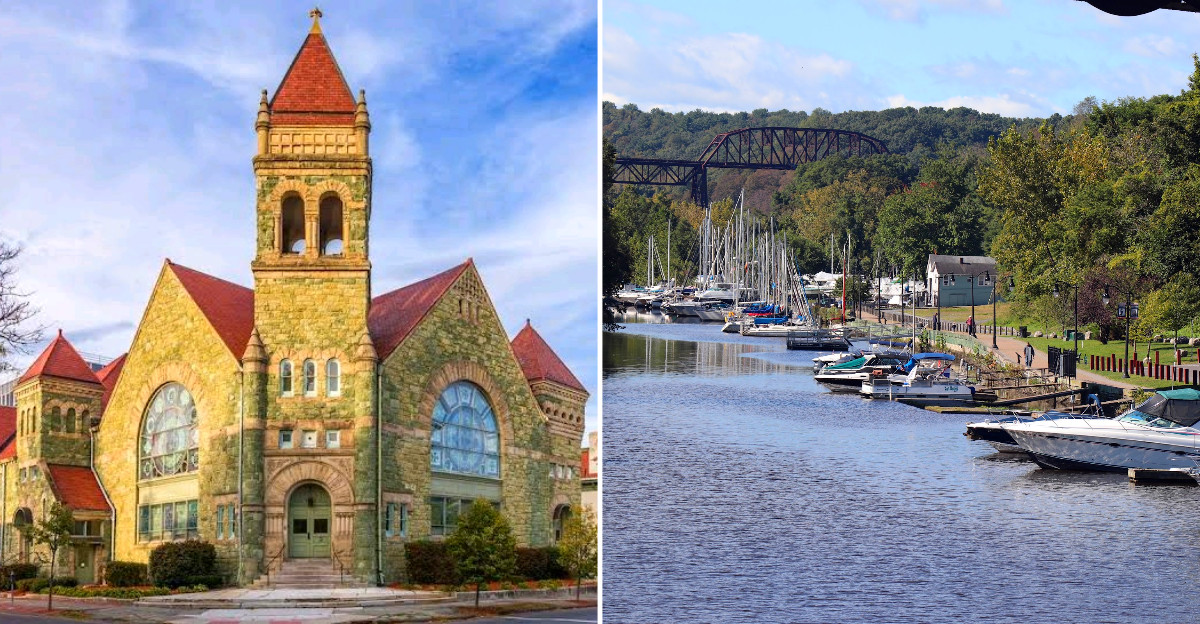
For a brief stretch in 1777, the future of an entire state was being worked out beside the Hudson River.
Lawmakers gathered here while the Revolutionary War pressed close, making a small riverside city the first capital of New York. That role did not last long.
The British burned much of the city that same October, forcing residents to rebuild almost as quickly as history had found them.
What survived gives the place its pull today. Old stone buildings still stand near streets that remember far more than they let on, and the waterfront keeps the city tied to the river that shaped its story.
Albany eventually took over as capital in 1797, but the first chapter happened here. Once you know that, an ordinary walk through town starts feeling a lot less ordinary.
A Capital Idea Born Out Of Wartime Nerves
Wartime logic made the choice simple. British forces held New York City in 1777, and Albany sat too close to danger from the north.
Leaders needed a spot far enough from trouble to actually get work done. A modest Dutch settlement on the Hudson fit the bill, and government moved in almost overnight.
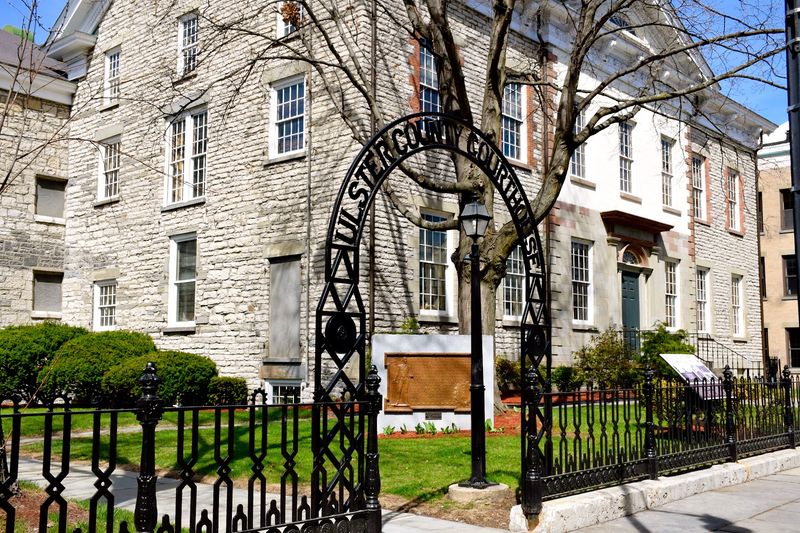
The state constitution was finished there on April 20, 1777. The first Senate met in a private stone home that spring, and George Clinton was sworn in as the first governor of New York.
Peace did not last. After the fighting at Saratoga, British troops sailed upriver and set the city ablaze on October 16, 1777.
Most of the wooden structures went up in smoke, though the thick stone walls held. Government packed up and headed to Poughkeepsie, returning here briefly during the 1780s.
Albany took the title for good in 1797, well after independence was won. The earlier chapter never faded, though.
What remains is a place where the founding years feel close enough to reach. Plaques mark real events, not tall tales, and the streets still follow their original seventeenth century lines.
Meet Kingston, The City On The Rondout
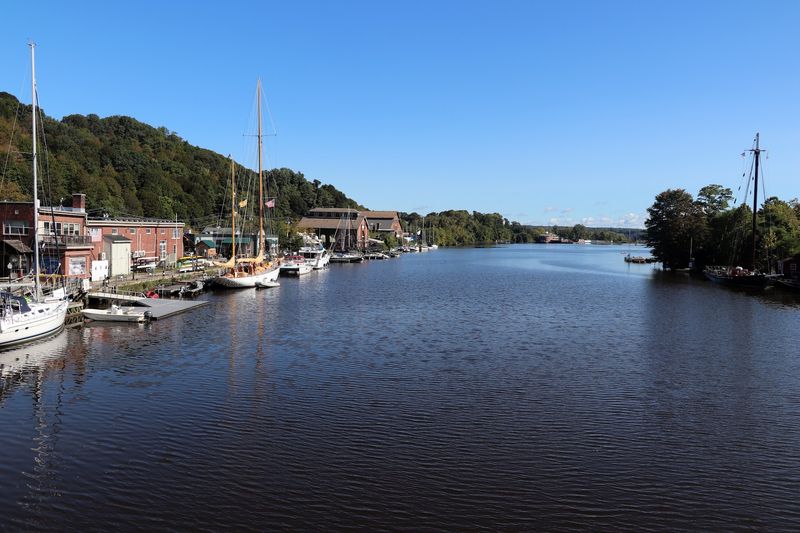
Ulster County’s seat carries the name Kingston, and you will find it at New York 12401, where Rondout Creek flows into the Hudson River. The Catskill Mountains sit on the western horizon like a painted backdrop.
About 24,000 people call it home, according to the 2020 census. The wider metro area counts closer to 178,000.
Dutch settlers arrived in 1652 and called the spot Esopus. A stockade went up in 1658 by order of Governor Peter Stuyvesant, and the name shifted to Wiltwyck in 1661.
English rule brought the final name change in 1669, honoring Governor Lovelace’s family seat back in England. Three names, one stubborn little settlement.
The city splits into three distinct neighborhoods, each with its own rhythm. Uptown holds the oldest stone buildings, Midtown leans creative and industrial, and the Rondout waterfront hums with boats and galleries.
Getting around is refreshingly simple. The grid laid out centuries ago still works, and most of Uptown can be crossed on foot in under fifteen minutes.
Drivers coming up from the city find it roughly ninety miles north, an easy morning run.
Where New York’s First Senate Actually Sat
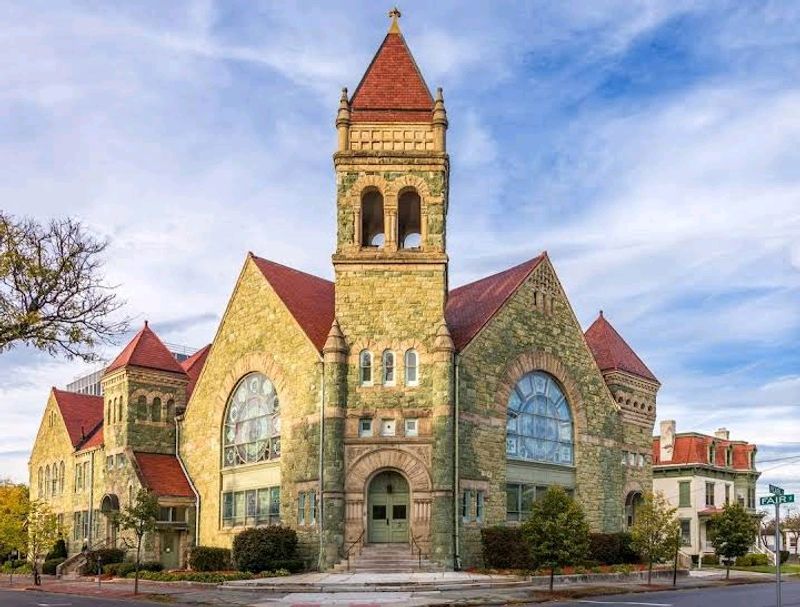
Few buildings in America can claim a first Senate meeting. One stone house in Uptown can, and it stands at 296 Fair Street.
The Senate House State Historic Site protects the spot where lawmakers gathered in 1777. The walls are thick, the ceilings low, and the rooms far plainer than most visitors expect.
That plainness is the point. Government back then ran out of somebody’s living room, with candles, quills, and a great deal of worry about approaching troops.
A museum building sits on the same grounds, holding paintings and objects from the early state years. Exhibits cover the constitution, the burning of the city, and life under Dutch and English rule.
Guided tours bring the rooms to life without overselling anything. Guides stick to documented events, which makes the whole visit feel trustworthy.
Hours shift by season, so a quick check of the state parks website before driving over saves disappointment. Admission has traditionally been modest, and the grounds themselves are pleasant for a slow lap.
Budget about an hour. History buffs will stretch it to two without noticing the clock at all.
The Stockade District And Its Ancient Stone Bones
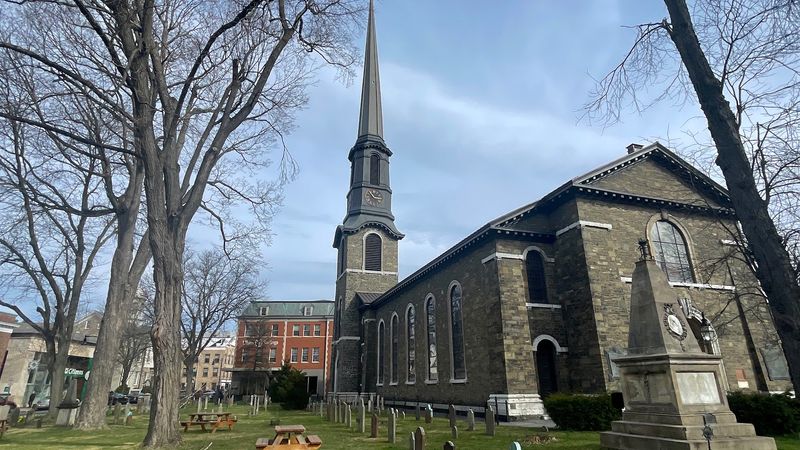
Four corners in Uptown hold something genuinely rare. Each one carries a stone building from a different century, an arrangement you will not find elsewhere in the country.
The Stockade District grew from that 1658 defensive wall, and its grid never got redrawn. Walking it feels like reading a timeline written in masonry.
Pre revolutionary stone houses line several blocks, many of them still lived in or used as shops. Bluestone sidewalks underfoot came from local quarries that once supplied half the East Coast.
Dutch gables sit beside Victorian storefronts without much fuss. The mix should clash, yet it settles into something charming.
The Old Dutch Church anchors the neighborhood, and George Clinton rests in its burial ground. His marker draws steady visitors year round.
Shops, bakeries, and restaurants fill the ground floors along Wall Street and North Front Street. A Saturday farmers market runs seasonally and packs the street with growers from across Ulster County.
Comfortable shoes matter here. Those historic sidewalks are handsome, though centuries of frost have given them personality.
Free self guided walking maps are available around the district for anybody who likes a plan.
Rondout Waterfront, Where Cement Built A Fortune
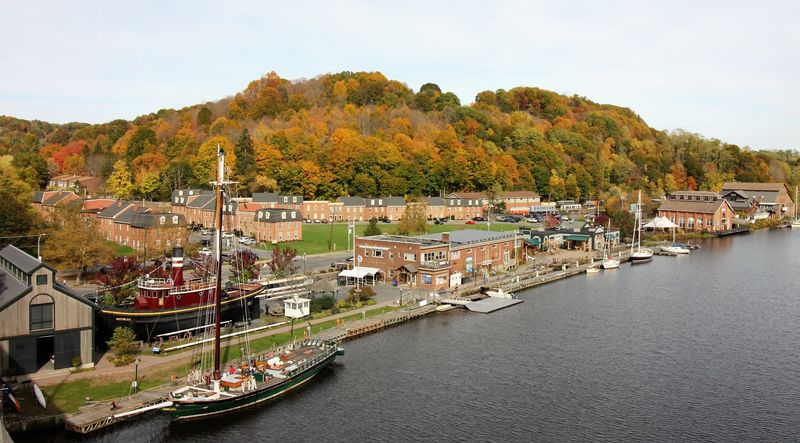
Money once poured through this stretch of shoreline. Natural cement discovered nearby turned the Rondout into one of the busiest ports on the Hudson during the nineteenth century.
Barges from the Delaware and Hudson Canal unloaded here daily. Railroads followed, and the neighborhood filled with warehouses, brick storefronts, and homes for the families who worked them.
The Rondout West Strand Historic District preserves that building stock beautifully. Those nineteenth century facades now house galleries, bookshops, and places to eat with river views.
Marinas line the creek, and boats come and go all summer. Sightseeing cruises head out onto the Hudson from the docks during warmer months.
The Hudson River Maritime Museum sits along the waterfront and covers the era of steamboats, ice harvesting, and cement shipping. Kids gravitate to the boat building shop.
Evenings bring a slower pace, with people drifting along the promenade. Street performers turn up during summer festivals.
Parking is easiest in the lots near the museum rather than on the narrow side streets. Trust that tip and save yourself a few laps around the block.
Midtown’s Murals And Maker Energy
Paint changed everything in Midtown. Old factory walls that sat blank for decades now carry murals big enough to spot from three blocks away.
The neighborhood grew around industry, with warehouses and manufacturing buildings filling much of the footprint. Artists moved in for the space and the light, then stayed for the rent.
Studios occupy former production floors, and open studio weekends let the public wander through. Seeing a painter work inside a building that once made cigars has a satisfying kind of symmetry.
Live music venues and performance spaces dot the area. Programming runs year round rather than seasonally, which locals appreciate during quieter winter stretches.
Broadway forms the spine of Midtown and connects Uptown with the waterfront. The stretch has grown steadily with cafes, small theaters, and community projects.
Food here leans global and unfussy. Family run kitchens serve Mexican, Caribbean, and Italian plates at prices that will not sting.
Photographers love the contrast between weathered brick and bright color. Golden hour is the sweet spot, roughly an hour before sunset, when the murals practically glow.
Riding The Rails And Roaming The Trails
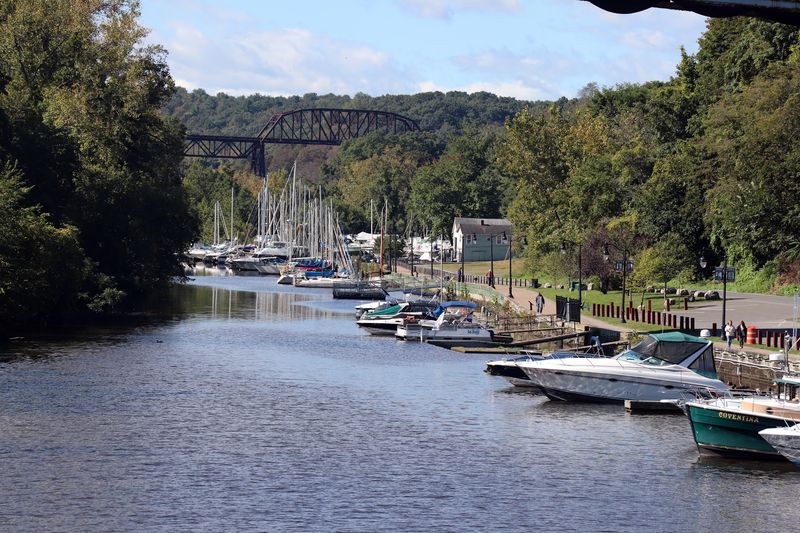
Trains still run here, just for fun now. Heritage rail excursions operate seasonally around Kingston and carry passengers through woods and wetlands that cars never reach.
Open air cars make the ride feel less like transport and more like a moving porch. Fall foliage runs sell out fast, so booking ahead pays off.
On foot or by bike, the Kingston Point Rail Trail and the Empire State Trail connect neighborhoods without traffic. Flat grades make them friendly for all ages.
Kingston Point Beach sits at the end of one route, offering a small sandy stretch on the Hudson. River breezes there beat any air conditioner in August.
Guided history walks leave from Uptown during warmer months and cover the stockade years, the 1777 burning, and the rebuilding that followed. Guides keep the pace gentle.
The Catskills sit a short drive west for anybody wanting bigger elevation. Trailheads near Woodstock and Phoenicia are under half an hour away.
Plan a full weekend if you can. One day handles the historic sites, and the second leaves room for the river, the trails, and a proper lunch.
Long story short, this city is memorable, even if not all of us manage to remember the exact ages and histories tied to it.
Vist it, spend time in it. Absorb what can be absorbed, and live life knowing that you’ve learned a little more about Kingston.