
The Upstate New York Train Ride That Covers 34 Miles Of Fall Color In Two Hours
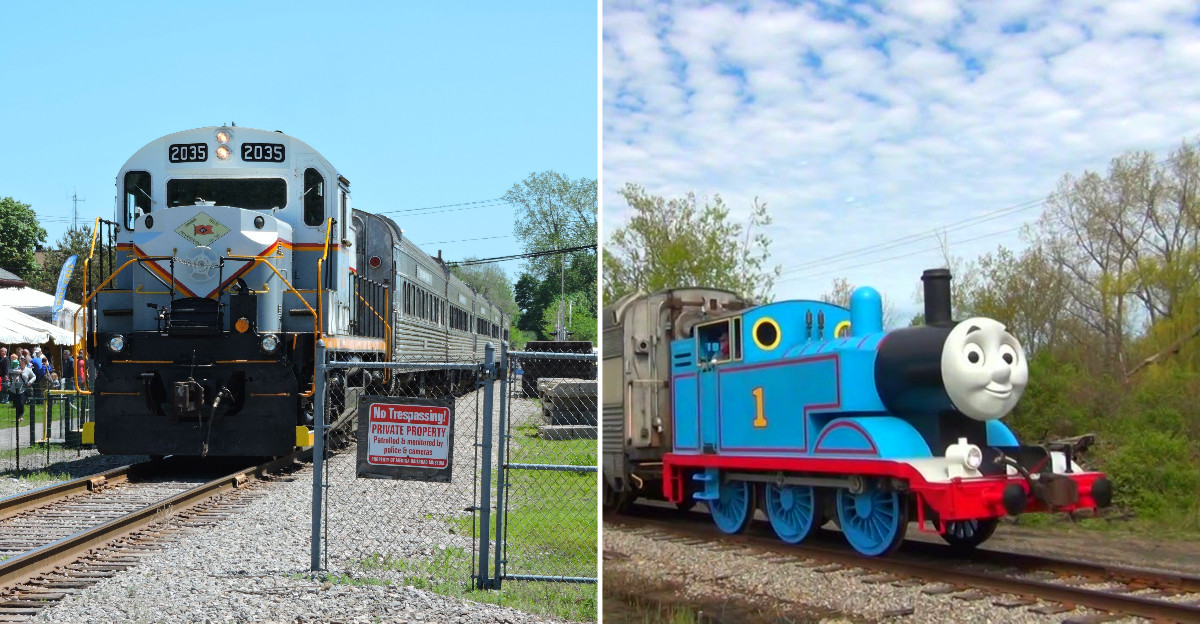
A vintage train window may be one of the best places to watch October happen. Bright woods slide past, farm fields open wide, and the Erie Canalway keeps appearing beside the route while somebody else handles the driving.
New York does fall very well from a railcar. The whole 34 mile round trip takes about two hours, which feels just right for a slow look without giving up the whole day.
The ride gets an extra layer of charm before the wheels even start moving. Passengers board near a museum inside a 1905 freight depot, then settle into a passenger coach dating to 1947.
That mix of old rail history and fresh fall color gives the trip more personality than a simple scenic drive. Best of all, traffic is somebody else’s problem.
A Freight Depot With A Second Act
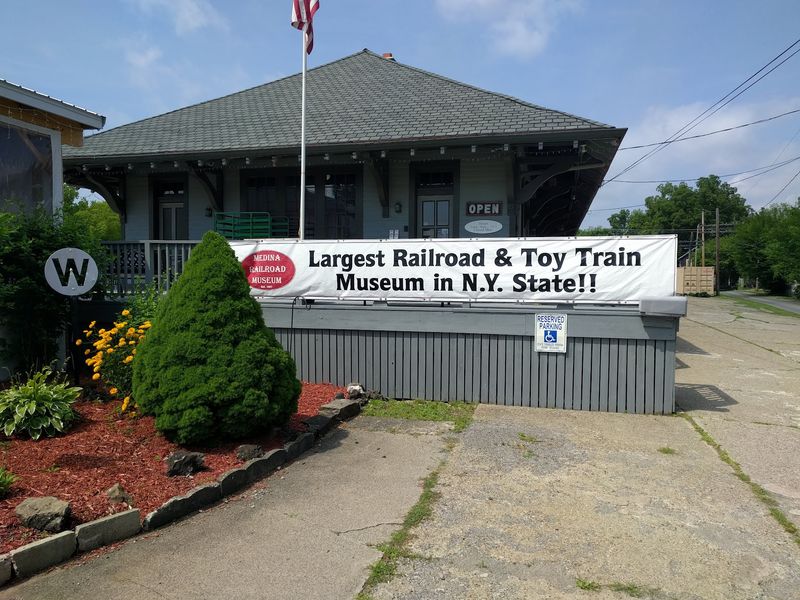
Very few buildings get a proper encore. This one did.
A wooden freight depot raised in 1905 spent decades as a busy distribution point for the New York Central system, handling crates and cargo until 1963.
After the freight stopped rolling, the structure served time as a furniture store. Then, in 1991, it began a new life as a museum dedicated to railroad history in western New York.
The bones stayed the same. The purpose shifted entirely.
Length is the first thing that surprises people. The depot runs 301 feet long and 35 feet wide, which adds up to roughly 14,000 square feet of exhibit space.
Walking the full run of it takes real effort, and that is before you stop to read anything.
Inside sit more than 6,000 artifacts. Lanterns, luggage, photographs, toys, and signal gear fill the perimeter walls floor to ceiling.
Collections of historic firefighting equipment share the room too, which feels odd until you learn how closely rail towns and fire companies once worked together.
Seasonal excursion trains run spring through December from this same address, making the building both a destination and a departure point.
Where The Whistle Blows In Orleans County
Medina sits in Orleans County, a canal town with brick storefronts and a historic district worth an afternoon of its own. The museum that anchors the rail scene here is the Medina Railroad Museum, found at 530 West Ave, Medina, NY 14103.
Founded in 1991 by a rail historian who spent his retirement years rescuing the depot, the museum grew into the largest of its kind in the state. That claim gets tossed around locally with obvious pride, and the square footage backs it up.
Getting here is straightforward. Medina rests between Rochester and Buffalo, roughly an hour from either, which makes it a comfortable day trip for a wide stretch of New York.
Regular museum hours run Thursday through Saturday from 10:00 AM to 4:30 PM, with Sunday hours from noon to 4:30 PM. Monday, Tuesday, and Wednesday the doors stay shut, so plan accordingly.
Freight trains still pass right beside the building a few times each day. Hearing one rumble by while you stand inside a former freight house is a strange kind of harmony, and it never gets old.
Two Hours, Thirty Four Miles, Zero Traffic
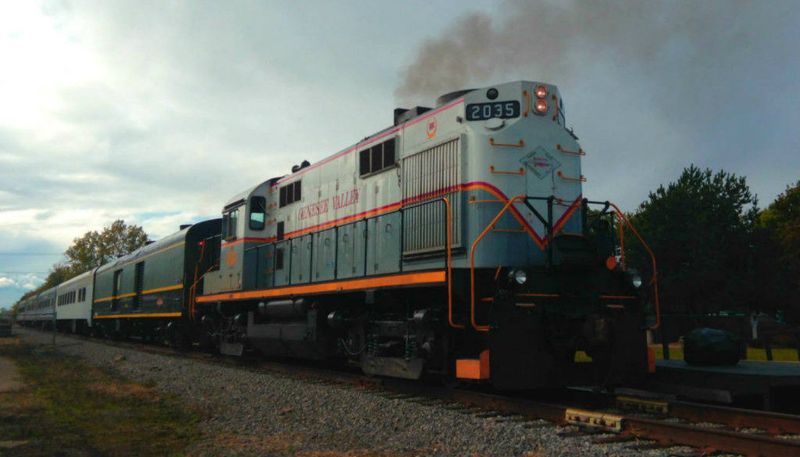
Math rarely feels this pleasant. The fall excursion covers 34 miles as a round trip and fills about two hours of your day.
No merging, no brake lights, no wondering if the next scenic overlook has parking.
Movement on the rails is slower than highway speed, which is the entire point. Color arrives gradually.
Maples give way to oaks, then open farmland, then another stand of trees showing off in orange.
The route follows the Erie Canalway National Heritage Corridor, so water and woods trade places through the windows. Riders often mention the crossing near Lockport and its famous locks as a highlight worth having a camera ready for.
Windows on these coaches are generous and kept clean, which matters enormously when photography is half the reason you came. Restrooms are available on board.
Special fall foliage departures run on select October dates, and they book up as leaf season peaks. Checking the schedule early is wise.
Two hours sounds short until you realize how much scenery fits inside it. Most riders step off wishing for one more mile.
Riding Inside 1947 Budd Coaches
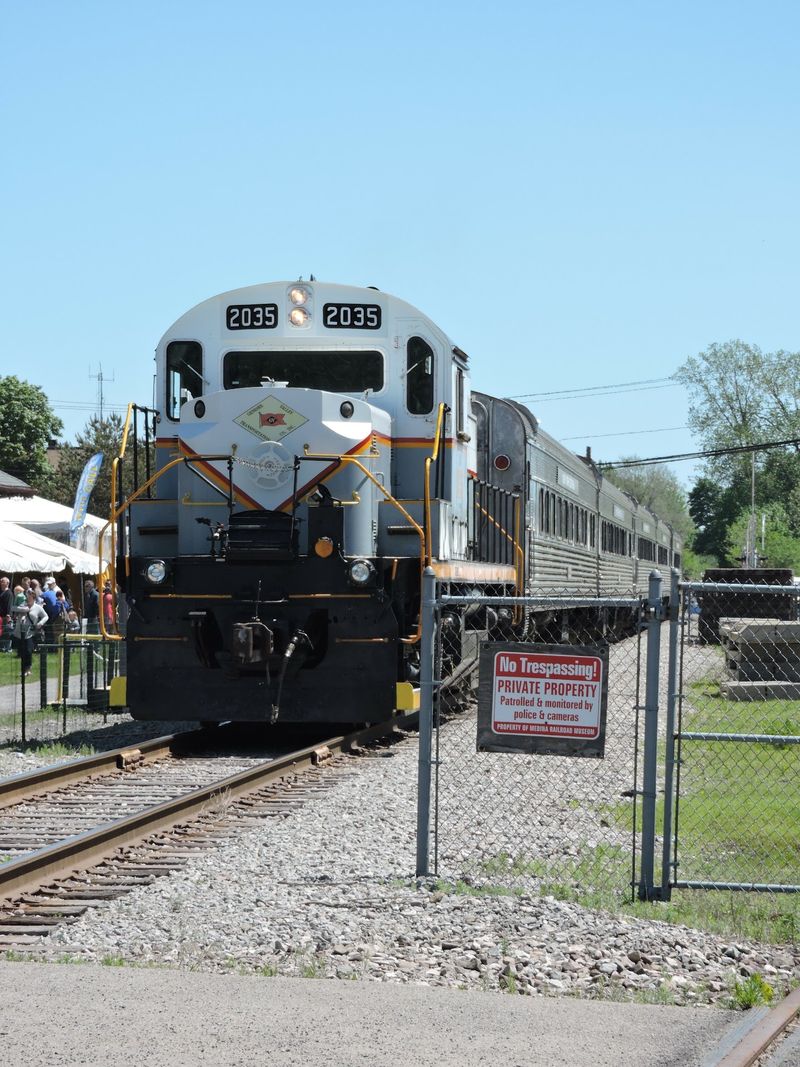
Stainless steel, built to last, and still rolling nearly eighty years later. The excursion coaches date to 1947 and carry the Budd name, a manufacturer once known for turning out some of the sturdiest passenger cars in America.
Sitting inside one feels different from any modern rail car. The proportions are wider, the seats face each other in some arrangements, and the whole space carries a mid century calm.
First class sections offer tables, which turn the trip into something closer to a moving parlor. Coach seating handles the rest, and both provide clear window views.
One practical note deserves attention. Because these cars were built long before accessibility standards existed, the vintage equipment cannot accommodate guests with mobility impairments.
Steps are steep and aisles are narrow.
The gentle rocking motion is part of the charm. So is the sound, a rhythm of wheels on jointed rail that no recording ever quite captures.
Preserving equipment this old takes constant work. Riding it feels like borrowing a piece of the past for an afternoon, then handing it back carefully.
The Model Layout That Stops Traffic
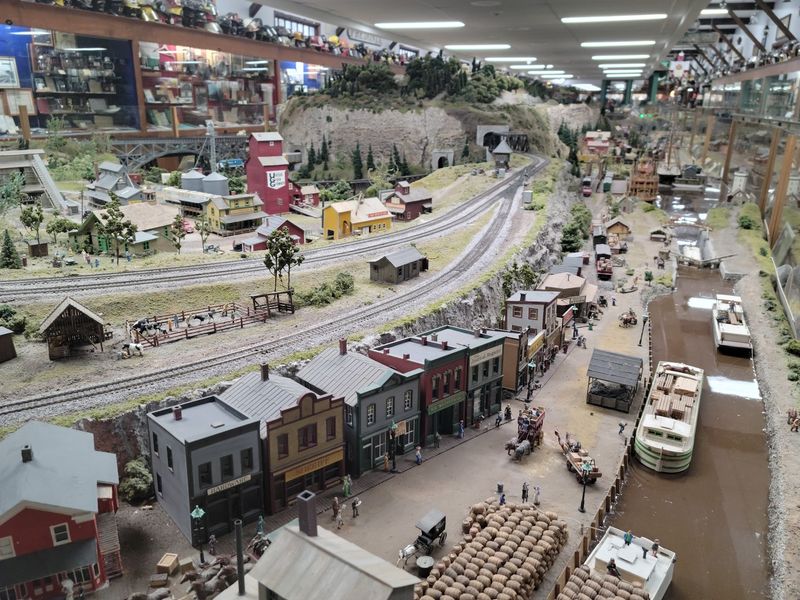
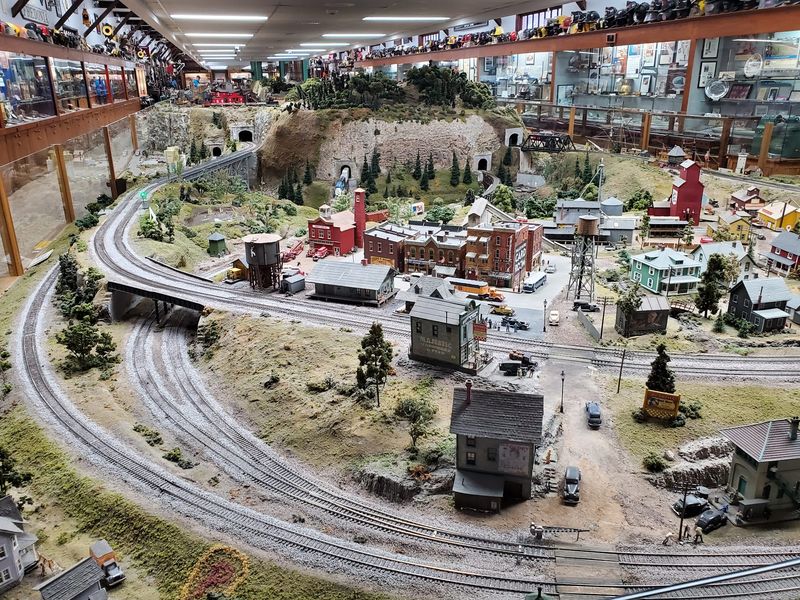
Two hundred and four feet long. Fourteen feet wide.
Those numbers belong to one of the largest HO gauge model train layouts in the country, and it lives right here in the middle of the depot.
Scenes shift as you walk along it. Industrial districts, small towns, farmland, and older eras blend into one another, each section built with the kind of patience that takes years to accumulate.
Buttons are scattered around the perimeter for visitors to press. Lights flicker on, small machines move, and kids figure out the system within about ninety seconds of arriving.
Viewing happens from both sides, which effectively doubles what there is to see. Shorter visitors benefit from a small step stool, and bringing one is a clever move for families.
Detail work rewards slow looking. Tiny figures, storefront signs, and weathered rooftops hide in corners you might otherwise breeze past.
Model railroaders treat a visit here as something close to a pilgrimage. Even people who arrived only for the foliage train tend to linger far longer than planned.
Canal Country Rolling By The Glass
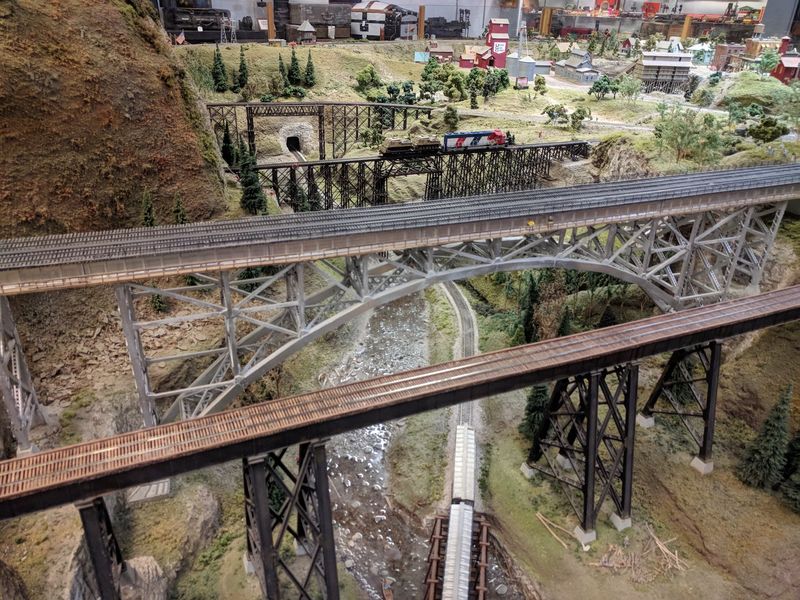
Water and rail have been neighbors in this part of New York for close to two centuries. The excursion travels the Erie Canalway National Heritage Corridor, a designated stretch of land that protects that shared history.
Fall gives the canal a mirror quality. Trees along the banks drop their color into the water, and the reflection doubles everything for a few seconds as you pass.
Bridges over the canal provide the trip’s best photo moments. Crew members typically announce them in advance so nobody misses the shot.
Beyond the canal, the route crosses working farmland. Cornfields cut for the season, barns with faded paint, and the occasional tractor make up the middle distance.
Small rural communities appear and vanish. Each one offers a quick glimpse of ordinary upstate life that highways tend to hide.
Narration from the crew fills in the history as you go. Learning why a particular bridge exists or what a certain building used to be adds weight to the view.
Scenery here is not dramatic. It is steady, honest, and quietly beautiful.
Six Thousand Artifacts And Counting
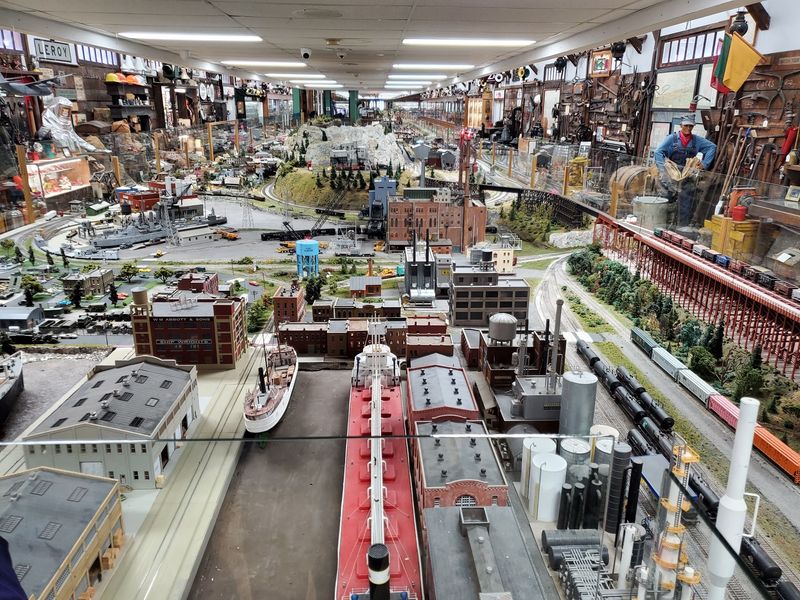
Collections here run deep. More than 6,000 artifacts line the walls, covering railroad history across western New York with an enthusiasm that borders on delightful excess.
Signal lanterns sit in rows, their colored glass catching the overhead lights. Nearby, travel luggage from the golden age of rail shows the scuffs of a thousand platforms.
Photographs document depots, crews, and locomotives long since retired. Reading the captions gives names and dates to faces that might otherwise be forgotten.
Toy collections occupy their own territory. Generations of train sets, tin engines, and playthings remind you that the fascination with rails starts early and rarely fades.
Historic firefighting equipment adds another layer. Helmets, nozzles, and gear from old companies share space with the railroad material.
A scavenger hunt keeps younger visitors moving with a purpose. Finding specific items in a building this size turns browsing into a genuine game.
Plan for more time than you think you need. People routinely arrive expecting forty minutes and leave two hours later still talking about something they spotted near the back wall.
Booking Your October Seat Early
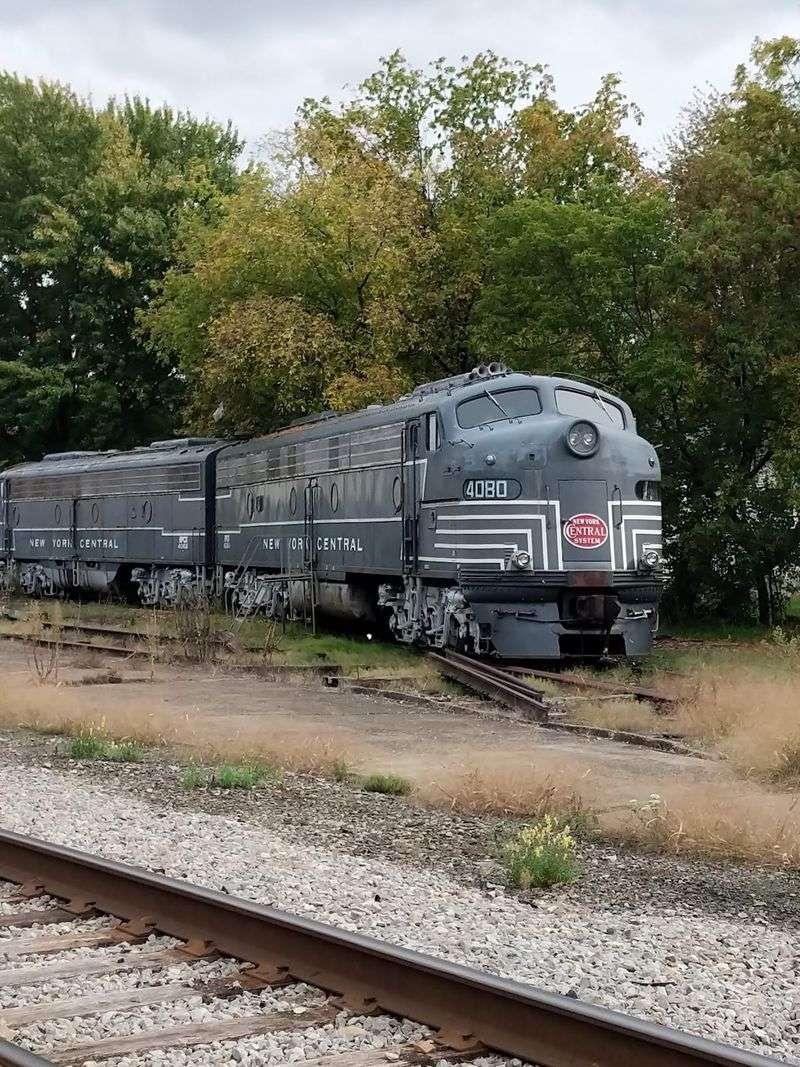
Popularity has a scheduling cost. Fall foliage excursions operate on select October dates only, and those dates disappear from the calendar faster than the leaves themselves.
Tickets are sold through the museum website, and reserving several weeks ahead is the sensible approach. Weekend departures during peak color go first.
Seating choices matter. First class provides table seating with more elbow room, while coach keeps things simpler and lighter on the budget.
Some packages pair the ride with a boxed lunch, which arrives packed with a cold pack and reusable containers. Menu options are offered when you book, so decide early.
Museum admission is often bundled with the excursion package. Arriving with time to explore the depot before boarding makes the whole outing feel fuller.
Showing up at least thirty minutes before departure is strongly advised. Parking, restrooms, and finding your car number all take longer than expected on a busy day.
Leaf timing in this corner of New York usually peaks in the first half of October. Aiming for those weekends improves your odds considerably.
Seasonal Rides Beyond The Leaves
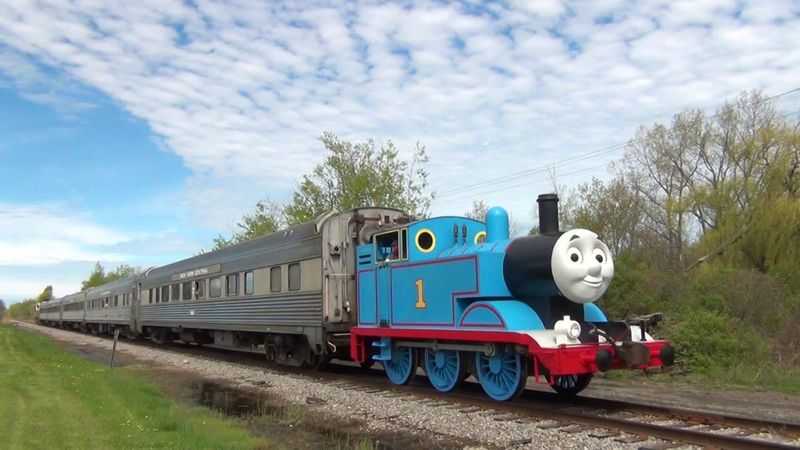
Foliage season is only one chapter. Excursion trains run from spring through December, each with its own personality.
May brings Thomas the Tank Engine days, which turn the depot into a small kingdom of very excited preschoolers. Tickets vanish quickly.
December belongs to the Polar Express ride. Storytelling, hot chocolate, cookies, singing, and a visit from Santa fill the coaches with more noise than any freight ever did.
Bells are handed out to riders on that winter trip, a detail that anyone who knows the book will appreciate.
Summer excursions offer green countryside and canal views without the crowds of leaf season. Different mood, same rails.
Each themed departure sells separately, and the schedule shifts year to year. Checking before you plan saves disappointment.
Museum admission runs on its own calendar, Thursday through Sunday, independent of whether a train happens to be running that day.
Knowing the difference matters. Visiting the museum does not automatically include a ride, so book the excursion deliberately if the rails are what you came for.
Why The Ride Sticks With You
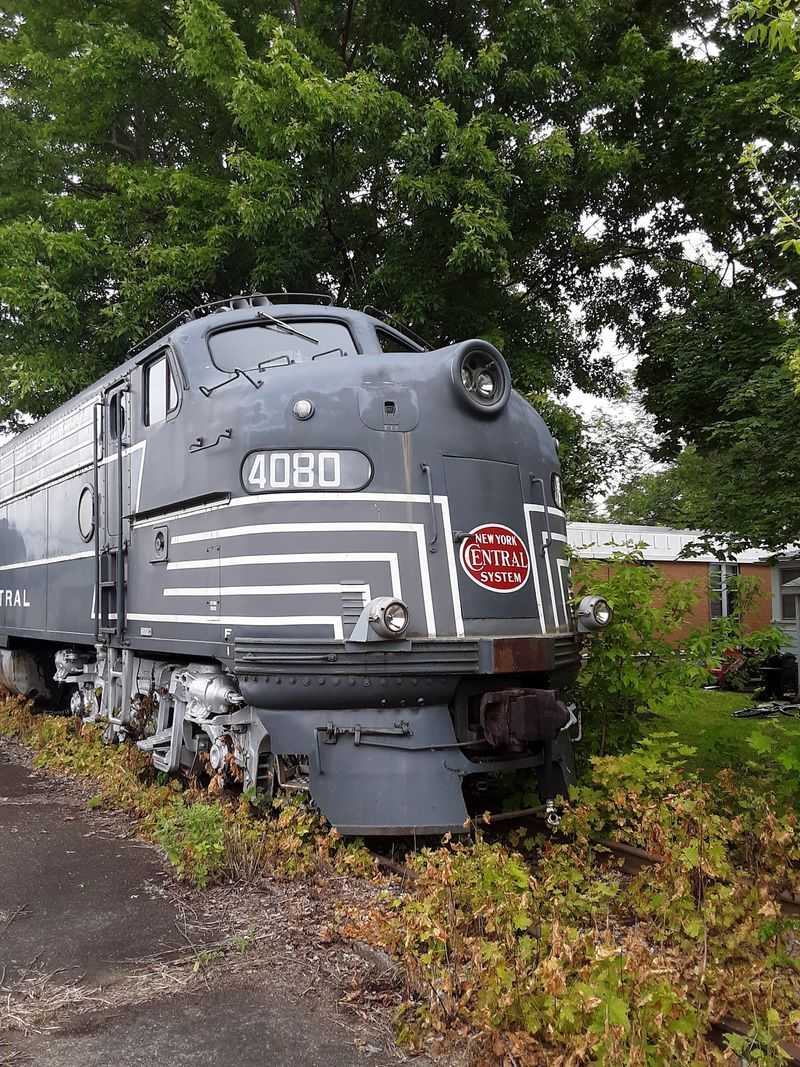
Memory works in odd ways. Long after the specific trees blur together, the feeling of this ride tends to stay put.
Part of it is the equipment. Sitting in a coach built in 1947 connects you to a way of traveling that most people only know from photographs.
Part of it is the pace. Nothing about the trip asks you to hurry, and that alone feels like a small luxury these days.
The crew adds real value. Pointing out landmarks, explaining what the canal locks do, and giving warning before a good view arrives shows genuine care.
Value shows up too. Thirty four miles, two hours, and access to a museum packed with history add up to a full day for reasonable money.
Western New York does not always get top billing for fall color. Rides like this one make a strong argument that it should.
Come for the leaves. Stay for the depot, the model layout, and the sound of steel wheels finding their rhythm.