
You Won’t Believe The Crystal-Clear Water In This Wyoming Lake Is Actually Real
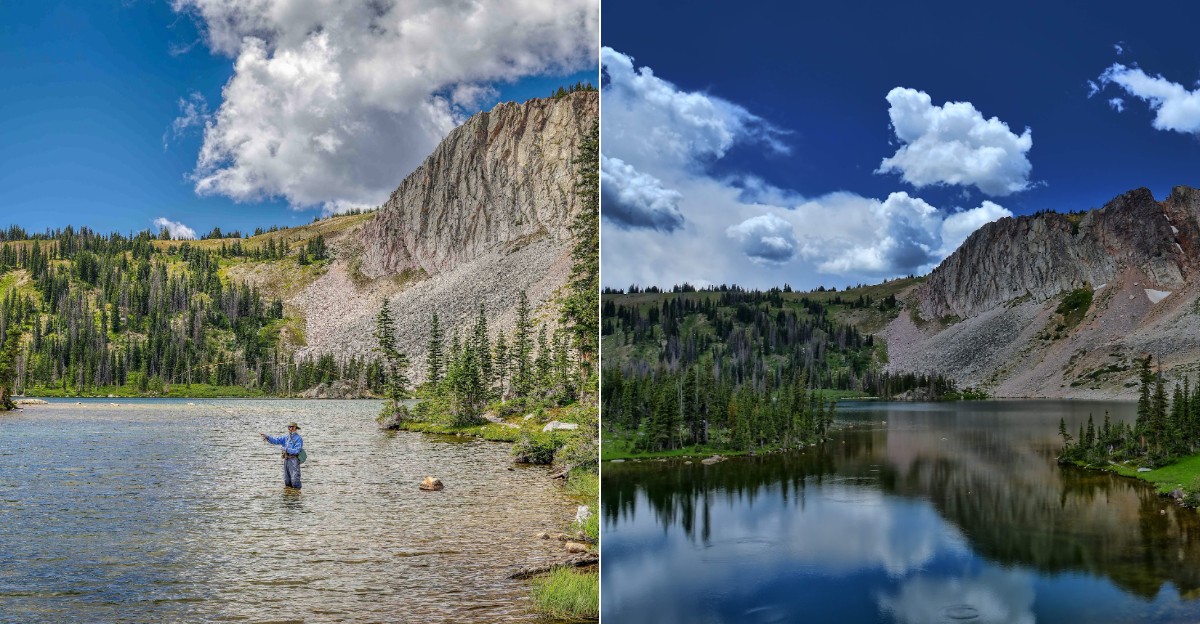
Some places look too perfect to be true. You see a photo, squint at it, and wonder if someone played with the colors.
Wyoming has a spot just like that, high in the mountains, where the water is so clear it almost vanishes. Rocks on the bottom look close enough to touch.
Fish glide by like they are floating in air.
Wyoming is famous for big skies, wild horses, and wide open land. Yet this alpine lake still manages to surprise people who think they have seen it all.
Getting there is half the fun, thanks to a winding mountain road packed with views. Once you arrive, you can hike, fish, paddle, picnic, or just sit on a rock and stare.
The air smells like pine. The breeze is cool and fresh.
Every turn brings a new photo you will want to frame. This is one road trip stop that proves nature still has a few tricks up its sleeve.
Ready to see it for yourself?
Water So Clear It Looks Fake
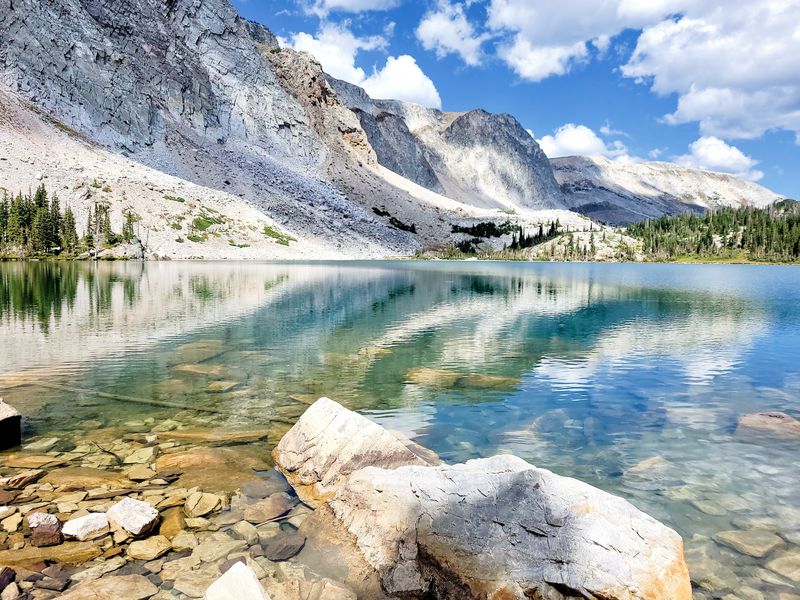
Picture looking into a mountain lake and seeing every pebble on the bottom. No filter.
No trick. That is everyday life at Lake Marie, a sparkling alpine lake in the Medicine Bow National Forest of southern Wyoming.
So why is the water this clear? The answer comes down to three simple things.
Icy temperatures, a rocky lakebed, and very little algae all work together to keep the water bright and see-through.
Cold mountain water makes it hard for algae to grow. Without that green haze, sunlight slips straight down to the rocks below.
The stony bottom also helps, since there is not much mud or loose dirt to cloud things up.
Visitors often say they can spot the shore bottom easily from the edge. Some even joke that the lake forgot to look like a lake.
On calm days, the surface turns into a giant sheet of glass, and it can feel strange to tell where the air stops and the water starts.
Here is a fun tip. Bring polarized sunglasses.
They cut the glare on the surface, so you can peek even deeper into the water and watch the colors of the rocks shift from gold to green.
The lake sits right beside the road, so the wow moment comes fast. You do not need a long hike to see it.
Can you guess how many shades of blue you will count on your first look?
A Lake With A Trailblazing Namesake
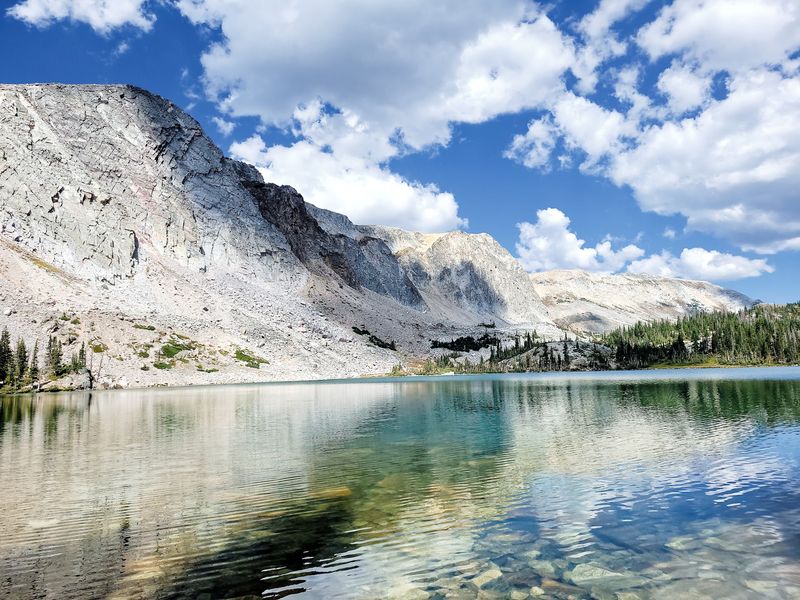
Every great lake deserves a great story, and this one has a good one. The name honors Mary Godat Bellamy, a woman who made Wyoming history.
Her husband, Charles Bellamy, was an early surveyor who worked in this part of the state. He named the lake after his wife.
Years later, Mary did something bold of her own.
In 1910, she became the first woman elected to the Wyoming Legislature. That was a big deal back then, and it still makes locals proud today.
Standing on the shore suddenly feels a little more meaningful, right?
Wyoming has a nickname that fits her story perfectly. It is called the Equality State, because it was the first place in the country to give women the right to vote, back in 1869 as a territory.
The land around the lake has an even older tale. The Snowy Range was shaped over millions of years by shifting earth and slow-moving glaciers.
Those glaciers carved out bowls in the rock, and many alpine lakes in the range now fill those hollows.
Look up at the pale cliffs, too. Much of the high rock here is quartzite, a tough stone that shines light gray and white.
It helps explain why the range looks snowy even on warm summer days.
Next time someone asks how the lake got its name, you will have a great answer ready.
The Drive Is Half The Magic
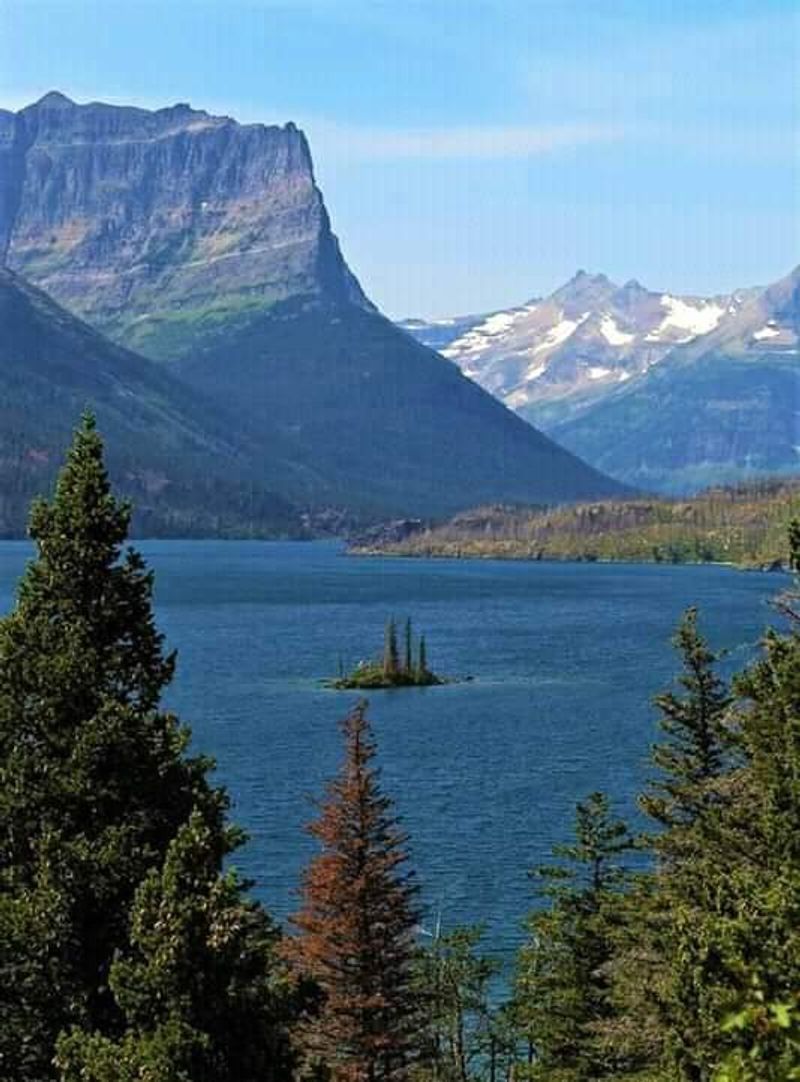
Some road trips have boring stretches. Not this one.
The route to the lake follows the Snowy Range Scenic Byway, also known as Highway 130, and it serves up mountain views from start to finish.
The paved road climbs through thick pine forest and open meadows. As you gain height, the trees get shorter and the peaks get bigger.
Soon, jagged summits and snowfields appear on both sides of the car, and every curve feels like a new postcard.
Near the top, the byway crosses Snowy Range Pass at about 10,847 feet. The pass is one of the highest points on the road, and there is an observation point nearby with sweeping views.
Timing matters here. The high section of the byway usually opens around Memorial Day weekend and closes in the fall once snow piles up, often by late October or November.
Dates change every year, so check road conditions with the Wyoming Department of Transportation before you go.
In winter, the story changes. Snow buries the high road, and the area becomes a playground for snowmobilers who zip across the white hills.
One visitor even called it the time of their life.
Plan to go slow and stop often. Pullouts along the way are perfect for stretching your legs and snapping photos.
How many times do you think you will say wow before you even reach the lake?
Trails That Start At The Shore
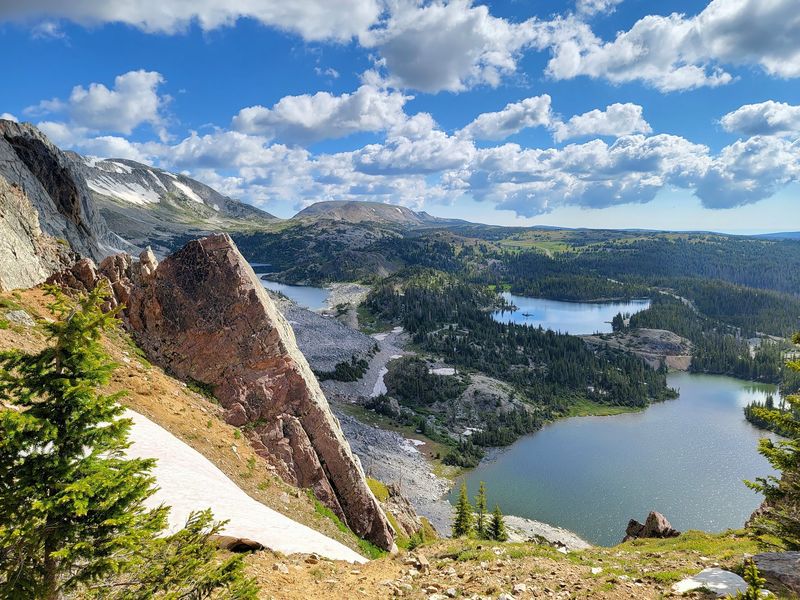
Lace up those boots, because the trails here are hard to resist. The best part is that the view greets you right at the trailhead, so the payoff starts before you even break a sweat.
For an easy outing, try the paved path that links Lake Marie to nearby Mirror Lake. It is accessible, gentle, and lined with beautiful scenery.
Families with small kids and anyone who wants a relaxed stroll will love it.
Craving a bigger challenge? The west end of the lake has a trailhead for Medicine Bow Peak, the tallest point in the Snowy Range at 12,018 feet.
The climb is steep and rocky, and the thin air makes every step count.
Those who reach the summit get a huge reward. On clear days, the views stretch across lakes, forests, and far-off plains.
Start early, though, because afternoon storms often roll in fast up high.
Other paths lead to Lake Marie Falls, Lookout Lake, Lewis Lake, and the Mirror Lake Picnic Area. Each one shows off the mountains from a new angle.
You could spend a whole week here and still find fresh corners to explore.
Pack snacks, a map, and more water than you think you need. Sturdy shoes help on the rocky sections.
Leashed dogs often come along too, so check current forest rules before bringing a furry hiking buddy.
Trout Watching Before You Cast
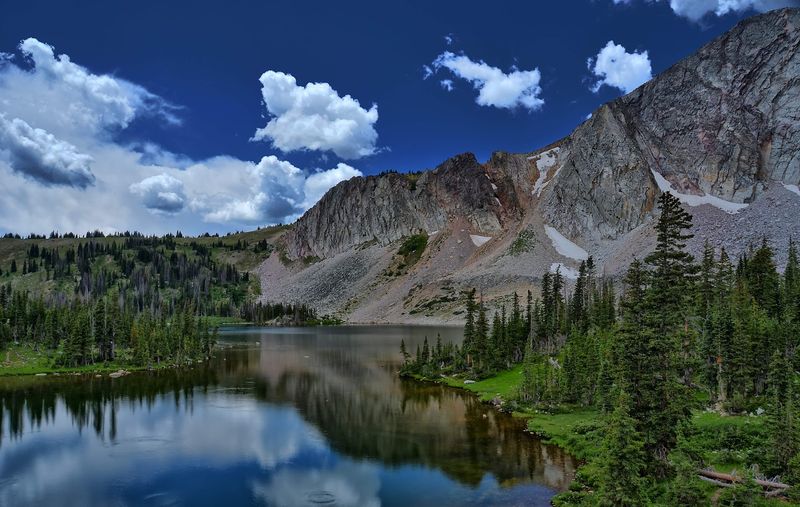
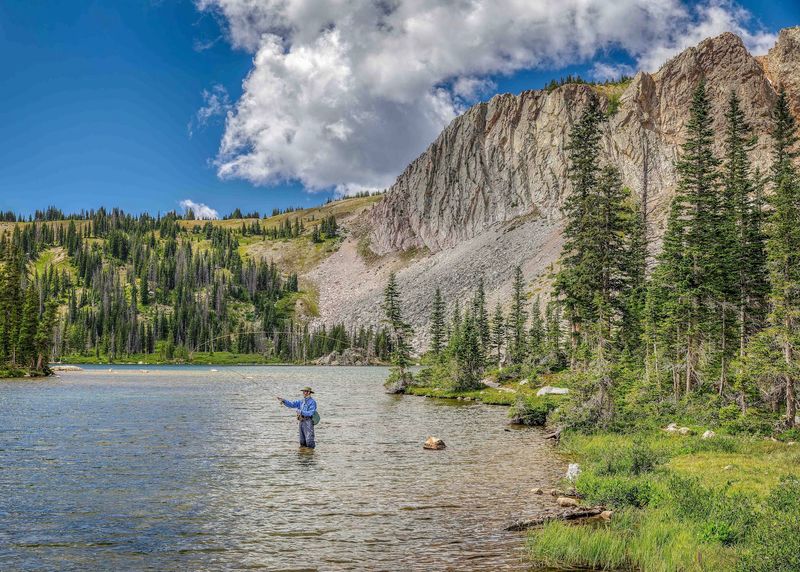
Here is something most anglers never get to do. At Lake Marie, you can often watch a trout cruise past before you even cast your line.
The clear water turns fishing into a bit of a spy mission.
The lake is known for trout that love cold, clean alpine water. Brook, cutthroat, and brown trout have all been reported here.
The same rocky bottom and low algae that keep the water sparkling also make a great home for fish.
Clear water has a funny side, though. If you can see the fish, the fish can probably see you.
Try light line, move quietly along the shore, and keep your shadow off the water.
Before you start, grab a valid Wyoming fishing license. You can buy one online through the Wyoming Game and Fish Department.
Checking the current regulations is smart too, since rules can change.
Not into fishing? Paddling is another fun way to enjoy the water.
Some visitors bring kayaks and glide across the calm surface, peering down at the rocks as they go.
The water stays chilly all year, even in July. Wear a life jacket, dress for cold, and head back to shore if the wind picks up.
Early mornings tend to be the calmest time on the lake. The surface is still, the air is crisp, and the fish seem a little more willing to bite.
Mirror Moments For Your Camera
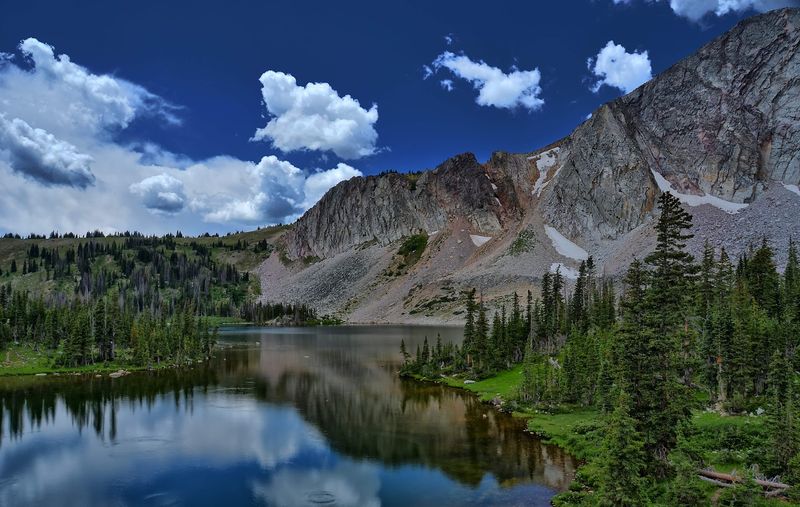
Photographers, get ready to fill up your memory card. On a still day, the lake becomes a perfect mirror, and the jagged peaks above show up upside down on the water.
Visitors often say the scene looks just like a painting.
Morning is the magic hour here. The wind is usually calm, the light is soft, and the crowds have not arrived yet.
Sunrise can paint the pale cliffs in shades of pink and gold.
Try a few simple tricks to make your shots pop. Get low near the shoreline so the rocks under the water show up in the front of your frame.
A polarizing filter lets you decide if you want a crisp reflection or a clear view of the bottom.
Snow patches often cling to the peaks well into summer. They add bright white details that look amazing against blue sky and deep green water.
Even phone cameras can capture postcard-worthy images here.
Clouds can be your friend too. Puffy summer clouds bring drama to wide landscape shots.
Just keep an eye on the sky, since dark clouds may mean a storm is coming.
Remember to stay on paths and avoid trampling fragile plants for the perfect angle. Alpine plants grow slowly and need a long time to recover.
What will your favorite shot be, the mirror reflection or the see-through shoreline?
Wildflowers, Marmots, And Mountain Moose
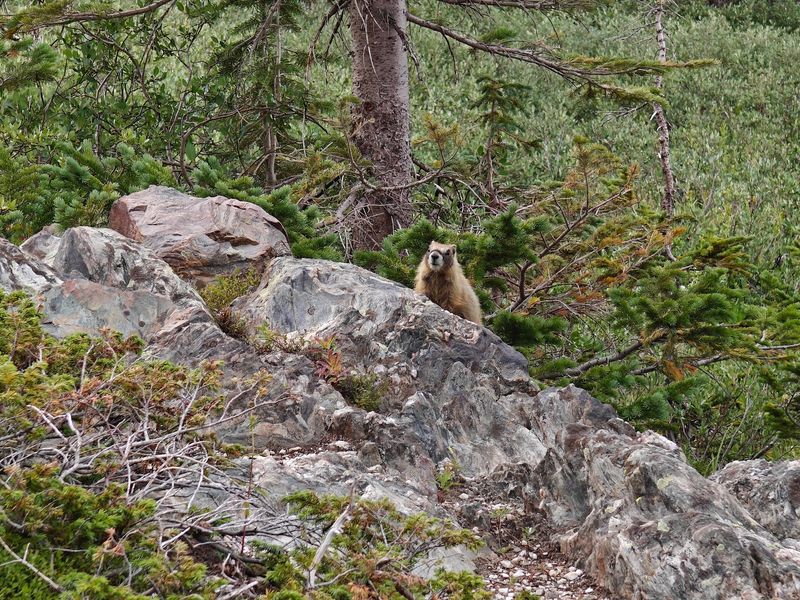
Keep your eyes peeled, because the locals here have fur, hooves, and feathers. The forest around the lake is home to all kinds of wild neighbors.
Spotting one can be the highlight of the whole trip.
Elk and deer often wander through the meadows, especially in the early morning and evening. Moose sometimes show up near wet, willowy areas.
They may look calm, but they are huge and can get grumpy, so give them lots of space.
Smaller critters are fun to watch too. Yellow-bellied marmots love sunbathing on rocks, and they often whistle when something startles them.
Chipmunks and ground squirrels scurry around picnic spots looking for crumbs.
Please do not feed any animals, no matter how cute they look. Human food can make them sick and less wild.
Pack out your trash to keep the area clean for everyone.
Summer brings another kind of show. Alpine meadows burst with wildflowers in July and August, turning the hills into a colorful quilt.
Look for bright red Indian paintbrush, the state flower of Wyoming.
Bring binoculars for better views of animals far away. A small field guide can also help you name the flowers and birds you find.
Kids especially love turning the walk into a nature scavenger hunt.
Every visit is a little different, since animals come and go as they please. Which wild neighbor do you hope to meet first?
Smart Tips For Your Visit
A little prep makes a mountain day way more fun. The lake sits at more than 10,000 feet, so the air is thinner than most people are used to.
Take it slow, rest often, and sip water all day.
Weather up here can flip quickly. A sunny morning can turn into a chilly, windy afternoon.
Dress in layers and toss a rain jacket in your bag, even in summer.
Thunderstorms often build in the afternoon during warmer months. Plan hikes early and head down if you hear thunder.
Lightning is a real risk on open ridges.
Parking fills up on busy summer days. Use the marked lots and avoid parking along the roadside.
Picnic tables near the shore make a lovely lunch stop, so pack a meal and enjoy the view.
Facilities, hours, and seasonal closures can change. Check with the Medicine Bow National Forest before your trip for the latest updates.
Road conditions are worth checking too, especially early or late in the season.
Ready to hit the road? Lake Marie sits along Highway 130, the Snowy Range Scenic Byway, in the Medicine Bow National Forest of Wyoming, about 14 miles west of the small town of Centennial.
Look for the parking area on the right side of the highway near the lake.