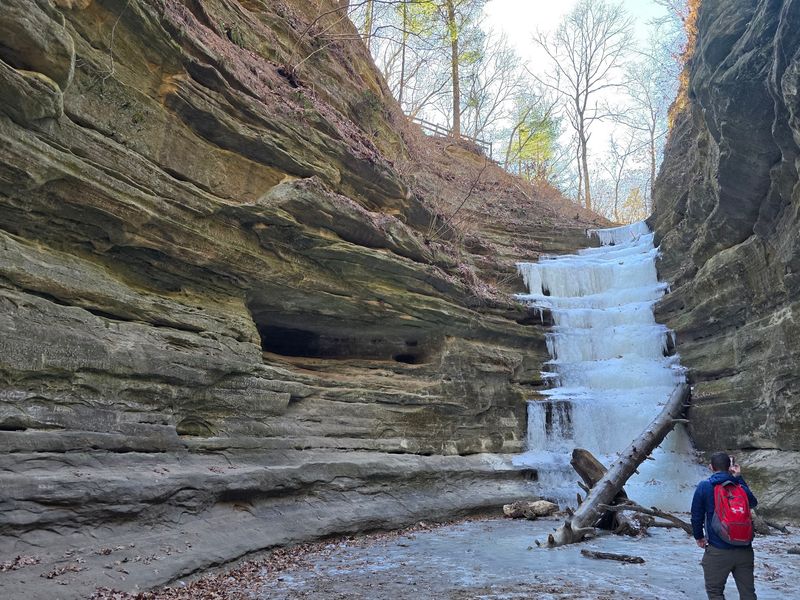
One winter waterfall here drops about 80 feet, and when the cold settles in, it can freeze into a giant pillar of ice. Another canyon sends its frozen cascade zigzagging down a sandstone wall.
That sounds like a national park out West, right? It sits in Illinois.
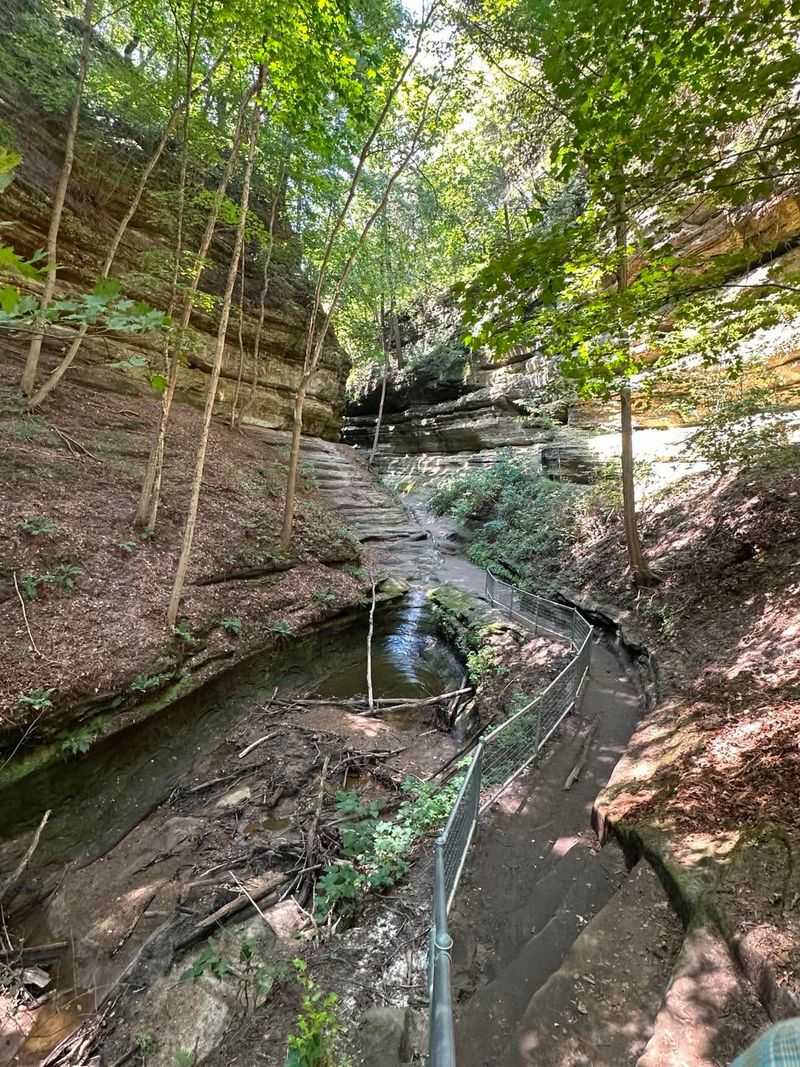
The canyons were carved by glacial meltwater thousands of years ago. Some of the stone stairs and bridges you climb were built by hand in the 1930s.
I like how winter turns a familiar summer hike into something brand new. The leafy trails go quiet, the crowds thin out, and the rock walls wear coats of blue and white ice.
Bald eagles even show up nearby to fish the open river water. So how close is all of this to your front door?
Closer than most families expect.
An Ice Show Hiding Along the Illinois River
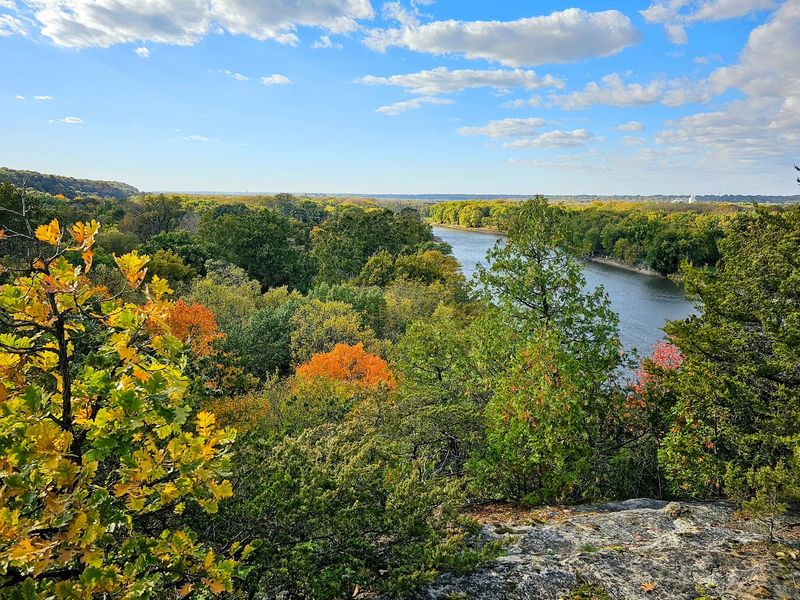
Sandstone cliffs, wooded bluffs, and the Illinois River meet at Starved Rock State Park in LaSalle County. Winter is when this landscape shows off its wildest trick.
The park sits near Oglesby and Utica, an easy hop off I-80. Many families from Chicago reach it in roughly two hours, depending on traffic and snow.
The official description is simple. It’s a vast nature area with canyons, trails, fishing, boating, and a historic lodge with cabins.
That plain wording undersells the canyons a little. Water flows through many of them after rain and snowmelt, then freezes solid when temperatures stay low.
The result is a string of icefalls spread across more than 13 miles of trails. Each canyon offers its own shape, height, and color, so no two stops feel alike.
Admission to the park itself is free, which matters for a family of five. You can spend a full day outside without paying at a gate.
Winter conditions change fast, though, and icefalls depend on steady cold. Check ahead with the park before you load the car, since closures and trail repairs do happen.
Glaciers Did the Heavy Lifting Here
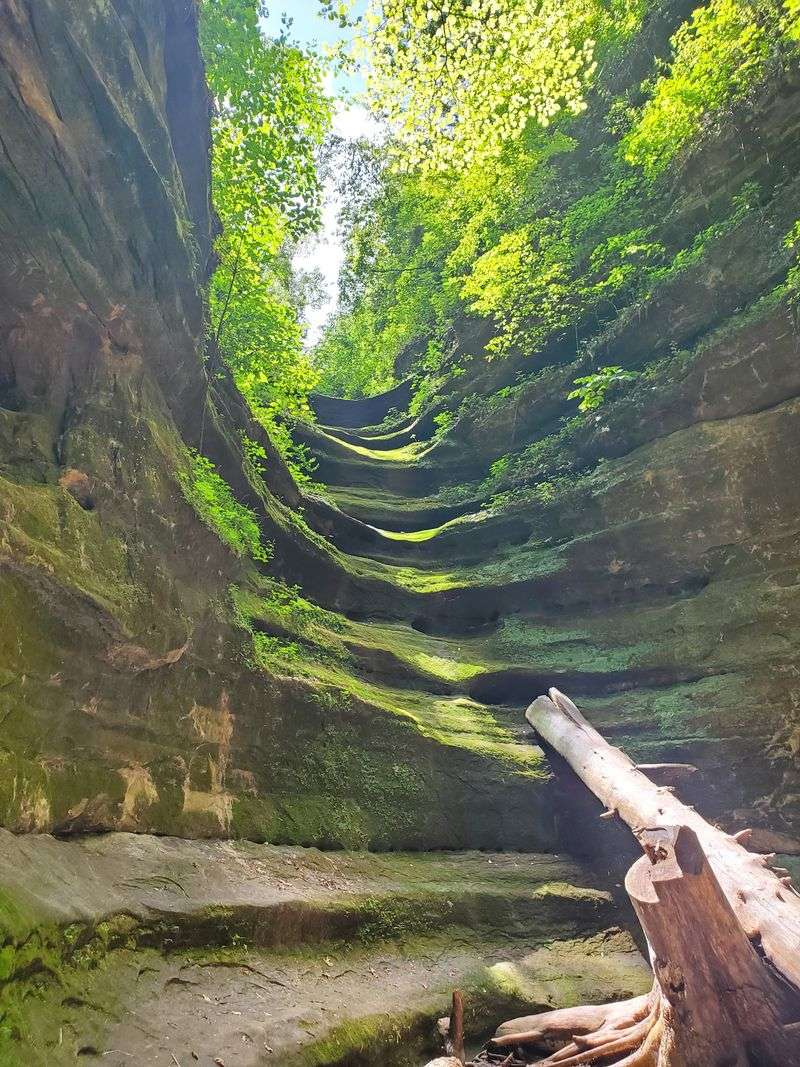
Melting glaciers did the carving, and they worked fast by geologic standards. Torrents of meltwater sliced through the soft rock between about 14,000 and 19,000 years ago.
That rock is St. Peter Sandstone, and it gives the canyons their tan, layered walls. In winter, those warm tones look striking next to white snow and pale blue ice.
Kids tend to love a good origin story. Telling them a glacier made the canyon they’re standing in usually earns at least one impressed face.
The canyons are narrow, steep, and tucked between bluffs. That shape helps shade the ice, which may help icefalls last longer once a cold snap arrives.
Streams feed the falls from the uplands above. When snow melts and refreezes, the water builds layer upon layer of ice down the rock face.
The Visitor Center explains this geology with exhibits and a short film. It’s a smart first stop for curious kids who ask how everything got here.
Knowing the backstory makes the hike more fun. Suddenly a frozen waterfall becomes the latest chapter in a story that started during the Ice Age.
Legends, Explorers, and a Fort on the Butte
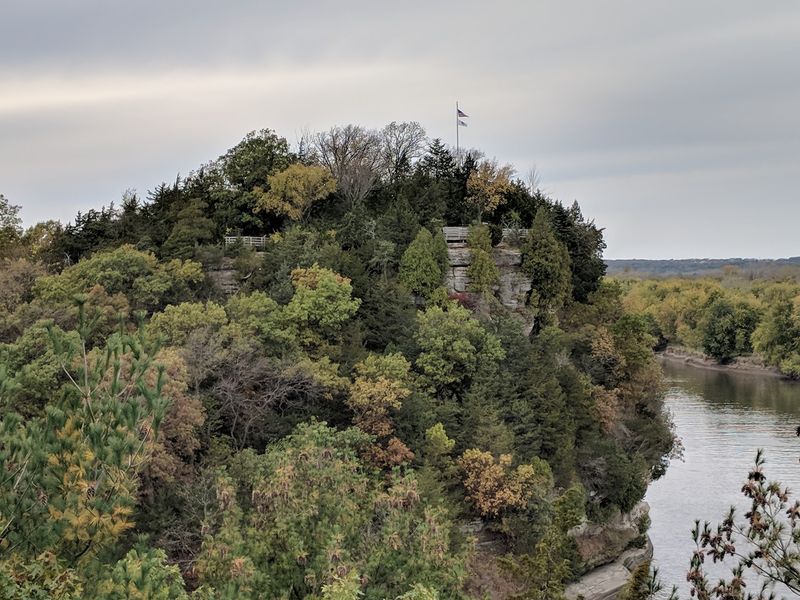
Long before the trail maps, people lived along this stretch of river for over 10,000 years. Evidence of several Native American cultures has been found in the area.
The park’s name comes from a well-known legend. In it, a band of Illiniwek sought refuge on top of the tall sandstone butte during a conflict with neighboring tribes.
French explorers arrived later. René-Robert Cavelier, Sieur de La Salle, and Henry de Tonty built Fort St. Louis on that butte in the winter of 1682.
Yes, a winter project. Families climbing the stairs in January can appreciate how chilly that construction season must have been.
By the late 1800s, the area had become a vacation resort. The State of Illinois bought the land in 1911 and turned it into the park families know now.
Plenty of that history stays visible on the trails. The butte still towers over the river, and the overlook gives sweeping winter views.
Read a little before you go. A short history lesson in the car may help older kids connect with the place before their boots even touch snow.
Stone Stairs With a 1930s Pedigree
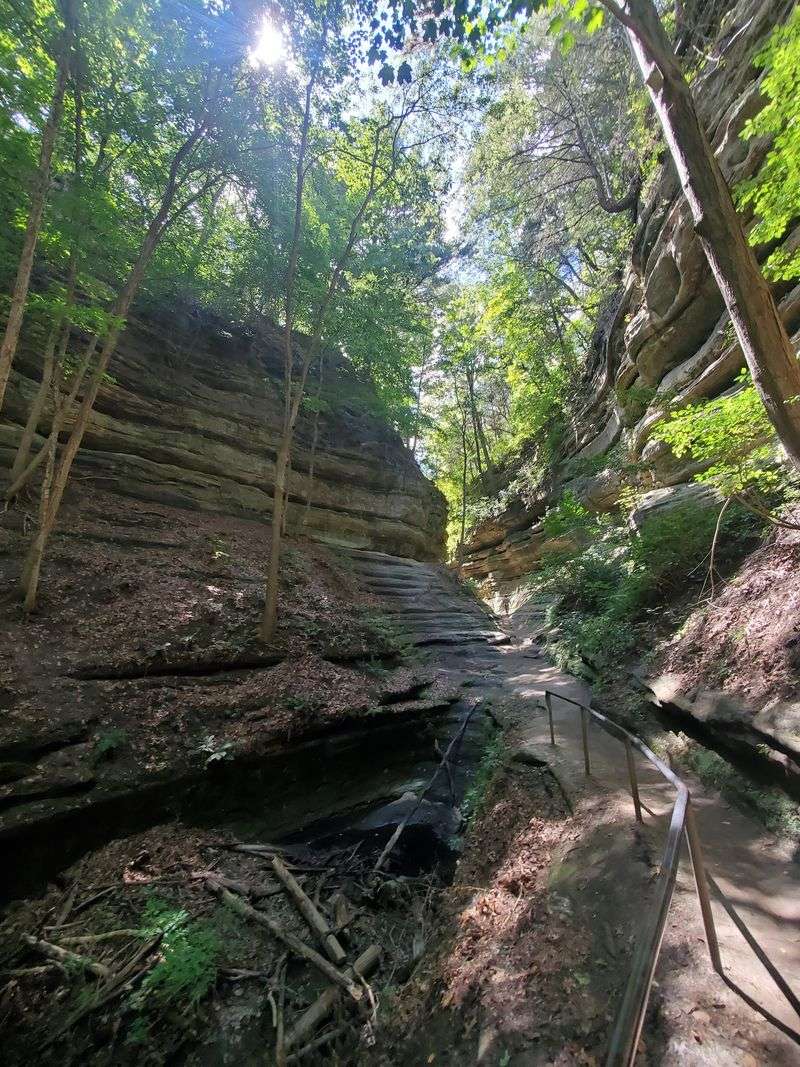
Count the steps on your hike and you’ll lose track quickly. Stairs are one of the most talked-about features of the park, and there are a lot of them.
Many of the stone stairways, bridges, and shelters date to the 1930s. The Civilian Conservation Corps built them, and they still guide hikers through the canyons today.
Wooden boardwalks cover many trail stretches as well. Those wide paths make two-way traffic easier and can feel steadier underfoot for younger hikers.
Not every trail is smooth, though. Some sections switch to dirt, sand, and uneven ground, especially near canyon floors.
In winter, stairs and boardwalks can get icy. Traction cleats or sturdy boots with good grip are worth packing for every family member.
Trail markings are clear, and maps appear at many junctions. That helps a lot when little legs get tired and you need the shortest route back.
Plan for breaks on the climbs. A snack stop halfway up a staircase tends to keep everyone cheerful, and the views from the top reward the effort nicely.
French Canyon Gives Small Hikers a Big Payoff
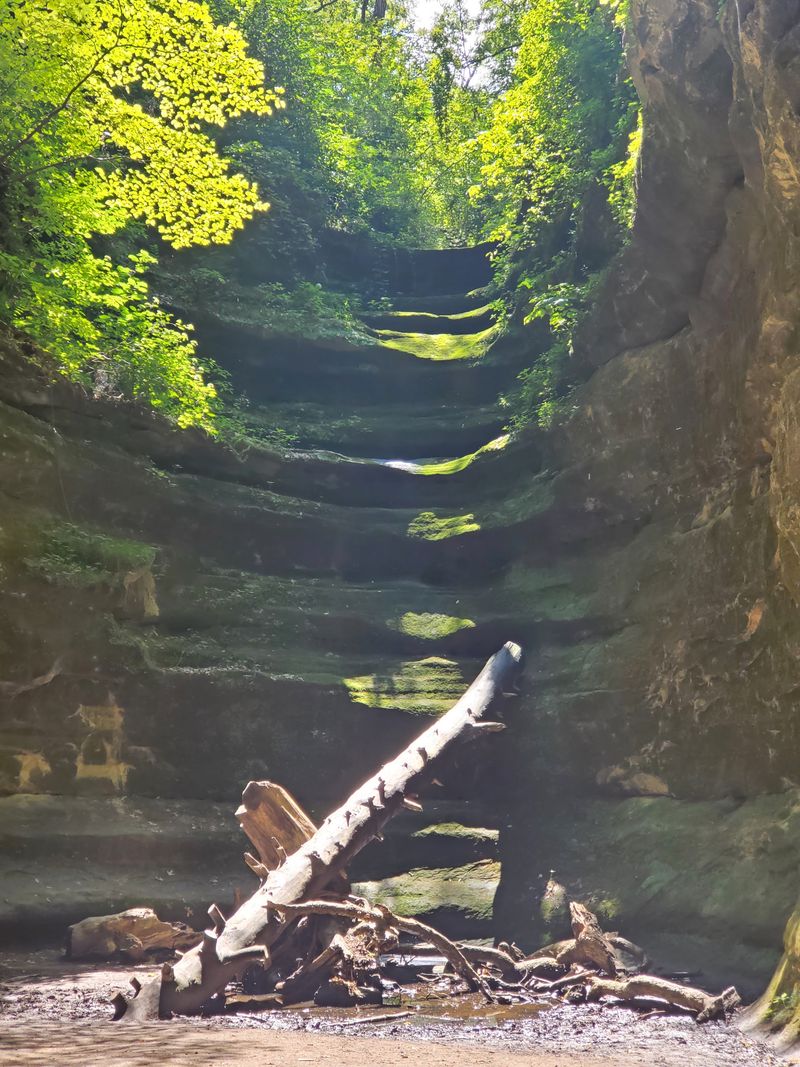
Half a mile. That’s roughly how far French Canyon sits from the Visitor Center, which makes it the easiest icefall win in the park.
For families with young kids, that short distance changes everything. You can see a real frozen waterfall before anyone starts asking for hot cocoa.
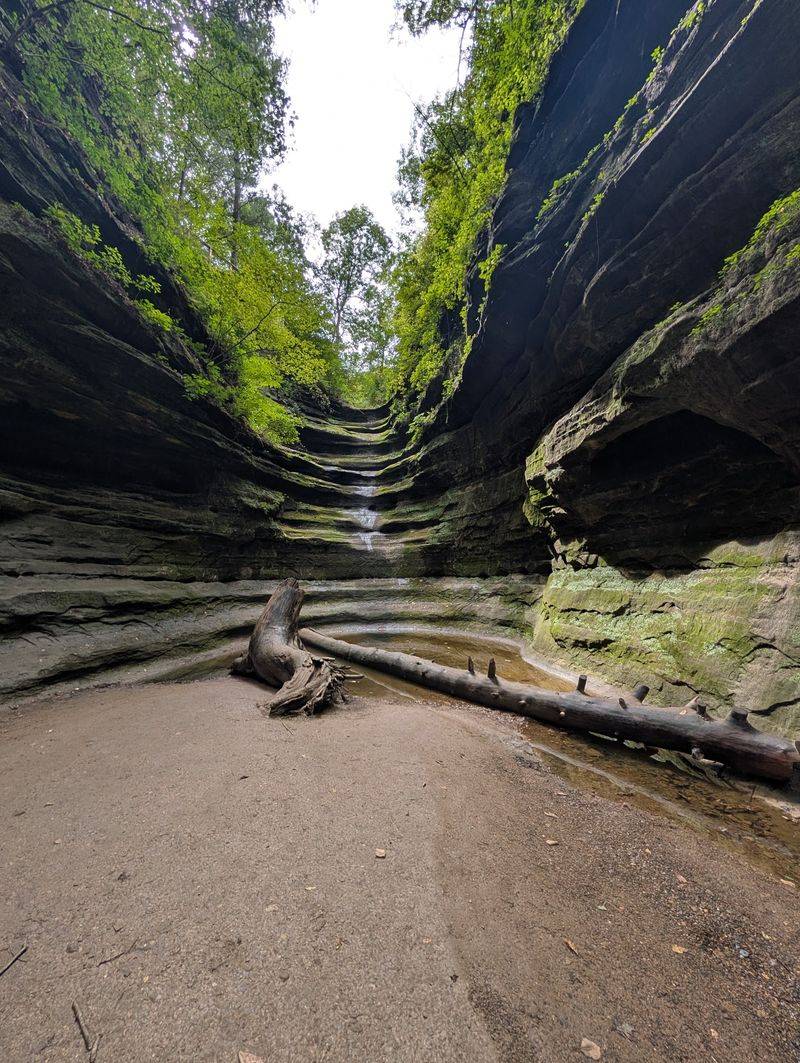
The canyon is narrow, with tall sandstone walls closing in around the falls. In winter, ice coats the back wall and creates a natural photo backdrop.
French Canyon also connects easily to the rest of the trail system. If the kids still have energy, you can keep going toward the Starved Rock butte and nearby overlooks.
Watch your footing near the canyon floor. Ice and wet rock can be slick, so hold small hands on the final approach.
Because it’s so close, French Canyon often draws a steady flow of hikers. Arriving earlier in the day may help you snag a quieter moment for photos.
Think of it as the warm-up act. Once kids see their first frozen falls here, they usually want to chase the bigger ones down the trail.
Wildcat and St. Louis Canyons Bring the Drama
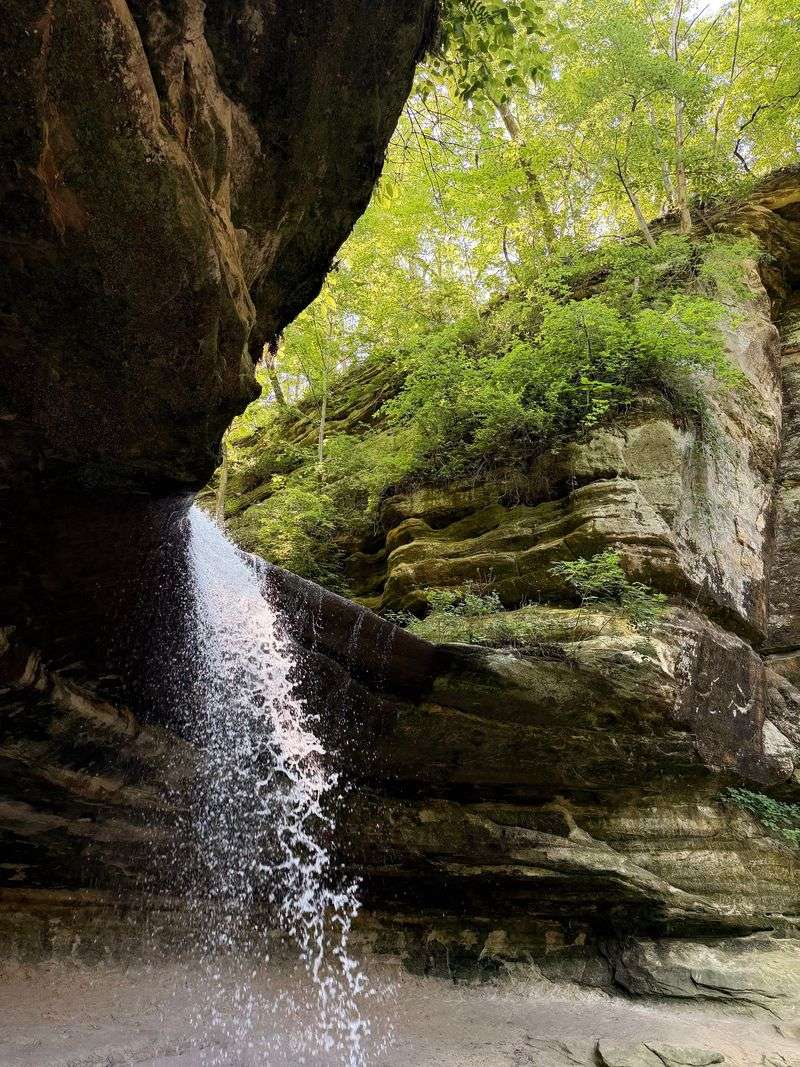
Wildcat Canyon is one of the park’s most popular icefalls, and it’s easy to see why. Its frozen cascade zigzags down the canyon wall in a jagged ribbon of ice.
Overlooks above Wildcat let you peer down into the canyon. That top-down view gives kids a real sense of how deep these gorges run.
Then there’s St. Louis Canyon, home to a waterfall around 80 feet tall. When it freezes, it becomes one of the tallest ice features in the park.
Standing below a frozen column that height feels a little unreal. It’s the kind of view that makes a teenager put down the phone, at least briefly.
St. Louis Canyon sits on the west side of the park with its own parking area. That setup may help families visit without a long hike from the main lot.
Both canyons depend on cold, steady temperatures. A warm spell can soften or melt the ice quickly.
Check ahead on current conditions before choosing your route. Online hiking groups often share recent photos, since the park office doesn’t post icefall updates.
Blue Ice and Easy Approaches in the Eastern Canyons
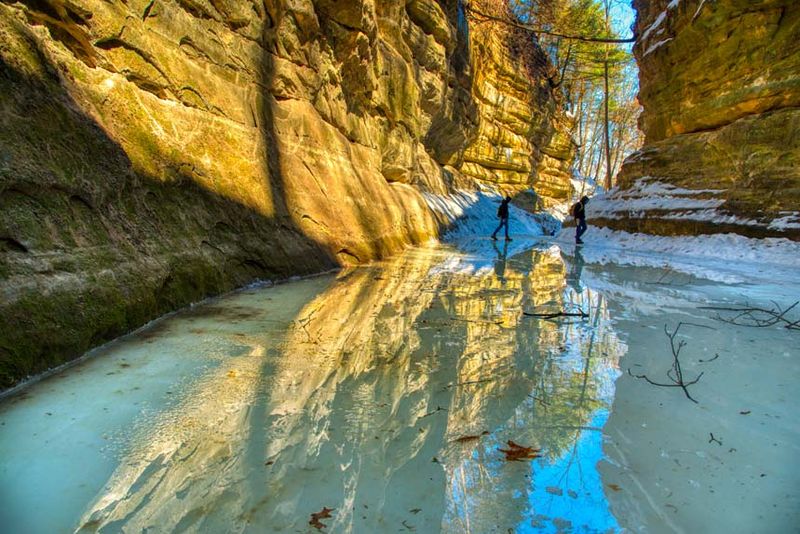
Ice isn’t always white. In LaSalle Canyon, frozen formations can take on hints of frosty blue and teal, which look almost painted.
The shapes there get whimsical too. Curtains, spikes, and bumpy columns form as water freezes over the rock in layers.
Ottawa Canyon offers something rare for families: a mostly flat approach. From its nearest parking lot, you can reach huge, intricate icefalls without a staircase marathon.
That makes Ottawa a strong pick for grandparents or kids in snow boots that pinch. Less climbing means more time staring at the ice.
Kaskaskia Canyon sits nearby with a cascade around 20 feet tall. When frozen, it turns into a neat icy sculpture that pairs well with an Ottawa visit.
These eastern canyons sit farther from the Visitor Center. Driving to closer lots often makes more sense than hiking the full distance with little kids.
Grab a park map first and plan your stops. Combining two canyons from one parking area can turn a short outing into a memorable afternoon.
Bald Eagles Fishing the Open River
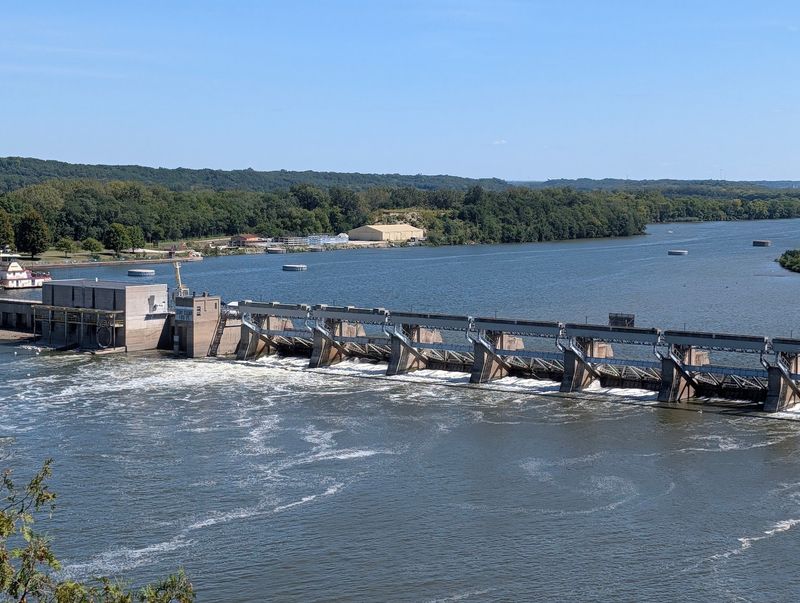
Frozen waterfalls get the headlines, but the river steals plenty of attention in winter. Bald eagles gather here to fish during the coldest months.
The reason is practical. Churning water near the Starved Rock Lock and Dam keeps parts of the Illinois River from freezing, so eagles can reach fish.
Eagle Cliff Overlook is a recommended spot for sightings. Bring binoculars if you have them, since eagles often perch on distant trees.
The Illinois Waterway Visitor Center, across the river, offers spotting scopes. Kids tend to love lining up for a turn at a scope.
The park often hosts an annual Eagle Watch Weekend in late January. Past events have included family activities and live Birds of Prey shows.
Event details can shift from year to year. Check ahead for dates and schedules before building your trip around them.
Pairing eagles with icefalls makes a winter day feel complete. One minute you’re looking up at frozen falls, and the next you’re spotting a white head above the water.
A Warm Visitor Center Built for Curious Kids
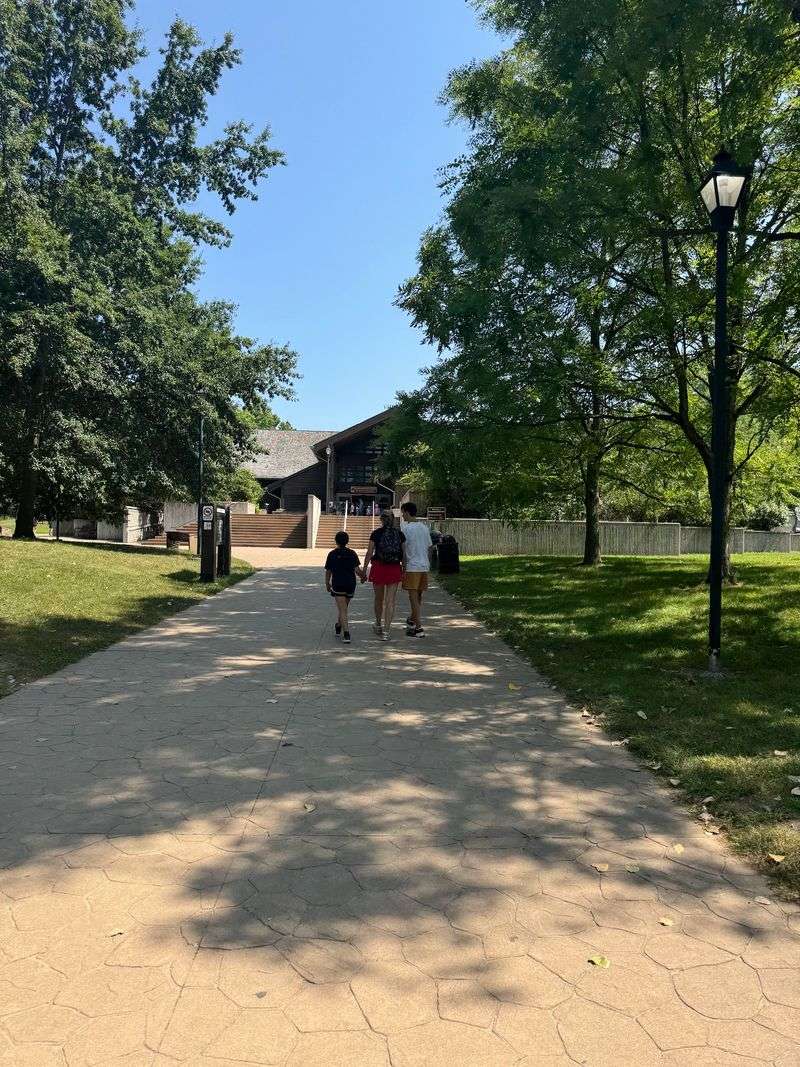
Cold fingers need a break sometimes. The Starved Rock Visitor Center gives families a warm home base with exhibits, a film, and helpful staff.
Interactive displays cover the park’s geology, history, and ecology. A short film in the auditorium offers a quick overview before you head out.
Staff and volunteers can tell you which trails and canyons are open. That matters in winter, when ice or repairs can close sections.
A Junior Ranger Program gives kids a mission. Young explorers often take hiking more seriously once they have a task to finish.
Inside, you’ll also find a gift shop, clean restrooms, and a café counter with snacks and drinks. The food works for a quick bite rather than a full meal.
Packing sandwiches, fruit, and water is a smart move. Picnic areas sit around the park, though winter weather may make the car a cozier lunch spot.
Visitor Center hours are limited and can vary by season. Check ahead so you know when restrooms and exhibits will be open.
Lodge Rooms, Cabins, and a Year-Round Campground
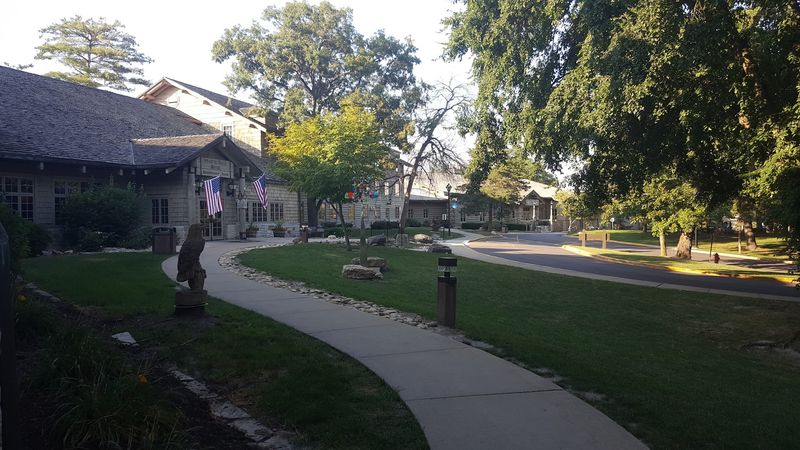
Turning a day trip into a weekend is easy here. Starved Rock Lodge sits inside the park and offers historic lodge rooms, hotel rooms, and log cabins.
The lodge has on-site dining, which is handy after a long, cold hike. Its outdoor pool is seasonal, so don’t pack swimsuits for January.
Staying overnight means you can hit the trails early. Morning hikes often feel quieter, and fresh snow may still sit untouched on the paths.
Prefer camping? The park’s campground stays open year-round, with electric hookups, picnic tables, fire rings, and restrooms.
Some campground areas may close seasonally. The west side is mostly grass with gravel pads, while the east side is shadier and wooded.
Winter camping in Illinois takes real preparation, of course. Lake-effect cold and wind can make nights brutal for families without proper gear.
Lodge availability fills up on popular weekends. Book early and check ahead on rates and policies, since those details can change.
Know the Rules, Pack the Cleats, Find the Lot
GPS users can plug in 2668 E 875th Rd, Oglesby, IL 61348. That address leads to the main park area and Visitor Center.
Trails open daily at 7 a.m. and close at sunset. Winter days run short, so start early to fit in more than one canyon.
The park keeps clear rules. Stay on marked trails, don’t hike after dark, and never swim or wade in any water.
Ice climbing is permitted on frozen falls for experienced climbers with their own gear, at their own risk. Snowshoeing and cross-country skiing work too if you bring equipment.
Parking at the main lot fills quickly on busy days. Weekdays often feel calmer, and arriving early tends to help on weekends.
Dress in layers and pack traction cleats for icy stairs. Bring water and snacks, since hiking in snow burns more energy than kids expect.
Some trails may close for repairs or weather. Check ahead with the Illinois Department of Natural Resources before your drive down I-80.
Winter Might Be the Best Season to Go
Summer crowds love this place, and fall color draws even more. Still, winter makes a strong case for being the park’s finest season.
The icefalls are the obvious reason. French, Wildcat, St. Louis, LaSalle, Ottawa, and Kaskaskia canyons each freeze into their own shape.
Add bald eagles over open river water, and the day gets even better. Few winter outings in Illinois combine wildlife and frozen scenery this easily.
Free park admission keeps costs low for families. The Visitor Center, lodge, and campground fill in the comfort gaps when the cold bites.
Preparation matters, though. Icy stairs, short daylight, and shifting conditions mean a little planning goes a long way.
Starved Rock State Park rewards families who show up ready. Good boots, packed snacks, and an early start can turn a frosty Saturday into a favorite memory.
Watch the forecast for a solid cold stretch. When it arrives, the canyons start building their ice show, and your snow pants deserve a road trip.