A lumber baron built a grand stone villa on the Maine coast in the 1850s, and firefighters later burned out its insides on purpose. Those controlled burns happened in 1981, and they left behind something truly odd.
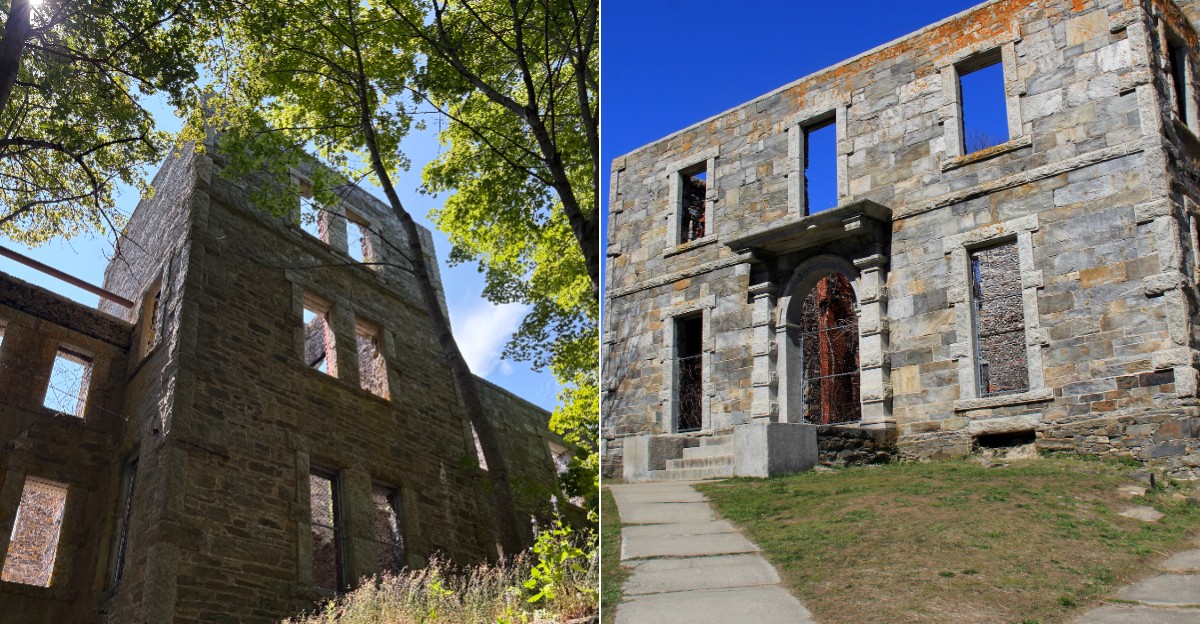
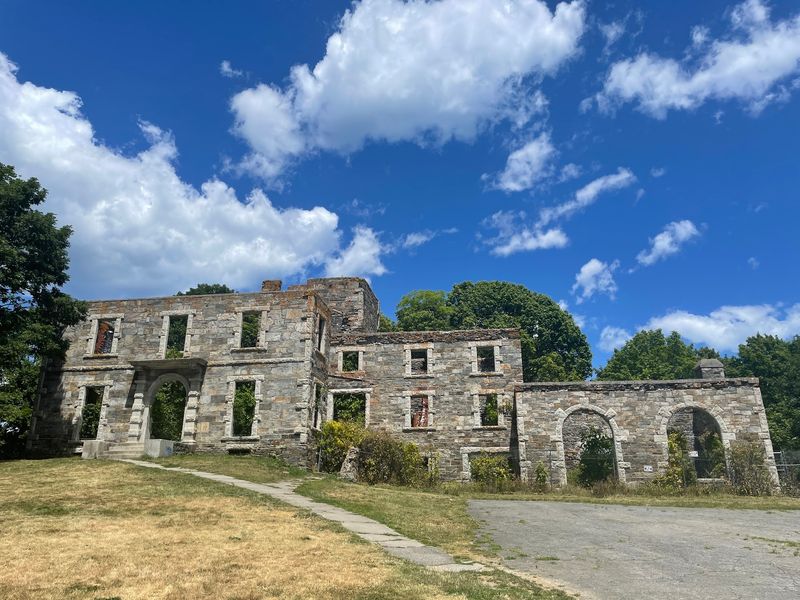
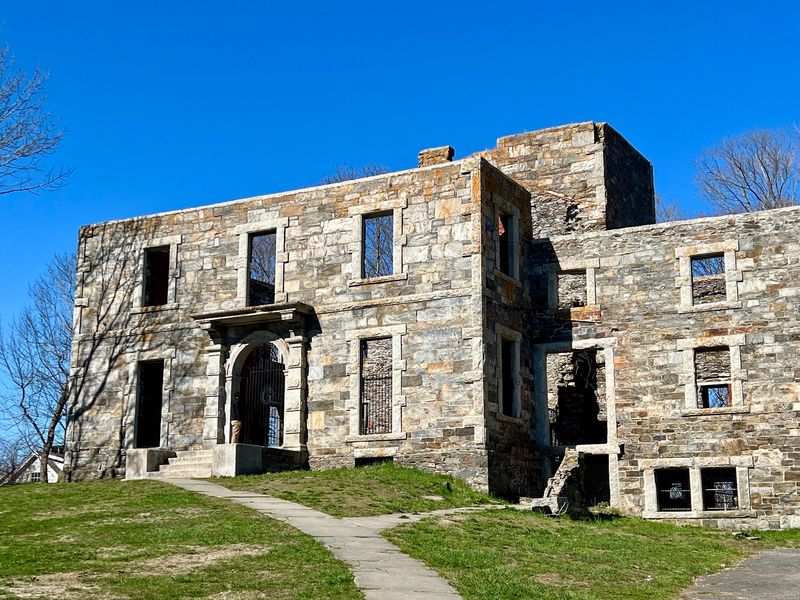
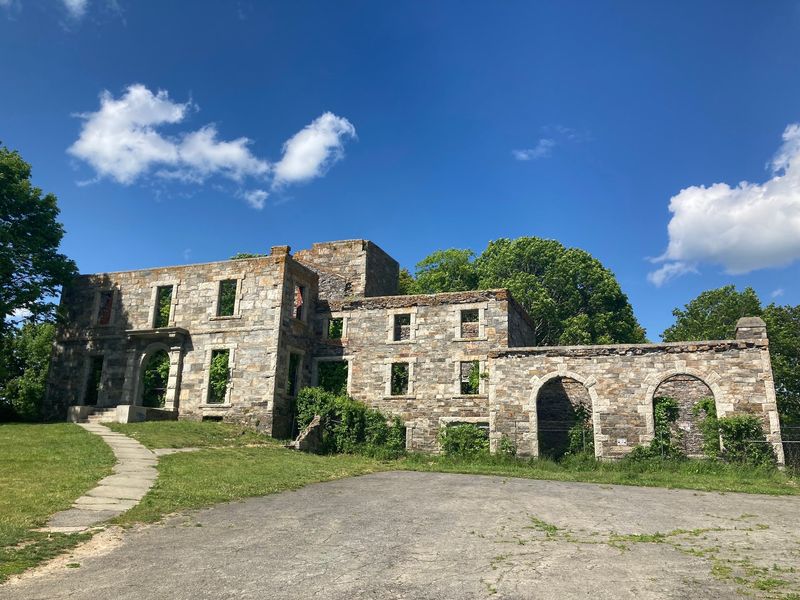
What survived is a roofless shell of local stone trimmed in white granite. Empty, glassless windows now frame the sky and sea like picture frames waiting for paintings.
The story only gets stranger from there. Military families from a nearby fort lived inside for decades, and a TV show starring William Shatner filmed on the surrounding grounds.
I like how this ruin sits in a public park with ocean views and a famous lighthouse just a short walk away.I can’t imagine a better place for a dramatic old house to retire, can you?
A Lumber Fortune Paid For This Seaside Showpiece
Lumber money built some wild things in nineteenth-century Maine, and Goddard Mansion might be the wildest. Colonel John Goddard, a successful lumber baron from Orono, bought this stretch of coastline in 1853.
His purchase even included a hotel called the Cape Cottage Hotel. Clearly, the man didn’t do small shopping trips.
Construction on his dream home ran through the 1850s, wrapping up around 1859. Some sources point to 1858 as the main building year, so the timeline is a little fuzzy.
Goddard hired noted architect Charles A. Alexander to design the place.
Alexander went with the Italianate style, which was very fashionable for wealthy families back then.
Italianate homes often feature tall windows, strong lines, and a dramatic tower. The design here included a prominent tower, giving the house a lookout feel above the water.
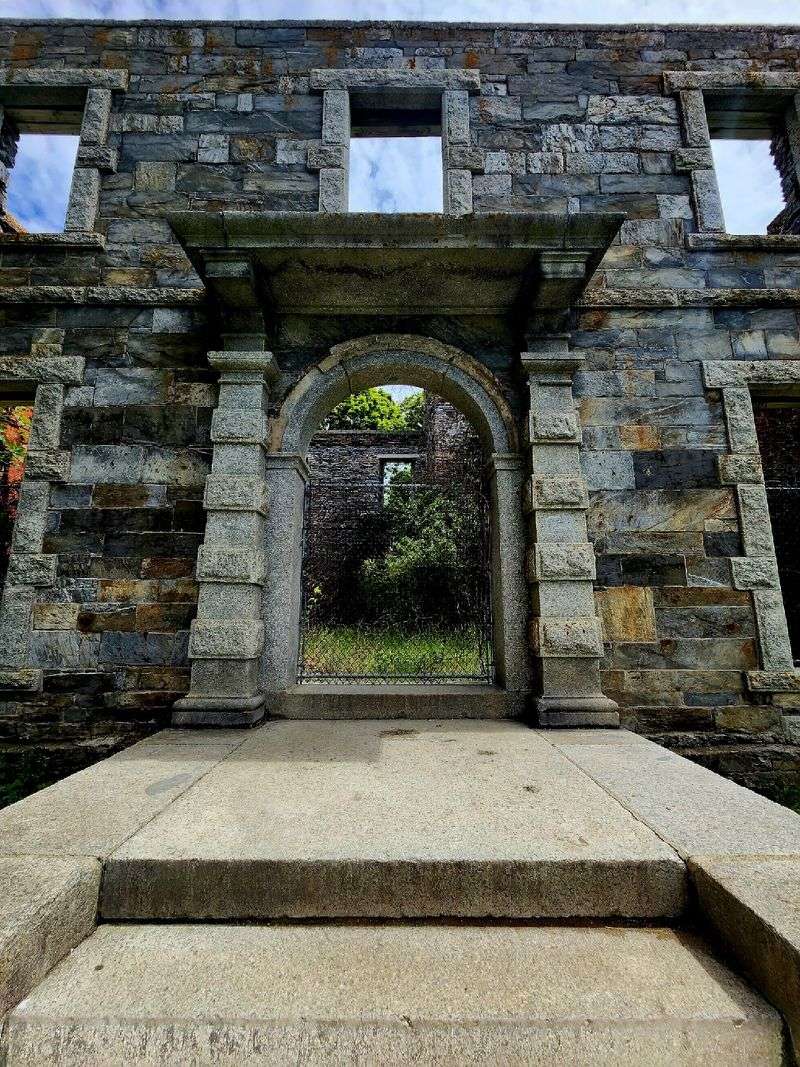
The builders used local stone for the walls, then dressed them up with white granite trim. That mix of rough stone and bright edging still shows today, more than 160 years later.
I believe that choice of material is the whole reason we can still visit. A wooden house would have vanished long ago, but stone is stubborn in the best way.
When you stand near the walls, look for the pale granite around the window openings. It’s a small detail, yet it tells you this was meant to impress every passing ship.
A Judge Owned It Briefly Before The Army Moved In
Ownership of this place changed fast near the end of the 1800s. In 1898, the property was sold to Joseph W.
Symonds, a justice on the Maine Supreme Court.
A judge living in a stone villa by the sea sounds like the start of a mystery novel. Sadly for fans of courtroom drama, his time as owner turned out to be short.
By 1900, the U.S. Army acquired the estate.
Fort Williams was expanding, and the mansion sat right where the military wanted more room.
Fort Williams was a coastal defense post guarding the approach to Portland. Its neighbors included batteries and a lighthouse, which is quite a lineup for a fancy house.
So a home built for one wealthy family became federal property almost overnight. That twist turns Goddard Mansion from a rich man’s retreat into part of a much bigger story.
Think about how quickly that happened. In just two years, the house went from a judge’s home to Army property, all before the new century had barely begun.
Few homes in Maine can claim three such different chapters in such a short stretch. Most houses just get new paint and a new mailbox.
When you read the interpretive signs at the site, keep this handoff in mind. It explains why the mansion sits inside a former fort instead of a private estate.
Soldiers’ Families Once Called These Stone Walls Home
Kids once ran through these halls, which is hard to picture when you see the empty shell now. The Army turned the mansion into housing for married non-commissioned officers and their families.
Non-commissioned officers are the sergeants and similar leaders who keep daily military life running. Giving their families a seaside stone mansion was a pretty sweet perk.
Several households shared the building over the years. That means family life filled rooms first designed for a single wealthy owner.
The basement got a makeover too. It became a gathering spot for the non-commissioned officers, a place where military families could relax off duty.
I like how this changes the mood of the ruin. Instead of just a rich man’s showpiece, Goddard Mansion becomes a real neighborhood home for regular service families.
This chapter lasted for decades, all the way until Fort Williams closed in 1962. That’s a long stretch of everyday life behind those granite-trimmed windows.
Living here also meant waking up beside Casco Bay every morning. Not many Army postings came with an ocean view that good.
As you walk around the outside, peek through the open doorways and window spaces. Remnants of old fireplaces still show, hinting at the cozy rooms that once stood there.
Bring the kids and ask them to guess where the bedrooms were. It turns a quick photo stop into a fun history puzzle for the whole crew.
The Town Set It On Fire On Purpose, And It Worked
Here’s a fun fact to share at your next picnic: firefighters once burned this mansion on purpose. The Cape Elizabeth Fire Department ran a series of controlled burns here in 1981.
Why would anyone do that? The story starts in 1962, when Fort Williams closed, and the town of Cape Elizabeth bought the property two years later.
By then, the mansion was already in rough shape. Weather, neglect, small fires, and vandalism kept chipping away at it over the following years.
Fixing it up would have cost a fortune, and safety was a real worry. So the town chose a bold plan instead of a full restoration.
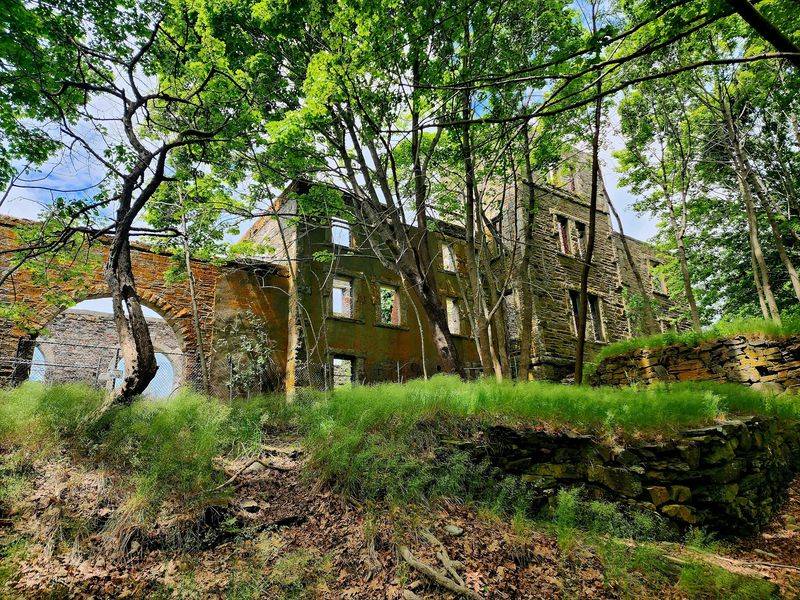
The controlled burns removed the interior wood and the roof. Afterward, crews filled in the basement, leaving only the sturdy stone walls standing tall.
That’s how a grand home became the open-air shell you see today. Honestly, it’s one of the strangest preservation stories I know.
Most old buildings either get saved or get torn down. This one landed somewhere in between, and that in-between look is exactly why it’s so striking now.
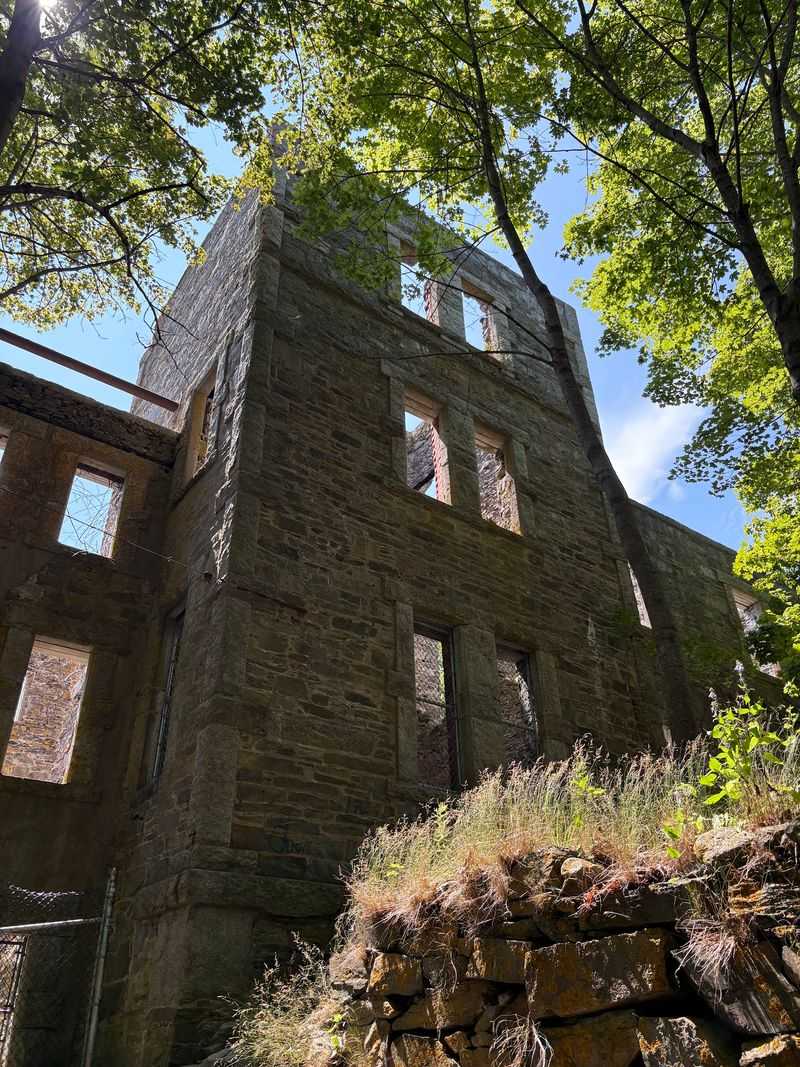
Look up when you reach the walls, because there’s no ceiling to stop your view. Sky and clouds fill the space where floors and rafters once were.
It gives the ruin a castle-like feel without any castle drama. Just stone, air, and a story you’ll want to retell on the drive home.
New Signs Help The Old Walls Tell Their Own Story
Good news for history fans: the ruin got some fresh attention recently. Stabilization work took place in 2025 to help protect the old stone shell for future visitors.
That matters more than you’d think. The walls have stood through more than 160 Maine winters, and a little care keeps them standing proudly.
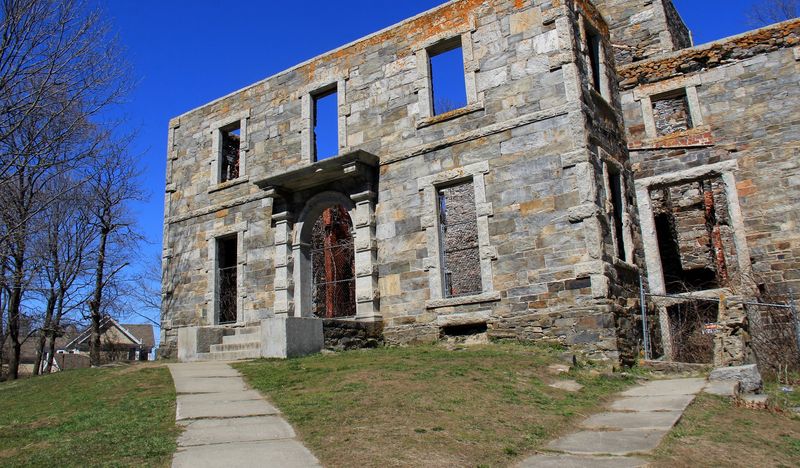
The site has a long relationship with safety fencing too. Visitors could wander the shell freely until 2009, when fencing went up around it.
Today you can walk right up to the structure and around it. Open window and door spaces let you look inside and feel how huge the house really was.
New interpretive panels now share the mansion’s backstory right on site. Some signs include a QR code, so you can pull up more history on your phone.
I believe this is the best way to experience the place. You get the eerie beauty of the ruin plus the facts that make it make sense.
Take a few minutes to read every panel before snapping photos. Knowing what each room once held makes those empty windows far more interesting.
Old photos of the house in its prime are worth looking up, too. Comparing them with the shell in front of you is a fun before-and-after game.
Kids who usually groan at museum signs might actually enjoy this. Learning outdoors beside the ocean feels more like an adventure than a lesson.
Captain Kirk Showed Up Here Before Space Was Cool
William Shatner walked these grounds a few years before he ever commanded a starship. In August 1963, the TV series Route 66 filmed two episodes at Fort Williams.
Shatner appeared as a guest star. Back then, he wasn’t yet famous as Captain Kirk, so this was an early stop on his road to TV fame.
Route 66 was a popular drama about two young men traveling across America. Their adventures took them to all kinds of places, including this rocky corner of Maine.
The timing is fascinating. Fort Williams had closed just a year earlier, so cameras rolled at a former military post that was suddenly very quiet.
I can’t imagine a moodier filming spot than an empty fort beside crashing waves. Hollywood clearly agreed, because two episodes is a big commitment.
For fans of classic television, this adds a whole new layer to the visit. You’re exploring a place where a future sci-fi legend once worked on camera.
Try looking up clips or stills from the episodes before you go. Spotting the coastline and park landscape in old footage is a surprisingly fun challenge.
It’s also a great conversation starter for family trips. Nothing gets teens interested in history faster than a famous actor connection.
So when you pose for photos near the mansion, channel your best dramatic TV moment. Captain Kirk would approve of the bold poses and serious faces.
Ocean Views, A Famous Lighthouse, And Room For A Whole Day Out
Sweeping views of the ocean come free with every visit. Goddard Mansion sits on raised ground inside Fort Williams Park, looking out over Casco Bay.
From there, Portland Head Light is part of the scenery. It’s one of the most famous lighthouses in Maine, and it sits within the same park.
The mansion and the lighthouse are roughly a half mile apart, so linking them on foot is easy. Paths connect different parts of the park for simple exploring.
Fort Williams Park offers plenty more than ruins. You’ll find tennis courts, pickleball courts, a basketball court, a baseball diamond, and a fitness course.
Picnic areas make lunch with a view simple. Pack sandwiches, grab a blanket, and let the sea breeze handle the entertainment.
The park welcomes walkers, runners, and dog owners too. Bringing your four-legged buddy along makes the stroll to the mansion even better.
Other historic sites from the old fort are scattered around the grounds. History lovers can easily turn a quick stop into a full afternoon.
Couples sometimes choose the grounds around the ruins for weddings. With stone arches and ocean views nearby, it’s easy to see why.
Photographers will love the contrast between gray stone and blue water. Light filtering through the nearby trees can make the walls look even more dramatic.
I like how the whole park feels like a sampler platter of Maine. You get coastline, history, sports, and a lighthouse in one place.
Plan Your Visit And Let The Ruin Work Its Magic
Getting here is the easy part of this strange story. The mansion is visible from the park’s parking area, and the walk over is short and simple.
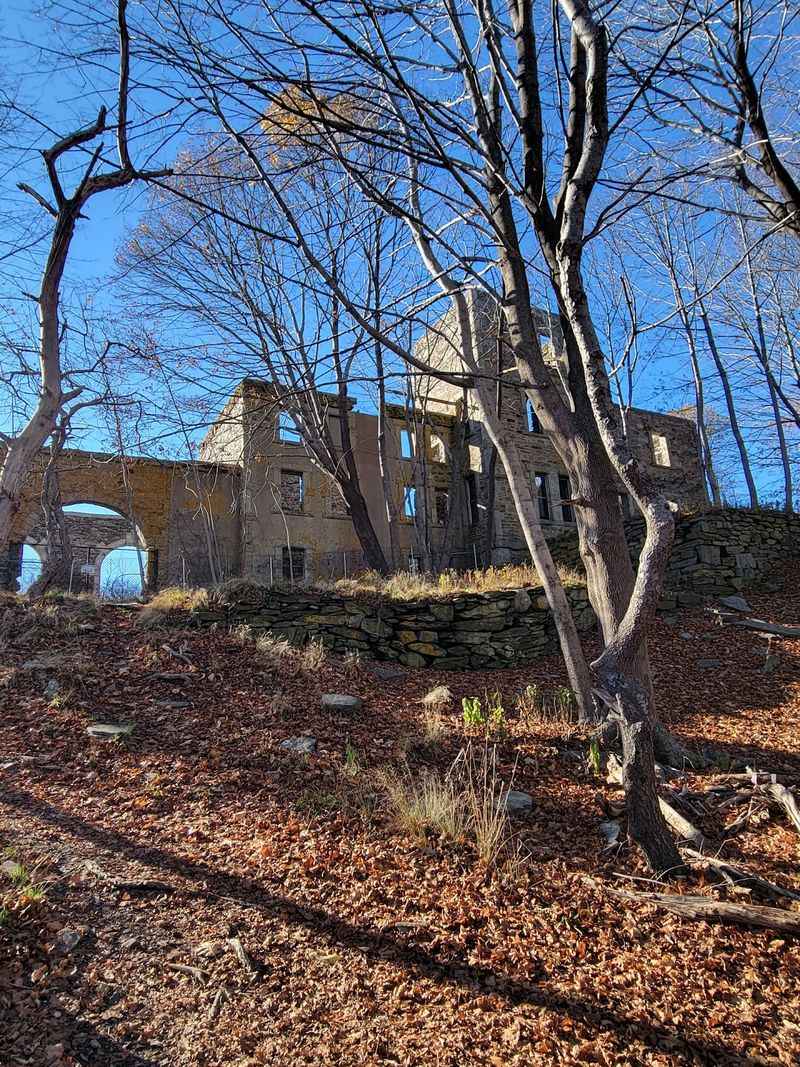
Two approaches lead to the ruin. A more formal path reaches the front, while woodsy trails wind up to the back side.
The back trails connect toward old fort structures, so curious explorers can make a loop. Wear comfortable shoes, since the ground behind the mansion climbs a bit.
Hours for the site are listed as 8 a.m. to 6 p.m. daily. That gives you plenty of daylight to pair the ruin with the lighthouse.
Rainy days work too, believe it or not. Misty weather makes the stone shell look even more mysterious, like a scene from an old movie.
Portable restrooms are available in the park, which helps on longer outings. A pavilion near the hilltop also makes a handy picnic base.
Bring a camera, a snack, and some curiosity about the people who lived here. Lumber barons, judges, soldiers, and TV stars all left their mark on this spot.
You’ll find Goddard Mansion inside Fort Williams Park at 1000 Shore Road in Cape Elizabeth, ME 04107. Come for the ruin, stay for the ocean, and leave with a story worth telling.