Thirty million gallons of diesel fuel. That’s how much a company wants to store in three giant tanks near a little mountain town in West Virginia.
The plan comes with a natural gas power plant and a data center that its backers say could become the largest in the world. The site sits near famous waterfalls, wild highlands, and a wetland valley people travel hours to see.
So the town said no. Its council voted 5-0 against the project, and more than 300 people packed a public hearing where nobody spoke in favor.
I love a good underdog story, and this one has real stakes. It’s about clean water, quiet nights, and who gets a say in a place’s future. How does a town of about 600 people stand up to a project this big?
The Little Town Sitting Higher Than Any Other In The State
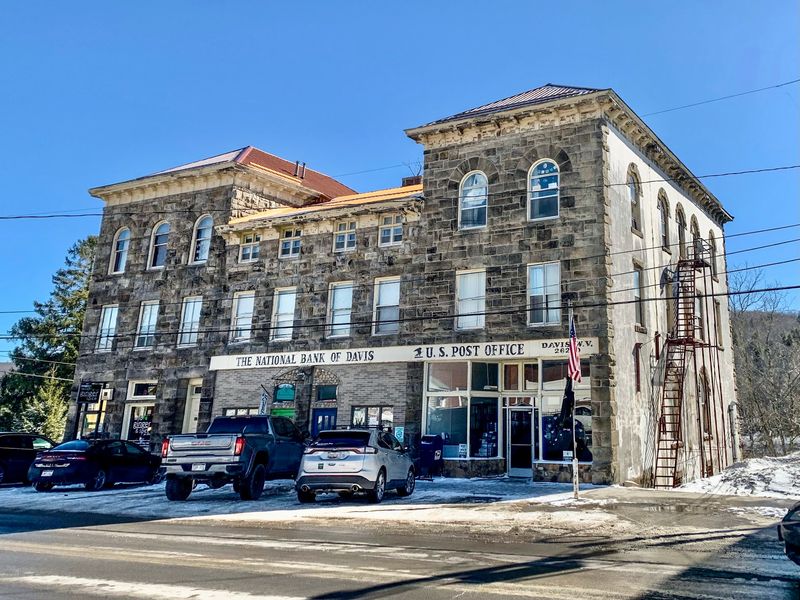
Few towns can claim bragging rights based on altitude alone. The Town of Davis can, because it’s the highest incorporated town in West Virginia at 3,520 feet.
That elevation shapes almost everything here. Davis sits along the Blackwater River in Tucker County, just a few miles north of Canaan Valley.
The 2020 census counted 600 residents. That’s smaller than plenty of high school graduating classes, and it makes the current fight even more striking.
Davis also perches right on the edge of the Monongahela National Forest. Step outside town limits, and you’re surrounded by hiking trails, biking routes, fishing spots, and campgrounds.
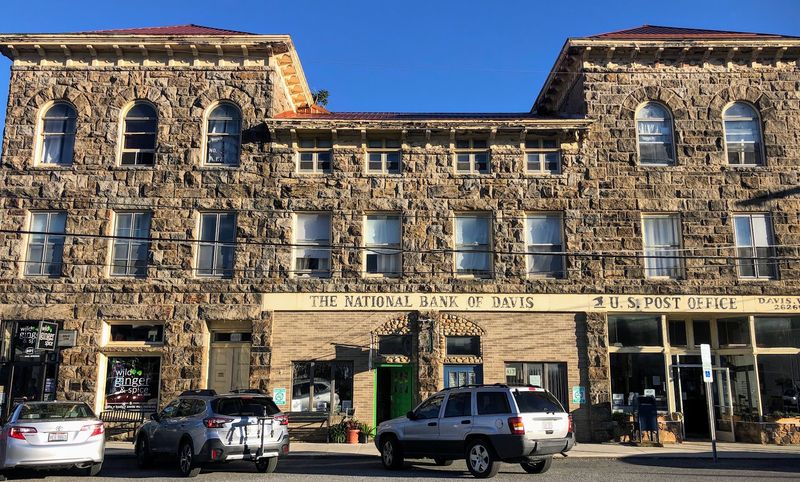
The town has an eclectic, practical feel that suits its mountain setting. Time seems to move slower here, and the sense of community runs deep.
I appreciate that Davis never tried to be something flashy. It leaned into its woods, rivers, and big skies instead of chasing trends.
That small size matters for this story. When a project bigger than the whole county’s daily life shows up next door, a town this size has to be loud to be heard. And Davis found its voice fast.
Stumps In The Streets Gave This Place Its Old Nickname
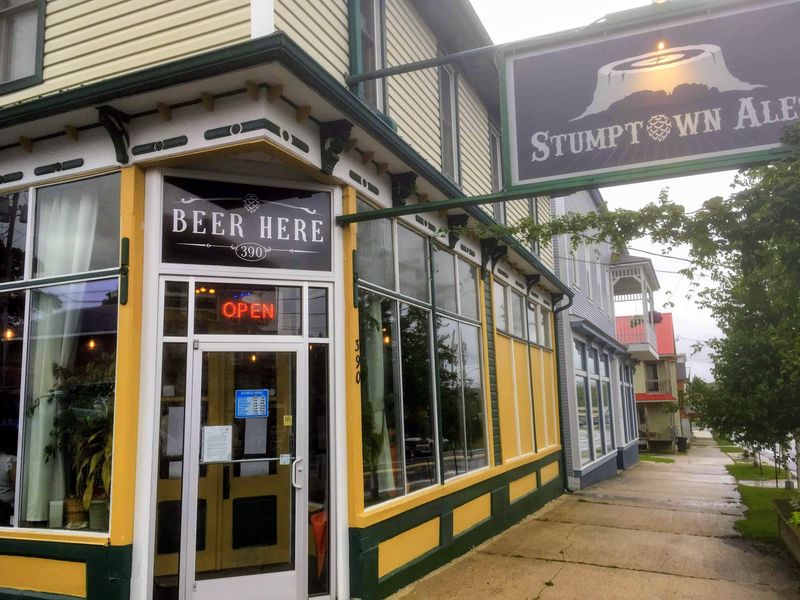
Back in the 1880s, builders worked so fast they didn’t bother pulling up tree stumps. Homes and shops went up right around them, which earned Davis the nickname “stump town.”
The story starts in 1882. U.S. Senator and industrialist Henry Gassaway Davis bought the land, and the town still carries his name.
The railroad arrived in 1884, and the community took shape quickly. By 1889, Davis was officially incorporated with 909 residents.
Dense spruce and hardwood forests fueled one of West Virginia’s earliest timber booms. By 1902, the town had grown to about 3,000 people and more than 80 businesses.
Then the timber and coal ran out. Plenty of towns faded away after that kind of loss, but Davis reinvented itself as a home base for outdoor lovers.
Here’s why that history matters today. Davis already knows what happens when an industry takes what it wants from the land and moves on.
That memory gives the current pushback extra weight. Residents rebuilt their economy around healthy forests and clean rivers, so they guard those things closely. Honestly, can you blame them?
A Famous Waterfall Lives Right Down The Road
Blackwater Falls State Park sits right in Davis, and its namesake waterfall is one of the most photographed spots in the region. The water tumbles into a dramatic gorge that frames it perfectly.
Winter brings a different kind of thrill. The park features the longest sled run on the East Coast, which sounds like a challenge every kid and plenty of grown-ups would accept.
Warmer months shift the focus to hiking and camping. Trails wind through the forest and give you plenty of chances to see the gorge from different angles.
I’d probably start with the falls themselves, then wander a trail or two. It’s an easy way to understand why people fall for this corner of West Virginia.
Now consider where the proposed data center would go. The site lies between Davis and Thomas, close to this park and other treasured public lands.
Opponents point out that the project sits within the headwaters of the Blackwater River watershed. That’s the same river feeding the waterfall everyone drives here to see. Suddenly, a sledding hill and a scenic overlook feel like much more than vacation stops.
Meet The Plan That Set Off Alarm Bells
The proposal goes by the name “Ridgeline Facility,” and it comes from a company called Fundamental Data, LLC. Company officials have said that if fully built, it would be the largest data center in the world.
Reports say it could eventually cover 10,000 acres. If fully developed, it might stretch from Tucker County into parts of Grant County.
Power is the other giant piece. The plan includes an on-site natural gas power plant with a proposed capacity ranging from 785 to 1,656 megawatts.
Backup comes from diesel generators. The company plans to store 30 million gallons of diesel in three tanks holding 10 million gallons each.
The plant would run “behind the meter,” sending electricity straight to the data center. It would operate separately from the grid that local homes rely on.
Questions about the developer have followed the plan from the start. Fundamental Data is incorporated in Delaware, and its state-listed addresses are all in Virginia.
Critics have also questioned whether the company has experience building or running anything this large. The company has described the plan as still being in a “conceptual phase.”
Why The Valley’s Bowl Shape Has People Worried
Mountain valleys can act like a lid on a pot. Canaan Valley has a bowl shape, and temperature inversions there can trap air close to the ground.
That’s why exhaust from gas turbines and diesel generators worries so many people. Pollution that might drift away elsewhere could linger right where families live and hike.
Noise and light are concerns too. A huge industrial site running around the clock could change the quiet nights and starry skies this area is known for.
Water sits near the top of the worry list. Opponents see 30 million gallons of stored diesel as a serious threat to the region’s water supply.
The site lies within the headwaters of the Blackwater River watershed. Problems at the top of a river system rarely stay put, and everything downstream feels them.
Data centers also need lots of water and energy to run. Residents question what that demand could mean for a small mountain community.
Distance makes it personal. The proposed site is less than a mile from homes in Davis and from an elementary and middle school in Thomas.
Five Votes, Three Hundred Voices, And Zero Supporters
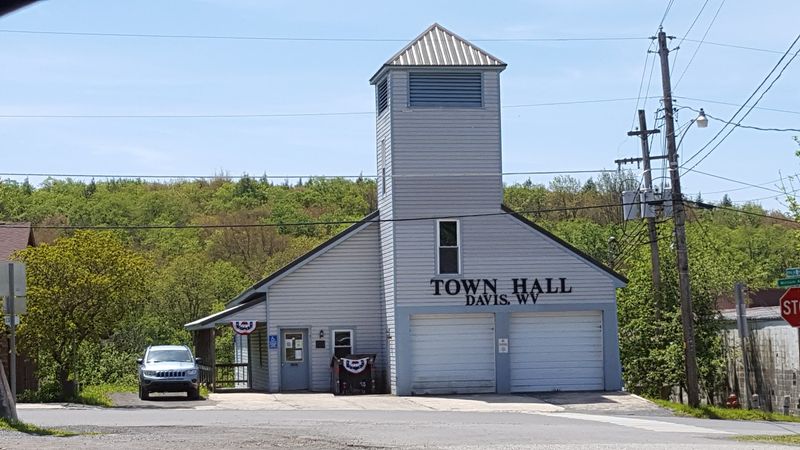
A 5-0 vote doesn’t leave much room for confusion. In May 2025, the Davis Town Council voted unanimously to officially oppose the data center complex.
Town business happens at 505 William Avenue, Davis, WV 26260. Mayor Alan Tomson currently leads the town.
The opposition didn’t stop at town hall. A grassroots group called Tucker United formed to lead the effort, joined by the West Virginia Highlands Conservancy and the Sierra Club.
Then came July 2025. More than 300 people showed up for a public hearing held by the state’s Division of Air Quality.
Not one person spoke in support of the facility. For a county this rural, a turnout like that says a lot.
Here’s the part I admire most. Residents and local officials didn’t even know about the project until someone spotted a permit application.
So they caught up fast. They organized, showed up, asked hard questions, and kept asking. That’s what civic muscle looks like in a small mountain town, and it’s a good reminder that showing up still counts.
The Law That Took Away The Town’s Say
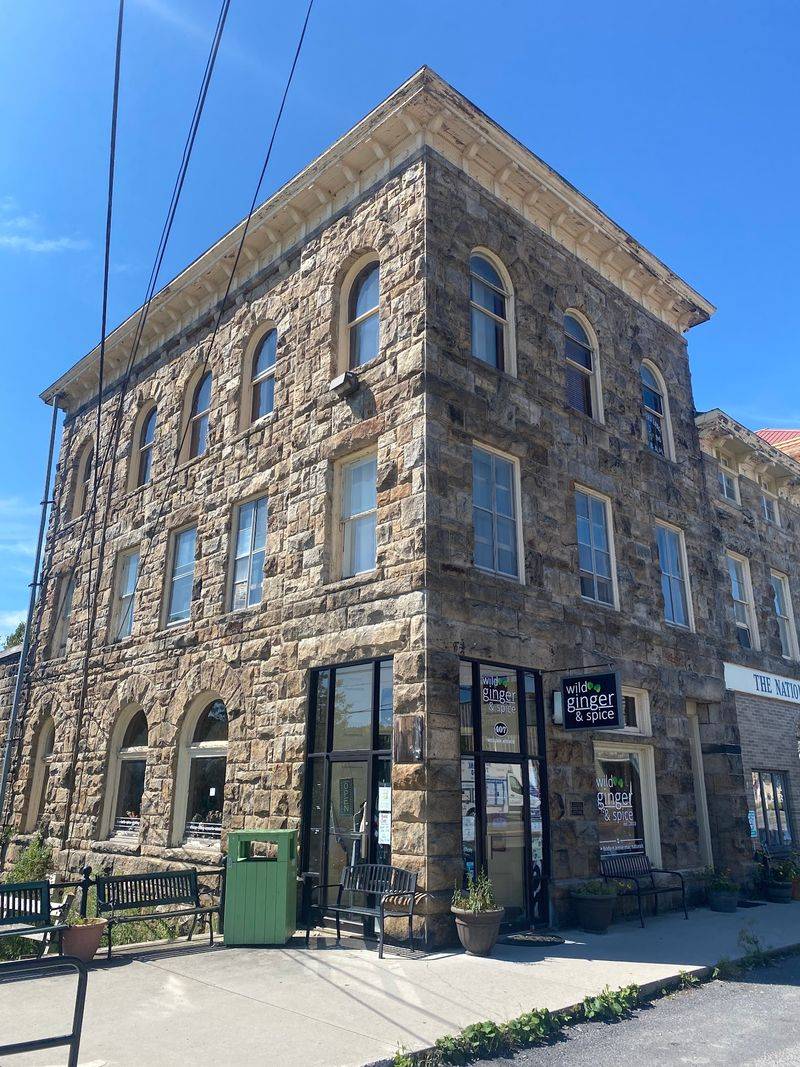
House Bill 2014 passed in 2025, and it changed the rules in a big way. It lets data centers in “certified microgrid districts” operate outside local zoning rules.
That means towns like Davis can lose their usual oversight. Local leaders can vote and speak, but the law limits what they can actually control.
The air quality permit added more frustration. The state Department of Environmental Protection issued it in 2025, and much of the information was redacted from public view.
Opponents filed appeals against that permit. In August 2026, West Virginia’s Intermediate Court of Appeals dismissed two challenges on procedural grounds without ruling on the underlying environmental concerns.
Efforts also continue to make the company reveal what’s hidden in the redacted permit. People want to know what’s being planned next to their homes.
Land ownership raised eyebrows too. The company claimed control through a July 2024 purchase-and-sale agreement, and the state Department of Environmental Protection confirmed in August 2026 that the developer had satisfied the legal site-control requirements.
Parcel records list Western Pocahontas Properties, LTD as the owner. The Department of Commerce initially notified the company of a certification violation but rescinded that notice on July 1, 2026, after accepting the company’s explanation that the project remained conceptual.
Wild Places Like These Pay The Bills Around Here
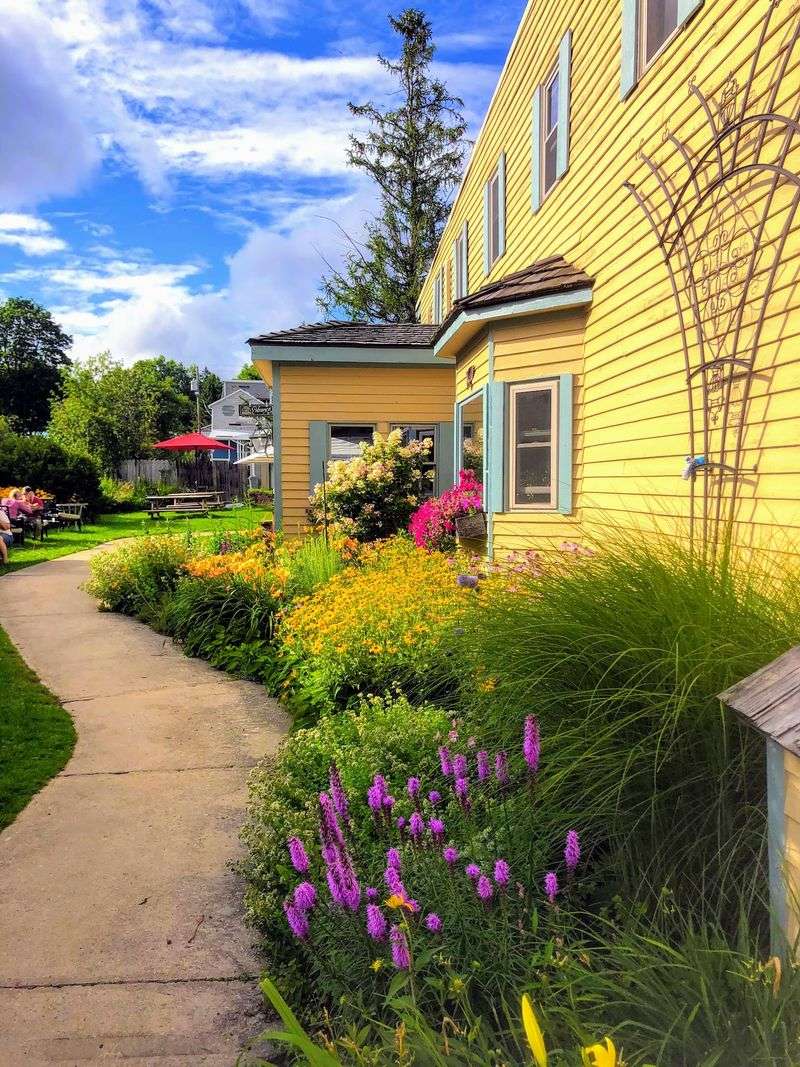
Outside Magazine once named Davis one of America’s most affordable mountain towns. Pair that with the scenery nearby, and you can see why people keep coming.
Canaan Valley Resort State Park offers lodging, dining, spa services, skiing, hiking, biking, and golf. Timberline Mountain Resort adds more downhill skiing close by.
Cross-country skiers have Whitegrass Ski Touring Center. Snowy days around here clearly come with options.
Dolly Sods Wilderness covers 17,371 acres inside the Monongahela National Forest. Its northern climate ecosystem feels surprisingly far from typical West Virginia scenery.
Then there’s the Canaan Valley National Wildlife Refuge. The refuge encompasses approximately 18,986 acres and protects the largest wetland complex in West Virginia.
Paddlers also find excellent whitewater nearby, including the Cheat River. Mountain bikers and hikers have rugged trails waiting in nearly every direction.
This outdoor economy is exactly what opponents want to protect. They argue a giant industrial site doesn’t mix with a region that depends on visitors.
They also note the project is expected to create few jobs once construction ends. Good luck replacing a whole tourism economy with that.
Show Some Love By Eating Pizza And Hitting The Trails
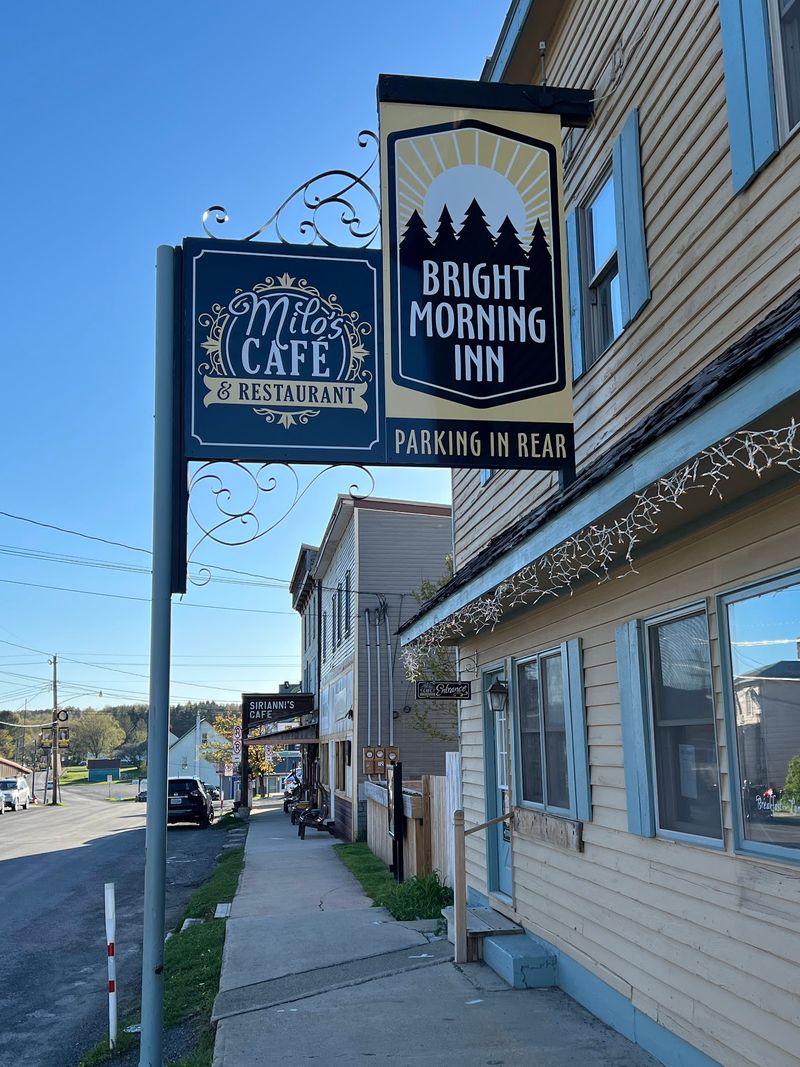
Supporting a small town can be as easy as grabbing lunch there. Davis makes that part delicious.
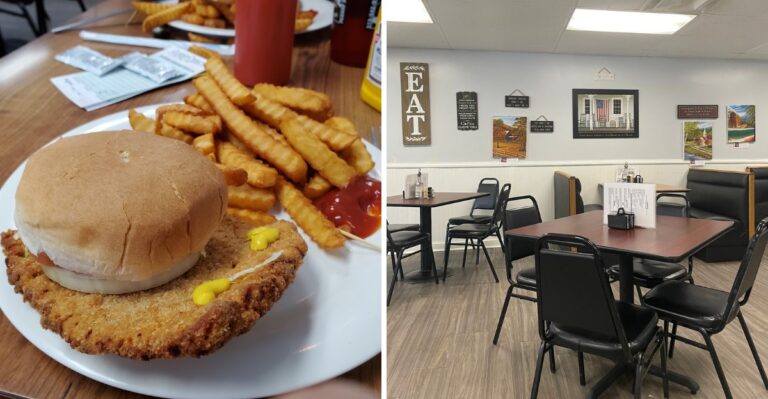
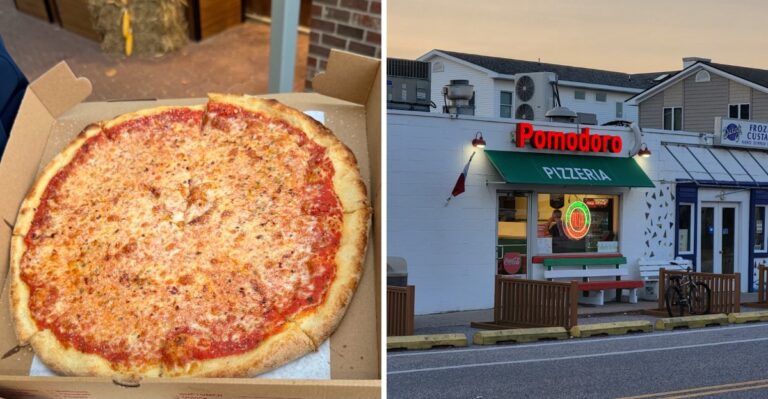
Sirianni’s Pizza Cafe serves pizza, pasta, hoagies, and salads. After a long hike, I can’t imagine skipping a stop there.
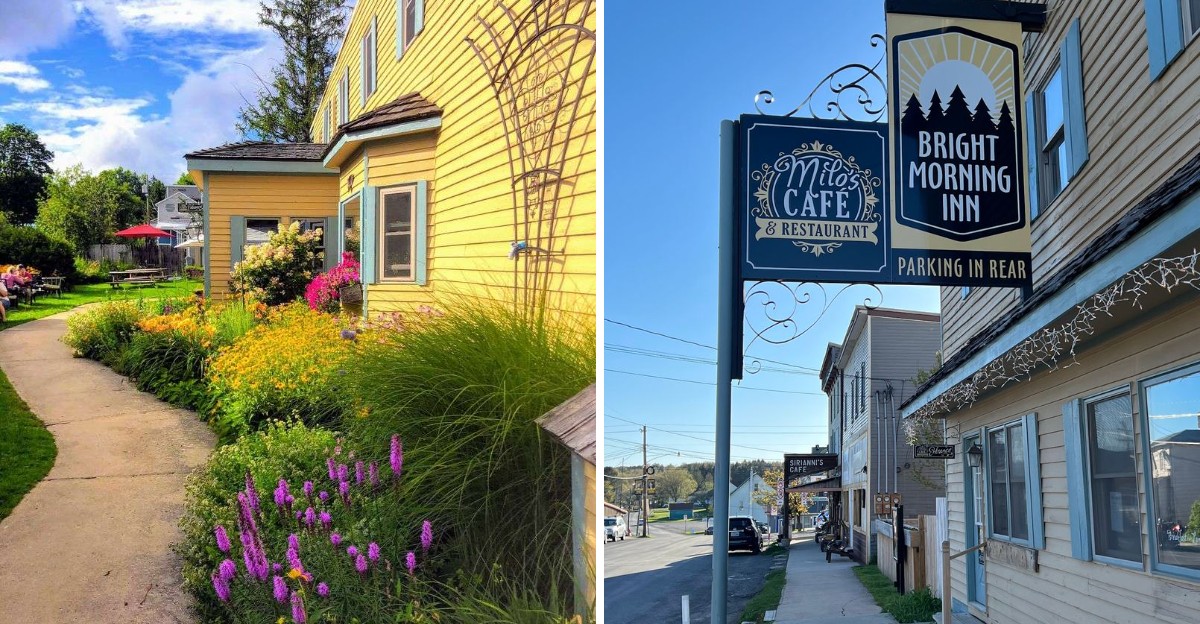
Breakfast fans should look for Milo’s Cafe and Restaurant at the Bright Morning Inn. It’s known for morning meals and regional country cooking.
Davis has a twin town just a few miles away. Thomas adds live music at The Purple Fiddle along with eclectic art galleries.
Spending time and money in both towns shows what the local economy already does well. Every visit backs up the argument that this area thrives on recreation.
The fight over the Ridgeline Facility is still unfolding. Permits, appeals, and questions about the land remain in play.
Following the issue helps too. Tucker United and the West Virginia Highlands Conservancy continue sharing updates as things move along.
So plan a trip to Davis, see the falls, and walk the quiet streets. You’ll understand pretty quickly why this tiny West Virginia town refuses to back down.