A tea factory in Colorado has a room so packed with mint that it’s famous for clearing your sinuses. I love that a simple tour can include a moment that makes you gasp, laugh, and sniff all at once.
That minty room is only one surprise. Across the state, workers shape candy canes by hand, press skis from local wood, and pour hot bronze into molds that started as wax. One spot even lets you watch the coins that might end up in your pocket.
I can’t imagine a better way to spend a slow Saturday. You get to see how real things get made, and you usually leave with a story nobody else at dinner has heard.
A few of these tours come with tasty samples. Others come with safety shoes and a whole lot of noise. Which kind of curious are you today?
1. Celestial Seasonings
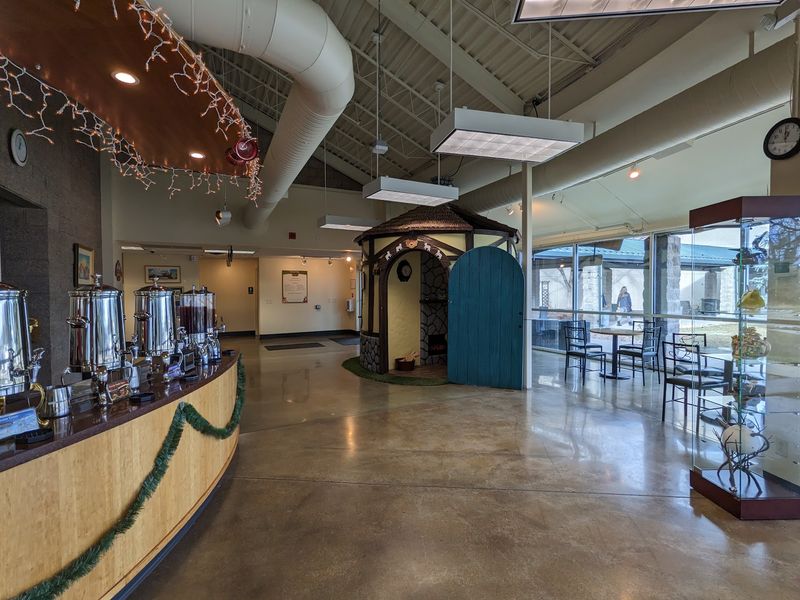
Your nose gets the biggest workout on this tour, and you can thank the famous mint room for that. Step inside, take one breath, and your sinuses may never feel so open again.
Celestial Seasonings started in Boulder in 1969 with founders Mo Siegel and Wyck Hay. Back then, the pair gathered wild herbs from the Colorado mountains to make their first blends.
Today the company ranks among the biggest tea makers in North America. You probably know its cartoon-covered boxes, especially Sleepytime with its snoozing bear in a nightcap.
The guided tour follows the path from raw herbs and spices to finished tea bags. You get to see how giant piles of ingredients become the neat little boxes on your grocery shelf.
Sleepytime and Red Zinger both date back to 1972. That means some of the most famous teas in America have been coming out of this area for more than 50 years.
After the tour, the Tea Bar lets you sample a long lineup of flavors. It’s a fun chance to try a blend you’d never risk buying a whole box of.
Plan ahead, because tours need advance reservations online. The gift shop is also worth a slow lap, especially if a tea lover is on your holiday list.
One tip for sensitive noses: the mint room is strong. Kids usually think it’s hilarious, and adults usually pretend they aren’t tearing up.
Address: 4600 Sleepytime Dr, Boulder, CO 80301, United States
2. Hammond’s Candies
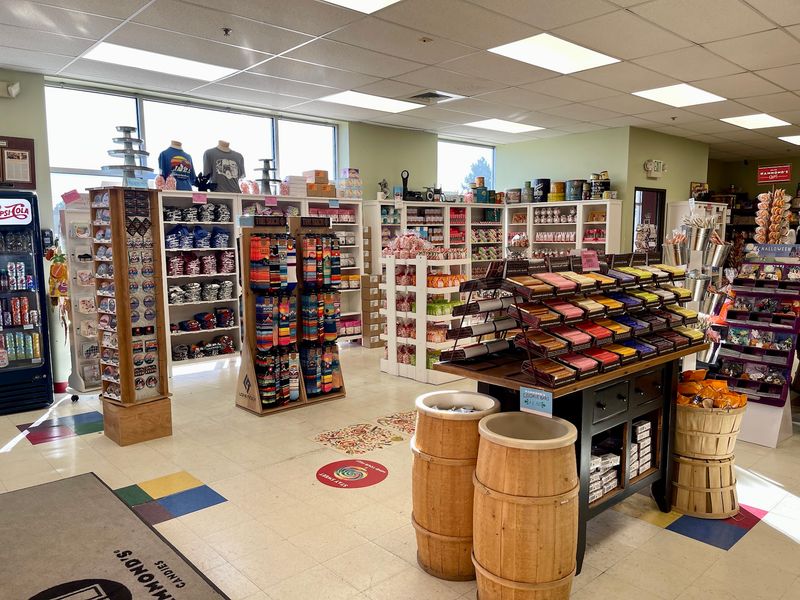
Millions of candy canes get shaped by hand at this Denver factory each year. That fact alone makes your arms tired just thinking about it.
Carl T. Hammond Sr. opened the business in 1920. His first original treat was Carl’s Piggy Backs, chocolates topped with shredded coconut.
A century later, the company still leans on old-fashioned methods. Some of the equipment dates back to the late 1800s and early 1900s, which makes the place feel a bit like a working museum.
On the factory tour, you watch candy makers pull, twist, and shape hot sugar into treats. Their famous ribbon candy, lollipops, and oversized candy canes get much of their charm from these skilled hands.
Hammond’s also makes Mitchell Sweets, a caramel-covered marshmallow treat with roots in the 1930s. If you’ve never tried one, consider this your sign.
Tours have been running here since 1999. That’s a long time for a candy company to keep inviting curious sweet tooths behind the scenes.
Kids tend to love this stop, but grown-ups get just as excited. Watching a giant blob of sugar turn into a perfect striped cane is weirdly hypnotic.
Go easy on breakfast before you arrive. The candy shop at the end makes it very hard to leave with empty hands.
Here’s a fun idea: grab a bag of candy as a souvenir from Colorado. It beats another refrigerator magnet by a mile.
Address: 5735 Washington St, Denver, CO 80216, United States
3. Liberty Puzzles Factory & Tours
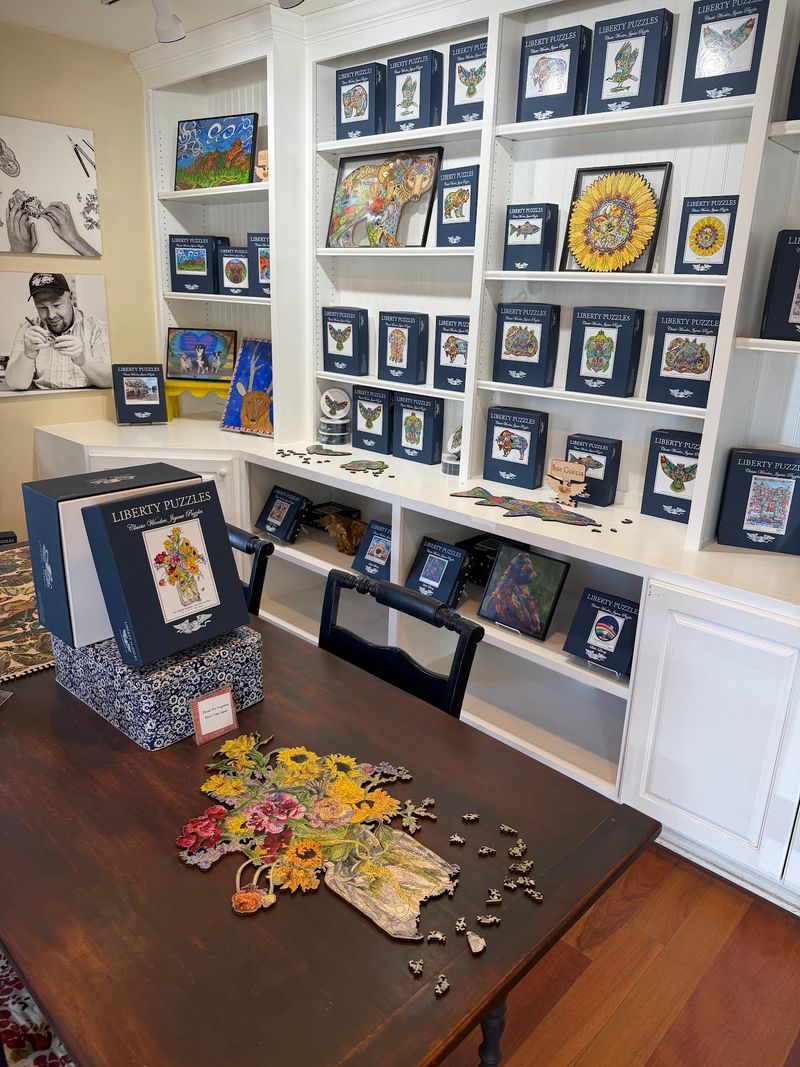
Somewhere in a Liberty puzzle, a tiny wooden bird or teapot might be hiding among regular pieces. Those quirky shapes are called whimsies, and they make finishing a puzzle feel like a treasure hunt.
Jeff Eldridge and Chris Wirth founded the Boulder company in 2005. Their spark came from Wirth’s family collection of hand-cut wooden puzzles from the 1930s.
Instead of flimsy cardboard, these puzzles use quarter-inch-thick wood. Precision lasers cut the pieces, so they lock together with a satisfying click.
Whimsy pieces can make up more than 20 percent of a puzzle. That means you might snap in a cat, a key, or a star while working on a painting’s corner.
The image choices lean toward fine art and vintage prints. With hundreds of designs available, you could spend a long time just picking a favorite.
A factory visit gives you a peek at how flat sheets of wood become a box of tricky little shapes. It’s a great reminder that even simple games take serious craft.
Puzzle fans will want to bring patience and a shopping budget. Beginners might leave with a brand-new hobby they didn’t plan on.
Call or check ahead before you go, since tour times can change. Then clear your kitchen table, because you’ll want a place to start building the second you get home.
Address: 2526 49th St, Boulder, CO 80301, United States
4. U.S. Mint at Denver
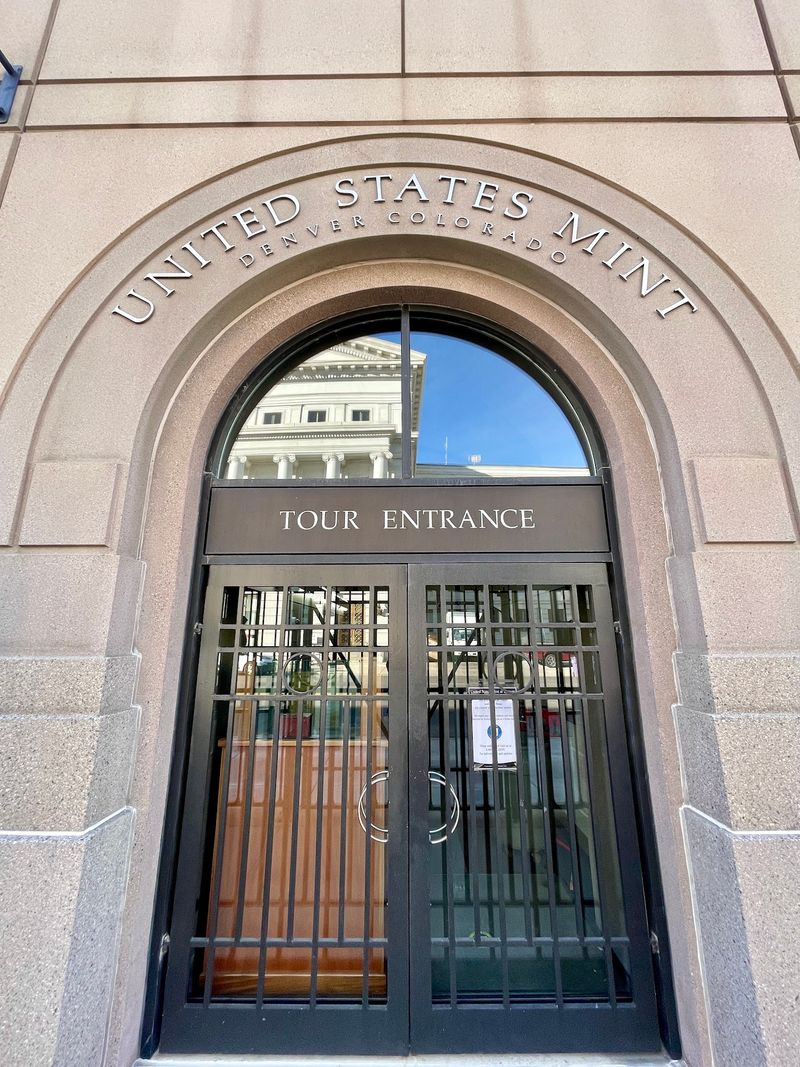
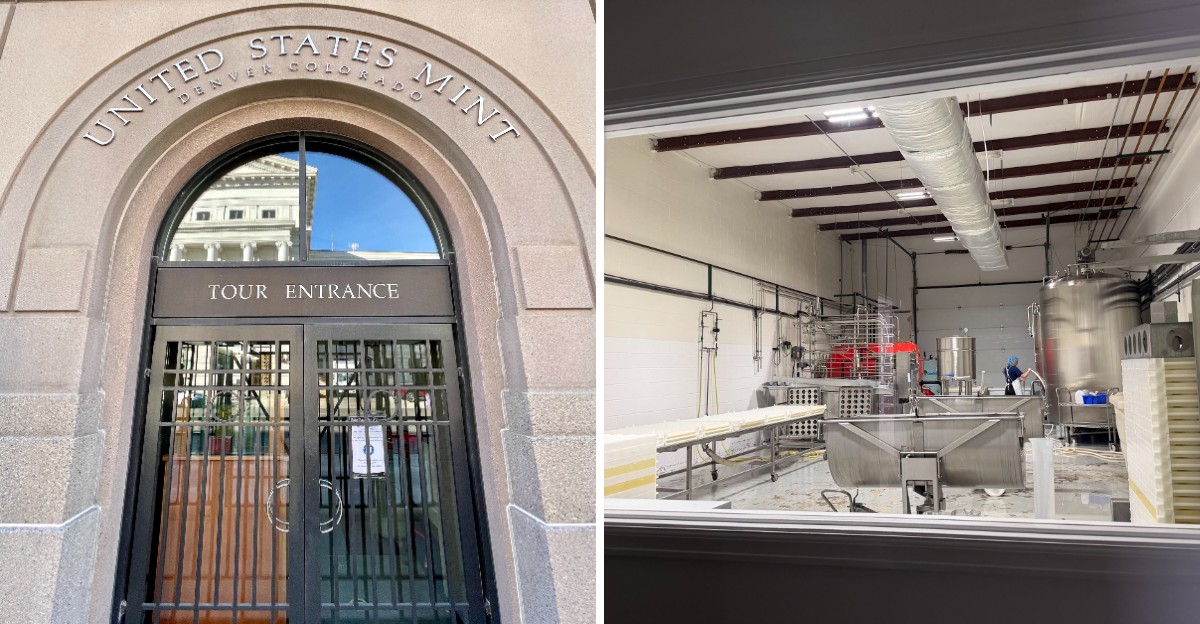
The pennies, nickels, and quarters in your pocket may have started life right here. Look for a small D on a coin, and you’re holding a piece of Denver.
Congress created the Denver Mint in 1862, and it opened as an Assay Office in 1863. Coin production started in 1906, so this building has been busy for well over a century.
Today it ranks among the largest coin producers in the world. Billions of coins for everyday spending roll out of this place.
The guided tour covers the history of American money and shows how coins get struck. You may see the coin-making process in action, depending on the factory’s production schedule.
The building itself is worth a long look too. Its design was inspired by the Medici-Riccardi Palace in Florence, Italy.
Since the Mint makes actual money, security is very tight. Expect screening and strict rules about what you can bring, so pack light.
The tour entrance sits on Cherokee Street, not the front on Colfax. Knowing that ahead of time saves you an awkward lap around the block.
Tickets tend to go fast, so book early. Then empty your pockets and check your change, because spotting a D mark will feel extra fun afterward.
Address: 320 W Colfax Ave, Denver, CO 80204, United States (tour entrance on Cherokee Street)
5. MouCo Cheese Company
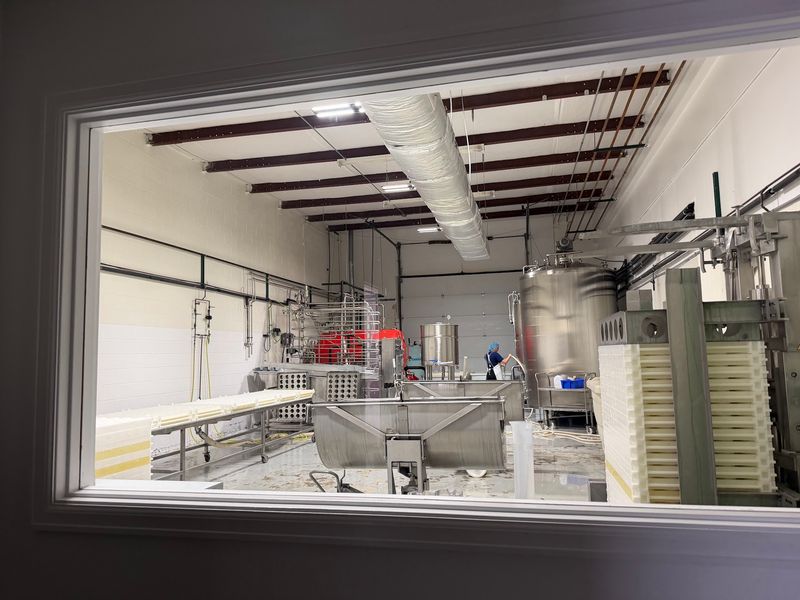
Fort Collins has a little slice of Bavaria, and it comes wrapped in a soft white rind. MouCo makes cheeses using old-world methods passed down through a family of cheesemakers.
Birgit Halbreiter and Robert Poland started the company in 2001. Birgit learned the craft from her father in Bavaria, Germany, and brought that know-how to Colorado.
The family-owned cheesery focuses on soft-ripened and washed-rind cheeses. Local milk goes into each batch, which gives the cheese a true hometown connection.
Guided tours happen on select weekday mornings by appointment. Groups stay small, so you get plenty of room to ask questions.
The best part might be the guided tasting at the end. You can sample cheeses like MouCo Camembert, ColoRouge, and Ashley.
ColoRouge has a reddish rind, while Ashley is covered in a thin layer of edible vegetable ash. Learning why those details matter makes each bite more interesting.
Dress in layers, since cheesemaking rooms can feel humid. Real dairy work isn’t fancy, and that’s part of the charm.
Bring a small cooler if you plan to buy cheese for the drive home. Soft cheeses prefer chilly rides, just like most people on a hot Colorado afternoon.
Address: 1401 Duff Dr, Suite 300, Fort Collins, CO 80524
6. Moots Cycles
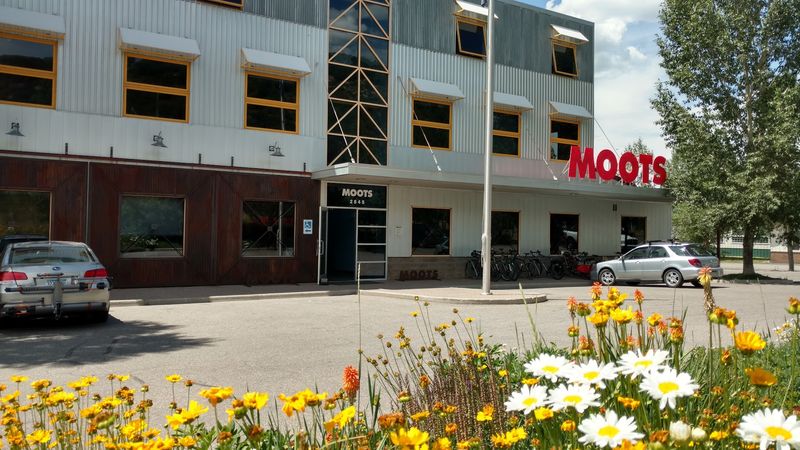
Titanium bikes and a ski town might seem like an odd match, but Steamboat Springs makes it work. Moots has been building bikes in this mountain town for decades.
Kent Eriksen founded the company in 1981. Early frames were steel, but Moots switched to titanium in 1991 and never looked back.
Titanium is strong, light, and doesn’t rust. Riders often describe Moots frames as having a smooth, springy feel on rough roads and trails.
The welds are a big deal here. Fans call them stack-of-dimes welds, since the tiny ridges look like neatly piled coins.
Moots also has serious mountain bike history. Its first mountain bike rolled out in 1983, and it introduced YBB soft-tail suspension in 1985.
A factory tour lets you see how tubes become finished frames by hand. Even if you only ride a bike once a year, the precision is fun to watch.
Serious cyclists may treat this stop like a pilgrimage. Casual visitors usually leave with a new respect for something they thought was simple.
Pair your visit with time outside, since Steamboat sits in beautiful country. Check ahead on tour times before making the drive.
Address: 2545 Copper Ridge Dr, Steamboat Springs, CO 80487, United States
7. Meier Skis
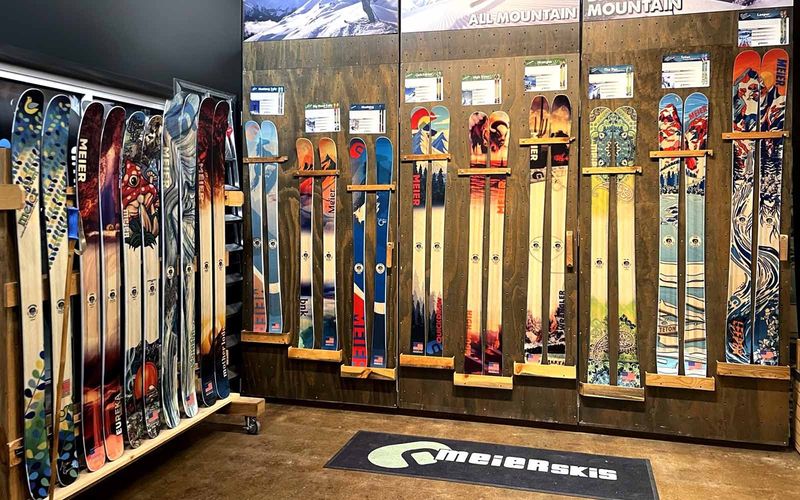
Aspen trees usually decorate Colorado hillsides, but here they end up under your boots. Meier builds skis and snowboards from Colorado wood like aspen, Douglas fir, and lodgepole pine.
Matt Cudmore founded the company in Glenwood Springs in 2009. It later moved to Denver and now calls South Broadway home.
The space works as a shop and a workshop rolled into one. Big glass windows let you watch skis being made while you browse.
Meier uses sustainably harvested wood and a non-toxic binder it calls super sap. Some topsheets are clear, so you can actually see the wood grain inside.
You can watch the action during regular hours without any fancy plans. If you want more detail, deeper factory tours are available by reservation.
Skiers will love the gear talk and handmade details. Non-skiers can still enjoy the woodworking, which feels more like furniture making than sporting goods.
Ask questions about how the wood choices change how a ski feels. Staff in shops like this tend to enjoy explaining their craft.
South Broadway also offers plenty of nearby shops to explore. Make an afternoon of it, and you might even leave with a new pair for next winter.
Address: 1775 S Broadway, Denver, CO 80210, United States
8. Never Summer Industries
Named after a Colorado mountain range, this snowboard brand clearly knows where its heart lives. Never Summer builds boards right in Denver.
Brothers Tim and Tracey Canaday started the company in 1991. Before that, they ran a small board brand called Swift Snowboards, starting back in 1983.
In 1993, they moved into their own Denver factory. Owning the space gave them full control over how their boards get made.
The tour shows how snowboards take shape from carefully selected wood. You’ll also learn about longboards and wakeboards, since the brand makes those too.
Never Summer is known for snowboard ideas like its Original Rocker Camber shape. Riders debate board shapes like sports fans debate referees, so this stuff matters to them.
It’s one of the few American snowboard brands still making its products in the United States. That alone makes the visit feel special.
Watching presses, saws, and finishing work gives you a new view of winter gear. Suddenly that board in a shop window looks a lot more impressive.
Book ahead and wear sturdy shoes, since it’s a real working factory. Then plan your next trip to the slopes, because you’ll be itching to ride.
Address: 3838 Eudora Way, Denver, CO 80207, United States
9. Bronze Services of Loveland, Inc
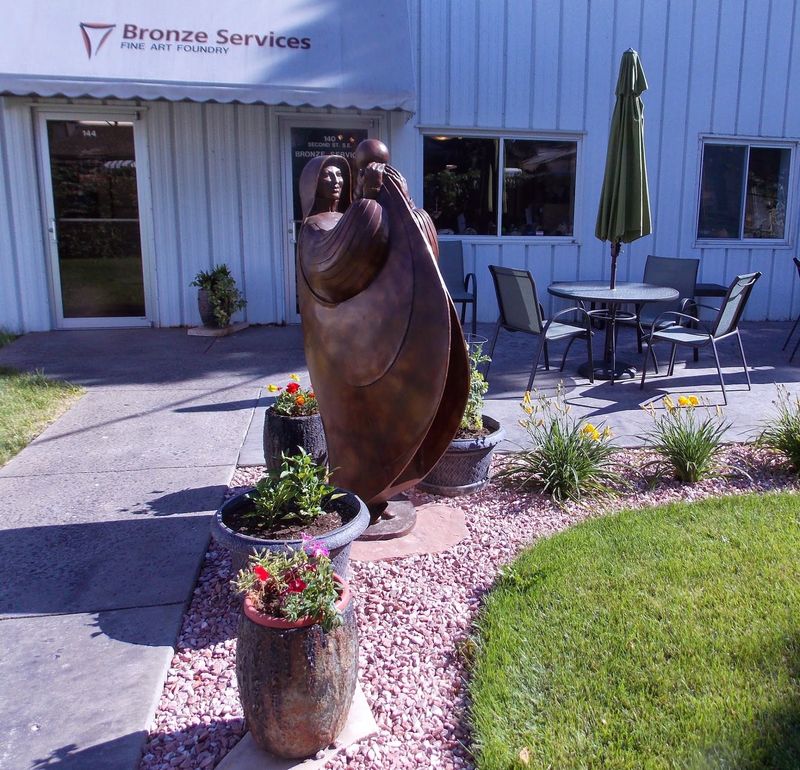
Wax goes in, bronze comes out, and somehow a statue appears. The lost wax method is thousands of years old, and you can see it happen in Loveland.
Bronze Services of Loveland opened on February 13, 1989. Tom O’Gorman and local artists started it with a focus on welding, metal finishing, and patina work.
By late 1995, it had grown into a full-service foundry. That means it can handle the whole casting process from start to finish.
Public tours run on Tuesday mornings with a reservation. Guides explain lost wax casting and walk you through the active foundry.
You’ll see real works in progress, which changes from visit to visit. Part of the fun is not knowing which sculpture might be in the shop.
The team has cast huge pieces shipped around the world. One project included large animal sculptures for the Henry Doorly Zoo in Omaha, Nebraska.
Wear full, closed-toe shoes, since this is a working foundry. Sandals and molten metal are not friends.
Loveland is known for its public art, so take a stroll after your tour. Spotting sculptures around town feels more meaningful once you know how they’re made.
Address: 140 2nd St SE, Loveland, CO 80537, United States
10. Bibamba Artisan Chocolate
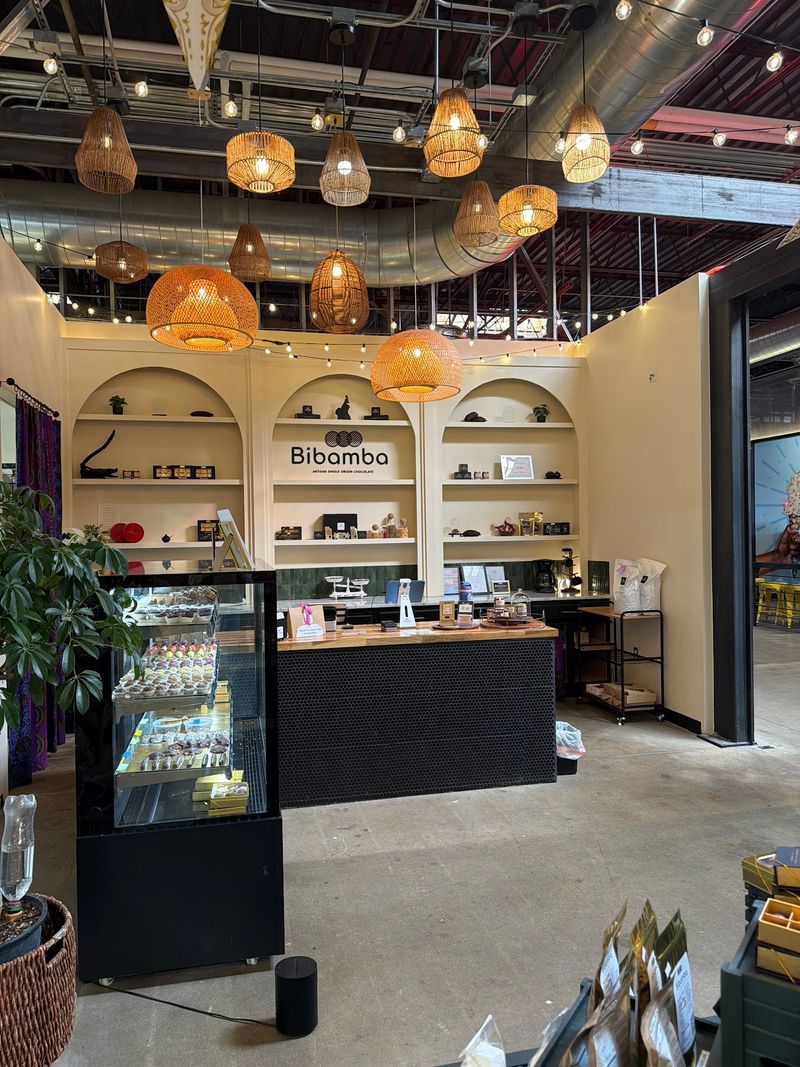
A 70-pound chocolate model of Denver’s Union Station sits here, and yes, it’s real chocolate. Somebody had incredible patience and an even better sweet tooth.
Husband-and-wife team Patrick and Mara Tcheunou founded Bibamba. Patrick has roots in Cameroon, and the couple brings their African and American backgrounds into their chocolate making.
The company focuses on ethically sourced cacao and bean-to-bar methods. That means they handle the process from raw cacao beans to finished bars.
The factory tour and guided tasting gives you a behind-the-scenes look. You’ll sample signature chocolates and may even taste chocolate straight from the melanger, the machine that grinds it smooth.
Want to get your hands messy? Truffle-making classes teach you to make ganache and craft your own treats to take home.
Both the tours and classes need advance booking. Spots can fill up, especially around holidays when chocolate becomes everyone’s favorite gift.
Learning about cacao farming adds meaning to each bite. You may never look at a grocery store candy bar the same way again.
End your Colorado factory adventure here, and you’ll finish on a sweet note. Honestly, there’s no better final stop than one that sends you home with chocolate.
Address: 5505 W 20th Ave, Suite 132, Edgewater, CO 80214