
A quiet road in south Mississippi does not look like the start of anything special. Then you notice a patch of tall, trumpet-shaped plants glowing yellow in the sun, and a sign explaining that they eat insects.
A short walk later, you are surrounded by turtles, pine woods, and a wooden pavilion that architects travel to see. All of it costs about as much as a sandwich, and it might be one of the most interesting afternoons in the state.
A Living Showcase of the Pearl River Basin
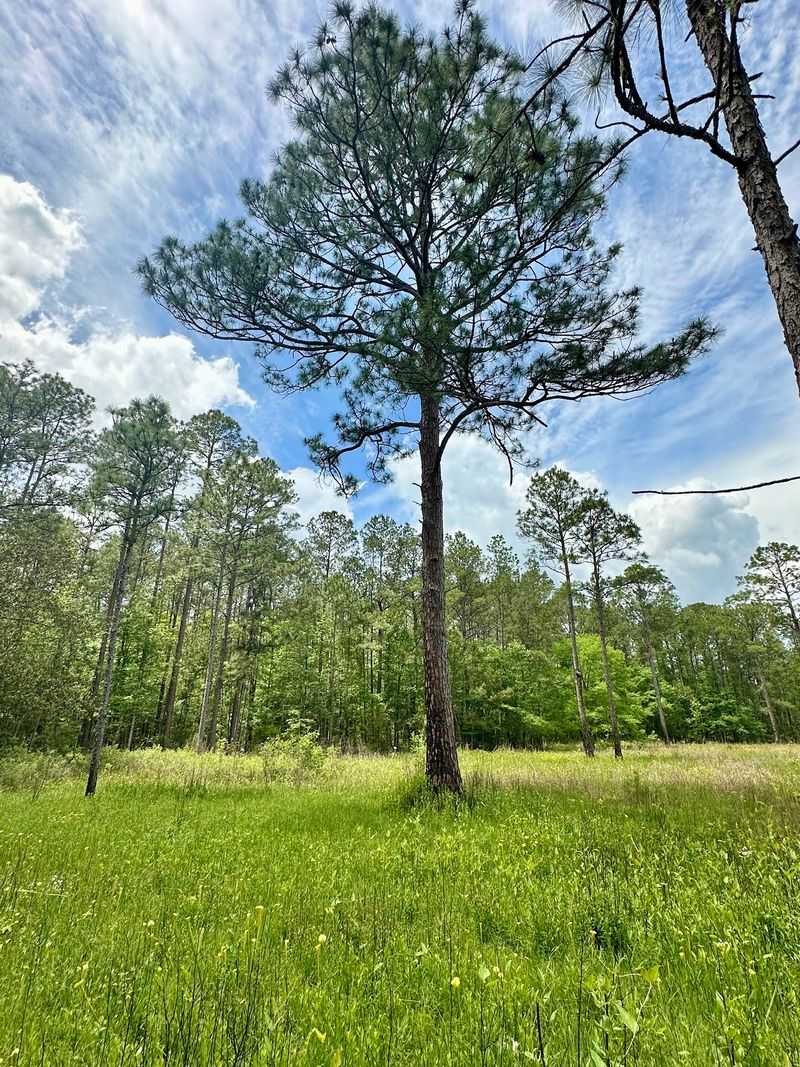
Down in the southwest corner of Mississippi, close to the Louisiana line, sits a public garden that skips roses and tulips entirely. The Crosby Arboretum in Picayune focuses on plants that grow naturally in the Pearl River Drainage Basin, the stretch of land shaped by the river that forms part of the border between the two states.
Instead of neat flower beds, visitors find savannas, woodlands, ponds, and bogs. Each area is designed to show how a real Gulf South habitat looks and works when it is allowed to grow on its own terms.
Think of it less like a garden and more like an outdoor museum where the exhibits are alive and constantly changing.
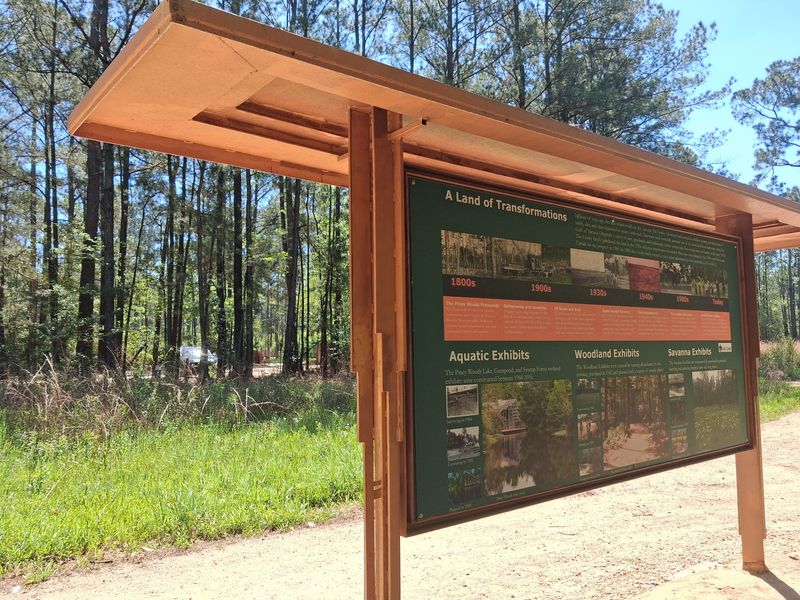
The grounds are tied to Mississippi State University, which helps explain the strong focus on learning. Signs along the paths point out plants, habitats, and the ways they fit together.
Kids who think plants are boring often change their minds after seeing a leaf that traps bugs.
Roughly three miles of trails loop through the property. You can walk a short section in half an hour or spend most of a day wandering every path.
Either way, the experience feels calm, curious, and very rooted in this particular corner of the country.
From Strawberry Farm to Family Tribute
Strawberries once grew where pitcher plants now stand. Before it became an arboretum, the land was a family strawberry farm, a detail that surprises many first-time visitors who assume the place has always been wild.
The idea for the arboretum came from the children of L.O. Crosby, Jr., a local leader known for his love of the natural world.
His daughter Lynn Crosby Gammill, his son Osmond Crosby, and Lynn’s husband Stewart Gammill wanted to honor him with something more meaningful than a plaque or statue. They chose to create what they called a living memorial.
So they turned 64 acres of family land into an interpretive center for native plants. Rather than planting exotic species, they set out to preserve and display the plants that belong here naturally.
The goal was education as much as beauty.
That choice still shapes everything about a visit today. Every trail, pond, and bog connects back to the family’s idea that people should understand the land around them.
Knowing the backstory adds a warm layer to the walk, because each healthy patch of native grass feels like part of a tribute that keeps growing year after year.
The Famous Pitcher Plant Bog
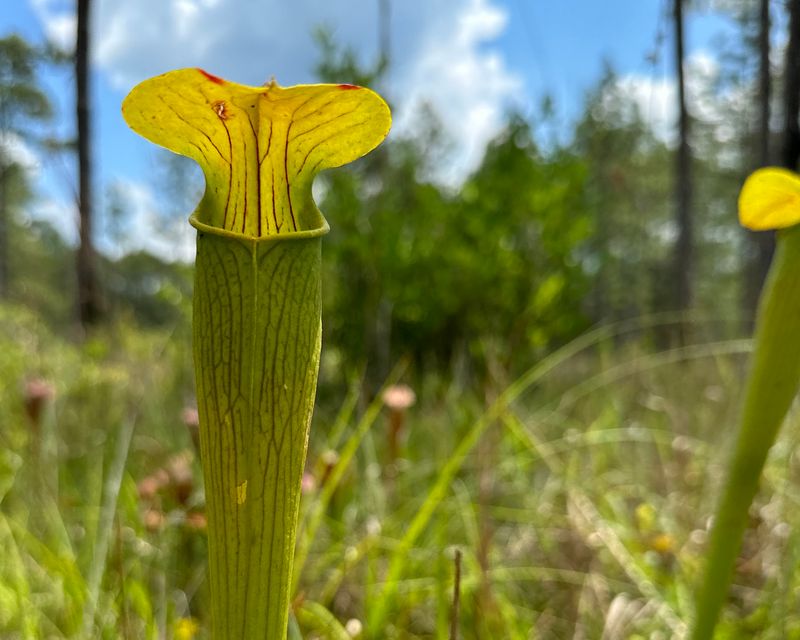
Bright yellow tubes poke up from the soggy ground like a crowd of tiny trumpets. These are yellow pitcher plants, known to scientists as Sarracenia alata, and they are the stars of the arboretum’s Pitcher Plant Bog.
Why would a plant need to catch insects? Bog soil is wet, acidic, and low in nutrients, so these plants found another way to get what they need.
Their leaves form hollow tubes that produce sweet nectar near the opening. Curious insects crawl in for a taste, slip down the slick inner walls, and cannot climb back out.
Once trapped, the insects slowly break down inside the tube, feeding the plant much like fertilizer would. It is a clever survival trick, and seeing it up close makes for a great science lesson that no textbook can match.
Visitors who have always wanted to see a real pitcher plant bog often describe the moment as a highlight of their trip. Spring is a favorite season, since the pitchers stand tall and fresh while other wildflowers bloom nearby.
Bring a phone or camera, because the shapes and colors look almost too strange to be real.
Sundews and Other Tiny Trappers
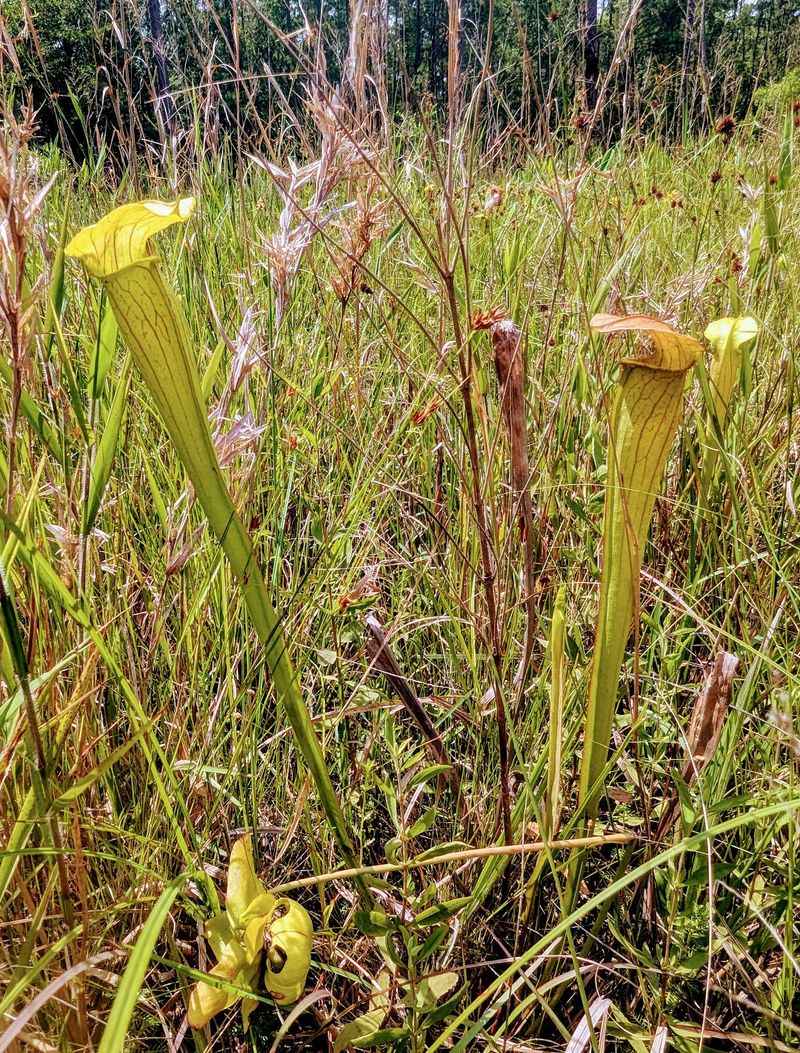
Kneel down near the bog and look closely. Tucked low among the grasses are sundews, small reddish plants covered in hairs that hold shiny drops of sticky goo.
Those droplets look like morning dew, which is exactly the point. A gnat or small fly lands, thinking it found something sweet, and gets stuck fast.
Slowly, the leaf curls around its catch and absorbs the nutrients, a process that unfolds over hours instead of seconds.
Sundews are easy to miss because they are so tiny, often no bigger than a coin. That makes finding them feel like a treasure hunt, especially for younger explorers with sharp eyes.
A good tip is to walk slowly and scan the damp ground near the pitcher plants, since both enjoy the same soggy conditions.
Fans of carnivorous plants say the arboretum has plenty of them, which is not something many public gardens can claim. Between the tall pitchers and the little sundews, the bog shows two very different ways of solving the same problem.
One uses a pitfall, the other uses glue. Both remind you that plants are a lot more active than they seem.
Three Miles of Winding Footpaths
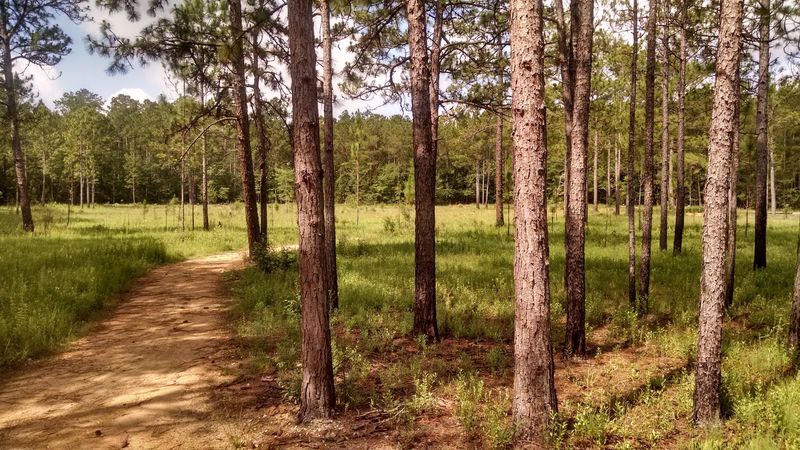
Some trails rush you toward a single view. The paths here do the opposite, curving gently through savanna, forest, and wetland so the scenery keeps shifting with every turn.
Altogether, about three miles of trails wind across the grounds. Visitors often mention how well marked and well kept they are, which makes it easy to choose a short stroll or a longer loop without worrying about getting lost.
Many people admit they did not finish every trail on their first visit and plan to come back for the rest.
Along the way, a self-guided nature walk shares facts about what you are seeing. One stretch shows forest succession, the slow process where open land gradually turns into woods.
Seeing young trees push up through grassland makes that idea click in a way a diagram never could.
Paths are mostly flat and easy, so they suit casual walkers rather than serious hikers. Some portions are wheelchair accessible, though a motorized chair or a helper pushing may work best.
One honest heads up: after heavy rain, low sections can flood and become hard to walk, so checking the weather before heading out is a smart move.
Pinecote Pavilion and Its Famous Architect
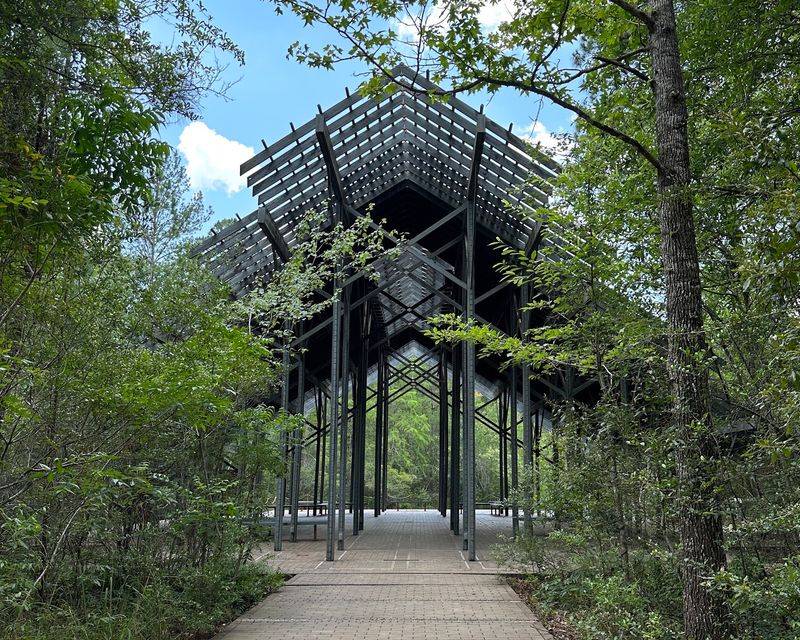
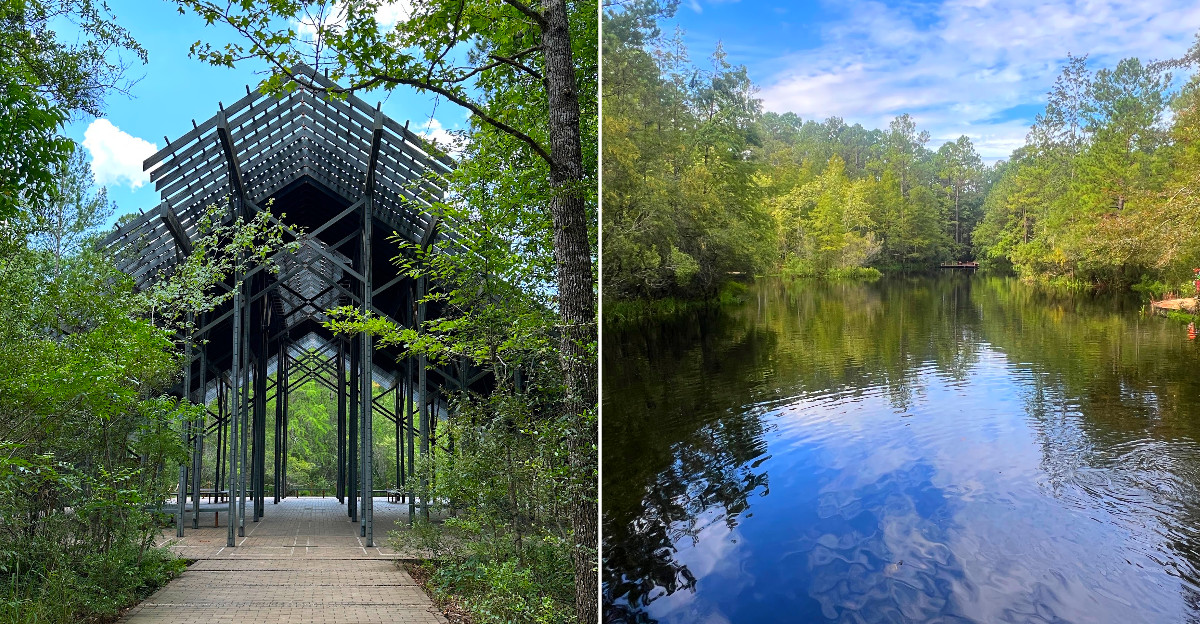
Not every arboretum can boast a landmark building, yet this one does. Pinecote Pavilion was designed by Fay Jones, a well-known American architect famous for structures that blend into the natural world around them.
The pavilion is an open wooden structure with a tall, peaked roof and rows of exposed beams. Its lines echo the tall pines nearby, so it feels less like a building dropped into the woods and more like something that grew there.
Sitting beside the water, it creates lovely reflections on calm days.
Architecture fans make special trips just to see it, and the structure is considered a historic landmark. Even visitors who know nothing about design tend to pause here, because the combination of wood, light, and water is quietly striking.
Shade from the roof also makes it a pleasant spot to rest during a warm walk.
Fun fact for the curious: Fay Jones studied under Frank Lloyd Wright, and that influence shows in the way his work respects its setting. The pavilion also serves as a gathering spot, and some couples even choose the grounds for weddings and events.
It is easy to see why.
Turtles, Ponds, and Wild Neighbors
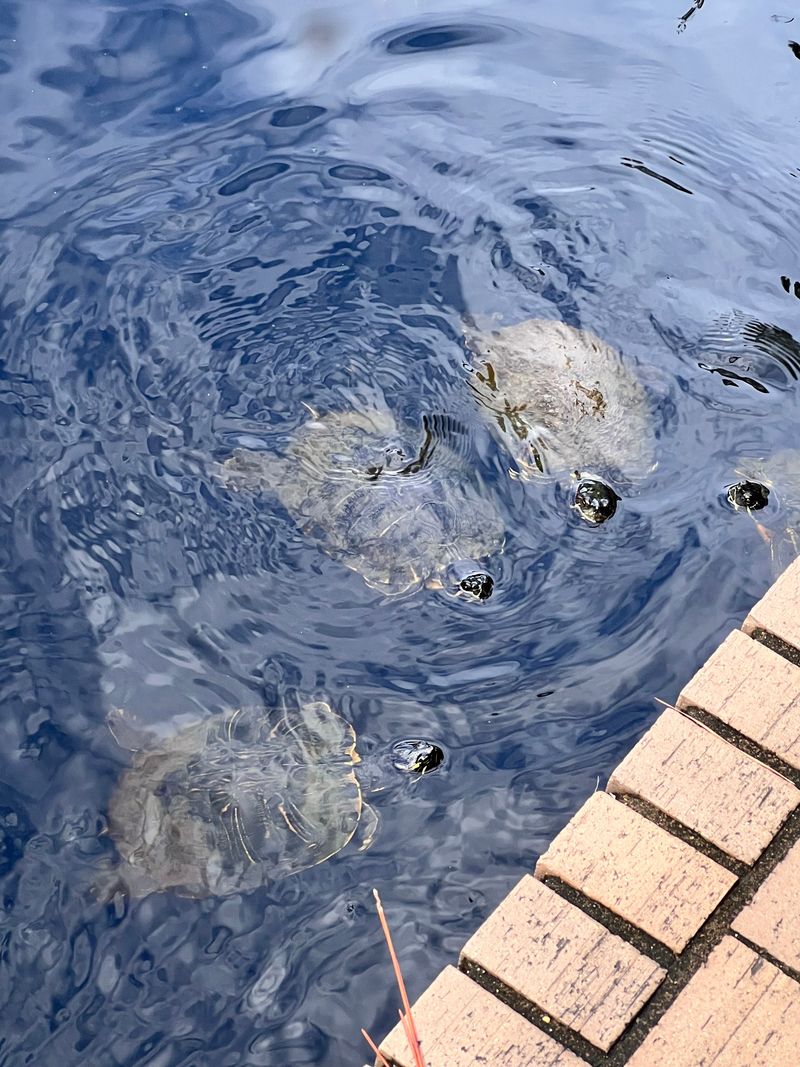
Ask families what they remember most, and the answer is often turtles. Lots of them.
They paddle through the ponds, sun themselves on logs, and pop their heads up whenever someone leans over the edge.
The arboretum has two ponds, and both draw a steady crowd of curious kids and grown-ups. Visitors have mentioned having fun feeding the turtles, which turns a simple walk into a lively stop.
Fish dart below the surface, and insects buzz and skim across the water in warmer months.
Wildlife extends well beyond the ponds. Guests have spotted hawks circling overhead, along with plenty of songbirds flitting through the trees.
Keep quiet and patient near the water’s edge, and you might notice frogs, dragonflies, or a heron hunting in the shallows.
Because the grounds are planted with native species, local animals feel right at home. That is part of the lesson the arboretum teaches: when you grow the plants that belong in a region, the creatures that belong there follow.
For anyone who enjoys watching animals in a natural setting rather than behind glass, the ponds are a peaceful place to linger for a while.
Controlled Fire as a Garden Tool
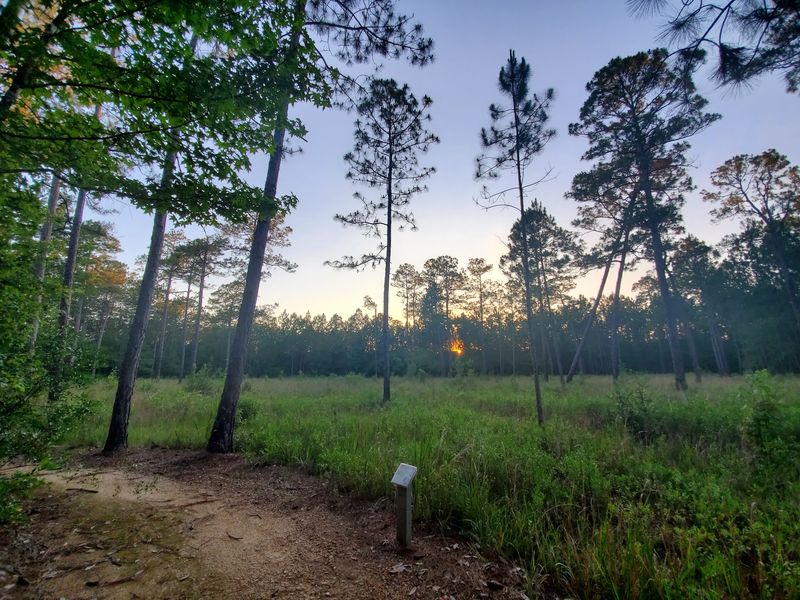
Setting a garden on fire sounds like a terrible idea. At this arboretum, though, carefully planned burns are one of the most important ways to keep the land healthy.
Many native plants of the Gulf Coast evolved alongside natural wildfires. Savannas and bogs need occasional fire to clear out shrubs and young trees that would otherwise crowd them.
Without it, the open, sunny habitat that pitcher plants love would slowly fill in and shade them out.
Staff conduct these prescribed burns on purpose and under careful control. Afterward, the blackened ground quickly bursts back to life with fresh green growth and, often, a fresh wave of wildflowers.
Coming back a few weeks after a burn can be a fascinating way to watch recovery in action.
A practical note for planners: if a seasonal burn happens during your visit, the air may be smoky. People with breathing concerns might want to call ahead or pick a different day.
Still, understanding why the fire matters adds real depth to the experience. It shows that caring for nature is not always about leaving things alone, sometimes it means copying the forces that shaped the land long before people arrived.
Pollinator Garden and Seasonal Color
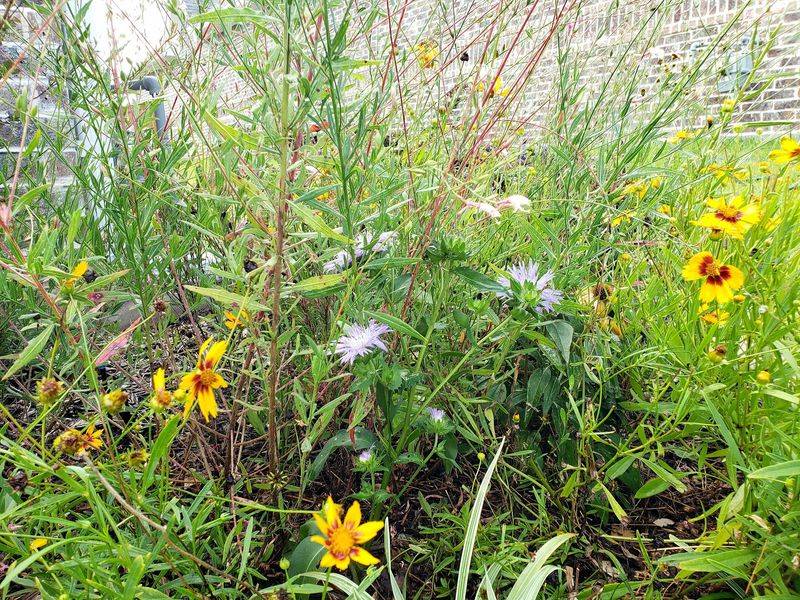
Butterflies rarely sit still long enough for a photo, but the pollinator garden gives you better odds than most places. Packed with native flowering plants, it attracts bees, butterflies, and other busy insects throughout the growing season.
Visitors describe the garden as well cared for and full of variety. It also works as a great idea board for home gardeners, since every plant here is one that thrives in the local climate.
If you have wanted to help pollinators in your own yard, this is a good place to see what actually grows well.
Spring tends to be the showiest season across the grounds. Irises bloom near the water, pitcher plants stand tall in the bog, and wildflowers dot the savanna.
Summer brings deep green growth, while fall adds warm tones and seed heads that birds love.
Plenty of guests say the property looks different every time they come, and that is a big reason they return. Some even plan visits around the seasons to catch specific blooms.
Because nothing here is forced to flower out of season, each trip offers an honest snapshot of what nature is doing right now in south Mississippi.
Forge Day, Bug Nights, and Other Events
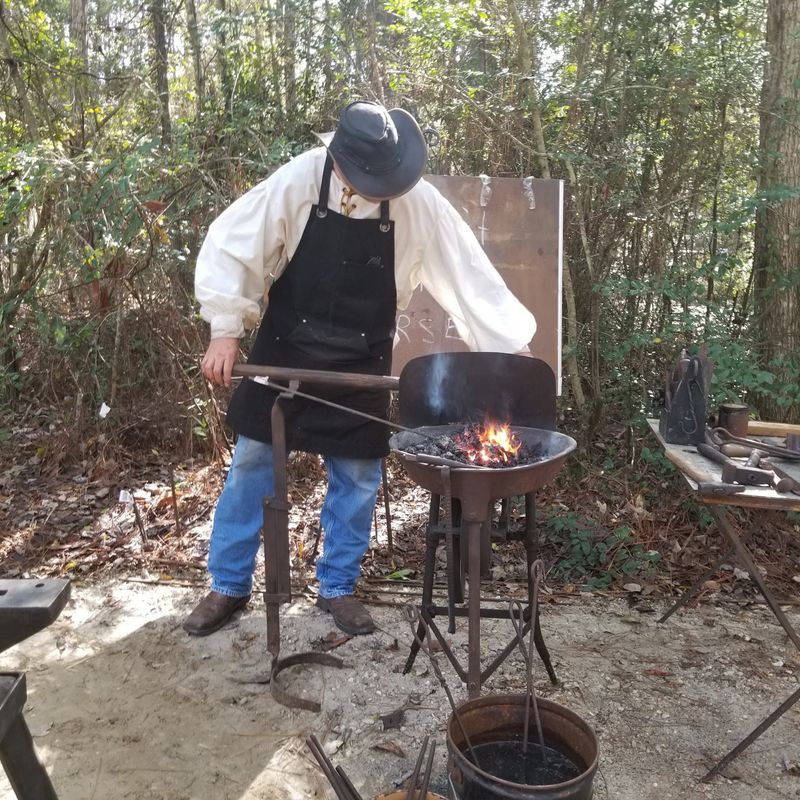
Sparks fly at Forge Day, when skilled blacksmiths fire up real coal and shape metal with old-fashioned tools. Guests who have attended describe it as fun to watch, with craftsmanship that feels like a trip back in time.
Bug lovers have their own celebration. The Bug Festival includes a night program where experts lead visitors through the grounds after dark.
People who joined say the guides were friendly and knowledgeable, and the arboretum looked beautiful under the night sky.
October brings a cheerful twist as scarecrows pop up across the property. Families enjoy spotting them along the trails, and kids especially love the playful mix of art and nature.
Throughout the year, the arboretum also hosts lectures, guided nature walks, and classes on topics like native planting, food forests, and the role of bees and insects.
Checking the event calendar before you go can turn an ordinary walk into something much more memorable. Some visitors who came just to stroll ended up planning return trips for specific programs.
For curious minds of any age, these events add a hands-on layer that makes the lessons of the land easier to remember.
Hours, Admission, and Getting There

Planning matters here, because the gates are not open every day. The arboretum welcomes visitors Tuesday through Saturday from 9 AM to 4 PM, and it is closed on Sundays and Mondays.
Admission is just a few dollars per person, which feels like a bargain for a full day outdoors. Frequent visitors can choose an annual pass that pays for itself after a handful of trips.
Money from admissions supports a good cause, helping maintain the habitats and education programs.
The address is 370 Ridge Road in Picayune, Mississippi. It sits an easy drive from the greater New Orleans area, making it a popular day trip for Louisiana families too.
Coming from the Mississippi Gulf Coast or Hattiesburg is also simple.
A few tips help the day go smoothly. Arrive early in summer to beat the heat, and bring water, sunscreen, and bug spray, since this is a living bog after all.
Wear shoes that can handle a little mud, especially after rain. Pets are welcome, so the family dog can come along on a leash.
Some visitors have found the visitor center closed at times, so calling ahead is wise if you hope to browse inside.
A Quiet Place That Rewards Repeat Visits
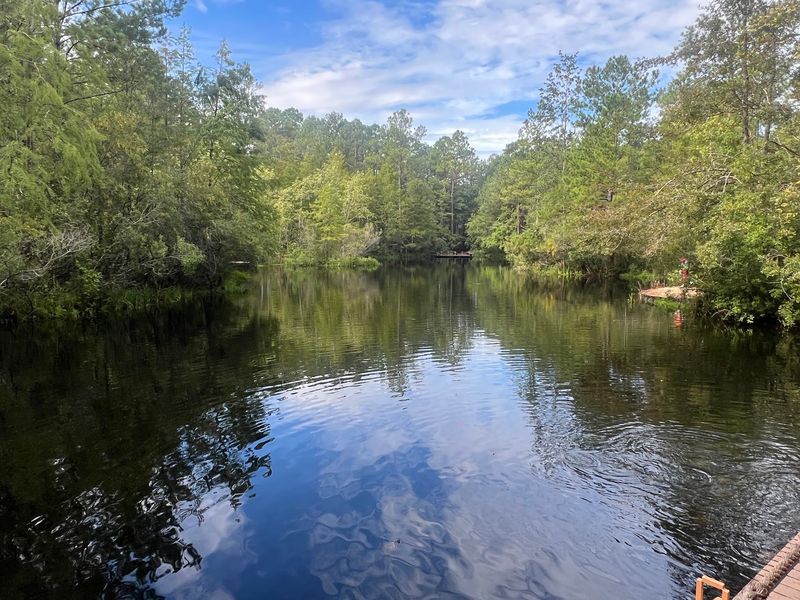
Silence is underrated. Out on these trails, the loudest sounds might be birdsong, rustling grass, or a turtle sliding off a log into the water.
Many guests mention how peaceful the grounds feel, a welcome break from city noise and busy schedules. Some come to walk and think, others to teach their kids about nature, and still others to hunt for the strangest plant they can find.
The friendly, helpful staff make newcomers feel comfortable asking questions.
Who will enjoy it most? Families with curious kids, plant lovers, bird watchers, photographers, and anyone who likes an easy walk with something to learn along the way.
People hoping for thrill rides or manicured flower displays may want to look elsewhere, since the beauty here is subtle and wild.
The best part is that one visit rarely feels like enough. Seasons change the look of the land, events bring fresh reasons to return, and there is always another trail left to explore.
For a small entry fee, you get bug-eating plants, a landmark pavilion, playful turtles, and a deeper understanding of south Mississippi. That is a pretty good trade for a few hours outside.