A cold morning on a quiet Mississippi shoreline does not look like much at first, just gray water and bare trees. Then a white head flashes against the branches, and a bird with wings nearly eight feet across drops toward the water.
Bald eagles spend the winter at lakes across Mississippi because open water means plenty of fish to catch. Grab a warm coat and a pair of binoculars, because these six lakes give you a real shot at seeing America’s national bird in the wild.
1. Ross R Barnett Reservoir
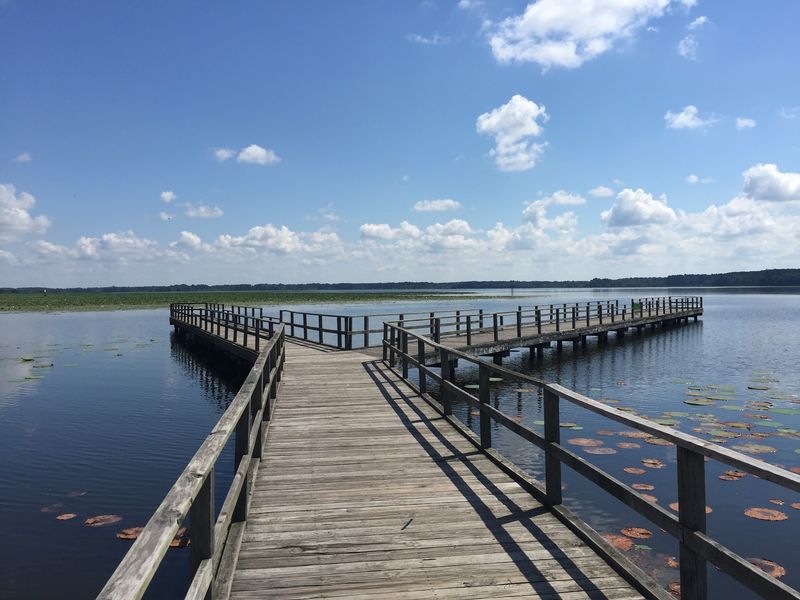
Thirty-three thousand acres of water sit just northeast of Jackson, and in winter that huge surface becomes a fishing ground for bald eagles. Most people know the reservoir for boating, swimming, and weekend fun, so the eagles can come as a surprise.
Resident birds live here all year. When the weather turns cold, migrating eagles from farther north arrive and join them, which is why sightings climb during the winter months.
Five nesting pairs were reported here in 2023, a strong sign that the birds feel at home.
Where should you look? Scan the upper timberline, where eagles like to roost in tall trees above the water.
Pelahatchie Bay and the spillway area are also good choices, since fish gather there and the hunting is easy. Watch for a big dark bird gliding low, then snatching a fish right off the surface.
Because the reservoir spreads across Madison and Rankin counties, you can pick a spot that fits your day. Bike paths along parts of the shore make it easy to cover ground slowly with binoculars ready.
Bring a thermos, dress in layers, and give yourself time, because patient watchers usually get rewarded here.
2. Sardis Lake
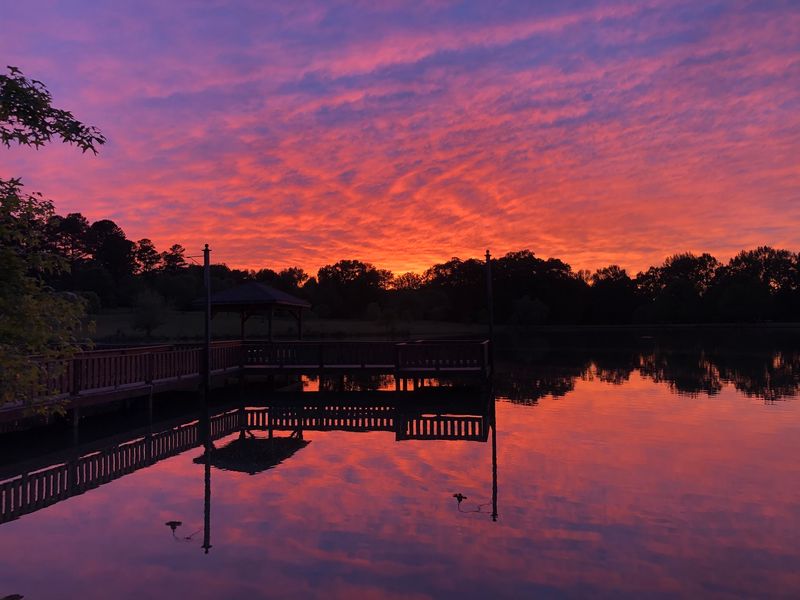
Sunsets over Sardis are famous with campers and anglers, but winter visitors have another reason to stay until the sky turns orange. Bald eagles hunt here, and some of them have built nests that people across the region know about.
Eagles came off the endangered species list in 2007, and Sardis Lake shows how far they have bounced back. The population around the lake has grown a lot since then, and many birds now live here year-round.
Each January, the U.S. Army Corps of Engineers counts eagles here as part of its mid-winter survey.
Why winter, exactly? Cold months bring wintering fish and ducks, which means an easy food supply for hungry raptors.
It is also nesting season, so eagles are busy hauling sticks to build or repair their giant nests.
The dam is one of the best places to start. It gives you a wide view of the water and the treeline, and the shoreline recreation areas offer more vantage points.
Walking trails let you stretch your legs while keeping an eye on the sky. Tip: look for a large dark shape sitting very still at the top of a tall tree, since eagles often perch for long stretches.
3. Grenada Lake

Twenty-six bald eagles showed up in the 2020 winter count at Grenada Lake. That number gives you a good idea of how busy the shoreline can get when the weather turns chilly.
Fishing tournaments, camping, and waterfront parks keep the lake popular most of the year. In the cold season, though, attention shifts upward.
Eagles like to sit in the pines along the shore, then swoop out over the broad coves to grab a meal.
December through February is the sweet spot. Water levels during those months tend to pull fish into certain areas, and the raptors follow the food.
That means you may see several birds working the same stretch of water.
Getting around is simple. Multiple day-use areas, boat ramps, and picnic spots give you plenty of places to park and watch.
Trails near the water let you walk quietly and scan the trees. The wooded bluffs also give you higher views, which helps when you are trying to spot a white head against green pines.
Pack a snack, bring a camera with some zoom, and plan for a slow morning. Eagles are early risers, and the first few hours of daylight are often the most active.
4. Enid Lake
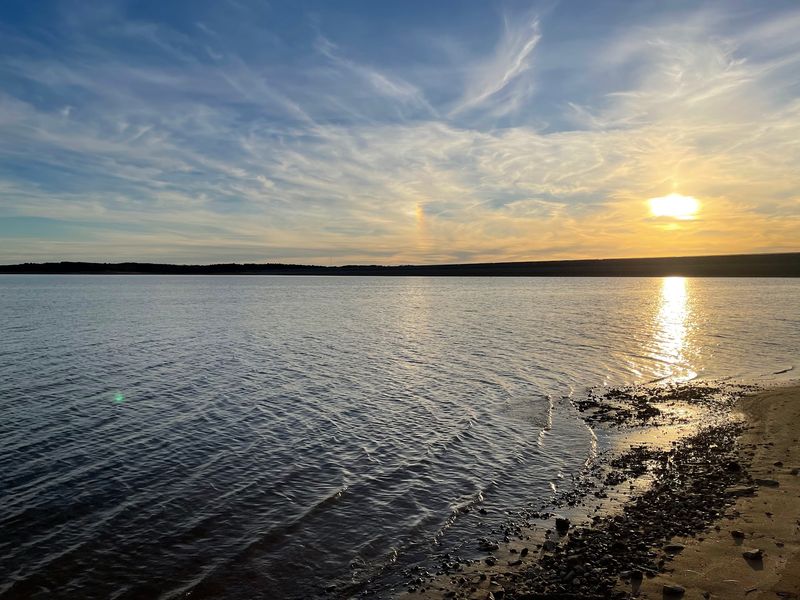
Bare branches are the secret weapon at Enid Lake. Once the leaves fall, roosting eagles have nowhere to hide, and spotting them from the day-use points gets much easier.
Families come here to fish, camp, and enjoy the neatly kept grounds. Fewer people realize that documented bald eagle nesting pairs live along this lake, too.
Surveyors counted 28 eagles here during the 2020 mid-winter survey, a healthy number for a quiet spot.
Not every eagle you see will have a white head. Young eagles are mostly brown and spotted for their first few years, and they often look like a completely different bird.
At Enid, watchers regularly see both adults and these younger birds scanning the water for fish. Seeing them side by side is a fun lesson for kids.
Several boat launches and recreation areas sit around the shoreline, spread across Yalobusha and Panola counties. Choose one, set up a folding chair, and look along the treeline.
Open water and mature trees make the lake a cozy winter base for the birds.
A simple bird guide or app can help you tell adults from youngsters. It turns a peaceful lake day into a small adventure.
5. Bluff Lake
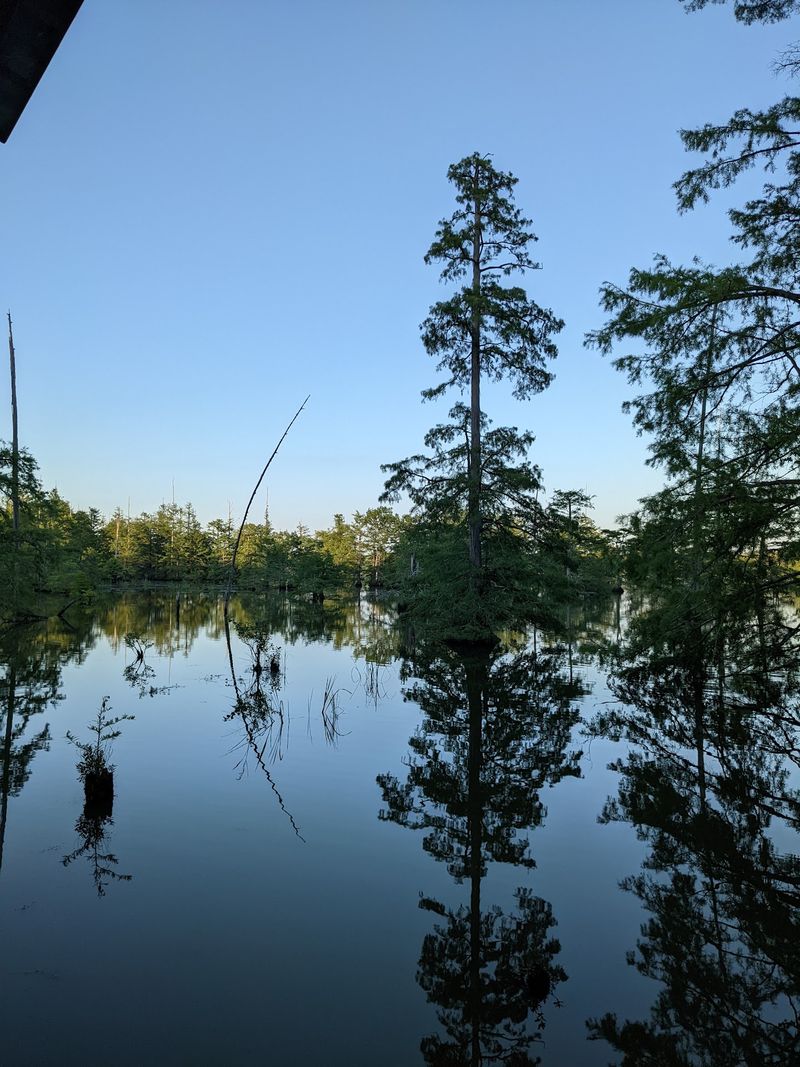
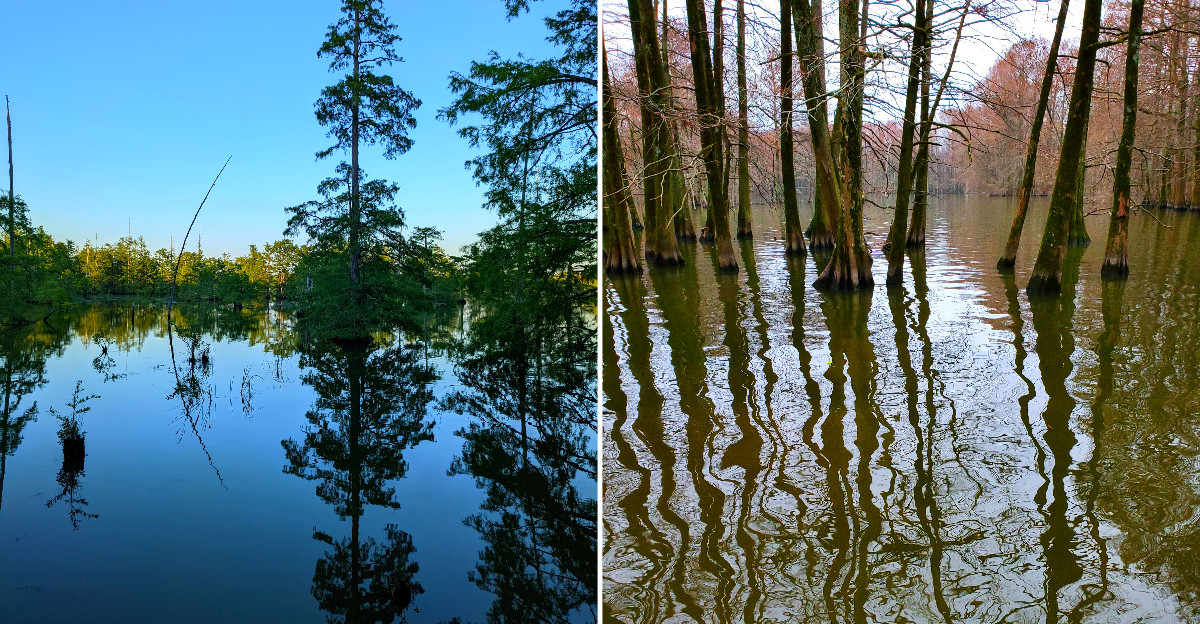
Picture a wooden boardwalk stretching over dark water, with cypress trees rising on every side. That is the setting at Bluff Lake, part of the 48,000-acre Sam D.
Hamilton Noxubee National Wildlife Refuge in east-central Mississippi.
Unlike the big reservoirs on this list, Bluff Lake feels wild and still. The lake covers about 1,200 acres, and the refuge was built to protect wildlife first.
Eagles nest and roost in the cypress stands, and a pair of bald eagles has nested in the refuge since 2003.
November through February is when sightings happen most often. Winter is also courtship season, so you might catch eagles flying together, circling, and calling.
Refuge records point to these cold months as the busiest time for eagle activity and roost counts.
The boardwalk trails and wildlife overlooks let you get close to the swamp without disturbing the birds. Walk softly, keep voices low, and stop often to scan the treetops.
Fishing is allowed here too, so some visitors mix a quiet morning with a line in the water. Either way, the calm of the refuge makes every eagle sighting feel a little more special.
6. Lake Washington
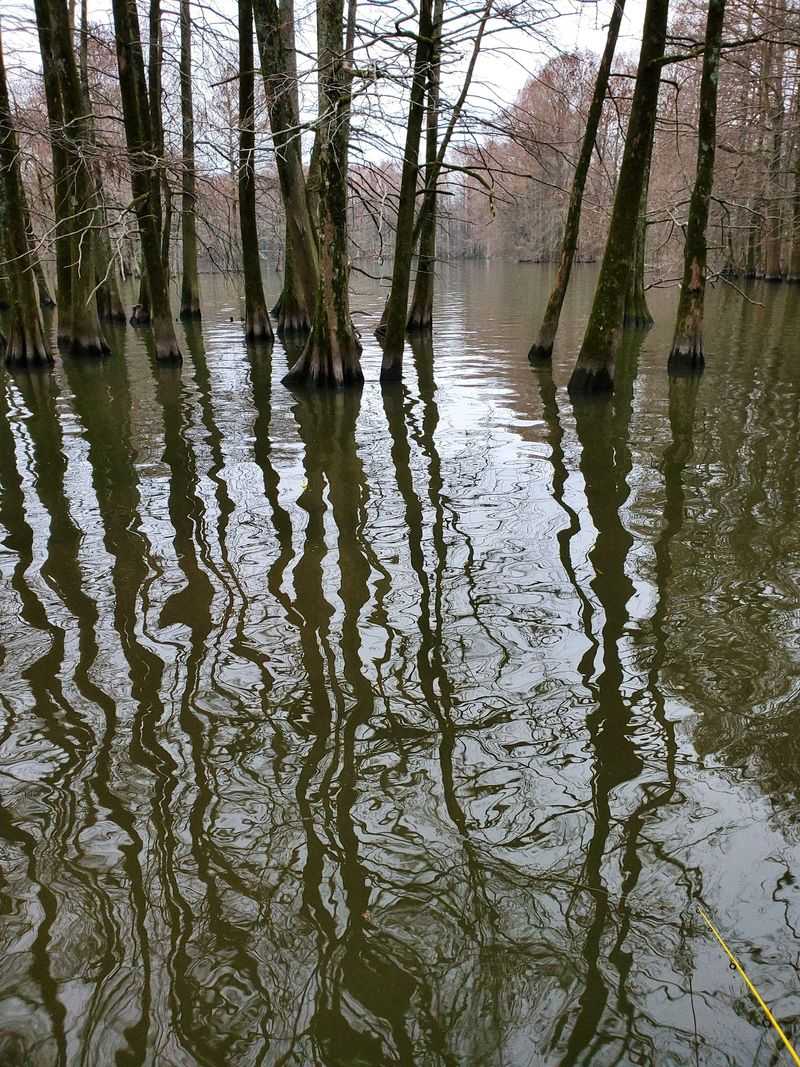
Long ago, the Mississippi River changed course and left behind a curved lake shaped like a horseshoe. That oxbow is Lake Washington, a historic spot in the southern Delta of Washington County.
Giant bald cypress trees line the water, some looking older than anything else around. Their thick limbs give eagles perfect places to perch and build nests.
When you see a white head sitting high in one of those trees, the whole scene looks almost like a painting.
Winter changes everything here. Flat Delta land and leafless trees mean you can see far across the fields and water.
Migrating eagles arrive at the same time as huge flocks of wintering ducks, and the sky can fill with birds. Watching an eagle cruise over a raft of ducks is a sight you will not forget.
Anglers love this lake for its calm water and good fishing, especially for crappie. That peaceful mood makes it a relaxing place to spend a slow afternoon watching wildlife.
Since the Delta is open and windy, bring a warm hat and gloves. A spotting scope or strong binoculars will help, because eagles here often sit far out on distant cypress branches.