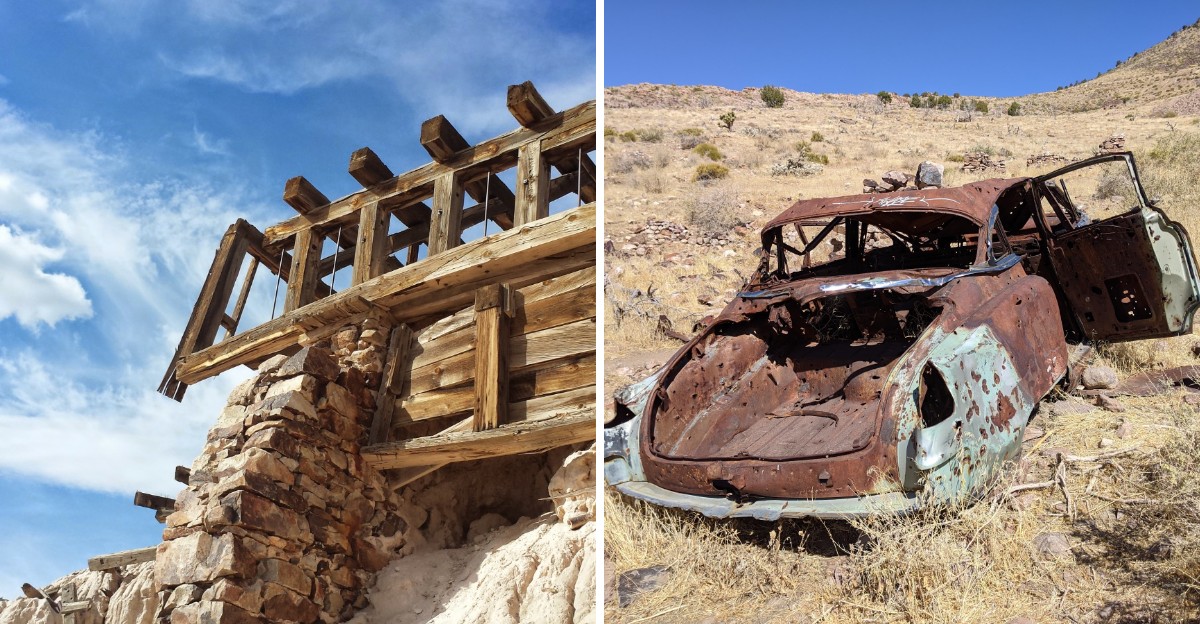
Stone walls still rise from a lonely Nevada valley, far from any paved road. They mark a gold camp that once held thousands.
How did a town this remote build a hospital and an opera house? Mule teams hauled in every supply from a distant railroad.
The gold hid inside quartzite, and milling it filled the air with deadly dust. That danger earned the camp a grim nickname, The Widowmaker.
I find it moving that so much ambition left such quiet ruins. Today you can explore old foundations and rusted safes in Nevada for free.
Why did a boomtown that grew so fast empty out so quickly? The answer waits at the end of a long dirt road.
Pack plenty of water. What will you find among the stones?
Stone Walls Still Stand Out In The Desert
Out in Lincoln County, Delamar Ghost Town stands about 150 miles northeast of Las Vegas. Many ghost towns leave only faint outlines in the dirt.
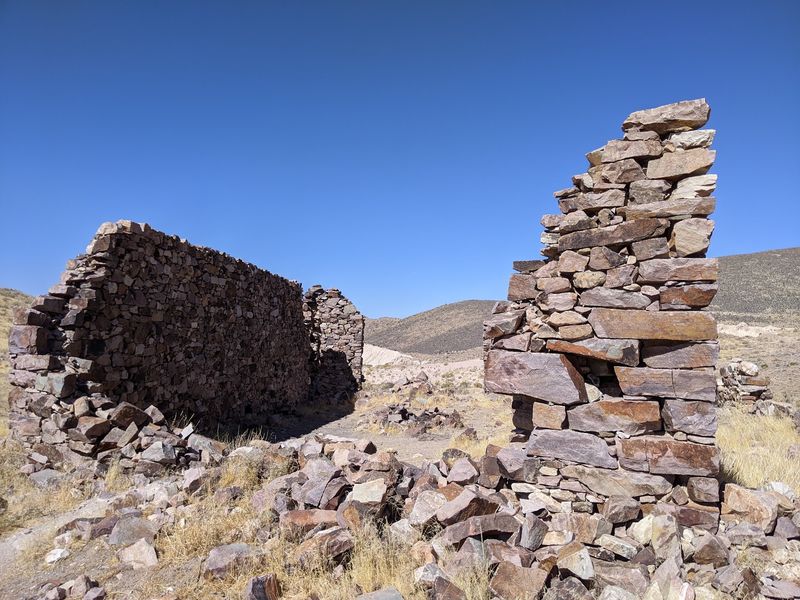
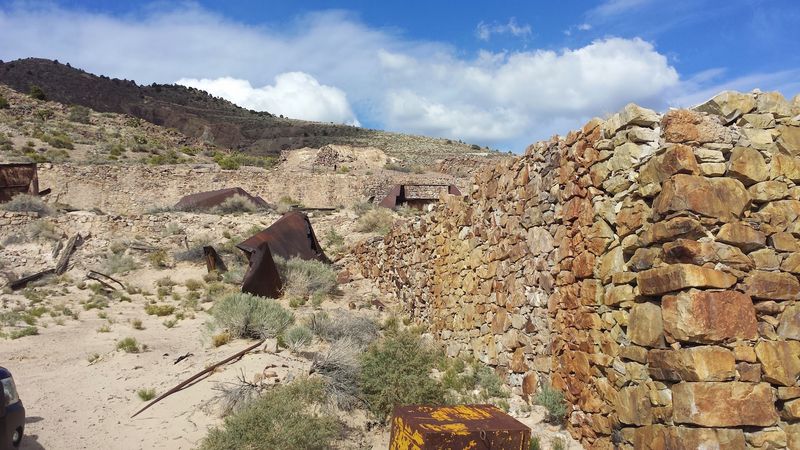
Delamar is different because stone ruins still rise from the ground, built from local rock.
That sturdy building style helped the walls hold up against the Mojave Desert for more than a century. Wind, sun, and time have worked on them, yet plenty of structures remain easy to spot.
Foundations, doorways, and wall sections give you a real feel for the old streets.
The site is now managed by the Bureau of Land Management. It is open to the public every day, all day, and visiting is free.
That makes it a simple choice for anyone who likes history without a ticket line.
Bring a camera and a little patience. The stone shapes change their look as the light moves across the valley.
Early and late hours bring warm tones that make the rock glow.
Delamar Ghost Town, Nevada, rewards slow walking. Stop often, look closely, and enjoy the quiet that fills the old townsite.
Two Prospectors Started The Rush In 1889
It all began with a rock sample in 1889. John Ferguson and Joseph Sharp found gold in the Delamar Mountains.
Their small mining camp was first called Ferguson.
Word spread fast, as it always did in the gold days. Soon, Captain Joseph Raphael De Lamar stepped in.
He was a mining financier, and he bought most of the key claims in the early 1890s.
He then renamed the camp Delamar, and the name stuck. That change marked the start of serious money and bigger plans.
Mills, homes, and businesses followed.
The numbers from those years are big. Between 1895 and 1900, the district produced an estimated 13.5 million dollars in gold, based on the place’s historical record.
Other sources give higher totals for gold and silver together.
Not bad for a camp that began with two prospectors and a hunch. The Delamar Mountains still frame the view today.
Look up at the ridgelines and think about how it all started.
A Real City Rose In The Middle Of Nowhere
Three thousand residents is a lot of people for a remote desert camp. At its peak, Delamar acted like a real city.
It offered a hospital, an opera house, several churches, and a school.
Shops lined the streets too. The town even had a newspaper called the Delamar Lode.
Residents could read the news without leaving the valley.
Getting water here took real effort. It was pumped from Meadow Valley Wash, about twelve miles away, through a three-inch pipeline.
That pipe kept the town going in dry country.
Supplies came by mule team. The trip covered roughly 150 miles from the railroad at Milford, Utah.
Think about that the next time a delivery runs late.
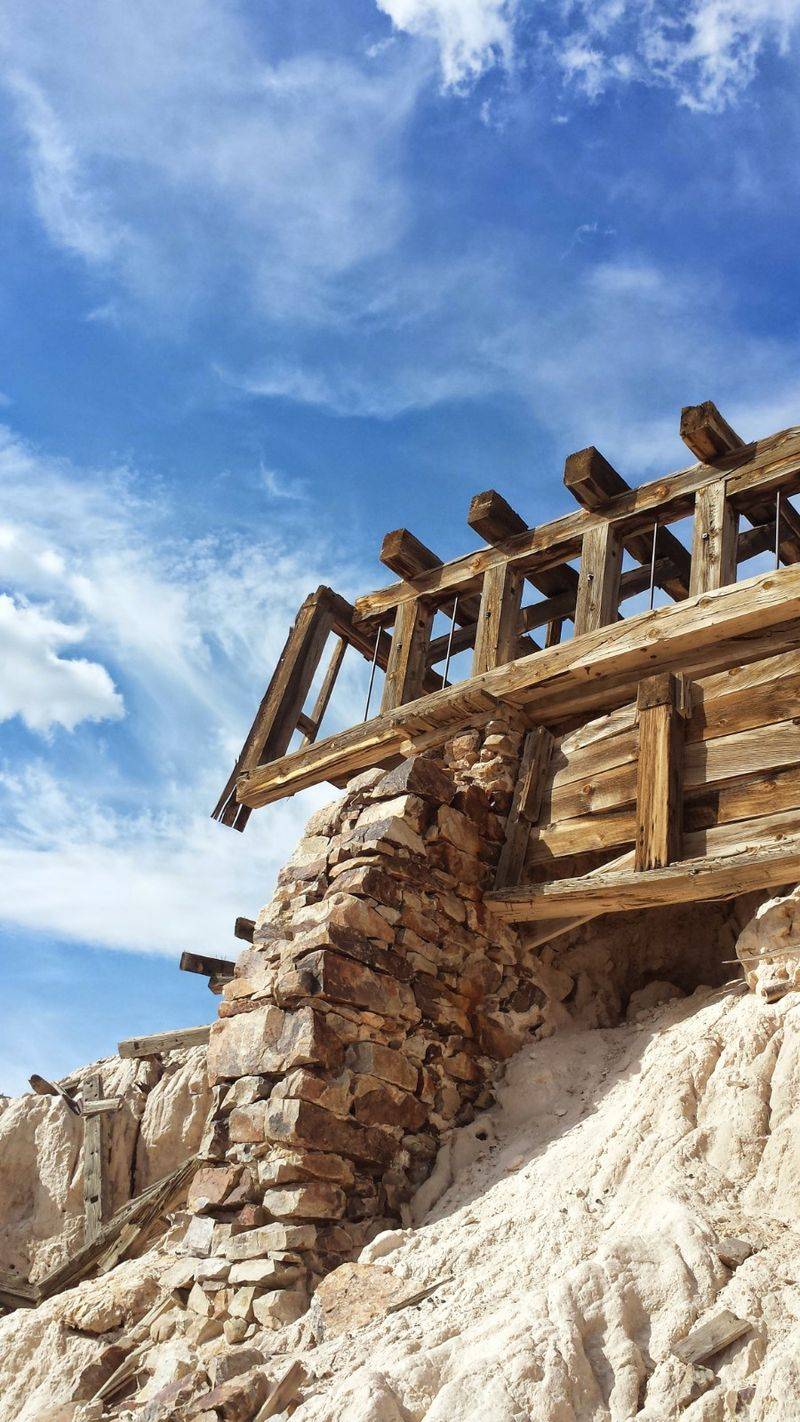
Today, the stone ruins hint at that busy past. Walk the old townsite and try to place the streets and storefronts.
It takes only a little imagination to fill them back in.
How Dust Earned The Name The Widowmaker
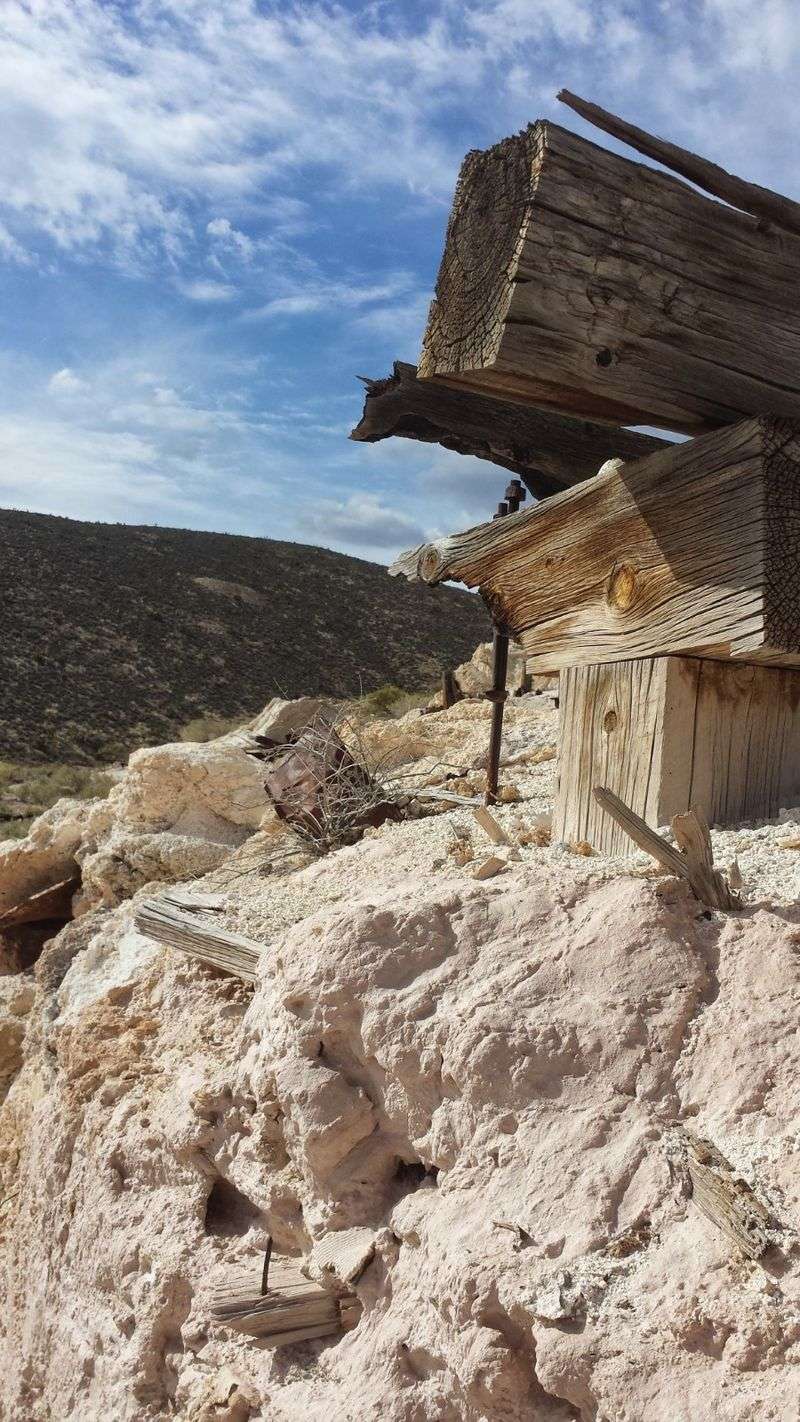
The town’s famous nickname comes from something you could barely see. Delamar’s gold sat in quartzite.
Dry milling that rock created a fine silica dust.
Breathing that dust led many people to develop silicosis, a serious lung disease. Water was scarce, so keeping the dust down was very hard.
The problem grew along with the town.
Estimates say about 400 widows and fatherless children were left behind. That is the human cost tied to the gold numbers.
It gives the ruins a heavier meaning.
This history is part of why Delamar feels so different from a simple photo stop. The stones here mark a place where work was dangerous.
Visitors tend to walk a bit more quietly as a result.
Take a moment to read about the story before you go. Knowing it adds depth to every wall you pass.
The nickname fits the place for a reason.
A Fast Fall After A Fiery Year
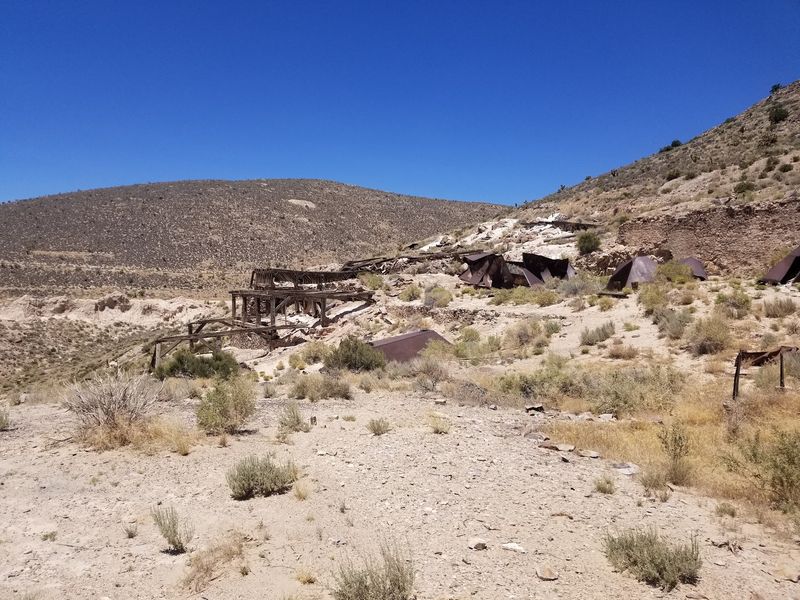
Boomtowns can fade quickly, and Delamar proved it. A major fire in 1900 destroyed much of the settlement.
The blow came as the district already faced bigger challenges.
The mines began to run low. At the same time, the dangers of the silica dust became clearer.
Captain De Lamar chose to sell his holdings.
By 1909, most mining had stopped. Residents moved on to newer camps like Tonopah and Goldfield.
The streets emptied far faster than they had filled.
Mining did come back briefly during the Great Depression. The post office and school reopened for a short time.
That revival did not last.
By the 1930s or early 1940s, Delamar was left behind for good. What remains are the strong stone structures that outlasted the people.
They are quiet proof of how quickly fortunes could change.
Plan To Wander Among Safes And Foundations
Free, open, and always accessible. That is the setup at Delamar.
The Bureau of Land Management protects the site, and visitors can explore any time of day.
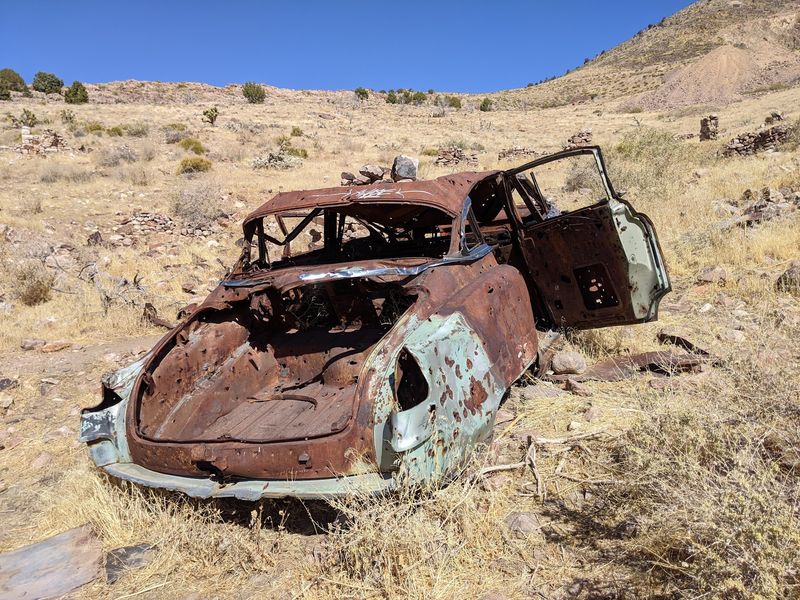
Plenty of stone structures and foundations still stand. Keep an eye out for old bank safes with their doors long gone.
A rusted old car also sits frozen in time.
Each find gives you a small story to think about. Who kept money in that safe?
Where did that car go before it stopped? The site invites those questions.
One rule matters a lot. The Delamar Mine itself sits on private property, so stay out of it.
Respect the signs and boundaries.
Follow Leave No Trace habits too. Carry out what you bring and leave every artifact where it lies.
That keeps the ruins ready for the next curious traveler.
Quiet Respect At The Two Old Cemeteries
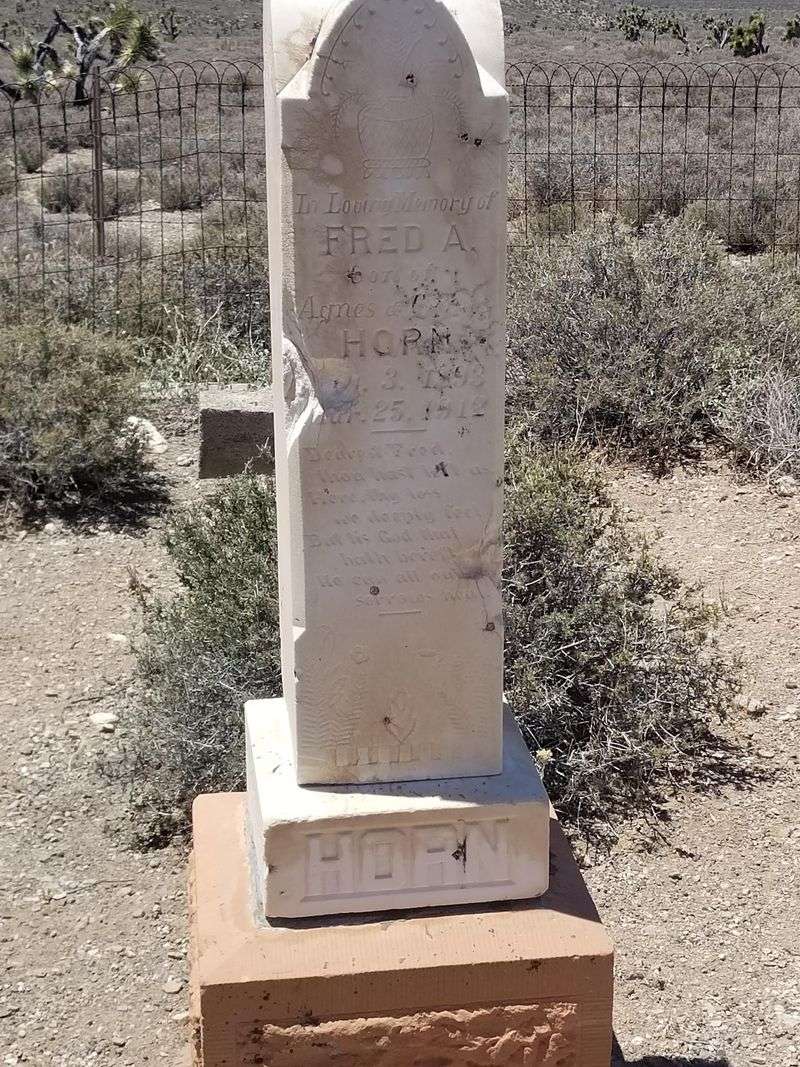
Two historic cemeteries sit near the town. They are the Delamar-Helene Cemetery and the Delamar Catholic Cemetery.
Weathered headstones show how hard life was in a mining camp.
Some graves have suffered from vandalism over the years. Others remain in better shape.
Each one connects back to the story of the Widowmaker dust.
The cemetery is often the first landmark on the road in. It sets a serious tone before you reach the main ruins.
Many visitors stop here first.
Treat the grounds with care. Walk gently, take only photos, and leave every marker as you found it.
A calm attitude fits the setting.
You do not need much time here, yet the stop matters. It reminds you that real families lived in this remote corner of Nevada.
Those lives are the heart of the place.
The Dirt Road Trip And What To Pack
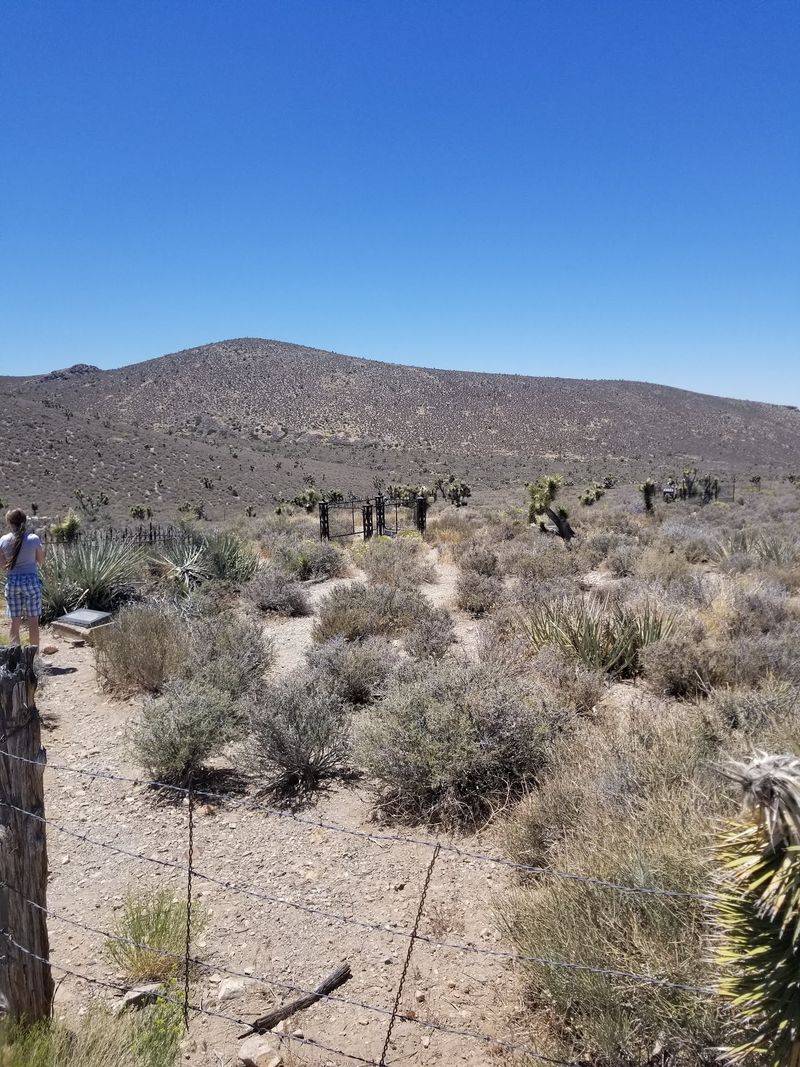
Getting there takes planning. You turn off US-93 near mile marker LN 76.3.
A dirt road then heads south for about 17 miles.
A high-clearance vehicle works best, especially for the last couple of miles into the main ruins.
With a lower vehicle, park near the cemetery. You can then hike the remaining two miles to town.
Cell service is not available out here. Carry plenty of water and snacks.
Bring a spare tire as well.
Tell someone your plans before you leave. Road conditions can change.
The Bureau of Land Management Caliente Field Office is a smart contact for current road information.
Give yourself extra daylight for the drive. The trip from the highway takes roughly thirty minutes in good conditions.
Arrive prepared, and the journey becomes part of the fun.
Wild Horses, Rock Art, And A Lake Shaped Like Texas
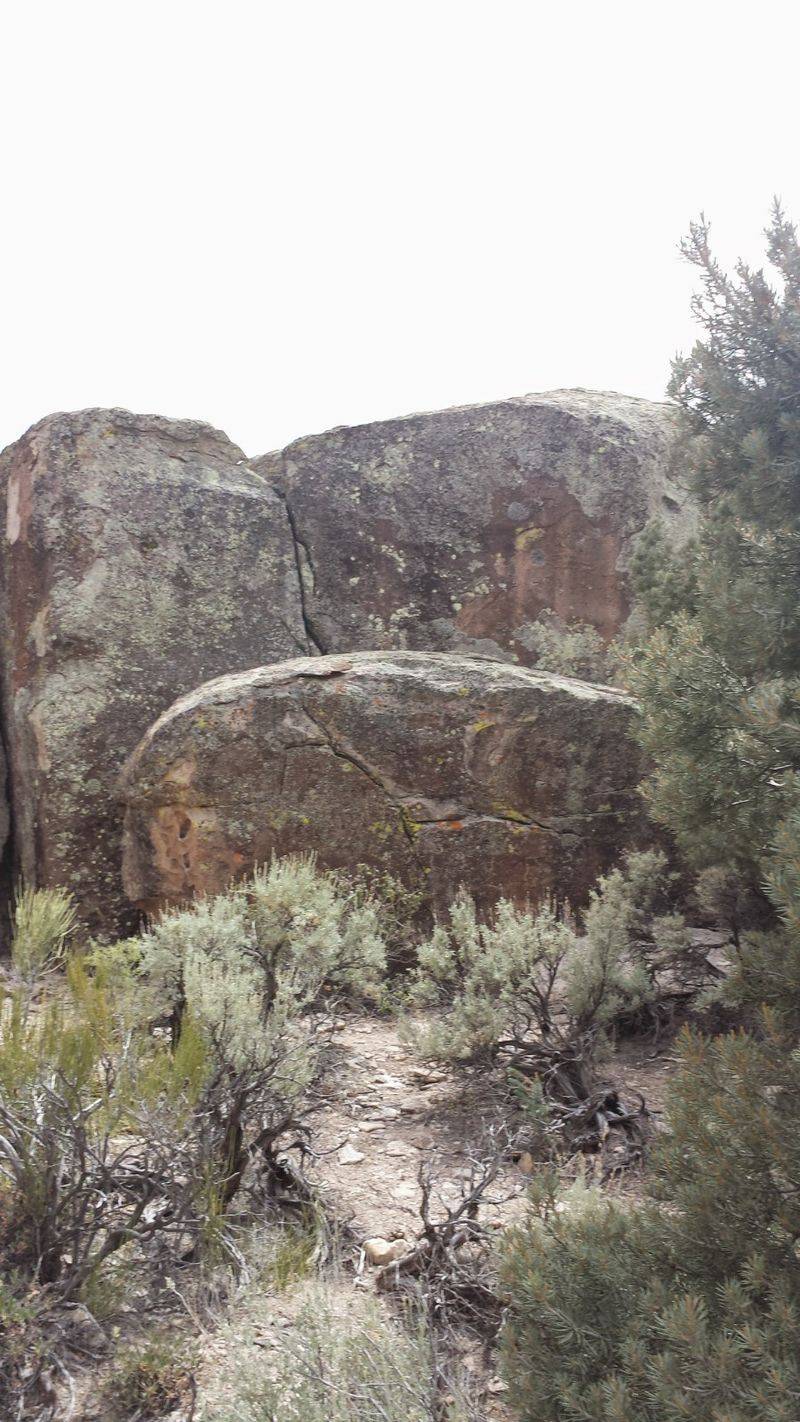
The land around Delamar has its own draws. Wild horses roam freely across the desert.
They make a striking sight against the open backdrop.
Off-road fans can try the Delamar Ghost Town OHV Trail. It offers a large network of rugged routes.
Always check current conditions before heading out.
Petroglyphs can be spotted near Alamo Canyon Road. That ancient art was left by people who lived here long before the miners.
It adds another layer of history to the trip.
Then there is Delamar Dry Lake, also called Texas Lake. Its outline from above looks like the state of Texas.
It is a fun detail to share with friends.
Delamar Ghost Town, Nevada, is more than crumbling walls. It tells a story of ambition, hard work, and the risks of chasing gold.
Go with care, and the desert will do the rest.