

Surgical rubber gloves got their start at one hospital in this city. A head nurse had sore hands, and a surgeon asked a rubber company to make thin gloves for her.
That small fix changed operating rooms everywhere.
The same hospital later helped shape how American doctors train today. Its school of medicine became a model that schools across the country copied.
And it all sits in a working port city in Maryland, not some quiet campus town.
I appreciate that the story keeps going. The medical system here now includes a top university, research labs, and several hospitals.
Its doctors and nurses treat patients who travel from around the world.
So what makes one city’s healthcare stand so tall for so long? The answer mixes history, science, and a whole lot of neighborhood pride.
A Hospital Name That Opens Doors Around The World
Baltimore carries a big medical reputation for a city known for crabs and harbor views. Much of that fame comes from The Johns Hopkins Hospital, a flagship of Johns Hopkins Medicine.
The hospital opened in 1889. Its founder, a Maryland merchant and philanthropist named Johns Hopkins, left money to build both a hospital and a university.
Yes, his first name really is Johns, with an s. It came from his great-grandmother’s family name, Margaret Johns.
His big idea was simple but bold. He wanted patient care, teaching, and research to work side by side.
That plan still guides the hospital more than 130 years later. Doctors treat patients, teach students, and study new treatments, often in the same week.
The hospital runs as a nonprofit academic medical center. That means its mission focuses on care and learning instead of profits for owners.
For Baltimore, the name works almost like a calling card. Mention the city in a medical conversation, and Hopkins usually comes up within seconds.
It’s a pretty great reputation for one founder’s gift. He set the table, and the city has kept serving up medical firsts ever since.
Medical Schools Everywhere Borrowed This City’s Playbook
Teaching doctors used to look very different. Before the 1890s, many American medical schools offered short courses with little hands-on training.
Johns Hopkins School of Medicine changed that when it opened in 1893. It required students to have a college degree first, which was rare back then.
The school also brought students straight to the bedside. Learning happened with real patients, guided by experienced physicians.
Another big shift was the residency system. Young doctors trained for years inside the hospital after graduation, building skills under close supervision.
Sound familiar? That’s because residencies are now standard across the United States.
The school also admitted women from its start. A group of women donors made that a condition of their funding, and it worked.
For anyone curious about medicine, that history matters. Many doctors you meet today trained in a system shaped here in Maryland.
Families thinking about medical careers can explore open lectures, summer programs, and online courses tied to the university. Even a quick campus walk can spark big dreams.
Not bad for a school that started with a small class. Its influence now stretches into nearly every exam room in America.
Those Gloves In Every Operating Room Have A Baltimore Story

Here’s a love story with a practical twist. In the 1890s, surgeon William Halsted noticed that nurse Caroline Hampton had painful skin irritation from harsh cleaning chemicals.
He asked the Goodyear Rubber Company to make thin rubber gloves for her. The gloves protected her hands, and the two later married.
Over time, surgeons began wearing gloves too. Today, gloves are a basic part of safe surgery worldwide.
Halsted was one of the hospital’s four founding physicians. He also helped build the surgical residency model that so many hospitals follow.
The other founders left big marks as well. William Osler, often called a father of modern medicine, pushed bedside teaching hard.
William Welch led work in pathology. Howard Kelly helped advance gynecology and surgical methods.
Together, these four shaped the early culture of The Johns Hopkins Hospital. Their portraits even appear in a famous painting called The Four Doctors.
It’s fun to remember that big changes can start with one small problem. A nurse needed relief, and the whole medical world got safer.
Next time you see a doctor snap on gloves, you’ll know where that story took a major turn.
National Rankings Keep Putting This Hospital In The Spotlight
Trophies don’t hang in hospital lobbies, but rankings come close. U.S. News and World Report has ranked The Johns Hopkins Hospital among the nation’s best for decades.
For many years, it held the top spot on the national Honor Roll. It continues to rank high across a wide range of specialties.
Areas like neurology, psychiatry, ear, nose, and throat care, and rheumatology often land near the top. Those results reflect steady work, not a lucky year.
The hospital is also ranked as the best in Maryland. That gives local families strong care without leaving their home state.
Of course, rankings aren’t everything. They can’t tell you how a nurse explains a scary diagnosis or calms a nervous kid.
Still, they help patients compare options. Looking at specialty rankings can be a smart first step when facing a serious health problem.
A good tip is to check rankings for your specific condition. A hospital might shine overall but be extra strong in one field you need.
Baltimore wears that recognition proudly. When national lists come out, the city’s name tends to show up early and often.
Some Of The Biggest Medical Firsts Happened Right Here
Research might be the city’s quiet superpower. Labs connected to Johns Hopkins have produced breakthroughs that changed medicine for millions of people.
In 1944, surgeon Alfred Blalock, technician Vivien Thomas, and cardiologist Helen Taussig developed an operation for babies born with a heart defect. It was nicknamed the blue baby operation.
Vivien Thomas had no medical degree. His skill and creativity made the surgery possible, and his story inspired the film Something the Lord Made.
Hopkins researchers also helped develop CPR methods in the 1950s and 1960s. That means many lifesaving moments outside hospitals trace back to Baltimore work.
Another landmark involves Henrietta Lacks. Cells taken from her in 1951 became the HeLa cell line, which fueled countless studies.
Her story also raised important questions about consent and fairness. Johns Hopkins has since worked with her family to honor her legacy.
Knowing these stories adds meaning to a visit. Each one shows how science, people, and ethics all connect.
Curious readers can find books and documentaries about them easily. They make great family discussions, especially for students who love science.
Kids Get Their Own World-Class Care Down The Hall

Little patients need big expertise. Johns Hopkins Children’s Center sits on the same East Baltimore campus and treats children from newborns to teens.
Its home, the Charlotte R. Bloomberg Children’s Center building, opened in 2012.
The bright design was made with families and young patients in mind.
The center ranks among the top children’s hospitals in the country. It cares for kids with complex conditions, including heart, brain, and cancer issues.
Families also get support beyond medicine. Child life specialists help kids understand procedures using play, simple words, and lots of patience.
That kind of help matters. A child who understands what’s happening often feels braver and calmer.
Parents can ask about these services before a visit. Bringing a favorite blanket or small toy can also make an unfamiliar room feel friendlier.
Maryland families especially benefit from having this care close to home. Long drives to another state aren’t usually needed for serious pediatric treatment.
And honestly, a hospital built with kids in mind just makes sense. Nobody wants a scary place when they’re already feeling sick.
Your Map Pin Lands In The Heart Of East Baltimore
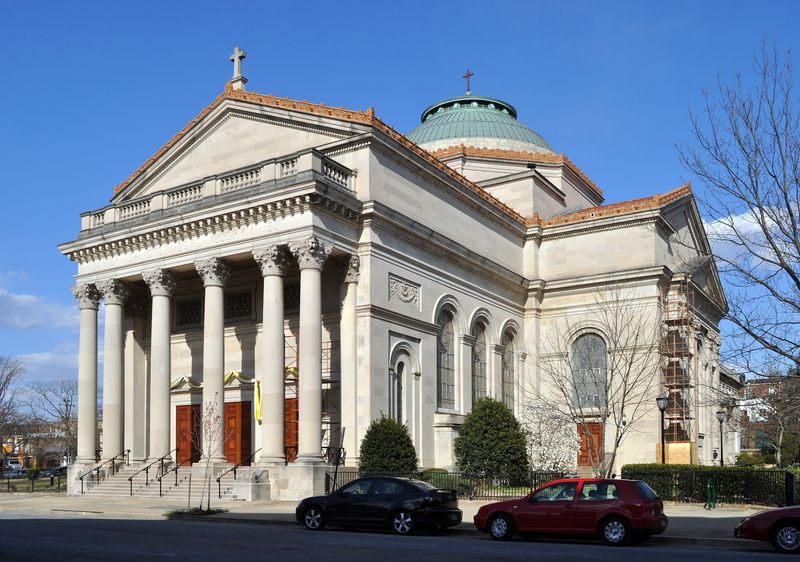
Getting there is easier than spelling Johns correctly on the first try. The Johns Hopkins Hospital sits at 1800 Orleans Street, Baltimore, MD 21287.
The campus is in East Baltimore, a short drive from downtown and the Inner Harbor. Several large buildings connect across the medical campus.
The Sheikh Zayed Tower and The Charlotte R. Bloomberg Children’s Center opened together in 2012.
They added modern patient rooms and updated care spaces.
The historic dome building still stands nearby. It’s one of the most recognizable sights connected to American medicine.
For visitors, planning ahead helps a lot. Check parking garage options and building entrances before arriving.
Baltimore’s Metro SubwayLink also has a Johns Hopkins Hospital stop. That can save stress if you’d rather skip city traffic.
Give yourself extra time on your first trip. Big medical campuses can feel like small towns, with many hallways and elevators.
Staff at information desks can point you the right way. Asking early beats wandering in circles while your appointment time ticks closer.
One Health System Reaches Far Beyond A Single Campus
Baltimore’s healthcare strength doesn’t stop at one address. Johns Hopkins Medicine is an integrated health system with several hospitals and many outpatient centers.
Johns Hopkins Bayview Medical Center serves southeast Baltimore. Other system hospitals include Howard County Medical Center and Suburban Hospital in Bethesda.
The system also includes Sibley Memorial Hospital in Washington, D.C. and All Children’s Hospital in Florida.
For Maryland residents, that wide reach means more convenient access. Routine care, testing, and specialist visits can often happen closer to home.
Patients can also use the MyChart patient portal. It helps people view test results, message care teams, and manage appointments online.
Telemedicine visits add another option. Follow-up appointments sometimes happen from a kitchen table instead of a waiting room.
That flexibility helps busy families. Fewer trips can mean less missed school and work.
A smart move is asking your doctor which location fits your needs best. The right campus can make care smoother without lowering quality.
It’s like having one big team spread across the region, all sharing the same high standards.
After Appointments, Charm City Has Plenty To Explore

Healthcare brings many people to Baltimore, but the city gives them reasons to smile, too. Its nickname, Charm City, fits better than you’d expect.
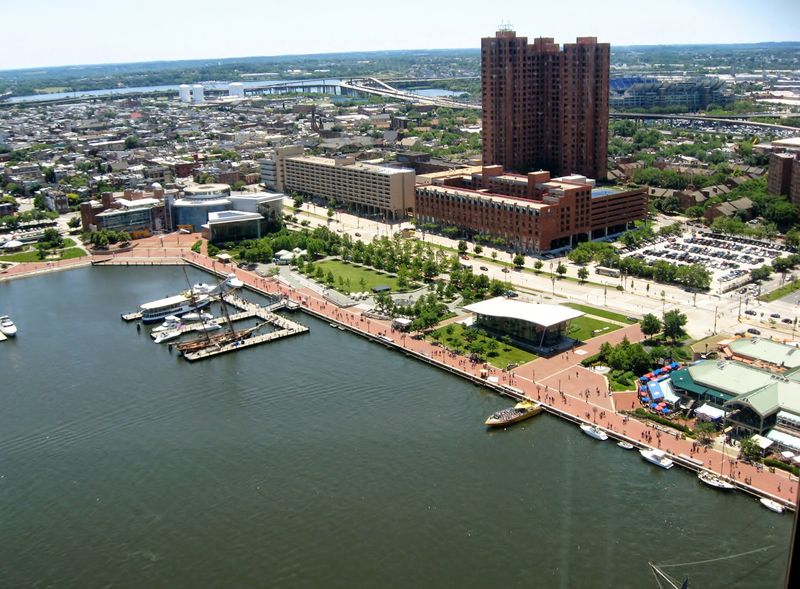
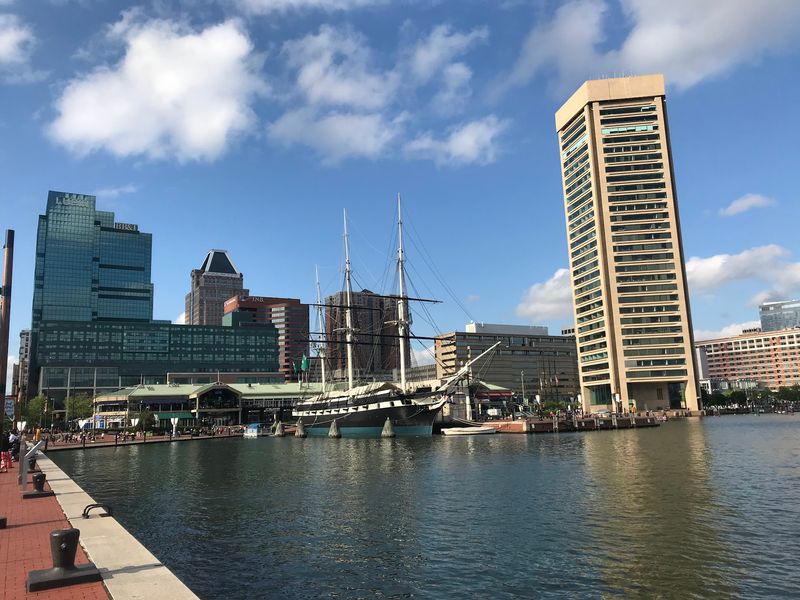
The Inner Harbor is a popular stop. The National Aquarium there showcases thousands of marine animals, from sharks to colorful tropical fish.
History fans can tour the USS Constellation, a Civil War-era sailing ship. It’s docked right at the harbor.
Fort McHenry sits at the harbor’s mouth. Its defense in 1814 inspired Francis Scott Key to write The Star-Spangled Banner.
Families visiting the hospital for longer stays may need breaks. A short harbor walk can offer fresh air and a change of scenery.
Food is part of the fun, too. Maryland blue crabs and crab cakes are local favorites worth trying.
Fells Point, near the waterfront, has cobblestone streets and lots of small shops. It’s close to the hospital campus and easy to reach.
Baltimore proves a medical destination can also be a great city. World-class care, rich history, and a crab cake or two make quite a combination.