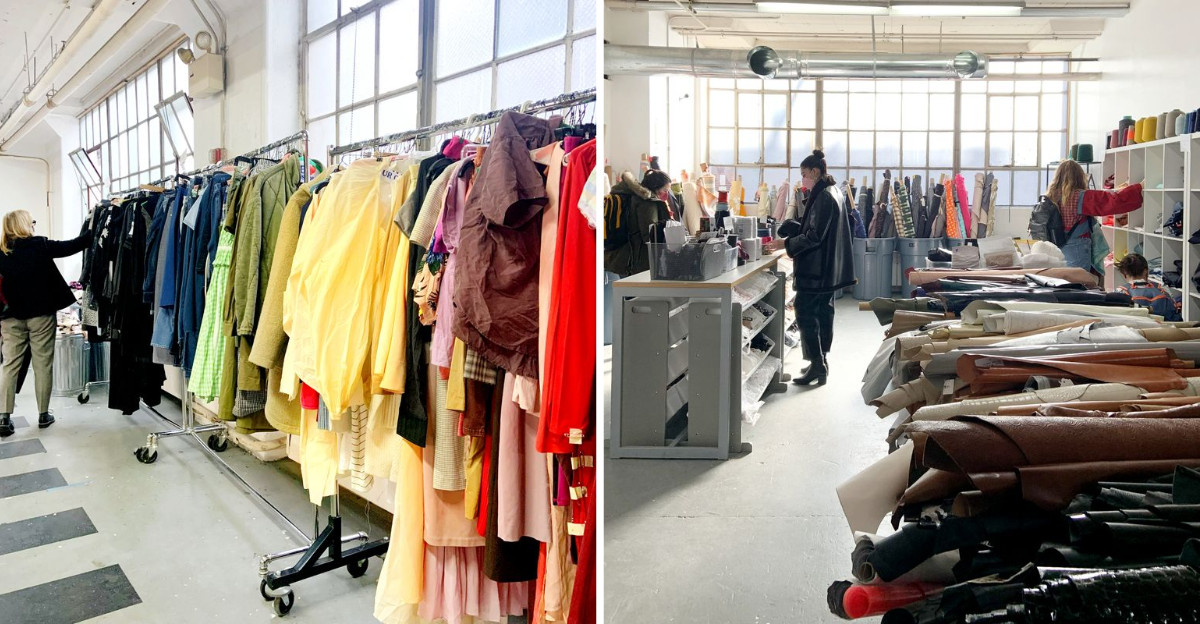
Thousands of pounds of rescued designer textiles arrive here each week, although the amount varies. These leftover materials come from fashion and interior design brands, with most being redirected toward reuse or recycling.
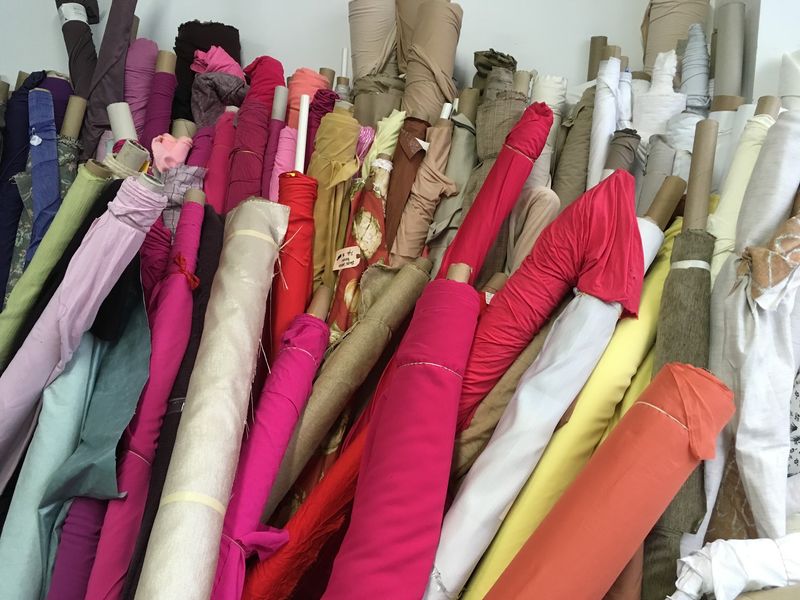
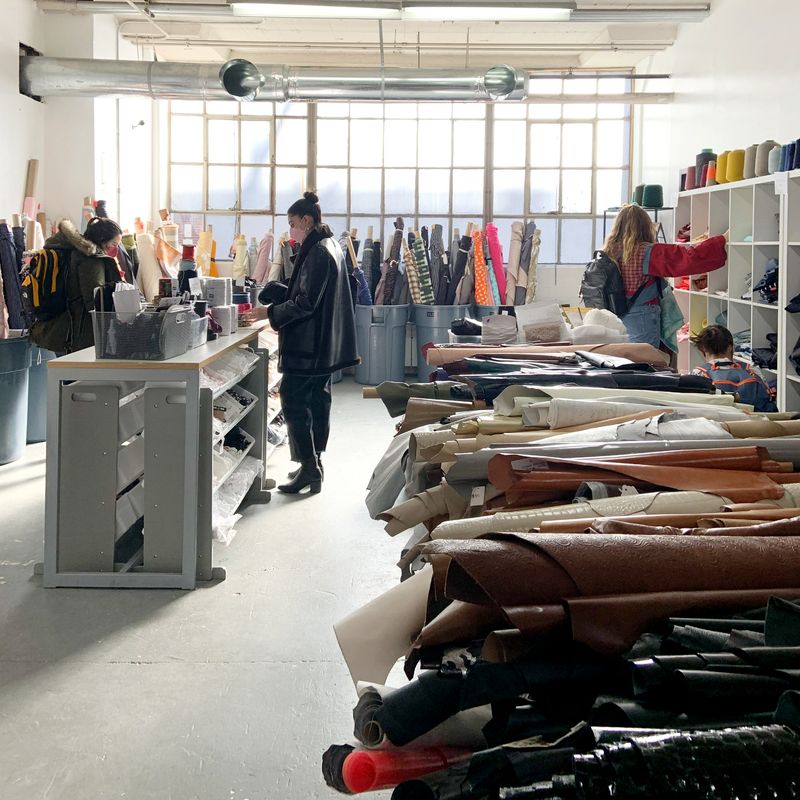
The shelves hold yardage, leather hides, trims, scrap packs, and cones of yarn. Everything sells at thrift-store pricing, which feels almost unfair to the rest of your local craft budget.
Volunteers sort the incoming textiles and can head home with free fabric as a thank-you. That’s a trade any New York crafter should know about.
The tricky part is finding the door. The shop sits on the fifth floor of a huge historic building, and getting there takes a little planning. So how do you reach the treasure?
Thousands Of Pounds Of Designer Leftovers Need A New Home
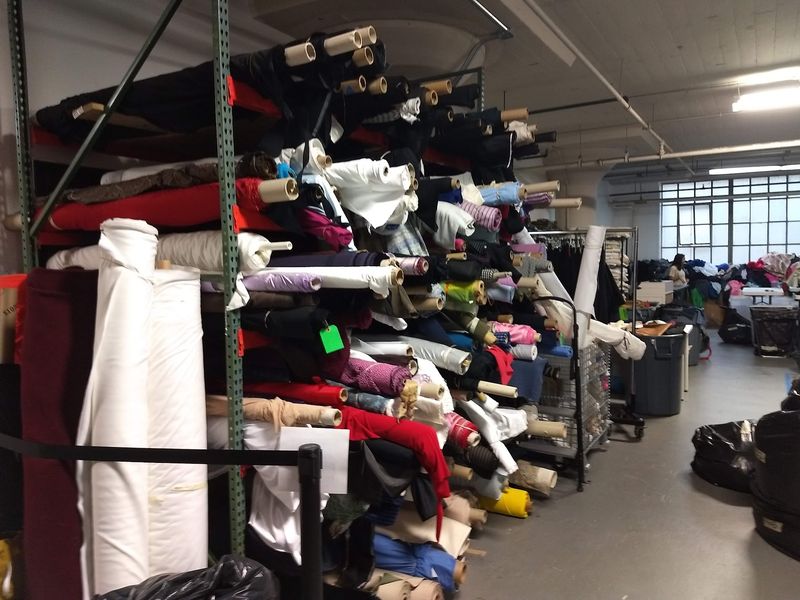
Fashion brands create a lot of leftover material, and most of it never reaches a shopper. FABSCRAP Brooklyn Warehouse exists to catch that fabric before it gets tossed.
The nonprofit launched in 2016, founded by Jessica Schreiber to tackle commercial textile waste in New York City. Camille Tagle joined as co-founder in 2017 and now leads the team.
Their idea is simple and pretty brilliant. Businesses send their unused textiles here, and the team sorts what can be reused from what can’t.
Reusable pieces land in the shop for makers like you. Material too damaged or small to sell gets shredded into something called shoddy, which becomes industrial insulation.
Nothing about that process feels wasteful. Most collected textiles are reused or recycled, although a small percentage still goes to landfills.
The scale is what really grabs me. FABSCRAP has collected textile waste from more than 900 brands since its founding and currently serves around 400 regular clients.
That means the selection keeps changing as new deliveries arrive. One visit might turn up a bold print, while the next brings soft wool or shiny trim.
For anyone who sews, quilts, or crafts, that kind of steady surprise is hard to resist. Your stash may need a bigger closet.
Your Craft Budget Will Stretch Further Than Expected
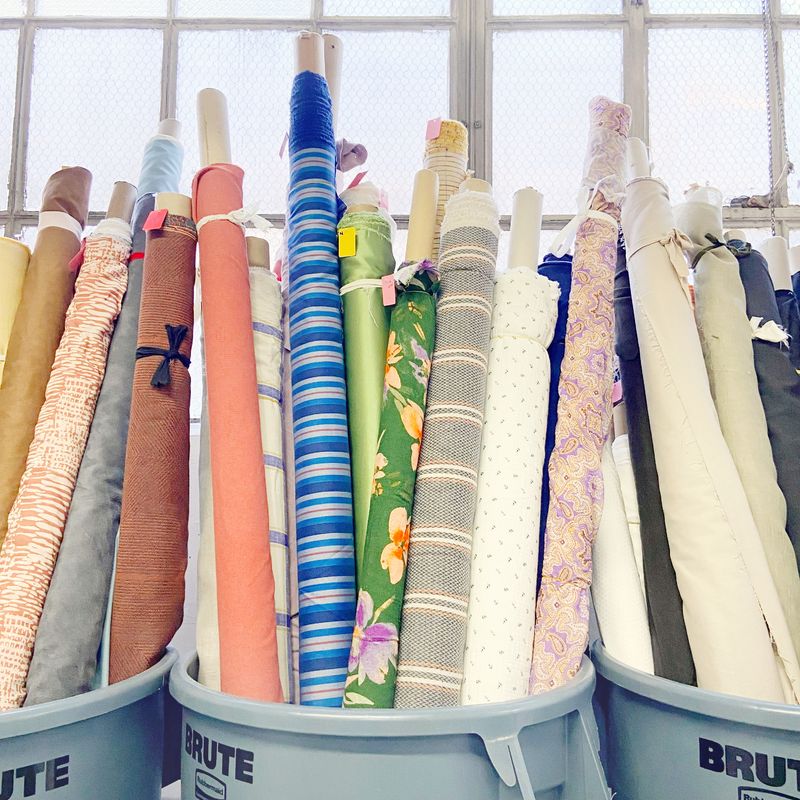
Thrift-store pricing on designer fabric sounds like a typo. Here, it’s the whole point.
The shop sells rescued materials at deeply discounted prices compared to regular retail. Scraps and small cuttings are sold by the pound, while bigger items carry their own tags.
That setup works nicely for different kinds of projects. A quilter can grab a pile of colorful pieces, while a dressmaker hunts for a full length of yardage.
Prices on items like leather hides, yarn cones, and trims are marked one by one. So you can see exactly what you’re spending before you reach the register.
I’d probably set a loose budget before going in. Not a strict one, just a friendly reminder for later.
The shop also runs special promotions from time to time. Watching their announcements can help you catch a deal on a certain material.
Savings are nice, but there’s another bonus here too. Every purchase keeps perfectly good fabric in circulation instead of the trash.
Bargain hunting with a clear conscience? That’s a rare combo, and it makes the shopping bag feel a little lighter on the wallet and the mind.
Leather, Yarn, And Trims Turn Up Alongside The Fabric
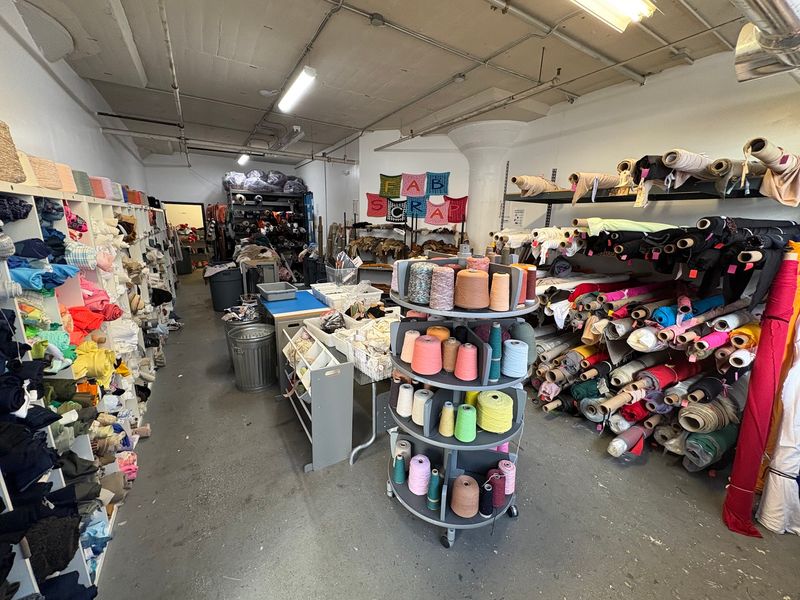
Fabric is the star, but the supporting cast deserves applause. Leather hides, cones of yarn, and assorted trims all share the spotlight.
Leather can be pricey at regular stores, so finding full hides here opens up fun options. Think wallets, bag straps, patches, or small accessories.
Knitters and crocheters get their own reason to visit. Cones of yarn come from the same brand leftovers that fill the fabric bins.
Then there are the trims, which might be the most irresistible section. Little extras like zippers and elastic can turn a basic project into a finished one.
Scrap packs offer another easy entry point. They’re handy for patchwork, small repairs, or testing a new technique without cutting into pricey yardage.
A smart approach is to bring a project list with measurements. That way you know which piece will actually work.
Of course, lists have a funny habit of growing once you start browsing. A single zipper search can become a whole new bag plan.
Variety like this makes the trip worthwhile for almost any maker. Sewers, knitters, and upcyclers can all leave with something useful.
Three Hours Of Sorting Can Earn You Free Fabric
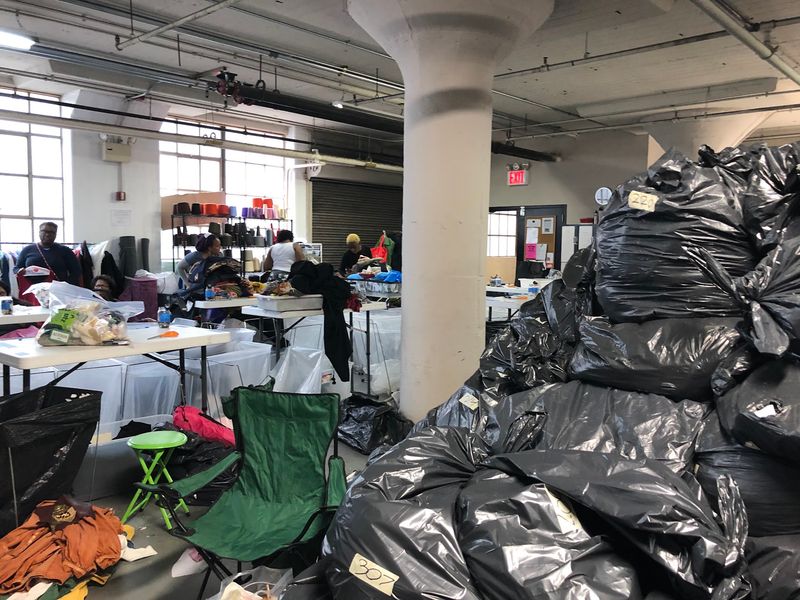
Here’s a deal that feels too good to skip. Volunteer for one three-hour sorting session, and you can take home up to five pounds of free fabric.
Volunteers are a huge part of how FABSCRAP Brooklyn Warehouse runs. They help sort thousands of pounds of incoming textiles every week.
Sessions happen Tuesday through Saturday. You can pick a morning slot from 9 AM to noon or an afternoon slot from 1 PM to 4 PM.
The work involves sorting materials so they can be reused or recycled. It’s a hands-on way to learn about different fabrics while helping a good cause.
Families can join in too, provided children are at least 12 years old and minors are accompanied by an adult. During select Family Volunteer Day events, each participant can receive six pounds of free fabric.
That turns a weekend activity into a craft supply run for the whole crew. Kids get to see where clothes come from, and everyone leaves with goodies.
I like that the reward matches the effort so well. You give your time, and the fabric gets a fresh start in your hands.
Sign up ahead through the official volunteer listings. Slots can fill, so planning early is wise.
The Building Alone Deserves A Second Look
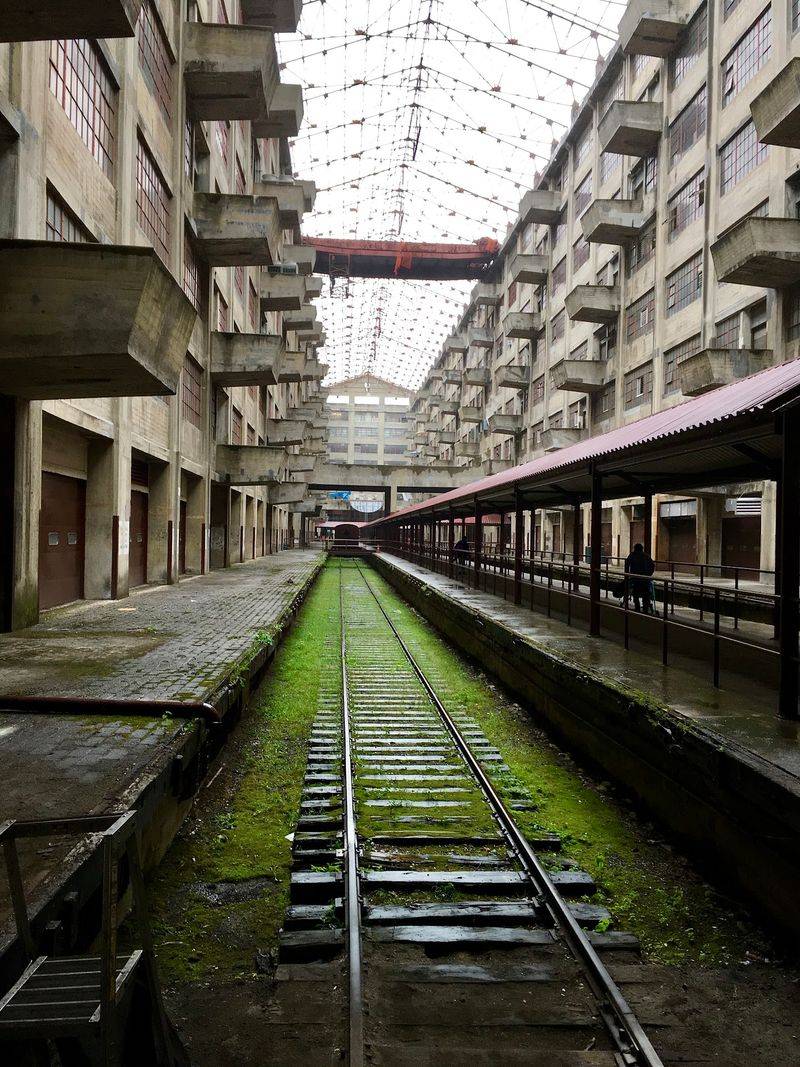
Former supply terminals don’t usually come to mind when you think about craft shopping. Yet that’s exactly where this fabric haven lives.
The shop sits inside the historic Brooklyn Army Terminal in the Sunset Park neighborhood. The massive complex is often praised as a gorgeous piece of architecture.
Today the terminal houses many businesses and makers. Having a textile nonprofit inside such a landmark gives the trip extra character.
The full address is Brooklyn Army Terminal, 140 58th Street, Building B Unit 5H-3, Brooklyn, NY 11220. Write it down, because you’ll be glad you did.
Sunset Park sits along the waterfront in southwest Brooklyn. It’s a working neighborhood with plenty of industrial history.
Shopping for fabric in a place with this much backstory feels oddly fitting. Old materials get new life inside an old building that also found a new purpose.
Give yourself a few extra minutes to take in the setting. The scale of the terminal is impressive all by itself.
Then head upstairs, because the fabric is waiting. The architecture is lovely, but it won’t fill your project bin.
Skip The Guesswork And Follow The Official Directions
Finding the shop takes a bit of strategy. The warehouse is on the fifth floor of Building B, in Unit 5H-3.
Elevators take you up, but the terminal is huge. FABSCRAP shares detailed step-by-step directions with photos on its official site.
Use those directions instead of relying only on a map app. The building’s layout can be confusing for first-timers.
The terminal doesn’t allow tenants to post signs in public spaces. That’s why the written guide matters so much here.
Getting to the terminal is easier than finding the unit. The N or R subway stops at 59th Street nearby.
Bus riders can take the B9, B11, or B37. The NYC Ferry also serves the terminal on its combined Rockaway-Soundview route.
Cyclists have bike lanes leading to the area and free bike parking on site. Drivers will find limited parking on Pier 4.
A little prep saves a lot of wandering. Pull up the directions before you leave home, and you’ll reach the fabric with energy to spare.
Timing Your Trip Makes The Hunt More Fun
Mondays and Sundays are off the table. The warehouse keeps its doors closed on both days.
Hours generally run from 9 AM to 5 PM on its open days. Since schedules can shift, checking the current hours before you go is a good habit.
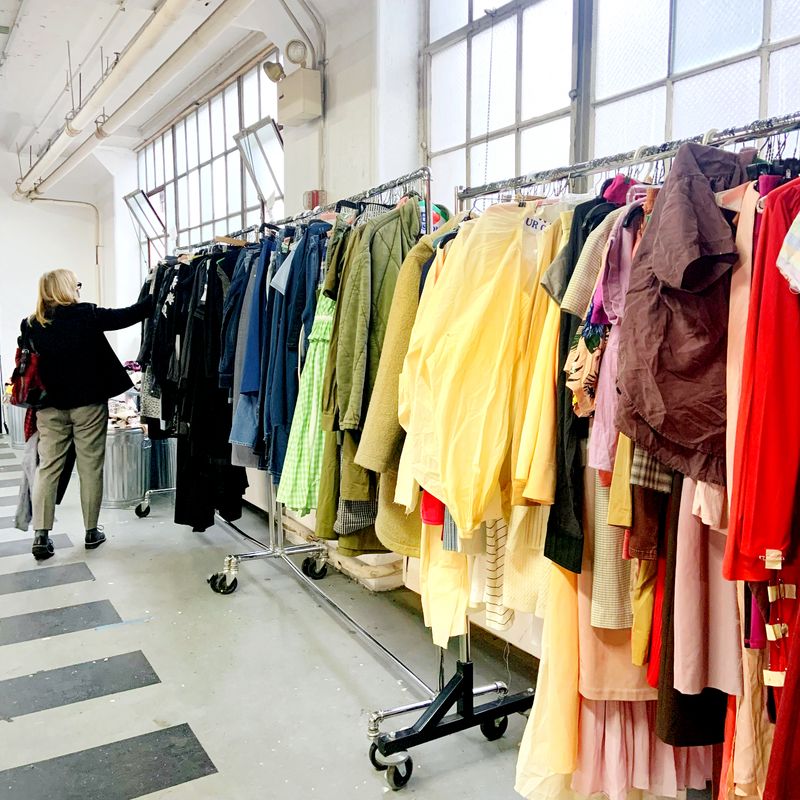
In-person shopping is considered the best way to hunt for materials. You can touch the fabric, check the colors, and compare pieces side by side.
Online shopping is available too. That works if you can’t make the trip to New York or want to browse from home.
Bigger projects get extra help. Virtual shopping appointments are offered for larger custom orders.
Designers and small brands might find that especially handy. It saves time when you need a lot of one type of material.
For a casual visit, give yourself room to browse. Digging through bins is half the fun, and rushing takes the joy out of it.
Bring a sturdy bag and your project notes. You’ll want both hands free when that perfect print appears.
Workshops And Tours Pull Back The Curtain
Curious where all those scraps actually go? Monthly warehouse tours offer a behind-the-scenes look at how the textiles get processed.
Seeing the sorting system up close helps everything click. You learn why some fabrics get reused and others get shredded.
Fiber content matters more than most people realize. Single-fiber fabrics such as cotton, polyester, and wool are generally easier to recycle than blends containing spandex or Lycra, although textile recycling remains challenging.
That little fact might change how you shop for clothes. It’s the kind of lesson that sticks long after the tour ends.
FABSCRAP also hosts workshops throughout the year. These give makers a chance to build skills and meet others who love fabric.
Themed sorting sessions add another twist. They turn volunteer time into a focused, social event.
I think these programs are what make the place feel like a community. It’s more than a shop with good prices.
Check the event calendar before planning a visit. Pairing a tour with a shopping trip makes for a full and fun Brooklyn day, especially for anyone new to sustainable sewing.
Every Yard You Buy Helps The Planet Breathe Easier
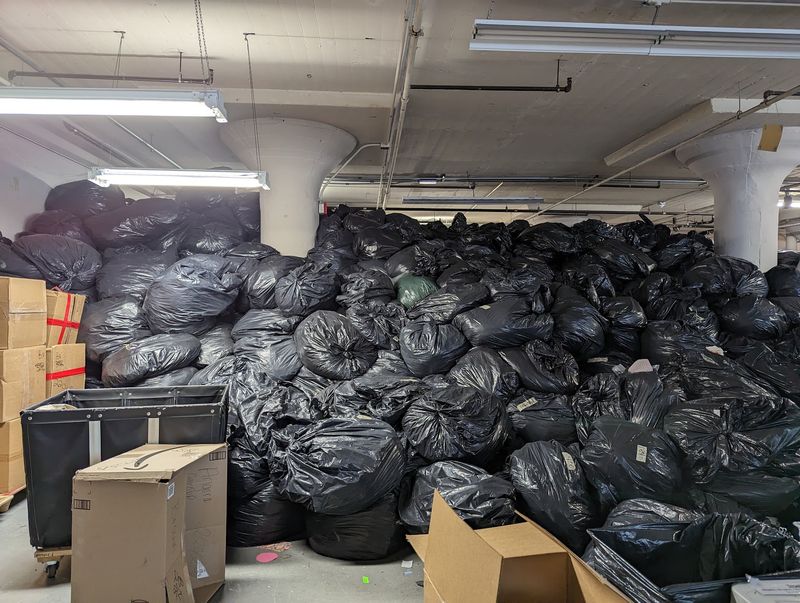
Ten pounds of reused fabric equals the carbon benefit of planting a tree. That’s the estimate FABSCRAP shares, and it’s a pretty motivating number.
The organization has diverted more than 2.2 million pounds of textiles from landfills. That’s a mountain of material given another chance.
Your shopping trip adds to that total in a small but real way. Each scrap pack or yarn cone stays out of the trash.
New York produces plenty of fashion waste, so a local solution matters. FABSCRAP Brooklyn Warehouse gives makers an easy way to be part of it.
Choosing reused fabric doesn’t mean settling for less. These are materials from real fashion and interior brands, just looking for a project.
So the next quilt, tote, or costume can carry a little extra pride. You made something beautiful from material that almost got tossed.
Honestly, that might be the best bargain of all. Low prices, fun finds, and a lighter footprint all come home in one bag.
Plan your route, grab a list, and head upstairs. Your next favorite fabric is probably sitting in a bin right now.