
This Local Amish Restaurant In Indiana Serves Prime Rib That Feels Next Level
Forget the Michelin-starred restaurants and the overpriced downtown steakhouses. The best prime rib in Indiana is being served by people who still travel by horse and buggy.
There are no reservations, no dress codes, and no sommelier suggesting the perfect wine pairing. Just honest, unhurried cooking rooted in tradition that has been passed down through generations.
And somehow, that is exactly what makes it so good. No shortcuts, no frozen ingredients, no chef trying to impress anyone.
Just a cut of meat prepared with the kind of patience that modern restaurants forgot existed. This is the kind of meal that stops you mid-bite.
The kind that makes you put your fork down just to appreciate what is happening on your plate. And the most surprising part?
You will find it in a small town that most people drive right past without a second thought.
Authentic Amish Cooking Techniques
Amish cooking is not about shortcuts. At this restaurant, every dish reflects a tradition that values patience, skill, and real ingredients over convenience.
The kitchen runs on methods that have been practiced for generations, and you can taste the difference the moment food hits the table.
Nothing here comes from a can or a freezer bag. Soups are simmered low and slow.
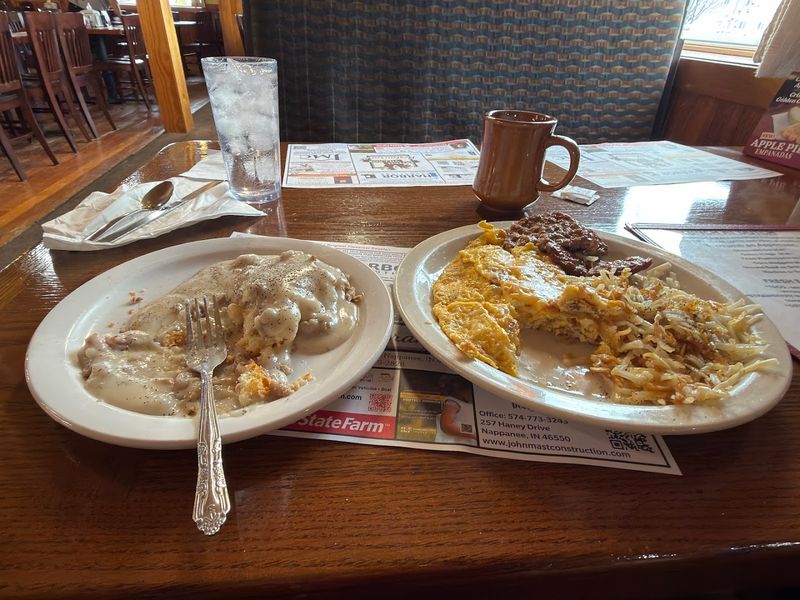
Bread is mixed, kneaded, and baked fresh each morning. The biscuits arrive golden and warm, and the gravy is thick enough to make you forget every jarred version you have ever tried.
Cast iron cookware, proper resting times, and careful seasoning are the backbone of this kitchen. There is no fancy equipment doing the heavy lifting.
It is just trained hands and time-tested know-how. Dutch Village Restaurant sits at 700 N Tomahawk Trail, Nappanee, IN 46550.
It is the kind of place that reminds you why homestyle cooking became a thing worth celebrating in the first place. You leave fully in a way that feels honest.
Prime Rib Preparation And Seasoning Styles
Slow-roasted beef is where Dutch Village Restaurant earns serious bragging rights.
The beef dishes here, including their celebrated roast beef and hearty steaks, are seasoned with a straightforward confidence that only comes from knowing what works. No trendy rubs or fusion marinades.
Just honest seasoning done right.
The roast beef is cooked until it practically falls apart on the fork. It absorbs its own juices during the long roasting process, which creates that deep, savory flavor you keep thinking about on the drive home.
Paired with homemade gravy, it becomes hard to explain without sounding dramatic.
The seasoning philosophy here is simple: let the quality of the meat speak. Salt, pepper, and a few carefully chosen herbs do the work.
No overcrowding the flavor profile with ingredients that compete. The result is beef that tastes clean, rich, and deeply satisfying.
Every plate that comes out of that kitchen carries the same level of care. It is the kind of preparation that makes you realize how often restaurants overcomplicate things that were already perfect to begin with.
Locally Sourced Ingredients And Their Impact
Fresh ingredients change everything about a meal, and Dutch Village Restaurant takes that seriously. Nappanee sits in the heart of Indiana farmland, which means access to quality produce, dairy, and meat that big-city restaurants would envy.
That proximity to the source shows up clearly on every plate.
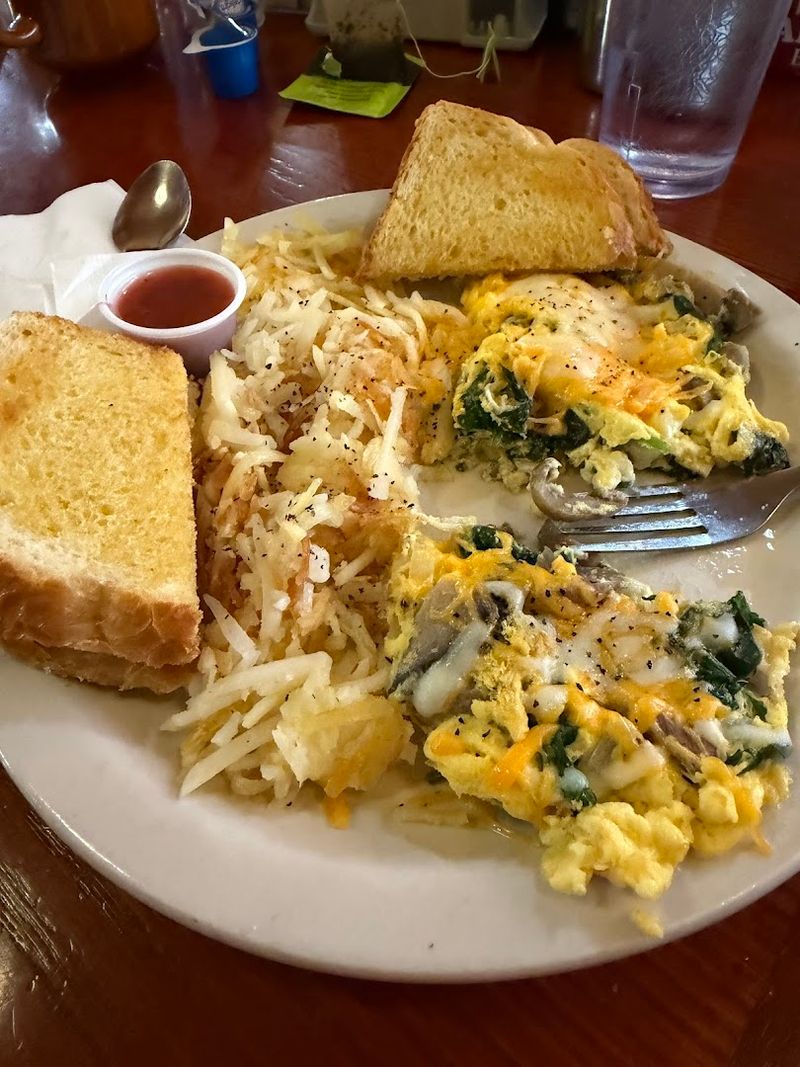
When eggs are farm-fresh, omelets taste completely different. When corn is picked at the right time and cooked the same day, it does not need butter to taste incredible.
But they add the butter anyway, and that is just good decision-making. The mashed potatoes here are made from real potatoes, not a powder packet, and the difference is unmistakable.
Using local ingredients also means the menu shifts naturally with the seasons. What is available and at its peak is what shows up in the kitchen.
That keeps the food honest and the flavors sharp. There is something deeply satisfying about eating a meal where you can almost trace each ingredient back to a nearby farm.
It connects the food to the land around it, and in a place like Nappanee, that connection feels entirely natural and worth celebrating every single visit.
Unique Side Dishes Complementing Prime Rib
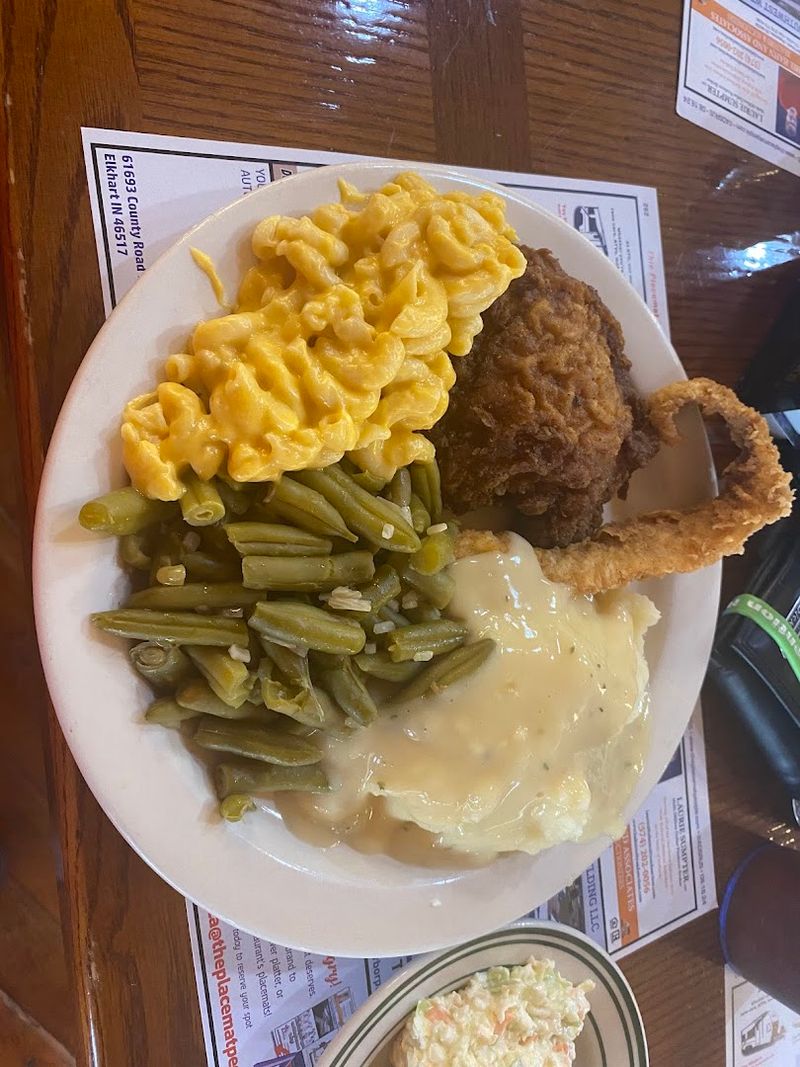
The sides at Dutch Village Restaurant are not an afterthought. They are half the reason people keep coming back.
The mashed potatoes are creamy and rich, with a texture that proves someone spent real time on them. The gravy poured over the top is thick, savory, and made from scratch every single day.
Buttery corn shows up on the table and disappears fast. The homemade egg noodles are wide, soft, and coated in a slow-cooked beef gravy that could honestly be its own dish.
Green beans are cooked the old-fashioned way, which means they are tender and full of flavor rather than squeaky and underdone.
What makes these sides special is how well they work together with the beef. Each one complements the richness of the roast without competing with it.
The bread alone deserves its own paragraph. It comes out warm, with a slightly golden crust, and the apple butter served alongside it is the kind of thing you start planning your next visit around.
Sides like this are rare. At Dutch Village Restaurant, they are just a regular Tuesday, and that is genuinely impressive.
Family Recipes Passed Through Generations
Some recipes carry history with them, and the ones at Dutch Village Restaurant have been around long enough to prove their worth. These are not dishes invented to follow a trend.
They were written down, memorized, and passed along because they worked, and because the people who made them knew that good food is worth preserving.
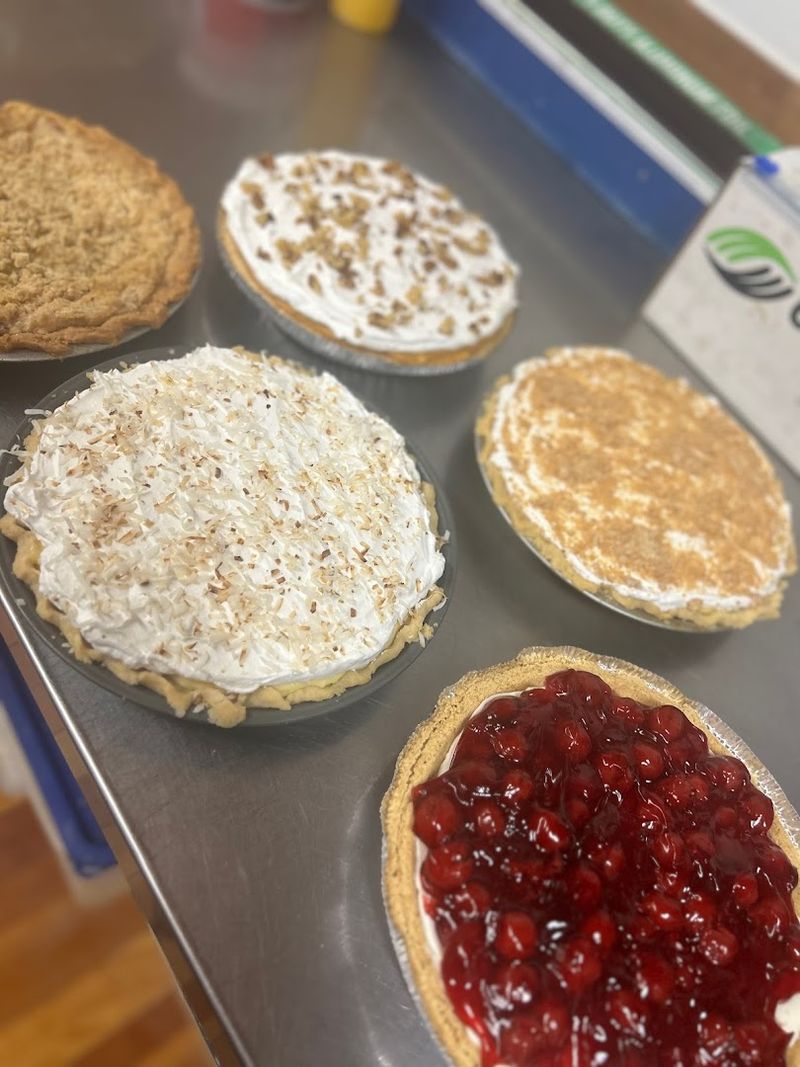
The pies are a perfect example. With over 20 varieties baked fresh, including the legendary sugar cream pie, every slice reflects a recipe that has been tested by time and perfected by repetition.
Marsha, the pie maker, has turned out enough of them to fill a cookbook several times over. That kind of dedication does not happen without a deep love for the craft.
Recipes passed through generations carry something extra that no culinary school can teach. They carry context, memory, and purpose.
When you eat the beef and noodles at Dutch Village, you are eating the same dish that has comforted families in this region for decades. That is not a small thing.
It is the entire point. Food that tells a story always tastes better, and this restaurant tells a very good one.
Dining Ambiance Reflecting Amish Heritage
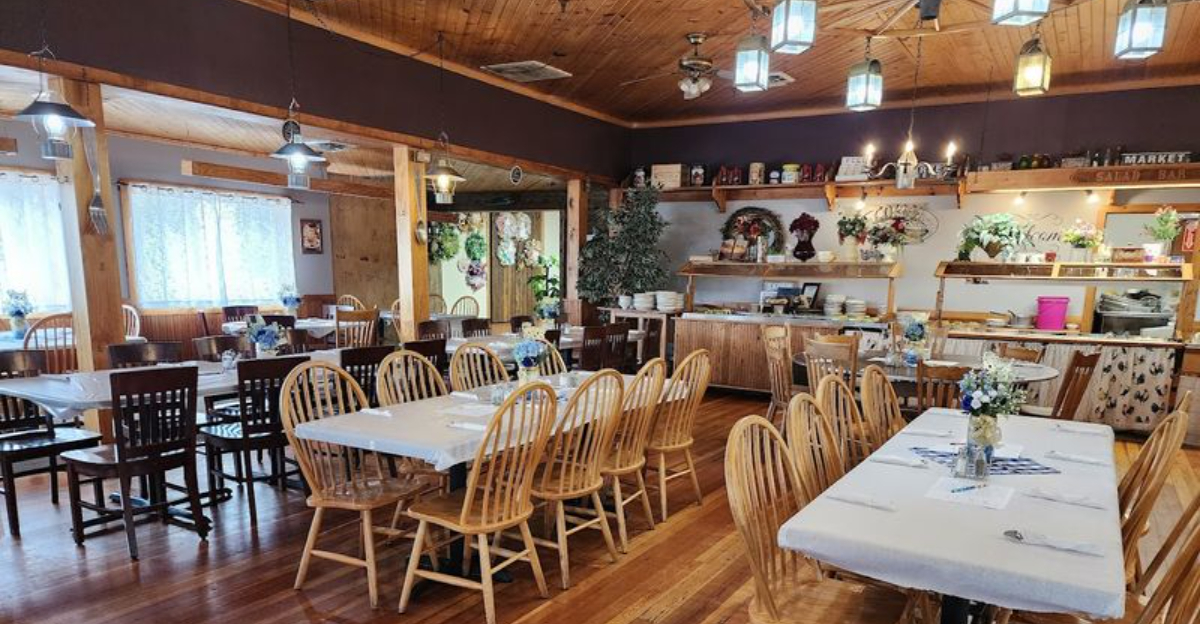
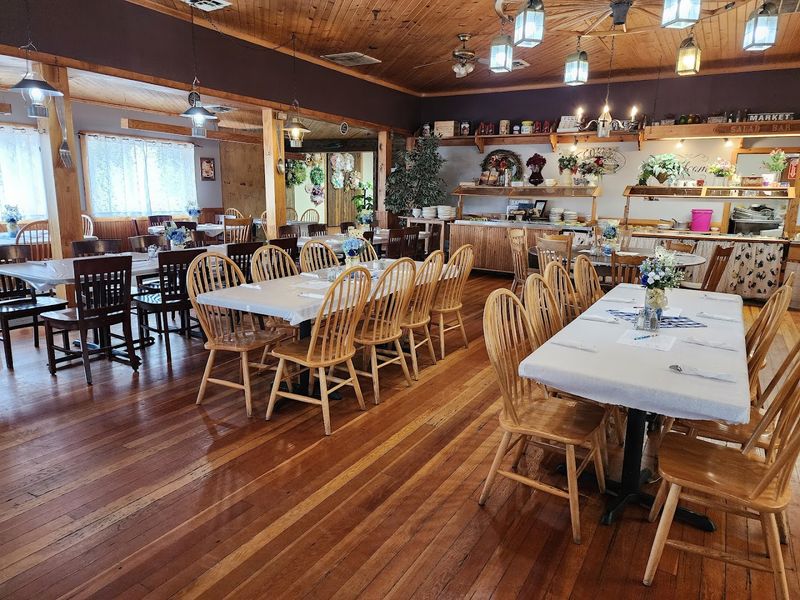
Entering the Dutch Village Restaurant feels like the decor made a deliberate decision to be the opposite of generic. Handcrafted oak furniture fills the dining room with a warmth that no IKEA flatpack could ever replicate.
Quilts hang on the walls, and they are the real kind, made with care and pattern and purpose.
The atmosphere is casual and comfortable. Nobody is going to judge your outfit or rush you through your meal.
The staff is genuinely friendly in a way that feels organic rather than scripted. When the restaurant is busy, and it often is, there is still a sense of calm that the space naturally produces.
Stained glass pieces are also part of the experience. Some are available for purchase, which means you can take a little piece of the aesthetic home with you.
The overall vibe is cozy and unhurried, which matches the cooking style perfectly. Fast food culture has nothing to offer here.
This is a place designed for sitting down, eating well, and actually talking to the people across the table. The Amish heritage shows not just in the food but in every design choice made throughout the room.
Reasons Why You Should Eat Homemade Meals
Homemade food has a real nutritional edge over processed alternatives, and the meals at Dutch Village Restaurant reflect that clearly.
When ingredients are fresh, and preparations are made from scratch, you cut out the preservatives, excess sodium, and artificial additives that sneak into packaged foods. What you get instead is a meal your body actually recognizes.
The slow-cooked beef dishes here are protein-rich and deeply satisfying. Real mashed potatoes provide potassium and fiber that instant versions simply cannot match.
Homemade bread made without commercial preservatives digests more naturally. The fresh corn and green beans bring vitamins to the plate without losing them to overcooking or long storage.
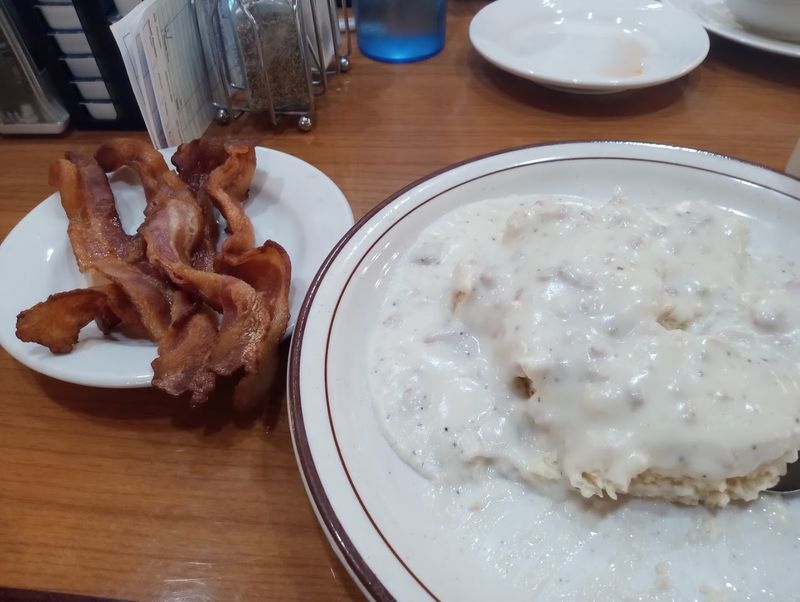
Eating a full homemade breakfast, like the biscuits and gravy or a loaded omelet with hashbrowns, gives you the kind of sustained energy that keeps you going through the morning without crashing by ten. That matters.
There is also something to be said for the mental benefit of eating food that was made with attention and care. Meals prepared by people who genuinely want you to enjoy them and land differently.
Dutch Village Restaurant is proof that eating well does not have to mean eating complicated or expensive.
Cultural Significance Of Food In Amish Communities
Food in Amish culture is never just fuel. It is a central act of community, hospitality, and identity.
Sharing a meal is how relationships are built and maintained. When someone comes to your table, feeding them well is a form of respect.
Dutch Village Restaurant carries that philosophy into every service it runs.
The family-style dining option here is not just a format. It reflects the Amish tradition of communal eating, where platters are passed, and everyone shares from the same abundance.
That practice builds a different kind of table culture than individual plating. It makes strangers feel less like strangers and turns a regular lunch into something that feels more like a gathering.
The emphasis on homemade food also ties directly to Amish values around self-sufficiency and craftsmanship. Making bread from scratch, baking pies daily, and cooking soups from whole ingredients are acts of intention.
They reflect a community that believes the effort you put into something determines its worth. Eating at Dutch Village Restaurant gives you a window into that value system.
And honestly, after a meal like that, it is hard not to walk away with a little more appreciation for the slower, more deliberate way of doing things.