
A Monk Built The World’s Famous Landmarks In Miniature In This Alabama Garden Using Marbles, Seashells, And Cold Cream Jars
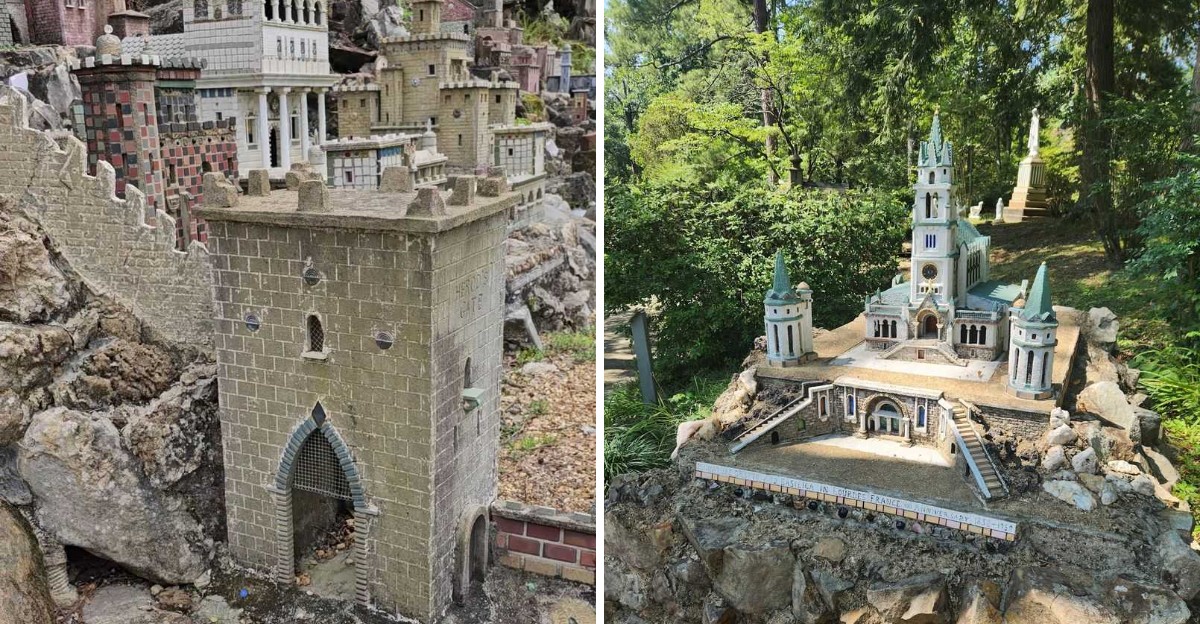
Marbles glow like jewels, seashells crown tiny rooftops, and old cold cream jars hold up the world’s famous landmarks. A humble monk built all of it by hand, one scrap at a time.
Picture a shady garden trail where cathedrals stand at knee height and holy cities fit inside a single glance. Sunlight bounces off broken tile and glass until the whole hillside sparkles.
Here is the twist that gets you. He saw few of these wonders in real life, yet rebuilt them from photos and pure imagination.
How does a coal shoveler become a legend of Alabama folk art? The answer hides along that winding path, waiting for curious eyes and comfortable shoes.
Your next road trip through Alabama might just need a slow, sparkly detour.
The Coal Shoveler Who Became An Artist
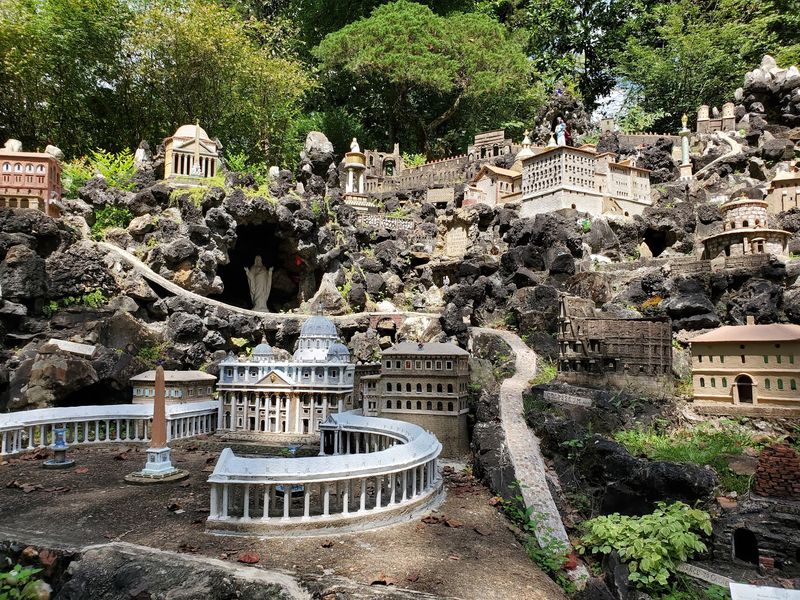
Who knew a furnace room could spark an art legend? The story of Ave Maria Grotto begins with a young monk from Bavaria.
He came to St. Bernard Abbey in Alabama in the 1890s. He hoped to become a priest, but a childhood back injury changed that plan.
Instead, the abbey gave him a hard and lonely job. He kept the furnaces going in the power plant, shoveling coal for long hours.
Spare moments were rare, yet he used them well. He started making small religious statues and figures for the monastery gardens.
Those little projects slowly grew bigger. Before long, he was building tiny churches, shrines, and towers.
Here is the wild part. He saw only a handful of the real buildings in person.
Most of his models came from photos, books, and written descriptions. He filled in the gaps with patience and imagination.
Visitors who know this backstory see the garden in a new light. Every tiny arch reflects hours stolen from a tiring workday.
The lesson feels simple and strong. Big dreams can grow from small, steady effort, one handful of cement at a time.
Treasure Hidden In Everyday Junk
Cold cream jars as building supplies? Sure, why not.
The monk behind Ave Maria Grotto rarely bought fancy materials. He used cement, stone, and broken bricks as his base.
Then came the fun part. Bits of glass and ceramic tile became shining windows and bright walls.
Seashells added texture to rooftops and arches. Marbles turned into sparkling domes and decorations.
Costume jewelry, plastic animals, and even toilet bowl floats found new jobs here. Old cold cream jars joined the mix too.
Many of these items came as donations. People sent bits and pieces, and he found clever uses for nearly everything.
Up close, the details are a treasure hunt. Kids love spotting a marble here or a shell there.
Adults often start guessing what each sparkly bit used to be. It turns the walk into a playful game.
Bring patience and maybe reading glasses. The smallest pieces hide in corners and along rooftops.
The big takeaway is easy to carry home. Trash only looks like trash until someone with vision picks it up and sees a cathedral.
A Trip Around The Globe In One Afternoon
Passport? Not required.
Comfortable shoes? Absolutely.
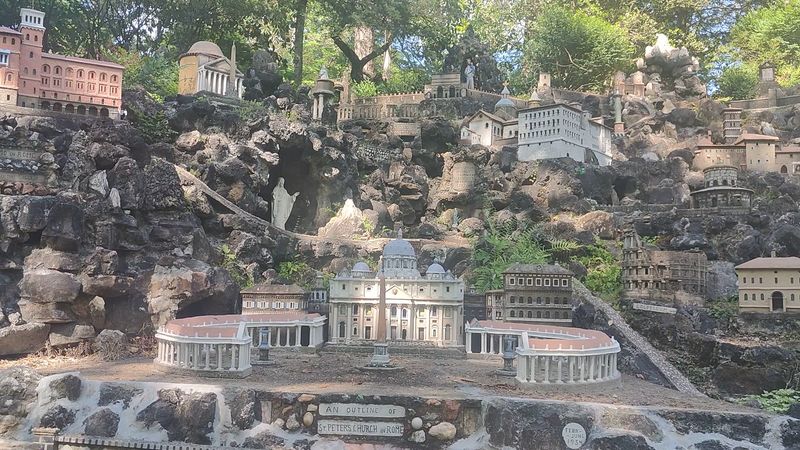
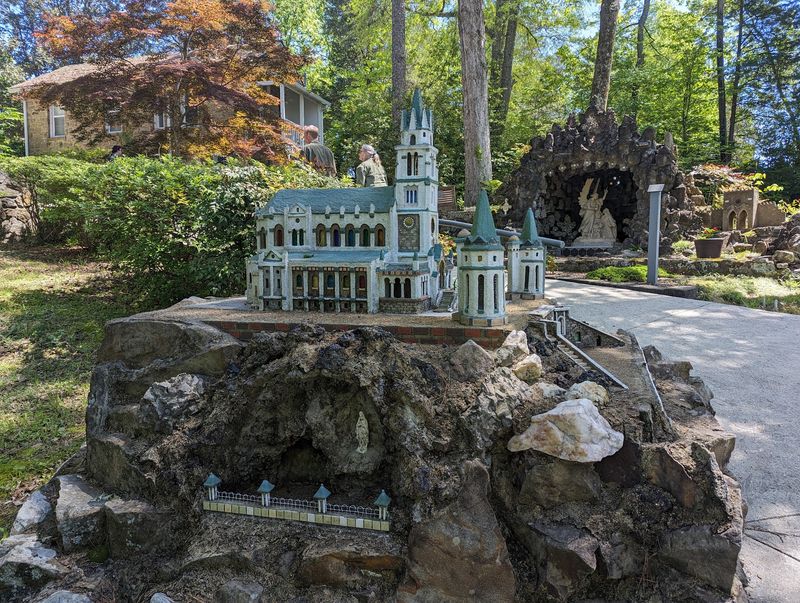
Ave Maria Grotto holds about 125 miniature buildings along its winding paths. Each one points to a different corner of the world.
Visitors spot famous churches from Europe and holy places from the Middle East. Other models honor missions, abbeys, and historic sites.
Some guests even find small pieces tied to Asia. That surprise often delights travelers who recognize places from home.
Each model sits on a base or near a sign with a short explanation. Reading them feels like flipping through a pocket travel guide.
The mix keeps things lively. One turn shows a grand basilica, and the next reveals a quirky tower.
Families can make a game of it. Try counting how many countries show up before reaching the end.
History buffs will enjoy matching each model to its real story. Students might even pick up a few geography facts without noticing.
It is a whole world shrunk down to knee height. And the best part is that nobody has to deal with jet lag.
Jerusalem Shrinks Down In The Holy Land Section
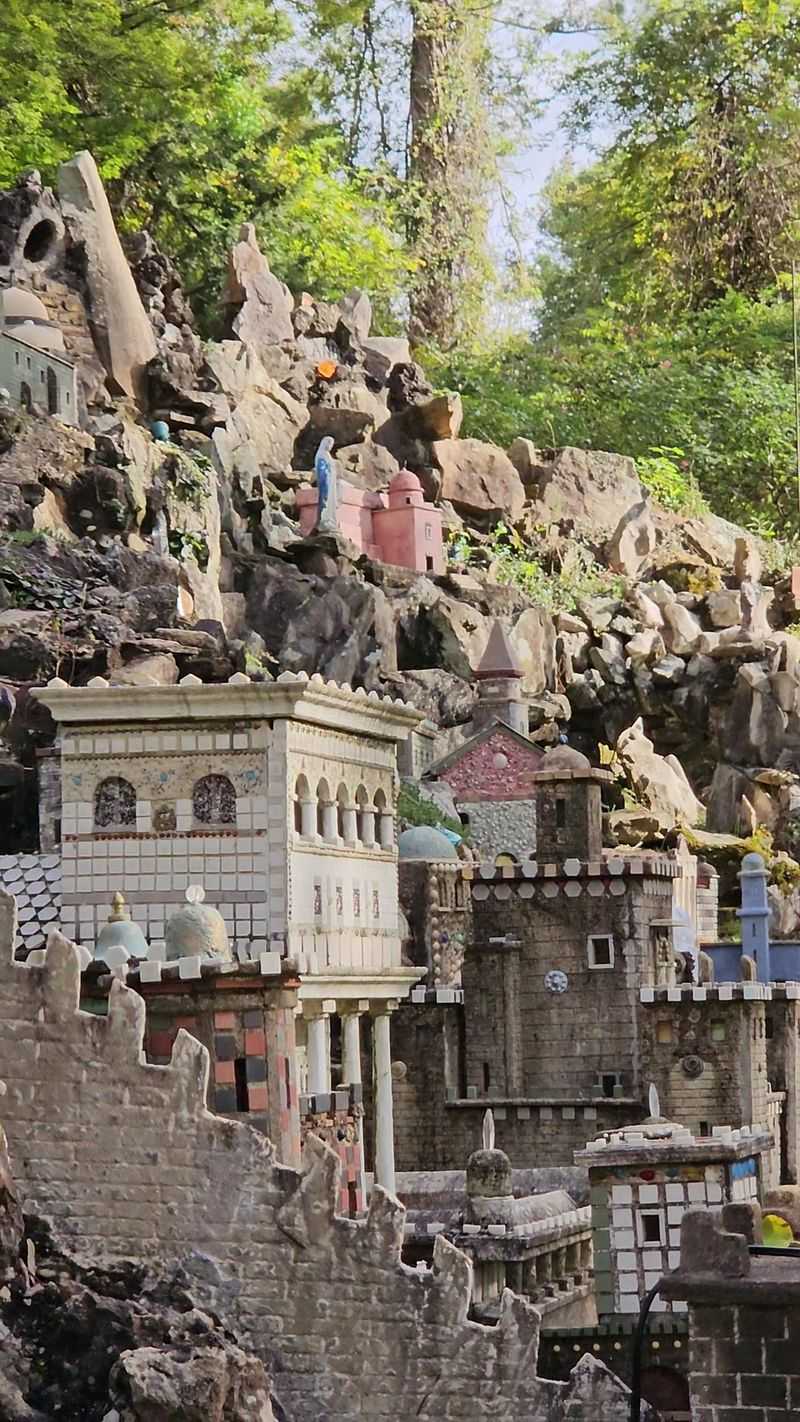
Ever wanted to see Jerusalem in about five minutes? Here is the chance.
Ave Maria Grotto earned the nickname Jerusalem in Miniature for a reason. A large part of the garden focuses on the Holy Land.
Tiny walls, domes, and gates rise from the hillside. Scenes connect to stories from the Bible and the life of Jesus.
Many visitors call this section their favorite spot on the trail. The cluster of buildings feels like a little city.
The monk’s strong faith guided his choices here. He wanted people to connect with sacred stories they might never see in person.
For many guests, that idea still works today. Some say it feels like a small pilgrimage close to home.
Take a slow pace in this area. The models pack in many small details that are easy to miss.
Look for tiny doorways, staircases, and rooftops. Each one shows careful planning and steady hands.
Even guests who are not religious often enjoy the artistry. History and craft come together in a way that feels calm, warm, and surprisingly personal.
The Grotto That Gave The Garden Its Name
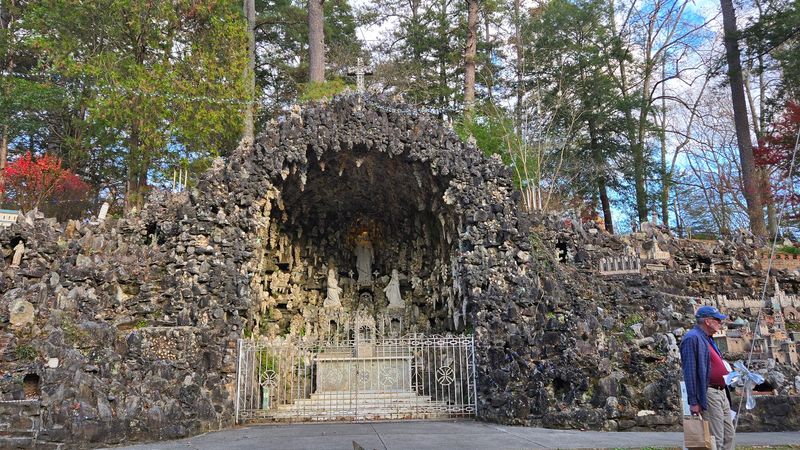
Every great show needs a headliner. At Ave Maria Grotto, the star is the grotto itself.
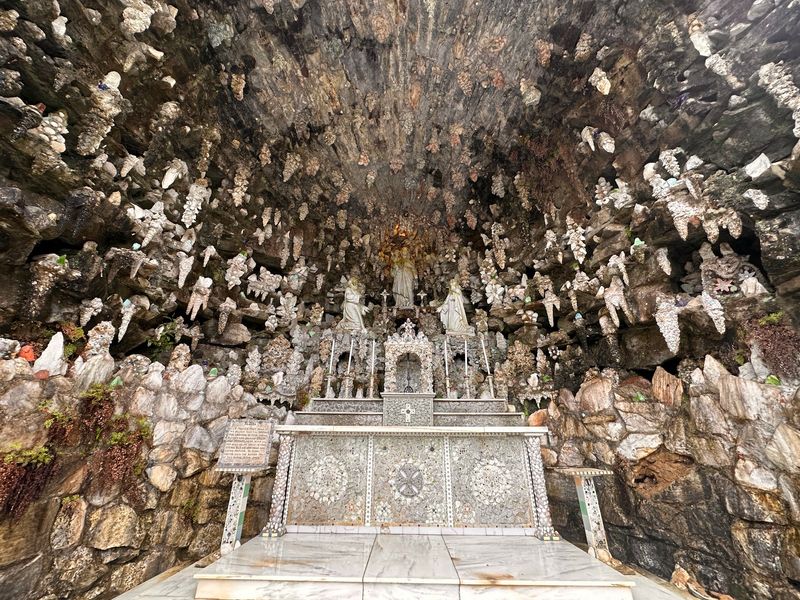
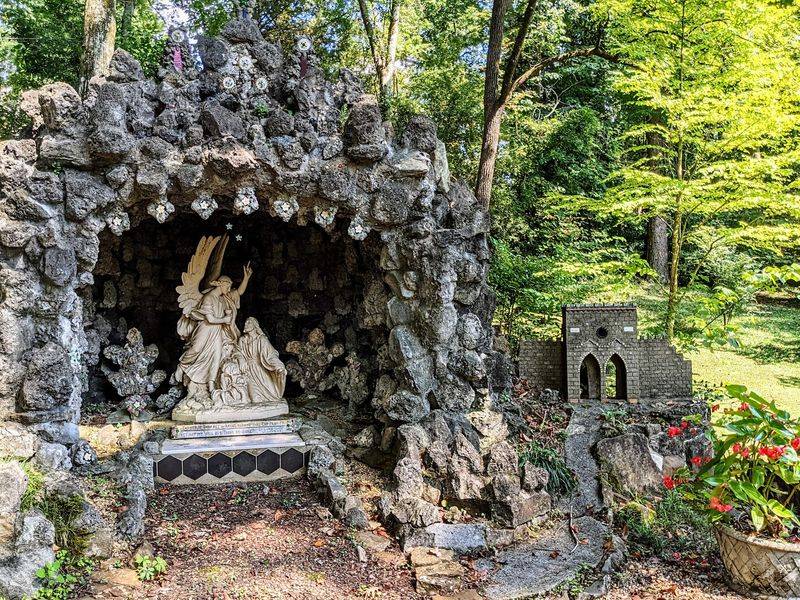
This large, cave-like structure honors the Virgin Mary. It stands as the centerpiece of the whole garden.
Rocks, shells, and colorful pieces cover the walls. Statues rest inside, framed by the craggy stonework.
The grotto reflects the monk’s deep love for Mary. Many people pause here for quiet thought or prayer.
Compared with the tiny buildings, this piece feels big and bold. It offers a nice change in scale along the walk.
Photographers often love this spot. The textures and shadows make for striking pictures.
Try visiting when the light is soft. Shade and sunlight shift across the stones and change the mood.
Be respectful of others nearby. Some visitors come for spiritual reasons and may want a calm moment.
A short stop here helps everything else make sense. The whole garden grew around this devotion, and this is its beating heart in stone and shell.
Castles, Missions, And A Very Famous Lean
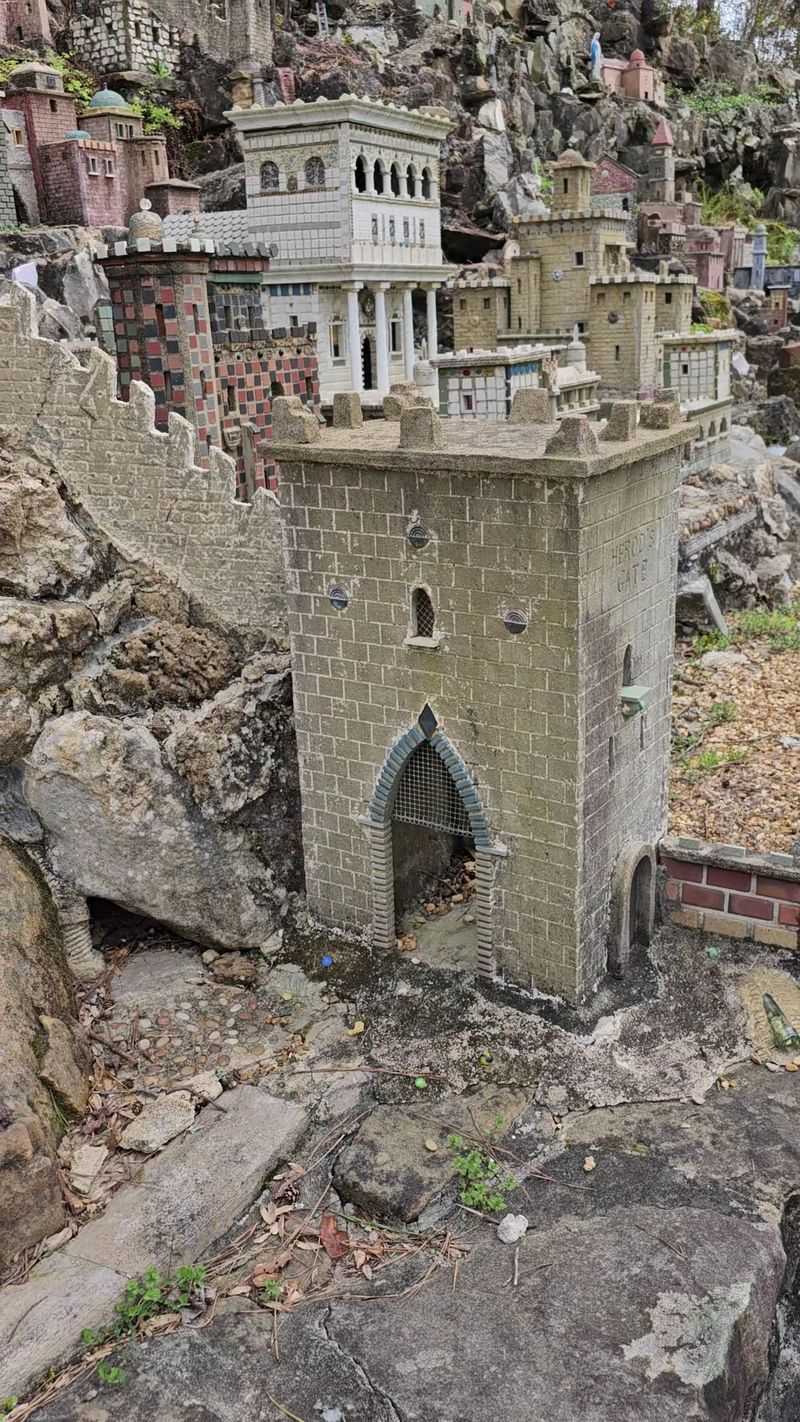
Faith fills much of the trail, but fun sneaks in too. Look closely and a famous tilt appears.
Ave Maria Grotto features a miniature Leaning Tower of Pisa. Yes, it leans, just like the real one.
Nearby, visitors can spot castle designs that recall European fairy tales. Spanish missions add a different style and history.
The collection also includes some ancient temples. These pieces show how wide the monk’s curiosity reached.
One of the most charming models shows the abbey power station. That is where he spent so many hours shoveling coal.
Including his own workplace feels sweet and a little funny. It is like signing his name without writing a single word.
Kids usually love the castles most. Towers and turrets spark plenty of make-believe.
These lighter pieces give the walk a nice rhythm. Moments of reflection mix with moments of pure surprise.
Keep an eye out for small quirks in each design. The variety proves this garden was built by someone who loved the whole world, not only one corner of it.
An Old Quarry With A Brand New Purpose
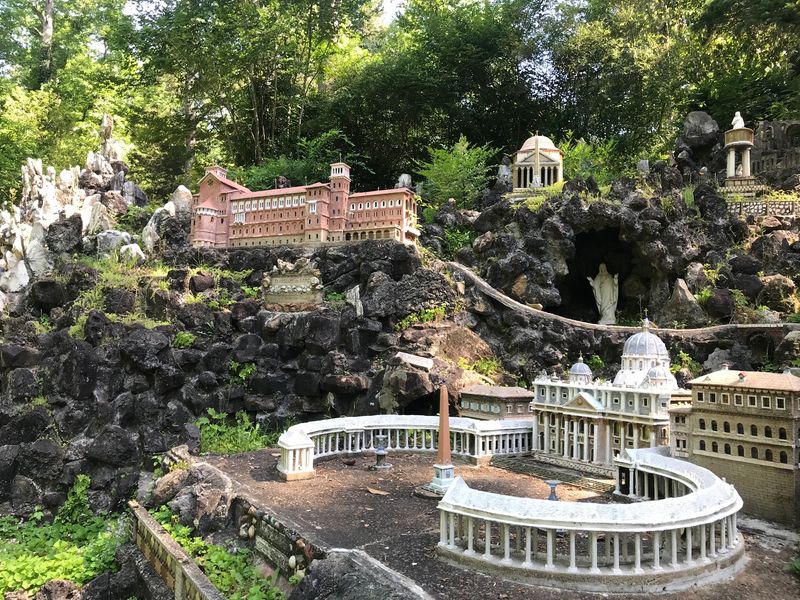
Rocks were once hauled out of this hillside. Now tiny cathedrals sit right where workers once dug.
Ave Maria Grotto rests in an old stone quarry on the abbey grounds. The rugged slopes became a landscaped garden covering about four acres.
Trees shade much of the paved walkway. Flowers and plants frame the models and soften the stone walls.
The miniatures nestle into the hillsides in clever spots. Some sit low, while others perch on ledges.
This layout makes the walk feel like a discovery. Each bend in the path reveals another little scene.
The trail heads down and then back up. Some steps and slopes are part of the route.
Visitors with limited mobility should plan ahead. Signs have noted that the path is not wheelchair accessible.
In warmer months, the shade really helps. Still, bringing water is a smart move.
Bug spray also earns a spot in the bag. Gnats and mosquitoes enjoy gardens too, after all, and they never pay admission.
Quiet Moments Along The Shady Trail
Hear that? Mostly leaves, birds, and soft footsteps.
Ave Maria Grotto has a calm mood that many guests mention right away. The pace slows down almost on its own.
Benches along the way invite short breaks. Sitting for a minute lets the details sink in.
The self-guided walk means nobody rushes anyone. Visitors can move quickly or linger as long as they like.
Most people spend somewhere around an hour, though it varies. Families with young kids may finish faster.
Photographers often take longer. The mix of nature and tiny buildings creates endless picture options.
Quieter times can feel extra peaceful. Weekday visits may bring fewer crowds, though that is never guaranteed.
Holiday seasons can bring a special glow. Some guests describe lit displays that make the little towns sparkle.
Leave the phone in a pocket for a stretch. The garden rewards anyone willing to simply look, listen, and breathe in that green, gentle air.
Smart Tips Before Hitting The Path
Good planning makes a good day even better. A few simple steps help here.
Ave Maria Grotto sits at 1600 St Bernard Dr, Cullman, AL 35055. It shares grounds with St. Bernard Abbey in North Alabama.
Admission is paid inside the gift shop. That is also where the self-guided walk begins.
Guests often recommend watching the short video inside first. It shares the backstory and adds meaning to the walk.
Restrooms are available in the main building. A small chapel sits inside as well.
Food options are limited on site. Packing a snack or eating beforehand is a smart idea.
Wear sturdy shoes for the slopes and steps. Sneakers beat sandals on this route.
Parking is usually easy to find. That makes the stop handy for road trippers passing through.
Check details like prices and schedules before heading out. They can change, so a quick call or search avoids surprises at the door.
Sweet Souvenirs And A Lasting Legacy
Leaving with empty hands? Unlikely.
The gift shop at Ave Maria Grotto is surprisingly big. Shelves hold crosses, books, jewelry, and many faith-themed gifts.
Fresh baked goods often tempt visitors too. Breads and cookies have become fan favorites, though selections may vary.
The friendly staff at the counter are happy to share stories about Brother Joseph and point out favorite models before the walk.
Beyond souvenirs, the garden leaves something deeper behind. The monk worked on his creations for decades, finishing his final piece late in life.
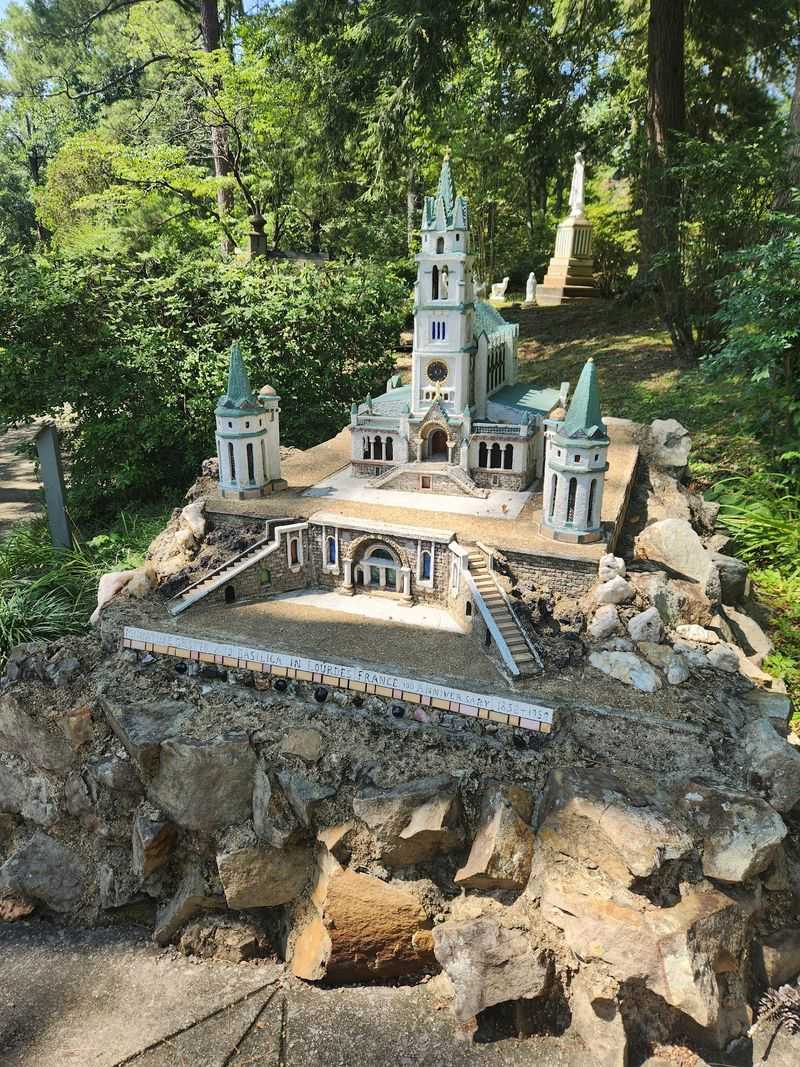
His last model honors the shrine at Lourdes. It closed a long and steady chapter of quiet work.
Today, people from many backgrounds visit each year. Many are not Catholic, yet they still feel the pull of this place.
That wide appeal says a lot. Patience, creativity, and kindness speak every language.
Alabama holds plenty of attractions, but few carry this much heart. A pile of shells and marbles became a gift that keeps giving, long after the last brick was set.