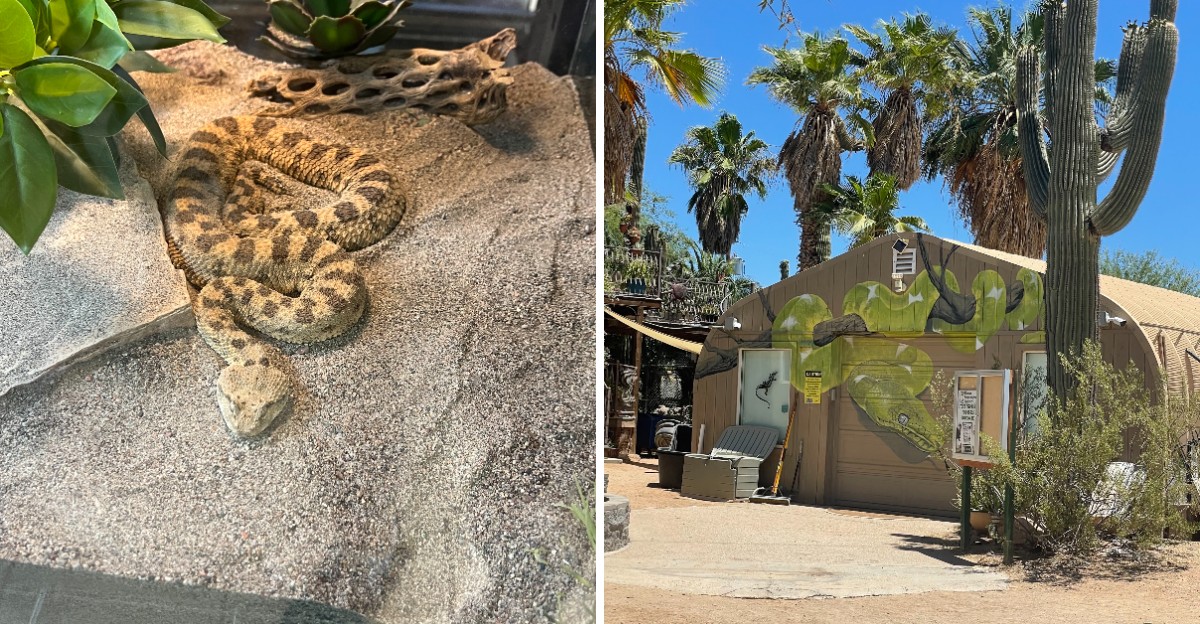
One building at this rescue holds more than 70 species of venomous snakes. Folks call it Venom Hall, and yes, that name earns its drama.
The same place maintains the largest antivenom bank in the western United States. It also reports caring for 22 crocodilian species, representing most of the world’s recognized species. That’s a wild amount of scales for one patch of desert.
I appreciate that the winter focus here is learning, not scaring people. Adults can train to move a live rattlesnake safely. Kids get their own camps with friendly, non-venomous animals.
Arizona winters make this the perfect season to visit. The weather turns mild, the trails fill up, and snake questions start popping up everywhere. So who’s brave enough to hold the snake hook first?
A Rescue That Grew From 26 Animals To More Than 1,600
Three reptile fans named Dan, Debbie, and Russ started this whole adventure back in 2001. Their goal was simple: Arizona needed a real rescue for reptiles.
That rescue became the Phoenix Herpetological Sanctuary, a 2.5-acre nonprofit in North Scottsdale. It started with just 26 animals. Today it cares for more than 1,600 critters, which is quite the glow-up.
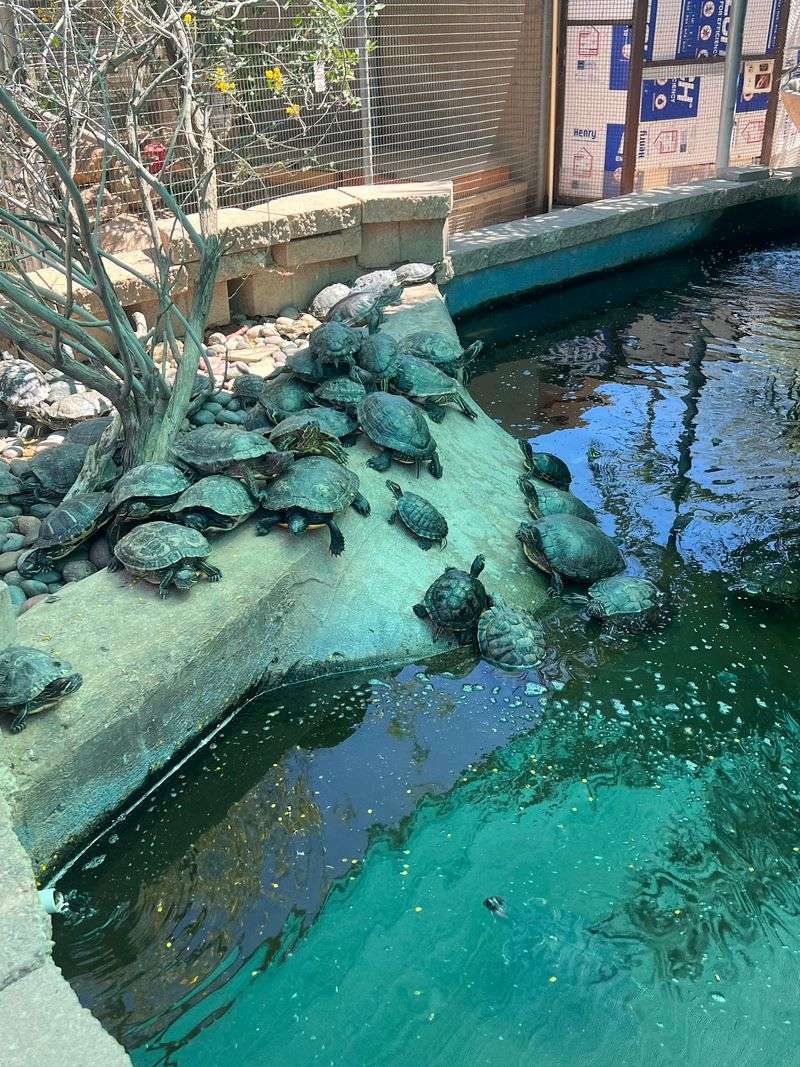
Many residents arrived as abandoned, abused, or confiscated illegal pets. That gives every enclosure a backstory worth hearing. A turtle, a lizard, or a python might have landed here after a rough start somewhere else.
The sanctuary is recognized as the largest reptile sanctuary in the United States. In 2026, it reached its 25th anniversary, a big milestone for a place built on volunteer passion and steady hard work.
Its motto is short and smart: Conservation begins with Education. You’ll see that idea in every tour, camp, and workshop here. The team wants visitors to leave curious, not fearful.
I love that the mission feels practical. People who understand reptiles are less likely to panic, abandon pets, or harm wild animals. That kind of learning travels far beyond the front gate.
Venom Hall Will Make Your Heartbeat Do A Little Drumroll
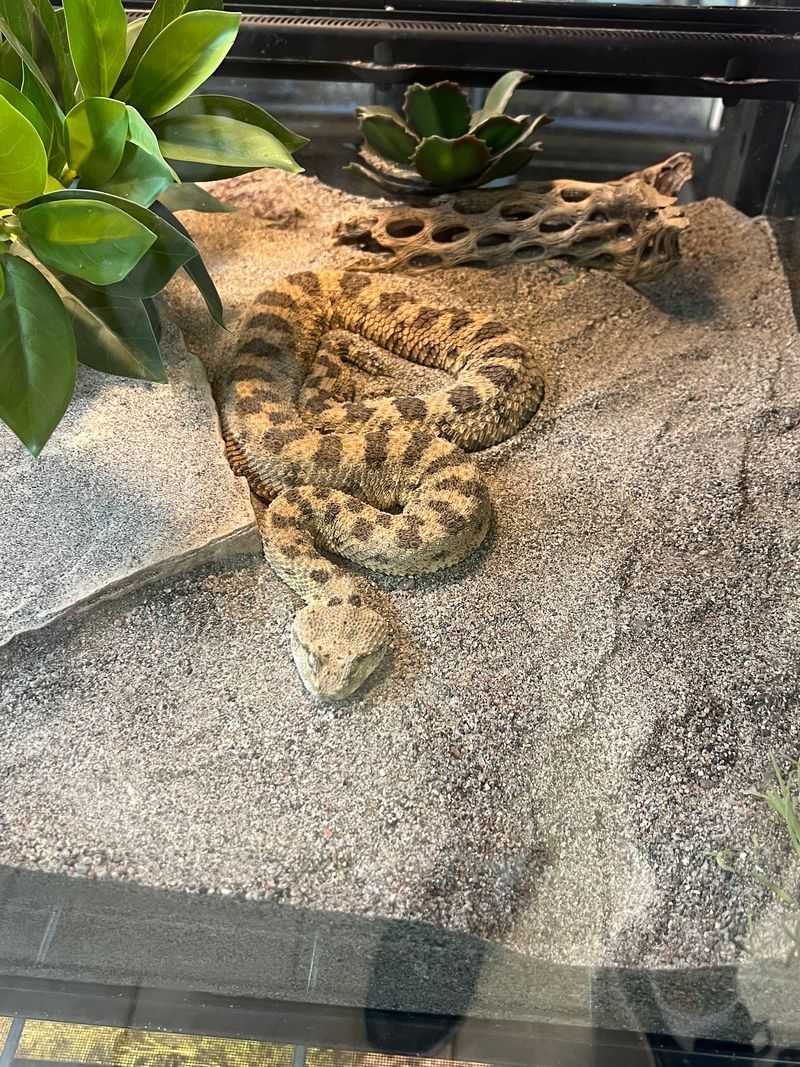
More than 70 species of venomous snakes live inside one dedicated space. It’s called Venom Hall, and the name sets expectations pretty clearly.
Rattlesnakes are just part of the lineup. The hall shows how varied venomous snakes can be in color, size, and behavior. Some look bold and flashy, while others blend into their surroundings like experts.
Seeing so many species together helps visitors compare them side by side. That’s a great way to learn patterns, head shapes, and adaptations. Guides help connect those details to how each snake survives in the wild.
Don’t worry about getting too close. Venomous animals stay safely behind glass while you look and learn. Hands-on time at the sanctuary uses non-venomous snakes, lizards, and tortoises instead.
For snake-curious kids, this room can feel like a field guide come to life. Book pages suddenly turn into real, breathing animals. Adults usually get just as hooked, even the ones pretending to be cool about it.
A winter visit works nicely here because cooler Arizona weather makes walking the grounds more comfortable. Then you can spend extra time staring at fangs from a very respectful distance.
Adults Can Learn To Move A Real Rattlesnake
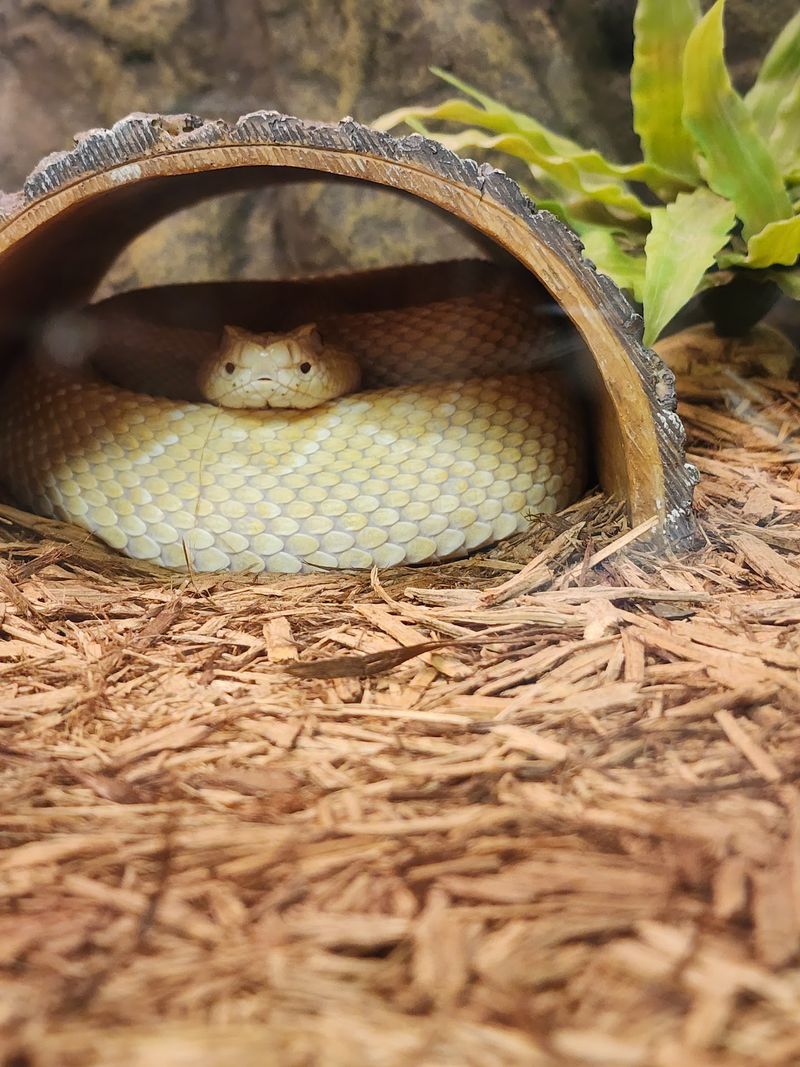
Ever wondered what to do when a rattlesnake shows up near your patio? The sanctuary offers a Venomous Snake Training workshop that answers that question with real practice.
This class is for adults 18 and older. It usually runs about two to three hours. It starts in a classroom, where instructors cover snake myths, facts, diversity, and conservation issues.
You’ll also learn how to tell venomous snakes from non-venomous ones. The lesson covers native Arizona snakes and different types of venom. That knowledge alone can calm a lot of backyard panic.
Then comes the hands-on part. Students practice relocating a non-venomous snake first. After that, they move on to a live rattlesnake using proper safety equipment.
The training happens at a separate site near Pima Road and Pinnacle Peak Road in Scottsdale. Plan around that, since it’s not at the main sanctuary grounds.
The big goal is safe coexistence. Rattlesnakes help control rodents, and they’re part of desert life. Learning calm, careful handling skills protects people and snakes alike.
Honestly, that’s a pretty impressive thing to put on your winter to-do list.
Kids Get Snake Camp Without Any Fangs Involved
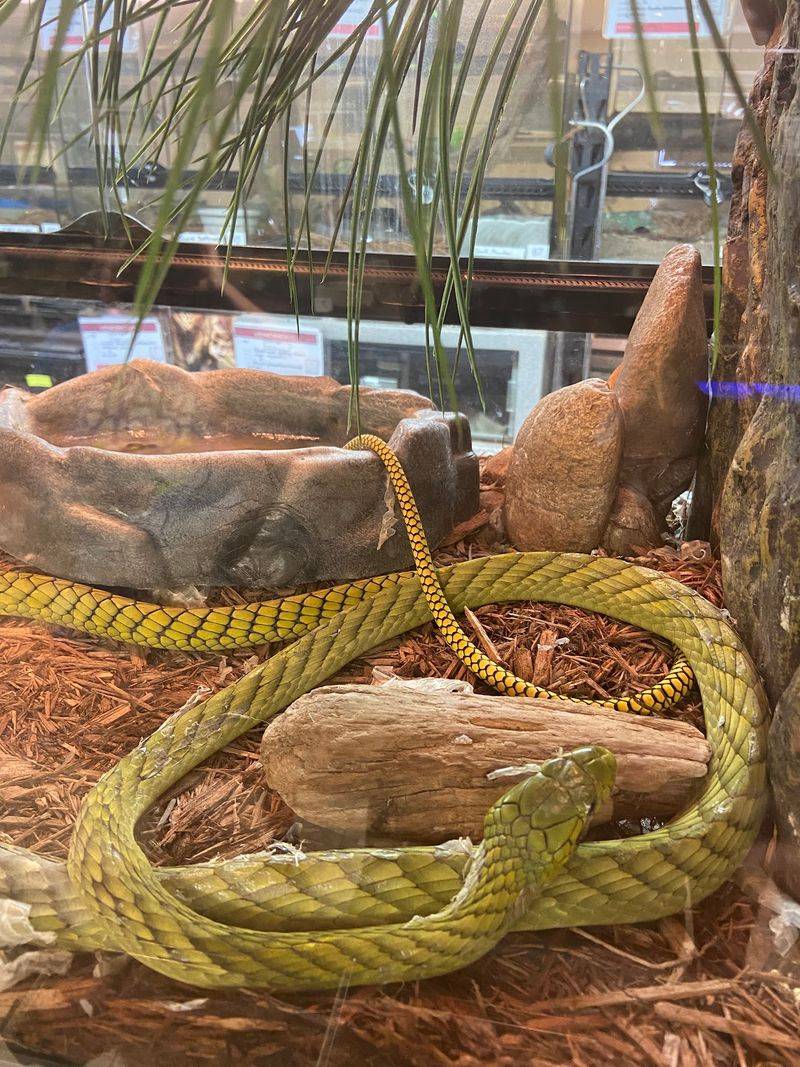
Snake Camp sounds like a dare, but it’s actually a thoughtful learning program for kids. The sanctuary runs winter camps for two age groups.
Neonate campers are 5 to 7 years old. Junior campers are 8 to 11. Those group names come from reptile vocabulary, which is a fun little bonus lesson.
Snake Camp covers different snake species, their habitats, and venom. The curriculum is STEAM-based, so kids explore science through crafts, games, and animal interactions. It mixes hands-on fun with real facts.
Parents can relax about one big detail. All animal interactions at the camps involve non-venomous animals only. Venom stays a topic for discussion, not a touch-and-feel activity.
Enrollment for 2026 winter camps opened on September 4. Spots for animal camps can be popular, so planning early is smart.
Winter break can stretch long for families. A camp packed with reptiles beats another afternoon of screens. Kids may come home talking about scales, habitats, and adaptations nonstop.
You might learn more about corn snakes over dinner than you ever expected, and that’s a pretty fun problem to have.
The Antivenom Bank Is A Quiet Superpower
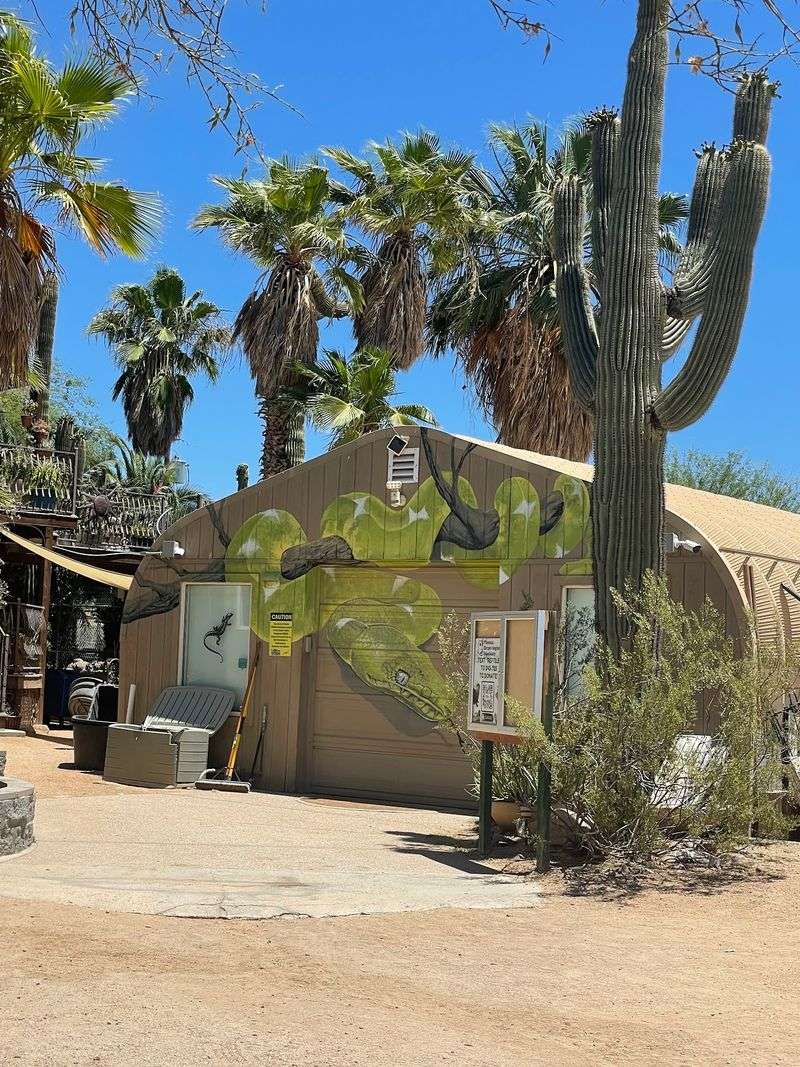
Here’s a fact that surprises most people: the sanctuary maintains the largest antivenom bank in the western United States. That’s a serious responsibility for a rescue.
Antivenom supports safe care for venomous species living at the sanctuary. It also matters for venomous animals found in the surrounding Sonoran Desert. With more than 70 venomous species on site, being prepared is essential.
The property also includes an onsite reptile clinic and research center. Animals that need medical attention can get help close to home. That setup supports rescue, rehabilitation, and long-term care.
A Wildlife Education and Conservation Center was also recently completed. It adds even more room for teaching and outreach. The sanctuary clearly treats learning as part of animal care, not an extra.
I find this behind-the-scenes side reassuring. The flashy animals get the attention, sure. But planning, medical care, and safety systems are what make a venom-focused program responsible.
So when guides talk about respect for venomous snakes, it isn’t just a slogan. The sanctuary backs it up with resources most places simply don’t have. That’s a good reason to trust the team leading the winter lessons.
Book The Tour Before You Hop In The Car
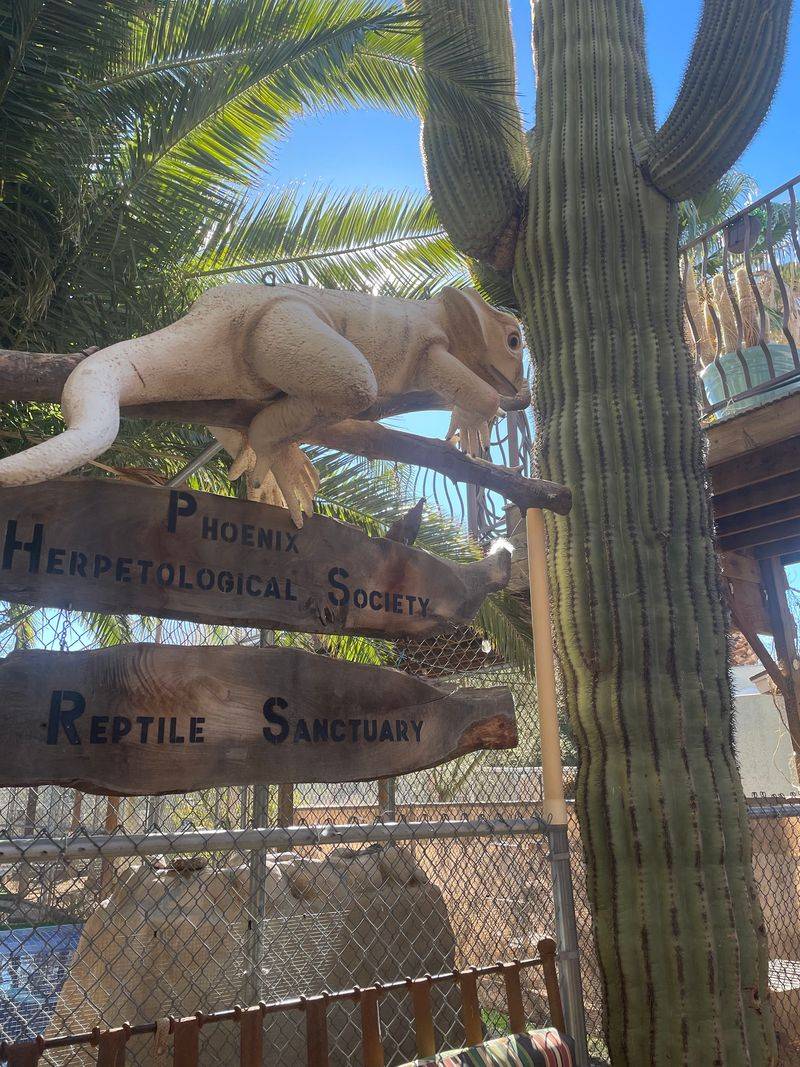
No casual drop-ins here. Visits to the Phoenix Herpetological Sanctuary are by appointment only, so planning comes first.
The sanctuary sits in North Scottsdale near Dynamite Boulevard and Scottsdale Road. Its exact location is shared after you book. The mailing address is 20701 N Scottsdale Rd, Ste 107 PMB 401, Scottsdale, AZ 85255, but that’s not where the animals live.
Public guided tours last about 1.5 to 2 hours. Groups can include up to 25 guests. The talks fit all ages and cover endangered species, conservation, animal adaptations, and smart reptile care in the Arizona climate.
Hands-on moments are part of the fun. Visitors can interact with tortoises, lizards, and non-venomous snakes. That’s often the moment nervous guests realize scales feel smoother than expected.
Two hours goes fast with this many animals. You’ll want comfortable shoes and a little patience for questions from younger guests.
Winter makes the walking portion much more pleasant. Desert mornings and afternoons cool down nicely this time of year. Good luck leaving without a new favorite reptile, though.
Most people walk out with at least one.
Capybaras And Giant Tortoises Steal The Spotlight On Private Tours
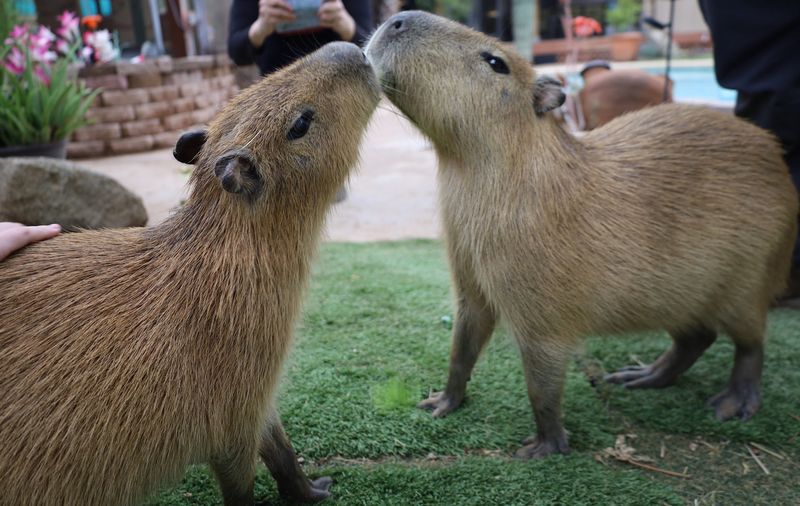
Capybaras at a reptile sanctuary? Absolutely, and they’re total scene-stealers.
Private tours give smaller groups a more personal visit. They include extra time with animal ambassadors. Guides can also shape the experience around what your group finds most exciting.
Optional add-ons make things even more memorable. Choices include feeding giant tortoises, meeting capybaras, or interacting with crocodilians. Availability depends on the weather, since animal comfort comes first.
The sanctuary isn’t only about reptiles either. Its residents include foxes, coatis, frogs, and turtles too. That variety keeps every corner of the tour interesting.
Feeding a giant tortoise feels wonderfully slow and calm. Meanwhile, a capybara brings pure relaxed energy. Together, they balance out the tense excitement of Venom Hall.
Private tours make sense for birthdays, family gatherings, or anyone who loves asking twenty follow-up questions. The smaller setting makes that easy.
I’d probably pick the capybara add-on first. Then I’d try the tortoise feeding, because who could turn down that kind of pairing? Your group may argue over which animal wins the day.
Twenty-Two Crocodilian Species Live Right Here In The Desert
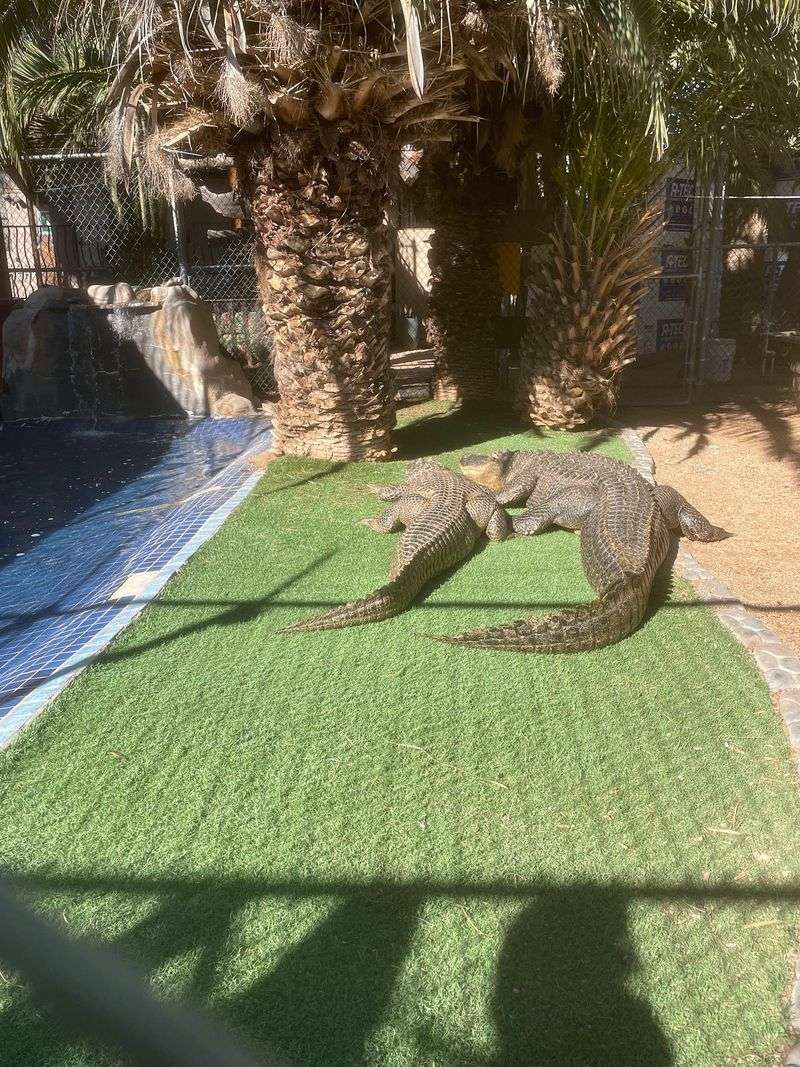
The sanctuary reports housing 22 crocodilian species, while scientists currently recognize 26 species worldwide. That’s a jaw-dropping number, pun fully intended.
Crocodilians include alligators, crocodiles, caimans, and gharials. Seeing so many types in one place lets you compare snouts, sizes, and habits. Some look rugged and bulky, while others look surprisingly slim.
Finding this group in Arizona feels unexpected. Swamps aren’t exactly part of the Sonoran Desert scenery. Still, the sanctuary provides care for these impressive reptiles far from their native homes.
Guides can explain how crocodilians hunt, regulate body heat, and survive in water. Those details make an alligator glaring from a pond far more fascinating.
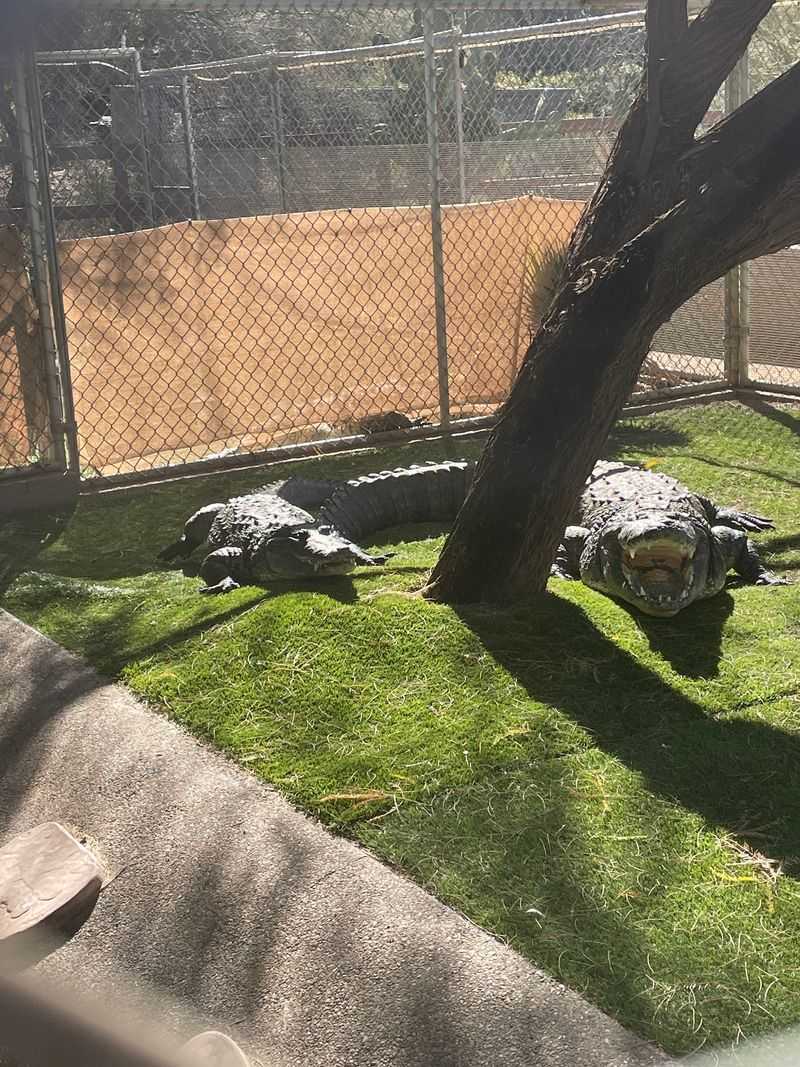
Private tour guests may get the option of interacting with crocodilians. Like other add-ons, it depends on the weather. Cooler winter days can affect how active these cold-blooded animals are.
For kids who love dinosaurs, this section is a big win. Crocodilians are ancient-looking animals with plenty of drama. Expect plenty of pointing, whispering, and at least one person asking whether that log just moved.
Spoiler: it might not be a log.
Catch The Snake Team Out On The Trails, Too
The learning doesn’t stay behind sanctuary fences. The team also brings live reptiles to community events around Scottsdale.
One example is Sonoran Sundays, a family-friendly program on desert wildlife and safety. On November 8, 2026, the sanctuary presented at the Gateway Trailhead. Talks covered venomous and non-venomous Arizona reptiles.
These presentations focus on behavior, habitat, preservation, and safe coexistence. That’s useful stuff for hikers sharing trails with desert wildlife. A little knowledge can turn fear into respect pretty quickly.
Outreach is a huge part of the mission. The sanctuary’s programs reach more than 250,000 people each year. Most of them are school-aged kids, which means future hikers are learning early.
Winter is prime trail season in Arizona, so the timing makes sense. More people head outdoors when temperatures drop. Learning what to do around snakes before a hike just feels smart.
Keep an eye on upcoming events if a full tour doesn’t fit your schedule. A trailhead talk offers a quick introduction to the region’s reptiles. It might even convince you to book that rattlesnake training next.