
At This Illinois Dairy Farm, Kids Help Feed Calves And Watch The Milking
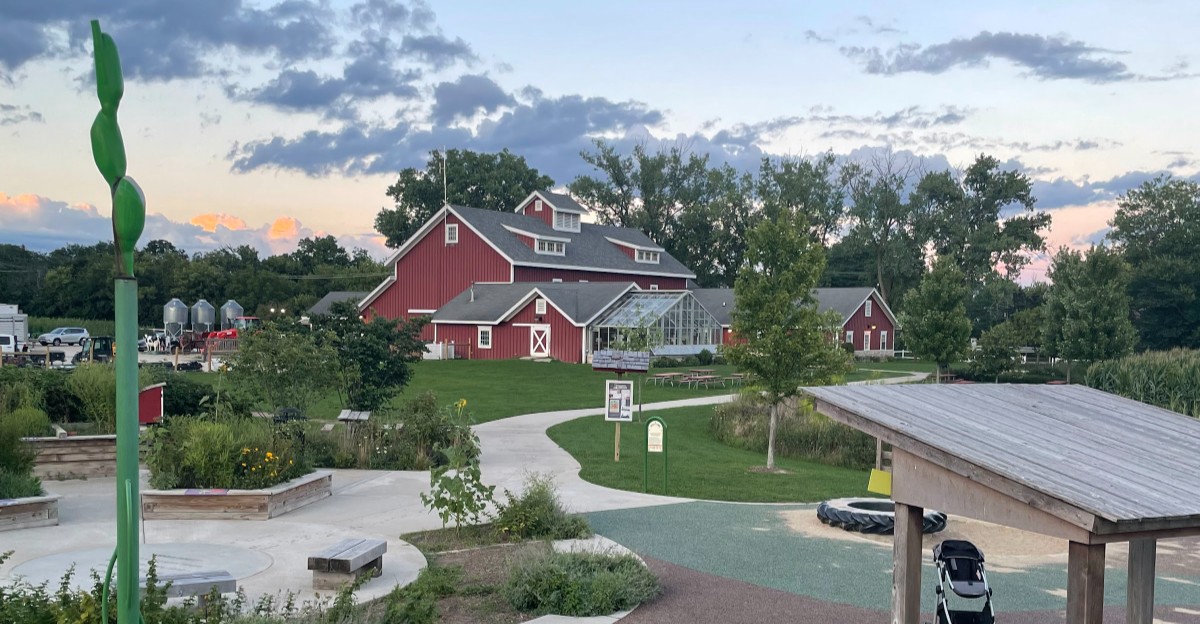
Cornfields and barns are not what most people picture when they think about a drive through Chicago’s northern suburbs. Yet tucked between subdivisions and busy Illinois roads sits an actual working dairy farm, with cows getting milked twice a day and chickens wandering their yard like they own the place.
Admission costs nothing, parking costs nothing, and kids can watch farm chores happen in real time instead of reading about them in a textbook. For families looking for something different than another indoor play space, this slice of 1920s farm life is surprisingly easy to reach.
A Working Dairy Barn Inside Cook County
Cook County has roughly five million residents and, remarkably, one remaining working dairy farm. Historic Wagner Farm sits at 1510 Wagner Road in Glenview, about five miles from the northwest edge of Chicago and an easy 30 to 40 minute drive from most of the North Shore.
Run by the Glenview Park District, the property interprets American farm life roughly from the 1920s through the 1950s. That means the barns, equipment, and daily routines all reflect a period when small family dairies still dotted this part of Illinois.
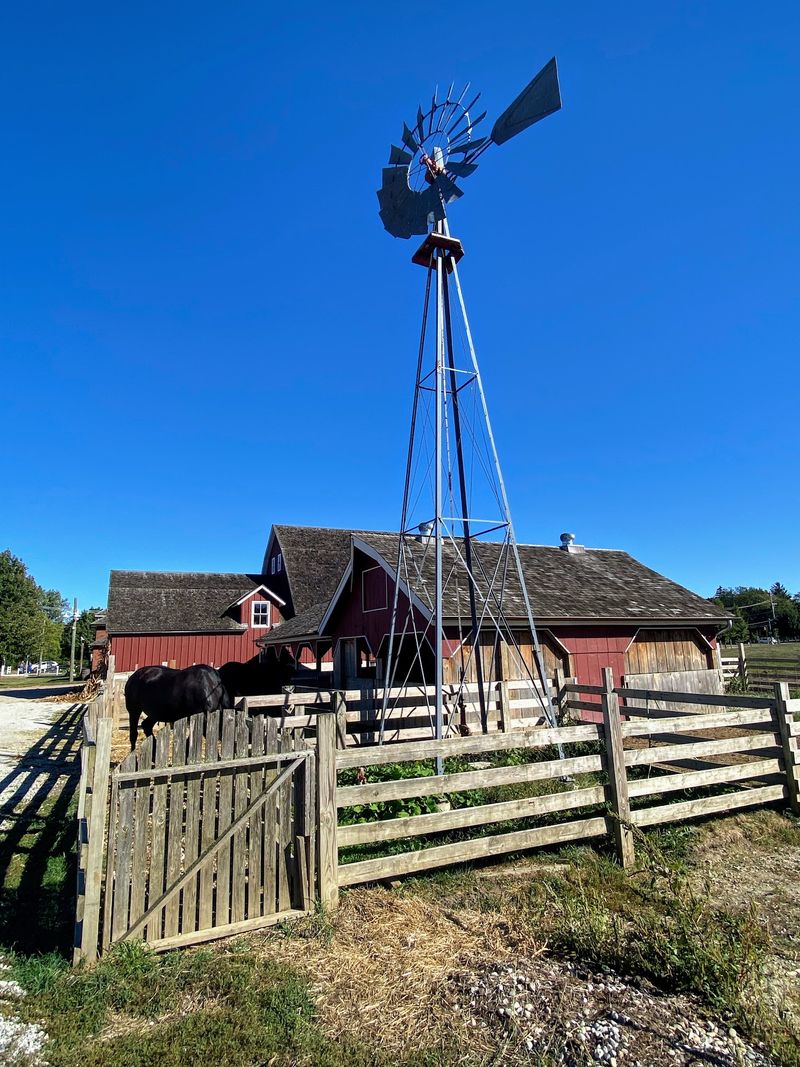
Holstein dairy cows anchor the operation, joined by draft horses, chickens, pigs, and lambs. Vegetable gardens, wildflower beds, and a working beehive fill out the grounds, so there is plenty happening even between animal stops.
What surprises first-time visitors most is how ordinary the setting looks from the road. Houses sit across the street, traffic hums past, and then suddenly there are pastures and a silo.
Visitors frequently mention that contrast as the thing that sticks with them, especially kids who assumed farms only existed far downstate.
The Wagner Family’s Long Run On This Land
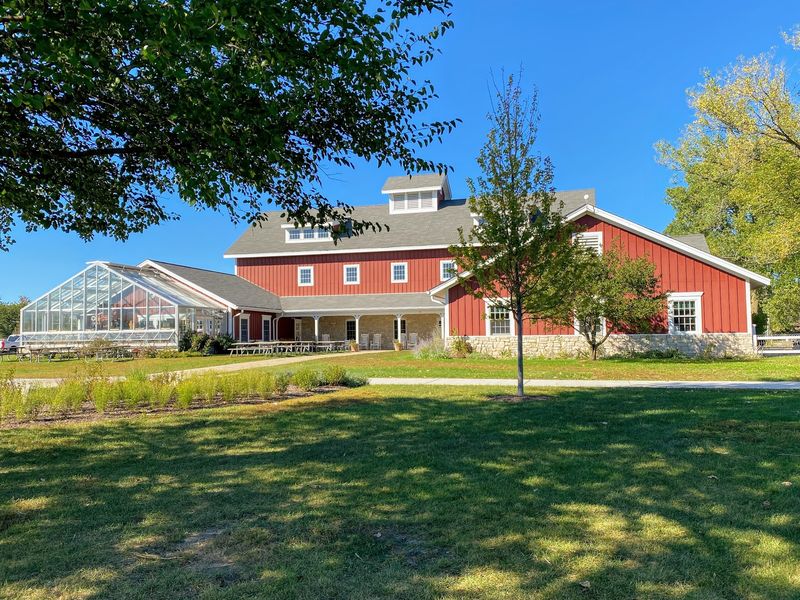
Back in the 1850s, when Glenview was farmland rather than suburb, the Wagner family established this homestead. Generations worked the same acres while the region around them filled in with rail lines, roads, and eventually subdivisions.
By the time the Glenview Park District took over stewardship, the farm had become something rarer than anyone expected: a surviving piece of agricultural Illinois surrounded by development. Preservation groups have highlighted it as a landmark precisely because so few similar properties remain intact near Chicago.
The historic farmhouse still stands and, during warmer months, staff sometimes demonstrate what daily indoor life looked like. Bread kneading on an old-fashioned stove, laundry equipment that required real muscle, and household tools that make modern chores feel laughably simple.
One note for planning: the farmhouse itself is not wheelchair accessible and can be difficult for anyone using a mobility device, since it retains its original layout and steps.
Programming inside the house varies by season, so checking ahead helps if the house tour is the main draw for your group.
Milking Parlor Demonstrations, Twice A Day
Few things quiet a room of restless kids faster than watching a cow get milked. The milking parlor is the heart of the farm experience, and demonstrations happen at set times, commonly in the morning and again around late afternoon.
Staff walk visitors through the process while it happens, explaining how the equipment works, how much a dairy cow produces, and why the routine stays so consistent day after day. Questions are welcome, and the farmers tend to be patient with the ones kids ask twice.
Because timing can shift with the seasons and the herd’s schedule, confirming the day’s demonstration times when you arrive at the Heritage Center front desk is the smart move.
Regulars often build their whole visit around the afternoon milking, arriving an hour early to hit the playground first and then heading to the parlor when things wind down.
Worth knowing: general visitors are asked not to feed or touch the animals, since this is a working dairy rather than a petting zoo. Supervised animal interaction generally happens through registered programs instead.
Registered Programs Where Kids Handle Real Chores
Casual walk-through visits show kids what farming looks like. Registered programs let them do it.
The Glenview Park District runs educational sessions and private tours in which participants pitch in on daily chores under staff supervision.
Depending on the program, that can mean gathering eggs from the coop, helping with feeding routines, or getting a turn at milking a cow by hand. Families who have done the private tour describe it as the version of the farm their children talk about for weeks.
Offerings rotate through the calendar, with different sessions geared to preschoolers, elementary ages, and school groups. Field trips are common here, so expect to see a line of five-year-olds in matching name tags on a weekday morning.
Registration and fees apply for these programs, unlike general admission, and popular sessions can fill quickly around school breaks and summer.
Since the schedule changes seasonally and spots are limited, checking availability ahead of time rather than showing up hoping to join is the practical approach for anyone whose kids want hands-on time.
The Farm Adventure Area And Its Climbable Corn
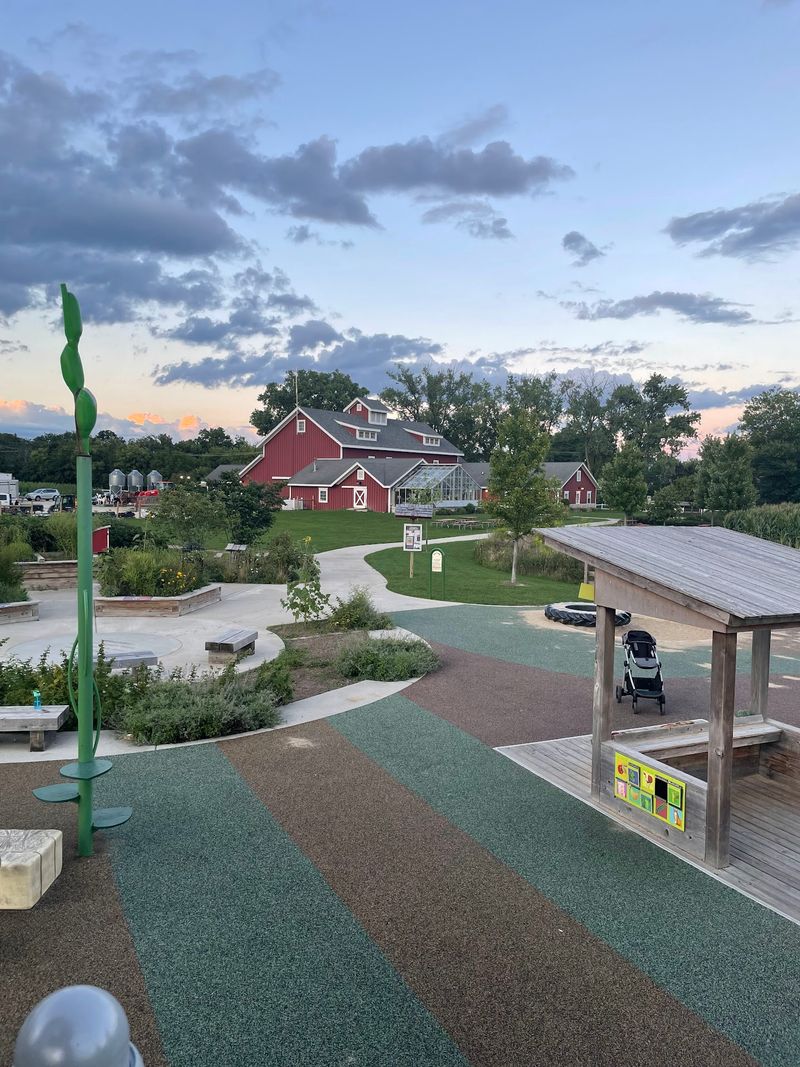
Tractor tires filled with sand. A cornstalk built for climbing.
A miniature farm stand sized for someone about three feet tall. The Farm Adventure Area leans fully into its theme, and it works.
Toddlers and early elementary kids get the most out of it, with slides, corn-shaped steps, and the pretend market setup that somehow holds attention far longer than the equipment cost would suggest. Parents mention the playground almost as often as the animals when describing why they return.
Paved walkways connect the play area to the Heritage Center and the rest of the grounds, which makes stroller navigation manageable throughout most of the farm.
Picnic tables sit scattered nearby, so packing lunch and letting kids alternate between eating and climbing is a reasonable strategy for a longer visit.
Shade is limited in spots, which matters during humid July afternoons in the Chicago area. Morning visits in midsummer tend to be more comfortable, while spring and fall let kids run themselves ragged without anyone melting.
Centennial Exhibit And Heritage Center Displays
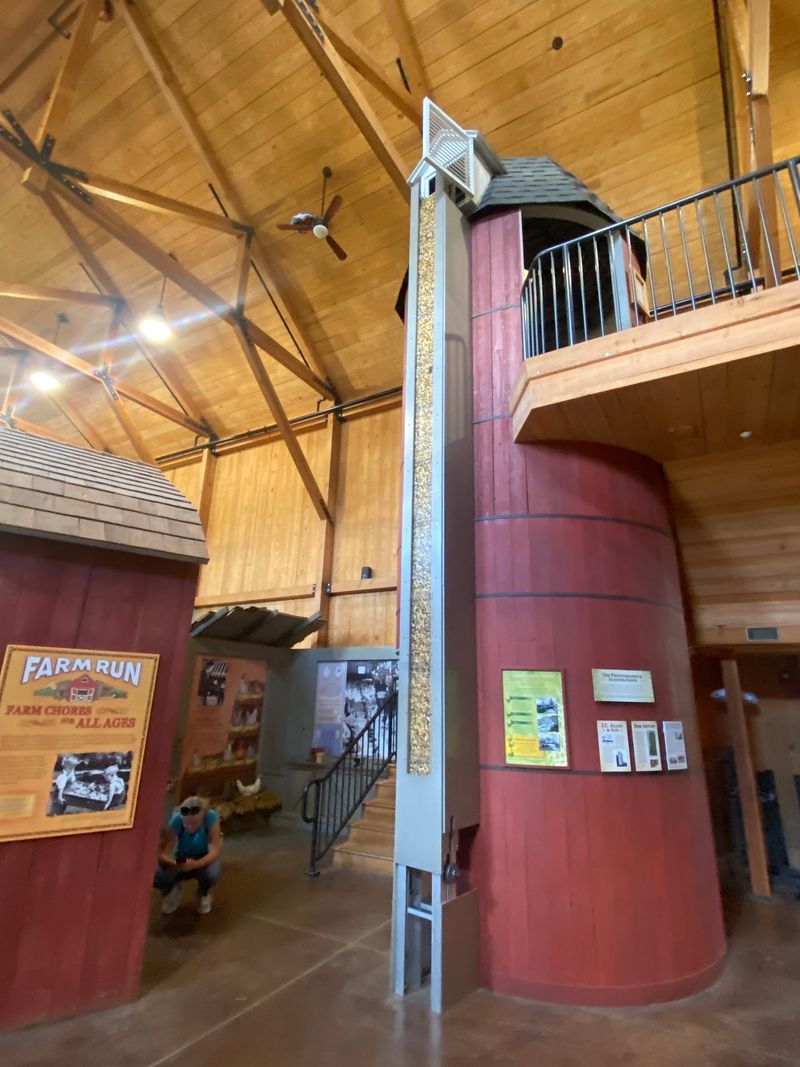
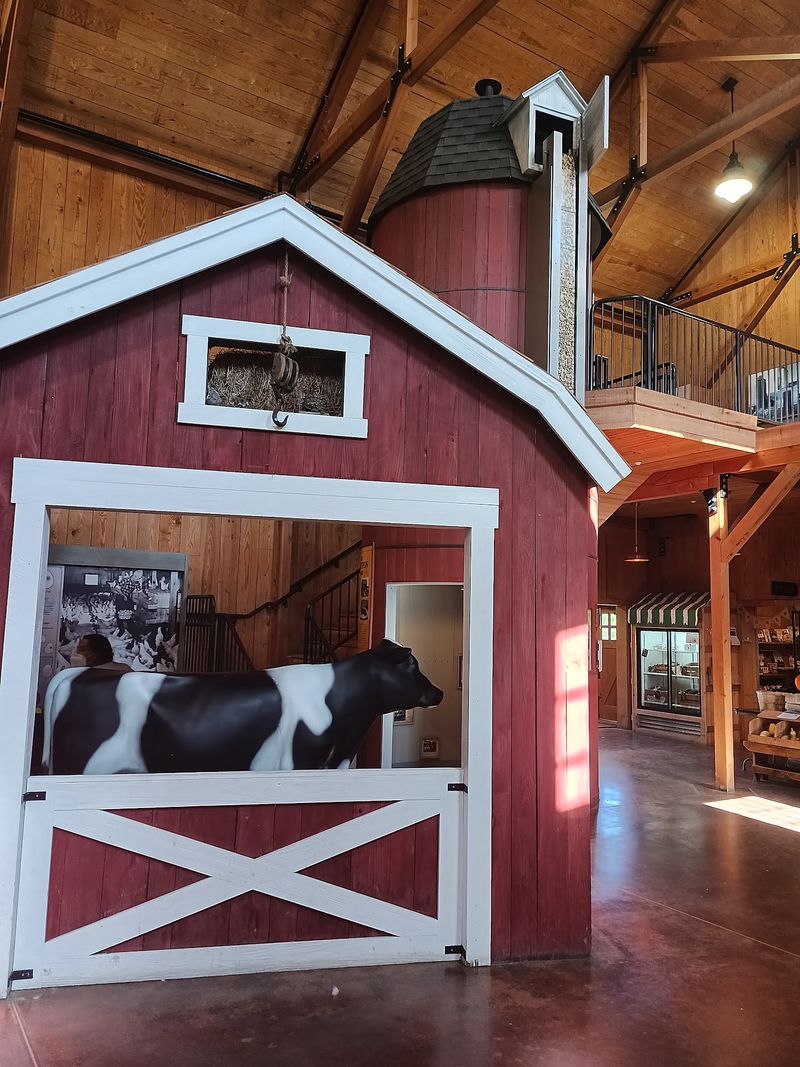
Rain in the forecast does not cancel a trip here. The Heritage Center holds indoor exhibits that carry a solid hour on their own, which is useful during an Illinois winter or a sudden spring downpour.
The Centennial Farm Exhibit traces how farming changed across the last hundred years, using interactive stations rather than wall text. Kids sort eggs, poke around livestock feed storage, and climb a silo built into the display.
A vintage telephone and letterbox draw a surprising amount of attention from children who have never used a rotary dial. There is also an indoor scavenger hunt that gives kids a mission while parents read the Wagner family history panels.
Additional exhibits cover the farm’s own past, including antique machinery and household equipment from the era the site interprets.
Public restrooms are located indoors, a genuinely important detail for anyone potty-training a toddler. Sensory bags with noise reduction headphones and light reduction glasses are available at the front desk, which may help visitors who find busy farm environments overwhelming.
Saturday Farmers Market, Ice Cream, And Seasonal Produce
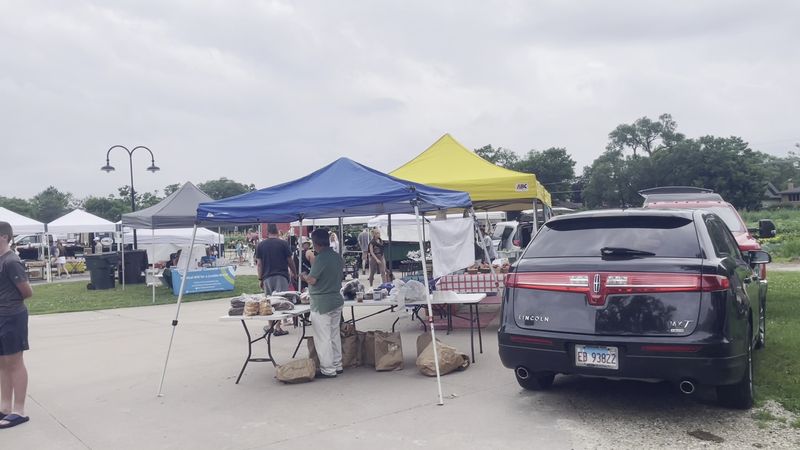
Saturday mornings shift the mood on the property. A farmers market runs roughly from 8 a.m. to noon during the warmer season, drawing shoppers alongside the usual stroller crowd.
The vendor lineup is modest compared to larger North Shore markets nearby, something a few shoppers point out. What it offers instead is convenience paired with a farm setting, so a produce run doubles as a morning out with the kids.
Inside, the farm sells its own goods when available. Fresh eggs appear intermittently, along with baked items made using them, and ice cream is a weekend favorite.
Note that the shop typically closes by 5 p.m.
Late September brings pumpkins for sale, stacked in arrangements that turn into the season’s easiest photo backdrop. Local apples, small flower bouquets, and holiday evergreen roping and wreaths show up as the calendar turns.
Pricing on seasonal produce shifts year to year, so treat any figures you read as approximate and check current signage on arrival.
Wagon Rides, Beehives, And Garden Paths
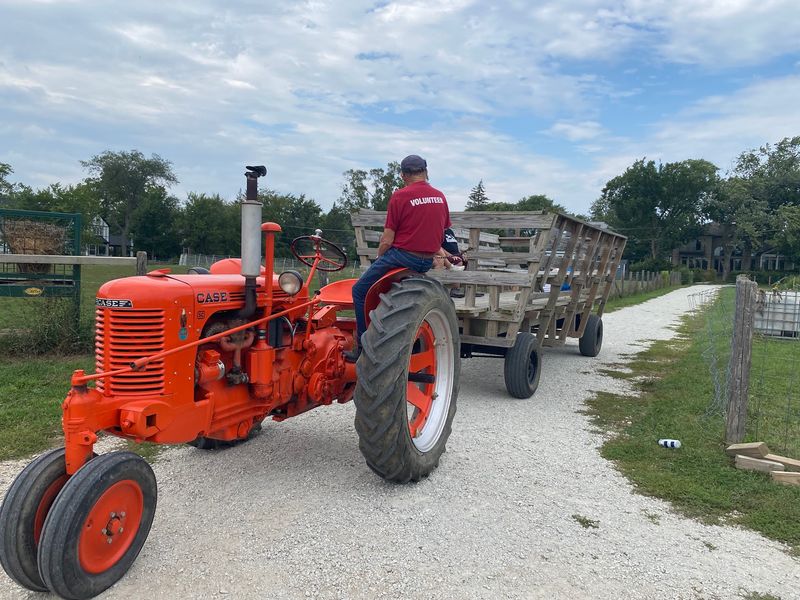
Ask any kid whether they want to ride behind a tractor and the answer is predictable. Wagon rides, pulled by tractor or occasionally by the farm’s draft horses, run on a weather-dependent basis and carry a small per-person fee.
Availability varies considerably, so this falls firmly in the check-when-you-arrive category rather than something to promise the backseat in advance.
Elsewhere on the grounds, vegetable gardens and wildflower plantings give the place a genuinely agricultural feel through the growing season. A working beehive sits on site too, which tends to fascinate older children once someone explains what all that motion means.
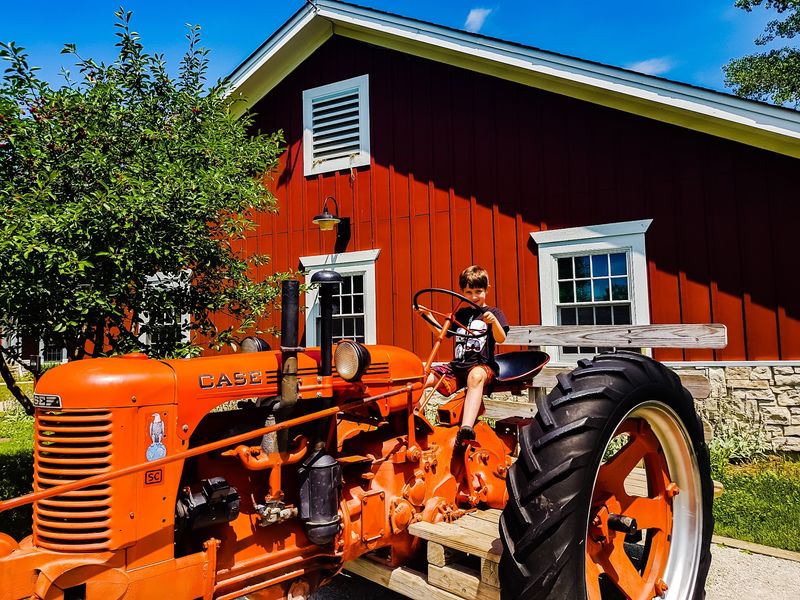
Vintage tractors parked around the property have become an unofficial photo tradition. Nobody plans for it, then every family ends up with a picture of somebody perched near a rusted green fender.
Walking the full loop takes maybe 30 minutes at an unhurried pace, longer if your group stops at every pen. The paved main paths handle strollers fine, though some garden edges turn soft after heavy rain.
Hours, Free Admission, And Where To Leave The Car
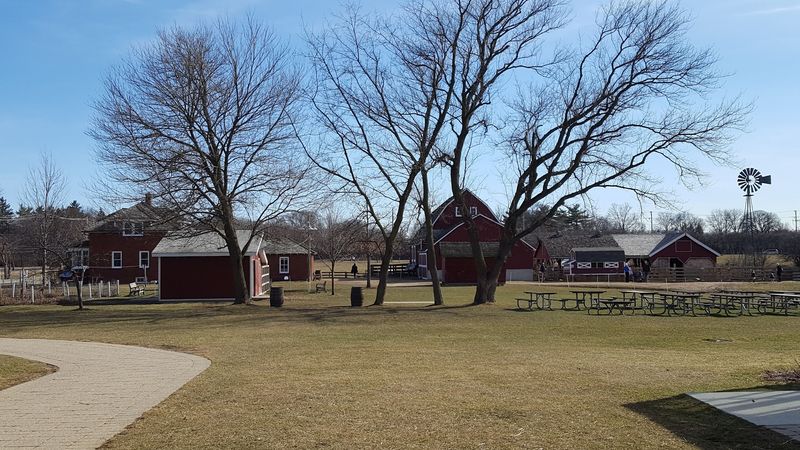
Cost is the easiest part of planning: admission and parking are both free. Registered programs, wagon rides, and anything from the farm shop carry their own charges, but simply walking the grounds does not.
Hours generally run 9 a.m. to 5 p.m. daily, with the Heritage Center commonly listed as open 9 a.m. to 4 p.m. and the grounds accessible from dawn until dusk. Seasonal adjustments and holiday closures happen, so a quick check ahead avoids disappointment.
Parking sits in a lot directly across the street from the farm, which means crossing Wagner Road on foot with your group. Hold small hands for that part.
Two accessible spots are located on the north side of the Heritage Center for shorter access.
Getting there from Chicago takes roughly 30 minutes without traffic, heading north through Cook County suburbs. From the Edens Expressway it is a short hop west.
The farm operates year-round, which makes it a rare outdoor option that does not simply shut down in January.
Who Gets The Most Out Of A Visit Here
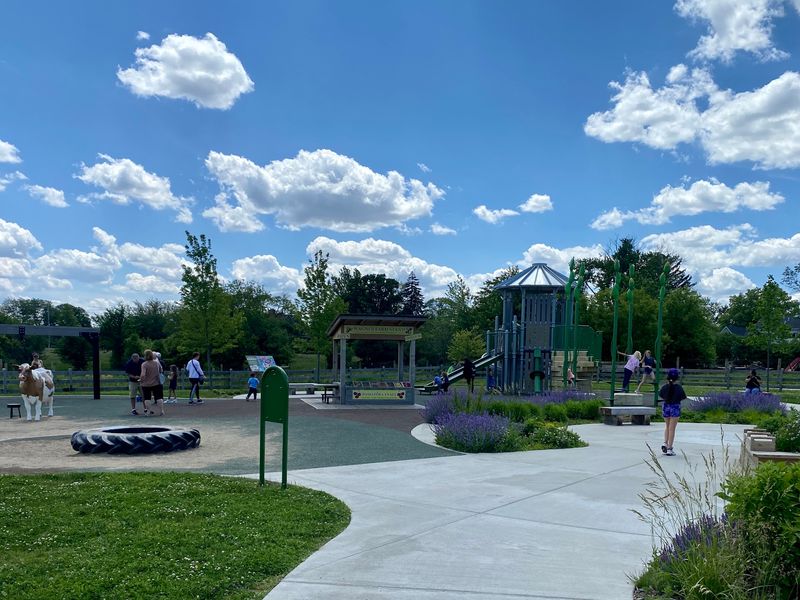
Toddlers through roughly age ten are the sweet spot. Younger children get animals, sand, and a playground; older ones get the history exhibits and the mechanics of how milk actually gets from cow to carton.
Families accustomed to large downstate farm attractions may find the scale modest, and a few longtime visitors note the site feels more interpretive than it once did. Fair enough.
What remains is a legitimate working dairy operating inside one of the most developed counties in Illinois, free to walk through, open every day.
Two hours covers a comfortable visit: playground, animal loop, indoor exhibits, and a milking demonstration if the timing lines up. Stretch it longer by bringing a picnic.
Pair it with a Saturday market run, a fall pumpkin stop, or a winter afternoon when the indoor exhibits carry the day.
For North Shore and Chicago-area families hunting something that costs nothing and still gives kids a story to tell Monday morning, the trip pencils out well. Just plan around the milking schedule.