
At This West Virginia Honey Farm, The Owner Explains Each Hive Before You Taste Straight From The Comb
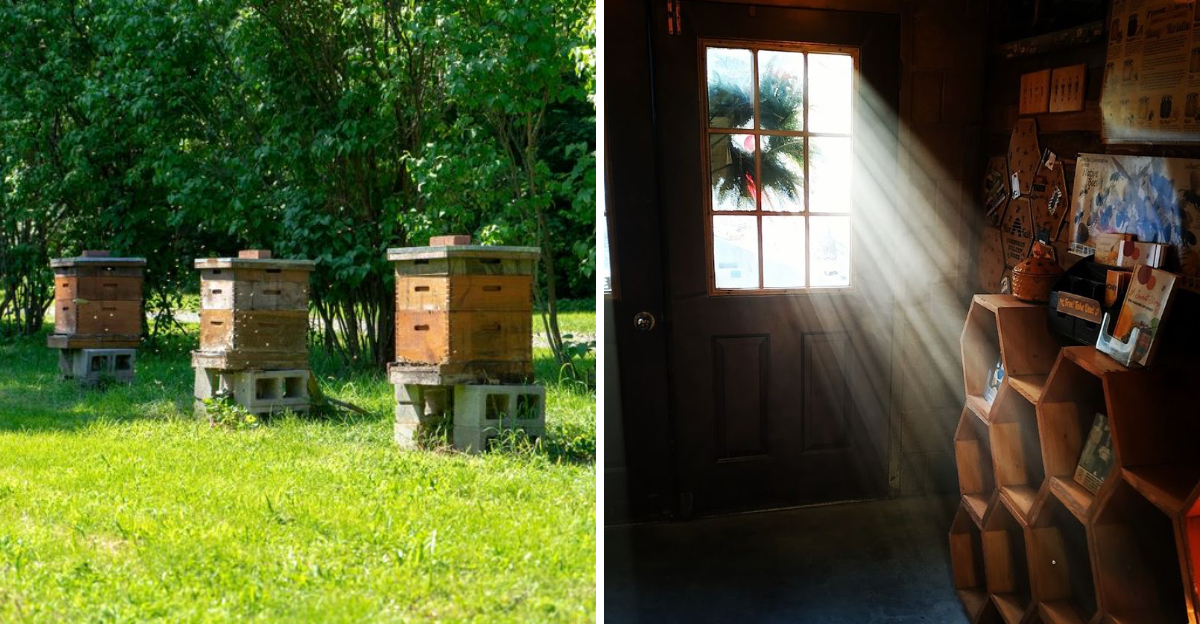
Sticky fingers and a grin you cannot fight, that is basically the uniform here. Somewhere in West Virginia, thousands of tiny wings are pulling off a sweeter kind of magic trick.
Someone who knows every hive by heart walks you straight into the buzz.
They will point out which box holds the drama and which one quietly makes gold. You start noticing details you never expected to care about, like why one comb tastes bolder than its neighbor.
Then the real twist lands. You get to taste it raw, still warm from the hive, before it ever sees a store shelf.
West Virginia has a habit of hiding its best secrets in plain sight.
This buzzing little world might be the tastiest one yet, worth a detour if sweetness is your love language.
The Hive Tour That Changes Everything
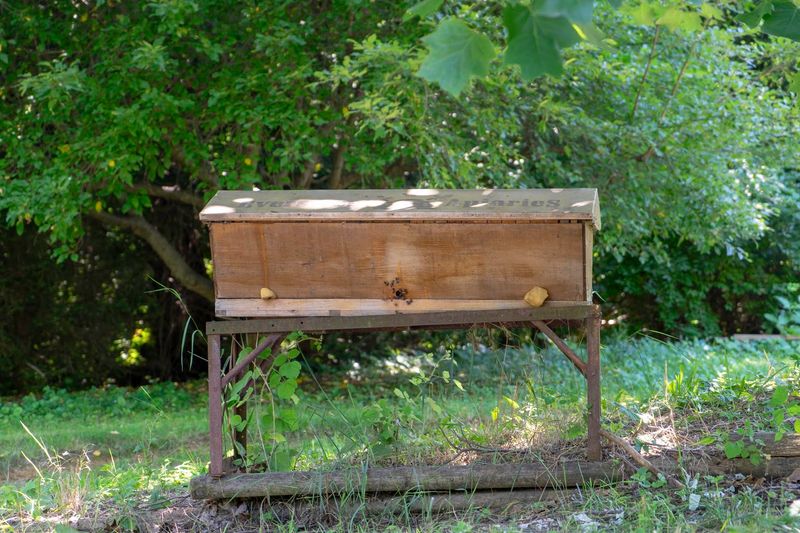
Forget everything you think you know about farm visits. For hive tours, classes, or a hands-on walkthrough with the owner, reaching out ahead of time ensures the full experience, while the honey lobby itself remains open for casual visits any time.
A knowledgeable beekeeper walks visitors through each colony, explaining bee behavior, hive structure, and what makes each box unique. It is hands-on learning at its most satisfying.
Visitors get to observe the bees up close, ask questions freely, and understand the full journey from flower nectar to finished honey. This kind of access is rare.
Most honey operations keep guests at arm’s length, but here the philosophy is total transparency.
The tour creates a personal connection between the visitor and the product they are about to taste. Once you see the bees working, the honey means something completely different.
It stops being a condiment and becomes a story.
That shift in perspective is exactly what makes Eversweet Apiaries stand apart from every other farm stop in the region.
A Legacy Built On Beeswax And Dedication
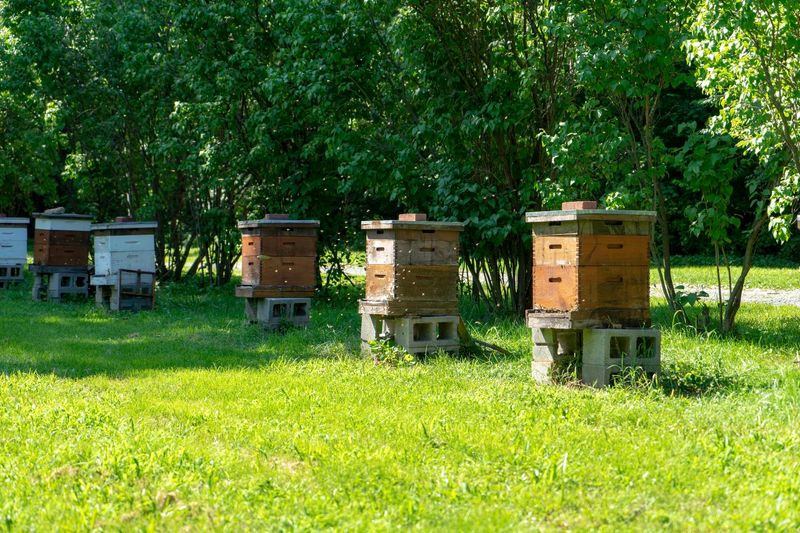
Few farm stories start with two friends and a shared obsession with bees, but that is exactly how Eversweet Apiaries began. Founded in 2002 in Kearneysville, West Virginia, the operation grew from a hobbyist passion into a full-scale beekeeping hub.
What started as a small effort to boost local bee populations became something far more meaningful.
The founders poured their energy into honey production, bee education, and community building. Over time, the apiary earned a reputation as the oldest and most trusted honeybee source in the region.
That kind of trust takes decades to build, and Eversweet has earned every bit of it.
After a leadership transition, the apiary continued its mission without missing a beat.
The founding spirit of sharing knowledge freely remains at the core of everything the farm does. Located at 85 Everhart Drive, Kearneysville, WV 25430, this place is rooted in history, heart, and an impressive amount of buzzing activity.
Tasting The Comb And Discovering The Varietals
Raw honey straight from the comb hits differently. There is no processing, no filtering, no blending.
What lands on your tongue is the pure, unaltered result of thousands of bee flights across West Virginia’s wildflower fields, and the flavor is vivid, complex, and almost startling in its freshness.
Comb honey retains all its natural enzymes, pollen, and subtle floral notes that disappear the moment honey gets processed, so each bite carries the distinct character of whatever flowers those bees visited.
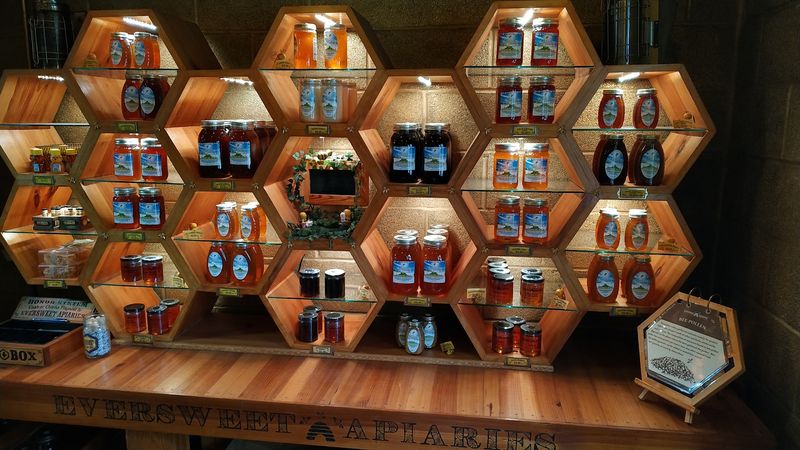
That character shifts constantly, since not all honey here tastes the same. Clover comes out light and sweet, locust carries a delicate, almost floral quality, and Tulip Poplar brings something deeper and more robust.
Seasonal varieties add even more excitement, with Thistle, Apple, or Alfalfa honey showing up depending on the time of year and what happens to be blooming.
The Eastern Panhandle’s rich and diverse landscape feeds the bees with an incredible range of nectar sources, and that variety shows up directly in the jar.
Color alone tells part of the story, since lighter honey tends toward a milder, more delicate sweetness while darker varieties pack deeper, bolder notes.
Tasting them side by side reveals just how dramatically the local flora shapes the final product, and sampling directly at the source makes it almost impossible to go home with just one jar.
The 24-Hour Honey Lobby That Runs On Trust
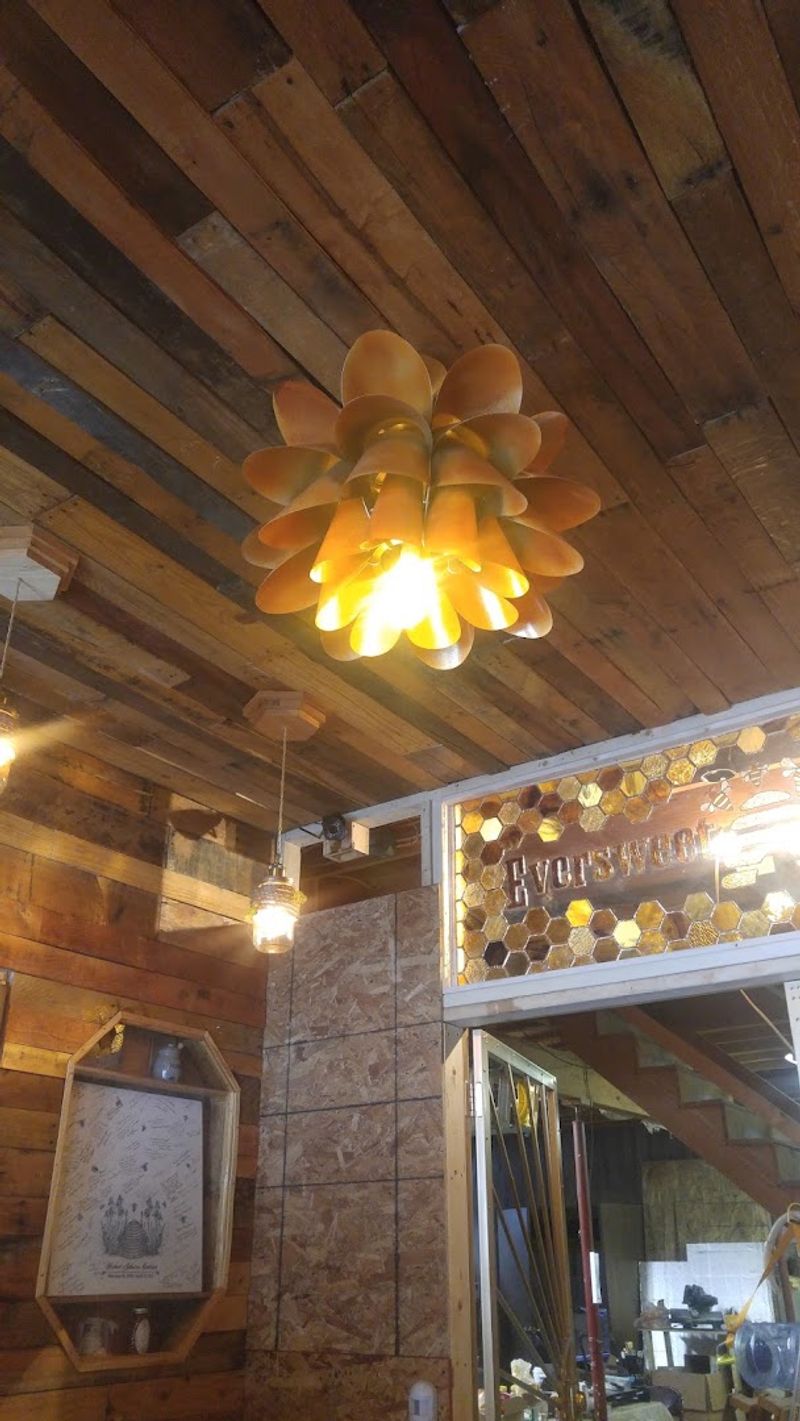
Most farm stores close at sundown. Eversweet Apiaries keeps its honey lobby open around the clock, every single day of the year.
That level of access is almost unheard of, and the way it works makes it even more remarkable. Customers select their honey, leave payment in cash or by check, and go on their way.
No cashier, no receipt, just trust.
This honor system reflects something genuine about the community surrounding this West Virginia farm. It works because the people who come here respect what the apiary represents.
The system also makes local honey accessible to anyone, regardless of schedule or timing.
For beekeepers who need a last-minute supply run or families who want to grab a jar on the way home from a weekend drive, the round-the-clock availability is a practical gift.
It also signals the kind of operation Eversweet runs: straightforward, community-focused, and built on mutual respect rather than rigid retail rules.
Workshops, Classes, And Field Days For Every Level
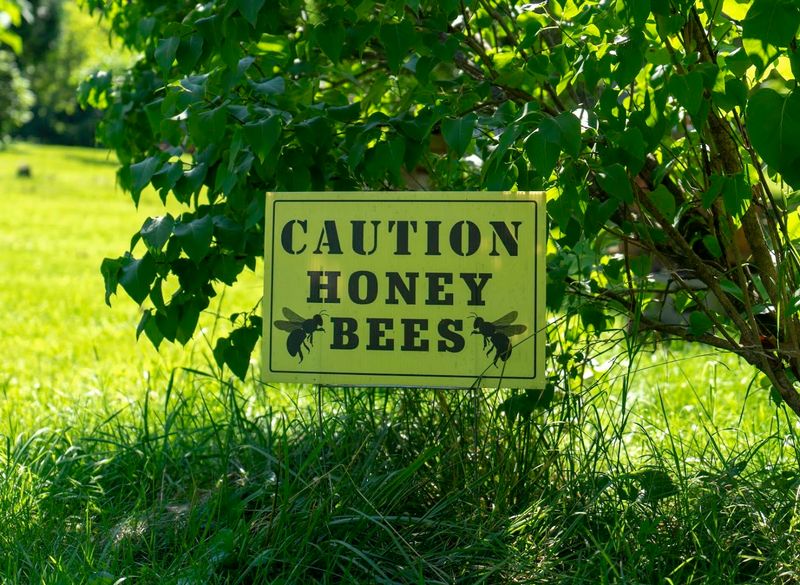
Beekeeping looks simple from the outside. Get a hive, add bees, collect honey.
Reality is far more nuanced, and this West Virginia apiary exists partly to help people understand that, both through hands-on learning and everything needed to put that learning into practice.
Workshops, classes, and field days run throughout the year, designed to meet beekeepers wherever they are in their journey, whether that is day one or year ten.
Beginners learn the basics of hive setup, bee behavior, and seasonal management, while more experienced beekeepers refine techniques, troubleshoot problems, and connect with others who share their enthusiasm.
Support does not stop when the class ends either.
Guidance continues through email, phone, and social media, creating a genuine learning community that extends well beyond the property line, long after any single lesson wraps up.
That education pairs naturally with sourcing, since finding quality bees is one of the biggest challenges any new beekeeper faces.
Bees, queens, and nucleus colonies are all available here, making it a reliable starting point for anyone building or expanding an apiary.
Beyond live bees, a comprehensive range of supplies fills the shelves, from protective gear and woodenware to tools, smokers, and brushes, covering nearly everything a working hive might require.
For beekeepers across West Virginia and neighboring states like Maryland, Virginia, Pennsylvania, and the District of Columbia, this makes the farm a convenient one-stop resource, with fair pricing and real expertise included at no extra charge.
Why This Landscape Belongs on the Honey Trail
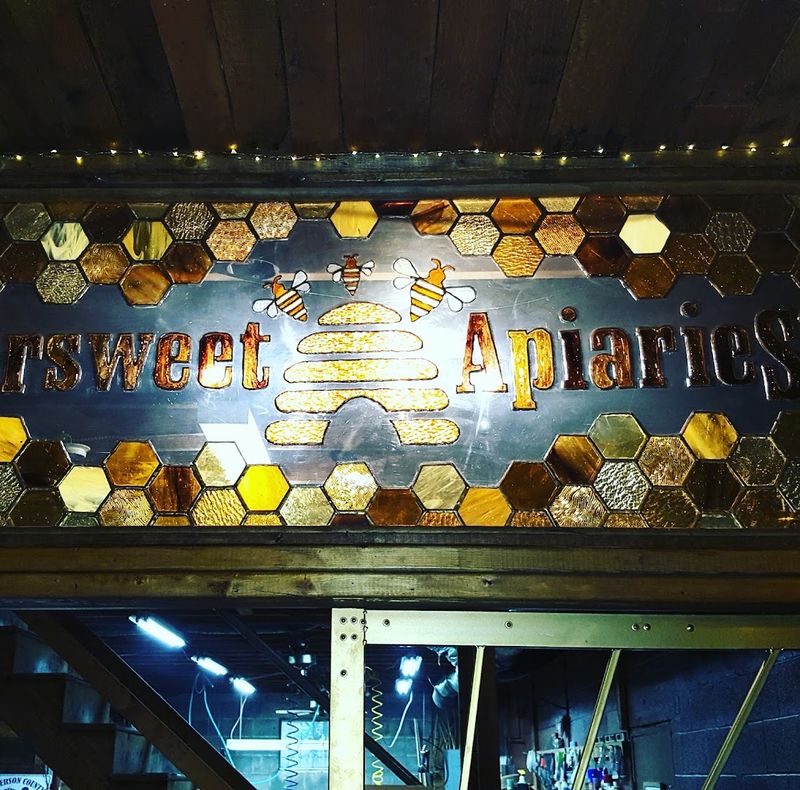
Geography shapes flavor, and West Virginia’s Eastern Panhandle is a particularly generous landscape for bees.
The region offers a mix of forests, meadows, and small farms that produce an extraordinary range of nectar sources throughout the growing season, with blooms shifting from early spring through late fall.
The relatively low density of industrial agriculture in the area means fewer pesticides in the environment, a significant advantage for bee health and honey purity, since cleaner forage translates directly into healthier hives and honey that tastes exactly the way nature intended.
Seasonal variation keeps the honey calendar interesting. Early spring brings locust and apple blossoms, summer opens up wildflower and clover fields, and late season adds depth with goldenrod and other late blooming plants.
Each harvest captures a specific moment in the landscape’s annual cycle, essentially tasting West Virginia itself one golden spoonful at a time.
That landscape is exactly why this apiary earned its spot on the West Virginia Honey Trail, a statewide initiative connecting visitors with local beekeepers and honey producers while celebrating the role of pollinators in the state’s agricultural story.
Being part of this trail places the farm in excellent company, though it brings a particularly deep level of engagement through its hive tours and educational programming.
It is not just a place to buy honey, it is a place to understand it, and a satisfying reason to explore the Eastern Panhandle and the broader Mountain State on a weekend afternoon.
Planning Your Visit To Eversweet Apiaries
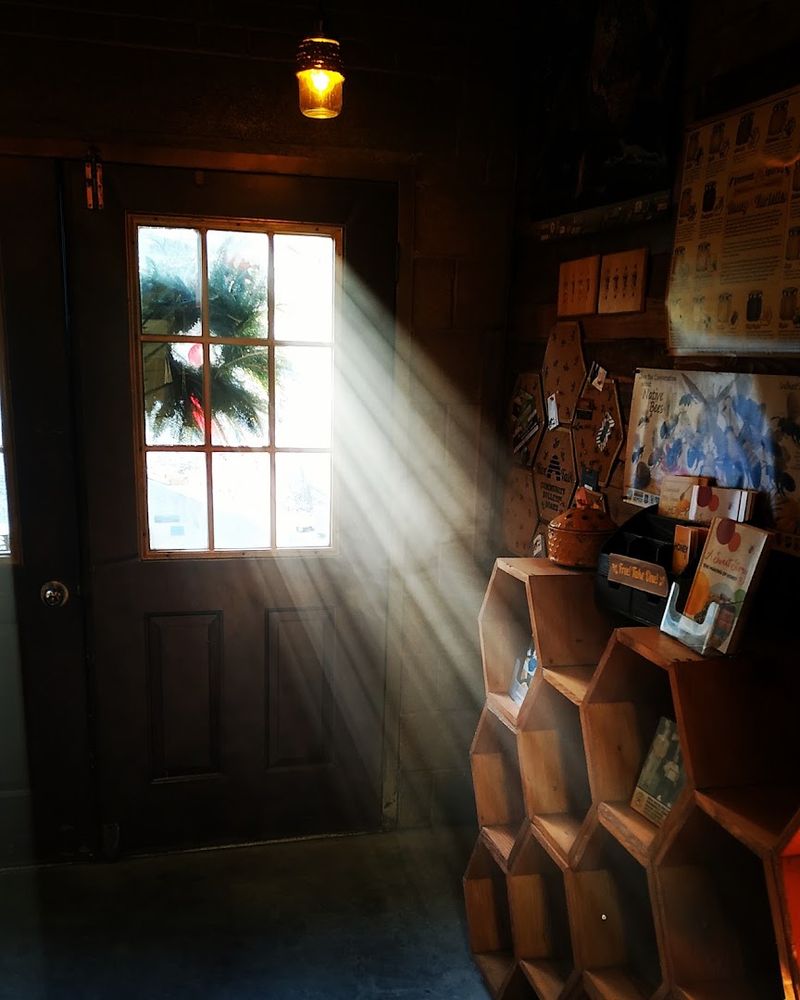
Getting to Eversweet Apiaries requires a short drive into a quiet, residential area of Kearneysville. The location feels tucked away, but that seclusion is part of what makes the visit feel like a genuine discovery.
First-time visitors occasionally second-guess the route, but the reward waiting at the end makes any navigation hesitation completely worthwhile.
The honey lobby is accessible at any hour, so grabbing a jar of local honey is always possible. For hive tours, classes, or purchasing live bees and queens, connecting with the apiary in advance is a smart move.
The owner is known for being approachable, informative, and genuinely invested in helping visitors leave with exactly what they need.
Bringing cash or a check for purchases is recommended given the honor-system retail setup. West Virginia’s rural charm is part of the package here, so expect a relaxed pace and genuine hospitality.
This is not a polished agritourism attraction. It is the real thing, and that authenticity is precisely what makes it worth the trip.