
Every Fall This Mississippi Pumpkin Patch Near Tupelo Turns Into A Wonderland Of Wagon Rides And Sunflowers
Driving the back roads of north Mississippi in October, you pass cotton fields, catfish ponds, and the occasional hand-lettered sign nailed to a fence post. One of those signs points down a gravel road toward eighty acres that have belonged to the same family since 1926.
What waits at the end is a working farm that spends one month a year covered in pumpkins, sunflowers, corn mazes, and wagons full of grandparents and grandkids. It is the kind of place you go planning to stay an hour and end up staying until the light goes orange.
A Century-Old Farm in the Shady Grove Community
Tucked into the Shady Grove Community of Pontotoc County, about five miles east of Ecru, Wise Family Farm sits at 291 Shady Grove Road on roughly eighty acres of working farmland. From Tupelo, it is a short country drive southwest, close enough that families often treat it as an afternoon trip rather than a full expedition.
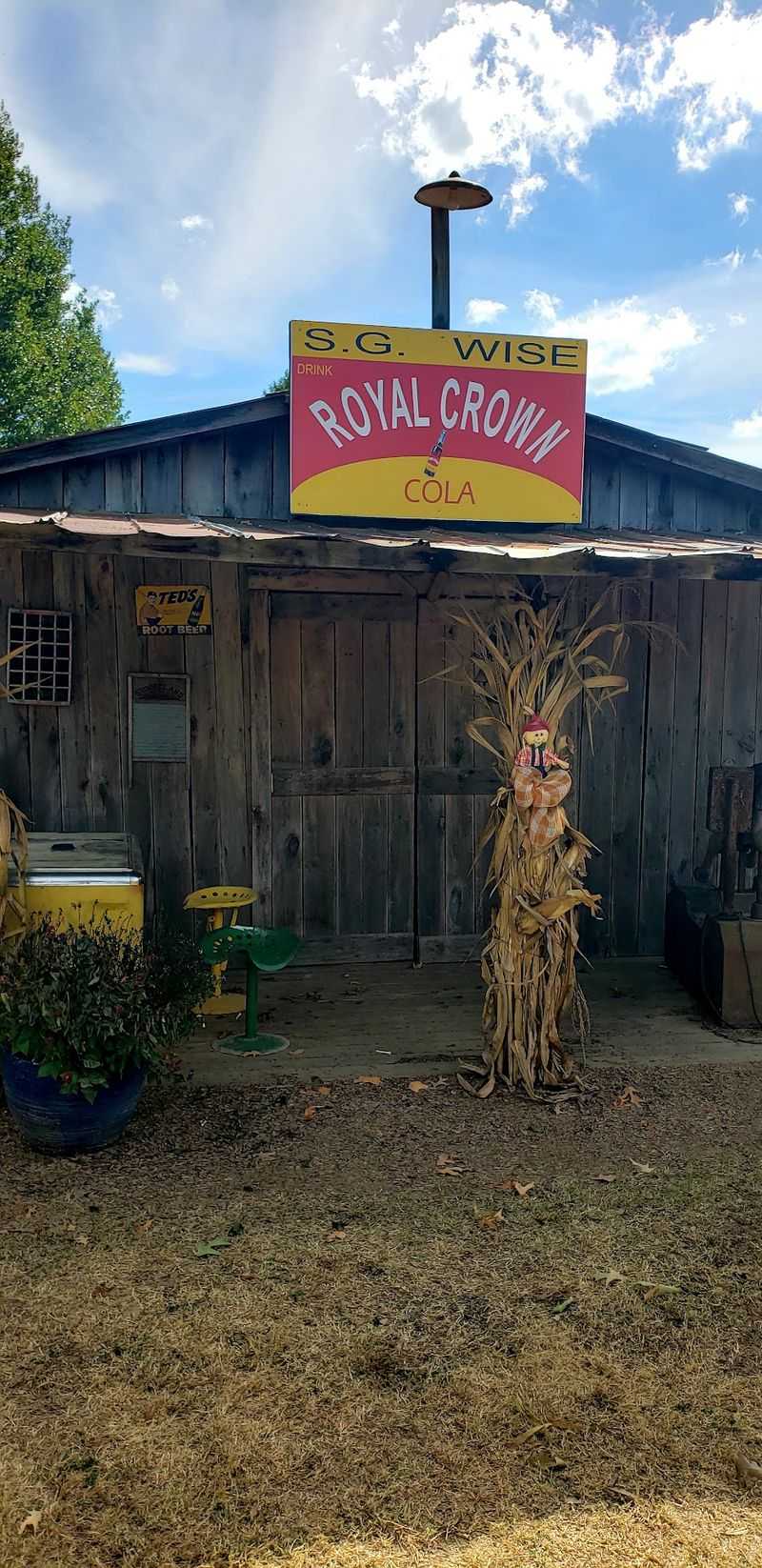
The farm has been in the Wise family since 1926, now run by a third generation. That longevity shows up in small ways: mature trees shading the picnic tables, fields laid out by people who know exactly where water pools after a storm, and a country store that feels lived-in rather than staged.
For most of the year it operates as a produce farm. Then October arrives and the place changes character entirely, opening its gates for a fall festival that runs roughly a month.
What you get is not a theme park dressed in flannel. It is genuine agricultural ground, with all the mud, dust, and uneven footing that implies, decorated for the season and opened up to anyone willing to make the drive down a gravel road.
Three Generations and the Story Behind the Gates
Nearly a hundred years is a long run for any family business, and farms rarely make it past a second generation intact. The Wise family land has been producing since 1926, passing down through three generations of caretakers who still refer to themselves that way rather than as owners.
Honesty about farming realities is part of the operation’s personality. In a drought year when the pumpkin crop failed, the family bought pumpkins elsewhere, placed them in the patch, and explained plainly why a small extra charge applied.
When a summer storm flattened a high tunnel greenhouse, they left the wreckage visible and talked about rebuilding it over winter.
That kind of transparency is unusual and worth appreciating. A real working farm cannot hide weather, and this one does not pretend otherwise.
The fall festival itself grew from that same practical thinking: ten acres planted in pumpkins, two acres in flowers, and a month of the year when the public is invited onto ground that normally only sees tractors. Seasonal staffing can climb to twenty-five or thirty people on busy weekends.
Wagon Rides Rolling Across Eighty Acres
Nothing sets the tone quite like climbing onto a straw-lined wagon and letting a tractor do the walking. The rides here are unlimited with admission, functioning as both an attraction and the farm’s internal transportation system, which matters when the property stretches across eighty acres.
Routes wind past hay bale stacks, flower fields, and open pasture, often pausing at photogenic spots along the way. Visitors regularly mention the wagon as the easiest way to reach the corn maze and the pumpkin patch without hiking the distance in October heat.
Grandparents appreciate this more than anyone. A family with a six-year-old and a grandmother can cover the whole farm together without anyone wearing out, and that shared pace is a large part of why the place works for multi-generational groups.
Bumpy gravel, the smell of cut hay, and the diesel hum of a tractor make for a sensory experience kids remember long after the pumpkin has rotted on the porch.
Riders can hop on as many times as they like throughout the visit, which turns the wagon into a kind of rural shuttle loop.
Sunflower and Zinnia Fields You Can Cut From
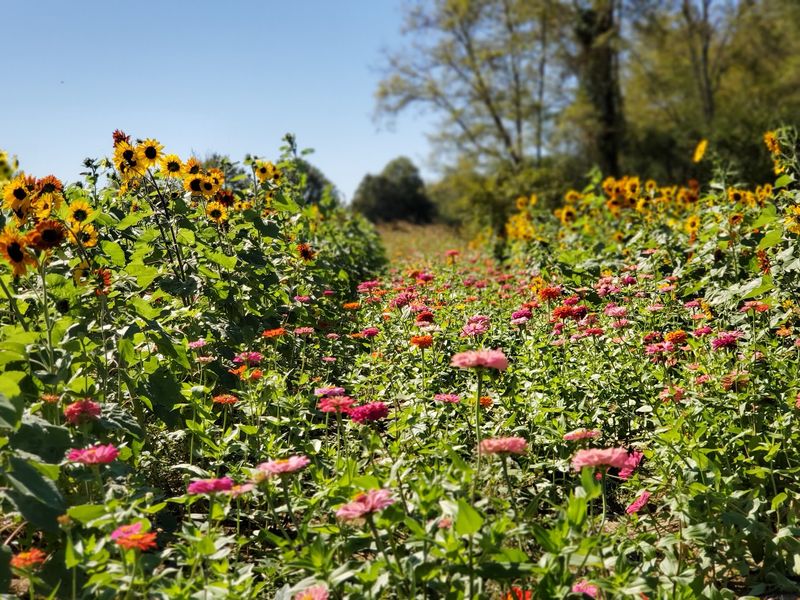
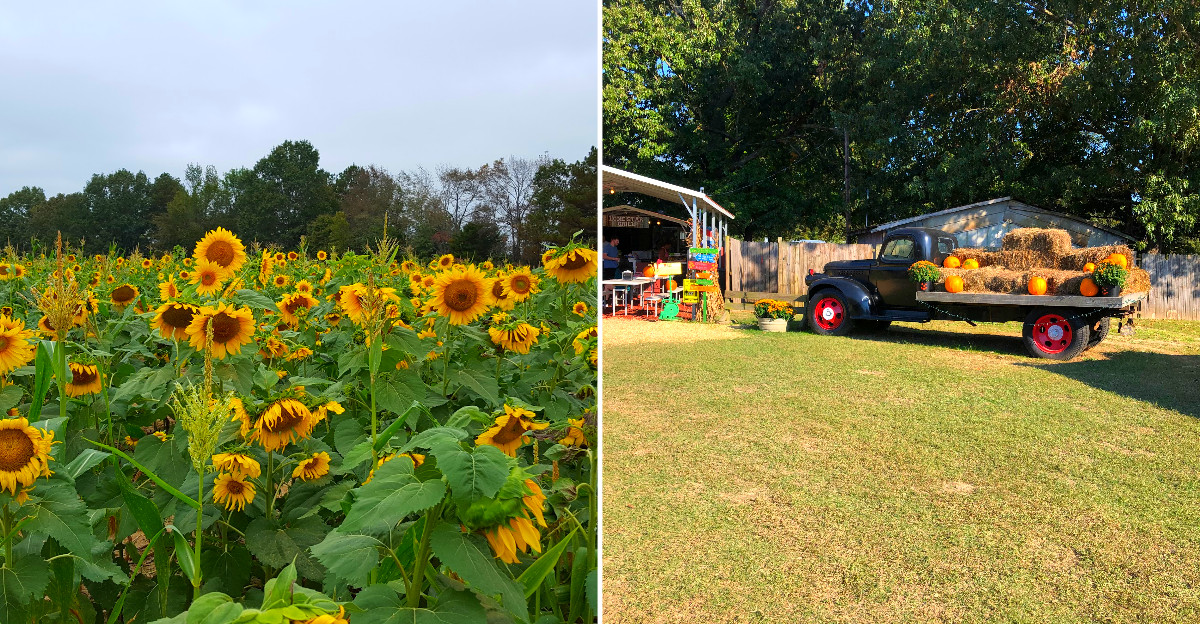
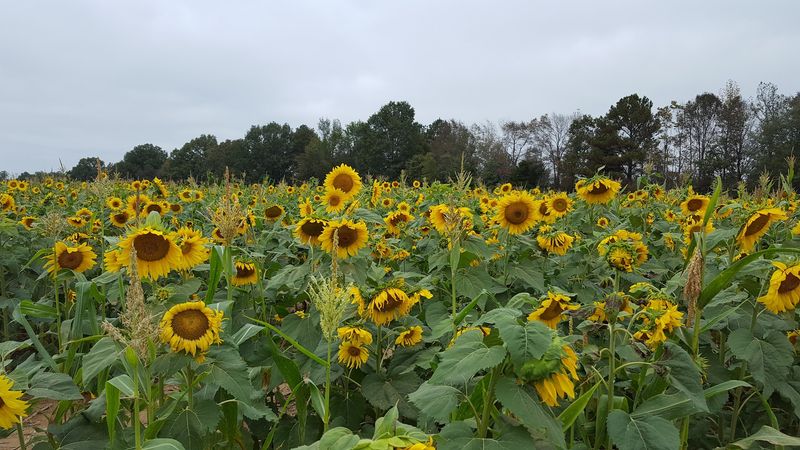
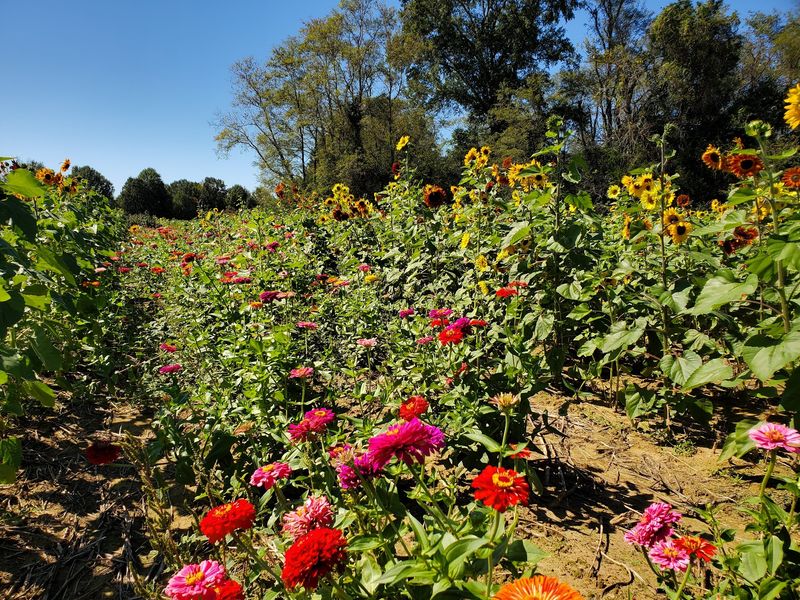
Two acres of flowers might be the most photographed feature on the property. Sunflowers dominate, with rows of zinnias adding pinks, oranges, and deep reds that photograph beautifully against the north Mississippi sky.
Guests can cut a bouquet to take home, which is included with general admission. Bringing your own scissors is a tip that regular visitors pass along, since the stems are thick and fingers alone will not do the job neatly.
Timing matters with flowers. Blooms peak and fade on their own schedule, so early in the festival run generally means fuller fields than the final weekend, and a dry season can shorten the window further.
Photographers show up for good reason. The combination of tall sunflower rows, open farmland, and afternoon light produces the sort of family portrait that ends up framed in a hallway for a decade.
Even for people with no interest in picking anything, walking the rows is a pleasant, low-effort activity. Sunflowers come up often in what visitors highlight about their trips, right alongside the pumpkins themselves.
Picking a Pumpkin Straight Off the Vine
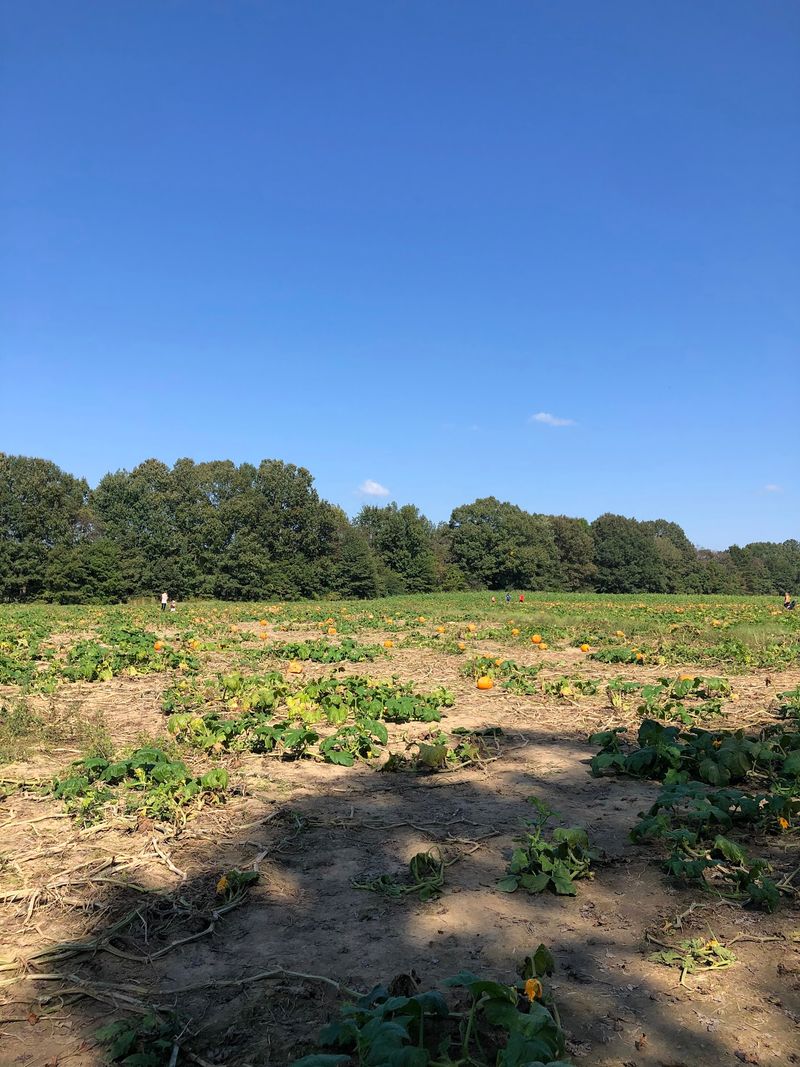
Ten acres go into pumpkins each year, and in a good season families wander the rows choosing one right off the vine. The difference between that and grabbing a pumpkin from a grocery bin is enormous for a kid, who suddenly understands that pumpkins grow out of the ground on long scratchy stems.
A separate ticket, around four dollars, covers choosing a pumpkin from the patch. General admission does not include it, which catches some visitors off guard, so budget accordingly if everyone in the group wants their own.
Weather runs the show. During drought years the field may not produce, and the farm brings in pre-picked pumpkins so nobody leaves empty-handed.
Late in the season, pickings can thin considerably, something repeat visitors have noticed when they wait until the week before Halloween.
Going early in October generally gives the best selection of shapes and sizes. Little gourds, fat carving pumpkins, warty specimens, and the odd white one all turn up.
Small hands and heavy pumpkins are a combination worth planning for, so keep the wagon route in mind.
Corn Mazes by Day and Flashlight Nights After Dark
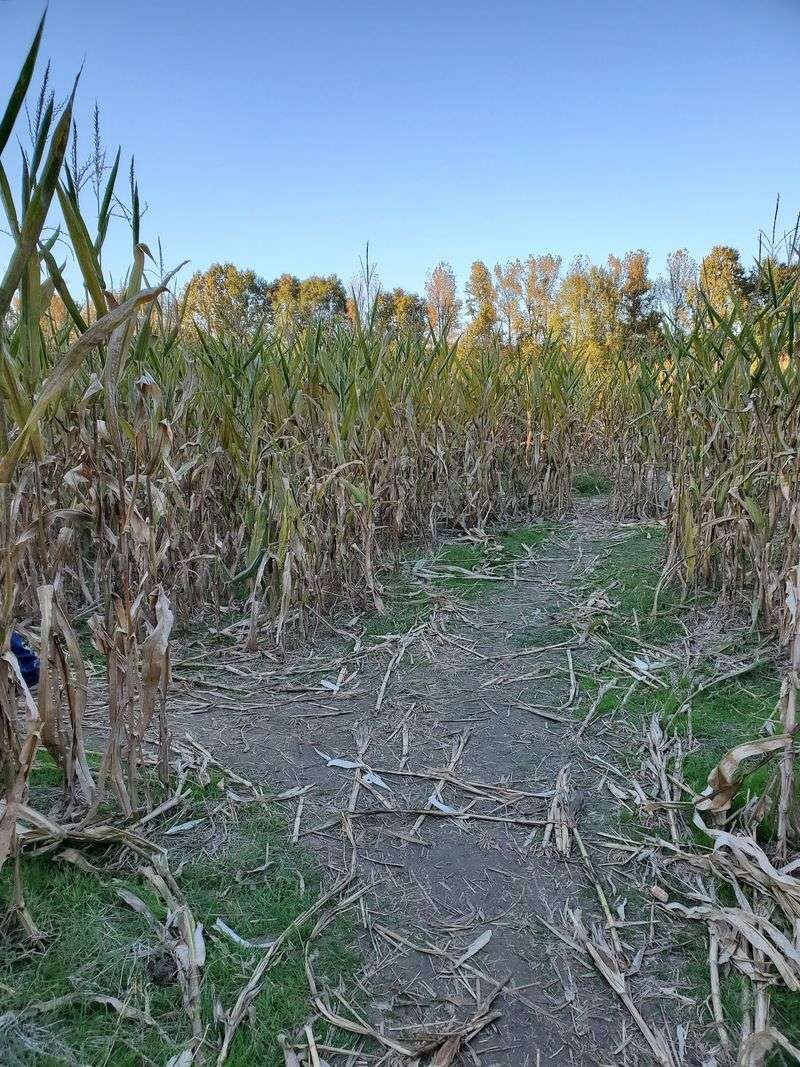
Themed corn mazes anchor the middle of the farm, cut fresh each season and offering two separate courses. Some groups blaze through in a few minutes, others wander happily for much longer, which is exactly how a maze should work.
After sunset, the experience flips. Flashlight nights turn the same rows into something considerably more exciting, with beams sweeping across corn stalks and cousins shouting directions at each other from two paths over.
Younger children tend to do fine in daylight, especially with the shorter routes and a parent along. Teenagers, who are famously hard to impress at a pumpkin patch, usually find the night version worth their time.
Corn mazes come up frequently among the features visitors mention, often paired with the wagon ride that drops them at the entrance.
Practical note: corn rows hold heat and block breeze, so a daytime run in early October can feel warmer than the open fields. Water bottles and a hat make the walk a lot more comfortable, and closed-toe shoes handle the uneven dirt rows better than sandals.
Barnyard Animals With Names and Personalities
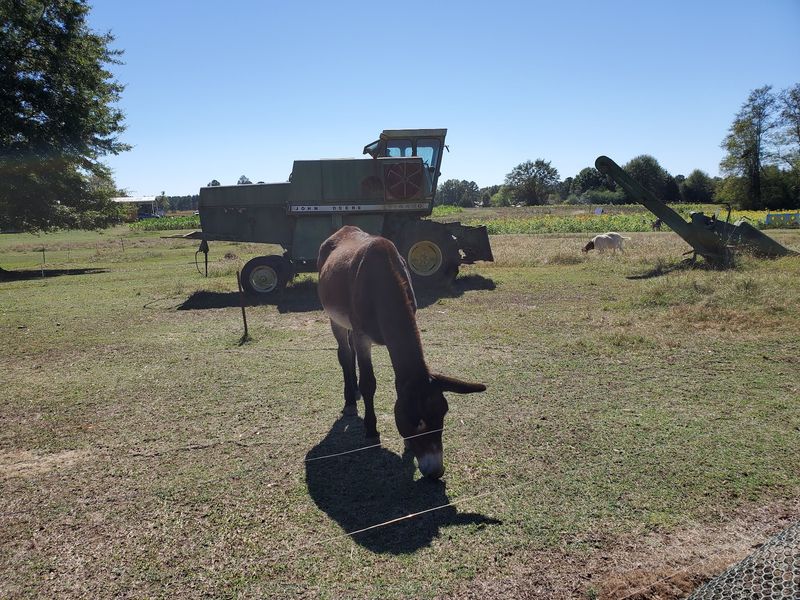
Goats named Doc and Trigger. A donkey called Bandit.
A pony, a pair of Holstein steers, and a miniature Hereford bull round out the roster, with ducks and chickens adding noise to the mix.
Naming animals is not a marketing flourish here; it reflects the fact that these are farm residents year-round rather than rented attractions that disappear in November. Kids can feed and pet them, and the enclosure sits near the playground on the way toward the wagon loading area.
Lineups shift from season to season depending on circumstances, so what greeted a family two years ago may not be identical this fall. Rabbits, for instance, have not always been available.
For toddlers, the animals frequently rank as the highlight of the entire trip, outranking the pumpkins entirely. There is something about a goat accepting feed from a small palm that no playground equipment can match.
Hand sanitizer is a smart pocket item, and reminding children to keep their palms flat when offering food saves a few startled squeals.
The Playground, the Tire Swing, and the Hay Bale Pyramid
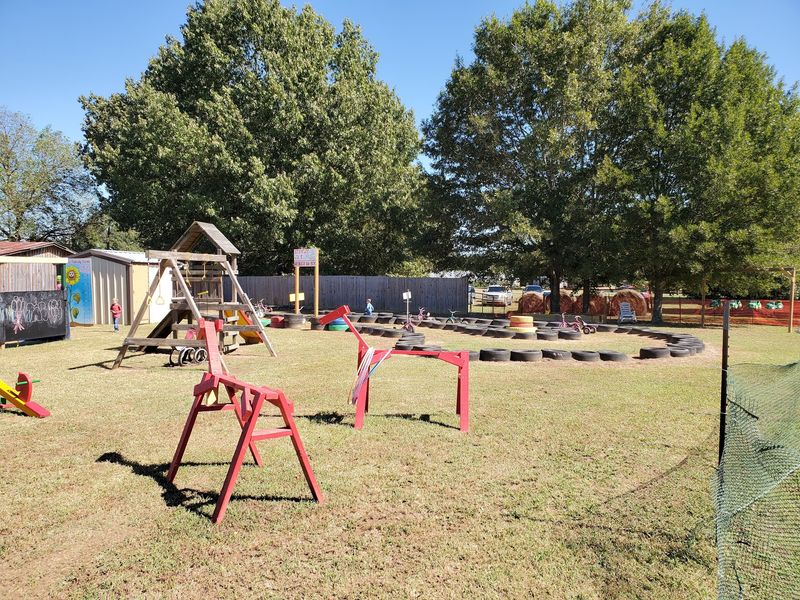
Ask a seven-year-old what they remember and the answer is rarely the sunflowers. It is the Big-Hoss Tire Swing, a tire pyramid built for climbing, hay bale stacks with slides cut into them, and a retired fire truck fitted with slides.
Layered play areas cover a big footprint, including a separate spot designed for the smallest visitors so toddlers are not competing with older kids. There is a corn box, essentially a sandbox filled with dried corn kernels, that quietly consumes half an hour of any child’s afternoon.
A school bus, football toss, basketball shoot, slingshots, cornhole boards, and assorted yard games fill the gaps between bigger attractions. Jump pads add another burst of energy-burning.
Parents mention that the scale feels manageable rather than overwhelming for young children, which is a genuine distinction among fall farms.
Equipment sits out in the open, so surfaces can get hot on a bright October afternoon. Arriving later in the day or in the last hour before closing usually means cooler metal and shorter waits at the popular pieces.
Hillbilly Pasture Golf and the Odd Games in Between
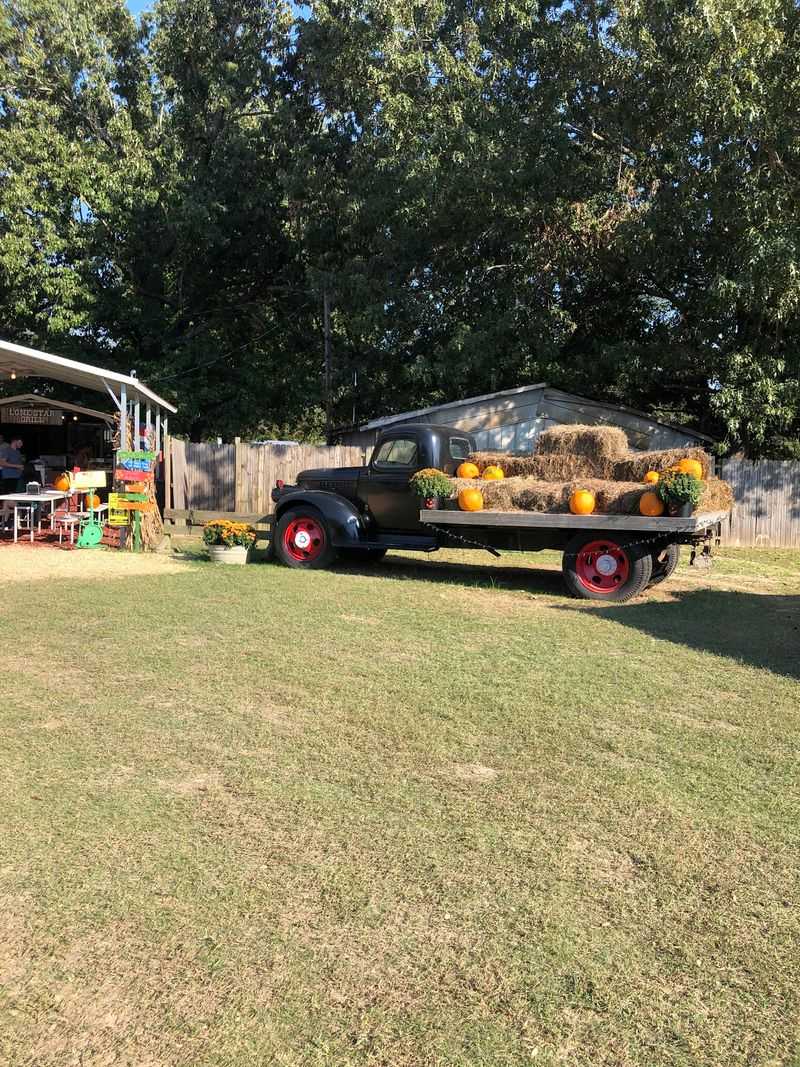
Nine holes cut through a pasture, played with whatever swing you can manage over uneven ground: Hillbilly Pasture Golf is exactly as unserious as it sounds, and that is the appeal. Adults who thought they were only chaperoning tend to get competitive around hole four.
Miniature golf runs alongside it for those who prefer a flatter surface. Between the two, there is enough for a family to spend a solid stretch without reaching for a phone.
A barrel train ride circles part of the grounds, trike racing gives little legs something to do, and a music garden lets kids bang on things without anyone telling them to stop.
Campfire parties happen on the schedule too, and yard games are scattered around for anyone waiting on food or resting between activities.
Most of this is folded into the single admission price, which is part of why families describe the day as good value. A few extras, such as pony rides or a duck race, have carried small separate charges in past seasons, so carrying a little cash is sensible.
Shady Grove Country Store and Farm Food
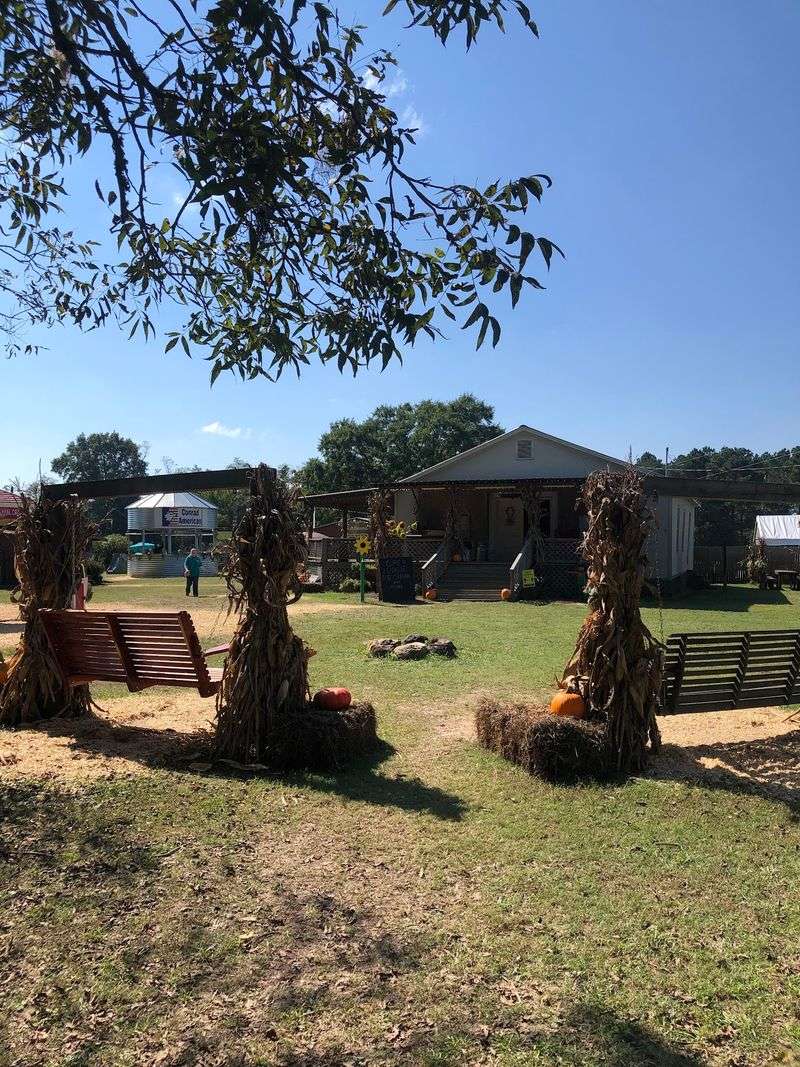
Kettle corn gets talked about a lot around here, along with homemade popcorn that several visitors single out as the best they have had. Concession stands handle drinks and snacks, and hot food is available on site.
The Shady Grove Country Store doubles as a shopping stop and a place to sit down, complete with a checkers board for anyone who wants to slow the day down. Lone Star Grill handles the heartier end of the menu.
Picnic tables are spread across the farm and on the store porch, so families who pack their own snacks have shaded places to regroup. Snack prices have been described by guests as reasonable rather than inflated.
Food lines can stretch on peak Saturdays, when crowds run heaviest. Eating at an off-hour, either right at opening or in the mid-afternoon lull, often means a much shorter wait.
A cup of kettle corn on a hay bale while the tractor rumbles past is, frankly, the whole point of an October afternoon in Pontotoc County.
Who Has the Best Time Here
Families with children roughly two through ten hit the sweet spot. There is enough variety to fill several hours and enough gentle activity that a preschooler is not left out, which parents of toddlers repeatedly point out.
Grandparents do well too, largely thanks to the wagon rides that cut down the walking. Benches, picnic tables, and porch seating give the older crowd places to land while grandchildren burn off energy nearby.
School groups come through on field trips during the week, when the atmosphere is calmer and staffing is lighter than on weekends.
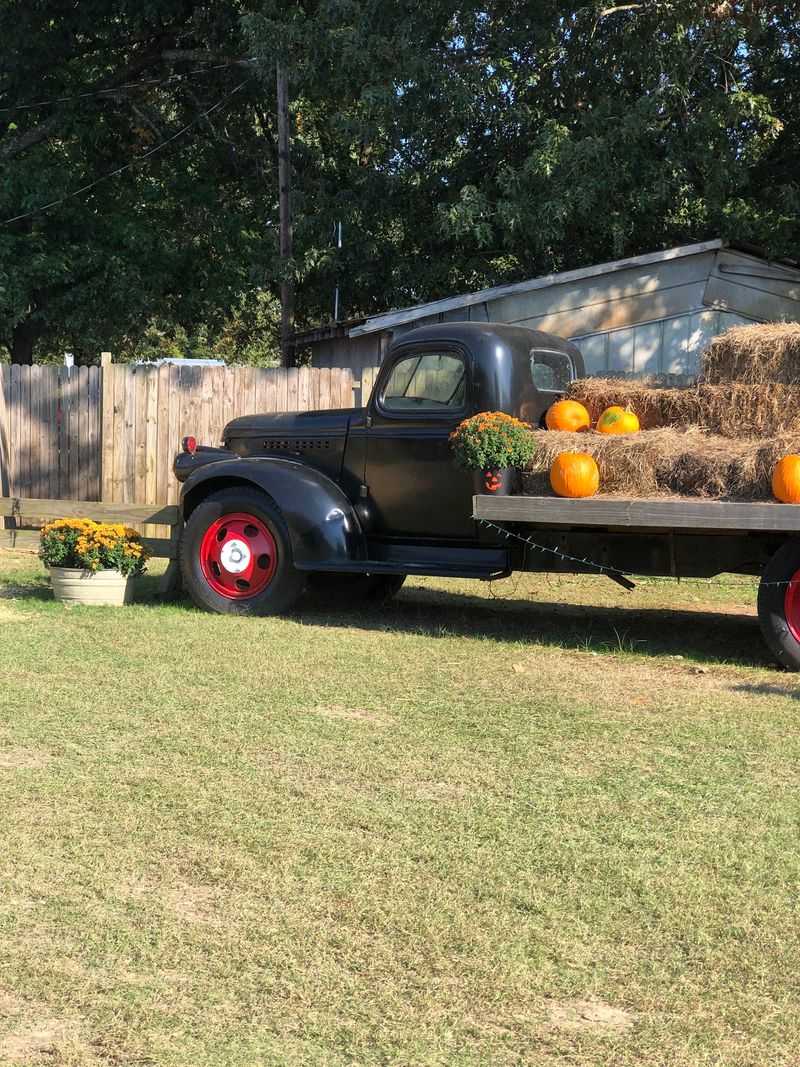
Photographers and anyone chasing fall pictures will find dozens of arranged backdrops, from hay bale setups to flower rows.
Teenagers may find daytime tame, but flashlight maze nights and pasture golf usually win them over.
Worth knowing: the terrain is natural and unpaved throughout, and the farm does not publish specific details about wheelchair or stroller access. Dirt, grass, and gravel are the surfaces, so anyone relying on wheels should plan for rough ground or call ahead with questions.
Admission, Season Dates, and What the Ticket Covers
General admission has run around $14.95 per person, with children two and under free. Choosing a pumpkin from the patch requires a separate ticket of about $4.00, so a family of five picking five pumpkins should factor that in.
For that single entry fee, guests get the wagon rides, both corn mazes, the playgrounds, jump pads, pasture golf, miniature golf, the barrel train, the animals, the yard games, and a bouquet from the flower fields. That is a lot bundled into one price for a Saturday.
The fall festival typically runs from early October into the first days of November. The 2026 season is scheduled for October 3 through November 1.
Online tickets have been offered at a small discount, though a processing fee reduces the actual savings, so the difference may be minor.
Prices and dates can shift year to year, so confirming through the farm’s official channels before loading up the car is the safe move. A small amount of cash is handy for extras like pony rides.