
Every November Tens Of Thousands Of Cranes And Snow Geese Fill The Sunrise Sky In New Mexico
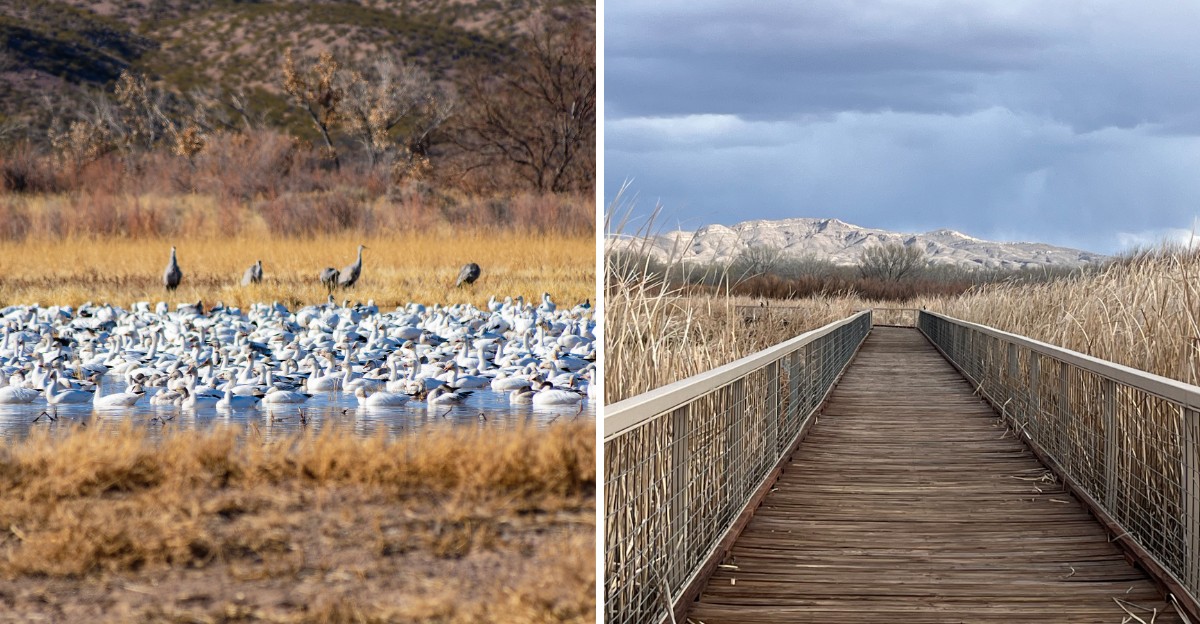
A thunder of wings can rattle a cold New Mexico morning at sunrise. Thousands of snow geese launch from the water at once.
Sandhill cranes follow in looser lines, calling with a rattle you will not forget.
Why would Arctic birds pick a desert for winter? Shallow wetlands and planted fields give them food, water, and safety.
That combination turns a quiet corner of New Mexico into a nonstop bird show.
How early would you wake up for a sky full of wings? The answer here is well before dawn.
Gravel roads loop past the marshes, so your car becomes a cozy blind. Bring a thermos, a warm hat, and patience.
Come evening, the whole flock glides back in. Who said the show only runs once a day?
The Sunrise Blast-Off Is The Reason Your Alarm Should Ring In The Dark
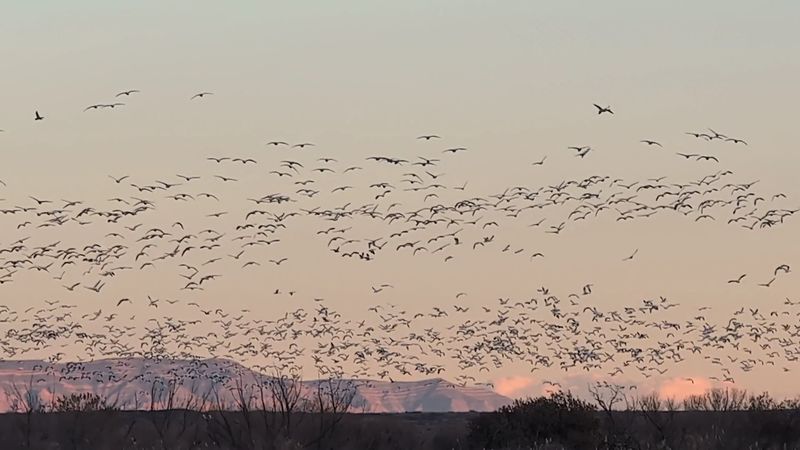
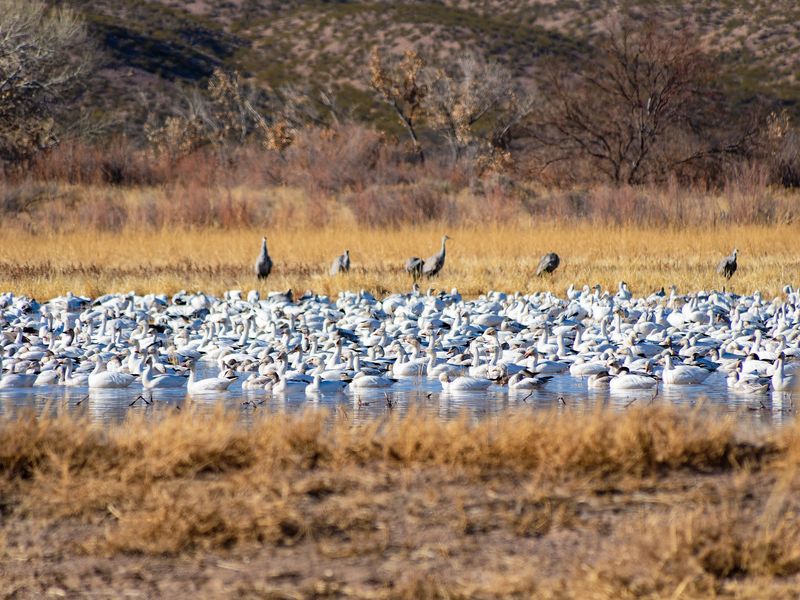
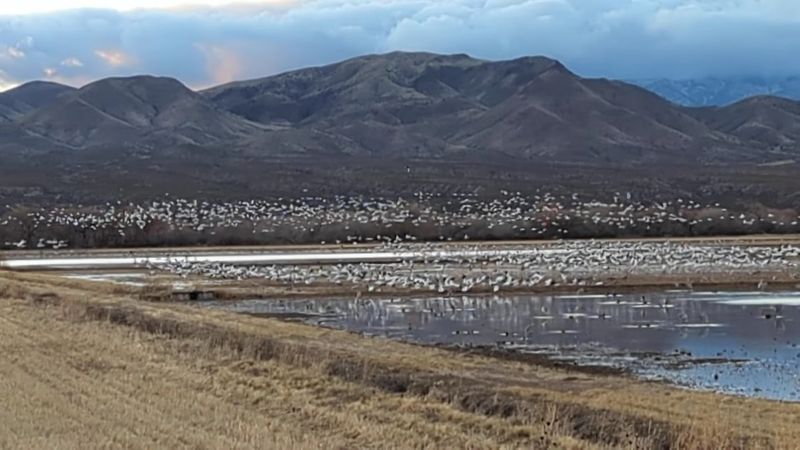
Snow geese don’t ease into their mornings. At Bosque del Apache National Wildlife Refuge, thousands of them often rise from the water together in one loud, white wave.
Birders call this moment the blast-off, and it’s the headline act of a New Mexico winter. The honking builds first, and then the whole flock seems to leave the marsh in a rush.
Timing matters here, so plan to arrive before the sun shows up. The refuge opens one hour before sunrise, which gives you time to park and get settled.
Sandhill cranes usually leave the water after the geese. They head out in smaller groups to feed in nearby fields, calling as they go.
That staggered departure means the show doesn’t end in a single second. You can watch the geese explode upward, then keep your eyes on the cranes drifting off in lines.
Bring binoculars, but don’t spend the whole time looking through them. Some moments are better taken in with your plain old eyes.
A camera helps too, though shaky hands are common in the cold. A small tripod or a steady car window can save your photos.
Most of all, stay quiet and patient. The birds set the schedule, and they never check yours first.
November Kicks Off The Busiest Bird Season Of The Year
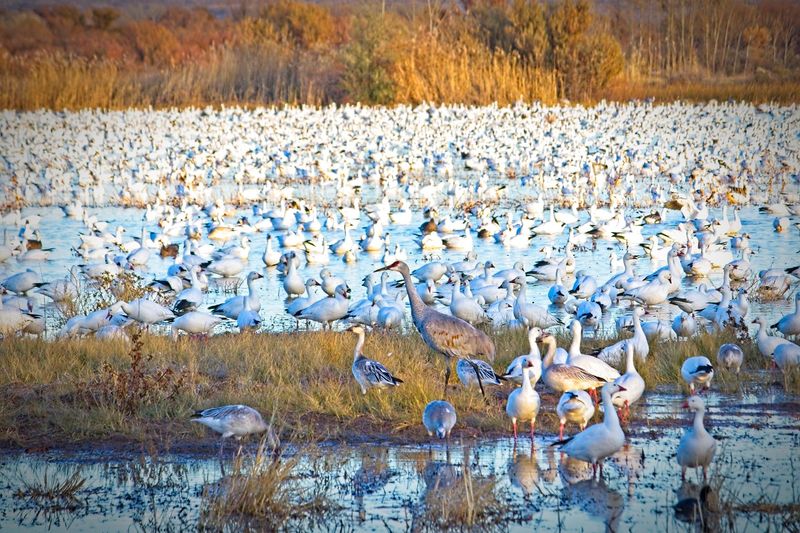
Mark early November on your calendar. That’s when bird numbers at the refuge start climbing toward their winter peak.
The busy stretch generally runs from early November through late January. During that time, tens of thousands of sandhill cranes, snow geese, and Ross’s geese make the refuge their winter home.
Ross’s geese look a lot like snow geese, just smaller. They have shorter, stubbier bills, which makes spotting the difference a fun little game.
Sandhill cranes are easy to pick out by their size. They stand tall on long legs, with gray bodies and a patch of red on the head.
These birds travel a long way to get here. Many snow geese nest in the Arctic, so a New Mexico winter feels mild to them.
The refuge works hard to make that trip worth it. Managed wetlands and farm fields give the birds water to rest in and food to eat.
Bird counts change from week to week and year to year. Weather, water levels, and food all shape how many birds show up.
The visitor center can tell you where birds have been spotted lately. A quick stop there can point you toward the busiest ponds that day.
Your Car Becomes The Best Bird Blind On The Auto Tour Loop
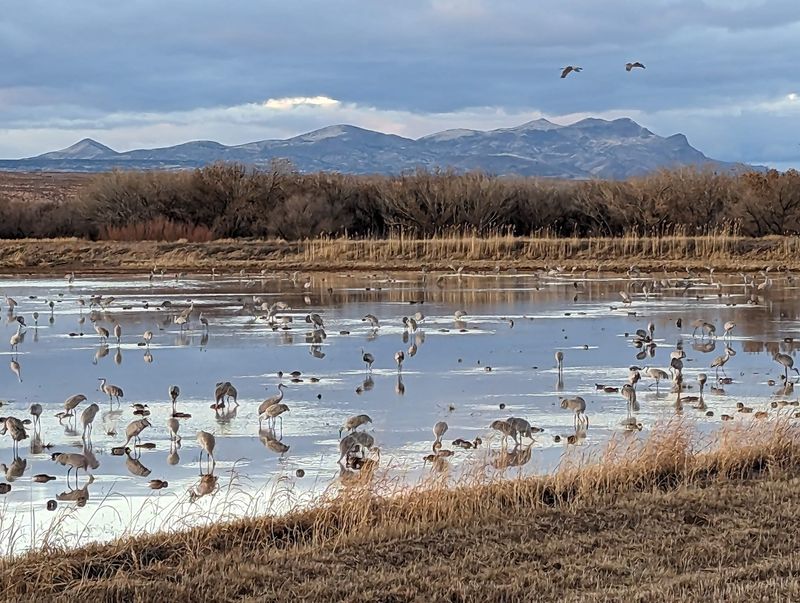
Here’s a rare case where staying in your car counts as great nature watching. The refuge’s 12-mile Auto Tour Loop winds through wetlands and fields where birds gather.
Wildlife at Bosque del Apache National Wildlife Refuge is used to vehicles. That means your car can work like a blind, letting you watch birds without scaring them off.
The loop is split into north and south sections. You can drive the whole thing or pick a shorter part if time is tight.
The road is gravel and can get dusty. Drive slowly, follow the posted speed limits, and pull fully over when you want to stop.
Viewing spots along the route give you places to step out and look. Some areas have platforms and spotting scopes, which make distant birds much easier to see.
There’s a small day-use fee per vehicle at the entrance. Federal passes like America the Beautiful are accepted, so bring yours along.
Plan to drive the loop more than once if you can. Morning and evening often feel like two totally different shows.
Keep snacks and water in the car too. Once the birds start moving, nobody wants to leave for lunch.
Sunset Brings The Whole Flock Back Home
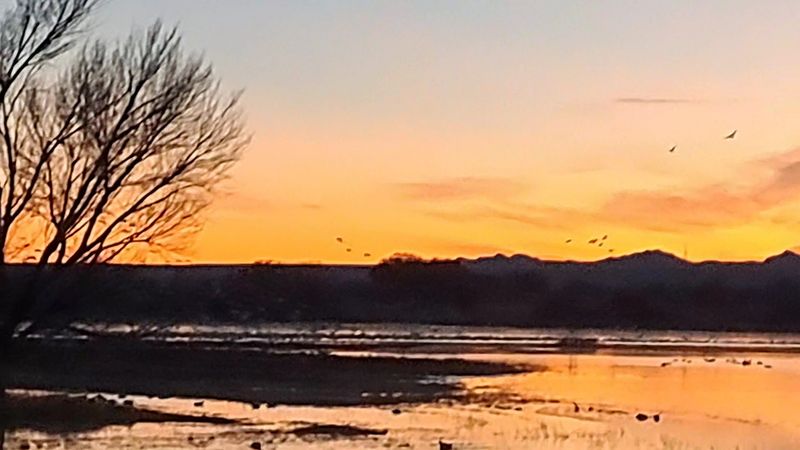
Not a morning person? Good news, because the birds come back in the evening.
After a day in the fields, cranes and geese return to the shallow water to spend the night. The water helps keep them safer from predators like coyotes.
The fly-in feels calmer than the sunrise blast-off. Long lines of cranes glide down in waves, often against a sky turning pink and orange.
The loop stays open until one hour after sunset. That gives you enough time to watch the last birds land before heading out.
Wetlands just north of the main entrance are a popular sunset spot. Pick a pullout, turn off your engine, and let the sounds roll in.
Cranes make a rolling, rattling call that carries a long way. Once you hear it, you’ll probably recognize it forever.
Photographers love this hour for the soft, warm light. Silhouettes of birds against the colorful sky make easy, striking pictures.
Dress warmly, since desert evenings cool off quickly after the sun drops. Your fingers will thank you when you’re still holding a camera at dusk.
Doing both sunrise and sunset in one trip is a smart move. It’s the full daily cycle, start to finish.
Keep An Eye Out For Javelinas, Coyotes, And Roadrunners
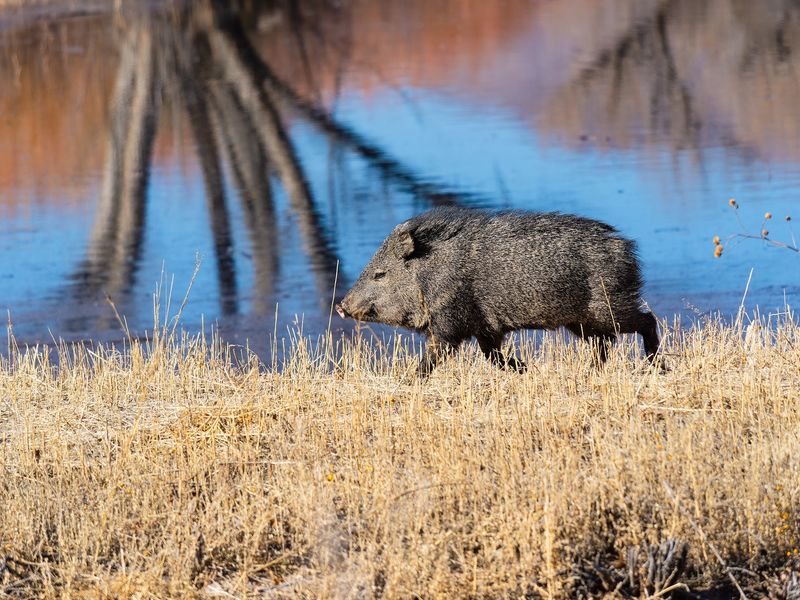
Cranes may get top billing, but the supporting cast is pretty great. Bosque del Apache is home to plenty of animals beyond the winter birds.
Coyotes often trot along the edges of the ponds. Mule deer, wild turkeys, porcupines, and muskrats also live on the refuge.
Javelinas are a fun bonus if you spot them. These pig-like animals move in groups and add a little desert attitude to the trip.
Roadrunners are another New Mexico favorite. Yes, they really do run, and yes, the cartoon comparisons are hard to avoid.
Birders can look for bald eagles, hawks, and other raptors during the colder months. Many duck species, great blue herons, and American coots also share the water.
Quail and pheasants hide in the brush, so watch the roadside closely. Red-winged blackbirds add color and noise near the marshes.
A field guide or bird app helps you name what you see. It turns a pretty drive into a fun scavenger hunt.
Remember that this is their home, not a zoo. Keep your distance, stay on open roads and trails, and never feed the wildlife.
Every drive brings different surprises. That’s half the fun of coming back.
Trails And Bike Rides Get You Out Of The Driver’s Seat
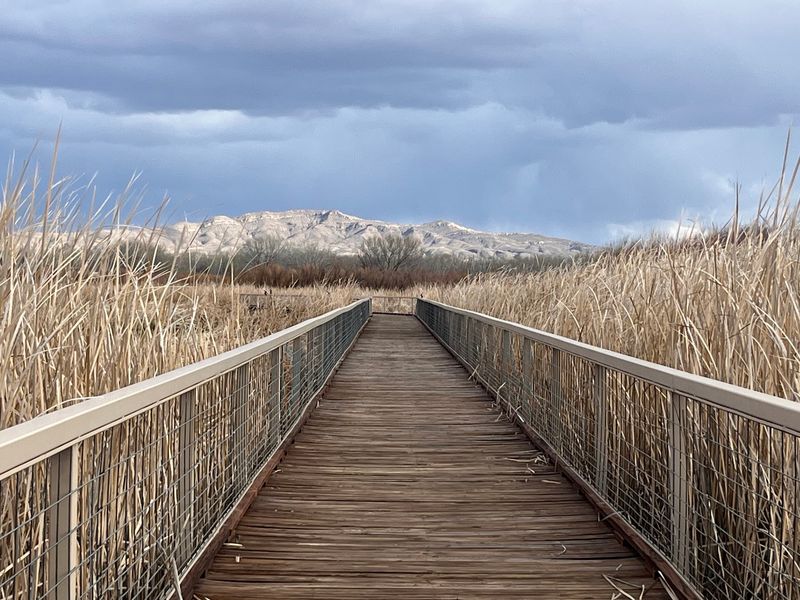
Legs getting restless after the loop? The refuge has more than 30 miles of hiking and nature trails to stretch them out.
The trails cross several kinds of land. You can walk past marshes, through Chihuahuan desert, and along areas near the Rio Grande.
A boardwalk lets you get close to the water without muddy shoes. It’s a calm, easy spot for watching ducks and listening to birds.
Desert trails feel totally different from the wetland paths. You’ll trade cattails for cactus and get wide views across the valley.
Some trails sit outside the fee area, so a quick walk is easy to fit in. Ask at the visitor center about which ones are open, since access can change in winter.
Bicycling is allowed on roads open to vehicles and on certain trails. A slow ride lets you hear the birds better than you would in a car.
Bring water, sunscreen, and layers, even on cool days. In warmer months, bug spray is smart near the marshes.
Pack out every bit of trash you bring in. Pets have strict rules here, especially in winter, so check before bringing yours.
Quiet trails reward patient walkers. Slow down and you’ll notice more.
The Visitor Center Packs A Lot Into A Small Space
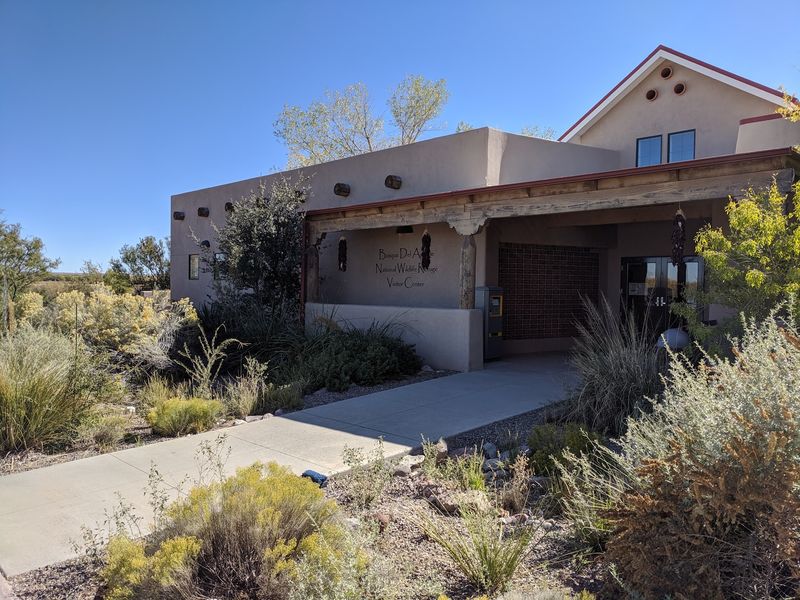
Small building, big help. The visitor center at Bosque del Apache National Wildlife Refuge sits at 1001 NM-1, San Antonio, NM 87832.
Inside, you’ll find maps, exhibits, and a gift shop. Volunteers and staff can share where birds and other critters have been spotted recently.
Kids have hands-on things to explore too. Animal track stamps let young visitors press prints into sand, which beats another round of car games.
Right outside, a desert garden shows off cacti and other dry-land plants. Bird feeders around the garden attract smaller birds, so it’s worth a slow walk.
Restrooms are in a separate building nearby. Picnic areas sit close to the center, and you can also eat in your car along the loop.
Visitor center hours differ from the refuge’s dawn-to-dusk hours. Recent listings show it open 9 to 4 daily, but hours can change.
Check ahead before your visit, especially in winter. Parts of the loop sometimes close for water-control work.
Cell service can be spotty in the area. Grab a paper map while you’re inside, just in case.
Camping isn’t allowed on the refuge. Plan to stay nearby in San Antonio or Socorro instead.
A Refuge Built For Birds Since 1939
Back in 1939, sandhill cranes in this area were in real trouble. The refuge was created that year to give migrating birds a safe winter home.
The name comes from Spanish and means woods of the Apache. It points to the riverside forest, or bosque, along the Rio Grande.
People lived here long before the refuge existed. The Piro people had settlements in the area, and the historic El Camino Real route passed nearby.
Today, Bosque del Apache National Wildlife Refuge covers about 57,331 acres. Part of that land is set aside as wilderness.
The refuge is known for helping sandhill cranes recover. Careful water and field management brought birds back in big numbers.
Staff flood ponds and grow crops on purpose. That gives cranes and geese food and water during the long New Mexico winter.
It’s a little like running a giant bird hotel. The guests check in each fall and check out in spring.
Knowing this history makes the sunrise show feel even bigger. Those clouds of geese exist partly because people decided to protect this land.
That’s a pretty good reason to tread lightly and leave it better than you found it.
Bundle Up, Because Dawn Out Here Bites
Upper 20s at dawn. That’s the kind of chill you can expect before a November sunrise at the refuge.
Desert days can warm up nicely, but early mornings feel nothing like that. Plan for both, and dress in layers you can peel off later.
A warm hat and gloves are must-haves. Wool socks and waterproof boots help when you’re standing near damp ground.
Hand warmers are small but mighty. Tuck a few in your pockets and you’ll last much longer at the viewing spots.
A hot drink in a thermos helps too. Sipping something warm while the sky slowly brightens feels like a tiny reward for waking up early.
The refuge sits about 20 miles south of Socorro and roughly 95 miles south of Albuquerque. Leave extra time, since the drive happens in the dark.
Early December can bring the Festival of the Cranes, with tours and talks. Check whether it’s scheduled before you plan around it.
No matter when you go, the cold is part of the deal. One look at thousands of wings lifting into a golden New Mexico sky, and chilly toes suddenly seem like a fair trade.