
Experience The Texas Bayou Restaurant Where Crawfish Etouffee Has Been A Signature Favorite From The Beginning
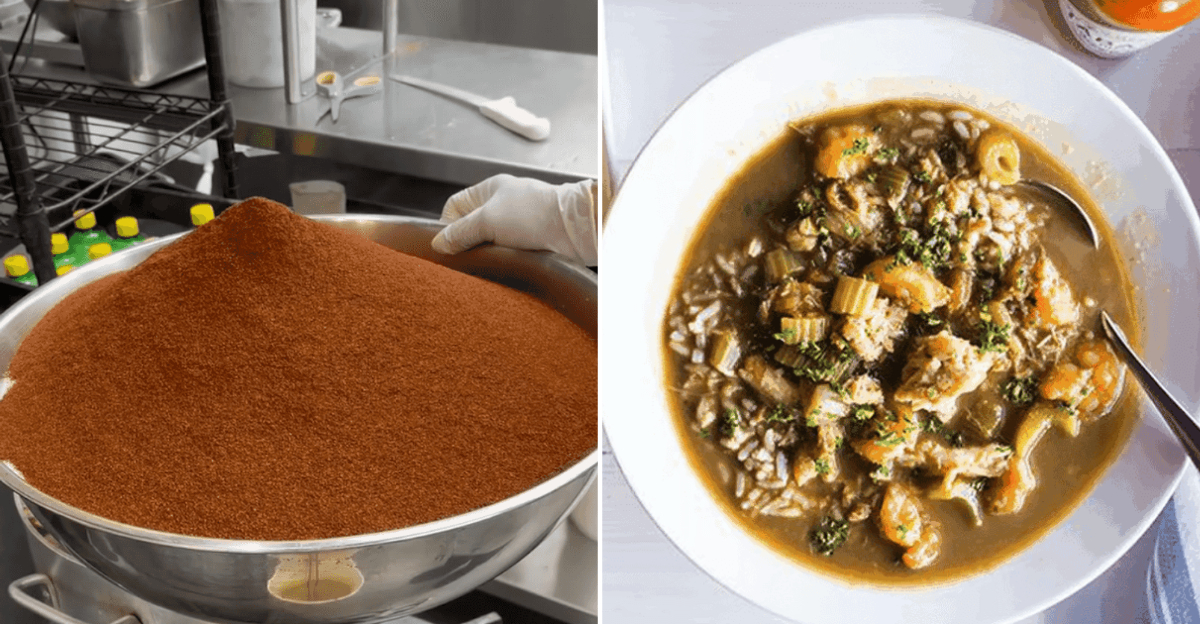
Steam rises from heavy ceramic bowls as soon as the screen door clicks shut against the humid air. This low-slung wooden building sits precariously over the dark, slow-moving coastal waters.
Louisiana culinary traditions might dominate the region, but Texas chefs here claim a victory with their own backyard waters. The rich, mahogany-colored roux coats the spoon with a velvety thickness that requires hours of slow stirring.
Plump, sweet crawfish tails crowd the plate, buried under a perfectly seasoned mound of white rice. Each bite carries a deep, smoky undertone that highlights the natural sweetness of the shellfish.
Regulars don’t even bother looking at the printed menus tacked above the counter. They simply nod toward the bubbling pots that have defined this kitchen for forty years.
The History Of Crawfish Etouffee In Texas Cuisine
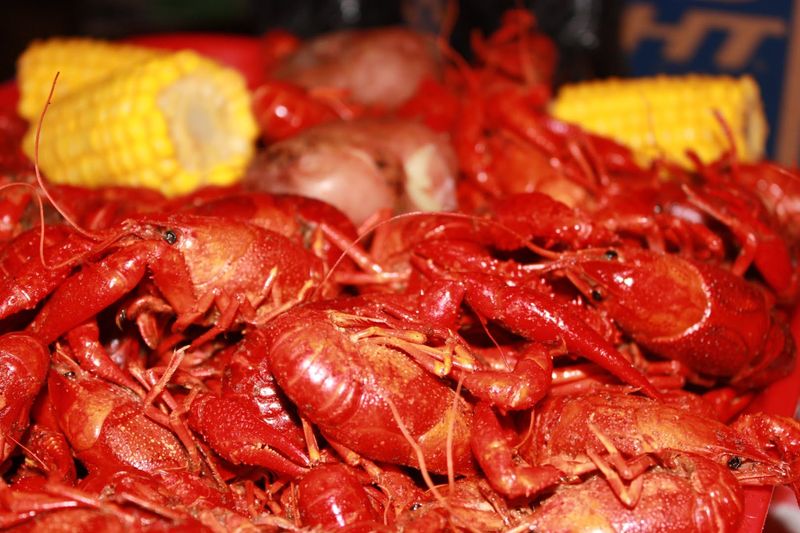
Crawfish etouffee did not start in Texas. It came from Breaux Bridge, Louisiana, a town proudly known as the Crawfish Capital of the World.
Cajun families were cooking this dish through the 1920s and 1930s, long before it crossed state lines.
French and Acadian settlers brought their love of freshwater crawfish into Texas during the 18th and 19th centuries. Texas cooks adapted the seasonings using whatever local ingredients they had on hand.
That creative swap helped crawfish blend naturally into Texas food culture.
Ragin Cajun, originally called Ray Hay’s Cajun Po-Boys, threw Houston’s first crawfish boil in its parking lot back in 1976. By 1978, it became the first sit-down Cajun restaurant in Houston to put Louisiana boiled crawfish on the menu.
Luke Mandola Sr. renamed the restaurant Ragin Cajun in 1981, officially making it the city’s first to carry that name.
For over 50 years, Ragin Cajun has served Louisiana cuisine to Houston with consistency and pride. That kind of longevity does not happen by accident.
It happens because the food is genuinely good and the history behind it is real. You can find this Houston institution at 1725 Wirt Rd, Houston, TX 77055.
Ingredients That Make Crawfish Etouffee Unique
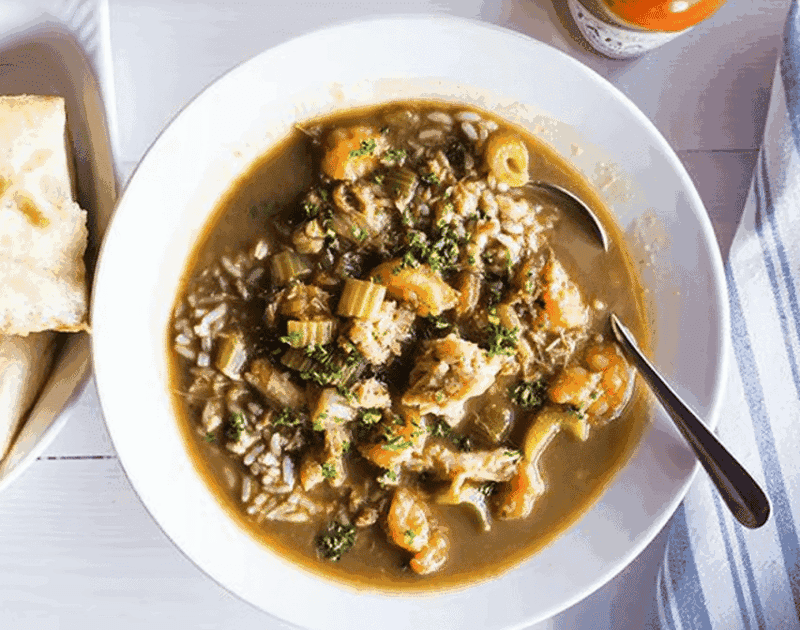
What makes crawfish etouffee stand apart from other seafood dishes starts with one thing: Louisiana crawfish tails. They are the heart of the whole recipe.
Without them, you are just making a fancy gravy.
The flavor base is built on what Cajun cooks call the holy trinity. That is chopped onion, celery, and bell pepper cooked down together.
Add garlic, seafood stock, and Cajun seasoning, and the aroma alone will make your stomach growl.
A roux pulls everything together. Made from butter and flour, it gets cooked until it turns a warm peanut butter brown.
That color means the flour is properly toasted and the sauce will carry real depth.
Here is something most people do not know. The creamy yellowish substance found inside crawfish is often called fat, but it is actually the liver.
Cajun cooks know to keep it in the pot. It adds richness and a flavor that no spice blend can fully replace.
Cajun-style etouffee skips tomatoes and leans on oil or animal fat for the roux. Creole-style uses butter and may include tomatoes, making it slightly milder.
Both versions are worth trying. Ragin Cajun knows which direction they are heading, and the result has kept people coming back for decades.
Traditional Cooking Techniques For Perfect Etouffee
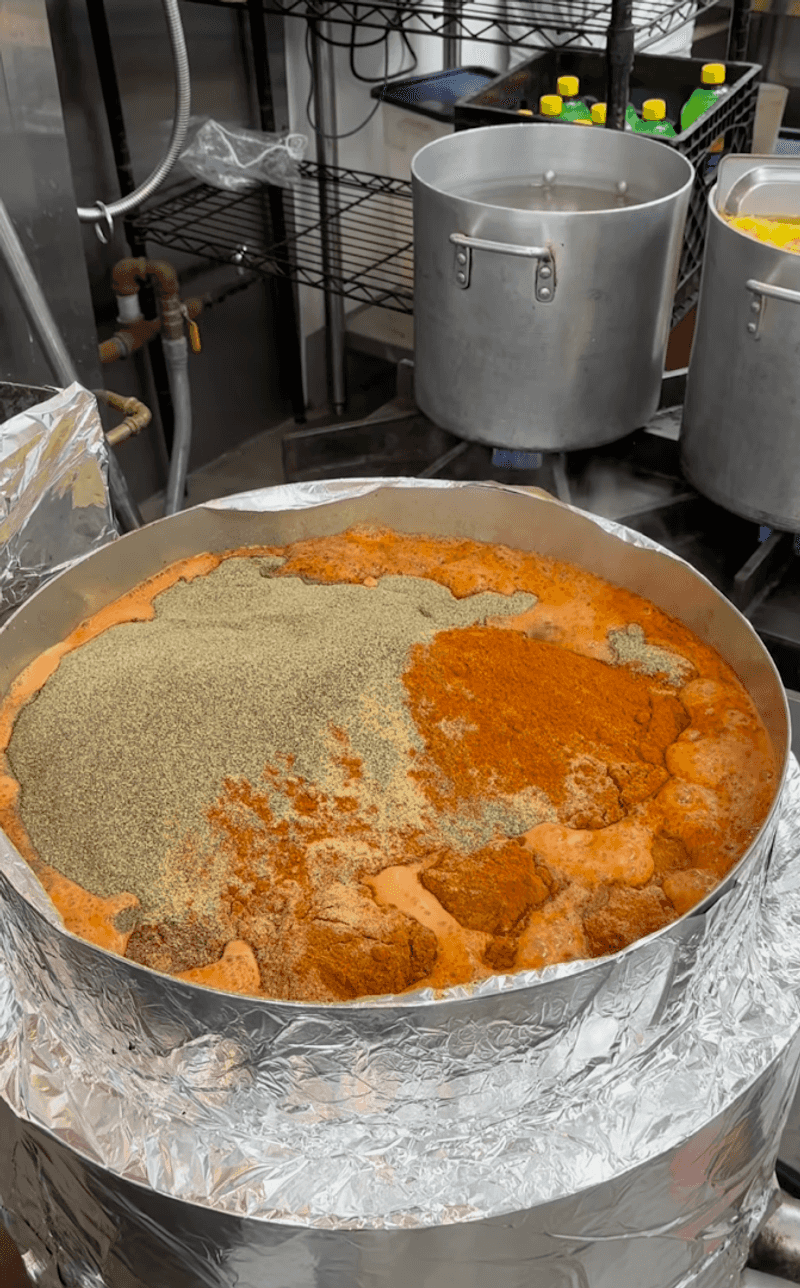
Making etouffee the right way starts with patience. The roux comes first, and rushing it is a mistake most beginners make.
Butter and flour go into a heavy-bottomed pot and get stirred constantly over medium heat until the color deepens to a nutty brown.
Once the roux hits that peanut butter shade, the holy trinity goes in. Onion, celery, and bell pepper cook down until soft and fragrant.
The kitchen smells incredible by this point, and you are only halfway through the process.
Stock gets added slowly, stirred in bit by bit to avoid lumps. The whole mixture then simmers until it thickens into a rich, gravy-like consistency.
Authentic Cajun cooking is all about building flavor in layers, not dumping everything in at once.
Crawfish tails go in last. They only need a few minutes of gentle heat to warm through.
Overcooking them makes the texture rubbery, and nobody wants that after all the effort put into the base. Fold them in carefully and keep the heat low.
A Dutch oven or heavy-bottomed pot is the best tool for this job. It holds heat evenly and prevents scorching.
The technique is not complicated, but attention to each step is what separates a forgettable etouffee from one people talk about for years.
Pairing Sides That Complement Crawfish Dishes
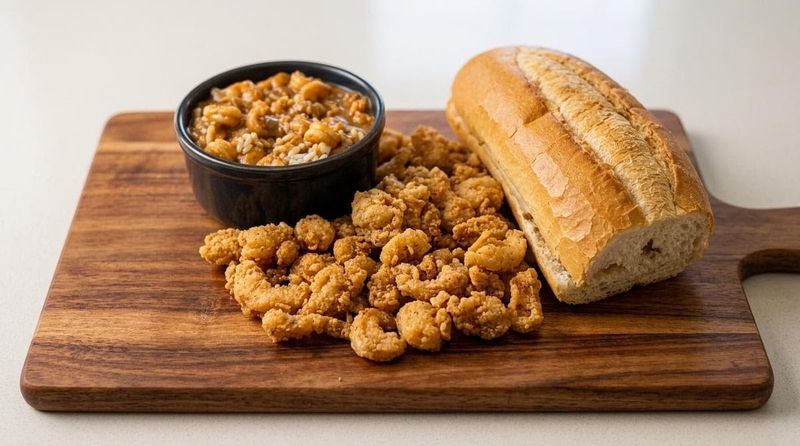
White rice is the classic partner for crawfish etouffee, and the pairing makes total sense. The rice soaks up every drop of that thick, spiced sauce.
You get flavor in every single bite without the sauce going to waste.
Cornbread is another solid choice alongside crawfish dishes. It adds a slightly sweet contrast to the heat of Cajun seasoning.
Tear off a piece and drag it through the sauce. That move right there is underrated.
For a full crawfish boil spread, corn on the cob and red potatoes are standard additions. Both absorb the spiced boiling liquid and pick up serious flavor.
Sausage rounds out the boil with a smoky, savory note that balances the natural sweetness of crawfish.
Fried okra, hush puppies, and coleslaw all show up regularly at Cajun tables for good reason. Fried okra adds crunch.
Hush puppies are basically savory little bread bites that pair with anything. Coleslaw brings a cool, creamy contrast to all that heat.
French bread deserves a special mention. A good crusty loaf is perfect for mopping up etouffee sauce.
Garlic bread works too, adding another layer of flavor to the whole experience. At Ragin Cajun, the sides are not an afterthought.
They are part of what makes the meal feel complete and deeply satisfying.
Nutritional Benefits Of Consuming Fresh Seafood From The Bayou
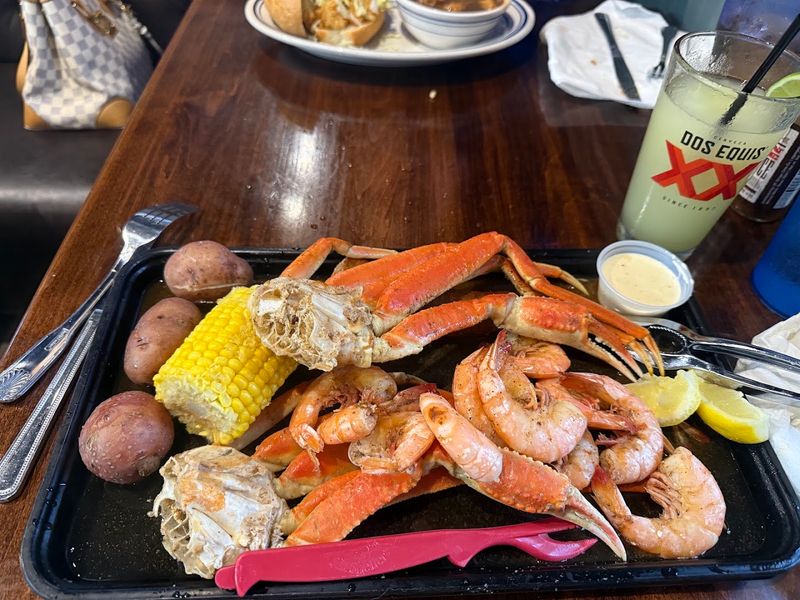
Fresh bayou seafood is not just delicious. It is also genuinely good for you, which feels like a nice bonus when you are already planning to eat it anyway.
Crawfish and other Gulf seafood are excellent sources of lean protein. Protein supports muscle repair and keeps your metabolism running efficiently.
Omega-3 fatty acids are another major benefit of eating fresh seafood regularly. These healthy fats, specifically DHA and EPA, help lower blood pressure and reduce inflammation in the body.
They also support brain function and are especially important for healthy vision development.
Seafood delivers a wide range of vitamins that many people do not get enough of daily. B3, B6, B12, vitamins D, A, and E are all present in meaningful amounts.
These nutrients support energy levels, nerve function, and immune health all at once.
Minerals found in seafood include zinc, iron, copper, selenium, iodine, phosphorus, and calcium. That is a long list for something that also tastes great.
Selenium in particular plays a role in thyroid function, which affects energy and metabolism.
Most seafood is also low in saturated fat, making it a heart-friendly protein option. Eating it regularly has been linked to increased energy and reduced cardiovascular risk.
Fresh Gulf seafood from a place like Ragin Cajun means you get quality ingredients prepared with real Cajun know-how.
Cultural Significance Of Louisiana Inspired Texas Food
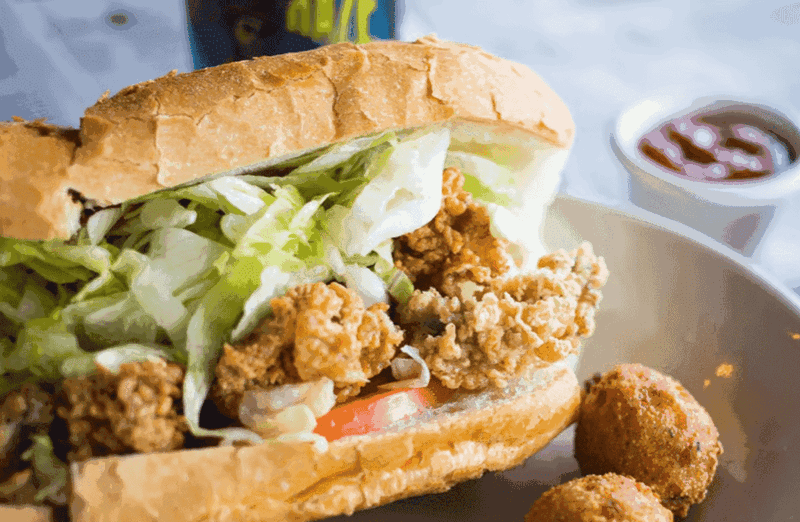
Cajun culture did not stay in Louisiana. It traveled west and planted deep roots in Texas, especially in the southeastern part of the state.
The Golden Triangle region near the Louisiana border is sometimes called Lapland because of how much Louisiana culture shaped it. Food was a big part of that cultural transfer.
Spicy Cajun dishes became popular in Texas well before the 1980s food trend made them mainstream. Texans took those recipes and made them their own.
Local sausages replaced some of the Louisiana cuts. Backyard barbecue techniques got mixed in.
The result was something uniquely Texan and unmistakably Cajun at the same time.
Mexican and Southern influences also found their way into the mix. Ingredients like lime, jalapeños, and cilantro started appearing alongside traditional Cajun flavors.
Dishes like crawfish tamales and etouffee enchiladas are real examples of how these cultures blended creatively and deliciously.
Crawfish etouffee itself carries generations of meaning. It represents home cooking, community gatherings, and a deep connection to the land and water.
Gumbo carries similar weight, drawing from West African, French, Spanish, and Native American traditions all at once.
Ragin Cajun has been a keeper of this cultural story in Houston for over five decades. The restaurant honors Louisiana roots while feeding a Texas city that has made Cajun food its own.
That is a legacy worth celebrating every time you sit down to eat.
Seasonal Variations In Crawfish Etouffee Preparation
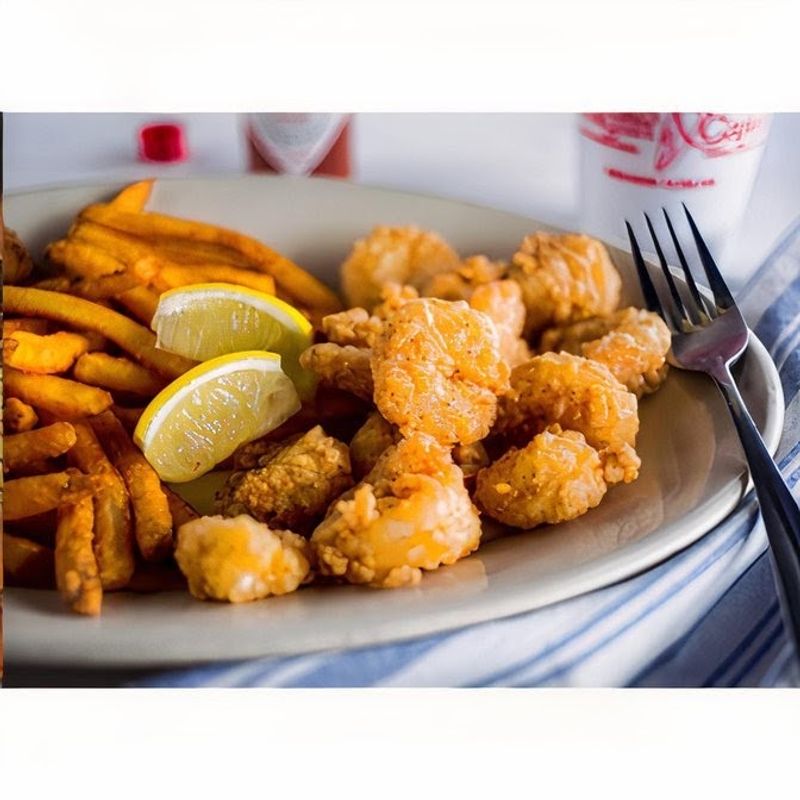
Crawfish season runs longer than most people expect. In Louisiana, it typically stretches from November all the way through July.
That is a solid window, but the real sweet spot falls between late February and May when the crawfish are at their freshest and most flavorful.
During peak season, fresh Louisiana crawfish tails are always the first choice. The flavor is noticeably brighter and more complex compared to frozen alternatives.
Cooks who know their stuff will plan their etouffee meals around this window every year without fail.
When fresh crawfish are not available, frozen tails step in and do a respectable job. The key is sourcing Louisiana-origin frozen tails rather than imported ones.
The flavor profile holds up well enough to make a solid etouffee throughout the off-season months.
One popular seasonal tradition involves making etouffee after a large crawfish boil. Leftover tails get folded into a fresh roux the next day, and suddenly you have a completely different meal from the same batch of crawfish.
It is smart cooking, and nothing goes to waste.
Ragin Cajun understands the rhythm of crawfish season deeply. The menu reflects what is available and what is at its best at any given time of year.
Visiting during peak crawfish season means you are getting the dish exactly as it was meant to be enjoyed, at its freshest and most satisfying.
Tips For Enjoying Authentic Bayou Flavors At Home
Bringing bayou flavors home starts with sourcing the right crawfish. Fresh Louisiana crawfish tails during peak season make the biggest difference in final flavor.
If fresh is not available, go with frozen Louisiana-origin tails over any imported option.
Do not rinse the crawfish tails before cooking. That yellowish liquid clinging to them is the liver, commonly called fat, and it is loaded with flavor.
Washing it away removes one of the most important elements of authentic etouffee depth and richness.
Build your roux carefully. Cook butter and flour together over medium heat, stirring constantly until the color reaches a warm, nutty peanut butter brown.
Rushing this step leads to a pale sauce that lacks the toasty backbone that makes etouffee memorable.
Layer your seasoning throughout the process. Season the roux, season the broth, and taste again at the very end before serving.
The holy trinity of onion, celery, and bell pepper is non-negotiable as your aromatic foundation. Skip it and the whole dish falls flat.
Add crawfish tails at the end and heat them gently. Overcooking makes them tough and chewy, which ruins the texture of an otherwise perfect dish.
Finish with a squeeze of fresh lemon juice or a dash of hot sauce for brightness. Store leftovers in an airtight container because etouffee genuinely tastes better the next day.
Serve it over hot white rice every single time.