
Fall Color Arrives Late In Texas And One Canyon Of Maples Turns Fiery Red In November
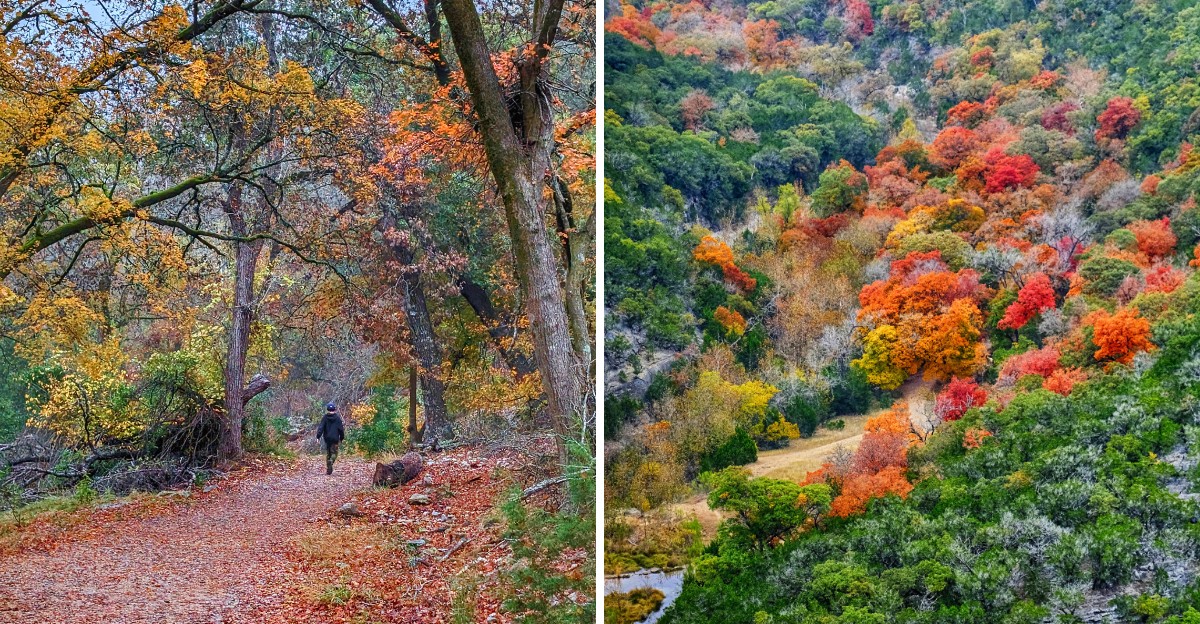
Red maple leaves are not what most people expect from Texas. Yet a hidden canyon puts on that show every autumn.
These bigtooth maples are leftovers from the last ice age. How did a cool-climate tree hang on this far south?
Shaded canyon walls hold moisture and stay cooler than the open land around them.
The color waits for a real cold front, so peak season often lands in November. Would you guess Texas saves its best foliage for so late in the year?
Trails climb past limestone cliffs, clear creeks, and quiet groves. Cell service disappears at the gate, which makes it easy to slow down.
Nobody needs a signal when the trees glow this bright.
So where does this fiery canyon hide, and when should you go?
Welcome To The Canyon That Keeps Ice Age Trees
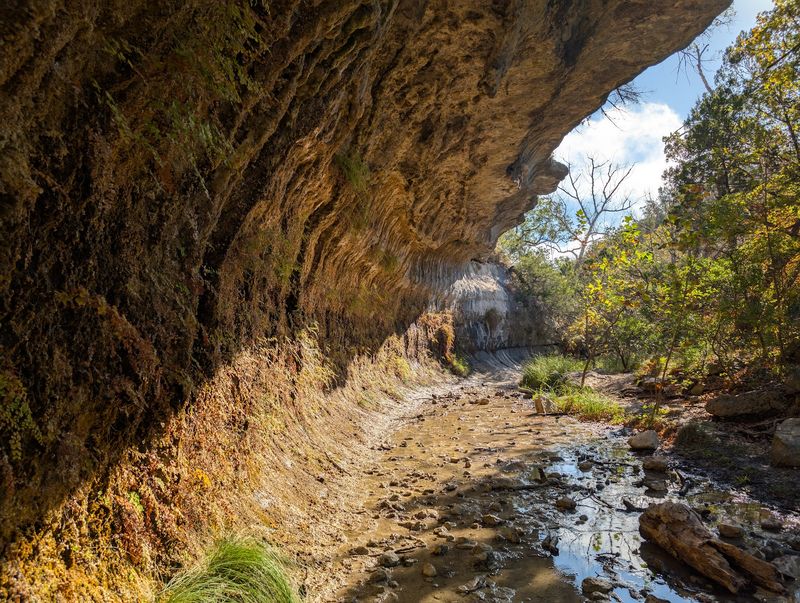
Lost Maples State Natural Area is home to some of the most surprising trees in Texas. The bigtooth maples here are called relict stands.
They are survivors from a cooler, wetter climate that existed during the last glacial period, roughly 10,000 years ago.
Pause on that for a second. Finding Ice Age survivors in a state known for cactus and heat feels like a plot twist.
The Uvalde bigtooth maple gets the spotlight, but Texas red oaks and American sycamores add their own colors to the canyon.
The Texas Parks and Wildlife Department acquired the land between 1973 and 1974. The natural area officially opened to the public on September 1, 1979.
A year later, it was named a National Natural Landmark.
The park grew to about 2,900 acres in 2009. That is enough room for steep canyon walls, quiet stream banks, and plenty of trails.
Long before the park existed, prehistoric peoples and Native American groups, including Apache, Lipan Apache, and Comanche, lived in this area.
So the name tells you the story. The maples are the stars, and they are a long way from where you would expect to find them.
Texas rarely looks like this, which is exactly why this canyon gets so much attention each autumn.
Getting There Takes A Little Planning
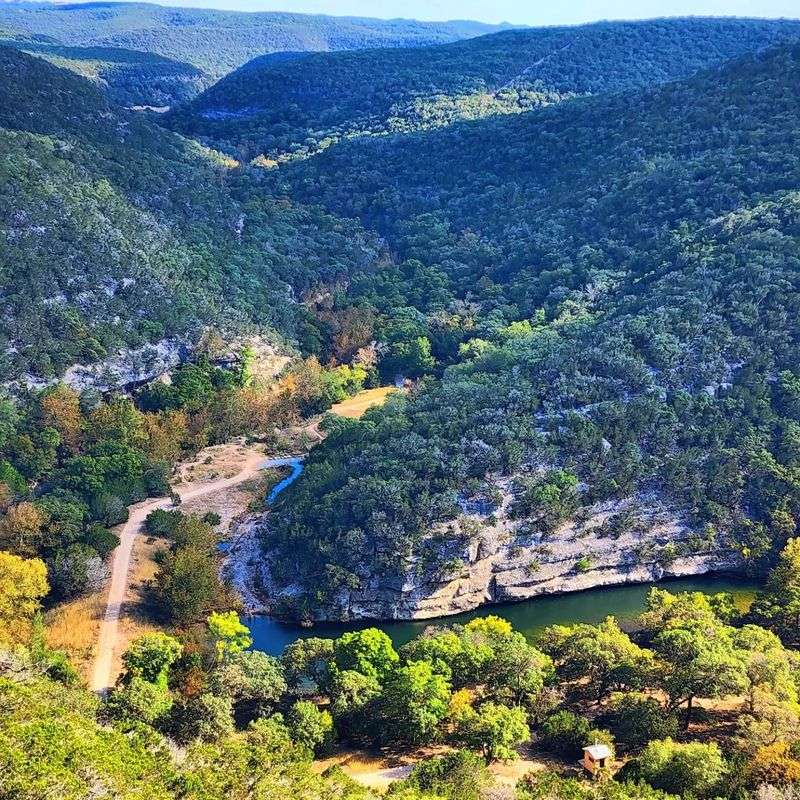
Find Lost Maples State Natural Area at 37221 FM 187, Vanderpool, TX 78885. It sits about five miles north of Vanderpool.
The road in is scenic, with tight curves and elevation changes right before the park.
Crowds matter here. The park often reaches capacity on weekends in October and November because so many people come for the color.
Parking is limited to 250 vehicles, so the gate can fill fast.
Reserve a day pass online ahead of time. That helps guarantee entry and a parking spot during peak season.
Showing up without a plan is risky.
Hours matter too. The park lists daily office hours from 8:30 AM to 4:30 PM.
Plan your arrival with that in mind.
Also, remember that cell service is not available in the natural area. Download your directions before you leave home.
Public Wi-Fi is available at the headquarters if you need it.
And mark your calendar for hunts. The park closes on set dates, usually in January, for scheduled hunts.
Only permitted hunters can enter then.
Why November Is The Month To Circle On Your Calendar
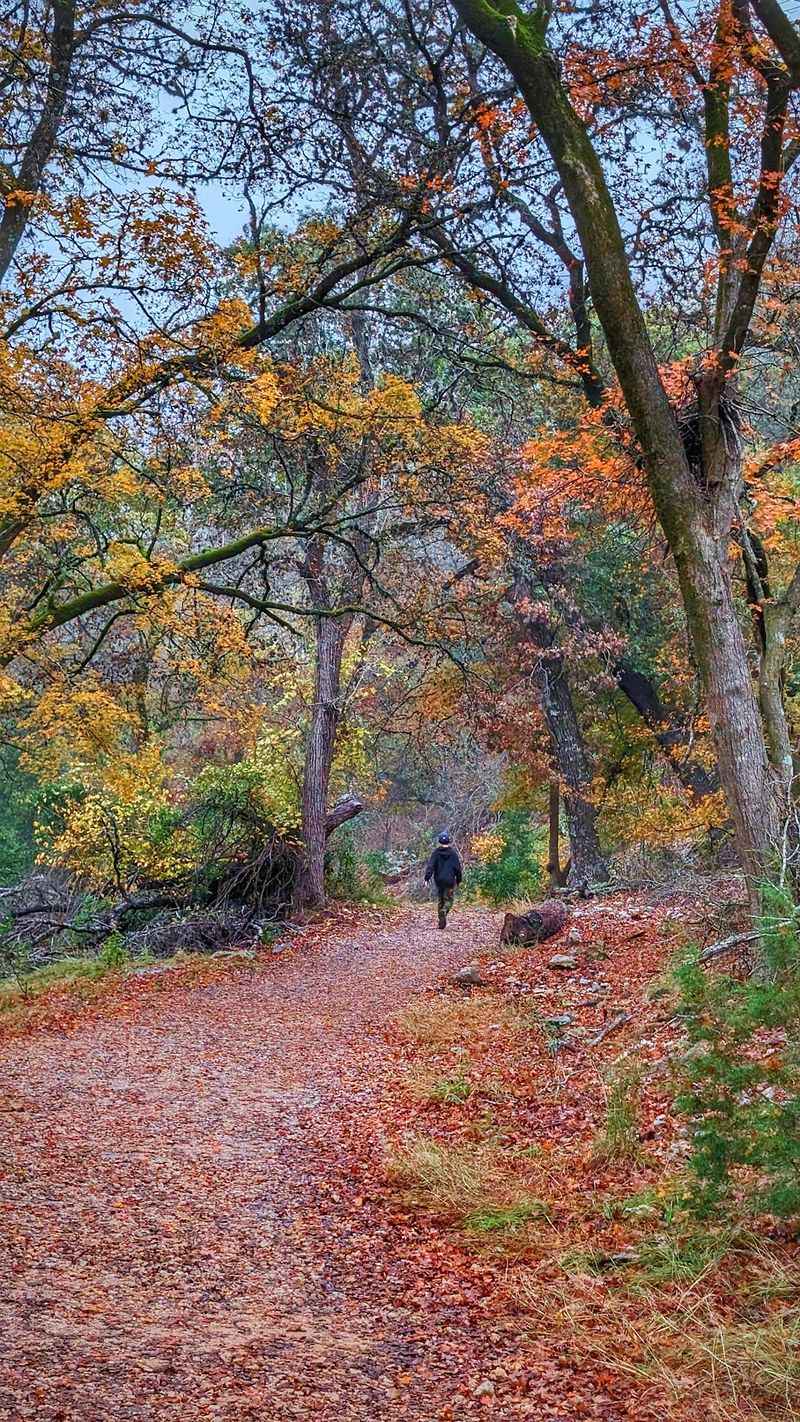
Fall color in Texas runs on its own clock. At Lost Maples, peak color usually lands from late October through mid-November.
It can stretch into early December, depending on the weather that year.
Cold is the key ingredient. The bigtooth maples need a good cold front, with overnight temperatures dropping to about 40 degrees Fahrenheit, before they begin their peak change.
A warm autumn can push the whole show back.
That is why guessing the date is risky. Guessing wrong could mean green leaves or a canyon that already dropped its color.
The park makes it easier with weekly fall foliage reports starting in mid-October.
Those updates appear on the official park website and Facebook page. Check them before you pack the car.
A quick look can save you a long drive and a lot of disappointment.
One more tip is to stay flexible. If your dates can move a few days, you can chase the best week.
The reds, oranges, and golds can look unreal against the limestone, and timing makes all the difference.
Lace Up Boots For The East Trail
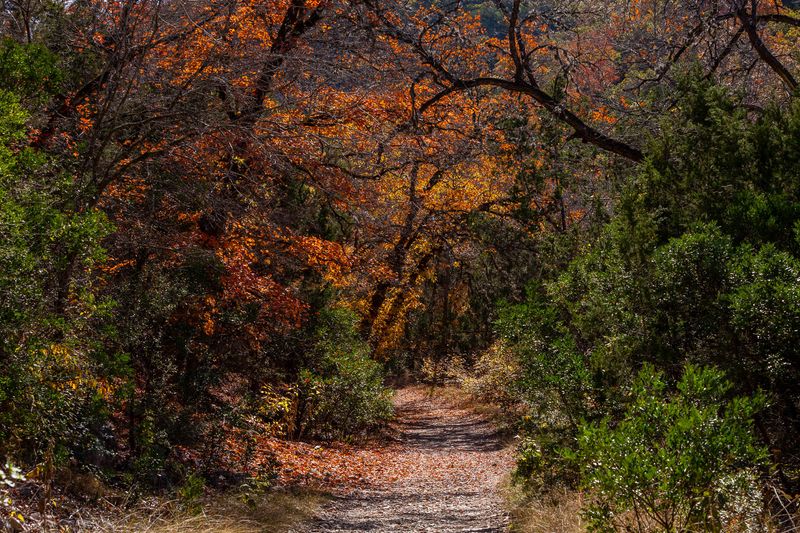
Good shoes are not optional on the East Trail. The park has over 10 miles of hiking trails.
The terrain can be rugged, with steep canyon walls, loose rock, elevation changes, and creek crossings.
One loop leads along the top of a 2,200-foot cliff. Expect big views as a reward for the climb.
Park visitors often talk about Monkey Rock, the Grotto, and the Outlook as favorite landmarks.
The Maple Trail is much shorter. It is a short loop through the shaded maples, so it works well when you want color without a big hike.
Many visitors pair it with the East Trail for a fuller day.
Pack water, and more than you think you need. Shade can disappear fast on exposed climbs.
Warm months can feel tough on a steep trail.
Take your time on loose rock. Slow steps beat a twisted ankle.
The trails reward patient hikers with plenty of places to stop and enjoy the scenery.
Sleep Under The Maples With A Campsite
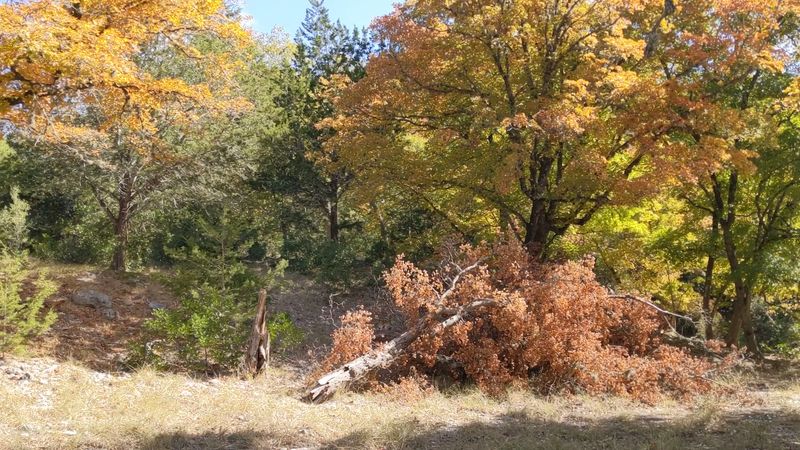
Camping might be the best way to enjoy a quiet canyon. The park offers 30 developed campsites with water and electricity.
Each has a picnic table and fire ring, and restrooms and showers are nearby.
Want something wilder? Primitive backpack-in sites are available too.
You reach them by trail, and they have no water, electricity, or fire rings.
Cooking there has a rule. Only containerized cooking is permitted in the backcountry.
Plan your meals around that before you hike in.
Reservations are required. Sites often fill well in advance during fall, so book early.
Waiting until the foliage report looks good is usually too late.
The Sabinal River runs near the campground. Without cell service, evenings feel pleasantly unplugged.
Bring a book, a flashlight, and a warm layer for cool November nights.
Binoculars Belong In Your Day Pack
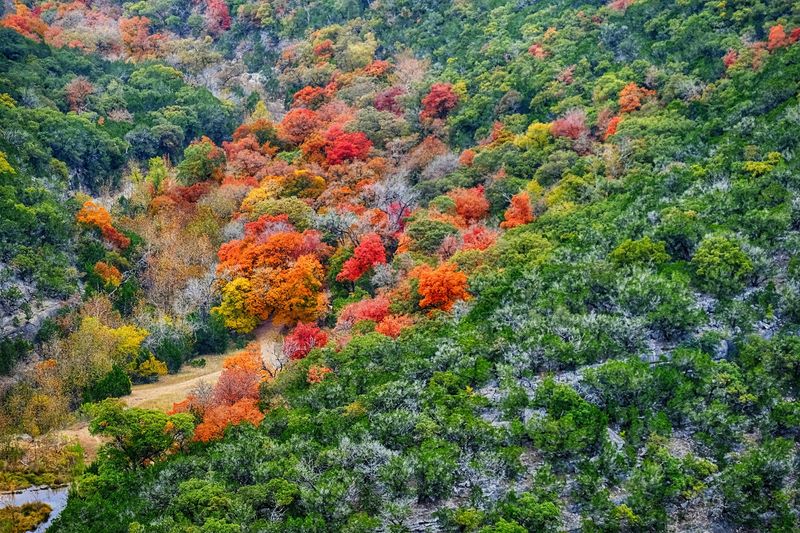
Spring and early summer bring special visitors. The endangered golden-cheeked warbler and the black-capped vireo nest in the park then.
Birders travel here just for a chance to spot them.
Fall visitors still have plenty to see. White-tailed deer are common, along with gray foxes, raccoons, armadillos, and rock squirrels.
Bobcats and javelinas live here too.
Move quietly and look often. Wildlife tends to appear when you slow down.
A short pause on a bench can pay off.
Keep your distance from every animal. Photos work better from afar.
Respecting wildlife keeps the canyon wild for the next visitors.
Nature study is a big part of the park experience. Kids can pick up a Junior Ranger Activity Journal to earn a badge.
It turns a hike into a scavenger hunt.
Cast A Line In The Sabinal River
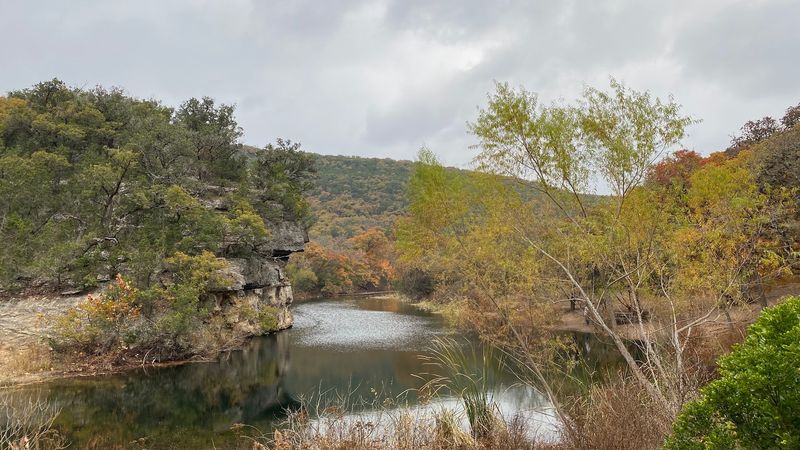
Fishing is allowed in the Sabinal River and Can Creek. Bring a rod and a relaxed attitude.
Casting from the bank fits the pace of this canyon.
There is a handy bonus. A Texas fishing license is not required to fish from the shore or a pier within a state natural area.
Check current park rules before you go.
Do not plan on floating, though. Kayaking and tubing are not allowed because the river is too shallow.
This is a wading and watching kind of place.
Water levels can change. Dry spells may leave the creek very low.
Still, the maples along the riverbed are pretty any time the water runs.
Pack a picnic and make an afternoon of it. The day-use area has picnic sites and restrooms nearby.
A small park store is at headquarters for extras.
After Dark, The Sky Takes Over
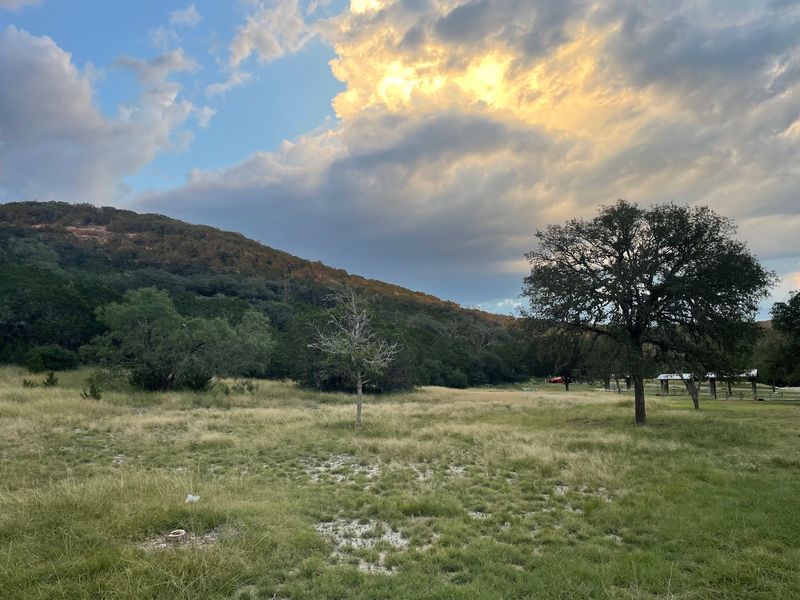
With no cell service and little noise, nights here feel big. The park lists stargazing among its activities.
Dark skies make constellations easy to spot.
Special events can add to the fun. Star parties have been held at the park, with telescopes set up for visitors.
Check the park calendar for current dates.
Photography is another favorite pastime. Golden morning light on red leaves is hard to beat.
A steady hand and extra batteries help in cold weather.
Geocaching is allowed too. It is a fun way to explore with kids.
Follow park rules and leave everything as you found it.
Dress in layers for evenings. November air can turn crisp quickly.
A warm hat is a smart addition.
Headquarters Has The Handy Stuff
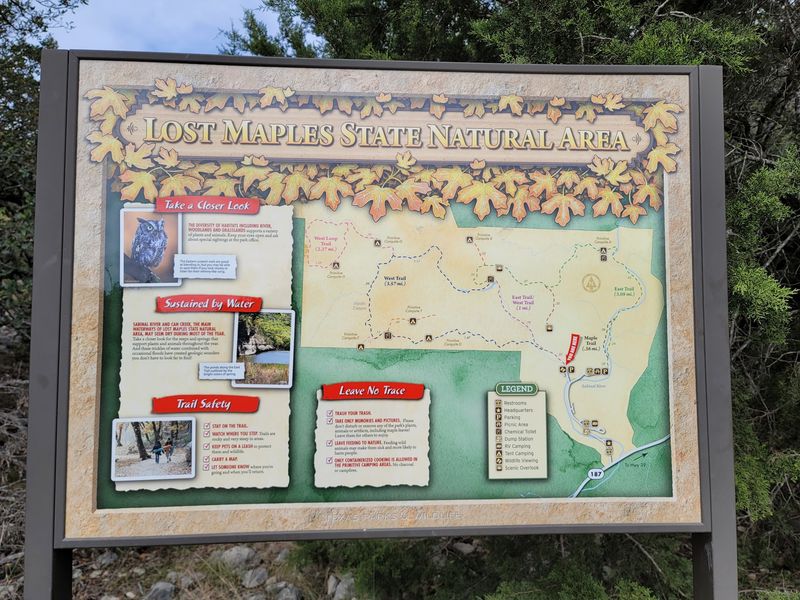
Start your visit at headquarters. Staff can check you in and answer trail questions.
Public Wi-Fi is available there, since cell phone service is not available in the natural area.
A park store sits nearby for small needs and souvenirs. Restrooms and a day-use area with picnic sites are close.
It makes a handy base before a hike.
Pets and dogs can come along on leash in many parts of Texas state parks. Always confirm current rules with the park.
Wearing proper footwear helps everyone.
Bring a map and ask about trail conditions. Steep sections can be tiring, and weather changes the day.
Staff can point you to the best route.
When your day ends, remember how special this place is. Lost Maples State Natural Area in Texas turns a few cold nights into a fiery red canyon.
Go with a plan, pack water, and enjoy the color.