
Feed A Giraffe, Then Ride The Train Through The Woods At This Illinois Zoo
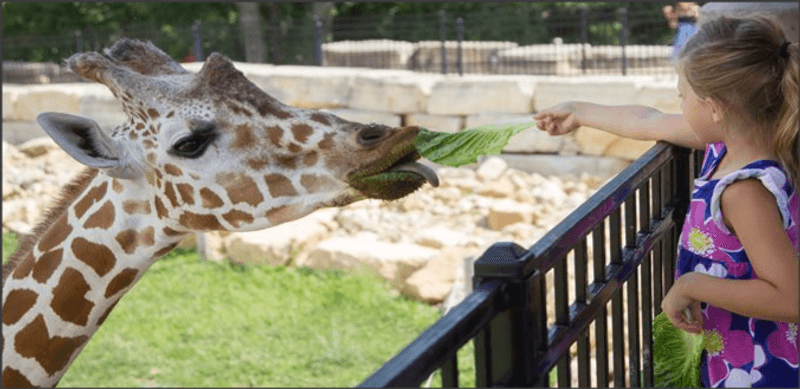
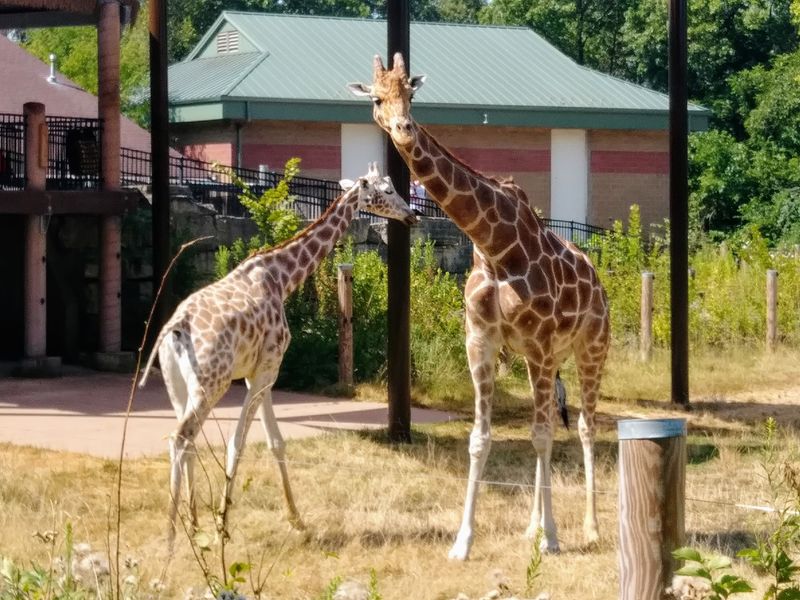
My kids have a rule about road trips in western Illinois: there has to be an animal at the end of it. What we found on one of those drives was a 40-acre zoo tucked into wooded ground, where a giraffe leaned down and took a leaf straight from a seven-year-old’s hand.
Ten minutes later we were riding a small train past the same habitats we had just walked. It turned out to be one of those outings nobody in the car complained about, which is rarer than it sounds.
Where The Zoo Sits On The Map
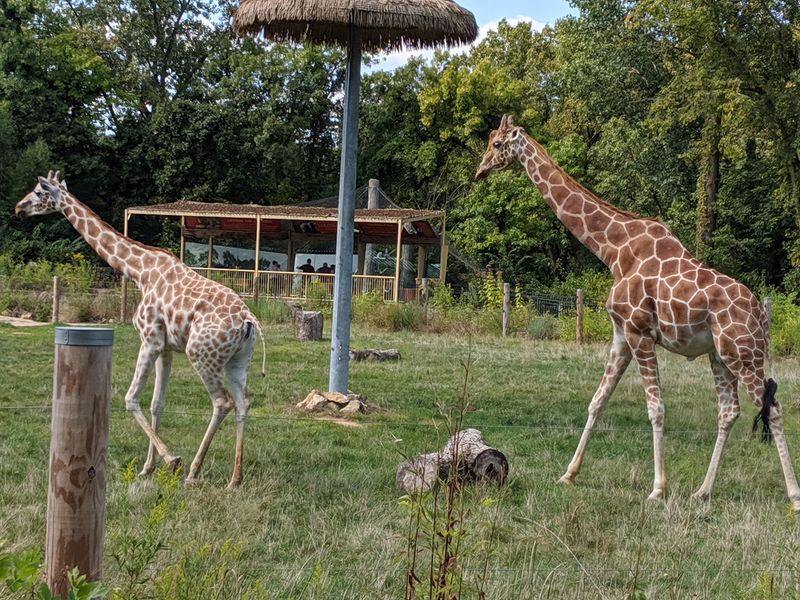
Coal Valley sits just outside the Quad Cities in western Illinois, and that is where you will find Niabi Zoo at 13010 Niabi Zoo Rd. From the Chicago area, plan on roughly 2.5 to 3 hours of driving without stops, generally following I-88 west and then I-80 west.
Forty-plus acres, more than 140 species of exotic and native animals, a carousel, a train, and concessions add up to a zoo that reads as substantial without becoming exhausting. Regular visitors often describe it as a small zoo in the best sense, meaning you can actually finish it.
Parking is handled in a dedicated lot on the north side of the property, and there is typically a small fee, so it helps to have a few dollars ready.
Geography matters here. Families from Rockford, Peoria, or the Iowa side of the river can treat this as a half-day outing with time left for lunch.
Chicago-area families tend to build it into a Quad Cities weekend instead, pairing it with riverfront stops rather than racing home the same evening.
A 1959 Opening And Six Decades Of Local Memory
Back in 1959, the zoo opened its gates on wooded ground west of the Illinois interior, and it has been collecting family memories ever since. Sixty-plus years is long enough that grandparents now walk the same paths they wandered as children, often with a toddler in tow.
That generational thread shows up constantly in what visitors mention. People talk about returning to their hometown zoo as adults and noticing how much has shifted, which enclosures have been rebuilt, and which corners still feel exactly the same.
Growth has been gradual rather than flashy. The animal collection now spans more than 140 species, a mix of exotic residents and native Midwestern wildlife, and educational signage throughout the grounds leans into conservation and habitat protection.
Some exhibits do rotate offline for work or seasonal reasons, and a handful of guests have noted closed spaces during their visits. Checking ahead about what is currently open can save a kid from disappointment if there is one specific animal they have their heart set on seeing that day.
The zoo’s longevity is really its quietest selling point.
The Giraffe Feeding Deck
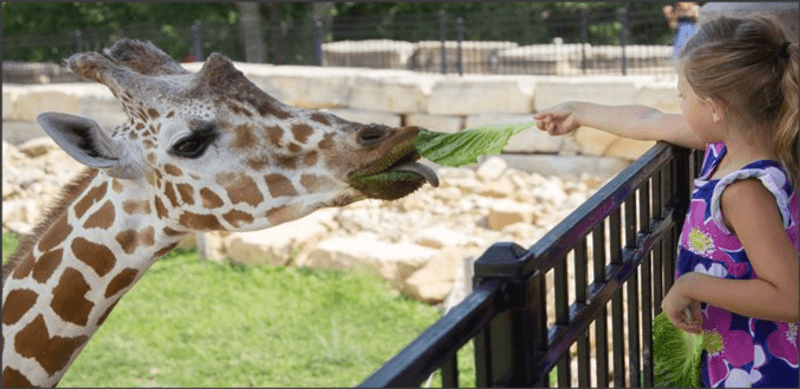
Standing nearly eye-level with a giraffe changes the scale of an ordinary Saturday. The feeding platform brings guests up to browsing height, close enough to see the individual patterns on the animal’s neck and the impressive length of its tongue as it reaches for a leafy treat.
Giraffe feeding is one of the most talked-about experiences here, mentioned again and again by families who came for the animals and left talking about that one moment. The tug is gentle, the tongue is longer than most kids expect, and the photo opportunity is hard to beat.
Feeding usually requires purchasing food, and availability can depend on the day, the season, and how the giraffes are feeling, so ask at the gate when you arrive rather than assuming.
Younger children sometimes hesitate at the last second. A useful trick is letting them watch an older kid go first, since seeing the giraffe’s calm, unhurried approach tends to settle nerves faster than any amount of reassurance from a parent standing beside them.
Bring the camera. This is the shot everyone will want later.
Niabi Zoo Express: The Train Through The Trees
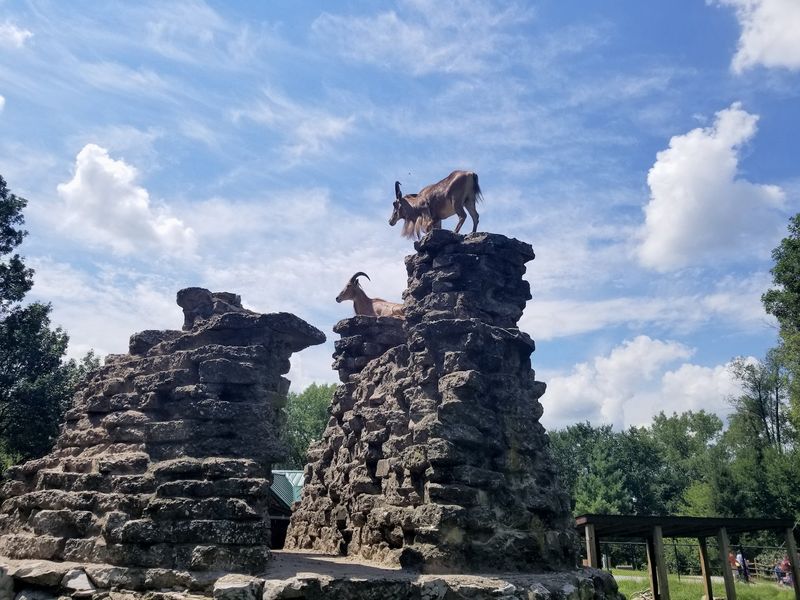
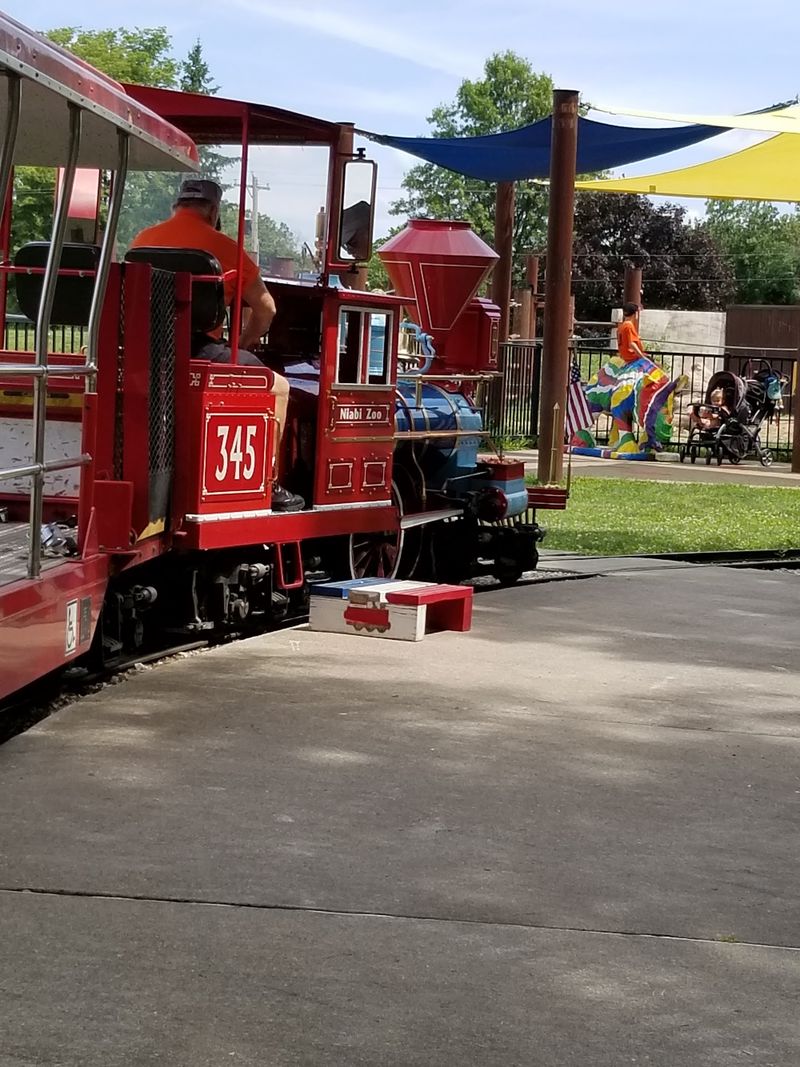
Nearly 200 visitors have singled out the train ride when describing their day, which says something about how central it has become to the Niabi experience. The Niabi Zoo Express is a miniature replica steam engine, and it pulls open cars full of families around the grounds.
Track time takes you past animal habitats from a different angle, with the surrounding forest preserve setting supplying plenty of shade and tree cover along the way. Kids who have already walked the same route on foot get a kick out of spotting things they missed.
Operating hours generally run from 10:00 a.m. to 4:30 p.m. on days the zoo is open, though weather and staffing can affect that, so confirm when you buy tickets.
Some families ride first thing to burn off early excitement. Others save it as the reward that gets tired legs back to the parking lot.
Both strategies have their defenders among regular visitors.
The train carries an extra charge beyond general admission, which most guests expect and consider reasonable for what amounts to the highlight of many visits.
The Carousel Everyone Circles Back To
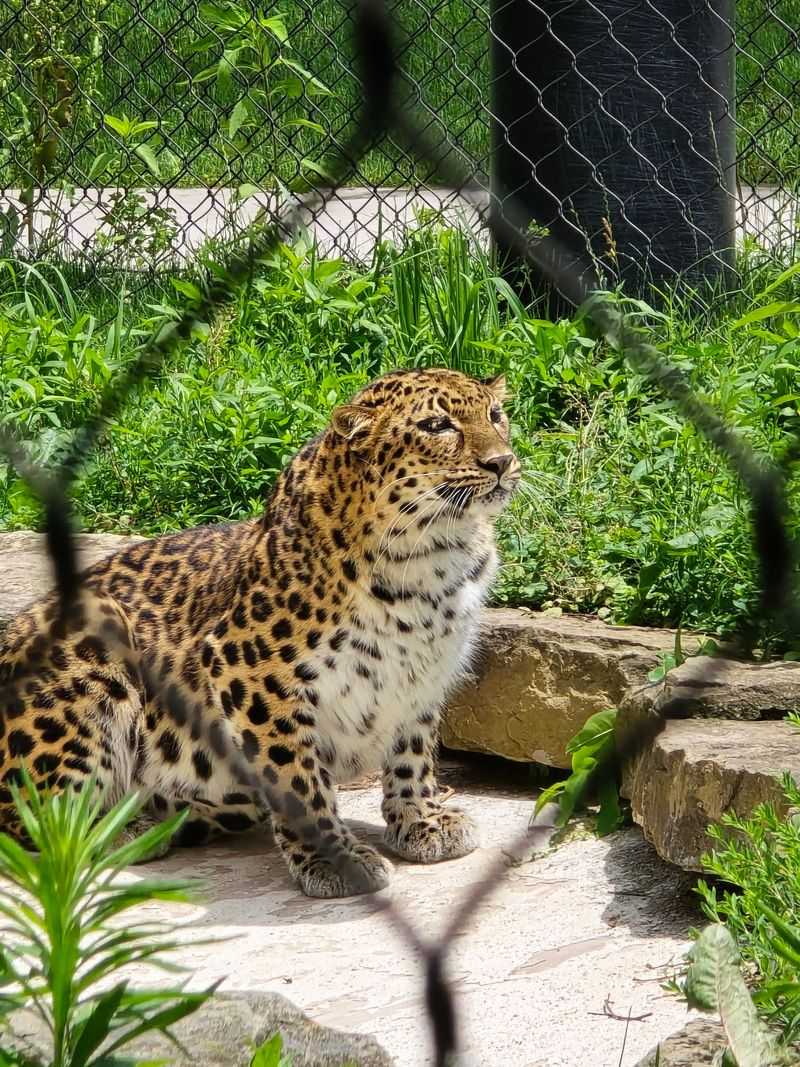
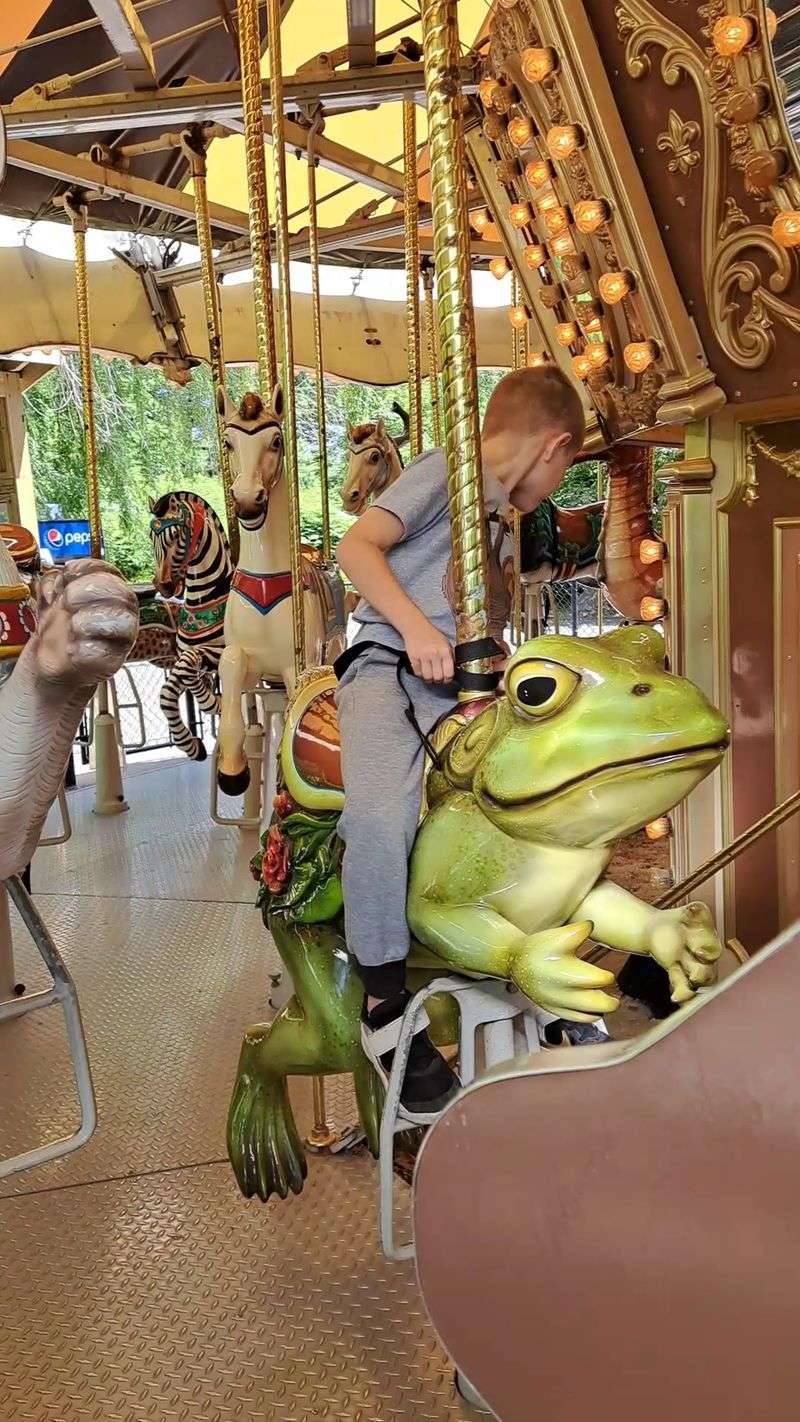
Painted animals, a mirrored center, and that unmistakable carousel music have made this ride a fixture of Niabi visits for decades. It gets mentioned by dozens of guests as a favorite stop, often in the same breath as the train.
Toddlers who are too small or too shy for other activities can usually manage a carousel ride with a parent standing alongside, which makes it a dependable option for the youngest members of a group.
Like the train, the carousel requires a separate ticket. Families who have visited multiple times suggest budgeting for both rides up front so nobody has to negotiate at the last minute with a five-year-old who has already picked out a horse.
There is something worth noticing about how the carousel functions in the flow of a visit. It sits close enough to the main paths that parents use it as a natural pause, a moment to sit on a bench while the ride handles the entertainment for a few minutes.
Simple, old-fashioned, and consistently popular. Some attractions do not need updating.
Petting Zoo, Koi Pond, And Parakeet Encounters

Buy a cup of food at the front gate and the tone of your visit changes. Suddenly there are goats pressing against the rail, koi churning the surface of the pond, and parakeets landing on outstretched arms holding seed sticks.
The petting area draws steady praise from families, particularly those with preschoolers who want to touch rather than just look. Koi feeding gets its own following, and visitors regularly comment on how large some of those fish have grown.
Parakeets are mentioned often too. Having a small bird land on your hand tends to produce the kind of delighted shriek that echoes across a zoo.
Food for these encounters is typically sold separately, and quantities can run out on busy days, so early arrival helps if hands-on time is the main goal of your trip.
One practical note from experienced parents: bring wipes or hand sanitizer. Between goat feeding, koi pellets, and bird seed, small fingers accumulate a remarkable amount of zoo residue before lunch, and the restrooms are not always immediately adjacent.
Animals Worth Slowing Down For
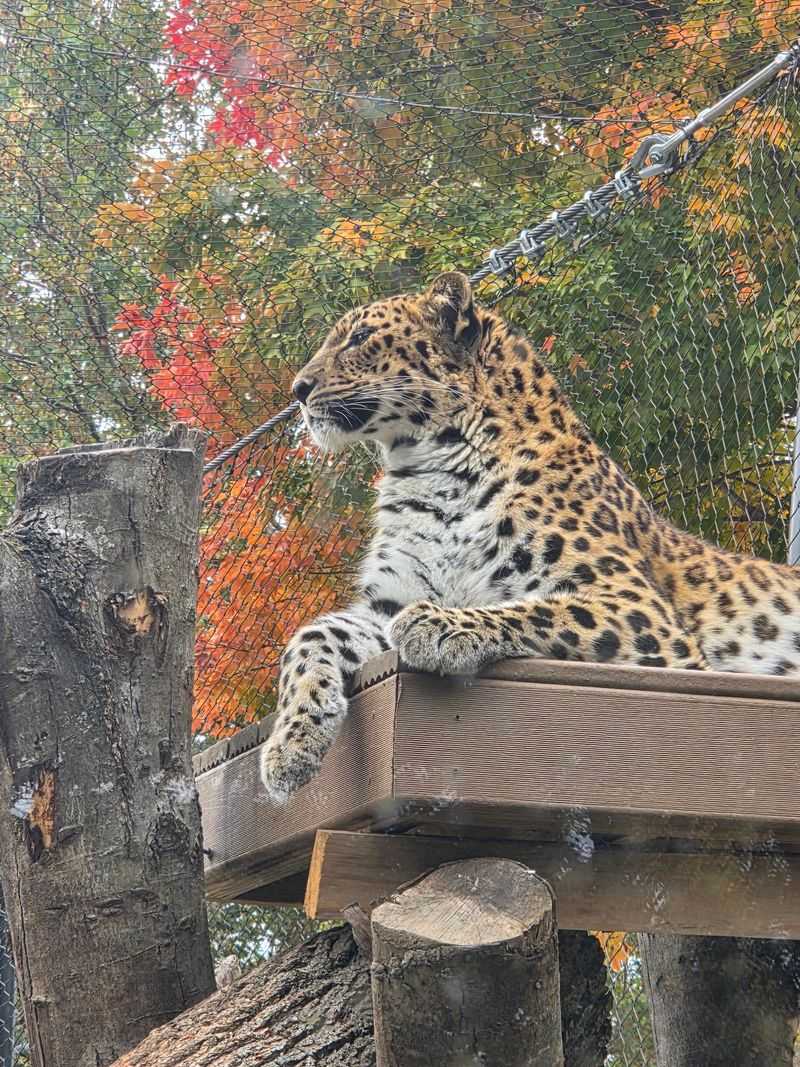
Ask frequent visitors which animal surprised them most and Pallas’s cats come up more than you might guess. Small, grumpy-faced, and thickly furred, they have a way of stealing attention from larger residents entirely.
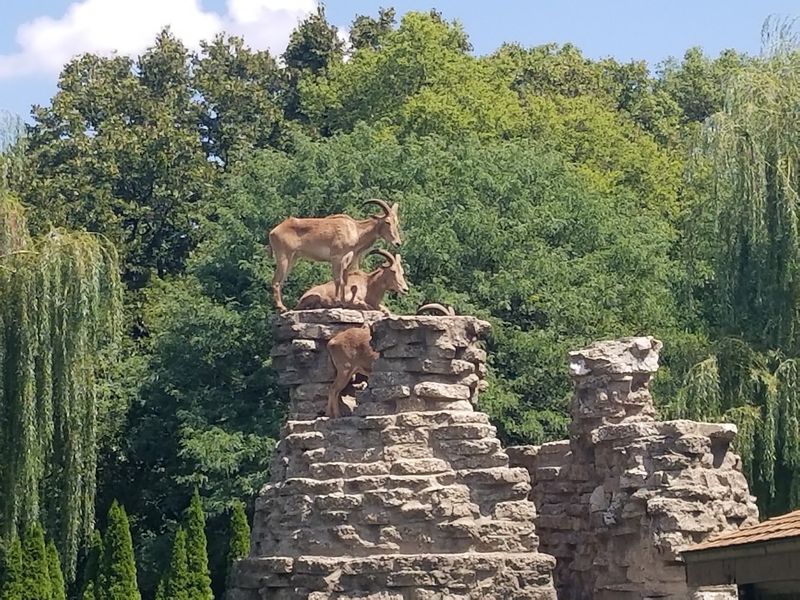
More than 140 species live across the grounds, covering exotic and native Midwestern wildlife alike. Monkeys, wild dogs, and various cats tend to hold kids’ attention longest, and a rhinoceros anchors one of the larger habitats.
Because the zoo is compact, sightlines are often closer than at sprawling metropolitan parks. Guests frequently describe the experience as more personal, with fewer crowds between them and the animals.
Activity levels vary, as they do anywhere. Some visitors have found animals resting or out of view, while others report nearly every habitat occupied and lively, which usually comes down to time of day and weather.
Morning visits generally offer better odds for movement, especially in July when Illinois humidity sends most sensible creatures into the shade by early afternoon. Volunteers stationed around the grounds often share stories about individual animals, and those conversations can turn a quick walk-past into a genuine highlight.
Playground, Snacks, And Places To Spread A Blanket
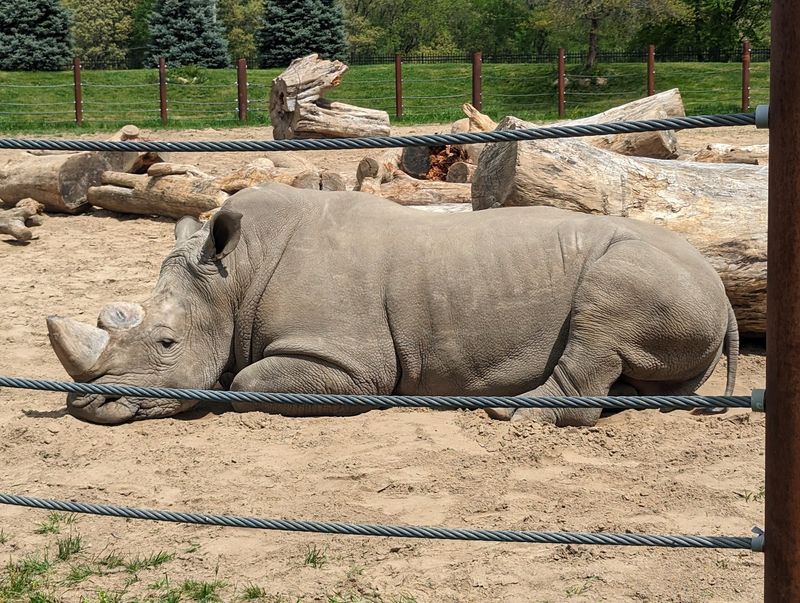
Two playground sections split by age, one for ages one through five and another for six through twelve, mean siblings are not competing for the same climbing structure. Parents have noted that this is often the last stop before heading home, a way to burn off energy before a long car ride.
Picnicking works well here. Families regularly bring lunch and claim a spot, taking the whole day at their own pace rather than racing the clock.
If you would rather not pack, the Treehouse Snack Shack handles refreshments on site. Gift shop items are described by visitors as moderately priced, with animal artwork and even ostrich eggs turning up among the merchandise.
Shade is genuinely useful during a humid Illinois summer, and shelters positioned near exhibits have helped guests wait out passing rain showers without cutting a visit short.
A splash pad has been anticipated by returning families, and a large sprinkler set up in a grassy patch has provided cooling relief on hot days. Check ahead on what water features are running before promising anything to the kids.
Who Has The Best Day Here
Parents of toddlers and early elementary kids describe this place in nearly identical terms: big enough for a few hours, small enough that nobody collapses before the exit. That balance is the zoo’s real specialty.
Grandparents bringing grandchildren show up frequently, partly because the loop is manageable on foot and partly because the pace can be as slow as anyone needs it to be.
Older teenagers may find the attraction list shorter than a major metropolitan zoo offers, and a few visitors have wished for more to do beyond the animals themselves. Setting expectations accordingly helps.
Staff and volunteers earn steady mentions for knowing their animals and sharing details willingly, which adds real value for curious kids full of questions.
Locals within driving range often mention seasonal passes or memberships as the smarter financial move, with some treating the grounds as a pleasant walking route that happens to include giraffes. For a family from the collar counties making a single trip, general admission plus ride tickets covers everything without much fuss or planning.
Hours, Admission, And Getting There Without Surprises
Operating hours generally run 10 a.m. to 5 p.m. Tuesday through Sunday, with Mondays closed.
The season typically stretches from March through December, with a mid-winter closure, so a February trip is not on the table.
General admission is tiered by age group, and children one and under usually enter free. The train and carousel carry separate charges, which most families consider reasonable and budget for at the gate.
Weather can change plans. Light rain does not necessarily stop operations, and shelters near exhibits help, but the zoo may close for conditions, so calling ahead the morning of a long drive is a reasonable precaution.
Paved pathways generally handle strollers well. The train is described as ADA accessible, though space limits may prevent larger wheelchairs or electric scooters from boarding, worth confirming in advance if that applies to your group.
Restrooms are available on site. Parking sits in a lot on the north side with a small fee attached, and hours and pricing can shift seasonally, so verify before you load the car.
The Verdict After A Day On The Grounds
Sixty-some years in, this zoo knows exactly what it is. Not the largest collection in Illinois, not the flashiest, but a wooded forty-plus acres where a child can feed a giraffe, ride a train, brush a goat, and still have energy for the playground.
Families with kids under ten tend to leave genuinely happy, and many of them come back season after season. The compact scale that some visitors call limiting is precisely what others value most.
Would a teenager rank it above a big-city zoo? Probably not.
Would a four-year-old talk about the giraffe for a week? Almost certainly.
For Quad Cities residents and anyone within an hour or two, the value proposition is straightforward. For Chicago-area families, folding it into a broader western Illinois weekend makes more sense than a same-day round trip.
Go in the morning, pack a lunch, buy the animal food, ride the train, and let the day unfold at whatever pace your group sets. That approach seems to produce the best outcomes here.