
Few Crowds Ever Reach This Quiet Minnesota Lake Where Summer Fishing Is Unbeatable
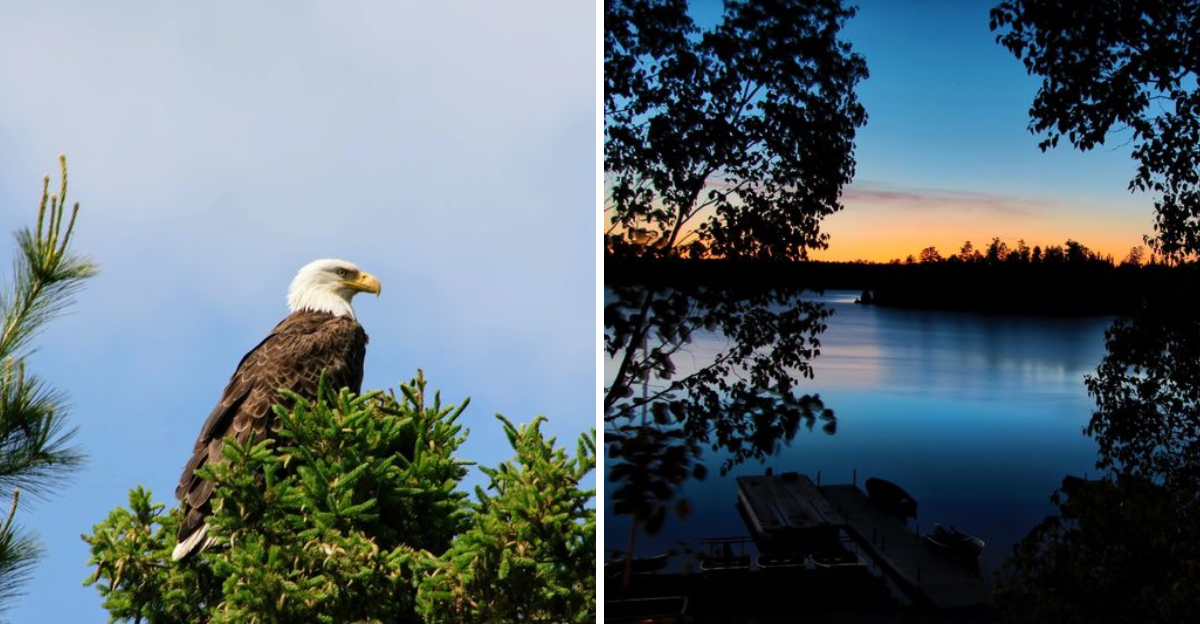
Picture a lake so vast it swallows an entire summer and still leaves more to explore. Minnesota hides a wilderness playground where walleye and pike grow legendary.
The water stretches for miles without a single motor’s hum.
Paddle past hidden bays and ancient rock art carved by hands long gone. A tree older than most nations stands guard along the shore, keeping centuries of secrets.
Loon calls carry across the water, broken only by the splash of a fighting fish.
Bald eagles circle overhead while moose wade the shallows at first light. Every bend hides another island campsite and another reef worth a cast.
Minnesota keeps stacking up surprises for paddlers willing to go farther than the crowd.
Your own quiet stretch of water is waiting.
A Lake That Rewrites The Rules Of Remote
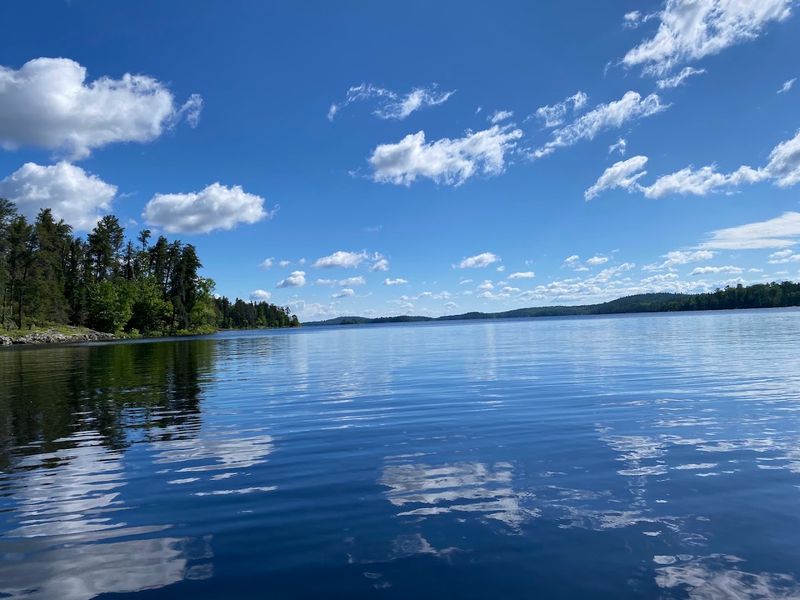
Basswood Lake does not ease you in gently. It hits you with scale the moment you arrive.
Covering approximately 25,953 acres, this sprawling body of water straddles the international border between Minnesota and Canada.
Just over 14,000 of those acres fall within Minnesota, sitting deep inside the Boundary Waters Canoe Area Wilderness. The lake is part of the Superior National Forest, northeast of Ely in Fall Lake Township, MN 55731.
That address alone tells you how far off the beaten path this place sits.
The Canadian side belongs to Quetico Provincial Park, making Basswood a true cross-border wilderness. Long bays, rocky islands, and hidden coves stretch in every direction.
The sheer variety of water and shoreline keeps even experienced paddlers busy for days. This is not a lake you see in a single afternoon.
It rewards patience, curiosity, and a willingness to go just a little farther than most people do.
Getting There Is Half The Adventure
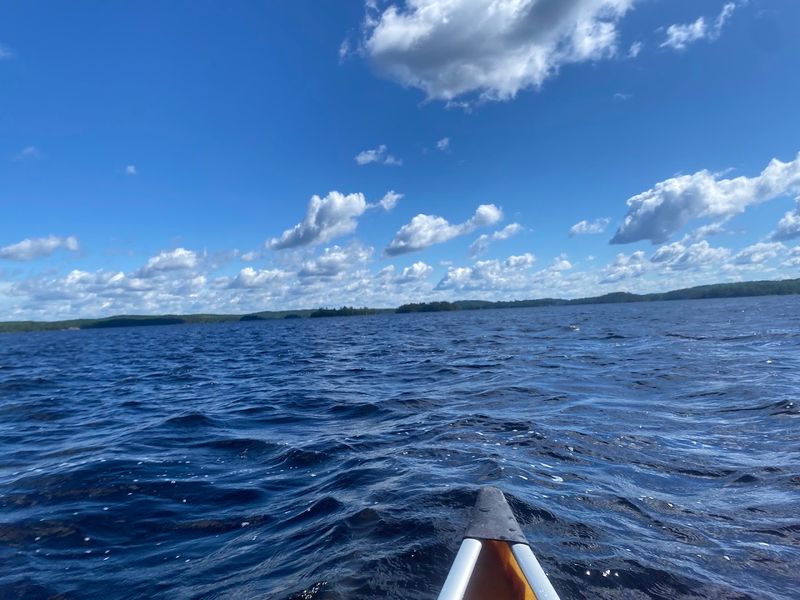
Reaching Basswood Lake takes planning, and that is exactly the point. The permit system managed by the US Forest Service is what keeps this wilderness feeling like a wilderness.
Day paddle permits are self-issued, which makes a quick solo excursion possible on short notice.
Overnight stays and motorized access, however, require quota-based permits booked in advance. This careful management limits how many people enter at once.
The result is a lake that never feels overrun, even during peak summer weeks.
Most visitors enter through entry points near Ely, Minnesota, launching from places like Fall Lake or Moose Lake. Portages connect these access points to Basswood’s broad water.
The carries are manageable but real, meaning gear selection matters. Travel light, plan your route, and double-check permit requirements before you go.
The payoff for all this preparation is arriving at a lake that feels entirely yours. That kind of reward is increasingly rare anywhere in the country.
Walleye, Pike, And The Fish Of A Lifetime
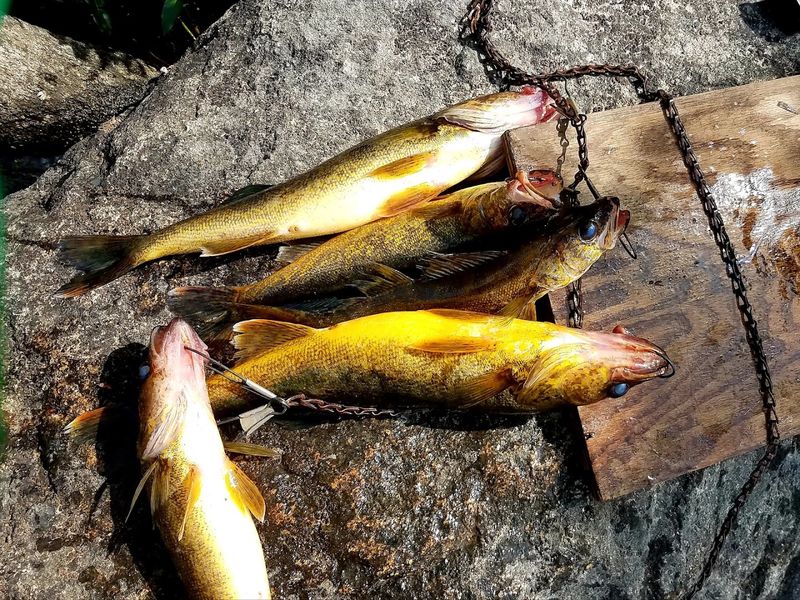
Basswood Lake holds a reputation that serious anglers pass around like a prized secret. Walleye, northern pike, smallmouth bass, and lake trout all call these clear depths home.
The northern pike fishery here is particularly legendary.
The lake has produced fish large enough to enter Minnesota state record conversations, which says everything about the quality of the water and the ecosystem supporting it. Summer months from May through September offer the most productive fishing windows.
Walleye tend to stack up near mid-lake reefs and rocky structures during warmer weather.
Early mornings and late evenings are prime time. Lures that mimic local baitfish work well, and live bait remains a reliable option throughout the season.
Smallmouth bass patrol the rocky shallows with surprising aggression. Lake trout favor cooler, deeper sections and reward anglers who take the time to read the bottom contours carefully.
Every species here fights hard, and every catch feels earned in the best possible way.
Reading The Water Like A Map
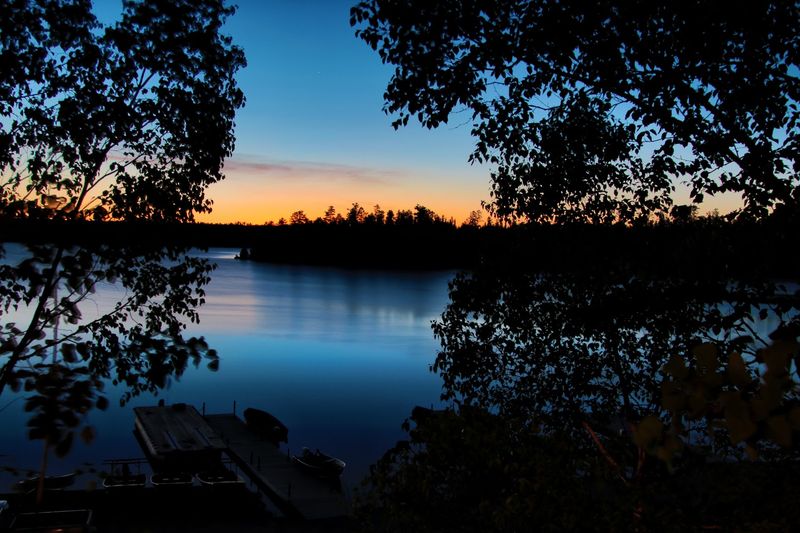
Knowing where to cast matters as much as what you cast. Basswood Lake rewards anglers who study its underwater terrain before dropping a line.
Mid-lake reefs are the key structure for summer walleye. These rocky rises sit just below the surface and concentrate fish in predictable ways.
A depth finder makes locating these reefs much easier, especially from a canoe where visibility is limited. An anchor helps hold position once fish are found.
Focus on the edges of reef structures rather than the tops, particularly during bright midday light when fish push slightly deeper.
Northern pike favor weedy bays and shallow flats where baitfish gather. Smallmouth bass hug rocky points and drop-offs.
Lake trout require deeper water and cooler temperatures, so targeting them early in summer before surface temps rise pays off. Switching tactics by species and time of day keeps the action going across a full fishing day.
Patience and observation are the two best tools any angler can bring here.
Where Motors Are Welcome And Where They Are Not
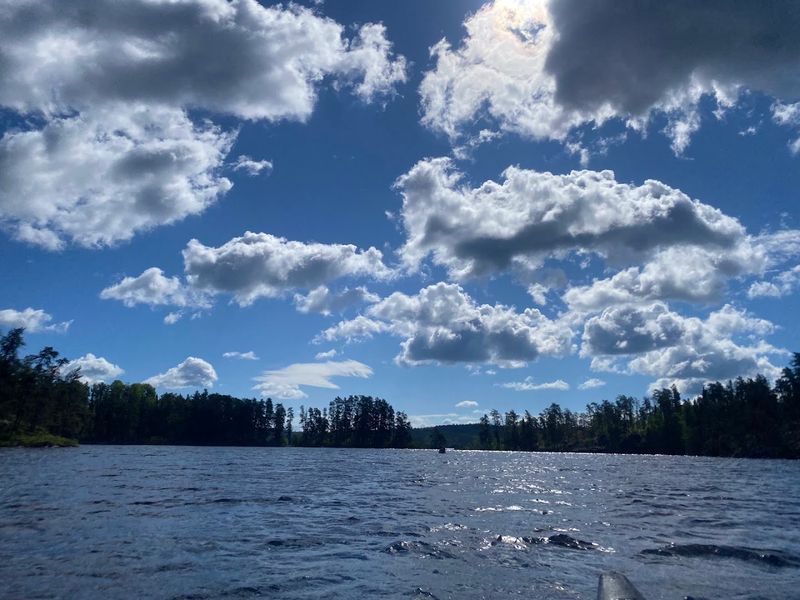
Not all of Basswood Lake operates under the same rules, and understanding the zones makes a big difference in how you plan your visit. Certain areas permit motors up to 25 horsepower.
Jackfish Bay and Pipestone Bay on the west side allow motorized access. Back Bay, Hoist Bay, and Wind Bay in the south-central portion of the lake also welcome motors.
The eastern side, including Inlet Bay and areas south of Bailey Bay, rounds out the motorized zones. These sections give anglers and families with gear-heavy setups a practical way to cover water efficiently.
It is a thoughtful compromise within a wilderness framework.
The rest of the lake, including a large swath north of Washington Island to Goose Narrows, is non-motorized. The entire Canadian side within Quetico Provincial Park bans motors entirely.
These paddle-only zones are where the silence becomes almost physical. Wind, water, and wildlife fill the air where engines are absent.
For many visitors, those quiet zones are the reason they came in the first place.
Paddle Into True Silence
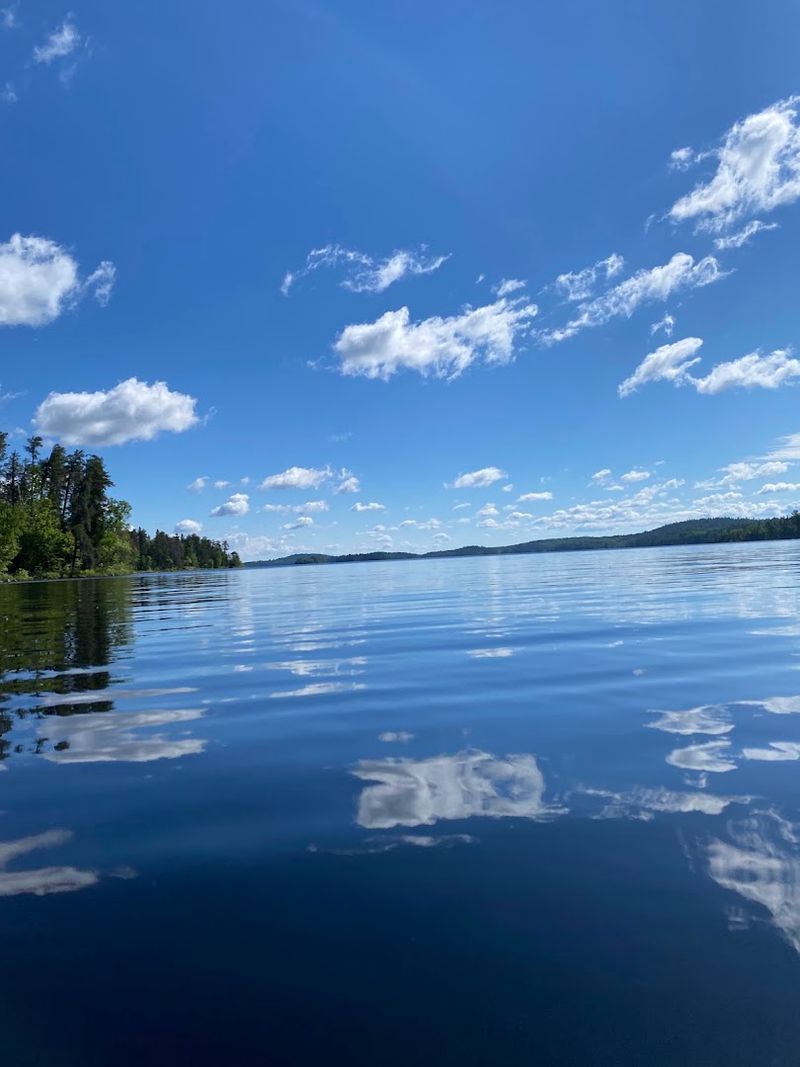
The non-motorized sections of Basswood Lake operate on a different frequency entirely. No engine hum, no wake, no noise beyond what the wilderness provides.
Paddling through these zones feels like stepping outside of ordinary time.
The water north of Washington Island stretching toward Goose Narrows is a particularly rewarding stretch. Rocky islands break the horizon in every direction.
Bald eagles circle overhead without any urgency. Loons surface close to canoes because the quiet makes them less wary than usual.
These paddle-only stretches connect to Quetico Provincial Park on the Canadian side, extending the sense of open wilderness even further. The park prohibits motors entirely, so crossing that invisible border by canoe deepens the experience considerably.
Many paddlers spend multiple days exploring this interconnected water system without seeing more than a handful of other people. That kind of solitude is not accidental.
It is the direct result of careful land management and a permit system that values the wilderness over convenience. Worth every paddle stroke to get there.
Rock Art Older Than Memory
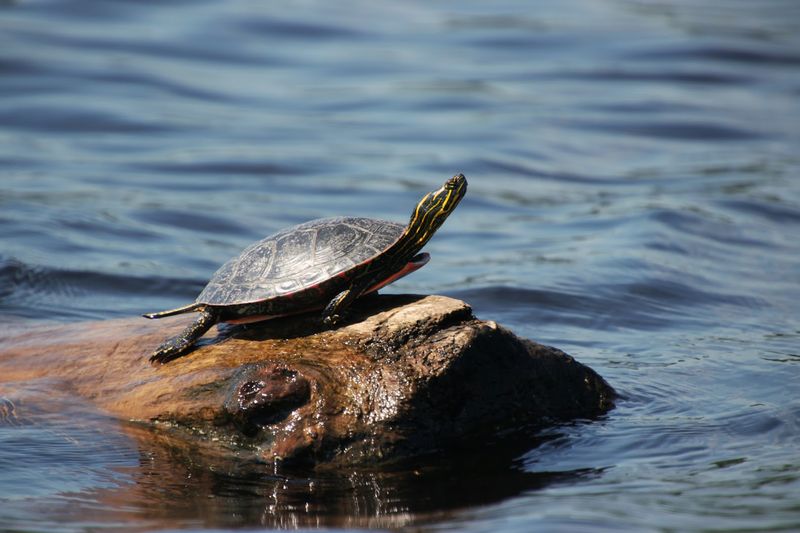
Some shorelines on Basswood Lake hold more than scenery. Ancient pictographs painted by Native American people adorn certain rock faces along the water.
These red ochre images represent some of the most striking cultural evidence found anywhere in the Minnesota wilderness.
The lake served as a vital travel corridor for Indigenous people long before European explorers arrived. Fur traders and voyageurs later followed the same routes, paddling these same waters in birchbark canoes loaded with trade goods.
The lake became a crossroads of cultures across centuries.
One remarkable living monument also stands here: an ancient cedar tree estimated to be between 700 and 1,100 years old, with a trunk measuring roughly five feet across. That single tree was already centuries old when the first European maps of North America were drawn.
Standing near it reframes the entire visit in a way that no guidebook quite prepares you for. History on Basswood Lake is not something you read about.
It surrounds you on every side.
Wildlife That Keeps You Looking Up And Around
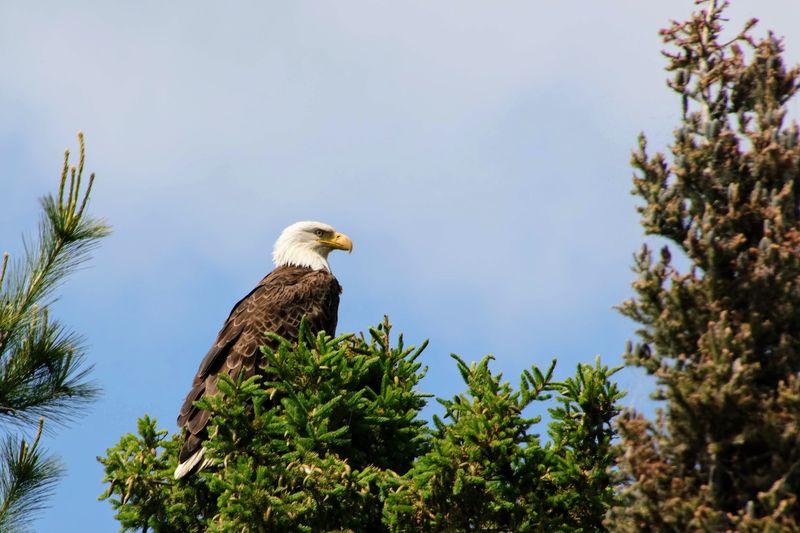
Wildlife sightings on Basswood Lake range from expected to genuinely surprising. Moose wade the shallows near marshy bays, particularly in early morning.
Black bears roam the surrounding forest and occasionally appear along the shoreline. Gray wolves inhabit these lands too, though they are rarely seen directly.
Bald eagles are a near-daily presence overhead. Loons nest on quiet island shores and fill the evenings with calls that echo across the open water.
Beavers, otters, and deer round out the regular cast of characters. The ecosystem here is intact and functioning, which is increasingly uncommon.
Proper food storage is not optional in this wilderness. Bear canisters or hanging food from trees is required to protect both visitors and wildlife.
The rules exist because the animals here behave like wild animals, not park attractions. That wildness is the whole point.
Seeing a moose at close range from a canoe is the kind of moment that stays with a person for years. Basswood Lake delivers those moments with quiet regularity.
From Logging Boom To Wilderness Forever
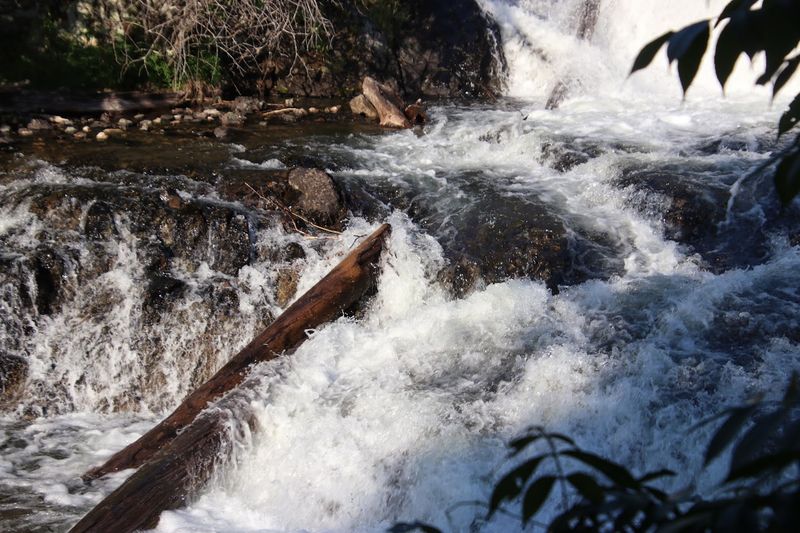
Basswood Lake was not always the quiet place it is today. Massive logging operations transformed this shoreline from the late 1800s through the 1920s.
Old-growth timber came down at an industrial scale, and the lake served as a highway for moving logs to mills.
By the 1930s and through the 1950s, the character of the lake shifted again. More than 20 fishing resorts lined its shores, drawing visitors from across the Midwest with promises of trophy fish and northern air.
The lake had a lively, commercial energy during those decades.
The designation of the Boundary Waters Canoe Area Wilderness eventually changed everything. Most resorts were closed or removed as the land returned to wilderness management.
The decision was not universally popular at the time, but the result speaks for itself today. What remains is a lake that has healed from heavy use and now offers something far more valuable than a resort ever could.
Basswood Lake in Minnesota became wild again, and it intends to stay that way.
Waterfalls, Portages, And The Routes Beyond
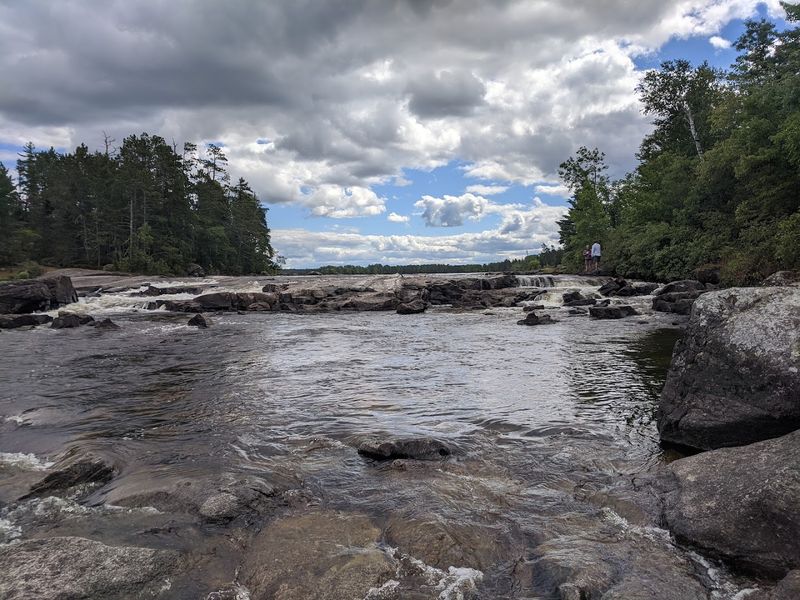
Basswood Lake connects to a broader network of waterways that rewards explorers willing to work for the view. Basswood Falls sits near the international border and offers one of the more dramatic natural features accessible from the lake.
The falls mark a transition point between water levels and serve as a navigational landmark with real character.
Portage trails link Basswood to neighboring lakes including Fall Lake and Newton Lake. Each carry opens access to new water and new fishing ground.
The interconnected route system is one of the defining features of the entire Boundary Waters experience, and Basswood sits at a central hub within it.
Planning a multi-day route that threads through several lakes keeps the experience fresh and the scenery constantly changing. Each new lake feels distinct despite the shared wilderness character.
The portages are the price of admission, and most paddlers find them worth every step. Basswood Lake is not just a destination.
It is a starting point for a much larger Minnesota wilderness story that unfolds one paddle stroke at a time.