
11 Florida Beaches And Back Bays On Alert For Jellyfish This Summer
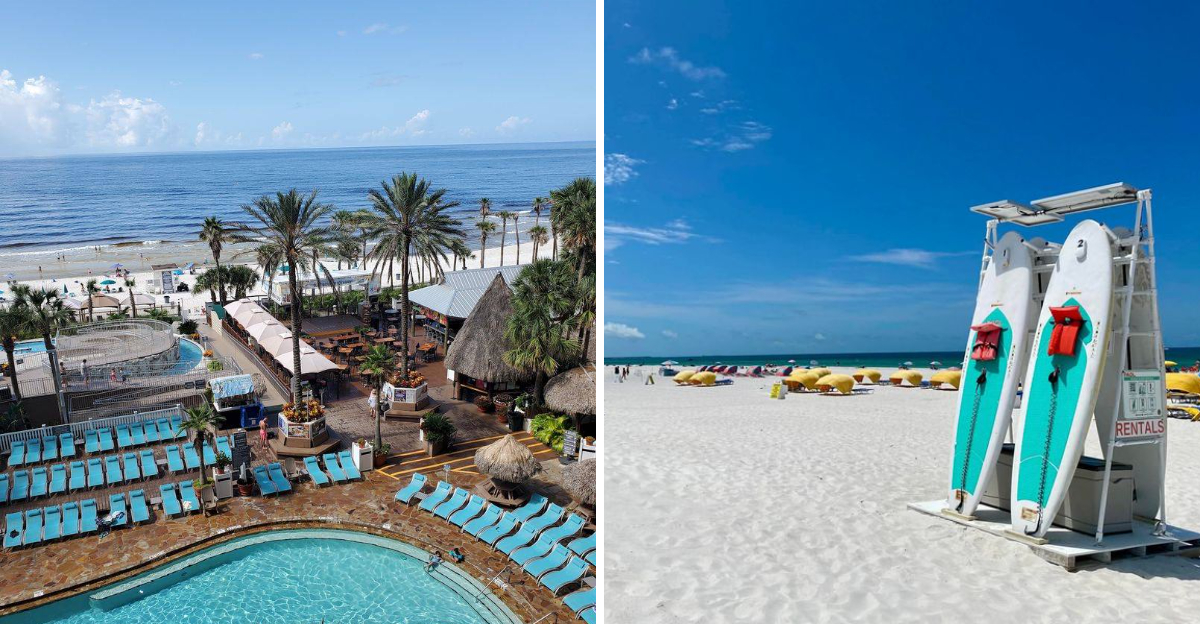
Purple flags are flying along Florida’s coastline more often than you’d expect this summer. Jellyfish season turns quiet shorelines into something far stranger.
Warm water pulls stinging drifters closer to shore from spring through fall. Moon jellies glide in first.
Bigger, bolder species tend to follow close behind.
Eleven stretches of coastline made this year’s watch list, running from panhandle shores clear down to the Atlantic side. Each one handles the bloom differently.
A few beaches lean on quiet bay water as a backup plan. Others hand out vinegar at every lifeguard tower and call it a day.
Florida rewards travelers who read the flags before they read the waves. Pack sting relief, watch the colors, and let this list guide the rest.
1. Pensacola Beach, Pensacola, FL
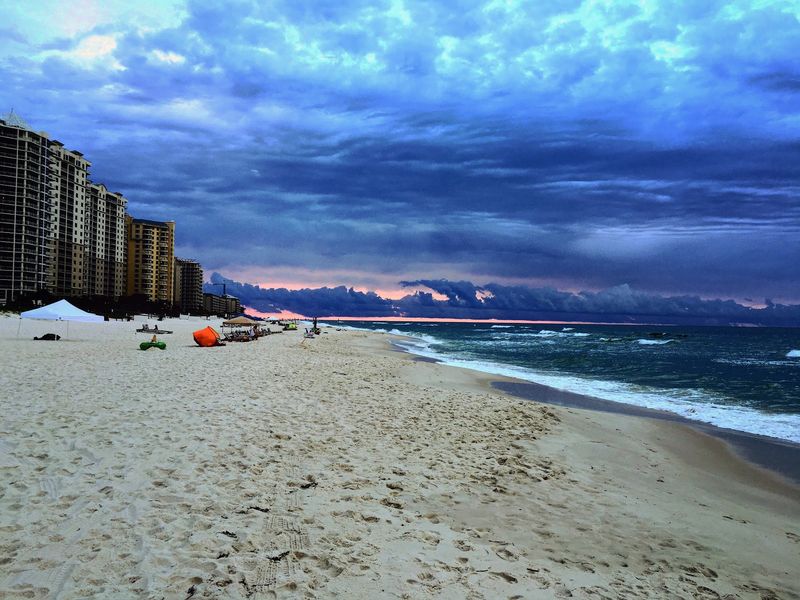
Purple flags fly here more often than visitors expect. Lifeguards raise them when jellyfish numbers climb in the Gulf of Mexico.
Warm late-summer water raises your odds of a sighting, especially through August and September. Beachgoers have reported pink meanies drifting in after storms churn the water.
Check the flag colors posted at the entrances before you swim. A quick look takes seconds and can change where you set up your towel.
Pensacola Beach sits on a barrier island in Pensacola, Florida, backed by that famous quartz sand. The water glows green on calm mornings.
Anglers gather on the Pensacola Beach Pier, where the views stretch far along the shoreline. Dolphins sometimes cruise past the pilings.
The nearby boardwalk keeps things lively with shops, casual restaurants, and live music. It makes a solid backup plan on a heavy jellyfish day.
History fans should head to Fort Pickens on Santa Rosa Island. Brick corridors, old batteries, and quiet dune trails fill an easy afternoon.
Pack vinegar or a sting relief product in your beach bag. Lifeguards can help, but having your own supplies speeds things up.
My advice: swim near a staffed stand and keep your eyes on the water ahead of you.
2. Navarre Beach, Navarre, FL
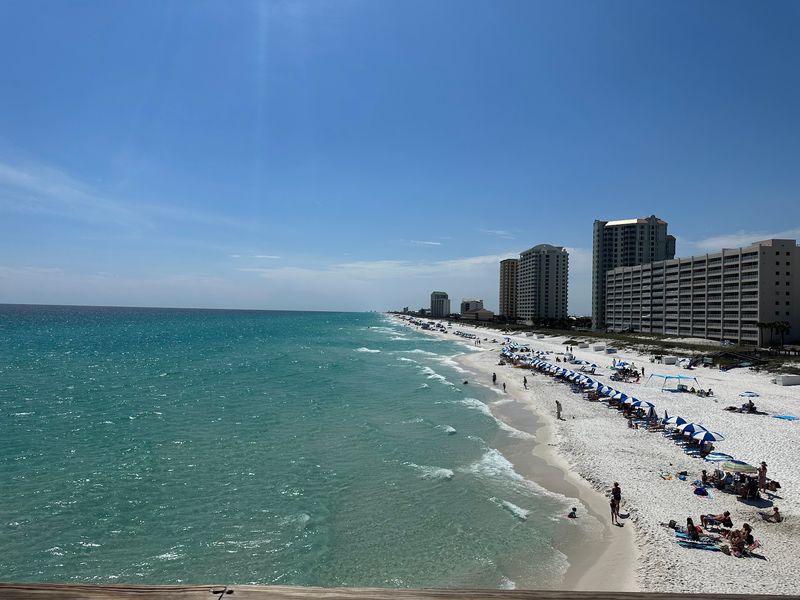
Locals here talk about bell season. That nickname covers late April through September, when translucent jellies ride the tide changes ashore.
Steady onshore breezes and bathwater temperatures push them close to the sand. Moon jellies show up looking like glass saucers, and cannonball jellies resemble small mushroom caps.
Sea nettles arrive too, and the Portuguese man-of-war occasionally drifts in. That last one deserves real caution, even when it has already washed up.
Yellow and purple flags often fly together during peak weeks. Read both before you commit to a long swim.
Navarre Beach, in Navarre, Florida, feels calmer than its busier neighbors along the Emerald Coast. Families come for the quiet and stay for the water clarity.
The Navarre Beach Sea Turtle Conservation Center is a smart stop with kids. Exhibits explain local marine life and why conservation matters here.
Walk out on the pier for a different perspective. From above, you can often spot jellies before you ever get wet.
Water shoes and a rash guard cut down on accidental contact. Cheap gear, real peace of mind.
Come early, scan the shallows, and let the flags decide your morning.
3. Panama City Beach, Panama City Beach, FL
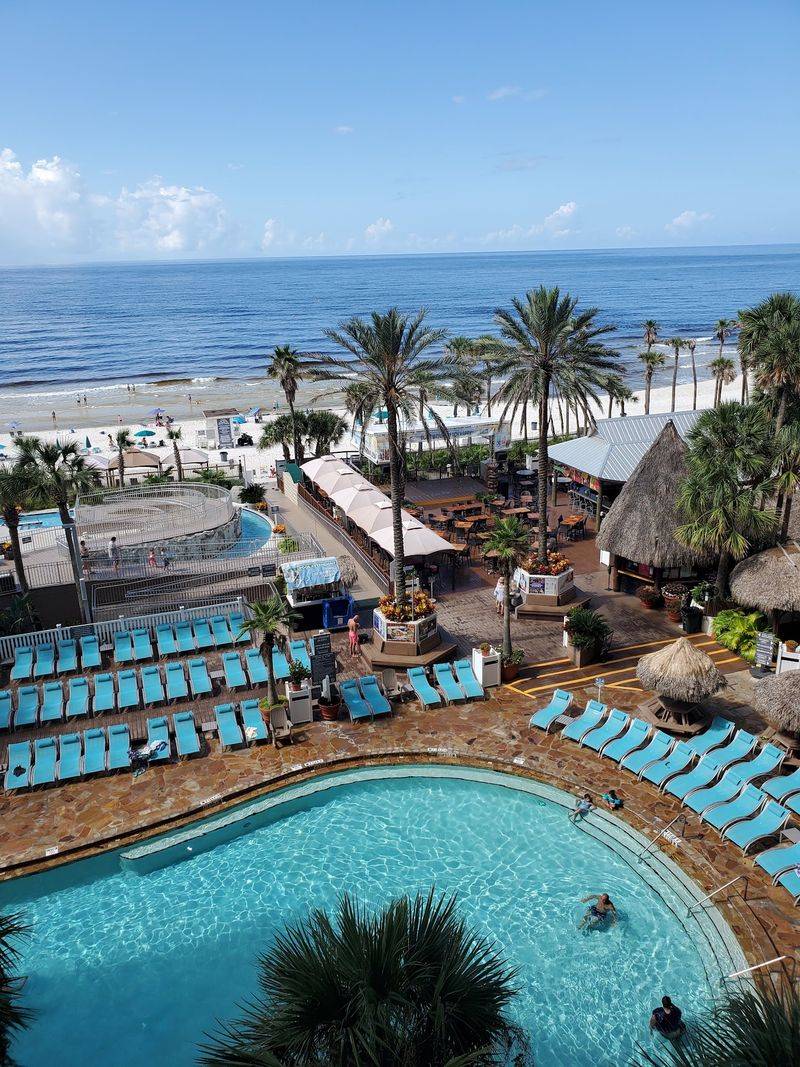
Bay County keeps its flag system simple, and purple means hazardous marine life. Jellyfish trigger that flag regularly in the warmer months.
Late summer into early fall brings the most reports along this stretch. Moon jellyfish top the list of common sightings.
Conditions shift block by block here because the shoreline runs for miles. One access point can be clear while another gets a wave of jellies.
Panama City Beach, Florida, packs in more than sand. Pier Park handles shopping, dining, and rainy-day boredom with ease.
St. Andrews State Park sits at the eastern end with dune trails and calmer jetty water. Snorkelers love the rocks when visibility cooperates.
Watersport rentals line the beach if you would rather stay above the water than in it. Paddleboards give you a clear view down into the shallows.
Ask lifeguards what they have seen that morning. Their answers beat any app.
Rinse with saltwater rather than fresh if you get brushed, and avoid rubbing the skin. Sand scrubbing makes stings worse.
Plan a mid-morning swim, then trade the water for the boardwalk when flags change. Flexible beach days end happier.
4. Choctawhatchee Bay (Destin), Destin, FL
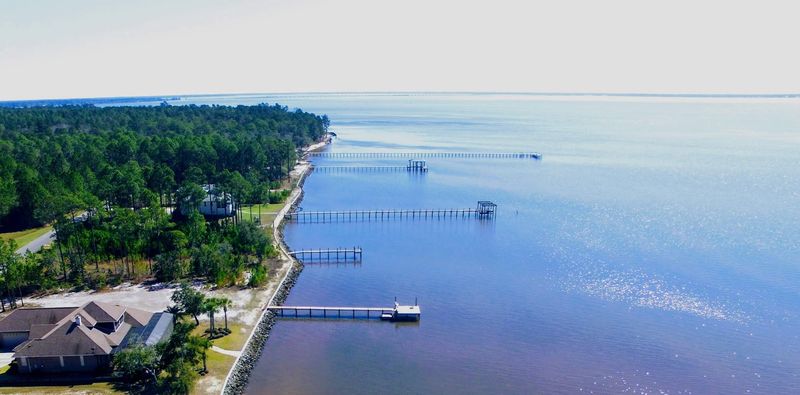
Here is a trick worth knowing. The bay side often stays calmer and quieter than the open Gulf when jellies move in.
Choctawhatchee Bay sits behind Destin, Florida, sheltered from the surf and swells. Kayakers, paddlers, and anglers get glassy water most mornings.
Out on the Gulf side, peak jellyfish season runs from late spring through October. June, July, and August tend to be the busiest stretch.
Jellyfish follow their tiny prey, and warm water keeps that buffet stocked. Wind direction decides where they end up.
Destin flies both yellow and purple flags during active weeks, and Norriego Point has seen its share of sightings. Check conditions on both sides before choosing your spot.
The harbor earned Destin the nickname World’s Luckiest Fishing Village. Charter boats, seafood spots, and boardwalk strolls fill the schedule easily.
Bay water also rewards wildlife watchers. Herons, ospreys, and mullet keep the shoreline busy.
Rent a paddleboard and you can spot jellies from above rather than bumping into them. Kids find that far more fun than swimming anyway.
Split your trip between Gulf and bay, and you will rarely lose a whole beach day.
5. Clearwater Beach, Clearwater, FL
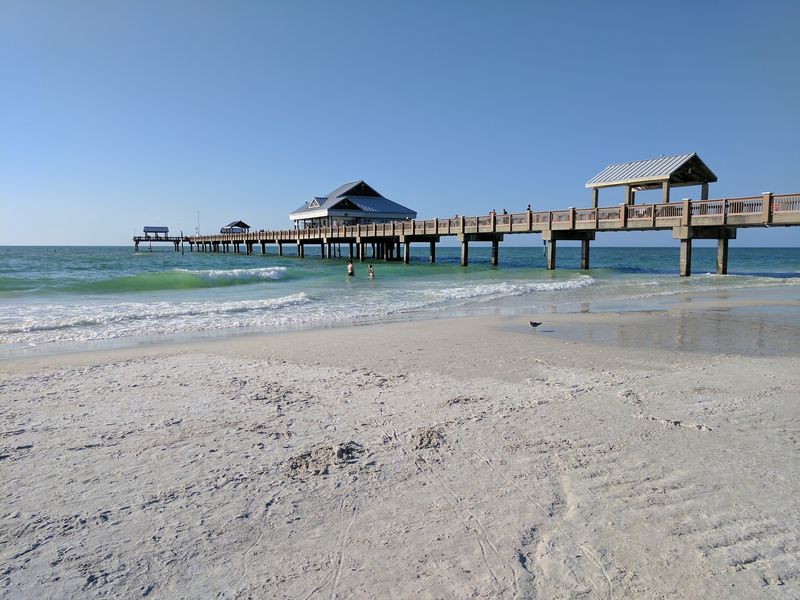
Sea nettles like warm, calm water, and this beach delivers plenty of both. Gulf Coast numbers usually climb from August through October.
Back in October 2020, purple flags flew here as sting reports jumped. Some jellies that season reached dinner plate size.
Most summers stay mild, with the occasional stranded jelly on the sand. Still worth a glance before diving in.
The St. Pete-Clearwater area uses the same purple flag as the rest of the Gulf Coast for stinging marine life.
Clearwater Beach, in Clearwater, Florida, ranks among the top beaches in the country year after year. The sand feels soft and the water shelves out gently.
Pier 60 hosts a nightly sunset gathering with artisans, jugglers, and street performers. Show up before the sun drops for the best spot.
The Clearwater Marine Aquarium cares for rescued animals and explains local sea life clearly. It is my favorite jellyfish-day pivot.
Teach kids the look-do-not-touch rule for anything washed ashore. Tentacles can still sting long after a jelly beaches.
Swim near the lifeguard towers, keep an eye on that blue flag, and Clearwater rarely disappoints.
6. Sand Key Park, Clearwater, FL
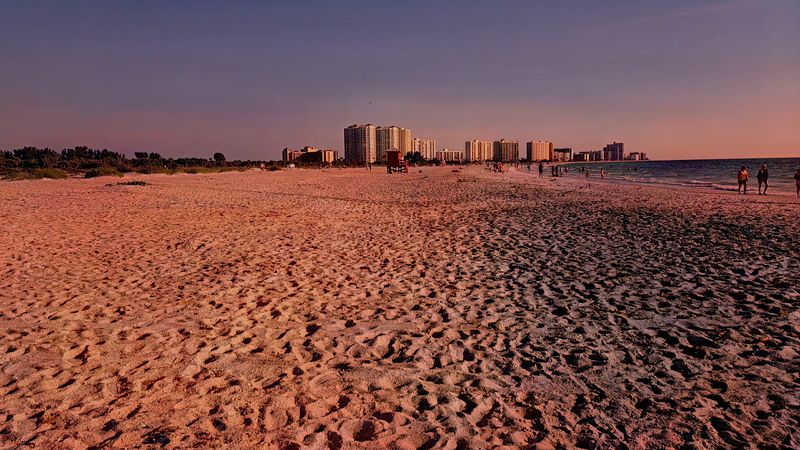
Want the same coastline with fewer crowds? Head just south of the main Clearwater strip and the pace drops noticeably.
Sand Key Park spreads out with a wide beach and easygoing water. Moon jellyfish turn up here throughout the year.
Summer still nudges the numbers upward, matching the broader Gulf Coast pattern. Watch for local marine life advisories posted at the park.
Sand Key Park sits in Clearwater, Florida, and doubles as beach and nature preserve. That second half surprises first-time visitors.
Short trails wind past a salt marsh with benches for quiet watching. Herons, egrets, and shorebirds work the shallows most mornings.
Picnic tables and shade make it an easy half-day stop. Bring lunch and skip the restaurant lines.
Because the beach runs long, you can walk until you find water that looks clear. Moon jellies drift in patches rather than blankets.
Moon jelly stings tend to be mild, but avoid handling them anyway. Sensitive skin reacts unpredictably.
Snorkel goggles help enormously here. Ten seconds underwater tells you everything about the next twenty minutes.
For a calm swim with birdsong in the background, few Pinellas County spots compete.
7. St. Pete Beach, St. Pete Beach, FL
Purple flag spotted? Around here that color signals stinging marine life, not calm conditions.
St. Pete Beach falls under the same St. Pete-Clearwater warning system, so the blue flag applies. Several jellyfish species can pass through these waters.
Florida’s broader jellyfish season runs roughly May through October, peaking in August and September. Treat those months as your high-alert window.
Nothing beats checking the flags at the access point right before you swim. Conditions change with wind and tide.
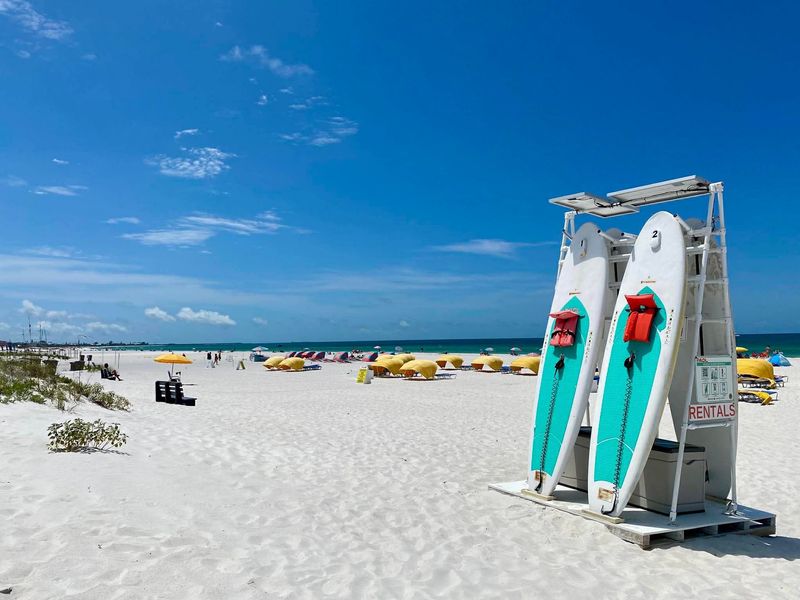
St. Pete Beach, Florida, carries a fun mix of relaxed and energetic. Beachfront restaurants, small shops, and rental stands line the sand.
The historic Don CeSar hotel anchors the skyline in bright pink. Photographers chase it at sunset for good reason.
Parasailing and paddleboarding fill the afternoons, and both keep you comfortably above the water. Handy when jellies are around.
Sunsets here draw applause from strangers sharing the same sandbar. Stay late and you will understand.
Keep a small first aid kit in the car with vinegar and tweezers. Preparation turns a sting into a footnote.
Balance water time with boardwalk time, and this stretch stays a winner all summer.
8. Siesta Key Beach, Sarasota, FL
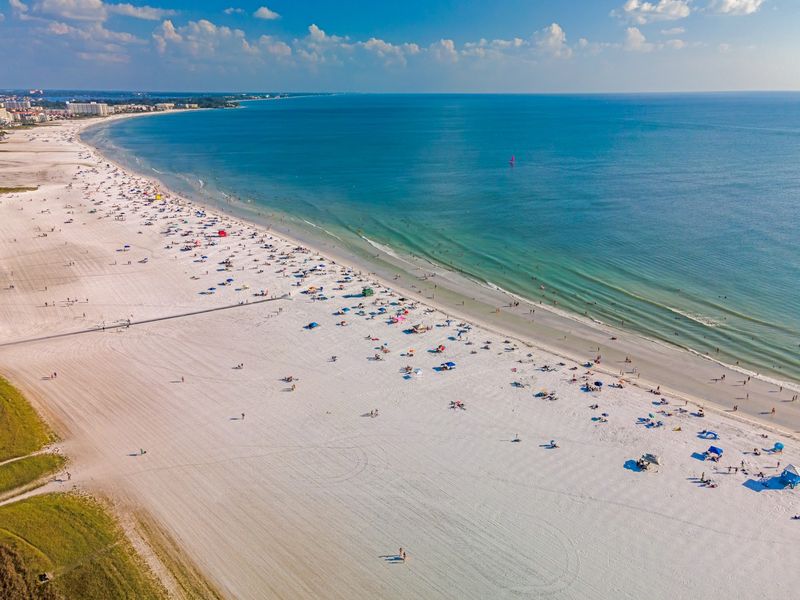
Cool sand on a scorching day sounds impossible. Here it happens, because the grains are nearly pure quartz.
Siesta Key Beach sits in Sarasota, Florida, and its shallow water stays remarkably gentle. Toddlers wade for ages without hitting a drop-off.
Moon jellyfish appear in these waters throughout the year. Cannonball jellies show up from spring through fall.
Portuguese man-of-war sightings lean toward winter and spring, though caution never hurts. Summer still brings the statewide bump in activity.
Scan the shoreline as you walk in, since jellies often collect where the waves break. Moving fifty yards can solve the problem.
Siesta Key Village nearby offers casual restaurants, ice cream, and small shops. Perfect for a mid-afternoon break from the sun.
Stick around for the sunset drum circle, a long-running local tradition. Bring a blanket and let the rhythm do its thing.
Lifeguard stands here are numbered, which makes meeting up simple. Pick one and tell your group.
Rash guards protect against sun and stray tentacles at the same time. Two problems, one shirt.
Between the sand, the water, and the village, Siesta Key handles a jellyfish week better than most.
9. Cocoa Beach, Cocoa Beach, FL
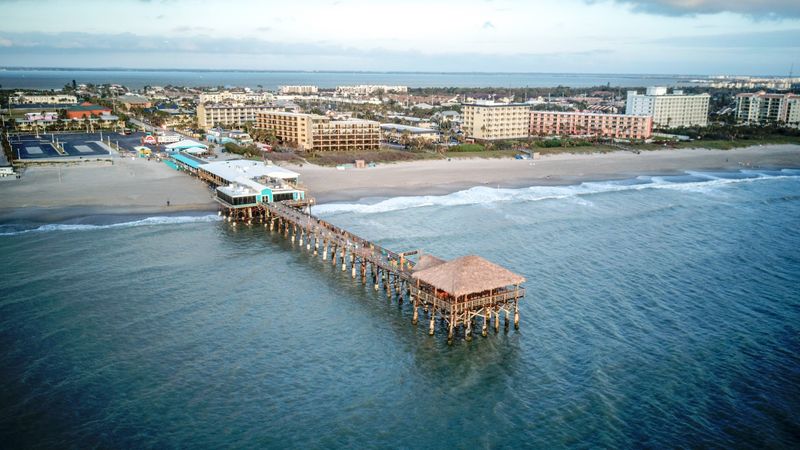
Surfboards outnumber umbrellas on plenty of mornings here. Atlantic swell keeps this shoreline busy from sunrise onward.
Jellyfish season runs May through October, with August and September demanding the most attention. Stinging marine life shows up in the surf zone during those warm stretches.
City guidance is straightforward: avoid touching marine life, even creatures already washed ashore. Purple and yellow flags have flown together during active periods.
Cocoa Beach, Florida, also borders the sheltered Indian River Lagoon and Banana River. Harmless comb jellies drift there, mostly in cooler months, glowing faintly when disturbed.
For ocean swimming, focus on the Atlantic side flag reports. Lagoon conditions differ completely.
The enormous Ron Jon Surf Shop has become a landmark in its own right. Even non-surfers wander the aisles.
Kennedy Space Center Visitor Complex sits a short drive north with rockets, exhibits, and launch history. Rocket launches occasionally light up the beach view.
The Cocoa Beach Pier serves food, drinks, and fishing spots with wide ocean panoramas. Walk out and study the water below.
Book a surf lesson if the water looks jelly-heavy. Boards keep most of you out of the drift.
10. New Smyrna Beach, New Smyrna Beach, FL
Volusia County lifeguards know this shoreline attracts drifting jellies. Warm water and steady currents deliver them reliably through the warmer months.
Moon jellies cause most of the trouble here. Over Memorial Day weekend in 2025, hundreds of stings were reported along the coast.
Most of those stings were mild, though nobody enjoys them. Purple flags go up when jellyfish numbers spike.
New Smyrna Beach, Florida, blends surf culture with small-town charm. Many locals call it the state’s surf capital.
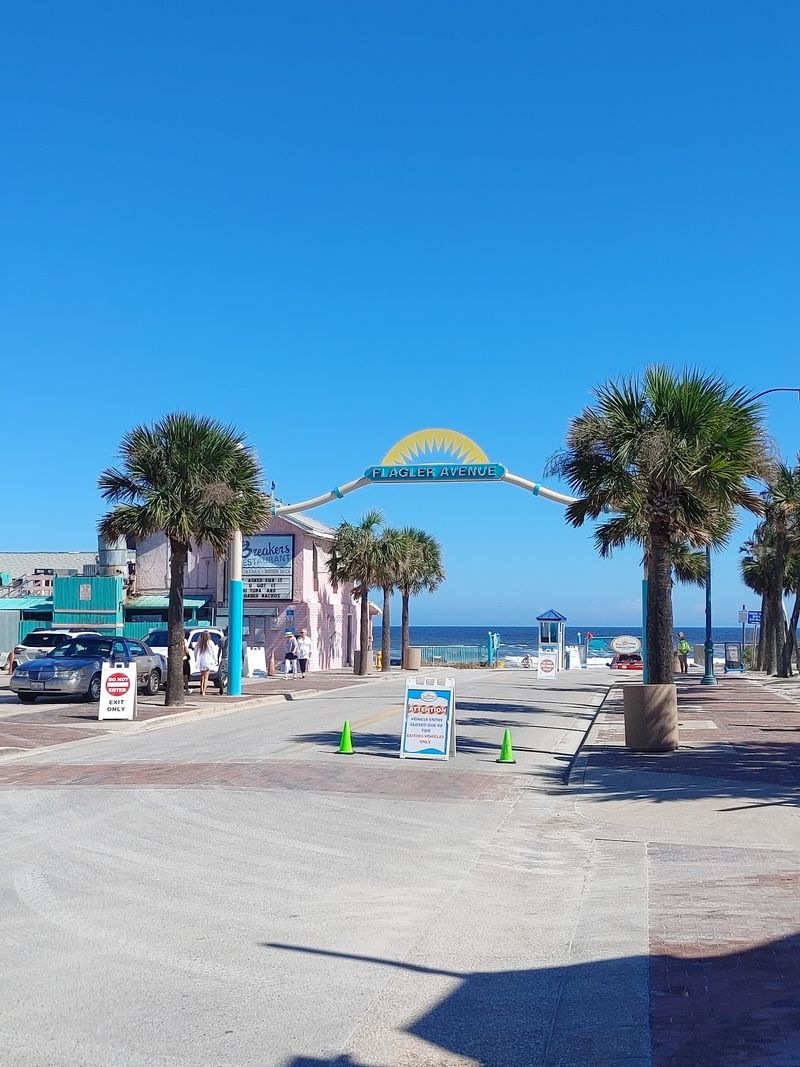
Flagler Avenue delivers boutiques, art galleries, and casual restaurants within a few walkable blocks. Great for a break when the water looks crowded with jellies.
Canaveral National Seashore lies just south with undeveloped dunes and quiet wildlife viewing. Very different energy from the main beach.
Ask the lifeguard tower nearest your parking spot about the morning’s reports. Their information is current and free.
Wade in slowly, shuffle your feet, and watch the water surface ahead. Moon jellies are easy to spot once you look.
Keep sting relief in your bag and treat any reaction seriously if breathing changes. Otherwise, cool water and patience usually settle it.
Surf, shops, and sea turtles make this stop worthwhile regardless.
11. Fort Lauderdale Beach, Fort Lauderdale, FL
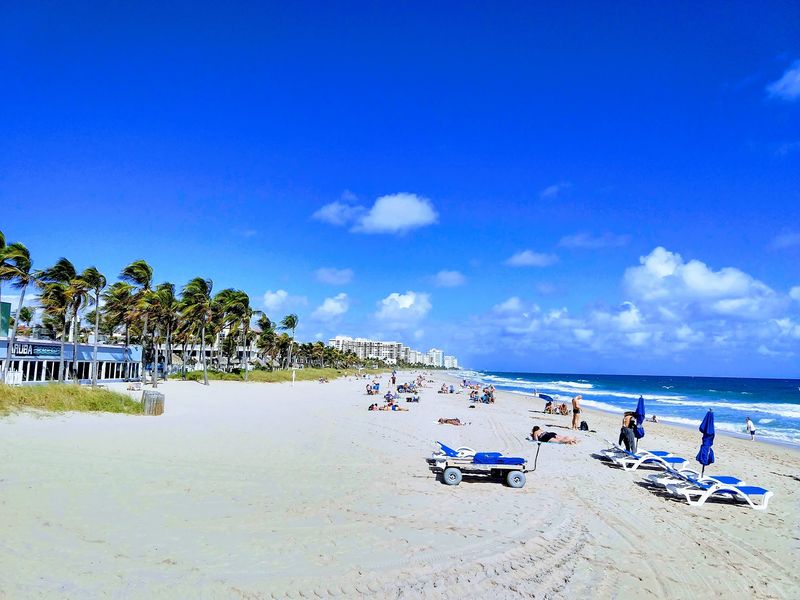
South Florida stretches its jellyfish calendar longer than the rest of the state. Warm water means sightings from early March into late October.
Peak activity has been flagged around late August in this region. Sea lice and drifting jellies both make appearances during those weeks.
Specific daily alerts vary, so check posted advisories at the lifeguard stands. Regional trends only tell part of the story.
Fort Lauderdale Beach, in Fort Lauderdale, Florida, has serious style. The wavy white promenade wall is instantly recognizable.
Runners, cyclists, and skaters share the path along the sand. Early mornings feel especially good before the heat builds.
The city earned the nickname Venice of America thanks to its long network of canals. Water taxi rides show off waterfront homes and bridges.
Upscale shops and restaurants sit directly across from the beach. Easy to swap swimming for browsing when flags go up.
Shower off and rinse your swimsuit after ocean time. That habit prevents lingering irritation from tiny larvae.
Choose a guarded section, ask about conditions, and enjoy the Atlantic on its own terms. A little awareness keeps South Florida beach days smooth.