
8 Florida Panhandle Spots Where Copperheads Tend To Turn Up Every Summer
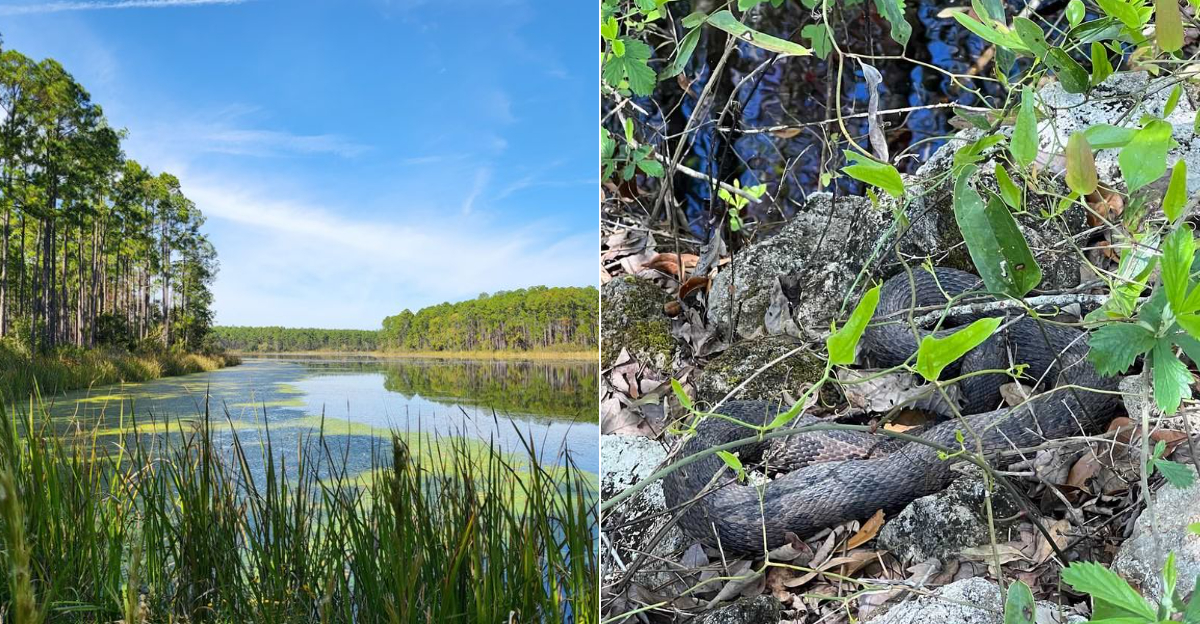
Summer in the Florida Panhandle brings warm evenings, quiet trails, and rivers that shine in the late sun. It also brings copperheads out of hiding, especially after dark when temperatures drop a little.
These snakes live only in the Panhandle part of Florida, mostly near the Apalachicola River and the western counties. They are shy, well camouflaged, and usually happy to be left alone.
Most trouble happens by accident, like a hand reaching under a log or a boot landing on leaf litter. The good news?
A little awareness goes a long way, and none of this should keep you home.
Florida has some of the prettiest ravines, forests, and paddling routes in the Southeast, and you deserve a break in them. So pack closed shoes, bring a flashlight, and watch where you step.
Ready to see where these snakes turn up most, and how to enjoy each spot anyway?
1. Garden Of Eden Trail At The Apalachicola Bluffs And Ravines Preserve
Steep hills in Florida? Absolutely.
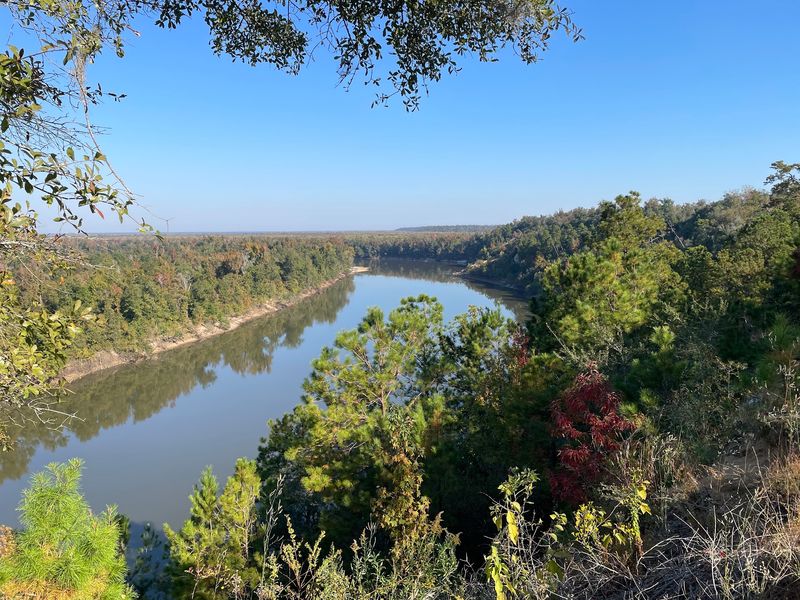
The Garden of Eden Trail climbs bluffs that feel more like north Georgia than the Gulf Coast.
Hardwood ravines here hold damp, shady ground and deep piles of fallen leaves. That mix is exactly what copperheads prefer, and sightings have been filmed right on this trail.
A video from August 2022 showed hikers spotting them along the path. That does not mean the trail is off limits, just that eyes down beats eyes on your phone.
The snakes blend into brown leaves almost perfectly. Their hourglass bands look like scattered twigs and shadows, which is why most people walk past without noticing.
Wear boots and long pants, and use a hiking pole to tap ahead of you. Copperheads would rather freeze than move, so giving them space works better than shooing them.
Try going in the morning when the air is cooler and the light through the beech trees is soft. During hot spells these snakes shift to nighttime hunting, so daytime hikes lower your odds of meeting one.
The reward at the top is a view over the Apalachicola River valley that few visitors to Florida ever see. Bring water, because those climbs are honest work.
Check trail conditions before you drive out, since summer storms can wash out sections. You will find the trailhead at Garden of Eden Rd, Bristol, FL 32321.
2. Torreya State Park
If Florida kept a scoreboard for copperhead sightings, Torreya State Park would sit near the top. Many records from Liberty County come from inside the park or just outside its boundary.
Reports go back years, with logged sightings in May 2011, April 2021, and several in April 2024. Rangers know this, and they are happy to answer questions at the entrance.
The park sits high above the Apalachicola River, with bluffs, ravines, and shady slopes. Cool, moist forest floors give these snakes shelter under logs and root tangles.
Camping here is a treat. Sites are quiet, the stars are bright, and the air smells like pine and river water.
Bring a headlamp for late walks to the restroom. Copperheads move at night in summer, and a simple light solves almost every problem before it starts.
Do not reach into woodpiles or step over logs blindly. Step onto them instead, so you can see what is on the other side.
Kids love the trails here, so make it a game of watching the ground together. Pets should stay leashed, which protects them and the wildlife.
Hiking loops range from short to challenging, and the ravine bridges are genuinely fun. Confirm park days and hours before your visit, then head to 2576 NW Torreya Park Rd, Bristol, FL 32321.
3. Apalachicola River Wildlife And Environmental Area
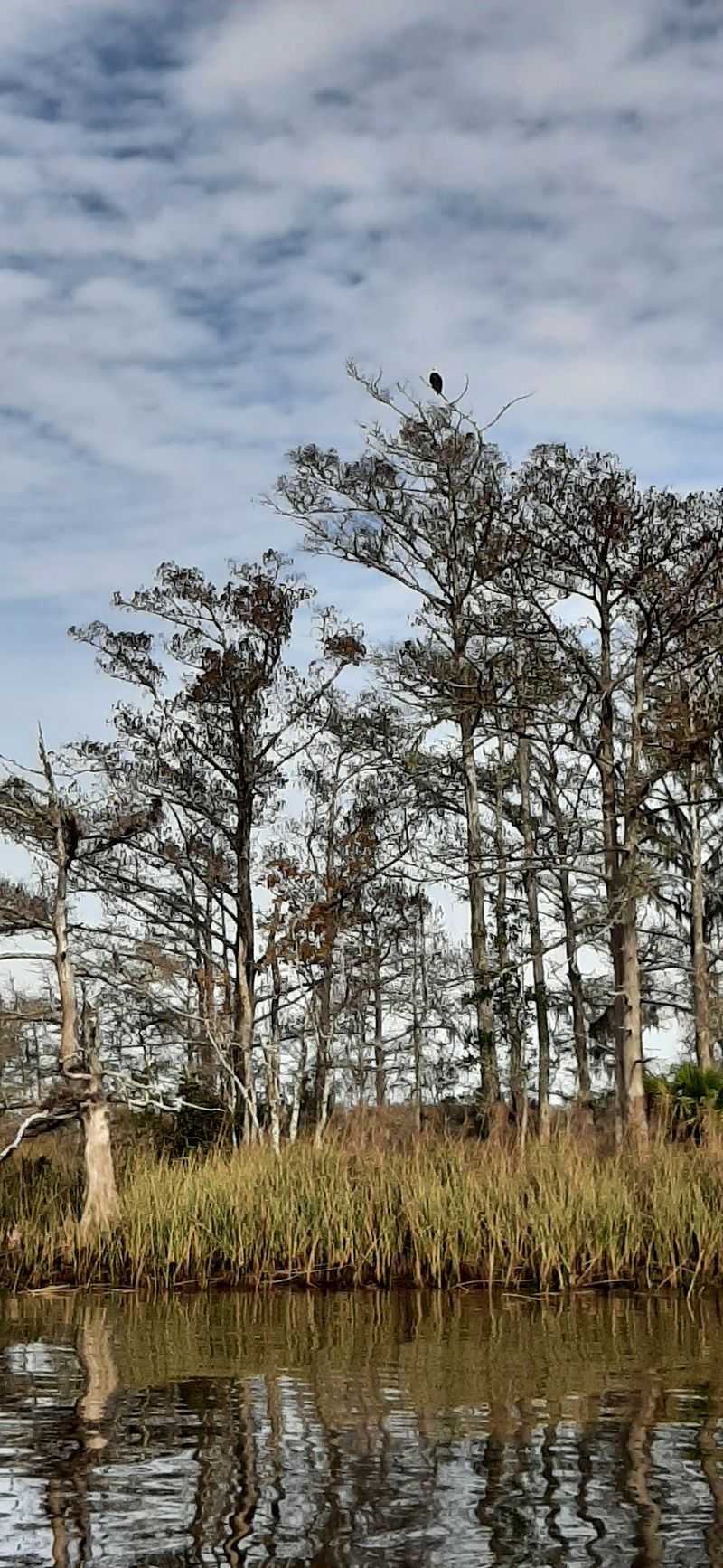
Floodplain forest, sloughs, and river bottoms fill this wildlife area. Copperheads in Florida live mainly along the Apalachicola River and the creeks that feed it, which puts this land right in their range.
Water levels shift through the year. After summer rain, dry ground shrinks and animals crowd onto the higher ridges, including snakes.
Birders come for swallow-tailed kites and warblers. Photographers come for morning mist rising off black water, and it is worth the early alarm.
Boardwalks and levee roads make walking easier than you might expect. Stay on them where you can, since open paths let you see the ground clearly.
If you wade or launch a kayak, wear tall boots or closed shoes. Copperheads sit still near stream banks, waiting on frogs and mice.
Late summer is when young ones appear, and they have a bright yellow tail tip. They are small and easy to miss, so slow down on leafy trails.
Bug spray matters here as much as anything else. Mosquitoes will find you long before a snake does.
Hunting seasons run in parts of this area, so wear bright colors and check the current rules. Regulations change, so read the posted signs at each entrance.
Access points are spread across the region in Florida, so confirm the specific gate before you drive out.
4. New River Primitive Campsite 8 West Near Carrabelle
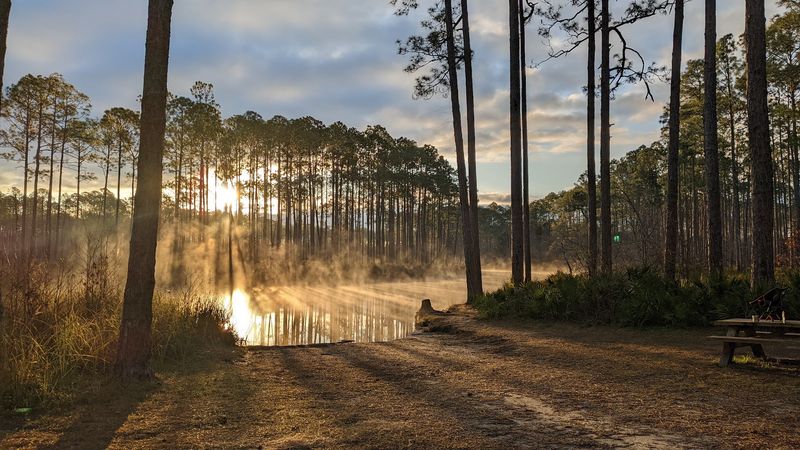
Want camping without crowds, sinks, or streetlights? Primitive Campsite 8 West sits along the New River, a tributary that feeds the Apalachicola system.
Copperheads live along the Apalachicola River and its side streams across the Florida Panhandle. Leafy forest and damp ravines around this river match their habitat almost point for point.
No confirmed sighting has been logged at this exact site. Still, the location and the surroundings make their presence likely, so camp smart.
Pitch your tent on cleared ground and keep the door zipped. A closed tent is a simple, reliable barrier.
Skip gathering firewood after dark. Snakes rest beside logs at night in summer, and a flashlight sweep before you reach down costs two seconds.
Store food in sealed containers. Crumbs bring rodents, and rodents bring snakes closer to camp than you want.
The paddling here is peaceful, with tea colored water and overhanging trees. Wildlife sounds at dusk are the real entertainment.
Bring everything you need, including water and a trash bag. Primitive means primitive, and the nearest store is a drive away.
Carrabelle itself is a friendly little fishing town if you want a shower and a hot meal afterward. Permits and access can change, so check with land managers before your trip, then follow River Rd, Carrabelle, FL 32322.
5. Apalachicola National Forest
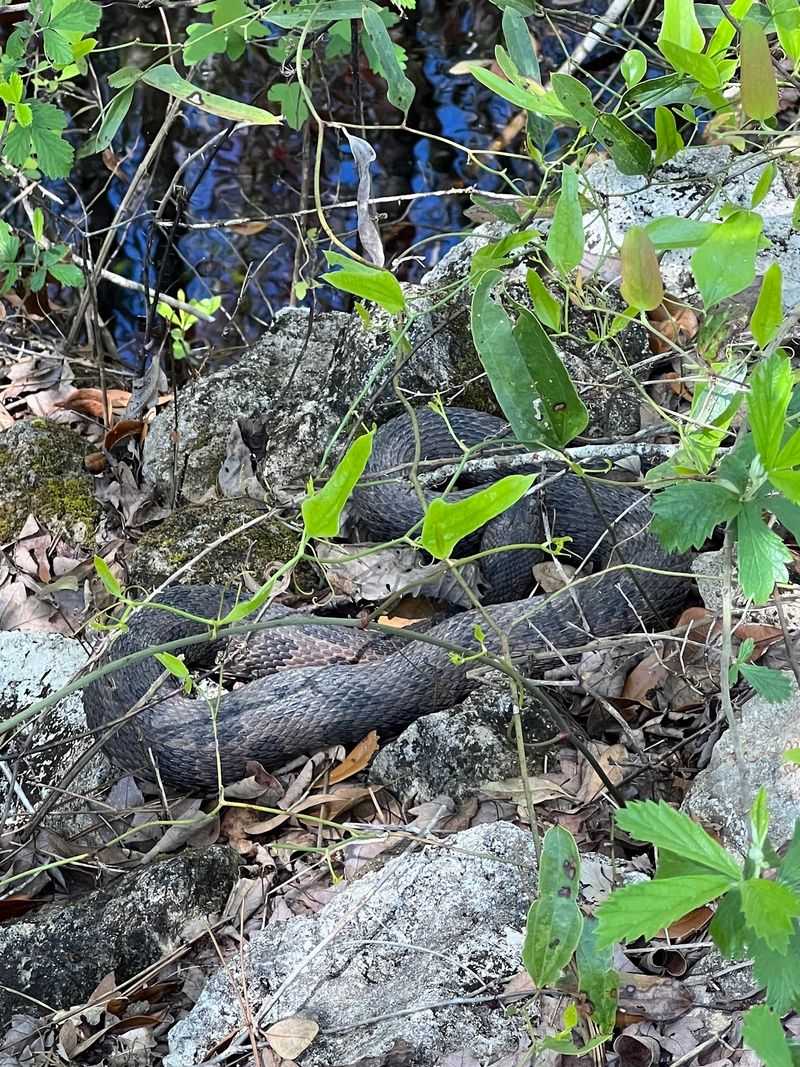
Over half a million acres of pine, swamp, and back roads sit west of Tallahassee. Apalachicola National Forest is the biggest national forest in Florida, and it feels wonderfully empty.
A copperhead was documented in a forest swamp in April 2025. Hardwood hammocks and ravines along the river valley run through parts of this forest, and those are prime spots.
You can drive gravel roads for an hour without seeing another car. That solitude is the appeal, and also a reason to plan ahead.
Cell service drops fast out here. Tell someone your route, carry water, and keep a paper map in the glove box.
Hikers on the Florida Trail cross wet flatwoods and creek beds here. Watch your footing at log crossings, since snakes rest in shaded gaps beneath them.
Anglers and paddlers do well on the smaller creeks. When you pull a boat onto a bank, scan the leaves before setting gear down.
Wildflowers in these pinelands are outstanding, with pitcher plants in the wetter spots. Bring a camera and a zoom lens instead of stepping closer to anything.
Copperheads are not aggressive and would rather slip away unseen. Keep a few feet of distance and the whole encounter becomes a good story.
Access points vary, so check current road conditions first. A common gateway sits along FL-12, Sopchoppy, FL 32358.
6. Ochlockonee River State Park And Its Riverside Trails
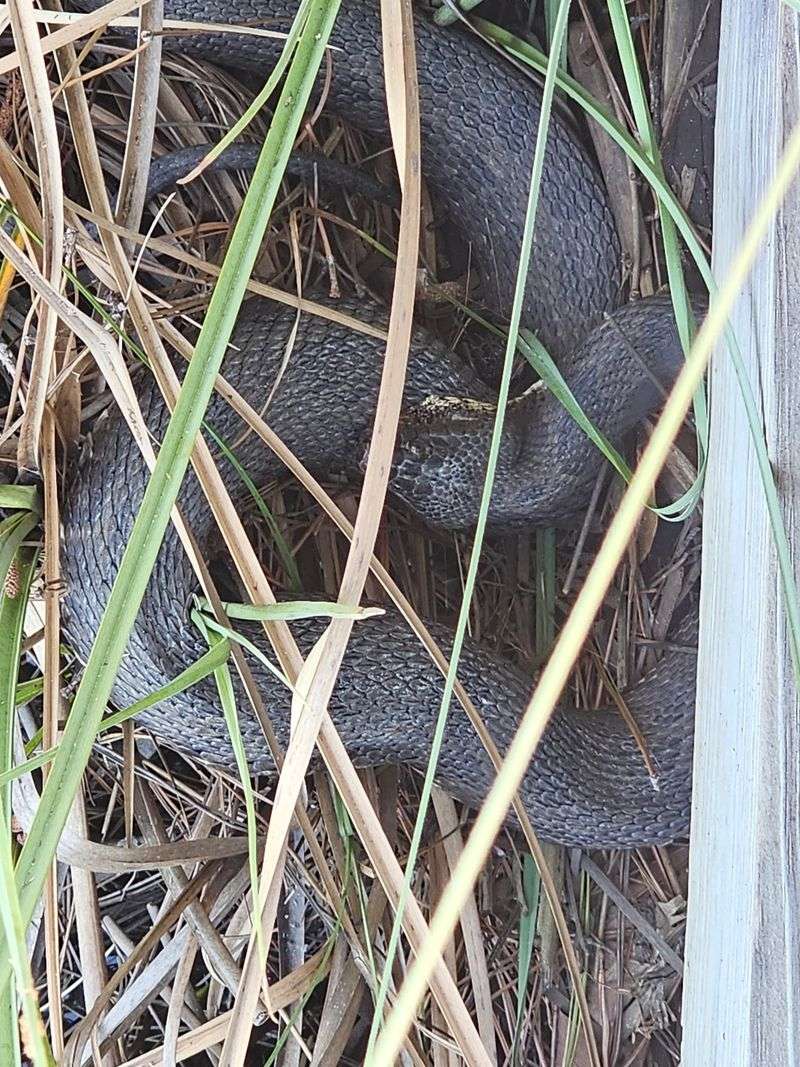
Small park, big personality. Ochlockonee River State Park sits in Wakulla County where two rivers meet, and white squirrels sometimes dart across the campground.
The park neighbors Apalachicola National Forest, where copperheads have been documented. Riverine forest and leaf covered ground here fit their habitat well, even though park specific sightings are not on record.
Many snake species use these banks, and most are harmless. Learning to tell them apart makes any walk more interesting.
Copperheads wear light and dark brown bands shaped like an hourglass. Adults usually run 22 to 36 inches, with thick bodies and quiet habits.
Fishing, paddling, and swimming in the designated area keep families busy all day. Shoes near the water are a smart call, on grass and along shorelines.
Campsites sit under pines with plenty of shade. Sweeping around your site each evening keeps hiding spots to a minimum.
Trails here are short and flat, which suits little legs and older knees. Stick to the middle of the path and you will see anything ahead of you.
Sunset over the river is the highlight, with pink water and calling birds. Bring a folding chair and just sit for a while.
Check open days and hours before arriving in this part of Florida. The address is 429 State Park Road, Sopchoppy Hwy, Sopchoppy, FL 32358.
7. Along Ahe Apalachicola River Itself
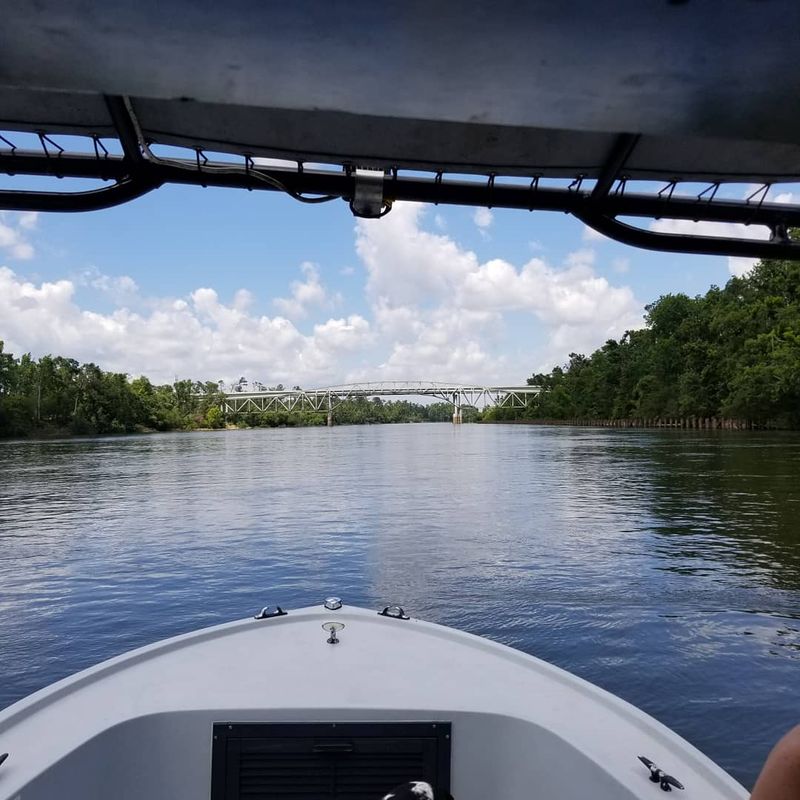
One river shapes almost the entire copperhead story in Florida. The Apalachicola runs from the Georgia line down to the Gulf, and its valley is where these snakes are most common.
Hardwood hammocks, damp ravines, and river bottoms line the banks. Add heavy leaf litter and fallen logs, and you have ideal shelter.
Boaters stop at sandbars for lunch and swimming, which is one of the best summer traditions in the Panhandle. Sandbars are open and easy to scan, so they are a good choice.
Be more careful at wooded landings and brushy banks. Step where you can see, and avoid climbing over deadfall.
Fishing here is excellent, from bass in the sloughs to catfish in the main channel. Pull your line in slowly and check the bank before stepping ashore.
Copperhead bites are painful but rarely serious for healthy adults. Children, older visitors, and small pets need extra care, so keep them close.
If you do see one, back up. They avoid people and only strike when stepped on or bothered.
Sunrise on this river is something you will remember. Mist, herons, and the sound of moving water make an early start easy.
Public ramps and landings dot the river across the Florida Panhandle, so check local access and river levels before you launch.
8. Blackwater River State Forest
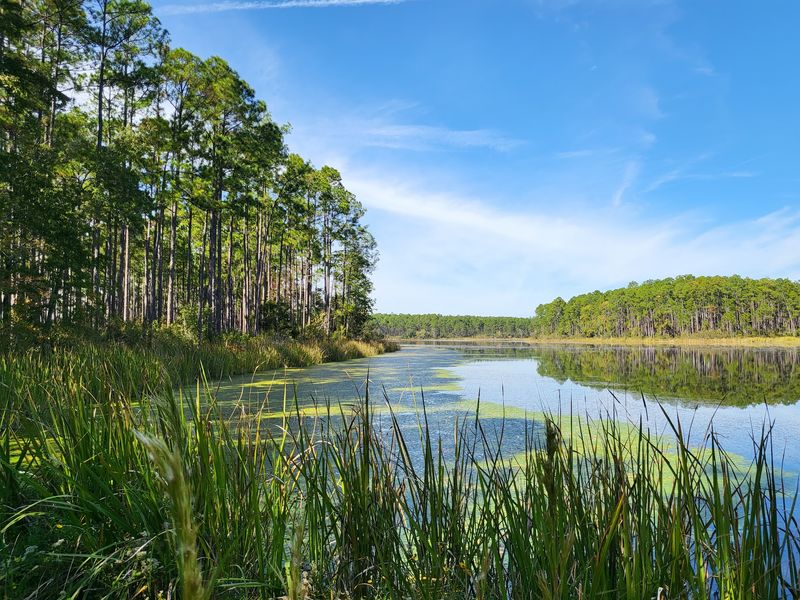
Way out in the western Panhandle, Blackwater River State Forest protects one of the largest longleaf pine forests left anywhere. It is huge, sandy, and shockingly clear where the river runs.
Santa Rosa County is one of the Florida counties with verified copperhead records. Pine and hardwood stands here match their favorite habitat, so their presence is very likely.
Tubing and canoeing on the Blackwater River is the main draw. White sandbars and cool water make hot afternoons feel easy.
Shoes help on sandbars and shady banks. Copperheads like leafy edges more than open sand, but a quick look never hurts.
Hiking and horse trails wind through the pines for miles. Tall grass sections are where a hiking pole earns its keep.
Camping options range from developed sites to quiet backcountry spots. Keep tents zipped and gear off the ground overnight.
These snakes stay active roughly March through November, then rest through winter. Summer nights are their busy time, so a flashlight belongs in every pocket.
Milton sits nearby with places to eat and restock. Grab supplies there before heading into the forest.
Nothing here should scare you off a weekend in this corner of Florida. Awareness is enough, and the scenery is worth it.
Check current trail and river conditions ahead of time, then aim for 11650 Munson Hwy, Milton, FL 32570.